
The Forgotten Fruit Tree Pennsylvania Backyard Growers Plant Because It Needs Almost No Spraying
Follow us on Google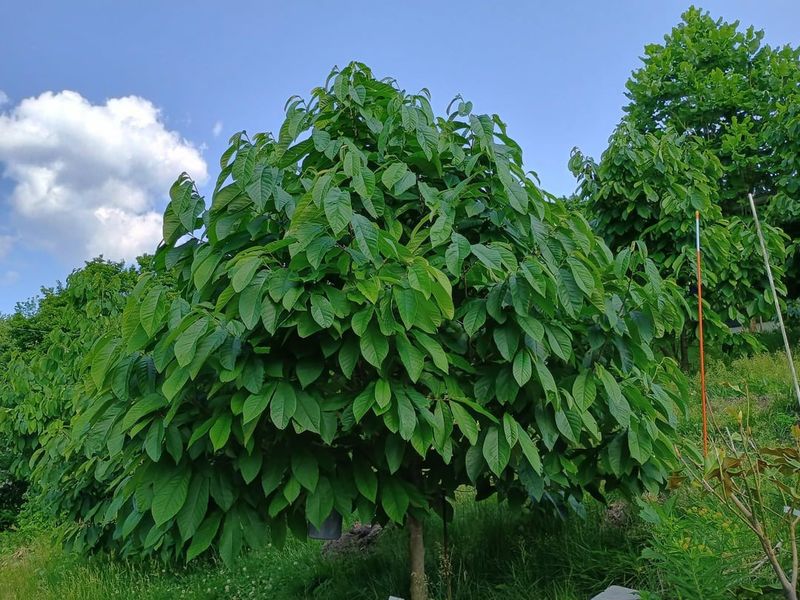
You walk out on a September morning in Pennsylvania and smell something sweet and tropical drifting from the woods edge. It is not a mango.
It is a pawpaw, a fruit tree that grows wild here and may suit gardeners who are tired of spray calendars. It is not pest-proof, and it will not fruit on its own schedule, but it has a quiet reputation worth knowing.
Here is what it takes to grow one.
Meet the Pennsylvania-Native Pawpaw
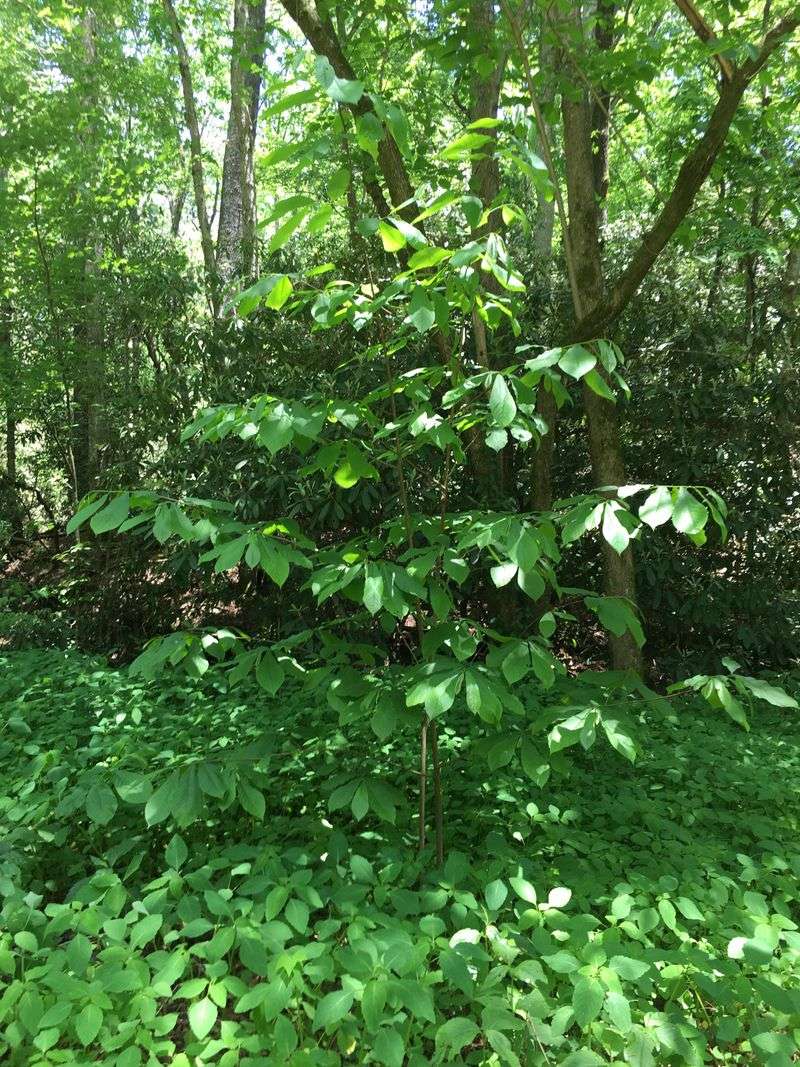
Some fruit trees feel like houseguests who need constant attention. The pawpaw, Asimina triloba, feels more like a neighbor who has lived here for ages.
It is native to Pennsylvania and grows naturally across eastern North America, including parts of southwestern Pennsylvania.
In the wild, it is a woodland understory tree, which means it grows in the shade beneath taller trees. Penn State Extension notes it can also grow in full sun or light shade, so it has more flexibility than its forest roots suggest.
The USDA Forest Service also describes its native range across the eastern part of the continent.
You may hear pawpaw called a forgotten fruit. That is a storytelling label, not an official status.
Plenty of people know and grow it, and nobody can say Pennsylvania gardeners pick it for any single reason.
Here is another detail worth knowing. Pawpaws come as named cultivars, meaning selected varieties, as well as plain seedlings grown from seed.
A named cultivar is not automatically an heirloom, so do not assume every tree at a nursery carries old family history.
Think of the pawpaw as a possible fit for your yard, not a promise. It may reward the right spot and some patience.
The rest of this article helps you decide if that spot is yours.
A Quiet Pest Record, Not a Pest-Free Tree
Here is the myth to clear up first. Pawpaws never need any care against pests.
That is too absolute, and no source backs it up.
What sources do describe is a tree that is relatively pest-resistant, with few insect and disease problems. Alabama Extension carries that reputation in its production guide.
For a gardener who dreads spray calendars, that quiet record may be the real appeal.
There are exceptions. Kentucky State University points to the pawpaw peduncle borer, whose larvae can damage flowers and make them drop.
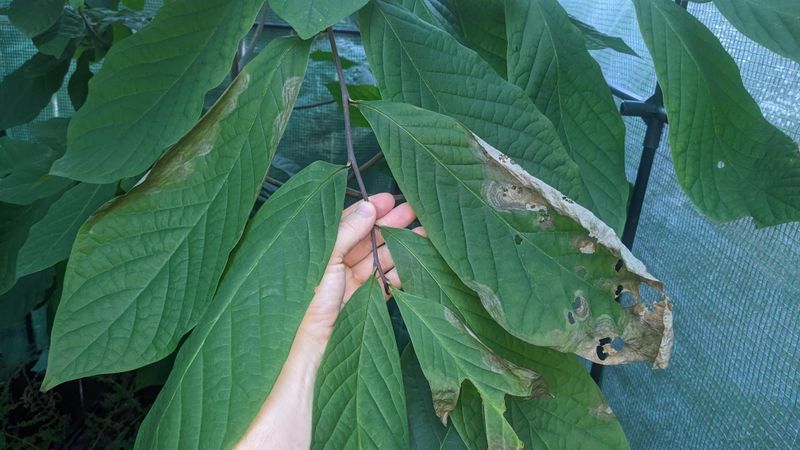
Clemson Extension reports a fungal leaf spot in humid climates, and Pennsylvania summers can be sticky.
For contrast, think of home apples. Penn State Extension documents apple pests like apple maggot that may call for monitoring and, in some situations, spray coverage.
That shows why some fruit trees demand more pest management.
But there is no head-to-head spray trial comparing pawpaws and apples in Pennsylvania yards. So treat low spray needs as a possible perk, not a guarantee.
Watch your flowers and leaves, and respond only to what you actually see.
Plant for Cross-Pollination
You plant one beautiful pawpaw, wait patiently, and get no fruit. Many gardeners meet this surprise.
The tree is not reliably self-fertile, so it generally needs pollen from a genetically different tree.
The fix is simple on paper. Plant two different trees, such as two cultivars, close enough to share pollen.
University of Maryland Extension advises keeping them no more than 30 feet apart.
Pollination is where the pawpaw gets a little fussy. Kentucky State University notes that natural pollination can be unreliable, and poor pollination can limit fruit set.
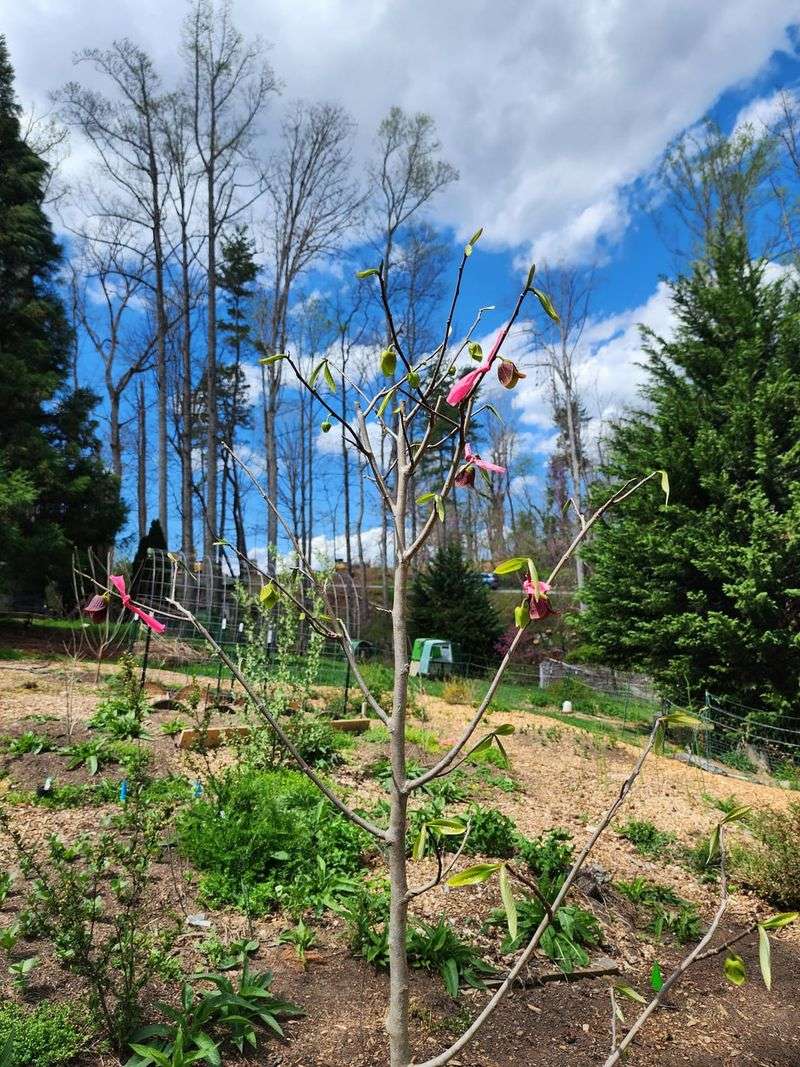
Those early flowers are not an easy target for insects.
Some growers try hand-pollination, moving pollen from one tree’s flowers to another with a small brush. Penn State Extension says it can improve fruit set.
Treat it as a possible aid, not a sure thing.
So buy a pair, label them, and keep the spacing tight. Even then, a harvest is never promised.
The trees are doing their part, and you are setting the stage.
Give Young Trees a Gentle Start
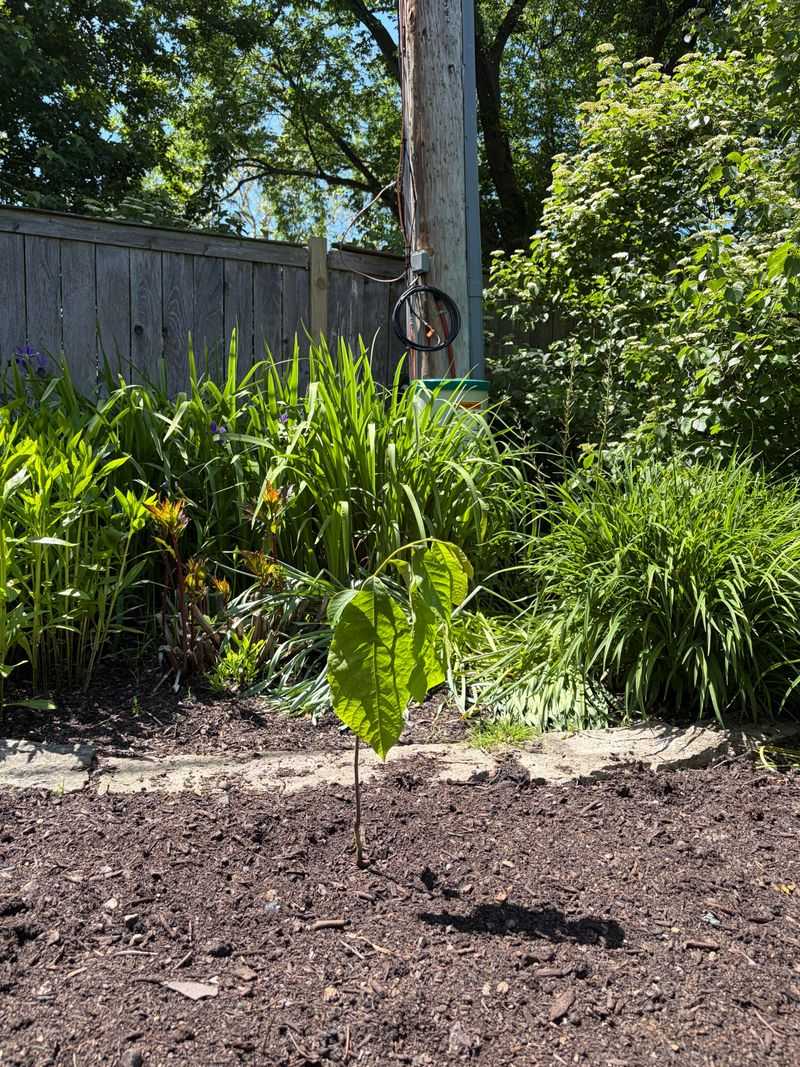
A pawpaw that needs little pest management is not the same as a tree you can ignore. Young ones are tender, and the first years matter most.
Kentucky State University advises watering newly planted trees and keeping moisture adequate, especially during the first two years. Pennsylvania summers can swing from heavy downpours to dry spells, so check the soil rather than trusting the last storm.
The sources do not give one universal amount or schedule. So let your soil guide you.
If the top few inches feel dry, a slow drink is usually welcome, and heavy clay yards may hold water longer than rocky ones.
Young pawpaws may also like partial shade at first, which fits their woodland roots. A bit of shade cloth or a spot beside taller plants can soften the afternoon sun.
Mature trees tend to produce better in open sun.
Notice what this care is. It is watering and shade, not routine pesticide spraying.
That is the kind of effort that quietly pays off, like tucking a seedling in for its first long nap.
Choose Room and Avoid Frost Pockets
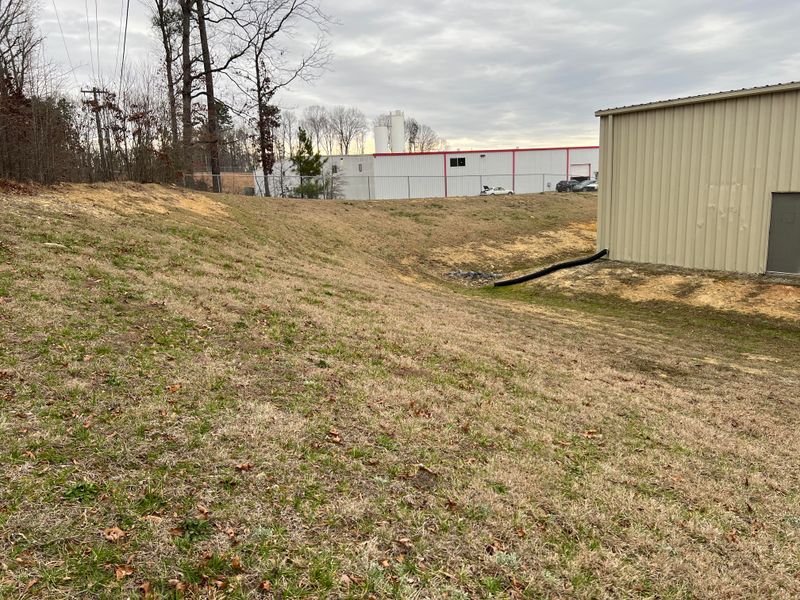
Picture a April morning with frost glittering on the lawn’s low corner. That is exactly where not to plant a pawpaw.
Its flowers open early, around April or early May according to Penn State Extension, and a late freeze can damage them before fruit forms.
Frost pockets are low spots where cold air settles. A gentle slope or open area where cold air can drain away is a safer bet.
Pennsylvania is within the pawpaw’s native range, but that does not guarantee a crop in every yard.
Local conditions, cultivar, and the season all matter. A frost-prone valley and a warm city yard are very different places.
Leave room, too. Pawpaws can reach about 30 feet in full sun with ample moisture, and they send up root suckers, shoots that grow from the roots.
Left alone, suckers can form a crowded thicket.
You can remove unwanted suckers to keep things tidy. The USDA Forest Service notes this spreading habit in the wild.
Give your trees space to stretch, and they will act like the easygoing woodland neighbors they are.
Harvest and Handle Ripe Fruit Promptly
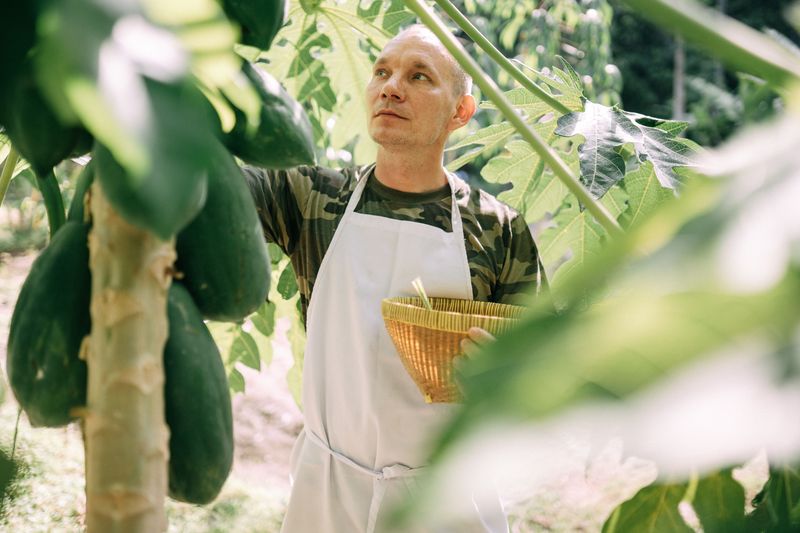
Ripe pawpaw has a clock on it. Penn State Extension places ripening around September, though location, cultivar, and season can shift the timing.
So watch the tree instead of the calendar. Pick fruit when it yields slightly to gentle pressure, much like a ripe peach.
Hard fruit is not ready, and squishy fruit may be past its best.
Here is the catch. Ripe pawpaw is perishable.
Eat it soon or refrigerate it promptly, and do not leave a basket sitting on the porch for days.
The kitchen part is simple. Scoop out the creamy flesh with a spoon.
Discard the seeds and the skin, because Penn State advises not eating them.
That is all there is to it. A first spoonful on a cool evening, with a custardy, tropical taste, is the moment many growers say makes the waiting worthwhile.
Set Realistic Expectations for the First Crop
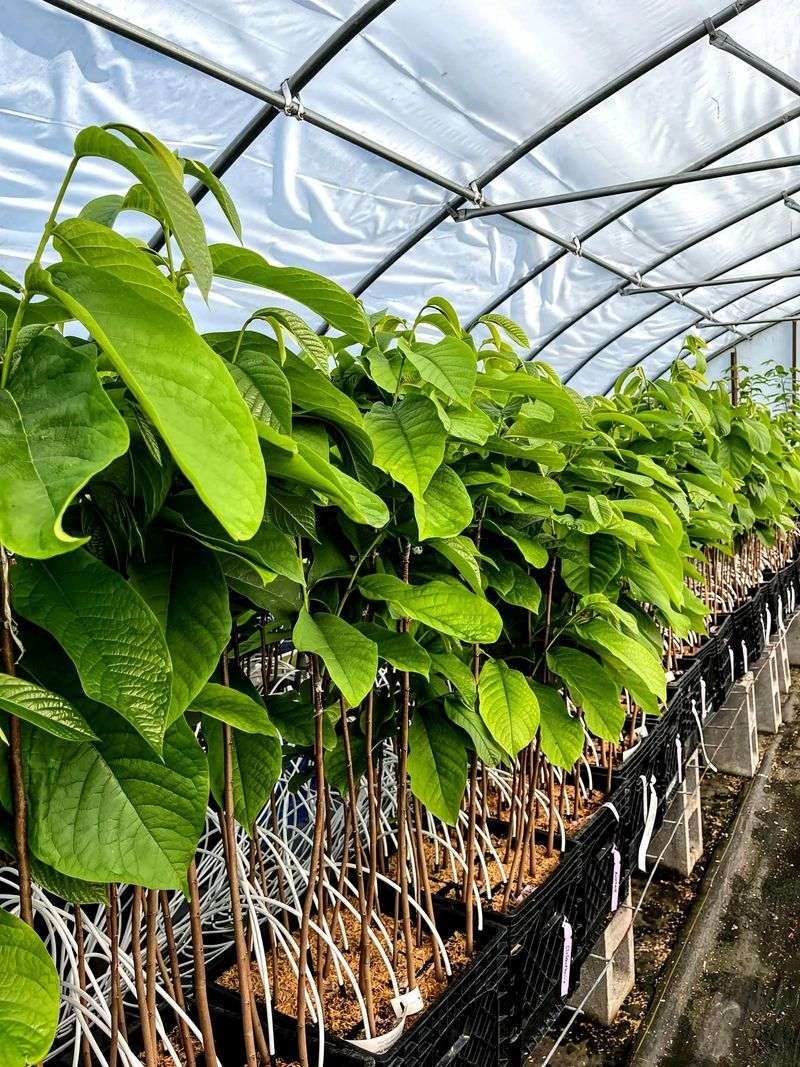
Patience is the last ingredient. Bearing times vary, and sources disagree.
Penn State Extension says grafted trees may fruit in two to three years, while seedlings may take up to 10.
Clemson Extension gives three to four years for grafted trees and five to eight for seedlings. Treat these as ranges, not promises.
So weigh the trade. Pawpaw may offer relatively low routine pest management, but it asks for two compatible trees, a frost-safe site, young-tree watering, sucker control, and quick handling of ripe fruit.
Choose it for conditions and care you can actually provide, not for a guaranteed spray-free crop. And do not lean on any claim about why other Pennsylvania growers plant it, because that is not documented.
A pawpaw rewards the steady gardener, not the hurried one.
