
7 Florida Porch Pot Plants That Pour Out Their Sweetest Scent Right At Sunset
Follow us on Google
You step onto the porch around 7:30, sweet tea sweating in your hand, and the Florida air suddenly smells like a perfume counter. Nothing in your yard changed since lunch, yet the whole evening feels different.
That shift is no accident, because certain plants hold back their fragrance all day and release it at dusk for the moths. Here are seven that grow well in Florida pots and turn your porch into the best-smelling spot on the street.
1. Gardenia
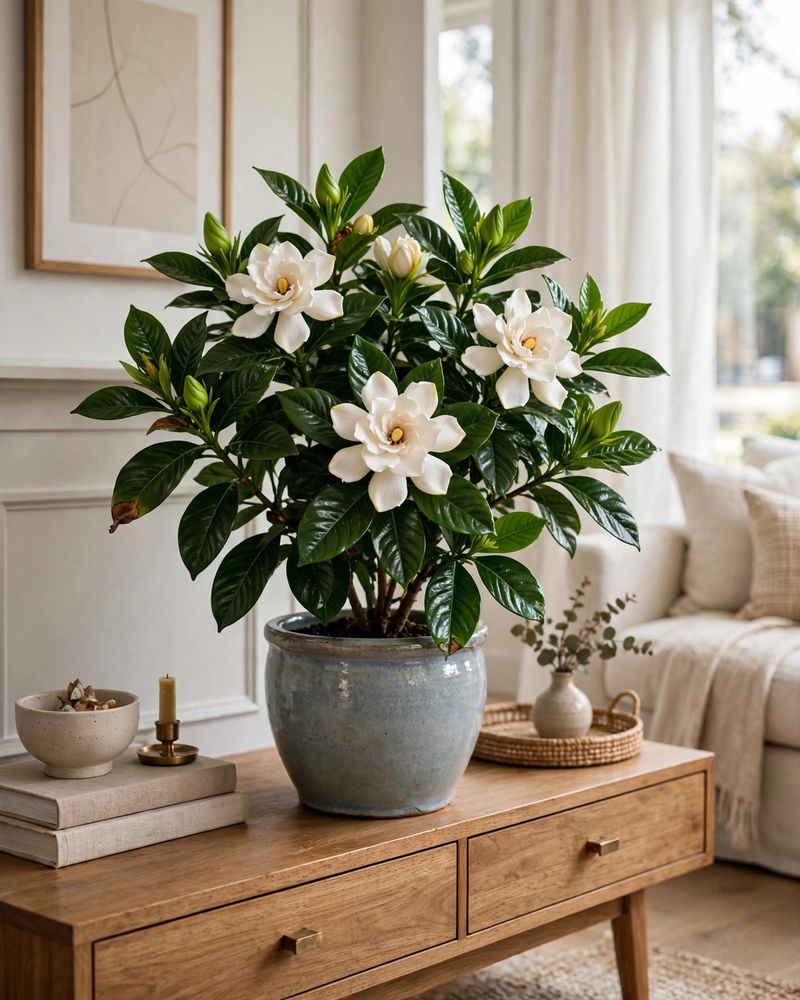
Many Florida gardeners have a love-hate story with gardenias. The flowers smell like heaven, then the leaves turn yellow and you start wondering what you did wrong.
Here is the twist. Gardenia (Gardenia jasminoides) wants acidic soil, around pH 5.0 to 6.5, and the limestone-based ground in parts of South Florida simply does not cooperate.
A pot hands you the controls. Fill it with an acid-loving potting mix and use a fertilizer made for azaleas and camellias in late winter and again in early fall.
Give it morning sun and shade from roughly noon to 4 p.m., when the Florida sun is harshest. Let the top inch of mix dry before watering, since soggy roots invite root rot.
Watch the leaf undersides for whiteflies and scale, two pests that love stressed gardenias.
Prune lightly right after blooming, but stop by October in North Florida so you do not cut off next spring’s buds. Then wait for that first warm May evening.
The scent drifts across the porch like an old Southern welcome, and it actually feels earned.
2. Grand Duke Of Tuscany Jasmine
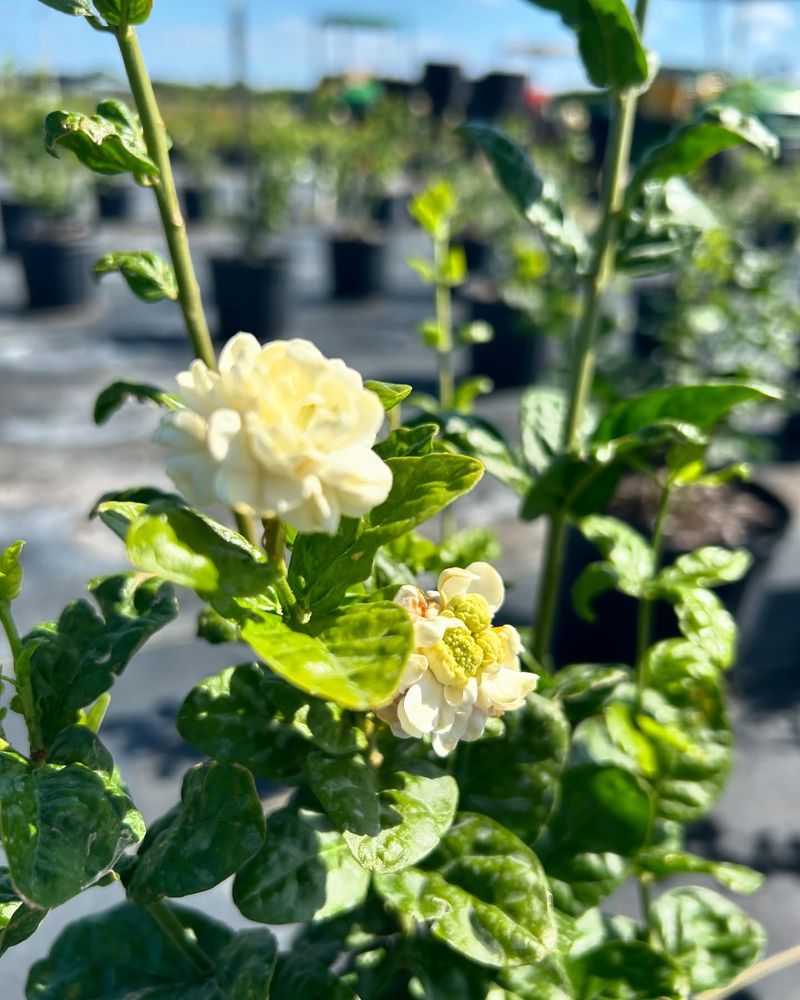
Picture a white rose that smells like jasmine. That is the Grand Duke of Tuscany, a fully double form of Arabian jasmine (Jasminum sambac) with blooms so thick they look sculpted.
Most people assume jasmine wants shade. This one does not.
It needs at least 6 hours of direct sun to flower well, and too much shade leaves you with lanky stems and very few blooms.
The good news is its manners. Unlike the rambling vining jasmines, this cultivar stays fairly compact, which makes it a natural fit for a 14 to 16 inch pot by the front door.
Use a rich, well-draining mix and feed it every 4 to 6 weeks from spring through fall, because it is a hungry plant.
In the heat of Central and South Florida summers, a pot this size may need water every day. It is hardy in zones 9 through 11, so in the Panhandle you should roll it into the garage when nights dip below 32 degrees.
Snip lightly after each flush and it keeps answering with more flowers, each one a small, fragrant surprise at dusk.
3. Tuberose
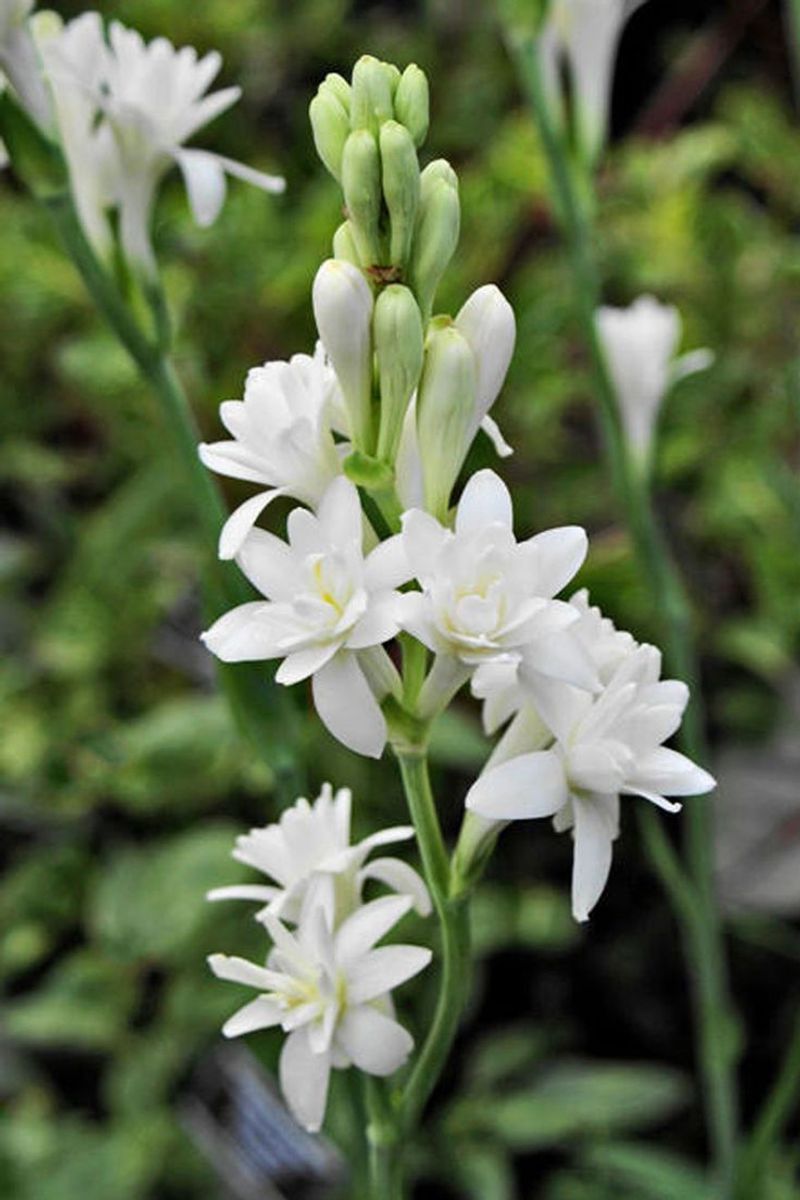
One pot. That is all it takes for tuberose (Polianthes tuberosa) to perfume an entire porch, and first-time growers are genuinely startled by it.
The waxy white flowers open on spikes up to 30 inches tall, and the scent climbs from late afternoon into the night. It is a deliberate move.
The plant is calling night-flying moths, and you just happen to be sitting in the crossfire.
Plant the bulbs in spring, about 2 inches deep and 6 to 8 inches apart, in a deep pot with good drainage. Give it 6 to 8 hours of sun and steady moisture, because a thirsty tuberose often skips blooming entirely.
Feed every 3 weeks with a liquid fertilizer during the growing season.
Patience matters here. Flowers usually show up 90 to 120 days after planting, which lands in late summer or early fall across most of Florida.
In Central and South Florida the bulbs can stay in the pot year-round, while North Florida growers may want to store them dry for winter. When those spikes finally open, every evening smells like a wedding bouquet.
4. Moonflower
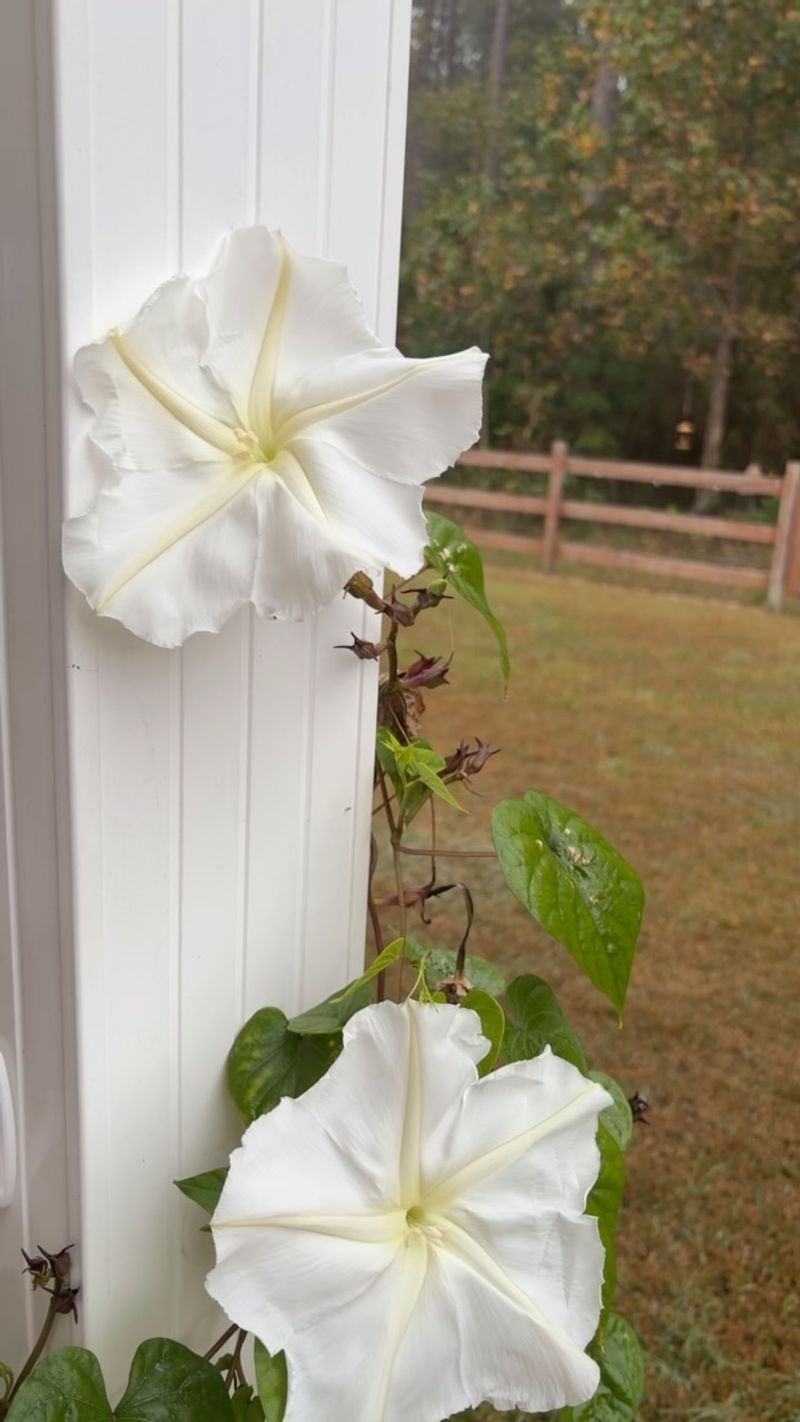
Grab a chair around sunset and keep your eyes on a fat, twisted bud. Within a few minutes, it unspools into a white trumpet nearly 6 inches across.
That is moonflower (Ipomoea alba), a Florida native vine with a genuine sense of theater.
The catch is size. Stems can run past 15 feet, which sounds like trouble for a pot.
Give it a large container, at least 15 gallons, plus a sturdy trellis or porch post to climb, and the vine settles right in.
Nick the hard seeds with a nail file or soak them overnight in warm water, then sow in spring after frost. Moonflower handles sandy Florida soil and full sun or light shade.
Feed every 4 to 6 weeks with a balanced fertilizer and check for whiteflies and spider mites on stressed vines.
The sweet scent pulls in sphinx moths, so your porch becomes a small night show. Kids love it.
Adults secretly love it more.
5. Four O’Clocks
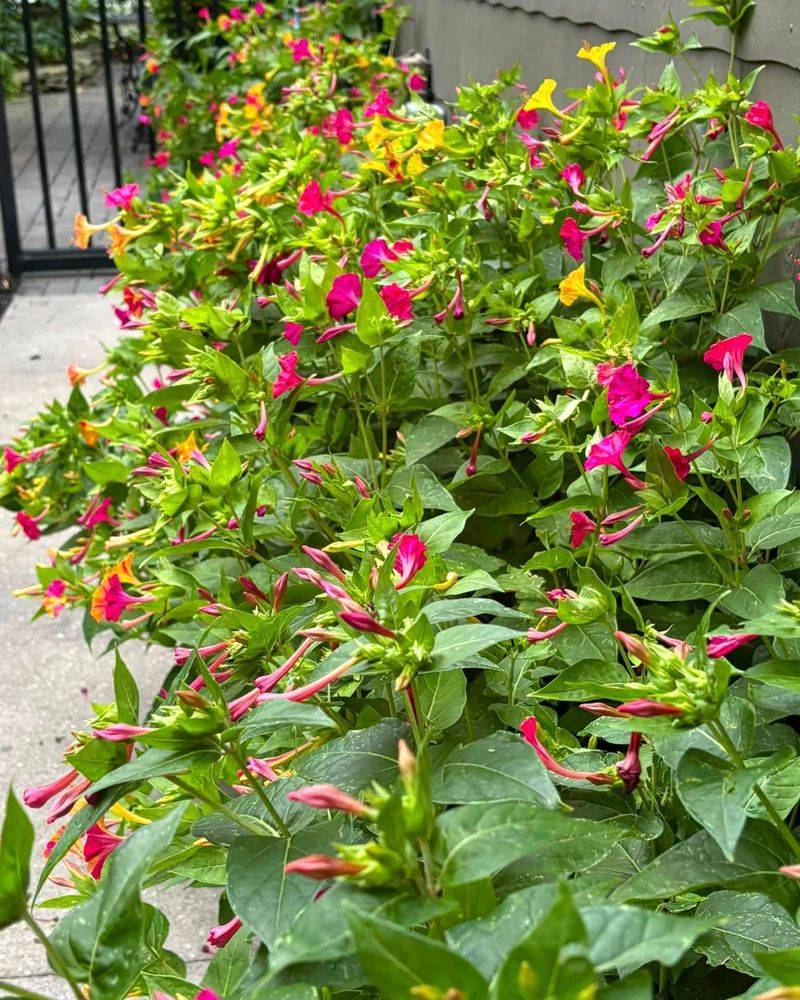
Ask around and someone will remember four o’clocks (Mirabilis jalapa) from a grandmother’s yard. The flowers really do open in late afternoon, and they release a soft, lemony sweetness right as the porch light comes on.
But here is where it gets tricky. In the ground, these plants drop seeds everywhere and pop up in beds you never planned for them.
A pot keeps that wandering habit in check, which is exactly why they shine as porch plants.
Give them sun, ideally 6 hours or more, and water when the top inch feels dry. They are not fussy about soil and need only a light feeding in spring.
In North and Central Florida they may die back after a frost, then return from their tuber-like roots. South Florida plants often stay green all year.
One honest warning. The seeds and roots are toxic if eaten, so keep the pot away from curious dogs and toddlers.
Handled with that bit of care, four o’clocks bring back a feeling a lot of people did not know they missed.
6. Sweet Almond Verbena
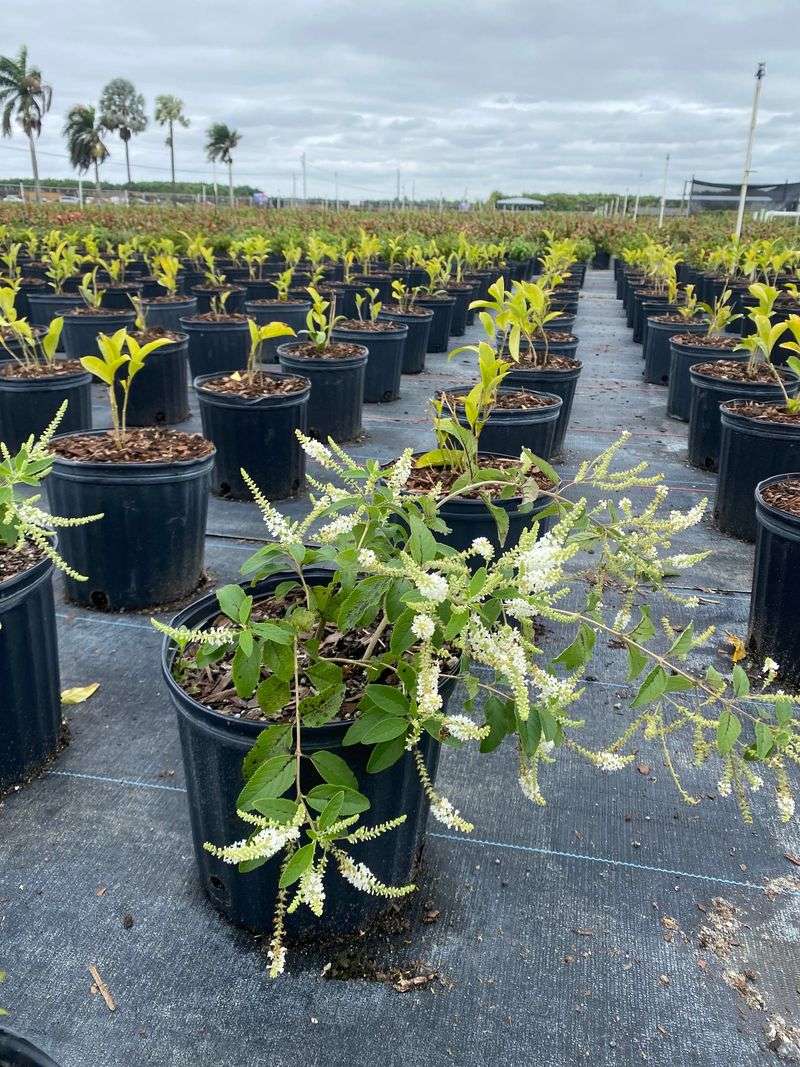
Sweet almond verbena (Aloysia virgata) smells like a bakery at dusk. The white flower spikes give off a vanilla and almond scent that gets stronger late in the day.
It also brings company. Butterflies, including gulf fritillaries, plus bees and the occasional hummingbird, work the blooms through late afternoon, so your porch feels alive just before the moths take over.
Left alone in the ground, this shrub can reach 10 feet or more. In a 20-inch pot with regular pruning, it stays a tidy 3 to 4 feet.
Cut it back after each bloom flush and give it a harder trim in late winter.
Aim for 6 hours of sun and fast drainage, since it hates wet feet. Along the Gulf Coast it tolerates sandy mixes easily.
North Florida growers may see leaves drop in a cold snap, but the plant usually bounces back in spring. Think of it as the friendly neighbor of the bunch, generous with scent and always happy to share.
7. Night-Blooming Jasmine
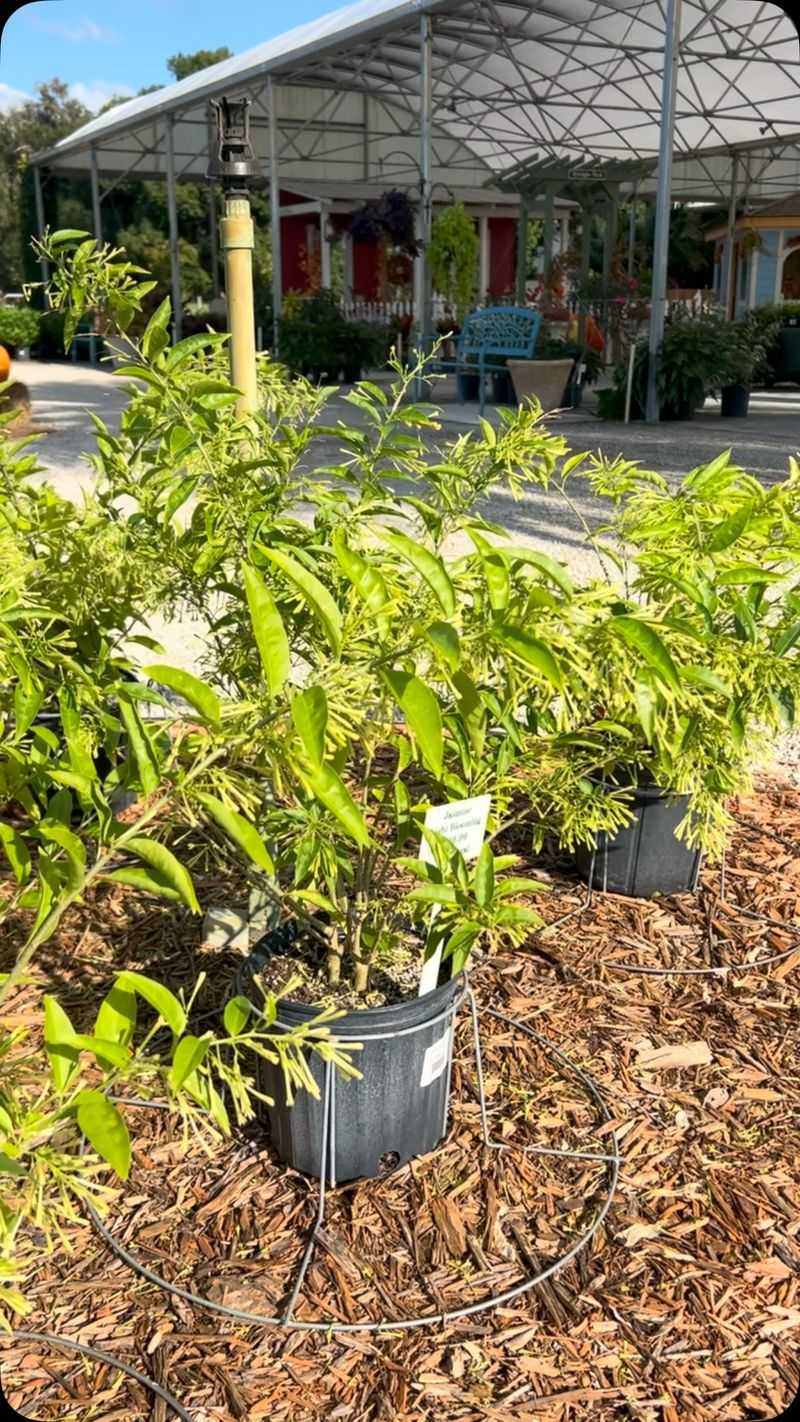
Myth first. Night-blooming jasmine (Cestrum nocturnum) is not a true jasmine at all, it belongs to the nightshade family.
Its scent, though, outshines nearly everything else on this list.
The small cream flowers smell faint at noon. After dark, they pour out a heavy sweetness that can carry 50 feet or more.
Some people adore it, while others find it too strong on a closed-in porch, so place the pot on an open, breezy side.
South Florida is its sweet spot, and it blooms on and off all year in zone 10 warmth. In Central Florida, keep it potted and move it inside when temperatures drop below 40 degrees.
In the Panhandle, treat it as a summer guest. Use a well-drained mix, give it sun to part shade, and trim it to about 3 to 4 feet after each bloom cycle.
All parts are toxic if eaten, so keep it away from pets and children. UF/IFAS Extension also notes it can spread by seed in South Florida, so pick off berries before birds do.
Manage it with that care, and you will be the porch everyone notices on an evening walk.
