
The Nocturnal Visitor Texas Homeowners Chase Off Is Actually Working The Night Shift For Them
Follow us on Google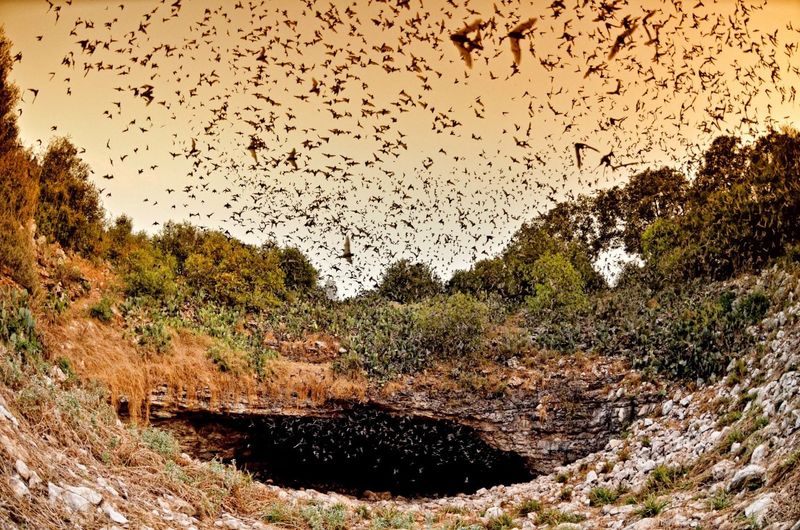
You step onto the patio at dusk in Texas and something dark flickers past the porch light. Most people flinch and wave it off, but that fast, fluttering shape is most likely a bat.
Bats may play a part in natural insect control, though not in the way many online claims suggest. Here is what research really says, and what to do when one shows up close to home.
A Bat Is A Plausible Texas Night Visitor
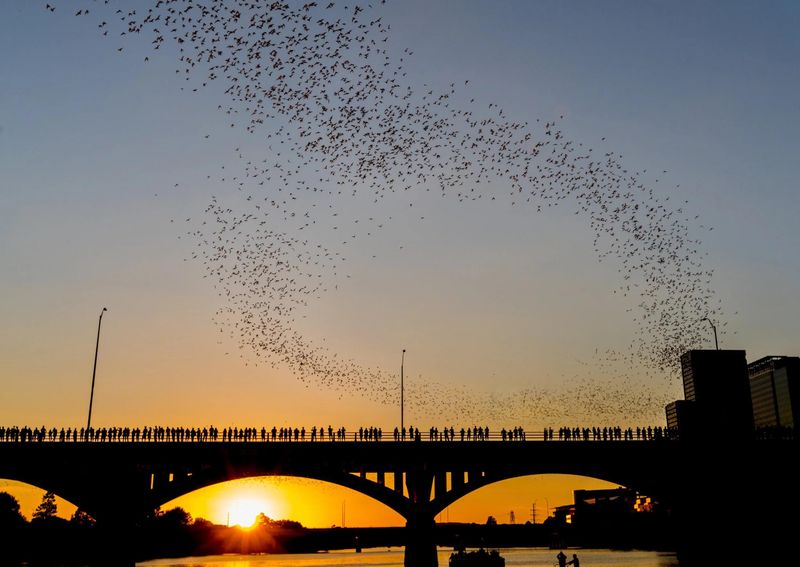
Dusk settles over the yard, the cicadas wind down, and a quick shape swoops past the porch light. Odds are good it is a bat.
Birds are mostly asleep by then, and few other flying animals work the night air.
A short glimpse cannot tell you the species. Bats are small, fast, and hard to tell apart even for people who study them.
So the honest answer is that a bat is the most plausible visitor, not a certain one.
Texas does have plenty of bat habitat. Texas A&M AgriLife Extension says Mexican free-tailed bats occur across much of the state, with greater numbers in the southern half.
Some Texas caves hold millions of them. That makes this one common Texas species, but it does not mean the bat over your fence is one.
Not every property has bats, either. They need places to roost, open air to hunt in, and enough insects to make the trip worthwhile.
A yard in the Hill Country may see regular visitors while a treeless lot in a new neighborhood may see none.
Here is the useful way to hold the idea. A bat in your yard is a reason to be curious about natural insect control, not proof that it is helping your tomatoes or your patio evenings.
The rest of this article sorts out what is known, what is modeled, and what is only hopeful talk.
Think of the bat as a night-shift neighbor you have never actually met. You can respect the work without knowing the whole job description.
Bats Eat Insects, But Their Diets Vary
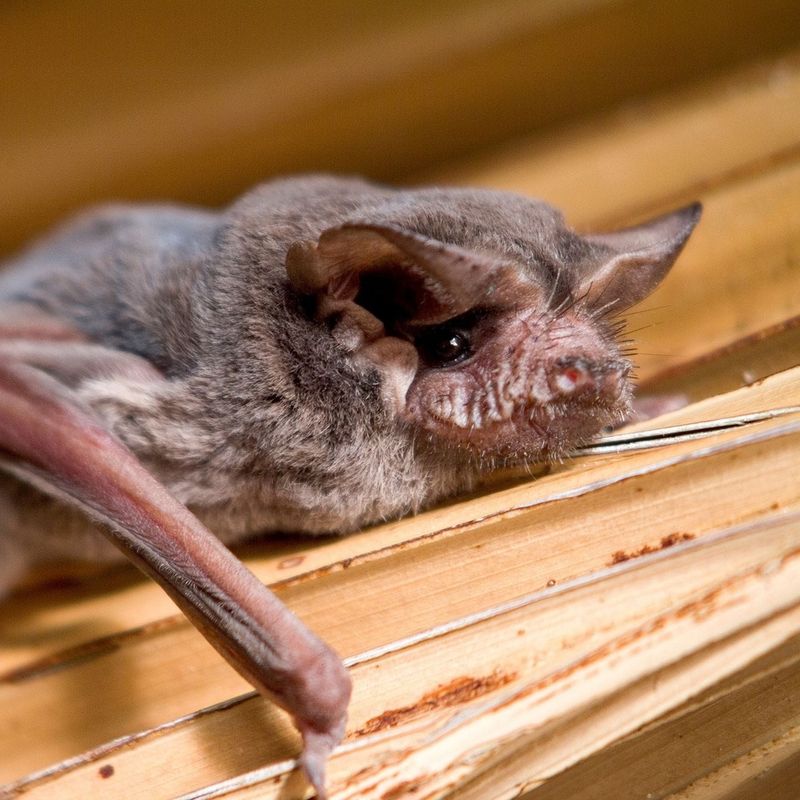
Bats are insect hunters, and that part is solid. They snap up flying bugs in the dark, using sound to find them.
What they eat, though, depends on the bat.
In south-central Texas, a diet study of free-tailed bats found they ate moths that include crop pests such as corn earworm and fall armyworm. The study also found that the menu shifted with the seasons, tracking big moth migrations and what was available.
So no bat is a one-pest specialist, and diets change by species, place, and time of year.
Mosquitoes are where the claims get wild. Some bats do eat them.
But a peer-reviewed study notes that dramatic numbers often come from enclosure experiments, where bats fed in rooms packed with mosquitoes. Wild bats may not feed that way.
A University of Wisconsin resource, on bats and mosquito control, says there is no evidence that more bats cut mosquito numbers enough to change how often people get bitten. So skip the line about one bat eating thousands of mosquitoes a night.
If you want a practical clue, look at what flies around your yard at dusk. Moths at the porch light are the kind of prey the Texas study describes.
Mosquitoes at your ankles still need a fan, fresh water in the birdbath, and tipped-over buckets.
Bats help with a big job. They just do not do your whole to-do list.
Texas Cotton Research Shows Potential, Not A Yard Guarantee
You may have seen the big dollar figure. It is real, but it is narrower than the headlines make it sound.
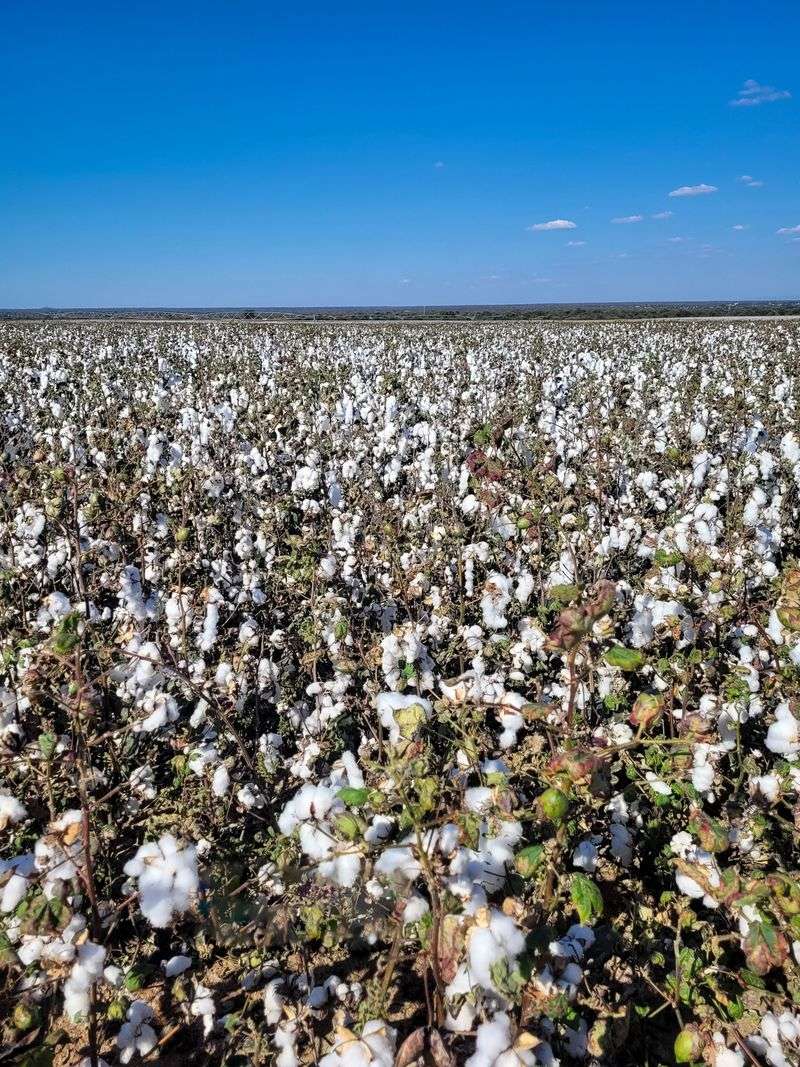
Researchers wrote a 2006 study on the possible economic value of free-tailed bats to cotton in eight south-central Texas counties. The model produced an estimated annual range of $121,000 to $1.725 million.
Its reference estimate was $741,000.
Those numbers come from a model, not a receipt. They apply to that region and that crop.
They are not a current statewide total, a measured benefit to any single farm, or a savings figure for a homeowner.
The model leaned on assumptions, and the authors say so. There were open questions about bat behavior, what the bats were really eating, other things that kill pests, and how much pesticide farmers used.
Change those pieces and the answer moves.
So what do you do with it? Use it as a sign that bats can matter in farmland, where huge colonies and big moth flights overlap.
Then leave it there.
A Central Texas cotton field and a quarter-acre lot with a vegetable bed are very different places. The field has acres of one crop and the pests that follow it.
Your yard has a few tomato plants, a mix of flowers, and a different set of bugs.
The figure is a good story about scale. It is not a promise about your zucchini.
What Bats Can—and Cannot—Do For A Home Garden
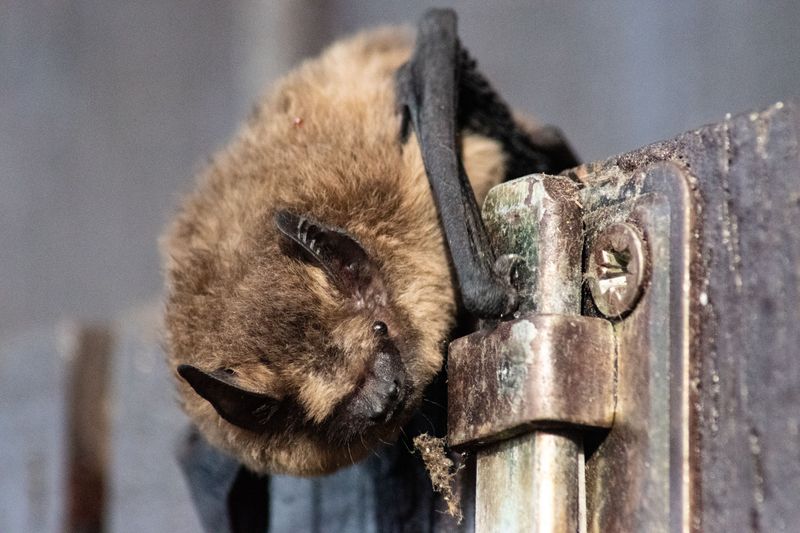
Picture a squash bed in July, and a gardener wondering if the night shift will save it. Here is the plain answer.
Nobody can promise that.
Bats are part of a natural insect-control system, and the National Park Service lists insect eating among their benefits. The Texas evidence, though, comes from agricultural landscapes, as in the cotton study.
Research has not shown that bats noticeably cut pests at one home or protect a particular plant.
Many pests are also poor targets for a bat. Squash vine borer moths fly by day.
Aphids and spider mites are tiny and stay put on leaves. Fire ants live in the soil.
A bat hunting in open night air is not going to reach any of those.
Mosquitoes follow the same rule. Since some bats eat them, it is tempting to count that as protection.
But eating some mosquitoes does not show that your bite count will drop, and the University of Wisconsin mosquito guidance is clear that the evidence is not there.
So treat bats as one possible layer. Keep scouting your plants, identify the actual pest, and deal with that pest directly.
Check the undersides of leaves a couple of times a week. Dump standing water weekly.
A bat may be quietly helping somewhere in the neighborhood. Your own eyes and a good hose are still the surest tools you have.
Respond Safely To Indoor Bats And Building Roosts
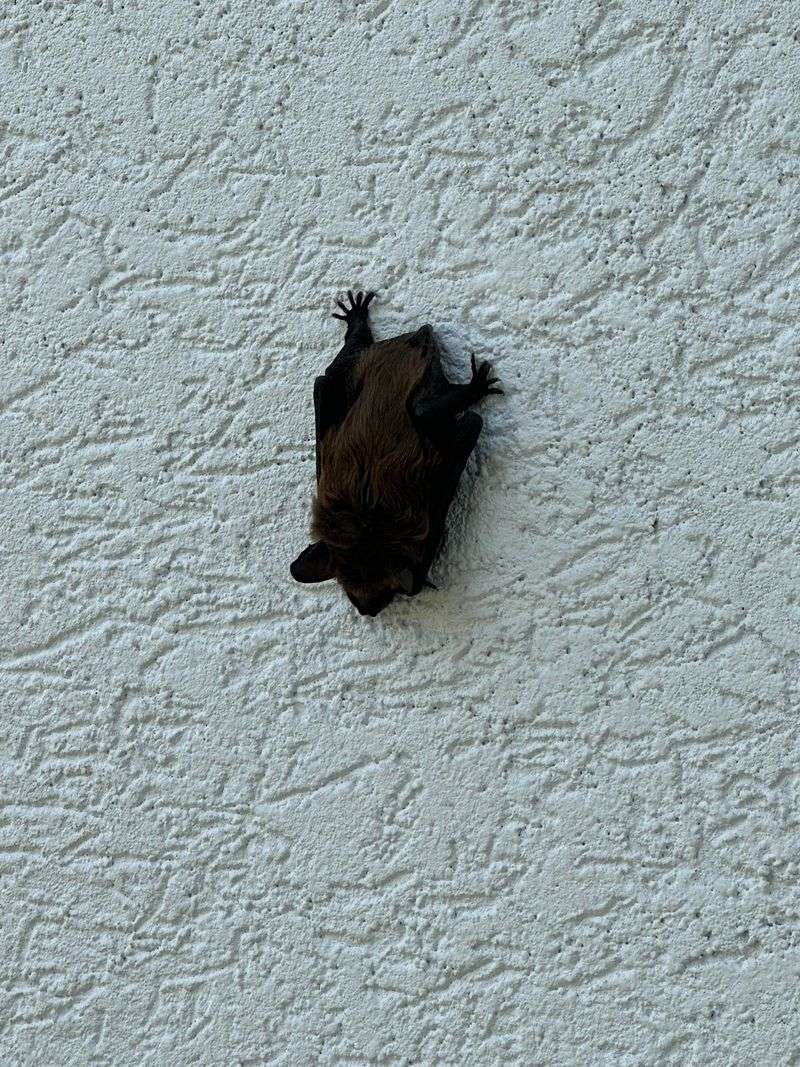
A bat in the living room and a bat in the attic are two different situations, and they call for different moves.
If one is indoors, do not touch it. Texas DSHS says to contact animal control or your local health department about an injured, sick, or dead bat.
Bites can be tiny and hard to see.
If a person or pet may have had contact, do not release the bat. State health guidance on bat exposure tells you to contact animal control promptly about testing for rabies.
Most bats do not carry rabies, but any possible contact deserves caution, so let local authorities guide the next step.
Now the attic or wall. Before you do anything, get local wildlife or pest-control guidance.
Texas A&M AgriLife Extension recommends exclusion, which means letting bats leave and then closing the openings. Never seal bats inside.
Timing matters. TPWD’s posted guidance discourages exclusion from May 1 through August 15, because young bats that cannot fly yet may be trapped and left to die.
That is seasonal guidance, and it is a separate thing from the law. TPWD notes that bats generally may not be hunted, killed, possessed, purchased, or sold, with an exception for bats inside or on a building occupied by people.
You can read the rules in Chapter 63 of the Parks and Wildlife Code.
So removal is not always illegal, and it is not always wise. Call a local pro first.
A Bat House Supports Habitat, Not Guaranteed Pest Control
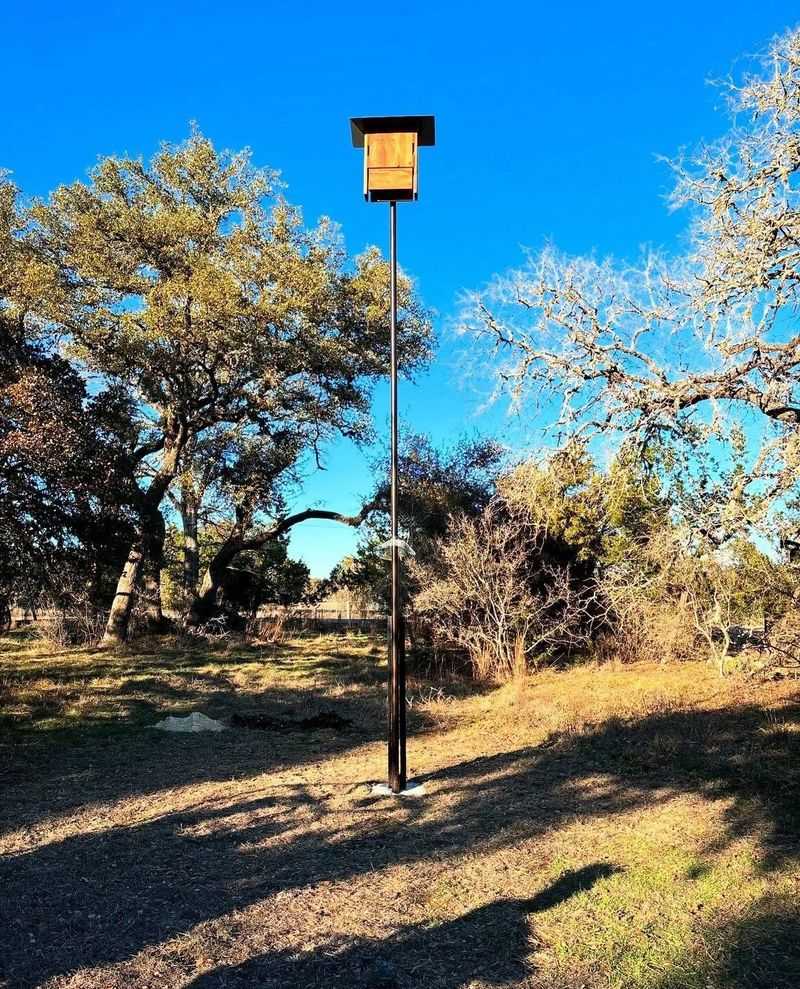
A bat house is a small gift of habitat. It is not a pest-control machine you can order and forget.
Start with quality. Bat Conservation International recommends a well-built, multi-chamber house with at least 12 feet of open space beneath the exits, so bats can drop and take off safely.
Heat is the big risk in Texas. In hot climates, shade or morning sun can help limit overheating.
Then set your expectations. Bat houses may take years to be occupied, and some never are.
The U.S. Fish and Wildlife Service also asks people to think about whether a box is right before installing one.
Do not hang one expecting fewer mosquitoes by summer. Nor should you count on it to protect your garden.
Think of it as an open invitation, and let the bats decide.
If you do try one, pick a spot with open sky, check it each spring, and be patient. A quiet year or three does not mean you did it wrong.
The National Park Service describes bats as helpful to insect control and ecosystems overall. That is a good reason to give them a place.
It is not a promise about your yard.
Some evenings the best payoff is simply standing outside at dusk, watching something small and fast work the dark.
