
Texas Rock Rose: An Open-Growing Native That Can Add Pink Blooms From Spring to Fall
Follow us on Google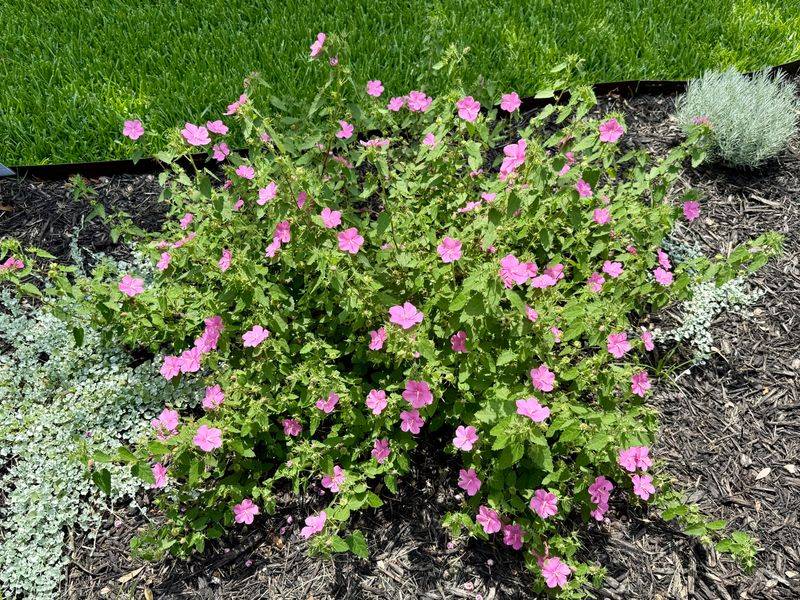
You step outside before breakfast, coffee in hand, and a pink flower the size of a small saucer is already open beside the fence. It looks a lot like a hibiscus, but it is a Texas native that doesn’t need pampering.
Plenty of Texas gardeners wonder if it could share space with their lantana. Here is what it really does, and where it can fall short.
Meet Texas Rock Rose
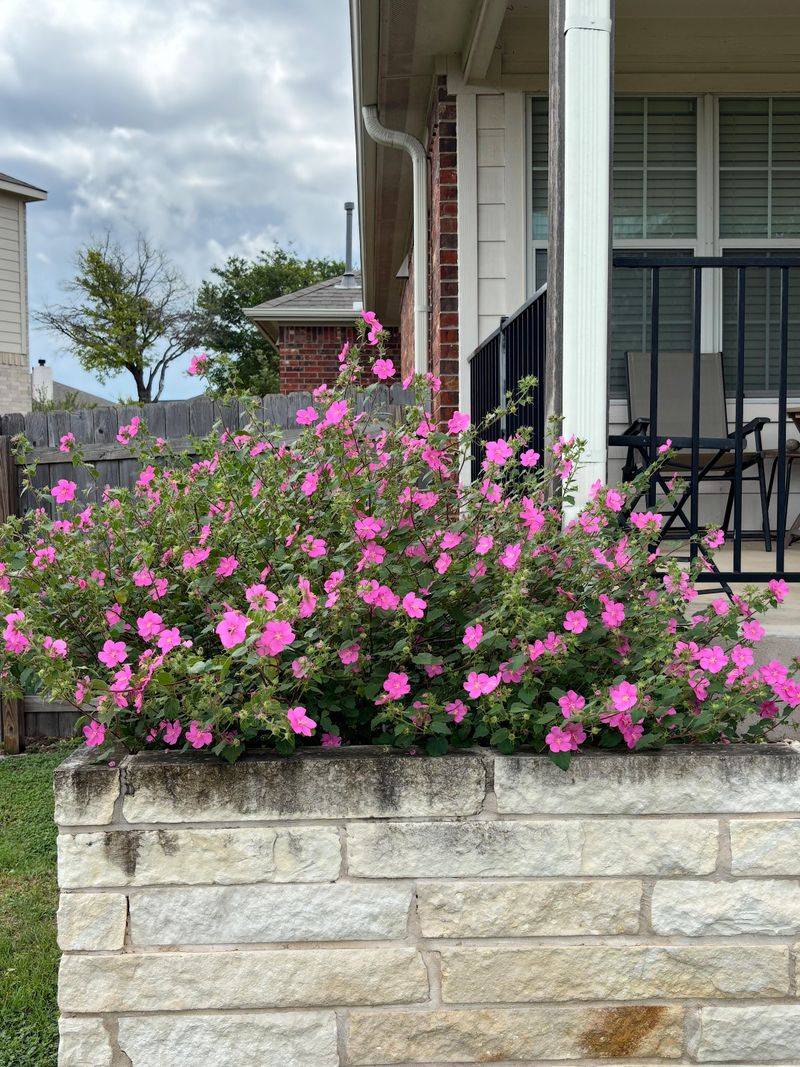
Picture a hibiscus that grew up on a rocky Texas hillside and learned to tough it out. That is Texas rock rose, known to botanists as Pavonia lasiopetala.
It is a woody-based perennial with soft pink flowers and fuzzy, heart-shaped leaves.
According to a USDA plant fact sheet, the plant grows about 2 to 4 feet tall. That size is why some people call it compact.
But the form is naturally open and can get leggy, so do not expect a tight little mound like a boxwood.
The flowers are the star. Each one is about 1½ inches wide, with five pink petals that cup around a column of yellow-tipped parts in the center.
They look delicate, though the plant itself is tougher than it appears.
The Lady Bird Johnson Wildflower Center lists it as native to Texas, and it grows naturally in dry, rocky places. That background tells you a lot about what it likes in your yard.
So where does lantana fit into this? Think of rock rose as a possible partner or an alternative with a softer, different look.
It is not a proven one-for-one swap. It earns a spot because it brings native pink flowers and a long potential bloom season, as long as your site and expectations match what it can actually do.
Its Bloom Window Varies By Place
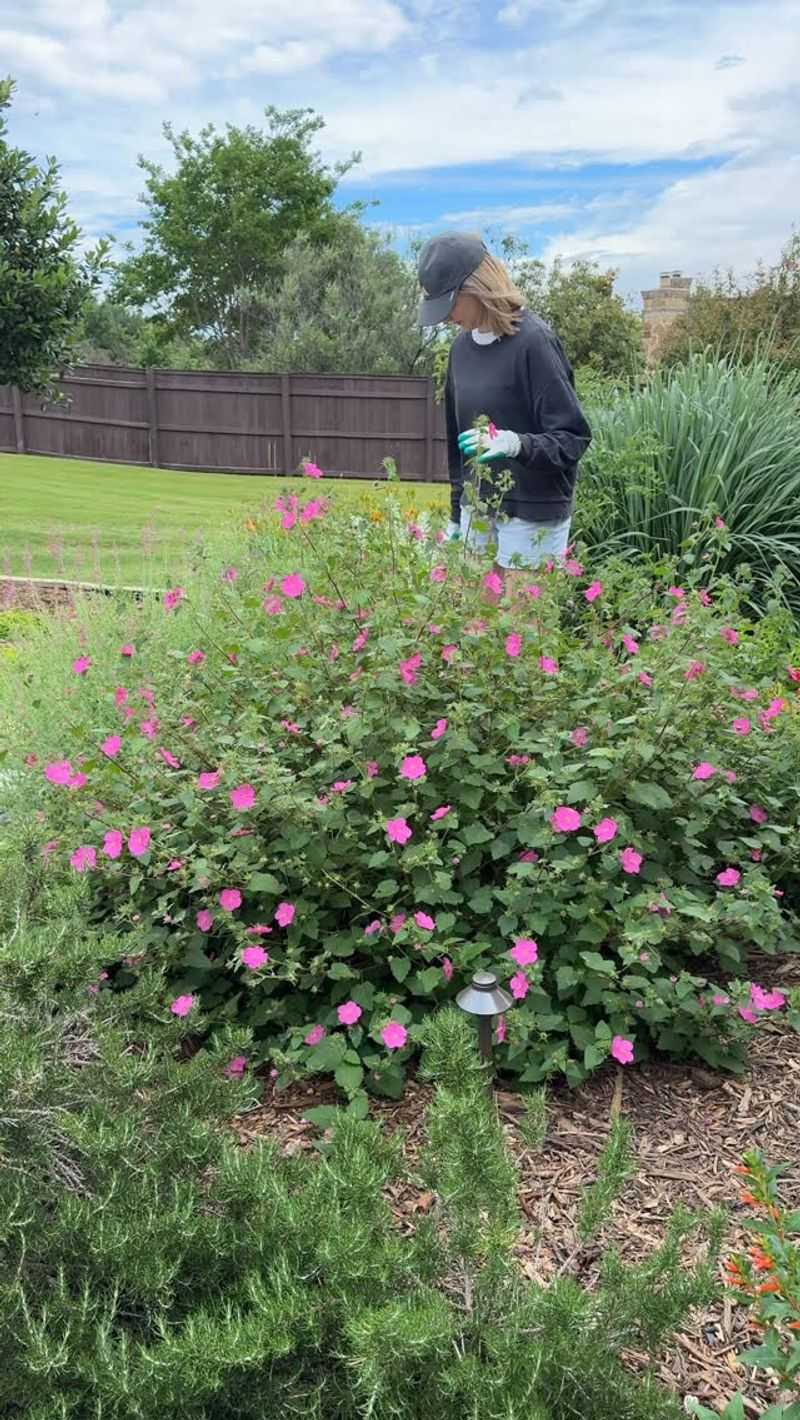
Here is the catch with the long bloom season. The sources do not all agree.
The Wildflower Center records flowering from April through November, and the USDA Kerr Germplasm release gives the same April-to-November window.
Meanwhile, the USDA fact sheet describes flowering from June through fall. And the City of Austin’s plant guide lists summer as its season of interest and reports very few blooms after spring.
Same plant, different stories.
The plain-language takeaway is simple. A spring-to-fall show is documented as a possibility, not a promise.
Your soil, your sun, your rainfall, and even your neighborhood may shift when and how much it blooms.
Then there is the daily rhythm. The flowers open in the morning and may close by early afternoon when the heat is at its worst.
Walk out at 9 a.m. and you may see a crowd of pink. Walk out at 3 p.m. in August and you may see a lot of folded petals.
So plan your viewing around mornings, near a patio, a coffee spot, or a walkway you use early. Do not count on all-day color, and you will enjoy what the plant genuinely delivers.
Lantana Is Not A Fading Benchmark
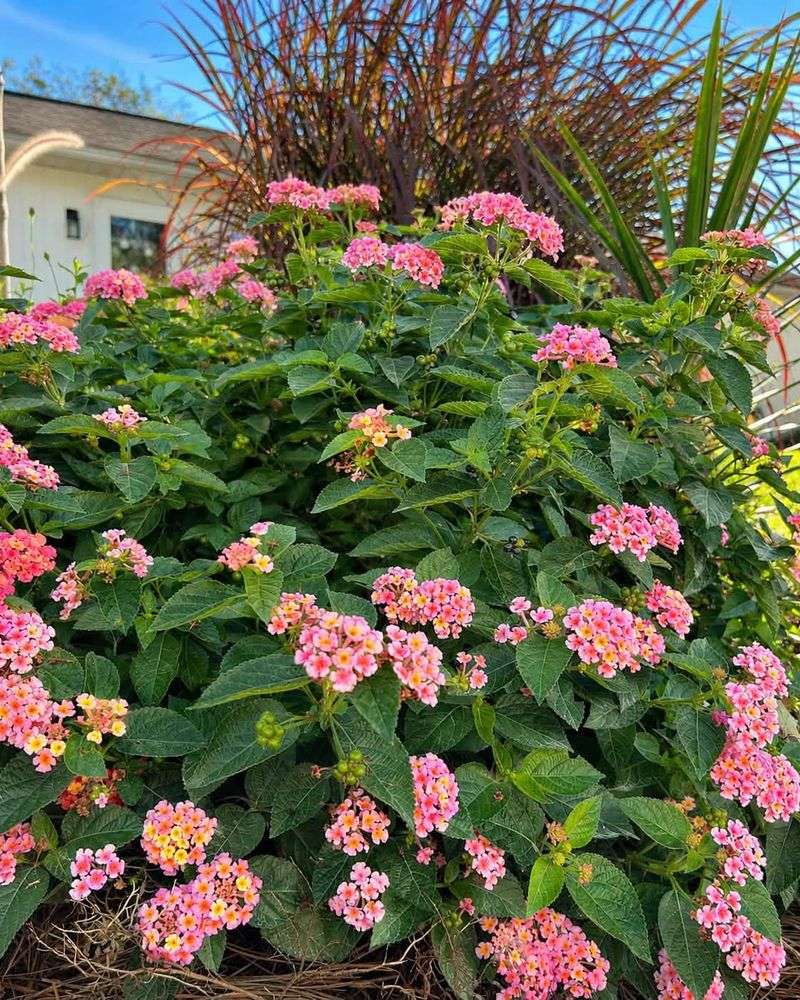
Let’s clear up a myth. Lantana does not automatically fade while something else takes over.
Texas A&M sources describe it as a long-season bloomer, and the plant has earned its place in Texas yards for good reason.
One Texas A&M AgriLife county article describes trailing lantana as giving spring-to-fall color in Central Texas. Texas A&M also notes that lantana typically blooms from March through October.
Trouble can show up, though. According to Texas A&M entomology guidance, lacebug numbers tend to build when temperatures near 90°F.
Their feeding can reduce both the quality and number of blooms.
But that is a pest problem in some yards, not a rule for every lantana border in Texas. Many healthy plants keep going all summer.
So where does rock rose come in? Think variety.
Lantana gives you small, clustered flowers in hot colors. Rock rose gives you large, soft pink blooms on an airy shrub.
Together they can layer a bed with two different looks and two different bloom patterns.
No evidence shows rock rose outlasting lantana across Texas. Treat it as a native companion, or an alternative if you simply want a different flower, and judge it by how it performs in your own garden.
Choose The Site Before The Plant
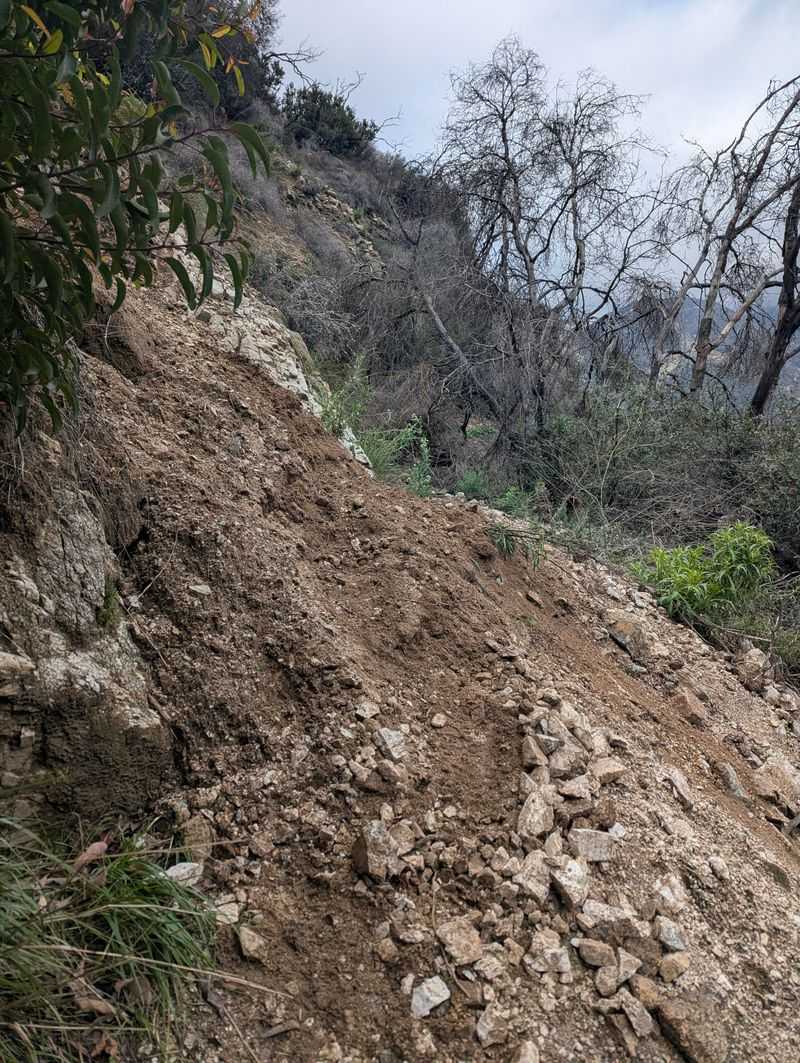
Rock rose grew up on rocky ground, and that tells you what to offer it. The Wildflower Center says it is native especially to the Edwards Plateau, South Texas, and the Trans-Pecos.
Think dry, stony, well-drained spots.
It takes full sun to part shade. A bed that gets strong light for much of the day is a good starting point, and a little afternoon relief is fine too.
The same source lists low water use and high drought tolerance.
Soil needs some honesty. The USDA release says it performs best in well-drained sandy-to-medium soils.
Yet the Wildflower Center lists several soil types, including clay and caliche. Well-drained is the sensible default, so avoid low spots where water stands after a downpour.
Region matters too. Its documented home range centers on Central, South, and West Texas.
A plant happy in rocky Hill Country ground will not automatically thrive in East Texas sand, Gulf Coast humidity, or a Panhandle winter.
The City of Austin plant guide is a good example of local guidance. If you garden outside the core range, check your county Extension office or a local native plant group before buying.
Pick the spot first, and the plant has a real chance to succeed.
Establish The Plant Before Relying On Drought Tolerance
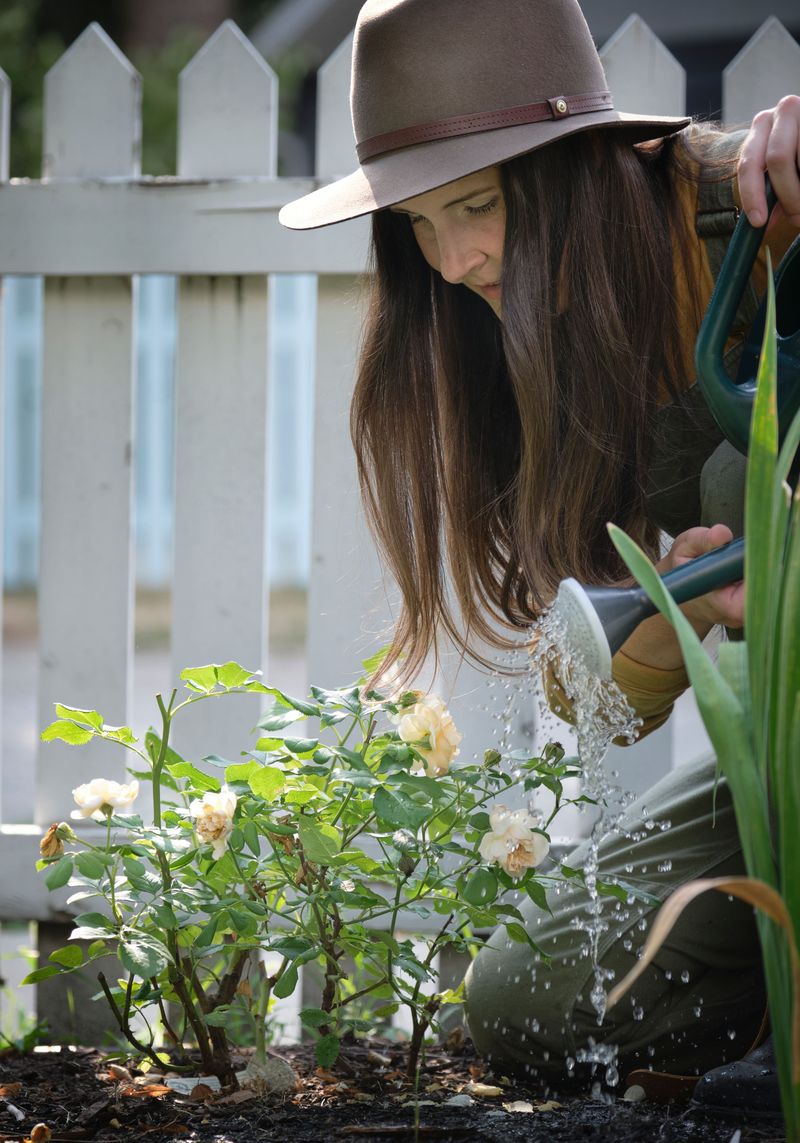
Drought tolerant does not mean plant it and walk away. A new rock rose has not yet grown the roots that earn that reputation.
Its first growing season is the part where your help counts most.
The Wildflower Center lists high drought tolerance, and the Henderson County Master Gardeners advise regular watering during the first growing season to help it establish. That is the plan, plain and simple.
After that, the plant can handle dry stretches. But the Wildflower Center advises intermittent watering to support blooming.
So an established plant may live through a dry spell, yet a drink now and then may help it keep flowering.
How much water, and how often? The sources do not give one schedule that works across Texas, and neither will this article.
Sandy soil drains fast, clay holds moisture, and a July week in West Texas is nothing like a rainy week near the coast.
So use the plant and the site as your guide. Check the soil a few inches down before watering.
Watch whether the leaves look limp and whether flower production slows during long dry periods.
Give it a good start, and later you can back off with confidence.
Prune For Shape And Expect Renewal
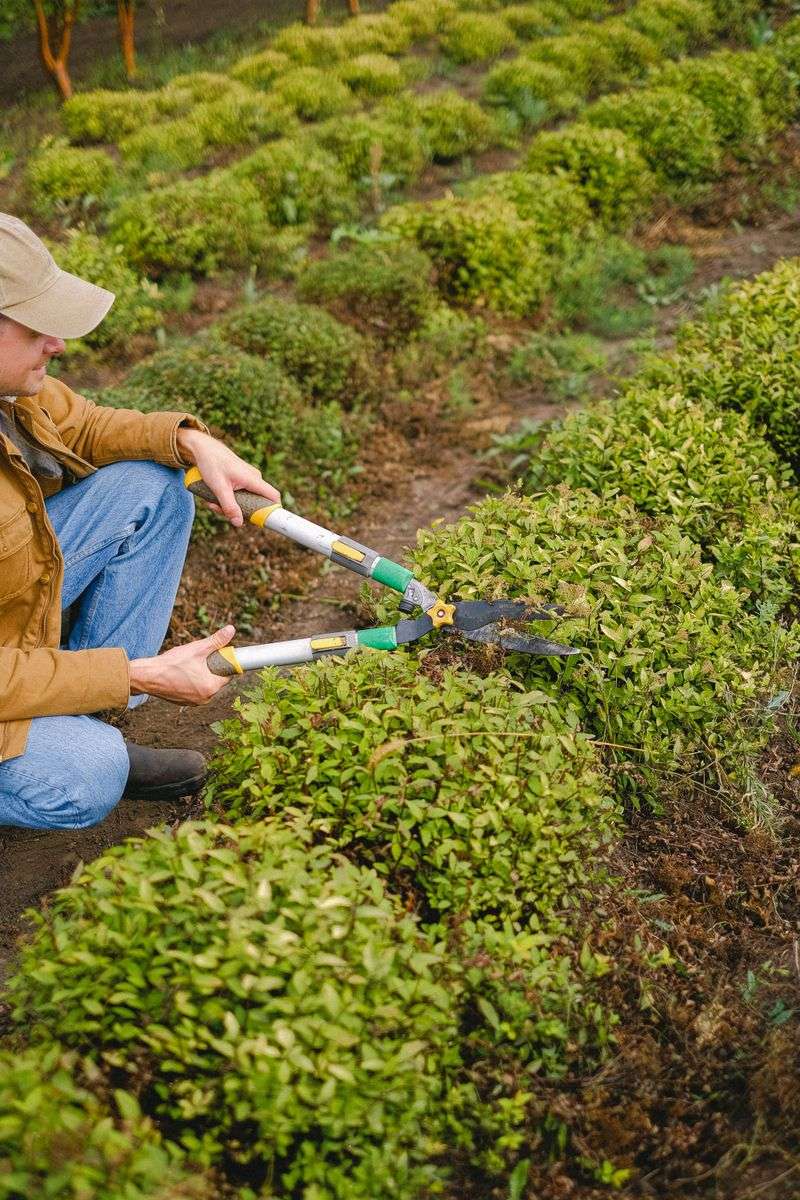
Rock rose has a relaxed, open way of growing, and sometimes it gets leggy. If you want a tidy, tight mound, this plant will not give it to you without help.
It is a loose shrub that may need some attention.
The Henderson County Master Gardeners suggest shearing periodically, and the Denton County Master Gardener fact sheet supports spring pruning to keep it denser. So it is not maintenance-free, but the work is occasional.
Here is a useful diagnostic. If you see long, bare stems with leaves only at the tips, shaping time has come.
Do it before the main flush of flowers, not in the middle of it.
Plan for turnover too. The same Denton County source gives a lifespan of about 3 to 6 years.
The good news is that rock rose reseeds readily, so young plants may replace older ones. Sometimes you will pull a few seedlings, and sometimes you will be glad of them.
Foliage can also be eaten. The USDA materials report that deer and small animals browse it, so it is not deer-proof.
If visitors nibble, the show can get interrupted.
Shape it, welcome the volunteers, and keep an eye on who else is dining in your yard.
Make A Site-Specific Choice
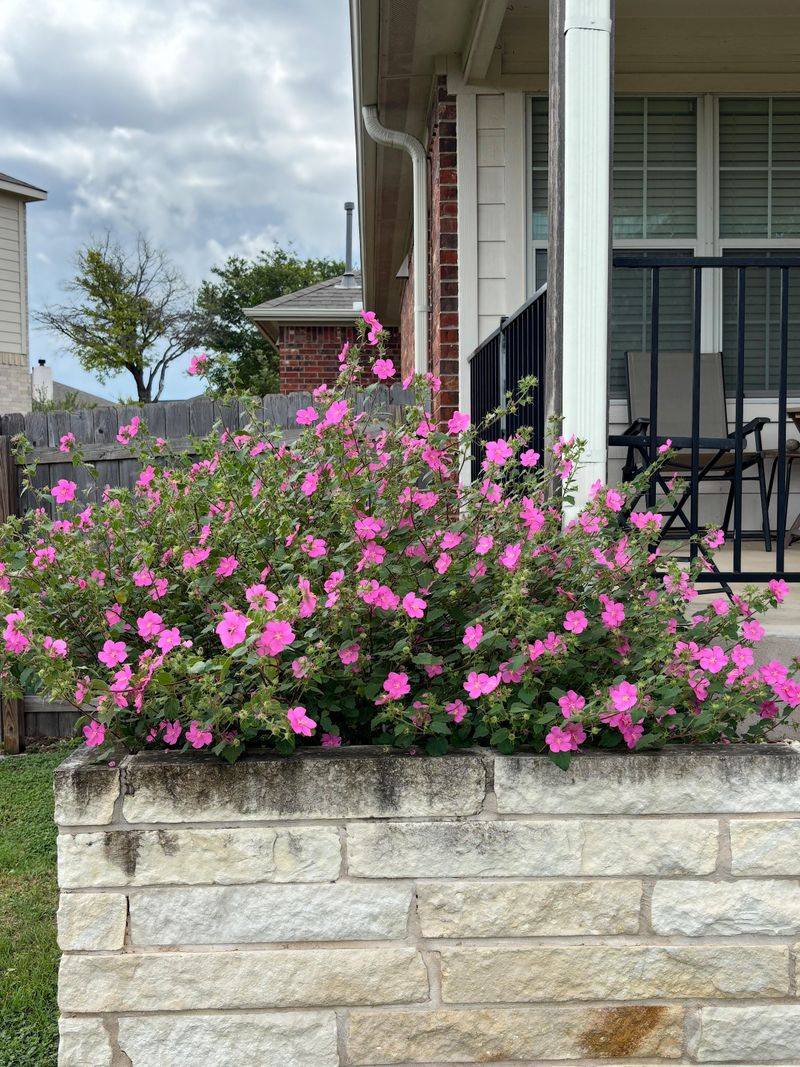
So should rock rose go in your yard? If you have a sunny, well-drained spot, especially in Central, South, or West Texas, it is a good candidate.
It brings large pink flowers and a different layer of color beside what you already grow.
If you garden in East Texas, along the Gulf Coast, or in the Panhandle, check local guidance first. Then try one plant before you commit a whole border.
Do not buy it as a guaranteed lantana replacement. Buy it because you like a soft, open shrub with morning flowers.
Go out early, coffee in hand, and see what it does in your own corner of Texas.
Some gardens just need one more quiet bloom at breakfast time.
