
7 Things In Your Pennsylvania Yard That Keep Inviting Opossums Back Night After Night
Follow us on Google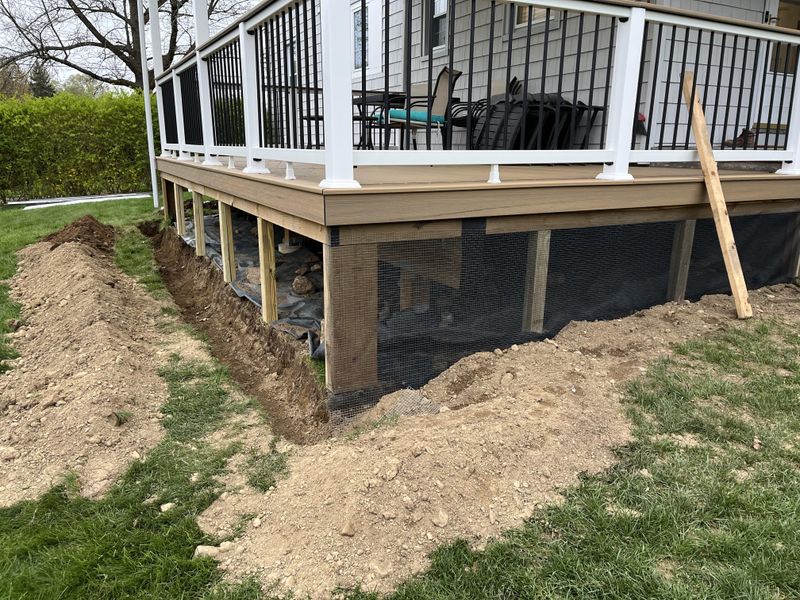
You step onto the porch on a cool October night, and the motion light clicks on to a gray face with a pink nose staring back from beside the shed. It’s an opossum, and if you’ve seen it more than twice, it isn’t lost.
It’s a regular, and something in your Pennsylvania yard keeps calling it back. The good news is that the invitations are usually simple, easy to spot, and easy to cancel once you know where to look.
1. The Pet Bowl Left Out After Supper
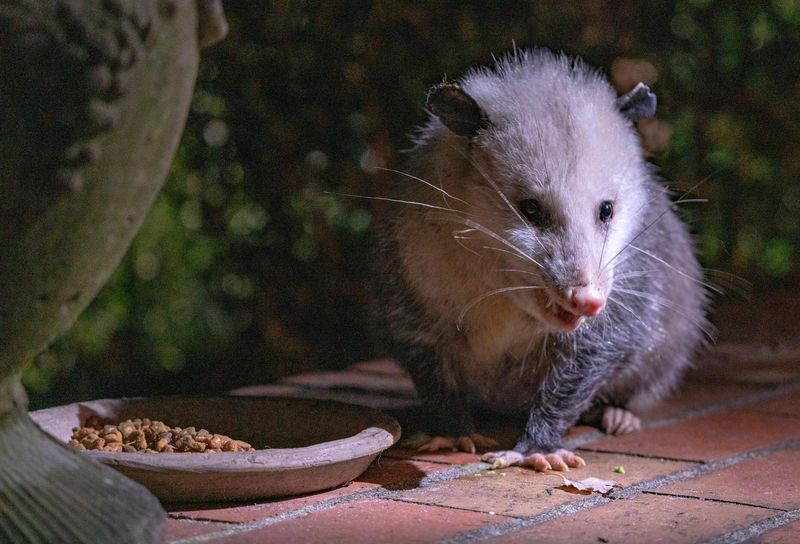
Picture the scene. Your dog finishes half its kibble, you head inside, and the bowl sits on the back step until morning.
To an opossum, that bowl is a lit-up diner sign.
Opossums are omnivores, which means they eat almost anything, and their noses are sharp enough to find a small scoop of dry food from across the yard. Once they score one easy meal, they remember the spot.
Then they come back, night after night, on a schedule that would impress a commuter.
The fix is plain and genuinely effective. Bring every pet bowl inside before dusk, including the water dish, and do not leave food out for stray cats overnight.
If you feed outdoor cats, serve meals in the morning and pick up leftovers within 30 minutes.
One empty step can break the habit within a week or two. Your dog will not notice the change, but your nightly guest certainly will.
2. Trash Cans With Lids That Pop Open
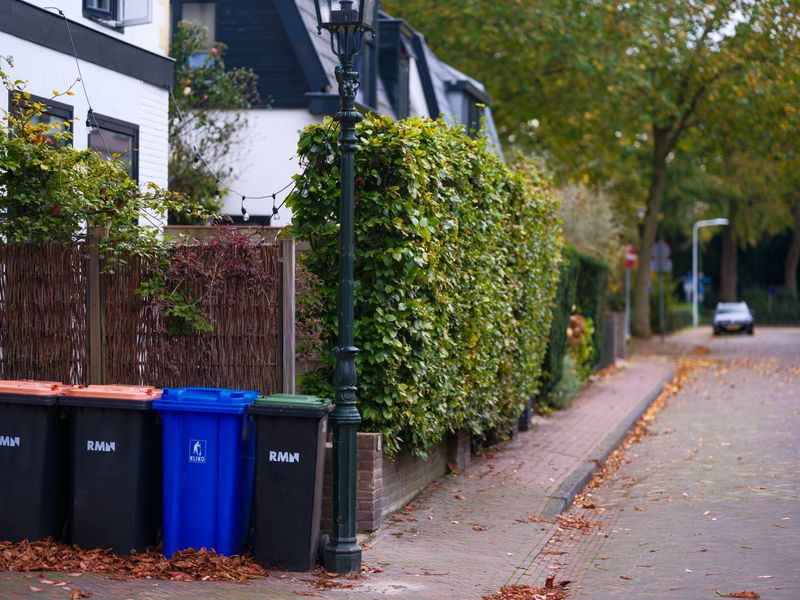
Blunt truth first. A tipped trash can at the curb is often blamed on raccoons, yet opossums happily take their share of the mess.
Here is where it gets tricky. Opossums are not strong lid-lifters, so a can with a snug lid is usually safe.
The problem is the overstuffed bin with the lid propped up by a bag, or the can with a cracked top that leaks the smell of chicken bones into the night air.
Start with a lid that actually closes. Many northern tier homeowners strap lids down with a bungee cord hooked through both handles, and that small step can reduce raids sharply.
Rinse meat trays and food jars before tossing them, and keep cans in a garage or shed until the morning of pickup if you can.
Rotten food smells carry farthest on humid Pennsylvania summer nights, so this matters most from June through September. A closed can is like a locked pantry.
Nobody bothers knocking twice.
3. Fallen Fruit Under Your Trees
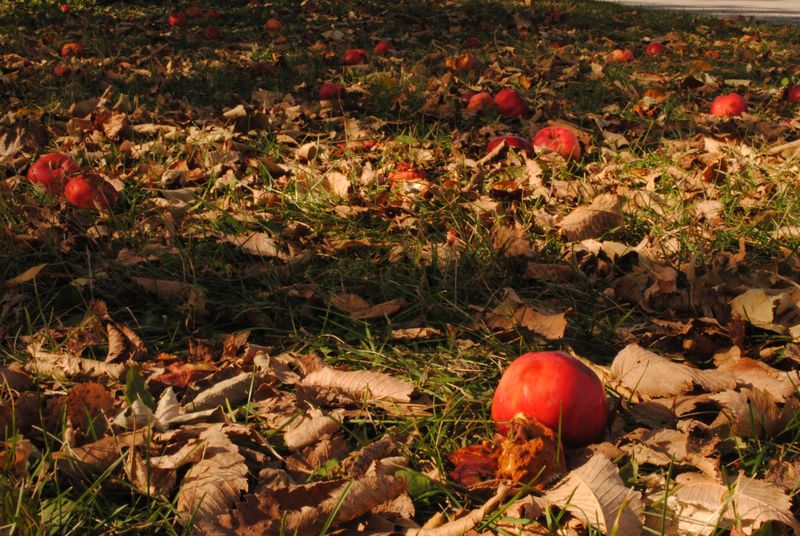
Many people believe opossums only eat garbage. In reality, they have a real sweet tooth, and a lawn full of dropped apples, pears, or pawpaws (Asimina triloba) is a dessert table they cannot resist.
Across the Susquehanna Valley and southeastern Pennsylvania, late summer brings a steady rain of soft fruit. Each bruised apple left in the grass ferments, smells stronger by the day, and pulls in opossums, yellowjackets, and deer all at once.
Overripe tomatoes split on the vine send the same message from your vegetable bed.
So make a quick lap your new habit. Pick up fallen fruit every day or every other day from August through October, and harvest tomatoes and squash as soon as they ripen.
Bag the drops for the trash or bury them deep in a closed compost bin.
Ten minutes with a bucket can clear a whole season of nighttime visits. And your bare feet will thank you during the last cookout of summer.
4. Spilled Seed Beneath the Bird Feeder
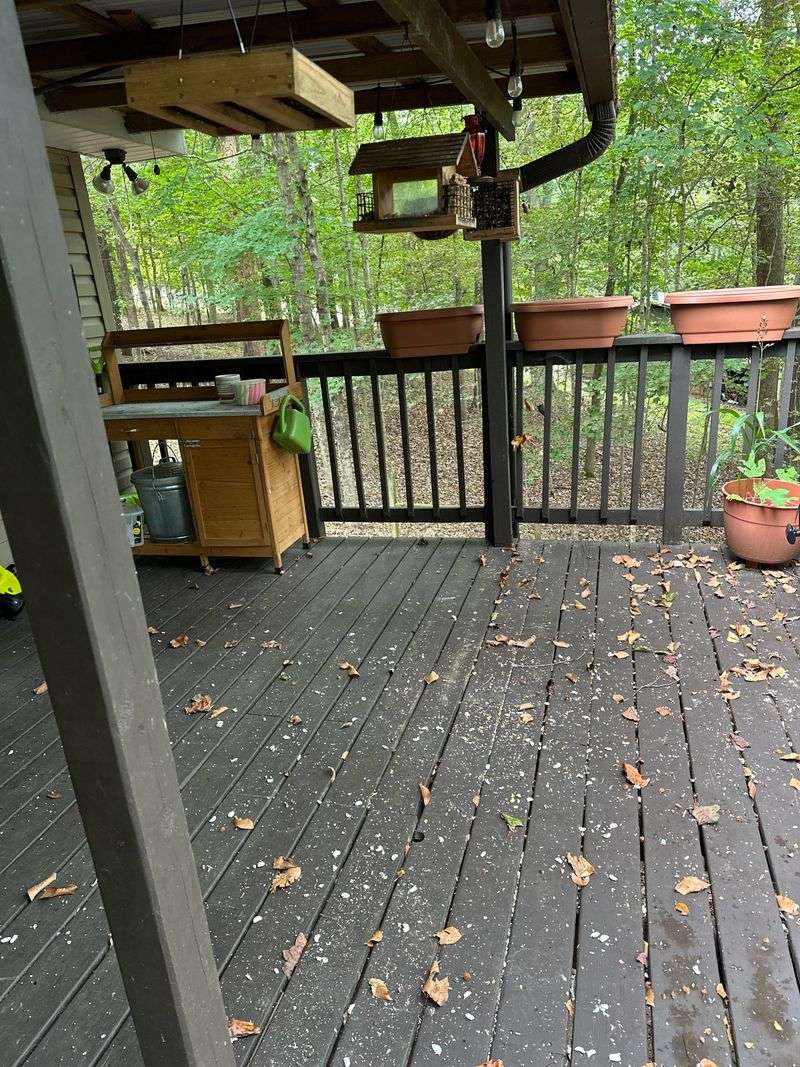
Here is a surprising fact. The cardinals you feed by day may be supporting a second, furrier crowd after dark.
Birds are messy eaters. They flick seed hulls and whole kernels to the ground, and by evening the snow under a feeder in the Poconos can look like a sprinkled cookie sheet.
Opossums find that scatter during their rounds, along with any beetles and grubs it attracts.
You do not need to give up birds. Hang a seed catcher tray under the feeder, switch to no-mess hulled sunflower chips, and rake up spills every few days.
Place feeders at least 10 feet from fences, decks, or branches that an opossum could climb.
If visits continue, take the feeder down for two to three weeks. The opossum will drift to other foraging spots, and the chickadees will forgive you fast.
Think of it as a short intermission, not the end of the show.
5. An Open Compost Pile Full of Kitchen Scraps
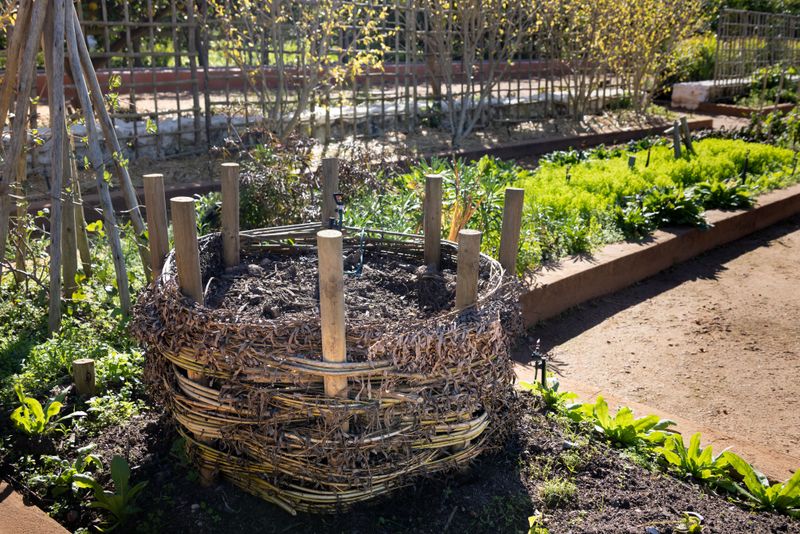
A chilly April evening in the Laurel Highlands, and your compost heap is quietly steaming. You see good soil in the making.
An opossum sees warm leftovers with a side of bugs.
Open piles loaded with melon rinds, corn cobs, and bread crusts send out a powerful scent. Cold spring nights make the warmth of a working pile even more tempting, especially at higher elevations where frost can linger into late May.
The turn is simple. Switch kitchen scraps to an enclosed bin with a secure lid, or a tumbler that sits off the ground.
If you keep an open pile, bury food scraps under at least 8 inches of leaves or finished compost, and lay hardware cloth over the top. Never add meat, dairy, or greasy food, since those smells travel farthest.
Your garden still gets its black gold. Your visitor just gets a closed door.
6. Dark Spaces Under Decks and Sheds
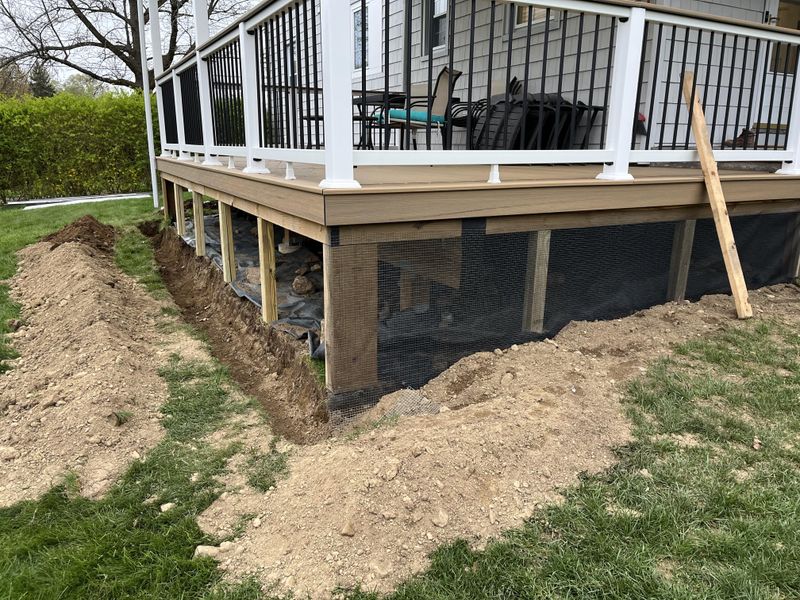
Food brings an opossum in, but shelter is what actually convinces it to stay. A gap under your deck, porch, or shed is a ready-made bedroom.
Opossums rarely dig their own dens. They borrow empty spaces, often moving every 2 to 3 days, unless one spot keeps offering safety and a meal nearby.
In the Lake Erie region, where lake-effect snow piles up fast, a dry crawl space feels like a five-star inn.
Clear brush piles and loose firewood away from the foundation. Then close gaps with galvanized hardware cloth, burying the bottom edge 8 to 10 inches deep and bending it outward in an L shape so nothing tunnels under.
Before sealing, sprinkle flour at the opening and check for tracks after dark to make sure no one is home. Avoid sealing from roughly March through June, when mothers may have young.
It takes one weekend. Afterward, the vacancy sign is gone for good.
7. Easy Water in Birdbaths and Leaky Spigots
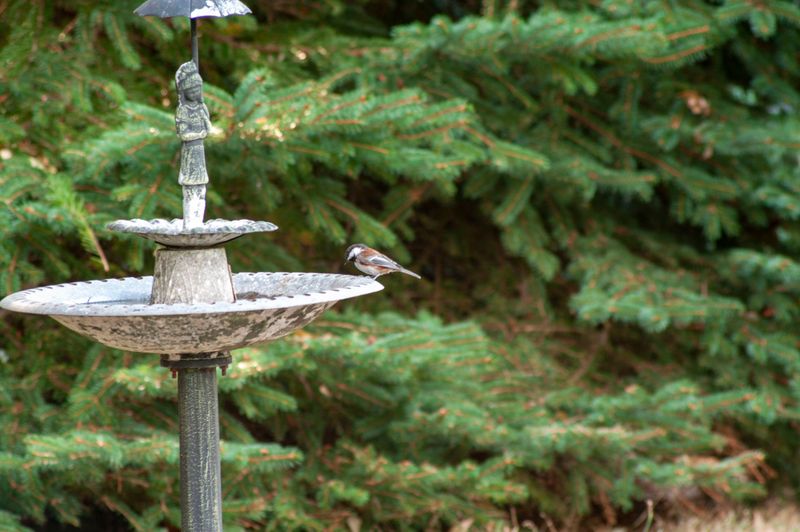
Water gets forgotten, yet it may be the quiet reason your yard tops the list. A dripping spigot, a full birdbath, or a puddle after a thunderstorm all count.
Pennsylvania summers swing between downpours and dry spells, and in the central valleys a two-week stretch without rain is not unusual. During those gaps, any reliable sip draws wildlife like a well in the desert.
Fix leaky faucets and hose connections, which also helps the water bill. Empty birdbaths at night during dry stretches and refill them in the morning, and fill low spots that hold water for more than a day.
A motion-activated sprinkler near the shed may help deter late visitors, though it is one layer, not a magic solution.
Put these seven fixes together and your yard stops feeling like an all-night rest stop. Opossums are harmless and even eat ticks, so the goal is not a fight.
It is just a calm, well-kept yard that sends them politely down the road.
