
Should You Put Up a Purple Martin House for Mosquito Control? What Texas Homeowners Should Know
Follow us on Google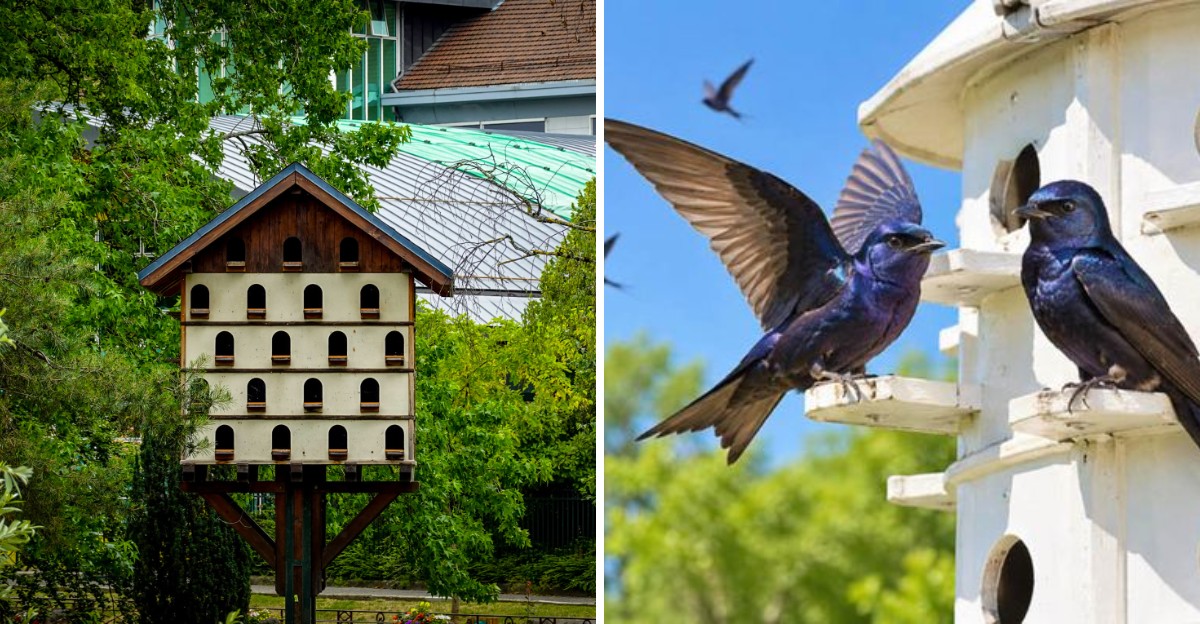
You step outside at dusk in Texas, hear the whine near your ear, and wonder if a bird house could fix it. Plenty of people say Purple Martins will clear your yard of mosquitoes.
Here is the honest answer, plus what a martin house can really do for you and what actually helps with the bites.
A Martin House Won’t Clear Your Yard
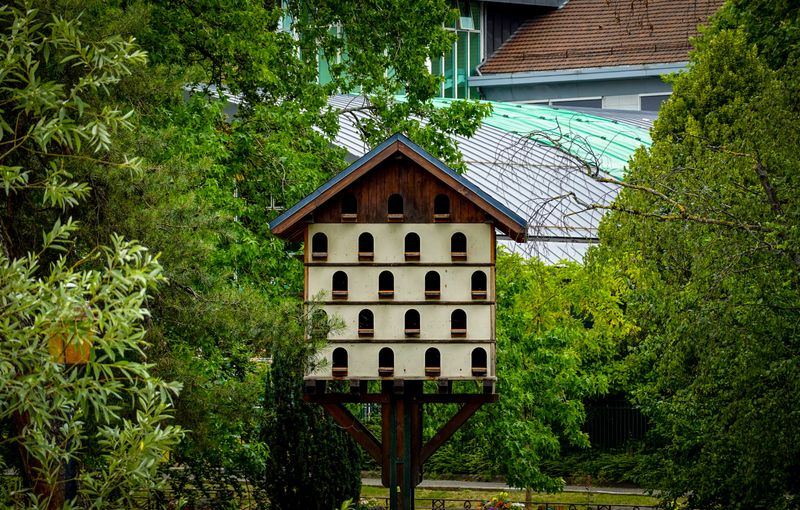
Here is the blunt answer. Putting up a Purple Martin house is not a reliable way to cut mosquito bites in your Texas yard.
That surprises a lot of people, because the claim gets repeated everywhere. Texas Parks and Wildlife Department guidance on managing martins in Texas sums up studies that found mosquitoes make up no more than 3 percent of what martins eat.
The evidence simply does not back up meaningful mosquito control from one house.
Now, that number is a summary of the studies the agency cites. It does not prove martins never eat a mosquito.
A bird that catches flying insects may well snap one up now and then. The point is that you cannot count on it to change how your porch feels on a summer evening.
So here is the honest direction for this article. You are welcome to host martins if you enjoy watching them.
They are lively, chatty birds, and a busy colony is a joy to have overhead.
Just do not treat the house as pest control. Think of it as a wildlife project with its own rewards, and keep mosquito prevention as a separate job.
We will cover both, starting with why the mosquito idea falls apart.
Why Mosquitoes Rarely Make the Menu
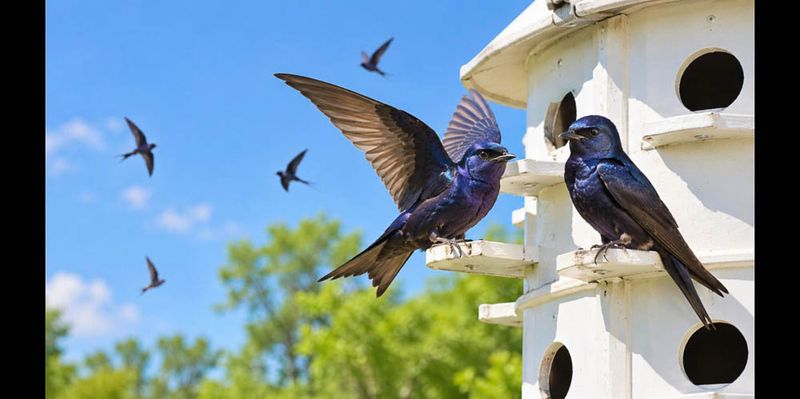
Martins and mosquitoes mostly live on different floors of the same building. According to the Texas Parks and Wildlife guide, martins usually forage about 100 to 200 feet above the ground.
The mosquito that bugs you on the patio is hovering near your ankles.
Timing is part of the mismatch too. Many mosquitoes fly at night or stay low, when the birds are less able to catch them.
A daytime hunter working high overhead just does not meet them often.
You may have heard that each martin eats 2,000 mosquitoes a day. A 1968 review in The Auk looked into that number and rejected it as unsupported.
It found mosquitoes were negligible in the martin diet.
What about newer research? A 2022 DNA-based diet study showed martins eat a wide range of arthropods, which are insects and their relatives.
That is interesting, but it does not show martins reduce mosquitoes around homes. It was not a Texas backyard trial, and the method it used depends partly on the primers, the tools that pick out prey DNA.
A varied diet is not the same as a pest cleanup crew. Enjoy the birds for what they are.
What a Martin House Is For
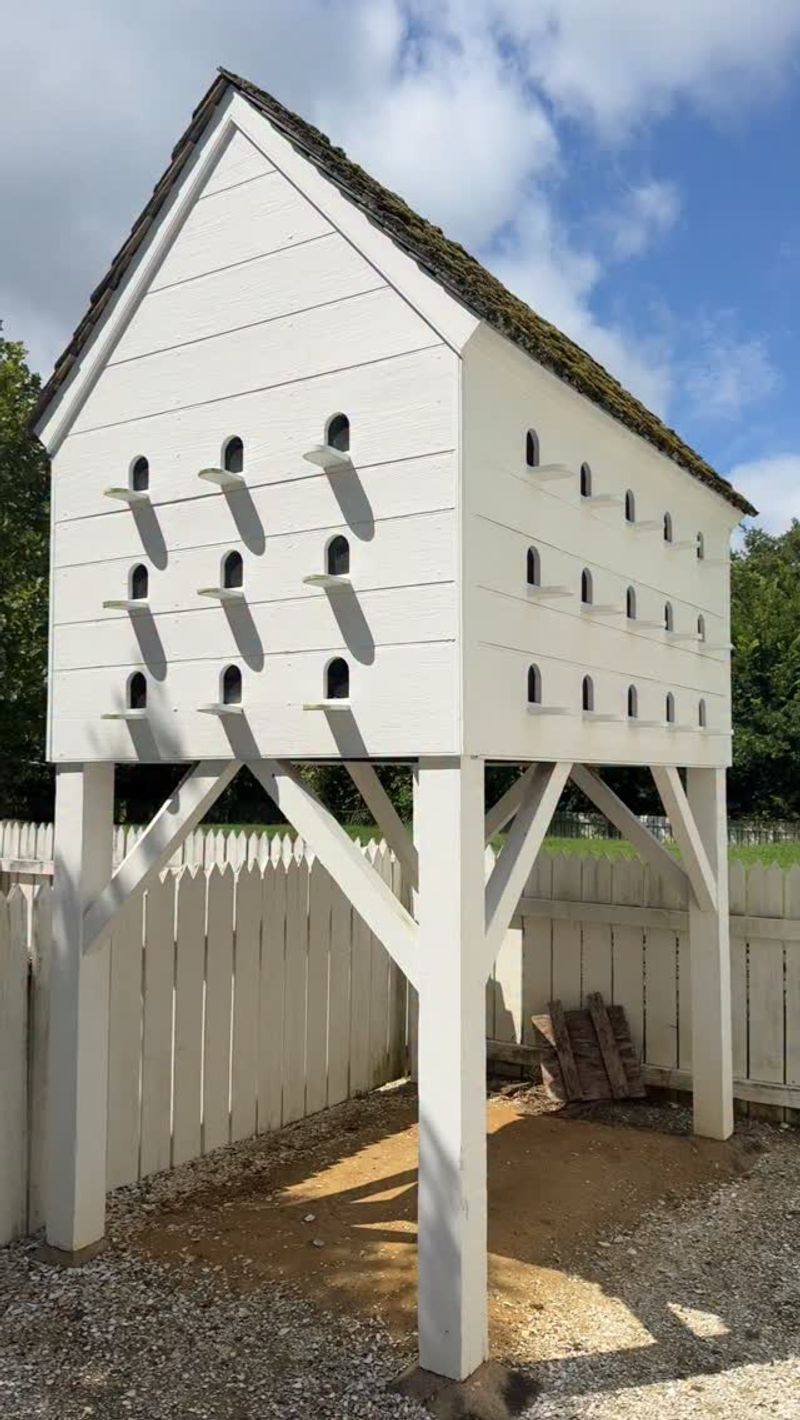
Think of a martin house as an invitation. You are offering safe nesting space to birds that nest in colonies, and then you wait to see who accepts.
The payoff is the birds themselves. You get to watch them swoop, chatter, and raise young close to home.
That is a real reward, even without any pest control attached.
No design guarantees a colony, though. Success depends on the house, where you put it, when you put it up, and how well you look after it.
A perfect setup can still sit empty for a season or longer.
The Purple Martin Conservation Association housing guidance says a good house should be sturdy, ventilated, drainable, and easy to lower for inspection. Texas Parks and Wildlife adds placement advice that we will get to next.
Go in with patient expectations. Treat it like a hobby, such as growing a native garden or setting up a feeder.
Some years bring a thrill, and some years bring quiet.
If that sounds like fun, the next sections walk you through choosing a house, timing it for your part of Texas, and keeping it up.
Choose a House That Is Safe and Practical
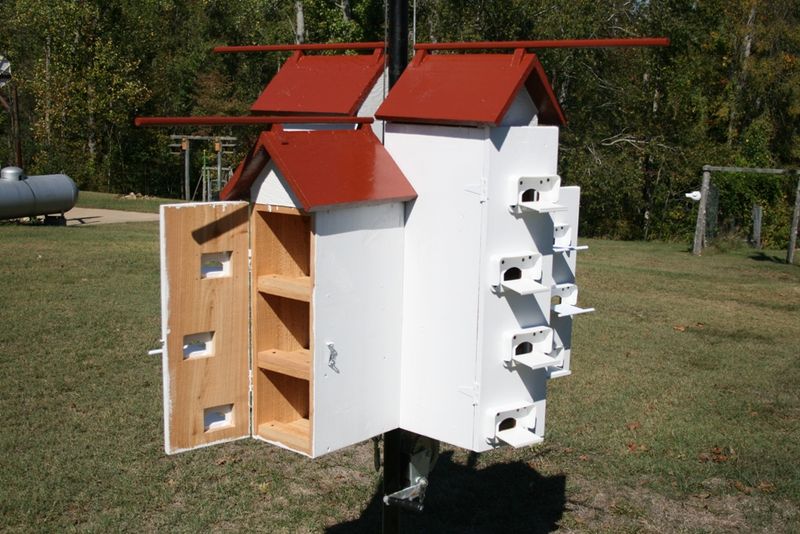
Start with the house itself. The Purple Martin Conservation Association recommends a white exterior, a mounting height of 12 to 18 feet, and at least 4 cavities.
Compartments should be at least 6 by 6 inches.
It also says larger 7 by 12 inch compartments give better protection from weather and predators. In Texas, with sudden downpours and hot sun, that extra room could matter.
Pick a house that is sturdy, ventilated, and drainable, and that lowers easily so you can check inside.
These are recommendations, not promises of occupancy. A martin may still pass on a house that checks every box.
Then think about the spot. Texas Parks and Wildlife reports higher occupancy when housing sits at least 40 feet from trees or buildings taller than the house.
Martins like open air to swoop in and out.
There is a catch, though. The same guide notes that sites more than 100 feet from human housing or activity are less likely to be occupied.
So you want open space, but not a spot far from people.
Martins do not need water nearby, though they may be more numerous near it. Walk your yard and look for an open patch within sight of the house.
That is your best bet.
Texas Martins Arrive on Different Schedules
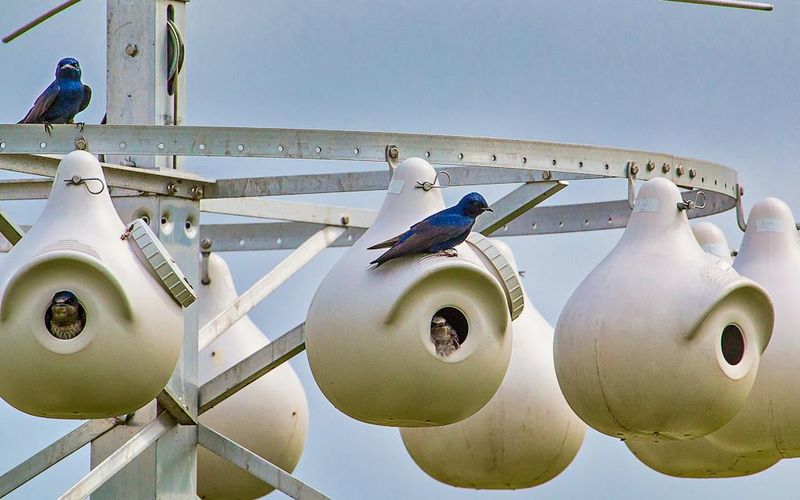
If someone gives you one setup date for all of Texas, be skeptical. The state is huge, and the birds do not arrive together.
The Texas Breeding Bird Atlas reports arrivals beginning in mid-January or early February in South Texas. In the northern Panhandle, birds may not show up until late March.
That is a gap of weeks.
So match your plans to your region. A South Texas homeowner may need the house ready early in the year.
A Panhandle homeowner has more time, but should still be ready by the time birds are heading north.
Here is where it gets tricky. Seeing early martins does not mean a new colony is coming.
Texas Parks and Wildlife notes that younger birds more often establish new colonies, and they arrive later than the early scouts.
That means a quiet house in February is not a failure. Your site may simply be waiting on the younger crowd.
Check local sightings in your area, and put the house up before birds typically arrive nearby. No schedule promises a tenant, so keep your hopes warm and your expectations loose.
A Martin House Needs Regular Attention
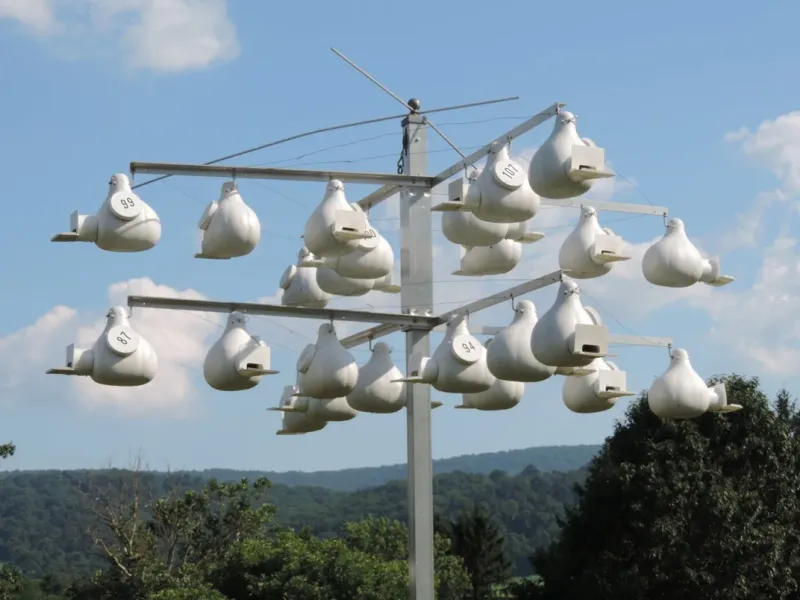
A martin house is not a hang-it-and-forget-it project. If you want a colony, you will be out there checking on it.
The Purple Martin Conservation Association says housing should lower so you can monitor nests and manage competitors. That is why an easy-lowering pole is worth the effort.
You cannot check what you cannot reach.
Texas Parks and Wildlife names House Sparrows and European Starlings as important competitors for nesting space. Both are nonnative birds, meaning they were brought here and are not part of Texas wildlife naturally.
Here is the careful part. Native birds are protected, so you need to know which bird you are looking at before you do anything about a nest.
Do not remove native birds or their nests.
If you are unsure what is nesting in your house, ask a local wildlife or bird group before taking any step. The sources do not lay out removal methods or legal details, so this article will not guess at them.
Regular checks also help you notice problems early. A quick look now and then tells you who has moved in and whether the house needs attention.
That small habit is what turns a box on a pole into a real home.
What Helps Reduce Mosquitoes at Home

If bites are what bother you, the work starts at ground level. Mosquitoes breed in standing water, and that is where you can make a real difference.
CDC guidance on mosquito control at home says to empty and scrub, cover, turn over, or discard water-holding containers once a week. Think buckets, saucers, toys, and old tires.
A little water is enough for them.
Cover water-storage containers, such as rain barrels, so mosquitoes cannot get in. For water you cannot dump or cover, the CDC says to use larvicides only as directed on the label.
Make it a weekly habit, like taking out the trash. A quick walk around the yard goes a long way, and it works whether or not you ever hang a bird house.
Keep the two jobs separate. Hosting martins is a hobby you may enjoy, and mosquito prevention is routine upkeep.
One does not replace the other.
Do both and you get a yard with fewer biters and some fine birds to watch. Just give the weekly chore the credit it has earned.
