
These Native Plants Carpet the Bare Dirt Under North Carolina Oaks Better Than Pine Straw Ever Did
Follow us on Google
You pull your chair into the shade of the big oak on a sticky July afternoon, and there it is again: a bald patch of dirt where the pine straw used to be. One hard storm washed half of it into the driveway.
Across North Carolina, grass gives up under oaks, and straw is just a blanket you keep buying. But a handful of native plants actually love that spot, and once they knit together, they hold the soil, shrug off the shade, and give fireflies and pollinators a place to live.
1. Green-and-Gold Lights Up Piedmont Clay
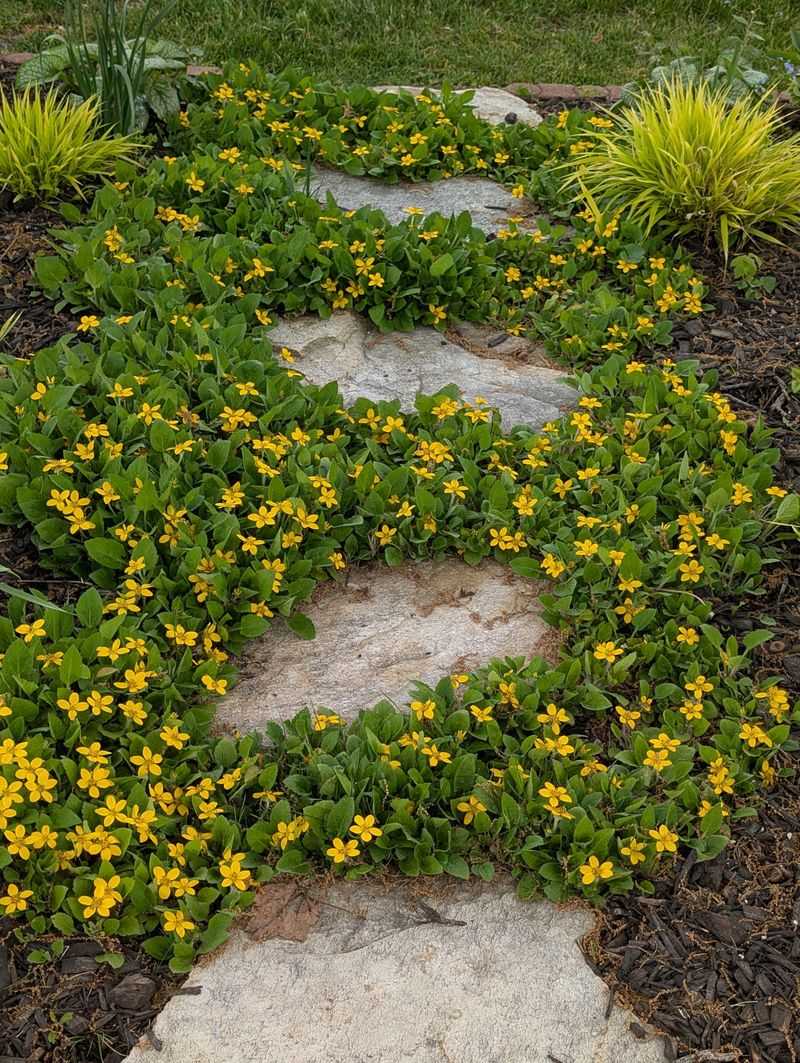
Picture a dim corner of red clay suddenly sprinkled with tiny yellow stars. Green-and-gold (Chrysogonum virginianum) does exactly that, blooming in spring and often again in fall across the North Carolina Piedmont.
Here is the surprise. Most people assume a flowering plant needs full sun, but green-and-gold is happy in part shade and handles dry spells once rooted.
It spreads by short runners, creeping outward like a slow, polite houseguest.
Set plants about 12 inches apart in early fall or spring. Dig only small holes so you do not slice the oak roots, which sit mostly in the top 12 to 18 inches of soil.
Within two seasons, the gaps close up.
Deer usually skip it, and small bees genuinely appreciate the early blooms. That bare strip becomes the spot neighbors ask about.
2. Pennsylvania Sedge Acts Like a Shade Lawn
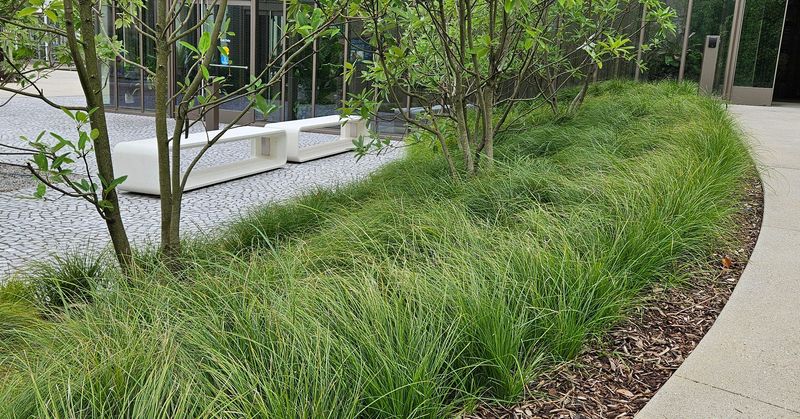
Grass under an oak is a losing bet. Pennsylvania sedge (Carex pensylvanica) is the closest thing to a lawn that actually wants to live there.
Its fine, arching leaves look like a soft, uncut meadow, usually staying 6 to 10 inches tall. It does not need mowing, though you can trim it once in late winter if you like a tidier look.
The roots stay shallow, so it shares space with the tree instead of fighting it.
Plant plugs 8 to 12 inches apart. Water weekly for the first summer, especially through those muggy stretches when afternoon storms skip your street.
After that, it mostly fends for itself.
Kids can walk on it lightly, and it keeps your feet off the mud after a downpour. It is not a football field, but for a porch-side strip it is close to perfect.
3. Partridgeberry Paints the Coastal Plain Red All Winter
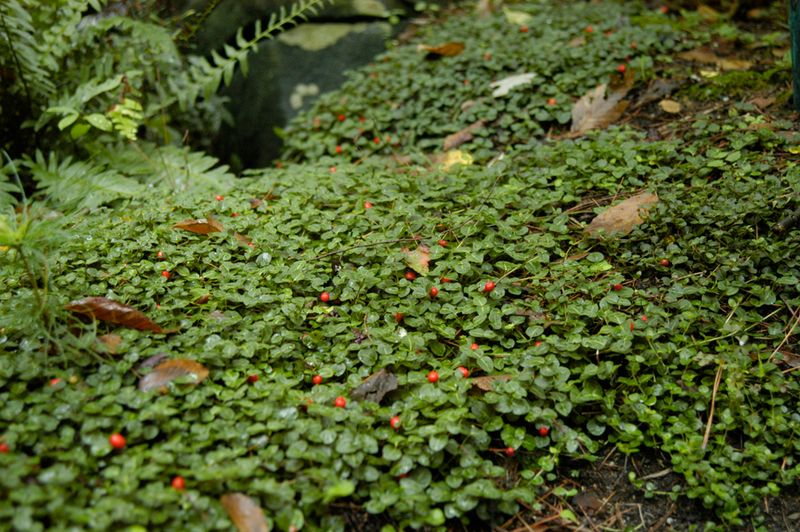
Fact first: partridgeberry (Mitchella repens) is barely two inches tall, yet it can hold a shady patch of sand for decades.
Across the sandy Coastal Plain, water drains so fast that many plants sulk. Partridgeberry grew up in exactly those woods.
Tiny paired white flowers show in late spring, then fuse into one red berry that often lasts until spring, a small treat for box turtles and birds.
Patience is the catch. It is slow, so plant pieces about 6 inches apart and tuck shredded oak leaves around them instead of straw.
Keep the soil lightly moist for the first year.
Once it settles, you get a glossy green mat that winter cannot erase. It feels a bit like finding a secret in your own yard.
4. Lyreleaf Sage Thrives Where Other Plants Quit
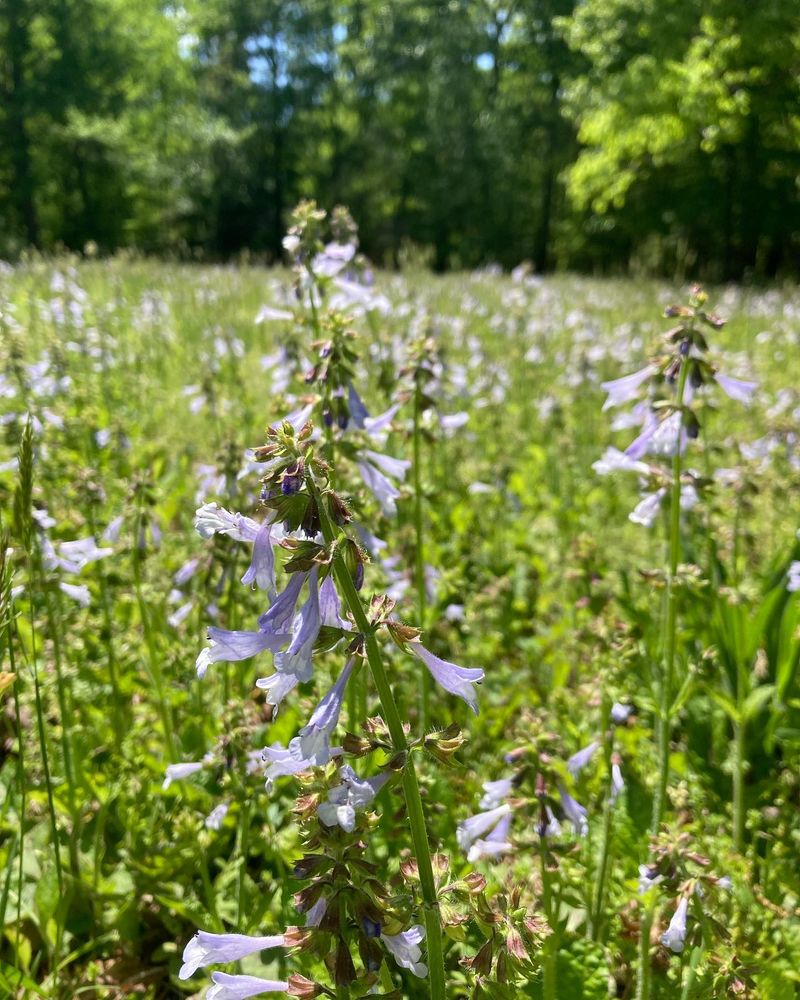
Some plants wait for perfect conditions. Lyreleaf sage (Salvia lyrata) does not bother.
Its flat rosettes of purple-tinted leaves hug the ground, and in April pale blue spikes rise about a foot tall. Bumblebees find them fast.
Across North Carolina it pops up in roadside ditches and thin lawns, which tells you how tough it really is.
Here is where it gets tricky. It reseeds freely, so it works best along the sunnier edge of the oak canopy, not deep shade.
Space plants 10 to 12 inches apart and let a few seed heads drop if you want more.
Mowing over it once after bloom keeps it neat. That stubborn bald edge finally has a tenant that refuses to leave.
5. Foamflower Softens Moist Mountain Slopes
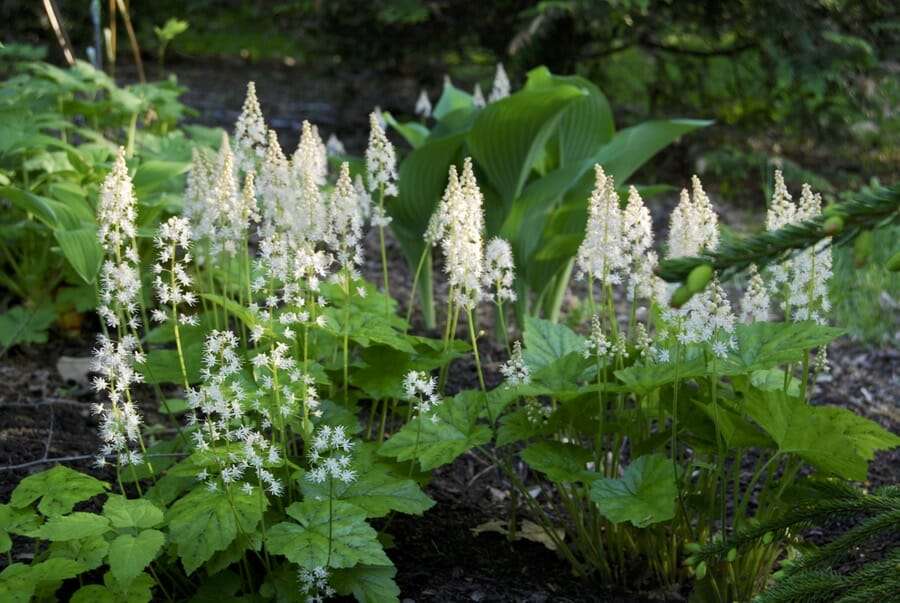
A myth floats around that shady slopes can only hold ivy. In the mountains, foamflower (Tiarella cordifolia) proves otherwise.
Its lobed leaves form a low mound, and in spring frothy white spikes look like tiny bottle brushes. It loves humus-rich, moist shade, the same conditions you find on cool mountain coves in zones 6a to 7a.
Plant about 12 inches apart on slopes, angling each one slightly into the hill so rain soaks in rather than running off. A one-inch layer of shredded leaves keeps the roots cool.
Running types spread by stolons, which helps lock soil in place during heavy summer storms.
Watching rainwater stay put instead of carving a gully is a quiet, satisfying win.
6. Wild Ginger Builds a Dense Heart-Shaped Mat
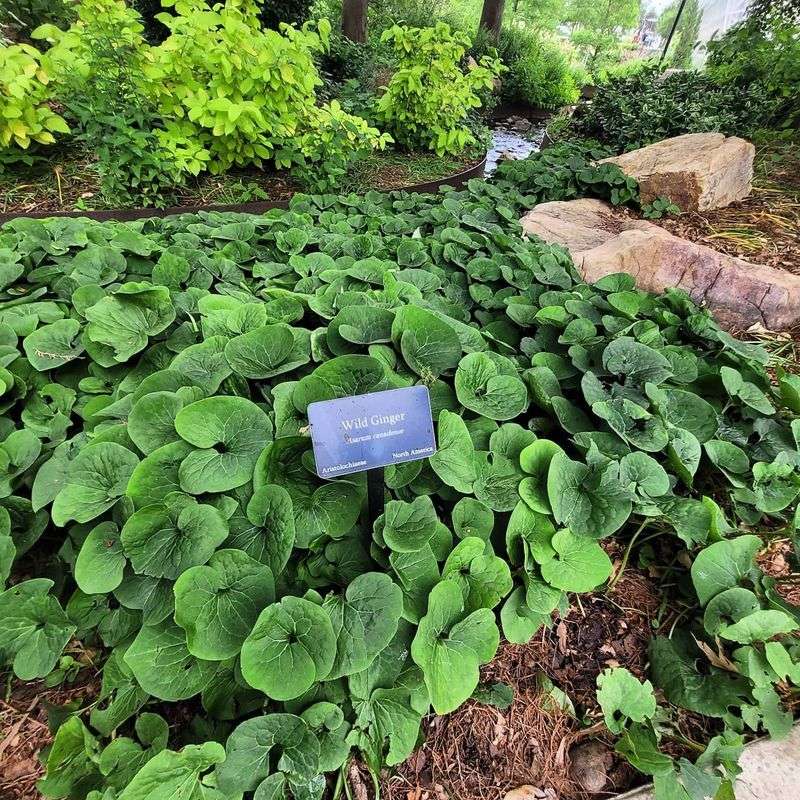
Lift a leaf of wild ginger (Asarum canadense) in April and you will find a hidden maroon flower sitting right on the soil.
That odd bloom is part of its charm. Above it, broad, velvety heart-shaped leaves overlap so thickly that weeds struggle to find light.
It is deciduous, so it fades in winter, but from spring through fall it is one of the densest native covers you can grow.
NC State Extension lists it as a good fit for moist, shady woodland gardens. Plant 12 inches apart in rich soil and water through its first summer.
Piedmont gardeners on heavy clay can work in an inch of compost at planting.
It is also a host plant for the pipevine swallowtail’s relatives in some areas, so look closely. Your shady corner may genuinely start to feel like a woodland.
7. Creeping Phlox Throws a Spring Party Under the Canopy
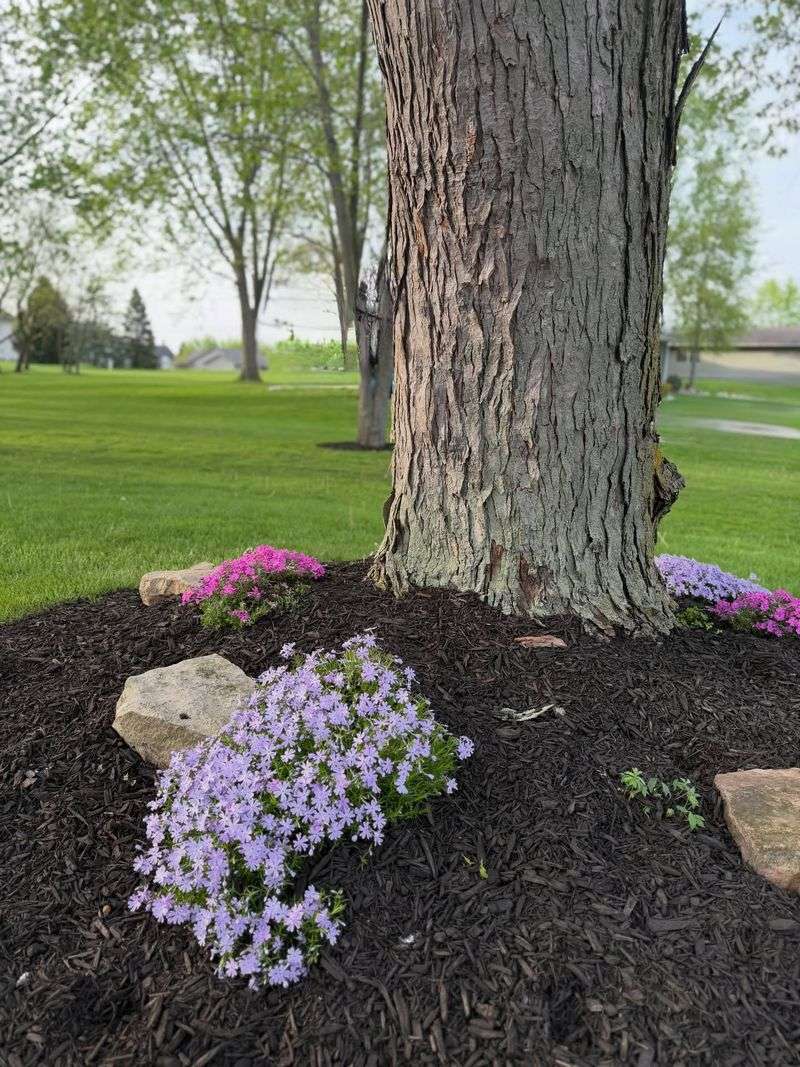
Early April arrives, the oaks are only half leafed out, and suddenly the ground turns lavender. Creeping phlox (Phlox stolonifera) times its show for exactly that moment.
Not to be confused with the sun-loving moss phlox, this one is a true shade native of North Carolina woods. It spreads by runners that root as they go, forming a mat about 6 inches tall.
Butterflies and early bees visit the fragrant blooms.
Space plants 12 to 18 inches apart. Give it soil that stays a little moist, and avoid burying the stems under thick mulch, which can cause rot in our humid summers.
After the flowers fade, the leaves keep holding ground. Your morning coffee comes with a view.
8. Allegheny Spurge and Christmas Fern Hold the Winter Line
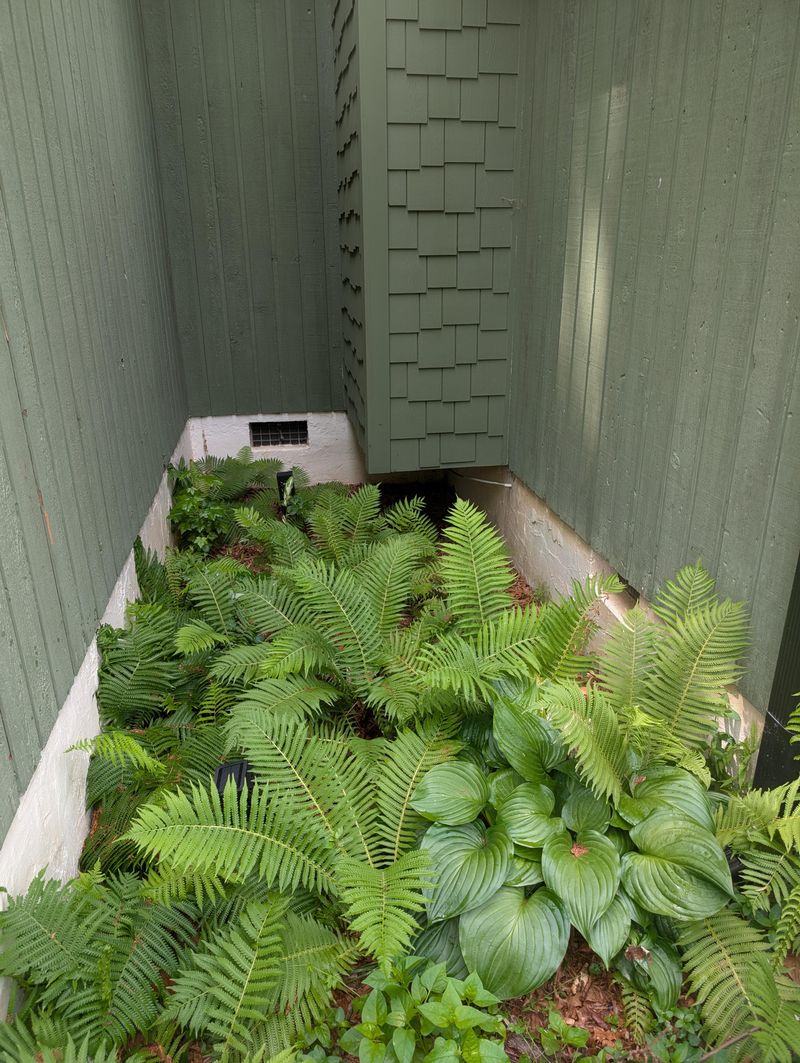
When the oaks drop their last leaves and a surprise cold snap hits, most groundcovers vanish. Allegheny spurge (Pachysandra procumbens) and Christmas fern (Polystichum acrostichoides) do not.
Allegheny spurge is the native cousin of the common Japanese pachysandra, with mottled, silvery leaves and fragrant white bottlebrush flowers in late winter. Christmas fern keeps its deep green fronds through the cold, holding soil when bare dirt would wash away in winter rains.
Plant spurge 12 inches apart and ferns about 18 to 24 inches apart, mixing them for texture. Both tolerate dry shade under oaks once established, usually after one or two years.
Neither needs yearly refreshing, unlike straw that thins by fall.
Wildlife benefits too, since leaf litter tucked between them shelters firefly larvae and overwintering insects. It is not instant, but in a couple of seasons you will look out in January and see green where dirt used to be, and you did that.
