
The Simple Winter Habits That Bring Painted Buntings Back To Texas Gardens Every Spring
Follow us on Google
You step outside on a gray January morning, coffee in hand, and the yard looks tired and a little messy. Those brown stems and fallen leaves are not failures, they are the start of a spring welcome.
The Painted Bunting, a tiny bird with a blue head, green back, and cherry-red belly, flies back to Texas from Mexico and Central America each spring. The simple winter choices you make right now help decide whether it lands in your yard or keeps flying past.
1. Standing Seed Heads Feed Buntings Before You Ever See Them
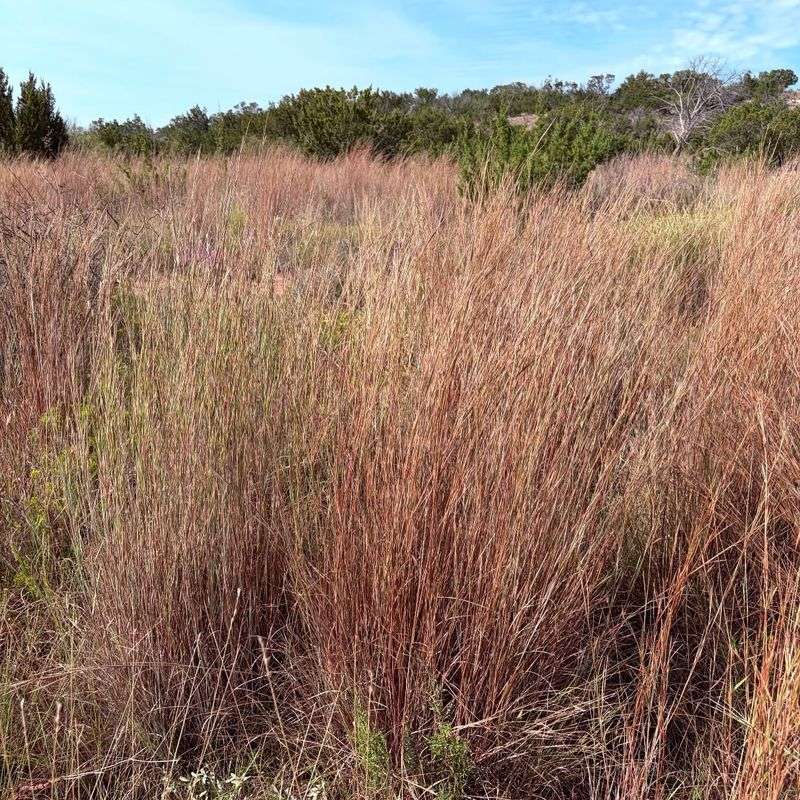
Here is the surprise. The messy, brown garden you are itching to cut back is actually a pantry.
Painted Buntings eat mostly seeds, and dried stalks hold food long after the flowers fade.
Native grasses like little bluestem (Schizachyrium scoparium) and Indiangrass (Sorghastrum nutans) keep their seeds well into late winter. Coneflowers (Echinacea purpurea) do the same.
Cut them down in November and you have cleared the table before the guests arrive.
So wait. Leave at least a 4 by 6 foot patch of grasses and spent flowers standing until late February in Central Texas and the Hill Country.
Trim them to about 6 inches then, right before new green growth pushes up.
Not every bed needs to look wild. A single scruffy corner does the job, and neighbors usually stop noticing it by the second week.
Those tan stems are quietly holding dinner for a bird still thousands of miles away.
2. Dense Shrubs Give Shy Buntings A Reason To Stay
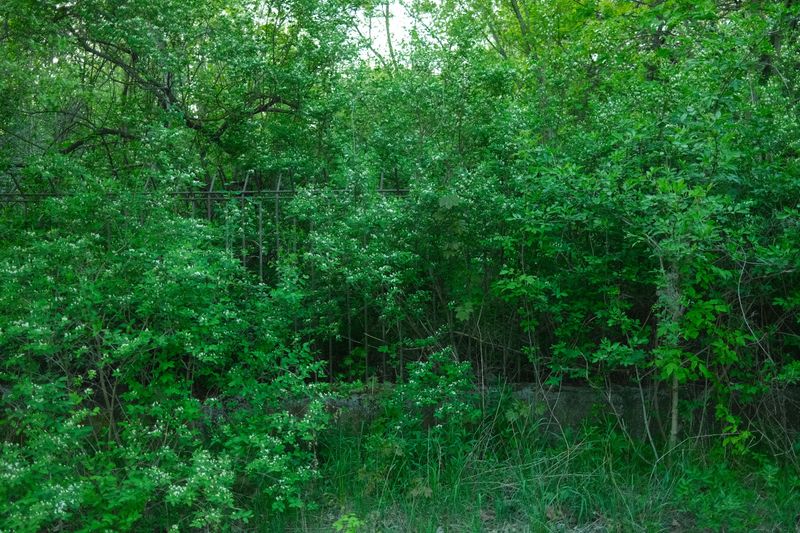
Painted Buntings are bright, but they are not brave. A male can look like a box of crayons and still spend most of the day hiding in brush.
An open lawn feels like a parking lot to a 4 inch bird with hawks overhead. They want cover close by, the thicker the better.
Nests often sit just 3 to 6 feet off the ground, tucked into tangled shrubs.
Your winter pruning shears decide a lot here. Instead of shaping every shrub into a tidy ball, let a few grow dense.
Wax myrtle (Myrica cerifera), American beautyberry (Callicarpa americana), and native plum all make good thickets in North Texas and along the Gulf Coast.
Plant new shrubs in winter, spaced 4 to 5 feet apart so they knit together within two seasons. Think of the thicket as a front porch with the curtains drawn.
The bird gets privacy, and you get a front-row seat.
3. A Clean Birdbath Matters More Than Any Feeder
Picture a dry week in South Texas, the kind where the ground cracks and the air smells like dust. Every bird in the neighborhood is hunting for a drink.
Water is genuinely as important as food. Birds need it to drink and to keep their feathers clean, which helps them fly and stay warm.
Winter in Texas swings from long dry spells to a hard freeze that locks up every puddle.
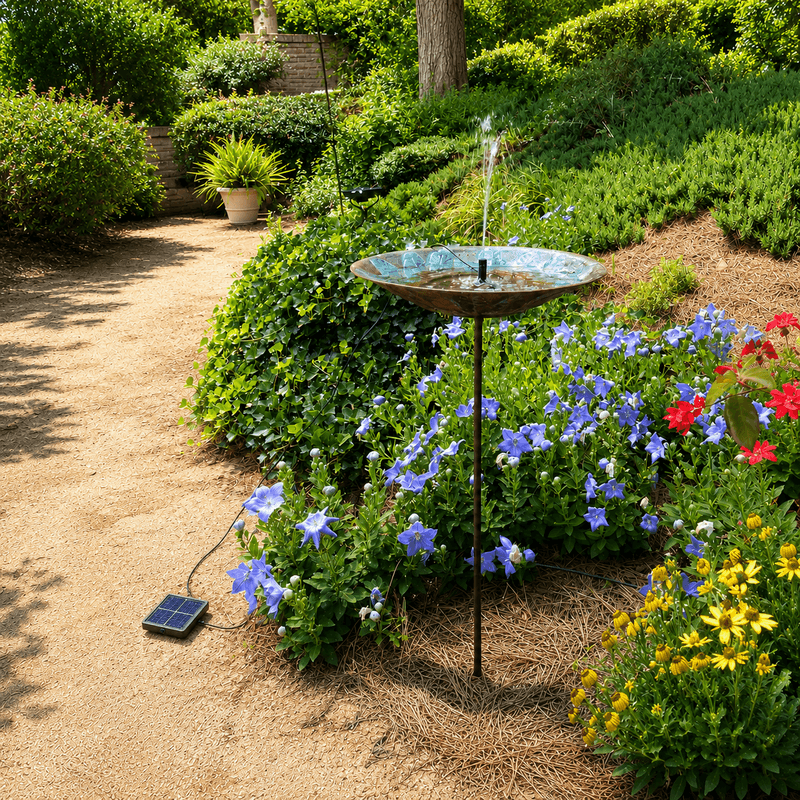
Use a shallow bath, no deeper than 2 inches, set near cover. Rinse and refill it every 1 to 2 days to keep algae and mosquitoes away.
When temperatures drop below 32 degrees, pour in fresh water each morning or add a small heater.
A dripper helps too. The sound of moving water carries, almost like a dinner bell.
Texas A&M AgriLife Extension notes a bath uses very little water over a week, so your water bill will barely notice.
4. Leaf Litter Is A Buffet Hiding Under Your Shrubs
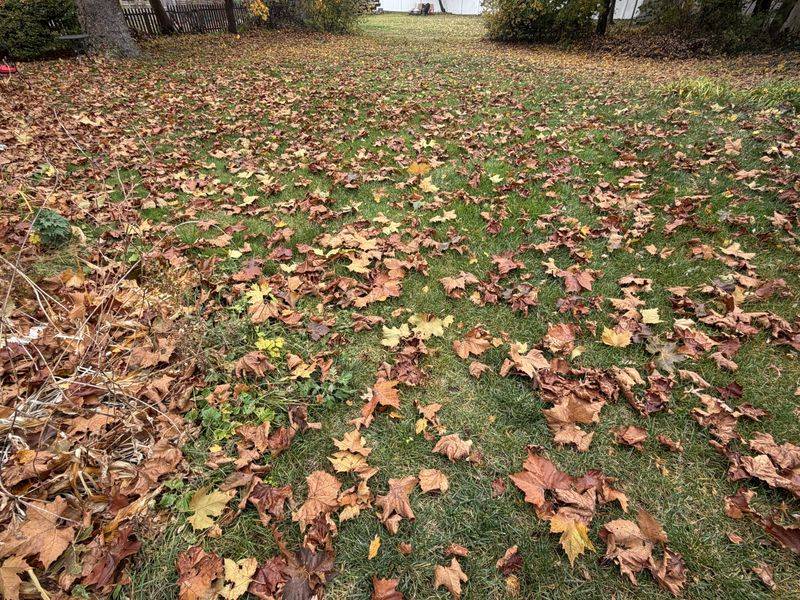
Myth: fallen leaves make a yard look neglected and should go straight into bags. For a Painted Bunting, that brown layer is a grocery aisle.
These birds forage close to the ground, flipping through leaves for dropped seeds and small insects. Remove the leaves and you remove the hunting ground.
You do not have to give up the whole yard. Rake the lawn if you like, but push those leaves under shrubs and trees in a layer about 2 to 3 inches deep.
In the blackland clay of North and Central Texas, that layer also holds moisture and slowly softens hard soil.
A small brush pile in a back corner, roughly 3 feet tall, adds even more cover. Keep it at least 10 feet from the house.
Your weekend just got a little shorter, and the ground just got a lot more interesting.
5. Winter Planting Builds The Bug Supply Chicks Need
Buntings eat seeds most of the year. But here is where it gets tricky.
Once chicks hatch, parents switch to insects, because baby birds need protein to grow fast.
No bugs, no nest. And bugs depend on native plants, since many caterpillars only feed on the plants they evolved with.
Winter is genuinely the best planting window in much of Texas. Roots settle in cool soil before the summer heat arrives.
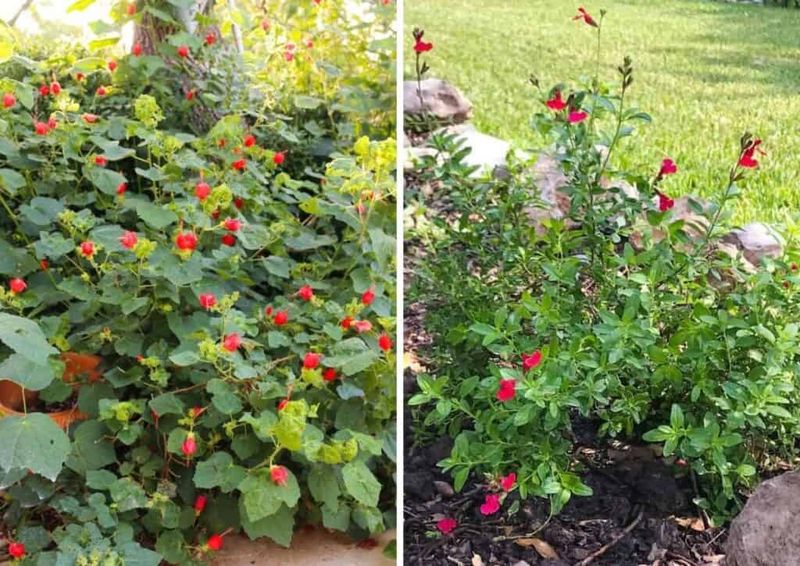
Try Turk’s cap (Malvaviscus arboreus var. drummondii) and flame acanthus (Anisacanthus quadrifidus var. wrightii) in the Hill Country, where shallow, alkaline soil suits them. In East Texas sandy soil, yaupon holly (Ilex vomitoria) works well.
Plant between December and February, water deeply once a week for the first month, and skip the pesticides. Every caterpillar on those leaves is a future meal.
The plants work quietly all season, like a kitchen that never closes.
6. White Millet Near Cover Beats A Cheap Seed Mix
Plenty of people hang a feeder, fill it with a bargain bag of mixed seed, and wonder why only grackles show up. The seed is the problem.
Cheap mixes are heavy on corn and red milo, which pull in bigger, pushier birds. Painted Buntings prefer white proso millet (Panicum miliaceum), a small, round seed that suits their small beaks.
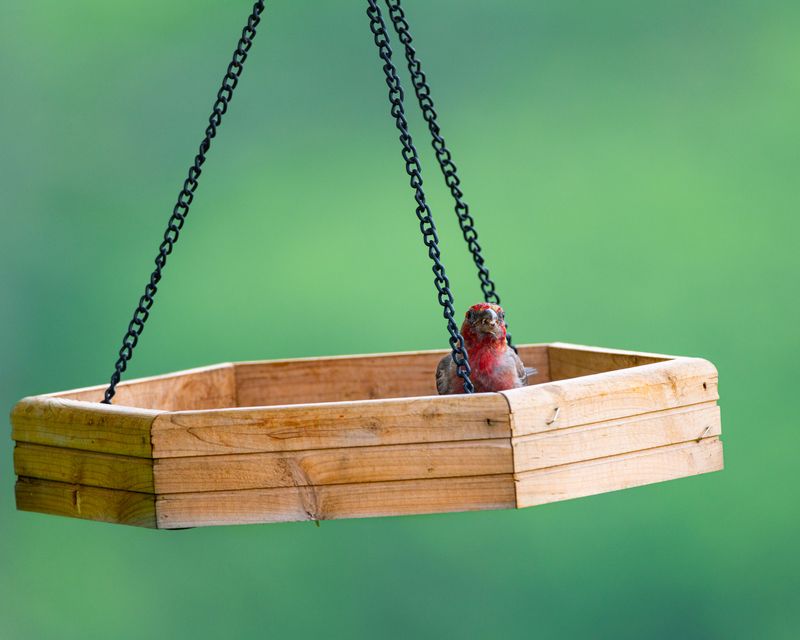
Use a low tray or platform feeder and place it within 5 to 10 feet of dense shrubs. That short dash to safety makes a shy bird feel comfortable.
A caged feeder with openings around 1.5 inches lets small birds in and keeps larger ones out.
Start in late February so the habit is set before arrivals. A feeder is one layer, not a magic switch.
Paired with cover and water, though, it turns your yard into a dependable rest stop.
7. Fire Ant Control In Winter Protects Ground Nests
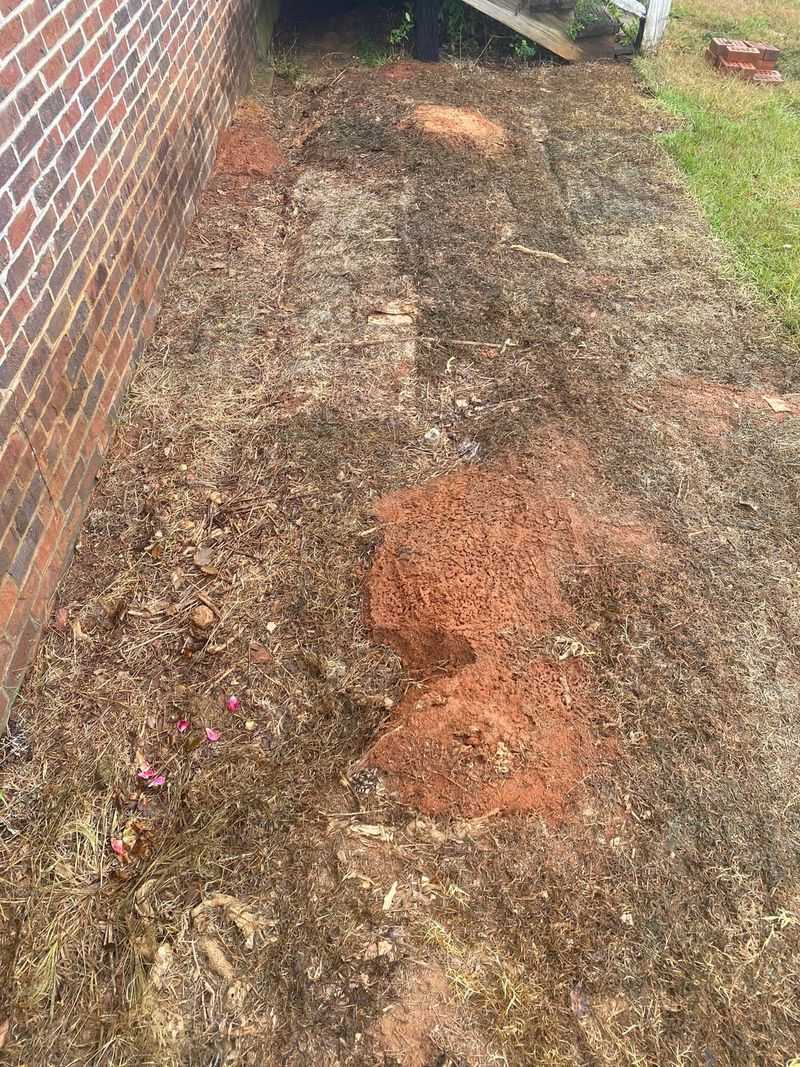
Fire ants have a nasty trick. They swarm anything small and helpless on or near the ground, and that includes baby birds in low nests.
Since buntings nest just a few feet up and forage in the leaves, a yard full of mounds is a real risk. Winter is when you can get ahead of the colonies, before spring nesting begins.
Texas A&M AgriLife Extension recommends a two-step approach. Broadcast bait when the ground is dry and temperatures sit between 65 and 90 degrees, often during a warm stretch in late winter on the Gulf Coast and in South Texas.
Treat stubborn mounds individually afterward.
Use bait only where needed, and keep it away from birdbaths and feeders. Fewer ants means safer nests and fewer stings for you at the next cookout.
Both of you win.
8. Your Patience Pays Off When Spring Migration Arrives
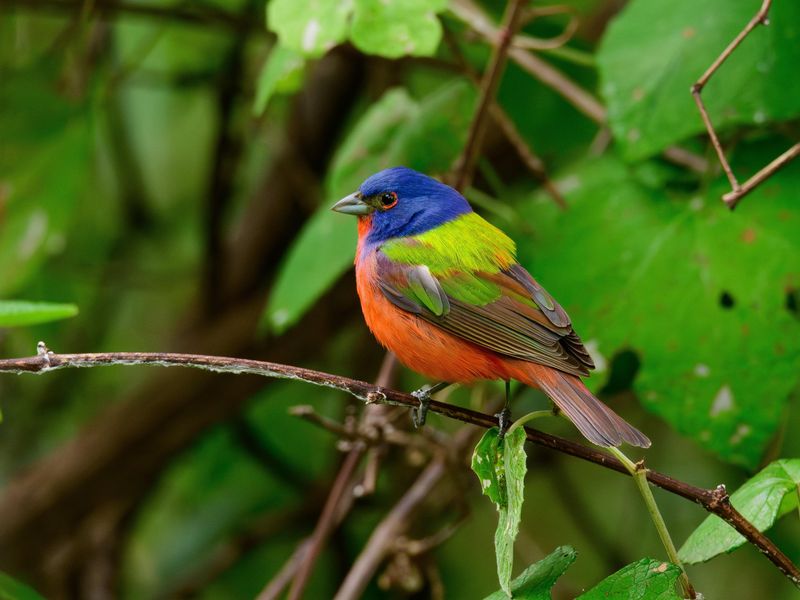
Late March, early morning. You glance at the birdbath and something red and blue flashes into the shrubs.
That is the moment the whole winter was for.
Painted Buntings start reaching Texas as early as the first week of March. Most arrive between April and mid-May, showing up first along the Gulf Coast and moving north through Central Texas toward North Texas.
The Edwards Plateau holds some of the highest numbers in the state.
Males come first, scouting territories. Females, a soft lime green, follow a week or so later.
Keep water fresh and the feeder stocked through May.
Not every yard gets them the first year, and that is normal. Habitat grows better each season.
But one morning, sooner than you think, that little painted bird will be sitting in a garden you shaped, and you will know you made room for it.
