
What Your Texas Bougainvillea Actually Needs Before The First Freeze Hits
Follow us on Google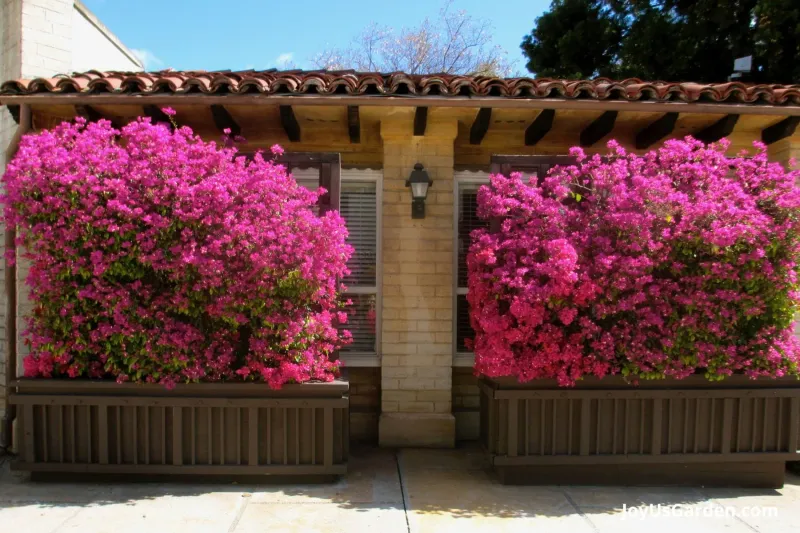
You step onto the porch before breakfast, and the bougainvillea is still glowing magenta, even though the air has a new bite. That color is the last of the season’s show, and a Texas cold snap can end it fast.
Here is when to move the pot, what to check first, and what to do if you cannot bring it in. A few calm steps now can save you a scramble later.
Fifty Degrees Is A Cautious Cue
Watch the forecast, not the calendar. When it shows nighttime lows approaching 50°F, that is your cue to plan the move, before nights repeatedly fall below that level and long before a freeze warning pops up on your phone.
That number is a cautious planning cue, not a line where the plant suddenly gets hurt. The Royal Horticultural Society lists 50°F as a preferred minimum night temperature for bougainvillea grown under glass.
University of Minnesota Extension also advises bringing most outdoor houseplants in when temperatures fall below 50°F. Both describe good growing conditions, not a damage point.
Texas does not run on one freeze schedule. The Panhandle can see hard cold weeks before the Gulf Coast or the Rio Grande Valley does.
Texas A&M AgriLife notes that severe cold can arrive suddenly in fall, and your own porch, wall, and exposure change how cold it gets.
So check your local forecast every few days once the nights start cooling. When lows creep toward 50°F, start the steps that follow: a pest check, a winter spot, lighter watering, and a backup plan.
Starting early is far easier than hauling a thorny pot around at dusk with sleet in the forecast.
A Pot Makes Cold More Dangerous
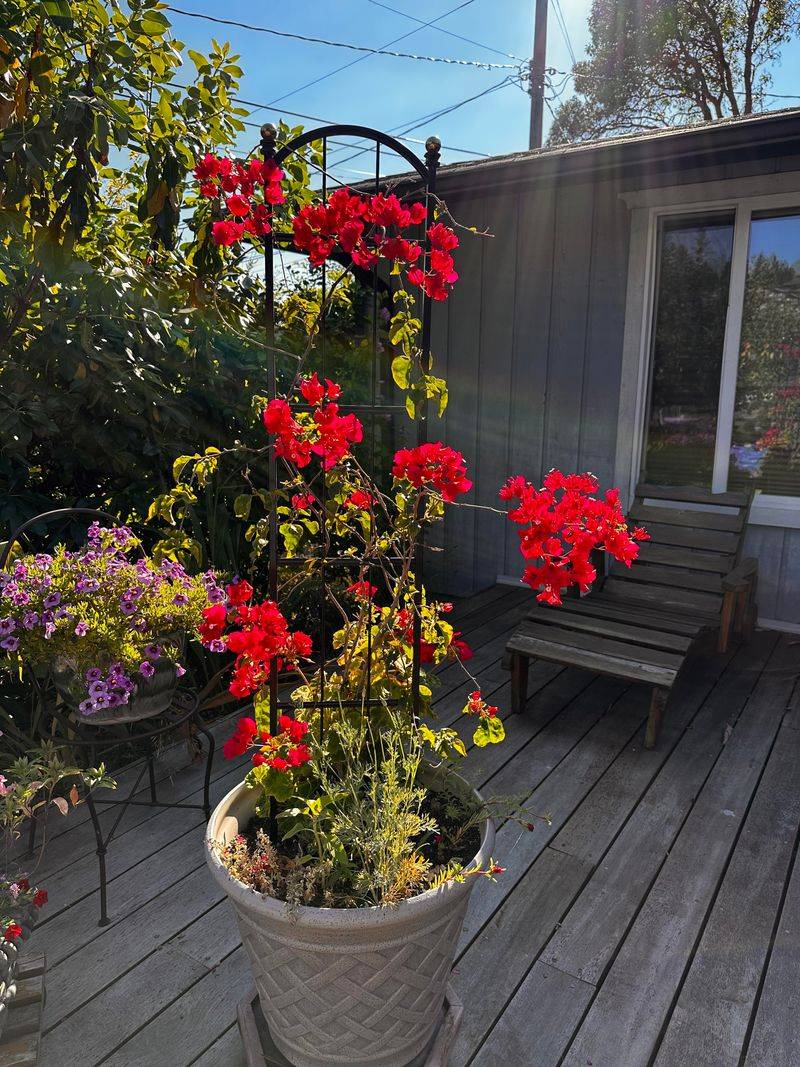
A bougainvillea in the ground has the earth around its roots like a thick blanket. A pot has only a thin wall between those roots and the cold night air.
Roots in a container get exposed to more cold than roots in a garden bed.
The basic rule is simple. UC IPM says bougainvillea does not tolerate freezing temperatures and should be moved inside where frost occurs.
Texas A&M AgriLife adds that container roots may die if the potting medium drops much below 32°F.
Notice what that warning covers. It is about the roots in the pot, not a guaranteed survival line for the whole plant.
Leaves, stems, wind, and how long the cold lasts all matter too.
Here is a myth worth setting aside. You may hear that bougainvillea is fine until the low 20s.
That number comes from LSU AgCenter, which reports substantial damage to in-ground plants in the mid to low 20s in Louisiana. That is not a safe minimum for a potted plant on a Texas porch.
Treat your pot as the more fragile case, because it is. Your plant’s roots have the thinnest coat on the block.
Check For Hitchhikers Before Moving It
Picture a quiet little stowaway. A few insects riding in on your bougainvillea can spread to every houseplant you own by January.
A five-minute check before the move can head that off.
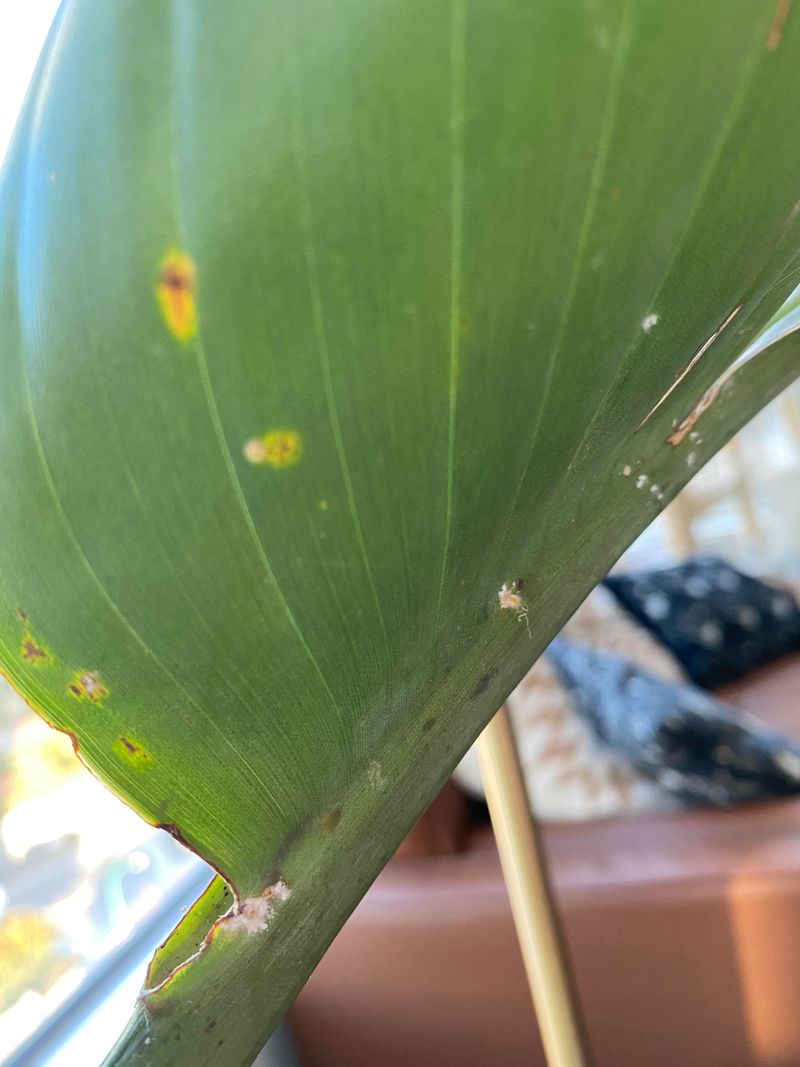
Look closely at the leaves, both sides, along with the stems and the soil surface. University of Minnesota Extension names aphids, spider mites, mealybugs, and scale as possible hitchhikers on plants coming back inside, and it recommends checking and isolating them.
Aphids are small soft bugs that cluster on new growth. Spider mites leave fine webbing and a speckled look.
Mealybugs look like bits of white cotton, and scale shows up as small bumps stuck to stems.
If you spot insects, rinse them off with a firm spray of water from the hose. Then, when you can, keep the plant away from your other houseplants for a couple of weeks and keep watching it.
If rinsing is not enough, think carefully before reaching for a pesticide. Make sure the product suits the pest, the plant, and an indoor setting, and follow the label exactly.
Do the check a few days before the move, not the evening of a cold snap. It is a small chore that keeps your living room pest-free.
Choose A Winter Spot Before The Forecast Turns
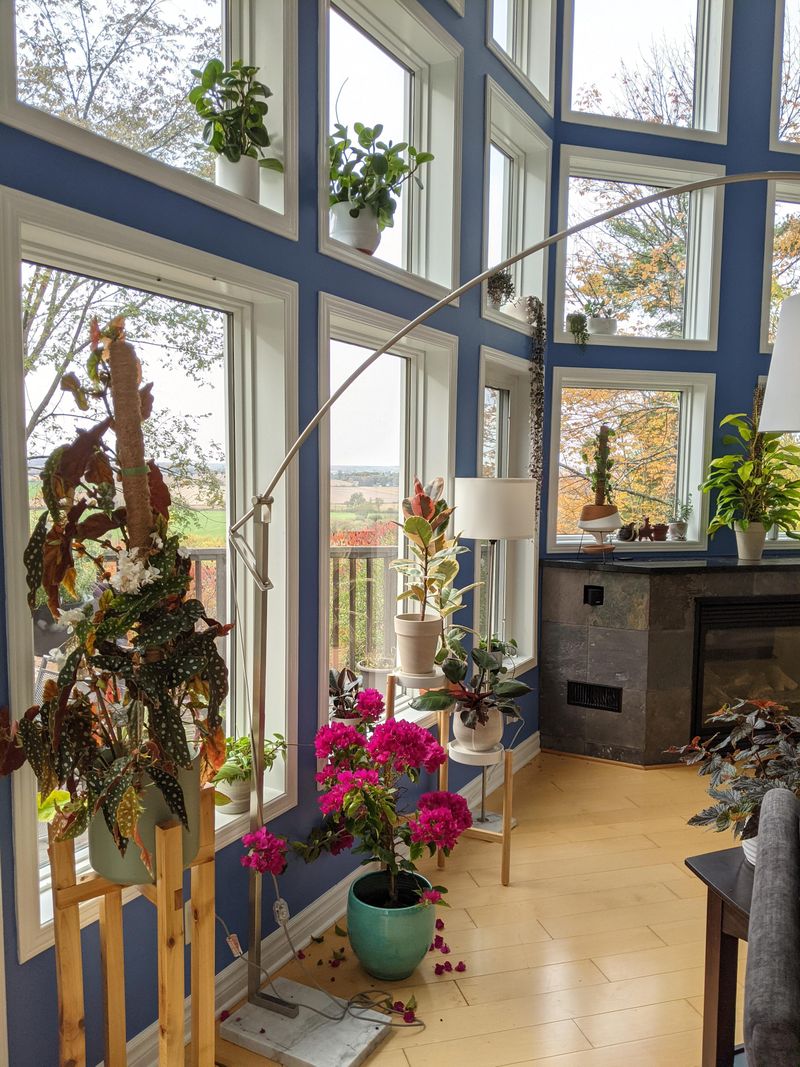
Nobody picks a good winter spot while hauling a pot in the dark. Decide now, while the weather is easy.
The most reliable choice is a home, garage, or other place that stays above freezing, which is what Texas A&M AgriLife recommends for container plants during a freeze. See its winter weather preparation tips.
Then pick the style of winter you want. A bright, warmer spot lets the plant keep growing.
A cooler, dimmer frost-free spot lets it rest. The RHS describes storing a dormant plant above freezing with fairly dry compost, and Missouri Extension also suggests a nonfreezing location for dormant plants.
A resting plant may drop many of its leaves, and that can look alarming. University of Maryland Extension notes that dormant tropical plants may lose their leaves.
Bare stems do not prove the plant is dead.
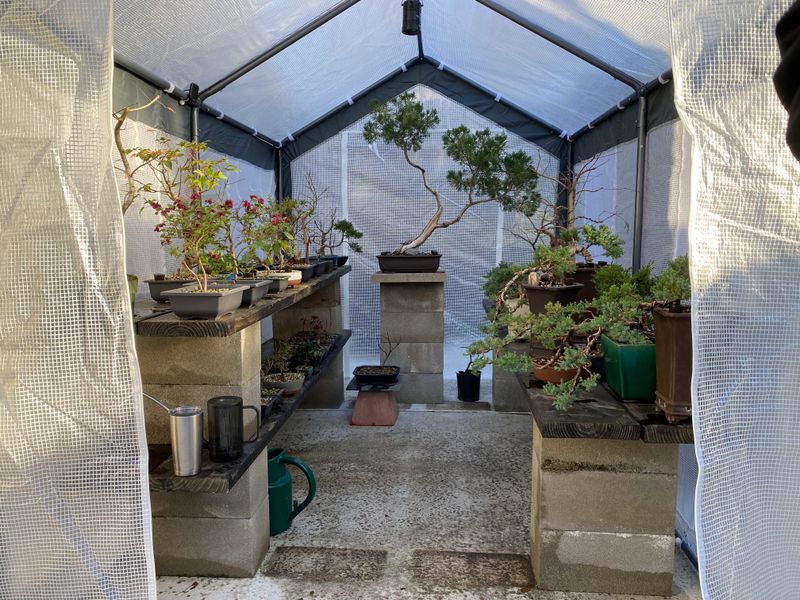
Before the cold arrives, walk to the spot you chose. Measure the doorway, clear the floor, and check that a garage will not dip to freezing on a hard night.
Having a plan beats a rushed move every time.
Water Less, And Prune Only To Fit
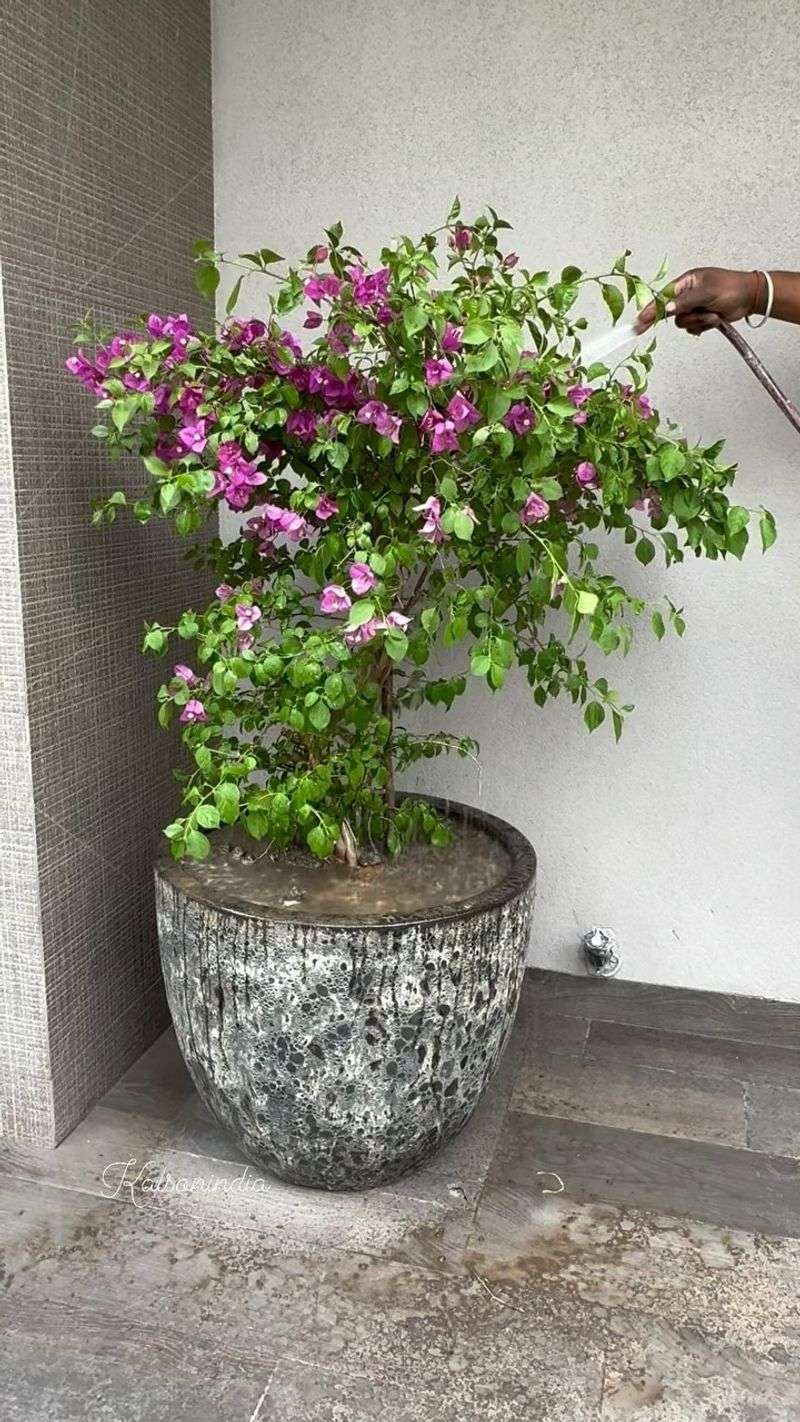
Once the pot comes inside, the plant slows down. Cooler air and lower light mean less growth, and less growth means the plant drinks less.
Keep your summer watering habit and the roots may sit wet, which causes its own trouble.
So water less, but do not let the roots dry out completely. The RHS says a dormant plant can be kept above freezing with relatively dry compost, and Missouri Extension likewise recommends low water for dormant plants.
Check the soil with a finger before each watering. Empty any saucer so the pot never sits in standing water.
Pruning works the same way, in small moves. Trim only as much as you need to fit the plant into its winter space.
A severe pre-winter haircut is not required, and cutting flowering stems can remove blooms you might still enjoy. UC IPM advises against major pruning until after the bloom period.
Think of it as tucking the plant in, not remodeling it. Light water and light trimming let it coast through the dark months quietly.
A Cover Is Only A Backup
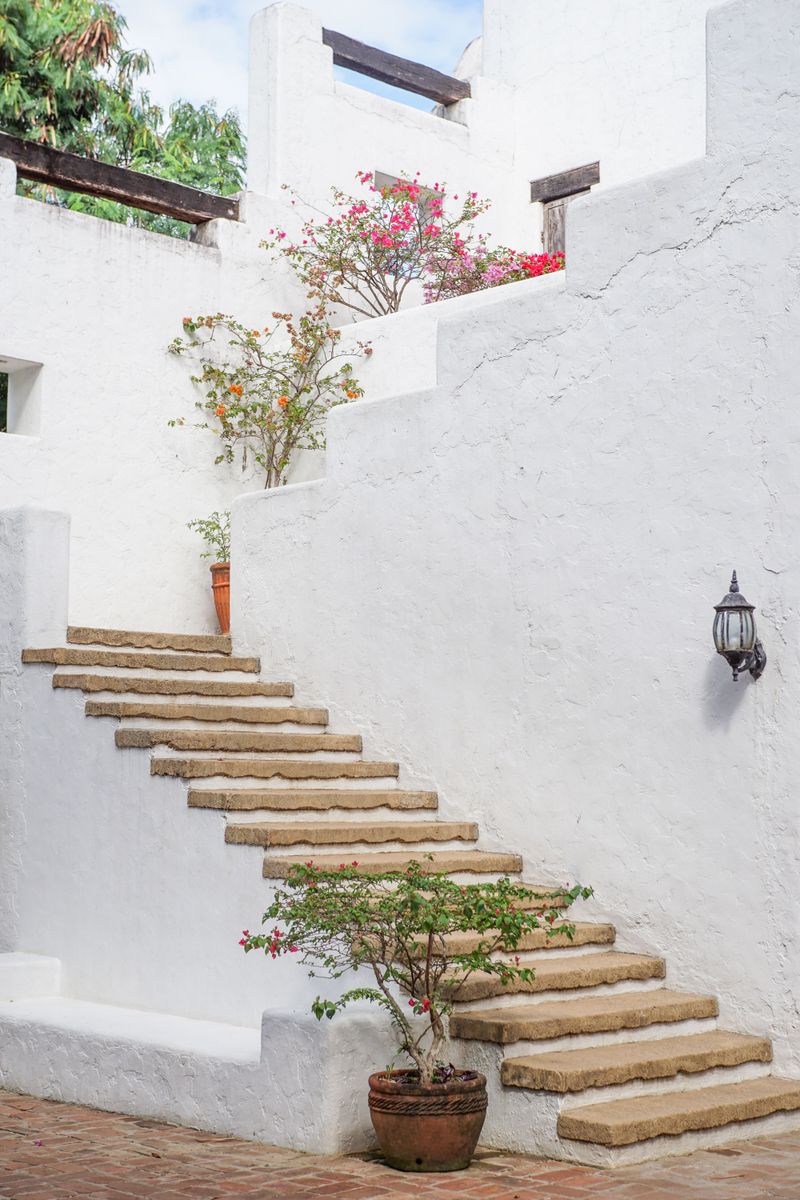
Sometimes the pot is simply too big, the house is too full, or the cold arrives too fast. If you truly cannot move it, outdoor protection is your fallback, and it deserves honest expectations.
Texas A&M recommends a few measures. Slide the pot beside a sheltered wall, group it with other containers, and cover the plant with a frost blanket all the way to the ground.
See AgriLife’s frost and freeze guide for details.
Here is the catch. Covers can offer little protection in a severe, windy freeze.
AgriLife explains that lightweight covers may give little to no protection when wind pushes out the warmth trapped underneath. A frost-free location is more dependable than any cover.
One old trick to skip is wetting the leaves before a freeze. Texas A&M’s Travis County office says wetting foliage before a freeze does not help and may make injury worse.
Treat the wall, the group, and the blanket as layers, none of them a promise. Do what you can, and keep an eye on the forecast.
Wait Until Damage Shows Before Pruning
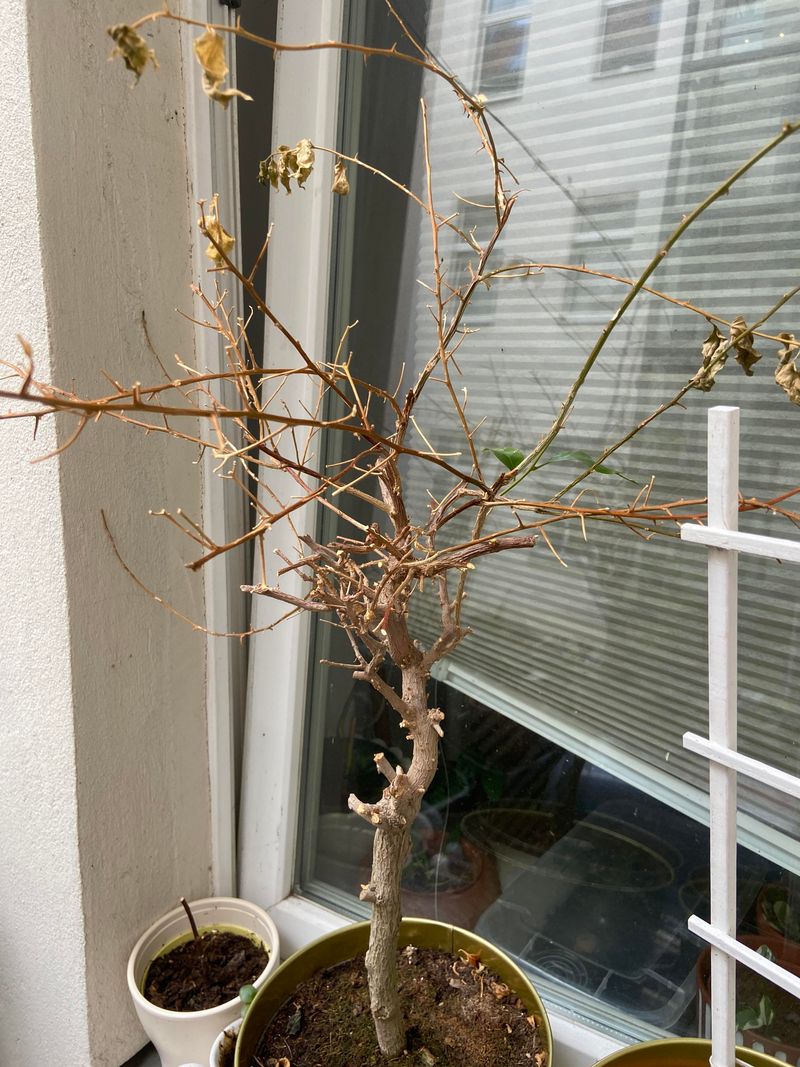
The morning after a hard freeze, a bougainvillea can look sad and wilted, and your hands may itch to grab the shears. Hold off.
Cutting right away can remove stems that are still alive.
Texas A&M AgriLife advises waiting until you can tell living tissue from dead, and until the threat of further freezes has passed. See its guidance on pruning after a freeze.
A premature cut can also expose new growth to the next cold night.
While you wait, keep the plant in its protected spot and water lightly if the soil is dry. Over the following weeks, look for green under the bark and for new buds, and gently scratch a small spot to check.
Nothing here promises recovery. Some plants bounce back, and some do not.
A damaged-looking plant simply needs time before its true condition shows.
Patience is a gardening skill, and it is a quiet one. Let the plant tell you what it still has.
