
Still Planting Garlic Before The Ground Freezes? 12 Mistakes That Hand You Marble-Sized Bulbs Next Summer
Follow us on Google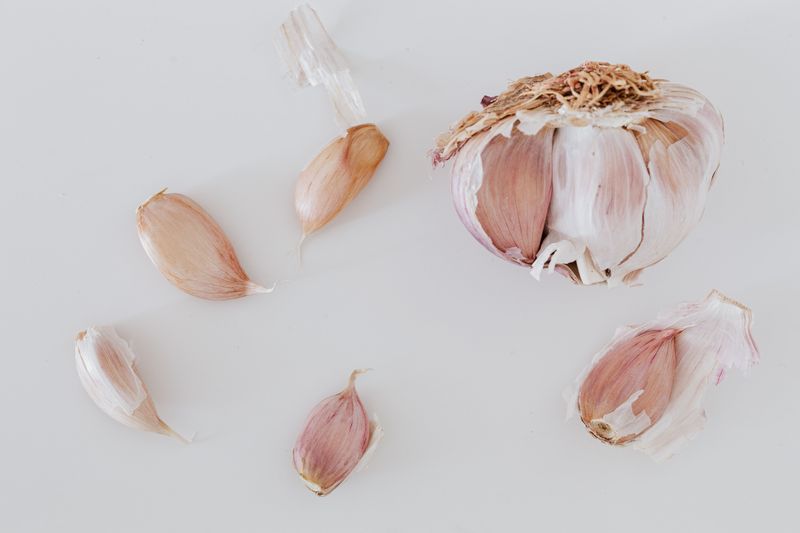
It’s a cold October afternoon, your fingers smell like garlic skins, and the bed is half planted before the forecast turns. Then you remember last July, when you pulled a whole row and got bulbs the size of marbles.
That sting is common, and it is rarely bad luck. Most small garlic traces back to a handful of fixable slip-ups made between fall planting and summer harvest, and here are the 12 that matter most.
1. Planting On The Calendar Instead Of The Soil
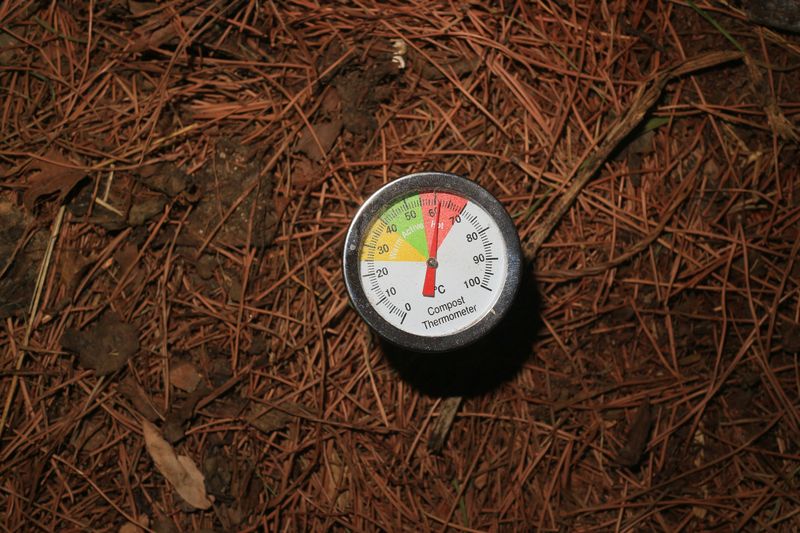
A warm October can fool you. Plant garlic (Allium sativum) into soil that is still summer-warm, and it may push tender green tops that get scorched by the first hard freeze.
Plant too late, and the opposite happens. The clove sits in frozen ground without roots, like a hiker caught without a tent.
The target is soil below about 60°F, roughly 2 to 4 weeks before the ground freezes solid. For much of the northern US that lands in mid-October to November.
Gardeners in mild parts of the South and California often plant from late November into January, so check your local Cooperative Extension office for your window.
2. Planting Every Clove Including The Skinny Ones
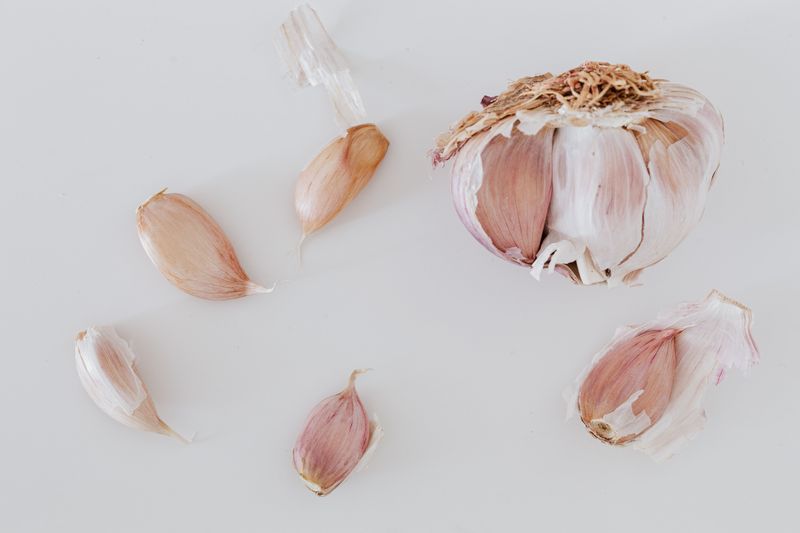
Each clove is basically a packed lunch for the plant it becomes. A tiny lunch means a weak start, and a weak start usually ends in a small bulb.
So be picky. Plant only the big, firm outer cloves and leave the papery skin on, since it guards against rot.
Those skinny center cloves still earn their keep. Cook with them, or plant them 1 to 2 inches apart and pull them in spring as green garlic, a mild, scallion-like treat.
3. Planting Into Heavy Clay That Squeezes Bulbs
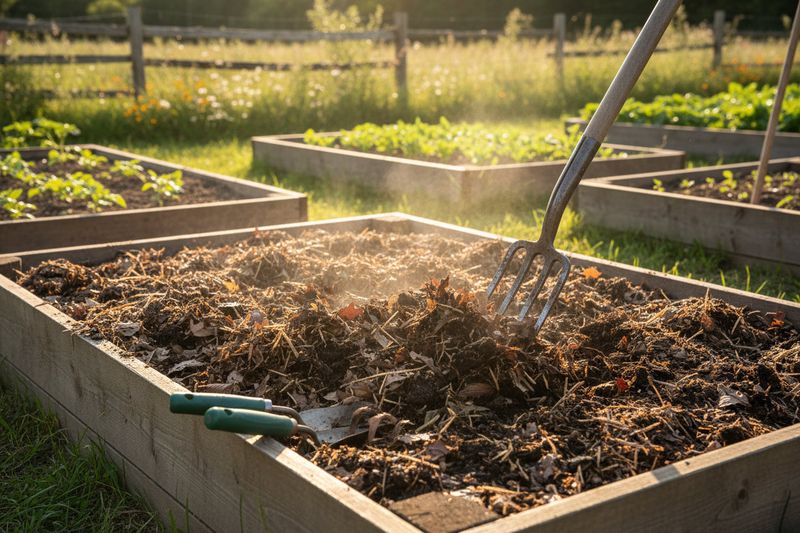
Picture trying to grow while someone sits on you. That is life for garlic in dense, soggy clay, where bulbs get squeezed and roots can rot through a wet winter.
Loosen the bed 8 to 12 inches deep and mix in 2 to 4 inches of well-rotted compost. Aim for a pH between 6.0 and 7.0, and pick a spot with at least 6 hours of sun.
If puddles linger after rain, build a raised bed or mound your rows a few inches high. Many Ohio Valley and Midwest gardeners with heavy clay find this one change does more than any fertilizer.
4. Setting Cloves Too Shallow For Winter
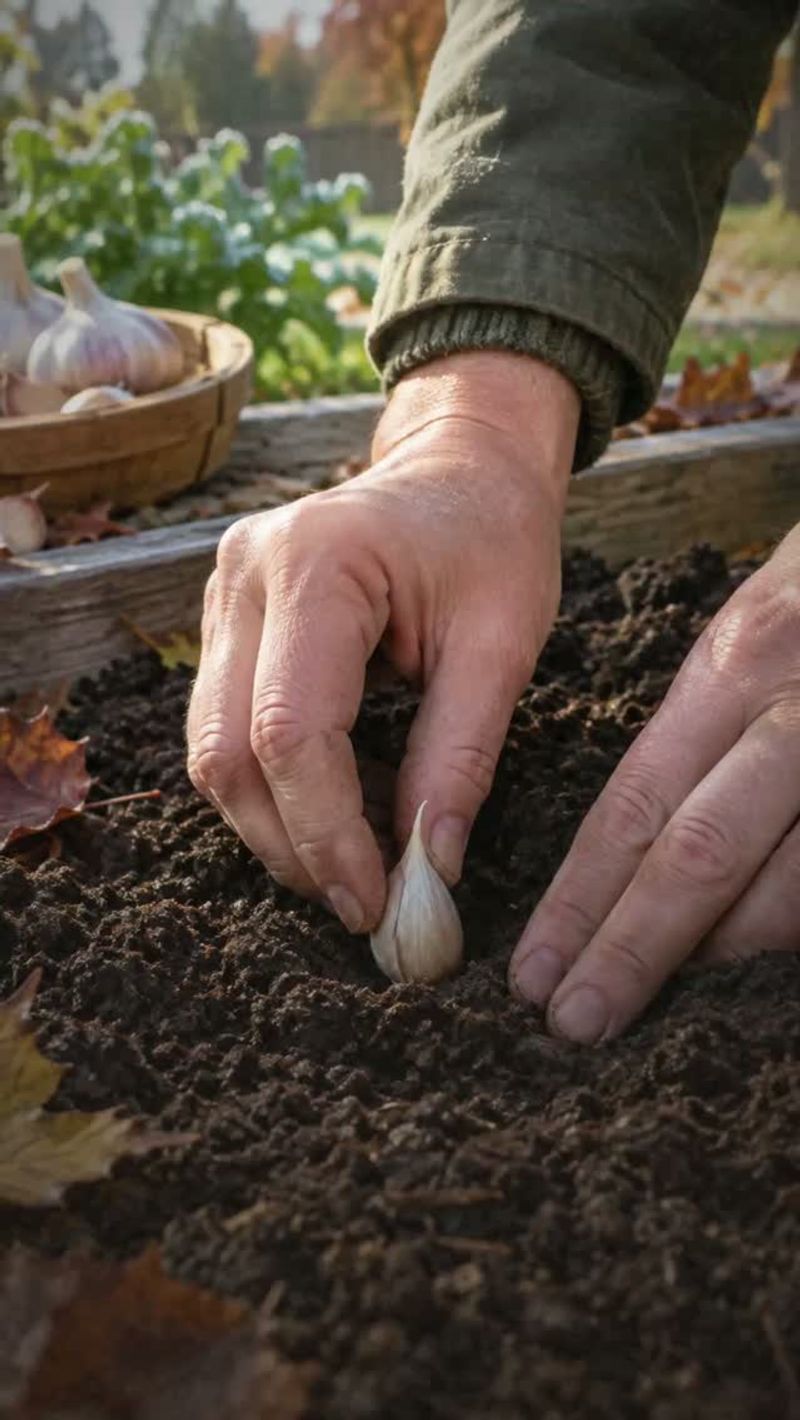
Some March mornings, gardeners in cold states find garlic cloves lying on top of the soil. That is frost heave, where freezing and thawing ground shoves shallow cloves upward and tears their roots.
Plant pointy end up, with the tip 2 to 3 inches below the surface. In very cold areas or sandy soil, 4 inches gives extra insulation.
Wrap tape around your trowel at the right depth so every clove lands the same. It is a small habit with a big payoff.
5. Crowding Cloves To Squeeze In More
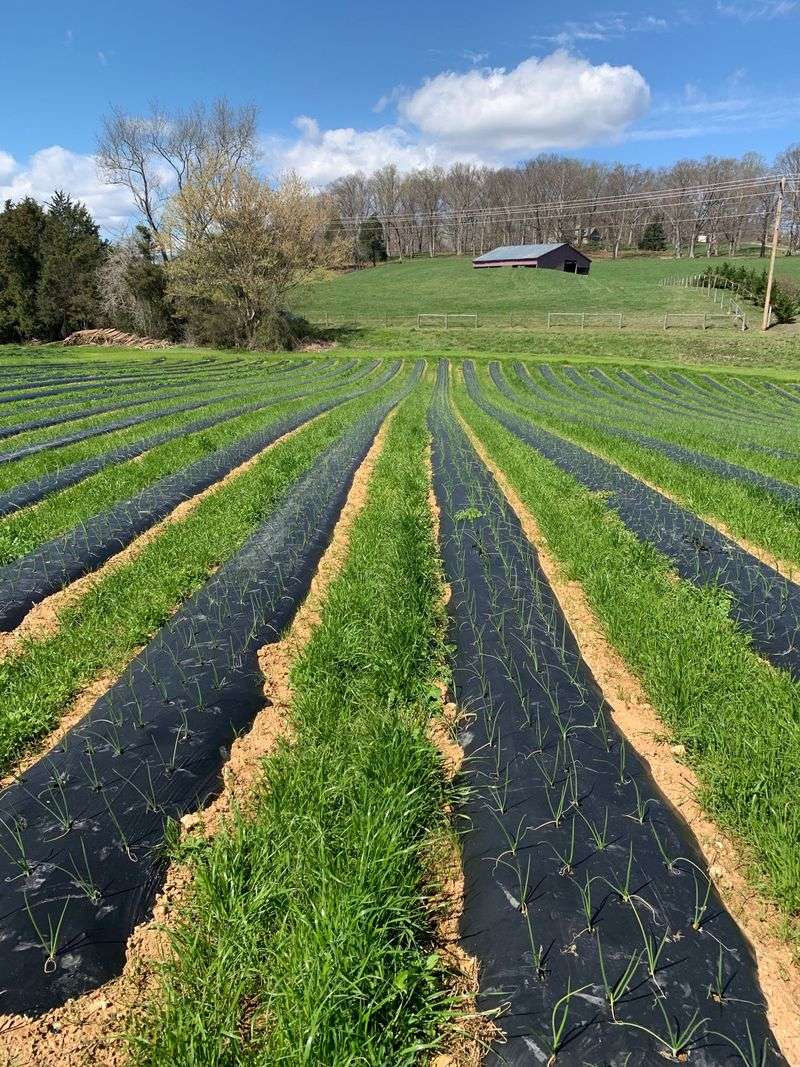
More cloves does not mean more garlic. Packed too tight, bulbs bump into each other underground and leaves fight for light overhead.
Give each clove 4 to 6 inches within the row, with rows 12 to 18 inches apart. That spacing feels generous in October and just right by June.
You also get room to weed without nicking roots. Fewer, fatter bulbs beat a crowd of runts at the cutting board.
6. Skipping Mulch And Letting Weeds Move In
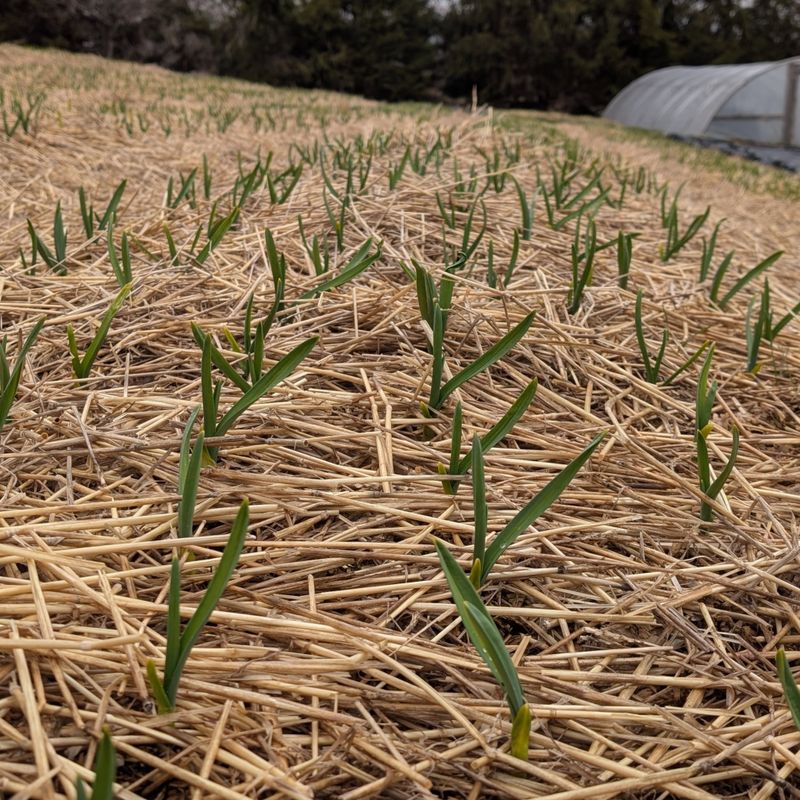
Garlic is a poor fighter. Its thin, upright leaves cast little shade, so weeds happily move in and steal water and food.
Right after planting, spread 2 to 4 inches of seed-free straw or shredded leaves. The mulch blocks weeds, holds moisture, and softens freeze-thaw swings.
In spring, pull stragglers while they are small. A quick hoe on a dry day handles most of it in minutes.
7. Letting Spring Soil Dry Out During Bulbing
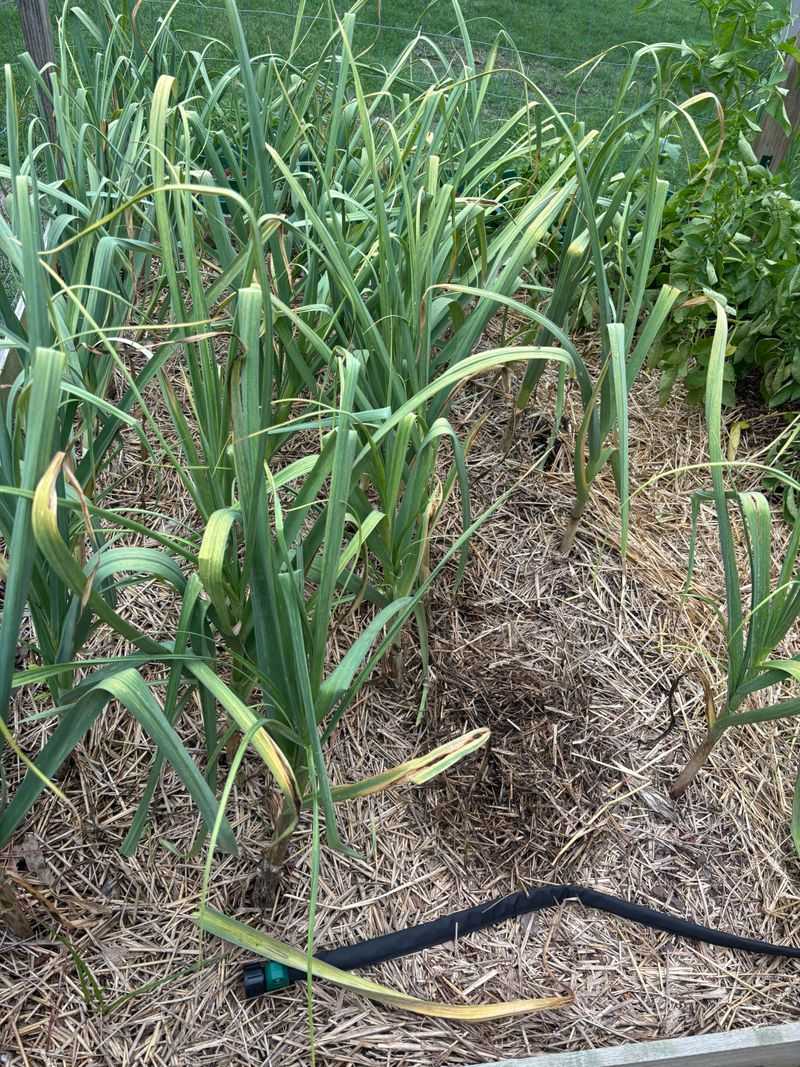
Here is the surprise. Garlic seems to ignore you all winter, then turns thirsty in spring when bulbs are swelling.
Across much of the US that stretch runs roughly April through June. Aim for about 1 inch of water per week from rain or a hose, watering deeply rather than in daily sprinkles.
Then ease off 2 to 3 weeks before harvest. Drier soil helps wrappers tighten, so your bulbs keep longer in the pantry.
8. Feeding Too Little Early Or Too Much Late
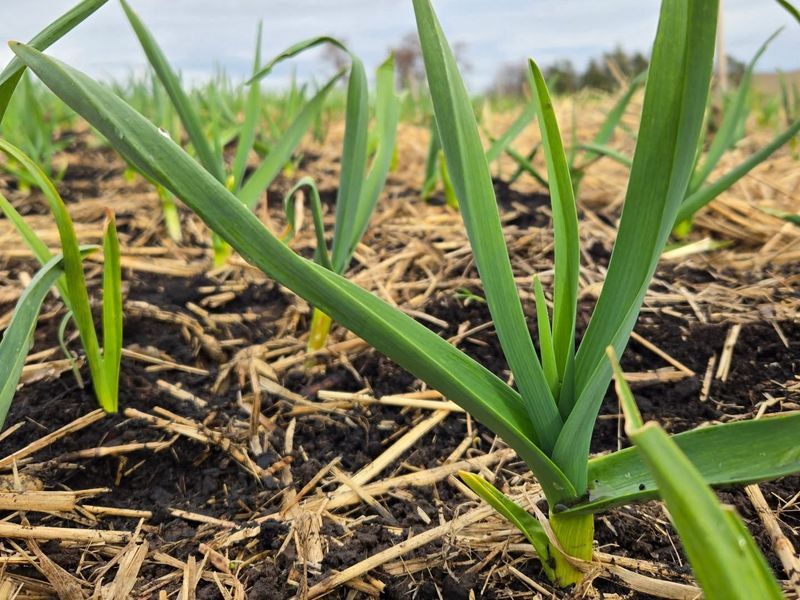
Each garlic leaf becomes a wrapper layer on the bulb. More healthy leaves in spring means more layers and a bigger head.
Feed with a nitrogen source such as fish emulsion every 3 to 4 weeks once shoots green up. But stop heavy nitrogen about 2 months before harvest, usually by late May in many northern gardens.
Late feeding pushes leafy tops and soft bulbs that store poorly. A soil test through your extension office takes the guesswork out.
9. Leaving Hardneck Scapes On The Plant
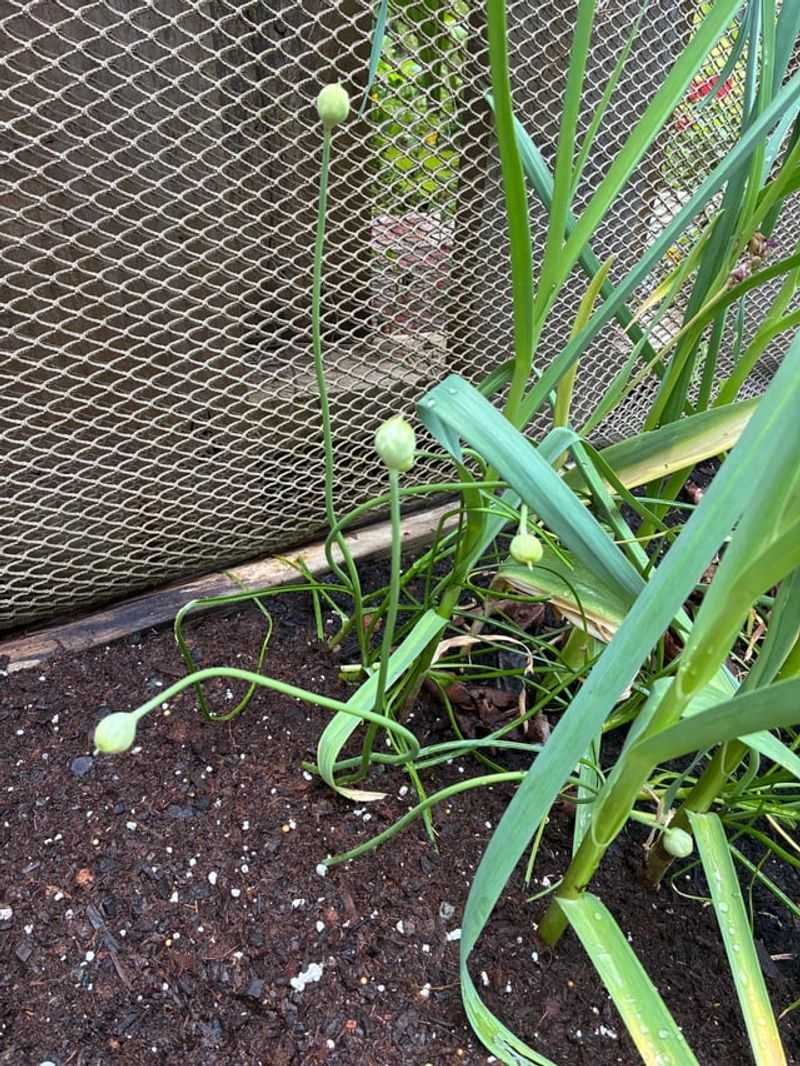
Those curly stalks on hardneck garlic look charming. They are also quietly draining energy that should be going into the bulb.
Snap or cut scapes once they make one full curl, just above the top leaf. Many growers report noticeably bigger bulbs, sometimes 25 percent or more.
And you get a bonus harvest. Scapes make a mild, bright pesto or a fine grill side for a June cookout.
10. Digging Too Early Or Waiting Too Long
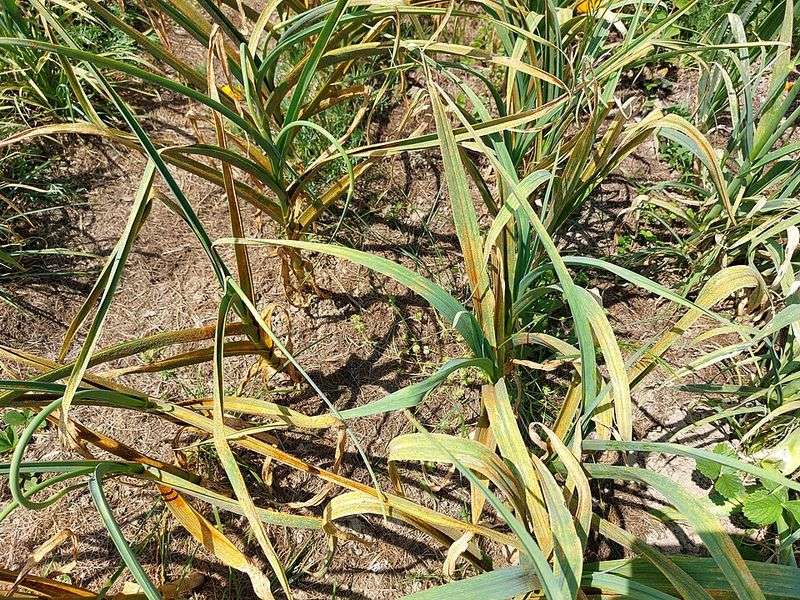
Dig too soon, and bulbs are undersized with flimsy skins. Wait too long, and wrappers rot or cloves split open.
Harvest when roughly a third to half of the lower leaves are brown, while 5 or 6 upper leaves stay green. Dig one test bulb first.
Loosen soil with a fork instead of yanking. Cure bulbs in a shady, airy spot for 2 to 3 weeks before trimming.
11. Skipping The Chill In Warm Winter Climates
Gardeners in Florida, the Gulf Coast, and Southern California sometimes dig up a single round bulb with no cloves. The plant actually needed cold to trigger splitting, a process called vernalization.
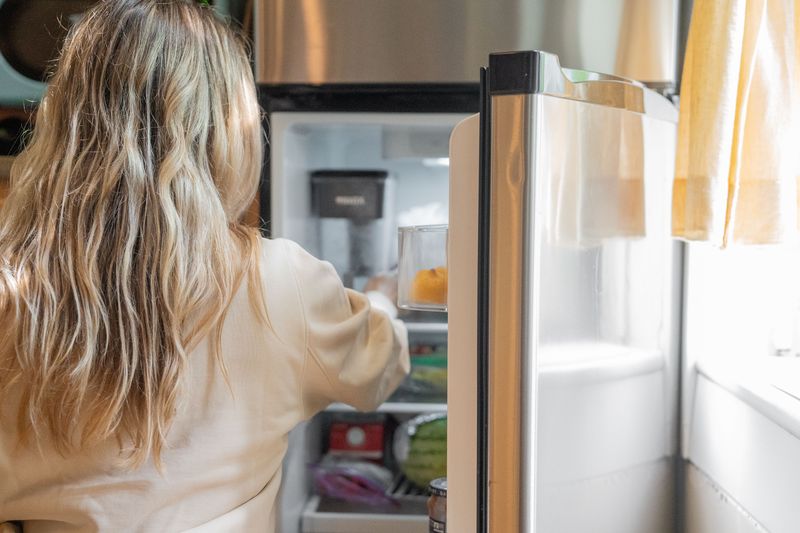
Fake a winter by refrigerating cloves at 35 to 40°F for about 6 to 8 weeks before planting. Use a paper or mesh bag and keep them away from apples, which release sprouting gas.
Got rounds this year anyway. Chill and replant them next fall, and they often divide normally.
12. Growing A Variety That Does Not Suit Your Winters
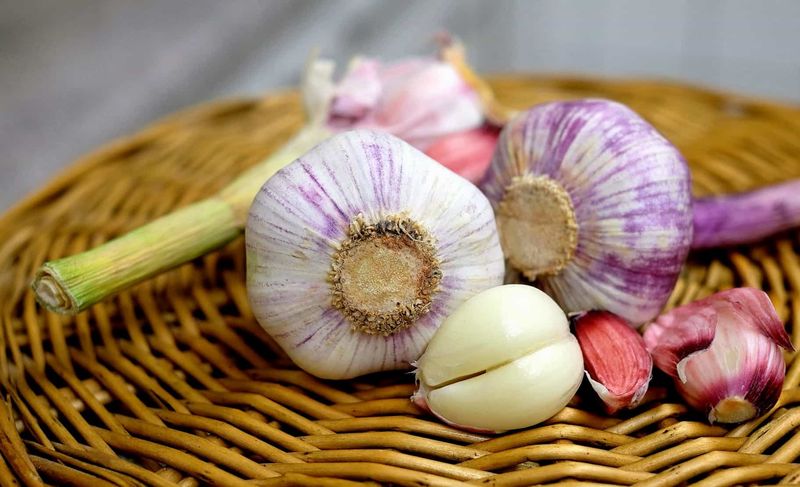
Hardneck garlic loves long cold winters, which is why types like ‘Music’ and ‘Chesnok Red’ shine in the North and Upper Midwest. Softneck types handle milder winters and braid nicely for storage.
In the South, softnecks such as ‘Inchelium Red’ or ‘California Early’ usually perform far better than northern hardnecks.
Buy seed garlic from a local supplier or ask your extension office what thrives nearby. Get the variety right, pair it with the fixes above, and next summer’s bulbs should fill your palm instead of your pocket.
