
The Native Ground Covers North Carolina Gardeners Trust on Steep Slopes Instead of Vinca
Follow us on Google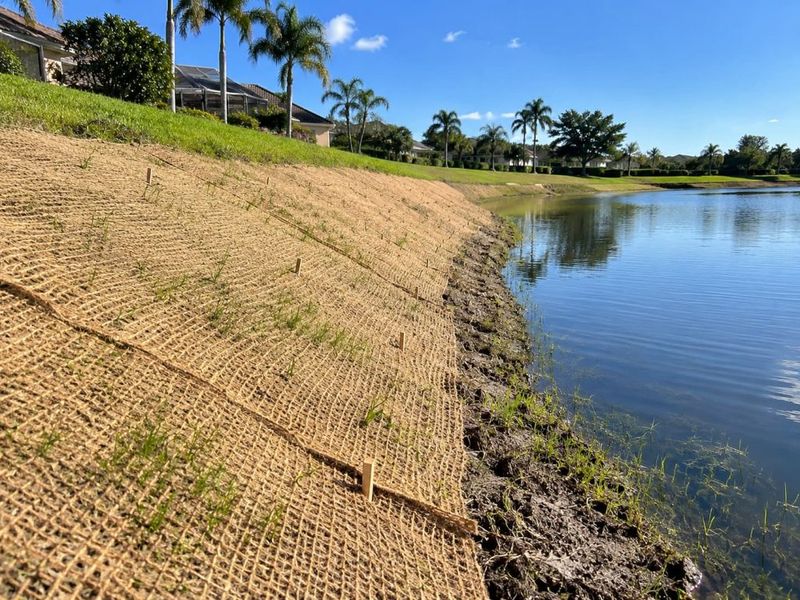
You step out with your coffee on a muggy June morning and spot it again: that glossy green vinca creeping past the slope and into the woods. It looked like a quick fix for a bare North Carolina hillside, but now it is smothering everything in its path.
The good news is that native ground covers can hold that same slope, look tidy, and actually stay where you put them. Here are eight that local gardeners lean on, plus the setup tricks that help them win.
1. Why Vinca Is the Wrong Answer for Your Slope
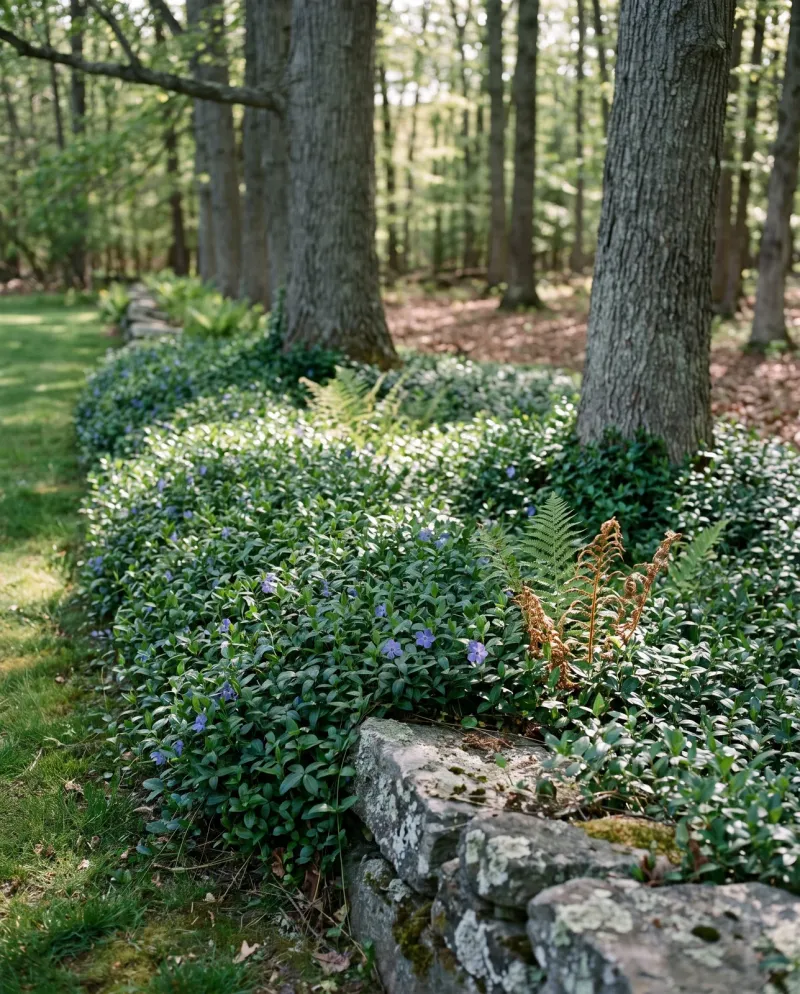
Vinca looks innocent. Little blue flowers, shiny evergreen leaves, and it covers bare dirt fast, which is exactly why so many North Carolina homeowners planted it.
Here is the catch. Both Vinca minor and Vinca major came from Europe and Asia, and the North Carolina Invasive Plant Council lists them as invasive.
The stems root wherever they touch soil, so one plant becomes a mat that keeps marching.
That mat crowds out native wildflowers, tree seedlings, and the leafy layer where box turtles hunt and fireflies spend their young lives. Native bees get very little from it.
So the slope looks green, but it is genuinely quiet in the ways that matter.
Removal takes patience. Pull or rake out runners when the ground is moist after a spring rain, bag them instead of composting, and plan to check again every 4 to 6 weeks for a full season.
Replant as you clear, about one small section at a time, so bare soil never sits open through a summer storm.
It is slow work, but every patch you reclaim becomes room for something that belongs here.
2. Allegheny Spurge Holds Shady Banks Without Running Wild
Picture the Asian pachysandra you see swallowing whole yards. Now picture its polite Southern cousin.
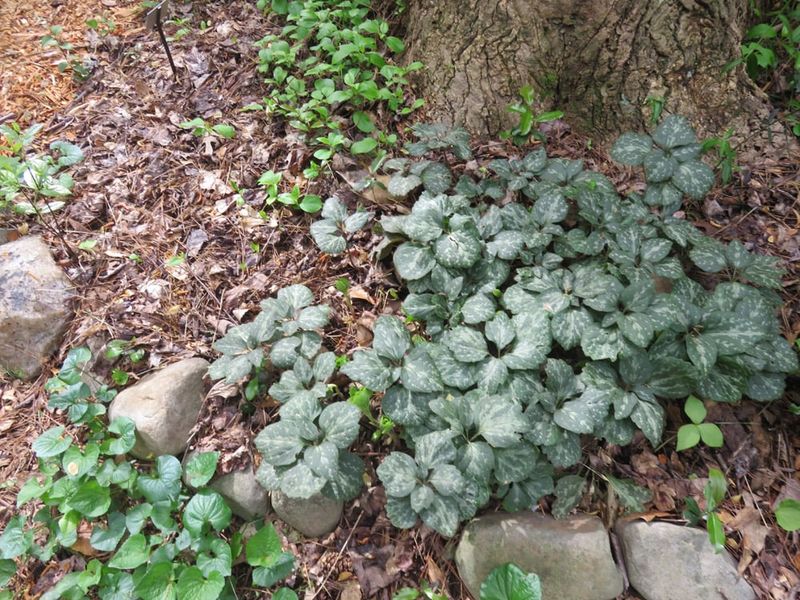
Allegheny spurge, Pachysandra procumbens, grows naturally in the Southeast and knows how to share.
Its leaves wear a soft silver mottling, almost like old marble, and early spring brings fuzzy white flower spikes that early bees visit. It spreads slowly, so you will not spend Saturdays hauling it out of the azalea bed.
Slow is the honest tradeoff. Plant small plugs about 12 inches apart in part to full shade, under oaks or along a wooded bank, and expect two to three years before the gaps close.
Mulch between plants with 2 inches of shredded leaves while you wait.
It handles the cooler mountains and the humid Coastal Plain alike. Once it knits together, you get a calm, evergreen floor that holds the soil and lets you stop worrying about that hill.
3. Wild Ginger Turns Bare Shade Into Living Carpet
Under big hardwoods, grass gives up. You reseed, it sprouts, it fades by July.
Wild ginger, Asarum canadense, does not quit in that same spot.
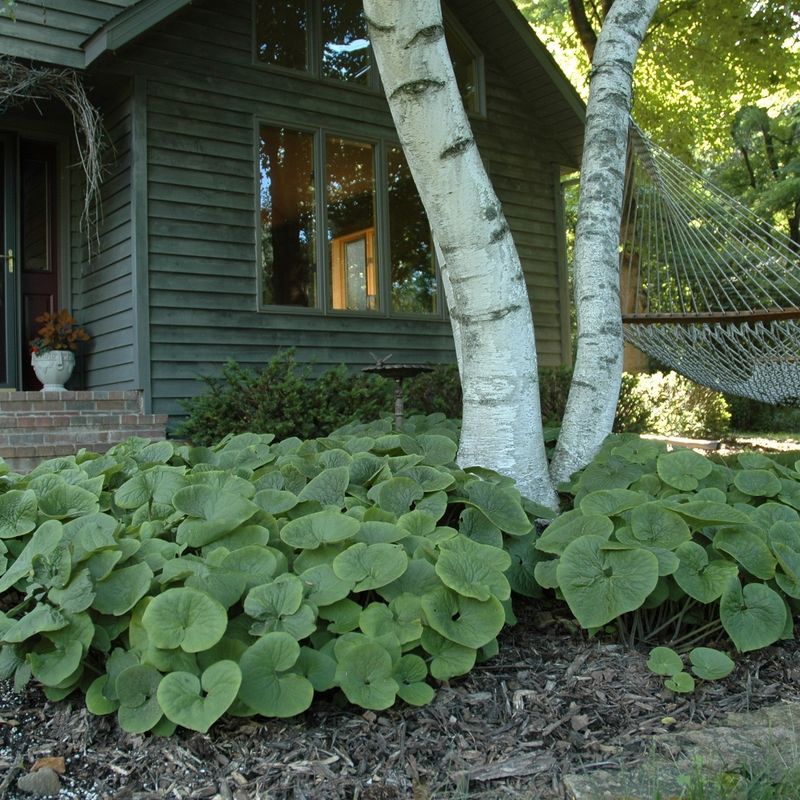
Its fuzzy, heart-shaped leaves overlap like shingles on a roof, shading the soil so weed seeds cannot get going. Underneath, odd little maroon flowers sit right at ground level, where beetles and flies pollinate them.
Rub a root and you will smell real ginger, though it is not for cooking.
It wants part to full shade and steady moisture. In Piedmont red clay, work 2 to 3 inches of compost into the planting holes and space plants about 8 to 12 inches apart in early spring or fall.
One caution for families: keep curious dogs from nibbling it. Otherwise it is a low-key protector for that dim corner you had written off.
4. Creeping Phlox Feeds Early Bees While Gripping Soil
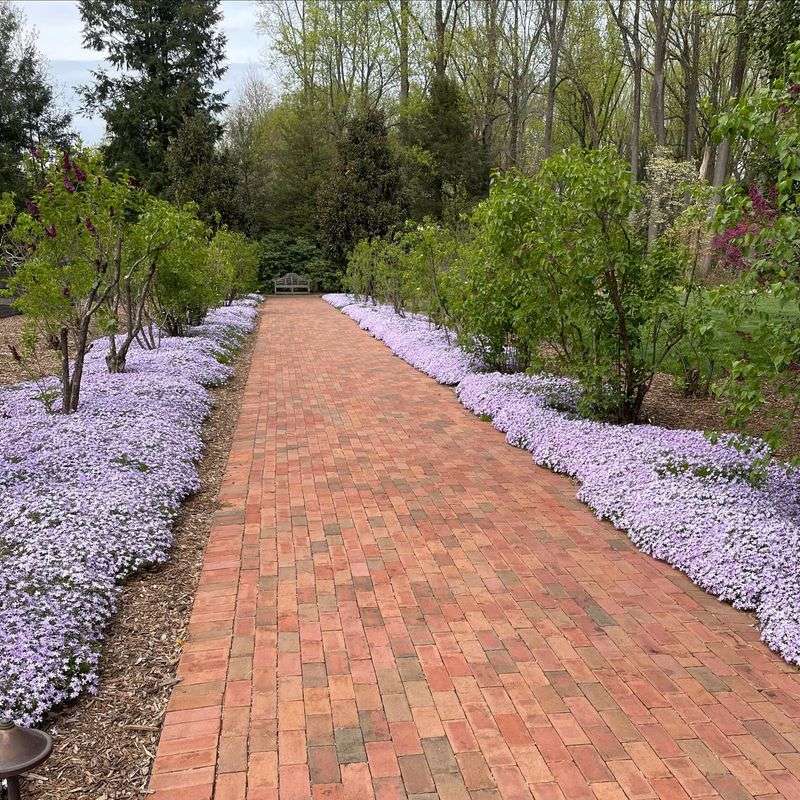
April in North Carolina can flip from 75 degrees to frost in one week. Somehow creeping phlox, Phlox stolonifera, still shows up blooming on schedule.
Soft purple, pink, or white flowers cover low mats of leaves, and native bees hungry after winter go straight for them. Butterflies drop in too.
It is a little breakfast spot right at the edge of your walk.
Below the flowers, stems root as they creep, so the mat locks onto the slope. It spreads in loose patches rather than long runaway runners, which makes it easy to steer.
Give it part shade, decent drainage, and space plants about 12 to 18 inches apart. After bloom, a quick trim keeps it tidy.
Do not expect it to handle deep, wet clay without some compost, that is the one spot it sulks.
Spring color plus a steady grip. Hard to ask more from one plant.
5. Green-and-Gold Lights Up Dappled Corners for Months
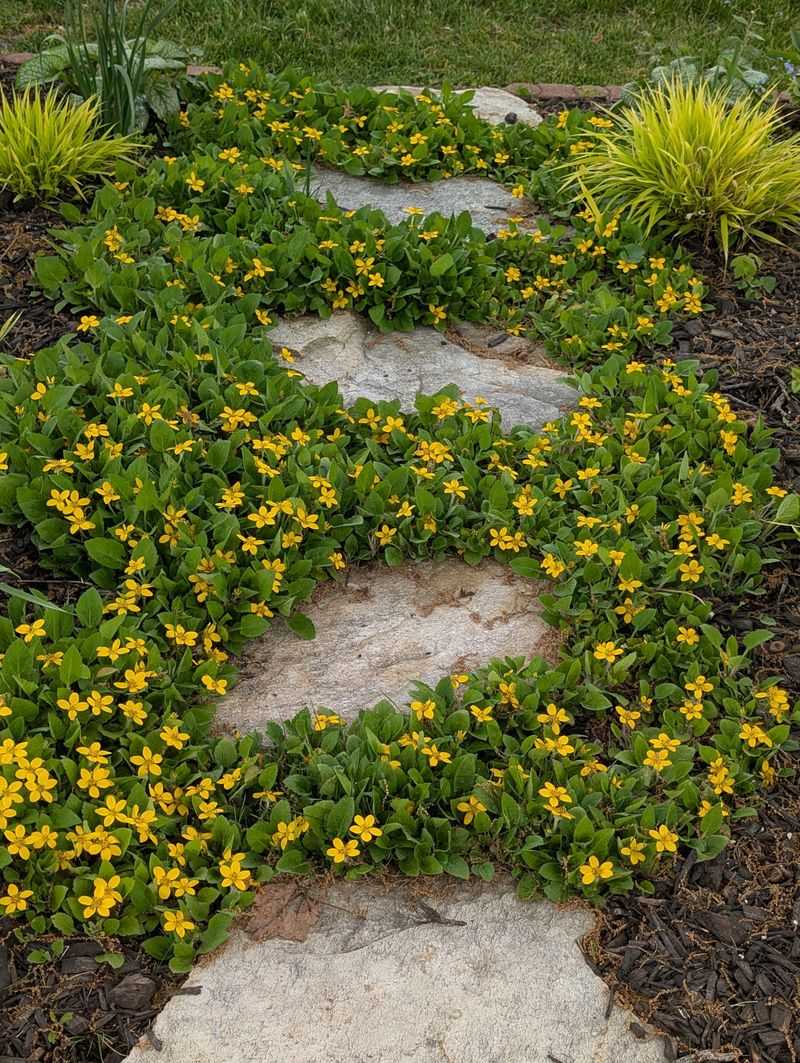
Little yellow stars, scattered low across a shady bank. That is green-and-gold, Chrysogonum virginianum, and it blooms longer than most people expect.
Flowers often start in spring and pop up off and on into fall when it is happy. It stays about 4 to 6 inches tall, so it never blocks a path or crowds the hostas behind it.
Deer usually leave it alone too.
It likes part shade and moist, rich soil that still drains. In the Piedmont, that means amending clay, and in sandy spots it means a bit more water during dry August stretches.
Set plants roughly 12 inches apart. Within a season or two they spread into a cheerful mat that keeps soil covered.
It is the plant that makes a plain slope look cared for.
6. Wild Strawberry Covers Sunny Slopes Fast
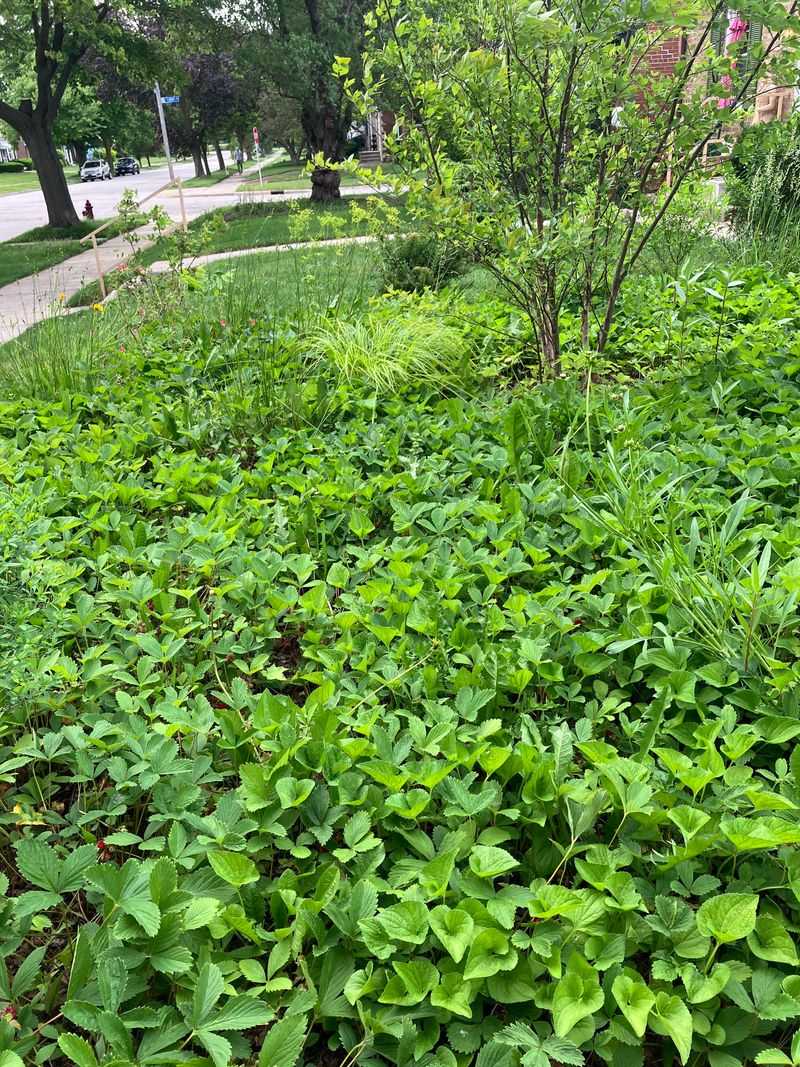
Most native ground covers move slowly. Wild strawberry, Fragaria virginiana, is the exception, and on a sunny slope that speed is a gift.
Runners root quickly, filling bare ground with green leaves, white spring flowers, and tiny red berries by early summer. The berries are small but sweet, and birds, box turtles, and other wildlife compete for them.
It takes full sun to light shade and tolerates average soil, even lean Piedmont clay. Plant about 12 to 18 inches apart in spring, water for the first few weeks, and it often closes gaps in one season.
It can wander, so edge it near beds you care about. But unlike vinca, it does not form smothering, forest-choking mats.
You get fast cover, pollinator visits, and a turtle or two on the hunt.
7. Creeping Blueberry Thrives in Sandy Coastal Plain Soil
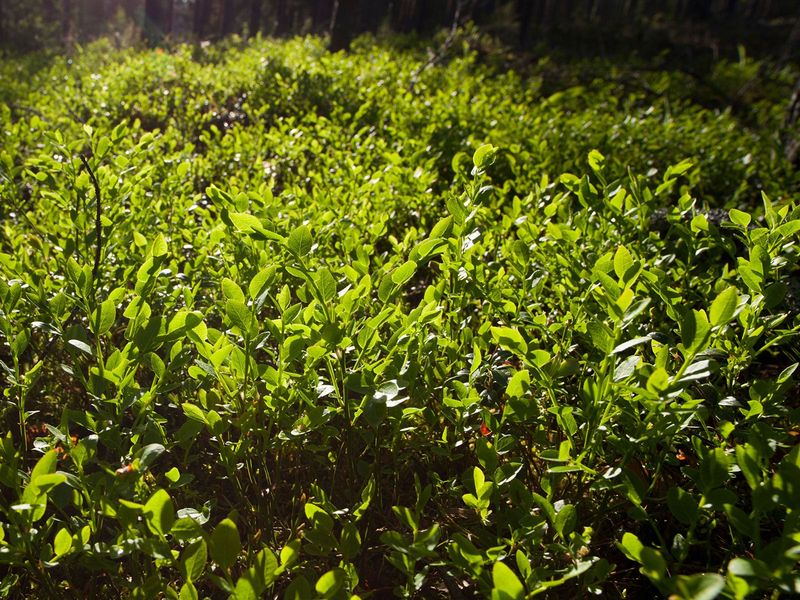
Yes, a blueberry that lies flat. Creeping blueberry, Vaccinium crassifolium, grows naturally in the sandy, acidic soils of eastern North Carolina.
Small, glossy evergreen leaves form a low woody mat, often just a few inches high. Tiny bell-shaped flowers appear in spring and draw native bees, and the stems root as they spread across a bank.
This is a regional specialist. It does best in sandy, acidic, well-drained soil with sun to part shade, which makes it a natural fit in the Coastal Plain and Sandhills but a poor match for heavy mountain or Piedmont clay.
Space plants 18 to 24 inches apart and water through the first summer. After that it asks for little, and it holds sandy slopes that tend to wash out in hurricane season.
8. Erosion Fabric and Mulch Help Natives Win the Slope
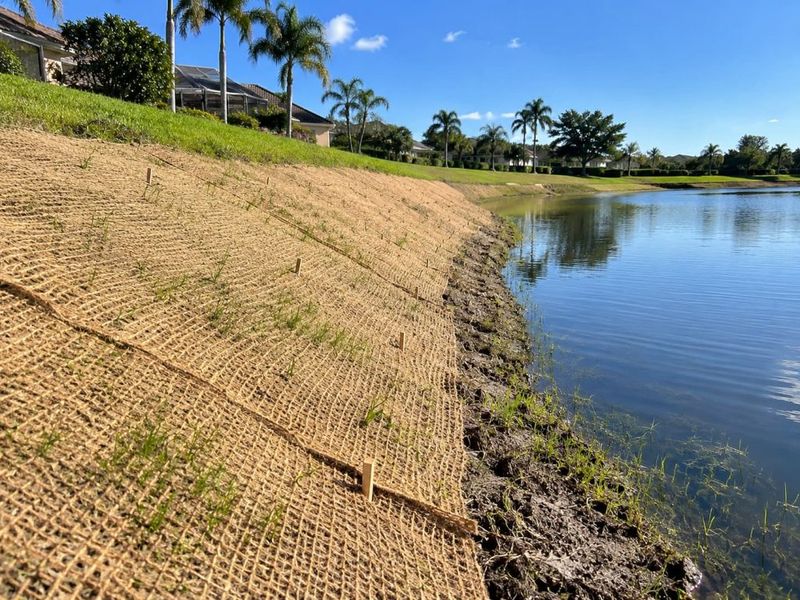
Plants alone cannot stop the first big afternoon storm. A summer downpour can strip soil from a fresh slope in an hour, taking young plugs with it.
So start with the ground. A soil test through NC State Extension and the NC Department of Agriculture tells you pH and nutrients.
Clear vinca and weeds, and if your slope is steeper than about 45 degrees, talk to a pro about terracing or a retaining wall.
Then lay biodegradable jute or coconut coir netting across the slope and pin it down. Cut small X openings to plant through it, then top with about 3 inches of shredded hardwood mulch, which grips better on hills than pine nuggets.
The fabric breaks down over one to two years, right about when your natives fill in. By then, roots are doing the holding, and the slope feels alive again.
