
Can a Shrub Keep Ticks Out of Your Yard? What the Evidence Says
Follow us on Google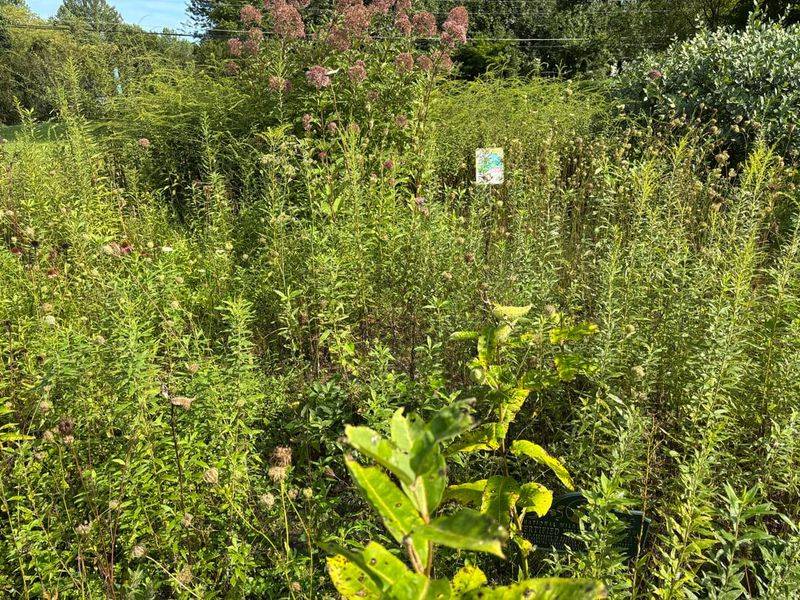
You step onto the back lawn on a humid June evening, and the grass along the tree line is still damp from the afternoon storm. Somebody online says one native shrub can keep ticks out of that edge better than any spray.
Here is the straight answer for Pennsylvania yards: no shrub has been shown to do that. But there are real steps that can lower your risk, and they are simpler than you might think.
The Shrub Claim Has No Proof
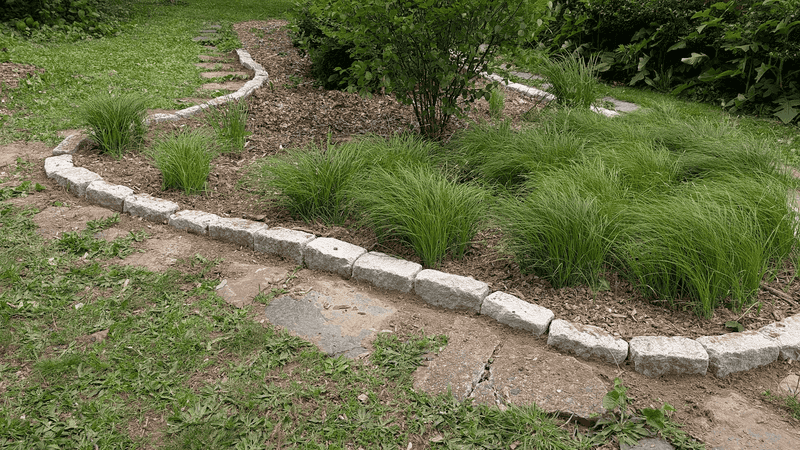
Let us clear the air right away. No reliable evidence shows that a Pennsylvania-native shrub planted at your lawn edge keeps ticks away.
None shows that it beats a spray either.
The idea sounds tidy, which is why it spreads. But University of Maryland Extension says it knows of no scientific studies showing that specific plants in a landscape repel ticks.
That is a plain, honest gap in the research.
The spray side has its own limits. The best residential spray research looked at treated yards versus untreated yards.
It never put a shrub planting up against a spray, so nobody can say which wins.
There is another catch. A thick planting along a fence line can actually hold onto shade and dampness, and Penn State Extension notes that ticks favor those humid, sheltered spots.
So a dense border could work against you.
That is why this article swaps the big promise for steps with better backing. Think of it as a layered plan, not a magic plant.
No layer is a guarantee, but together they can lower the odds of a tick ending up on you. For the spray research, we will get to the numbers in a moment, and a randomized trial tells a more careful story than any headline.
The good news is that you do not have to rip out your native plantings. You just have to be smart about where and how dense they are.
Ticks Favor Humid, Shaded Cover
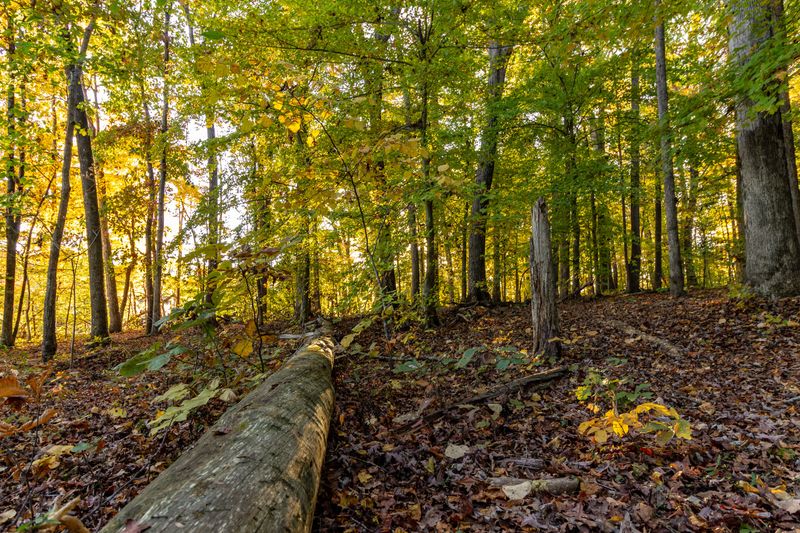
Ticks are not fans of a hot, bright afternoon. Blacklegged ticks, the kind that spread Lyme disease, are found in all 67 Pennsylvania counties, and they favor wooded, humid cover.
A mown lawn is generally less attractive to them. Sunshine dries things out, and short grass leaves little to hide in.
That is the idea behind the dry, open conditions mentioned in the headline, and it is real as habitat science, as Penn State Extension explains.
Here is where it gets tricky. Less attractive does not mean tick-free.
Deer, mice, chipmunks, and even your dog or cat can carry ticks right across the grass and drop them off.
So Penn State guidance on protecting pets also points to cutting back the cover small mammals like, such as brush and leaf piles.
Now picture a thick row of shrubs along the fence. Dense growth can hold shade and moisture close to the ground, which is the exact setup ticks look for.
A shrub row is not proven to be a problem on its own, but it is certainly not proven to be a shield.
Many central valley and Susquehanna Valley gardeners know this edge well, where cool shade lingers after a summer thunderstorm. Your best move is to keep that zone open, sunny, and tidy.
What the Beautyberry Story Actually Shows
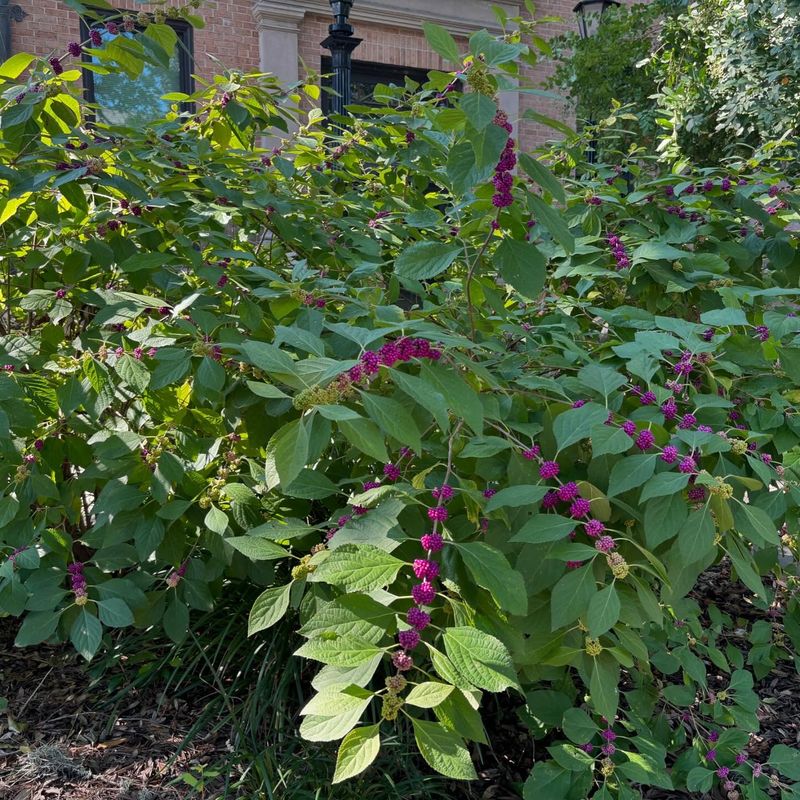
Most of these shrub stories trace back to one plant. American beautyberry, Callicarpa americana, has a long reputation as an old-time bug remedy, and a few headlines have stretched that into tick control.
Here is what was actually tested. USDA researchers worked with isolated compounds from the plant on treated cloth.
They did not test a living shrub growing beside a lawn.
That difference matters a lot. A chemical on a cloth strip in a lab is a very different thing from a leafy plant sitting in your yard.
The results were preliminary, and they do not show that the plant itself repels ticks outdoors.
There is a second problem. Oregon State University describes its native range as starting in Maryland and running south.
So beautyberry is not a Pennsylvania native, and it should not be sold as the hometown fix.
So when someone claims a shrub works like bug spray, ask what was tested. If the answer is cloth and extracts, your yard is a long way from that finding.
And please do not rub crushed leaves or homemade plant extracts on your skin. They are untested, and there are far better options, which we will cover in the last section.
A Managed Edge Offers Better-Supported Steps
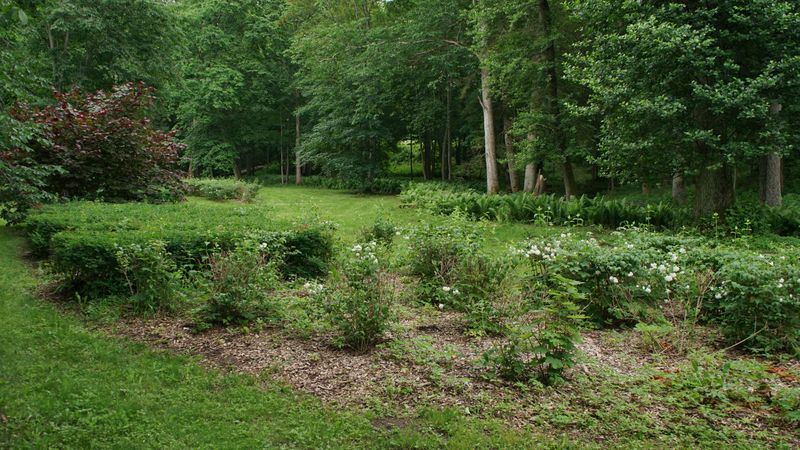
If you want to do something real this weekend, work on the line where lawn meets woods. This is where tick habitat starts.
CDC guidance for a wooded yard edge is simple. Remove leaf litter, clear tall grass and brush, mow regularly, and place a 3-foot-wide barrier of wood chips or gravel between lawn and woods.
Penn State also recommends a 3-foot barrier. Think of it as a dry, open buffer strip that nudges tick-friendly cover away from where you walk and play.
Fall cleanup is a natural time to rake leaves out of the edge zone. Then keep mowing through the humid months so the grass stays short and sun-dried.
Now the honest part. This barrier is a habitat-management step, not a tick-proof wall.
Cornell notes the advice rests on tick biology and best practices, and that evidence these changes reduce human tick encounters or disease is limited.
Animals can still walk right over a wood-chip strip. So treat the barrier as one layer that may lower your risk, not a promise.
The payoff is a lawn edge that looks sharp and gives ticks fewer places to wait.
Sprays Can Lower Tick Counts Without Proven Health Gains

The headline pits shrubs against sprays, so let us look at what sprays actually showed. No researchers compared the two, so this is only about sprays.
In a randomized trial of 2,727 households in three northeastern states, treated properties had 63% fewer questing ticks. Questing means ticks climbing up and reaching out to latch on to a passing host.
That sounds like a win, and for tick numbers it was. But the same study found no difference in human-tick encounters or tickborne disease between the treated and untreated groups.
So what does that tell you? Sprays can cut the number of ticks in a treated area.
It does not show they prevent bites or illness, and it would be wrong to say sprays reliably protect your family.
It also does not mean a shrub does better. Nobody tested that.
If you decide to use a yard pesticide, read the full label and follow the directions and safety precautions. Keep kids and pets away as the label says, and keep products away from flowering plants that pollinators visit.
Treat a spray, if you use one, as just one layer, right next to the habitat work and personal protection steps in this article.
Personal Protection Still Matters Outdoors
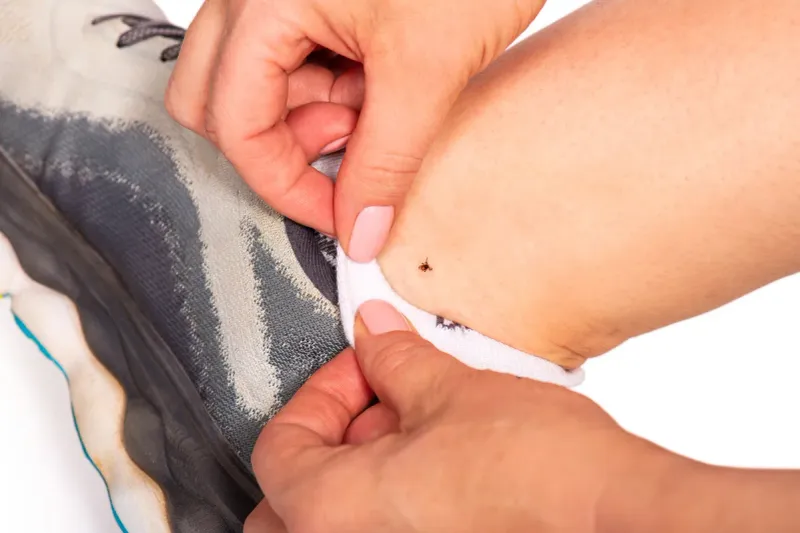
Even a perfectly tidy edge cannot stop a tick from hitching a ride. That is why what you do on your own body counts.
CDC advises using an EPA-registered skin repellent and following the label directions. It also suggests treating clothing and gear with products containing 0.5% permethrin.
After time outside, check your body, your clothes, and your pets. Look in the spots ticks like, such as behind knees, along the waistband, and in the hair.
CDC also says a shower within two hours of coming indoors may help lower Lyme disease risk. It gives you a handy moment for a full tick check too.
On the yard side, Penn State guidance suggests keeping play areas and patios away from brushy edges when practical. Moving a swing set a few steps toward the sunny middle of the lawn is a small change that costs little.
Stack these layers, from the cleared edge to the repellent to the evening check. Each one trims your risk, though none makes a yard tick-free.
A shrub cannot do your tick check for you, but you can.
