
7 Florida Native Edible Trees That Fit A Small Yard And Still Feed You For Years
Follow us on Google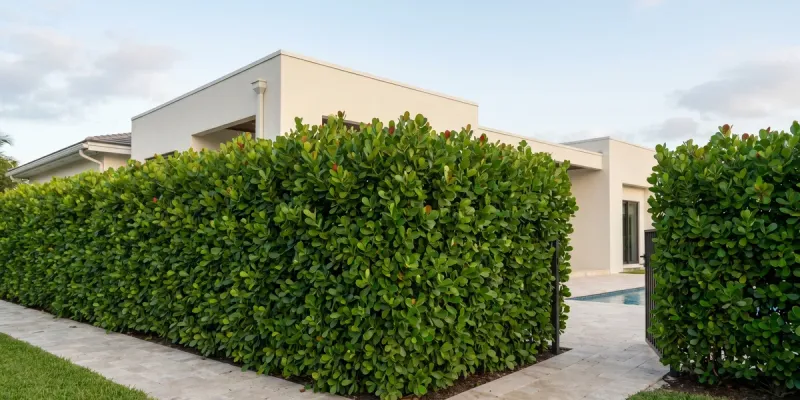
It’s a July morning in your Florida backyard, and the mockingbird on the fence is eating something purple from the tree next door. Your neighbor did not buy that fruit.
It grew from a native tree no taller than a garage. You don’t need an orchard or a big lot to grow your own snacks, jams, and pies.
These seven native trees stay small, shrug off our heat and storms, and keep feeding you for years once they settle in.
1. Marlberry
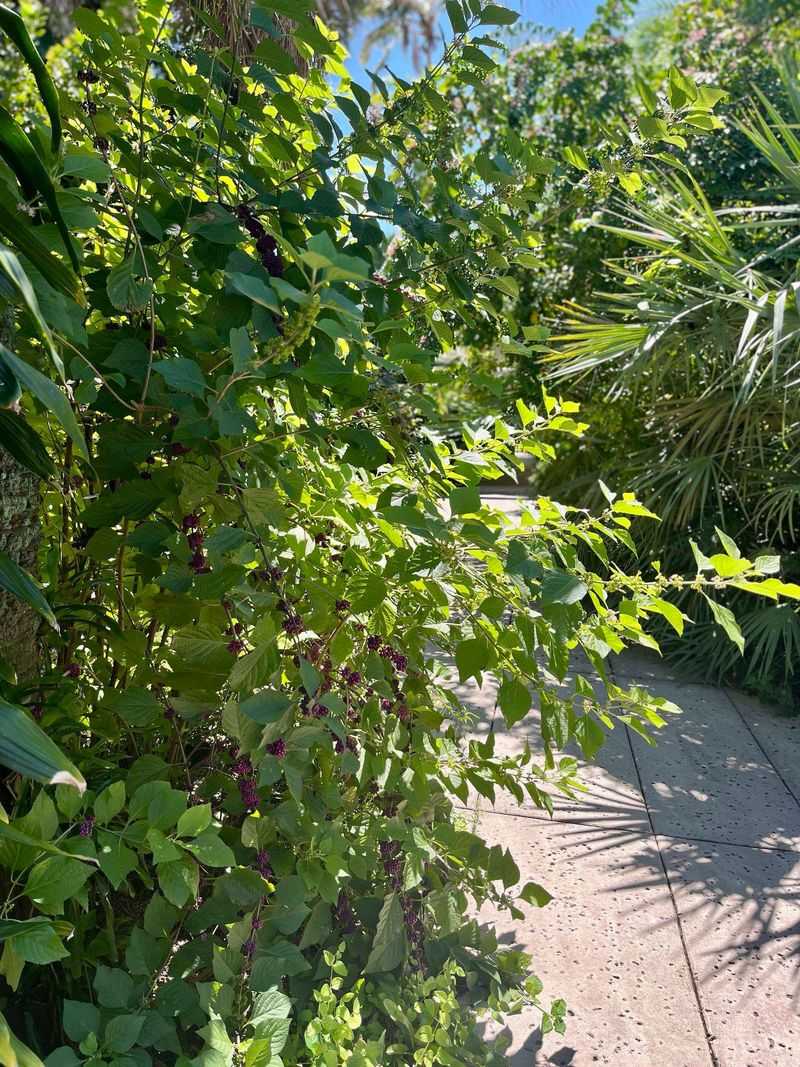
Most fruit trees sulk in shade. Marlberry, Ardisia escallonioides, does not care.
It fruits in full sun or under a big live oak, which makes it a quiet hero for the cramped, shady corner of a South Florida yard.
The plant is native to Central and South Florida and the Keys. It usually tops out at 12 to 15 feet, roughly half as wide, and you can prune it each year to stay under 6 feet if space is tight.
Here is the honest part. The small purple berries are edible and sweet, but a little astringent, like an underripe grape with a dry finish.
Many gardeners eat a handful fresh and leave the rest for the birds, who genuinely go wild for them.
Where marlberry earns its spot is toughness. It handles sandy soil, limestone-based soil, salt air on both coasts, and hurricane winds better than most.
Plant a nursery-grown shrub rather than seed, since seeds can take up to 6 months to sprout. Water twice a week for the first 2 months, then let rain do the work.
Fruit shows up on and off all year, heaviest from summer into fall. So on a random Tuesday in October, there is still something to pick.
2. American Beautyberry
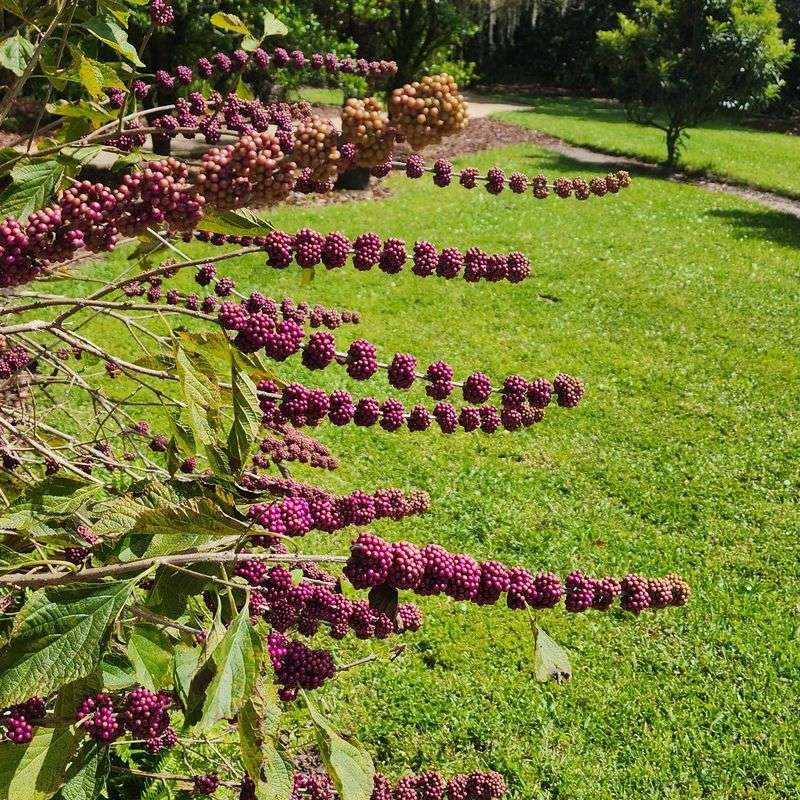
People see those neon magenta berries and assume they are poison. They are not.
American beautyberry, Callicarpa americana, grows wild across all of Florida, from the Panhandle to the southern tip, and its berries make one of the prettiest jellies you will ever spread on toast.
Raw, the berries taste flat and a bit medicine-like. Cooked down with sugar and pectin, they turn floral and sweet.
Most jelly recipes call for about 4 to 6 cups of berries, picked from late summer into winter.
The plant stays 3 to 8 feet tall, so it tucks easily beside a patio. Give it full sun to part shade, and cut it back hard to about 12 inches in late winter.
It responds by sprouting fuller, berry-loaded branches, a bit like a haircut that grows in thicker.
Then there is the bonus that makes porch evenings better. Crushed leaves rubbed on skin may help deter mosquitoes, thanks to a compound called callicarpenal.
It is not a replacement for repellent, but it is one handy layer while you sit outside at dusk.
Birds and mockingbirds will share your harvest. Plant two and there is plenty for everyone.
3. Red Mulberry
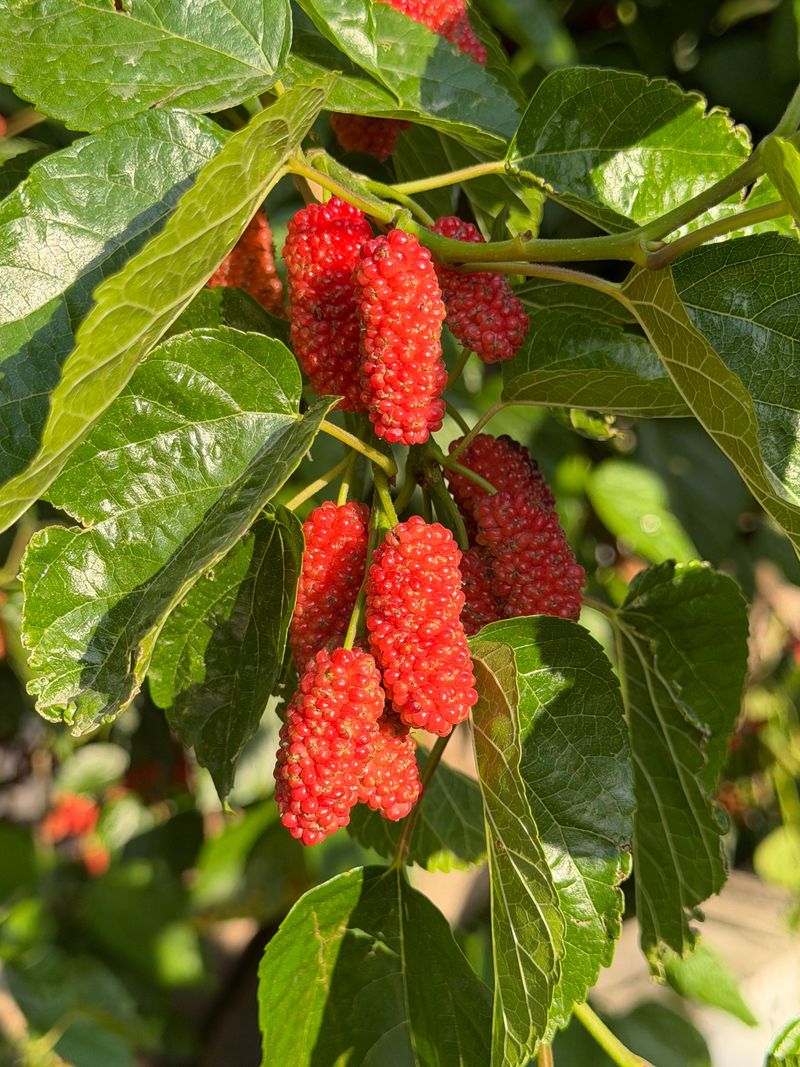
A mulberry tree can pay you back faster than almost anything else on this list. Many Florida gardeners pick their first berries within two to three years, and sometimes the very next spring.
Here is where it gets tricky. Our native red mulberry, Morus rubra, can reach 60 feet in the wild.
For a small yard, you want a compact or dwarf mulberry selection that stays 10 to 15 feet, and you should ask the nursery directly whether it is the native species or a hybrid. Also make sure it is a fruiting plant, since some trees are male only.
The fruit is honey-sweet, about 0.75 to 1.25 inches long, and ripens in late spring in North Florida, with a longer window into summer in South Florida. Eat them warm off the branch, or freeze a few cups for pie later.
The scheming antagonist here is gravity. Dropped berries stain concrete and car paint a stubborn purple.
So plant at least 15 feet from the driveway, over mulch or lawn, never over the pool deck.
Once rooted, the tree handles drought and full sun with little fuss. Prune right after harvest to keep it within reach, and you will be picking from flat feet, no ladder needed.
4. Common Persimmon
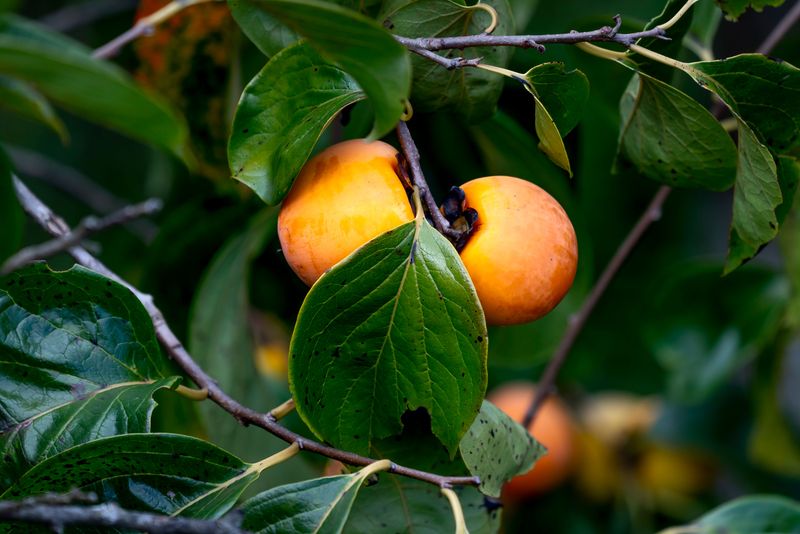
Bite an unripe persimmon once and you will never forget it. Your whole mouth puckers like it just licked chalk.
That shock is why so many people give up on Diospyros virginiana, the common persimmon, too early.
The turn is simple. Wait.
The 1-inch fruits ripen from about September through October in North and Central Florida, often after the leaves fall. Pick them when they are soft and wrinkly, almost like a water balloon.
Then they taste like honey and apricot jam.
On paper, this tree can climb past 40 feet. In real yards it stays much shorter, and it takes pruning so well that some people train it as a hedge.
Cut back in late winter while it is dormant, keeping it around 15 feet.
One catch matters. Most persimmons need both a male and a female tree to fruit.
If space only allows one, look for a grafted female and check whether wild males grow nearby. Grafted trees often fruit in 2 to 4 years, while seedlings can take up to 9.
Persimmon shrugs off drought, poor sandy soil, and even alkaline pockets. Patience is the only real price, and the first ripe one makes it worth it.
5. Cocoplum
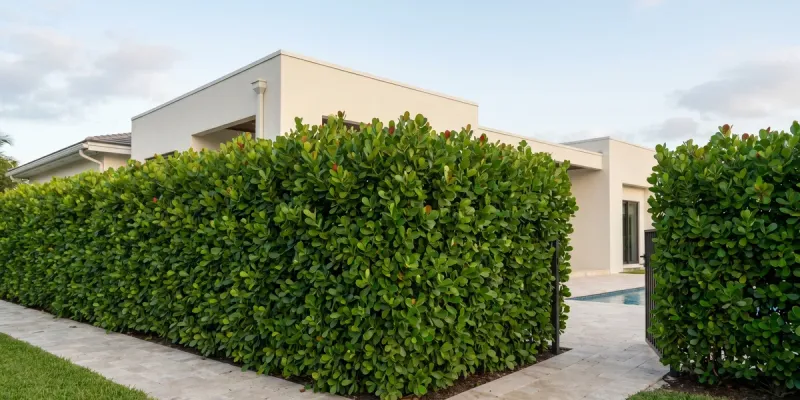
Picture a hedge that blocks the neighbor’s view, laughs at salt spray, and hands you fruit. Cocoplum, Chrysobalanus icaco, does all three along the Atlantic Coast, the Gulf Coast, and the Keys.
Plenty of South Florida homeowners already have it and never knew it was edible. The plum-like fruits range from white to pink to dark purple, with a mild sweetness some folks compare to cotton candy.
They are best cooked into jelly. And the seed inside can be roasted and eaten, with a nutty, almond-like flavor.
Cold is its weak spot. Cocoplum wants Zone 10 warmth, so it struggles north of roughly the Tampa Bay area and can drop leaves in a frost.
In Central Florida, plant it against a south-facing wall for extra warmth.
For a privacy screen, space plants about 3 feet apart. For a single small tree, let one grow to 10 or 12 feet and lift the lower branches.
Water deeply for the first few months, then it handles drought with ease.
White flowers bring bees and butterflies in spring and summer. By fall, your hedge is quietly doubling as a pantry.
6. Pawpaw
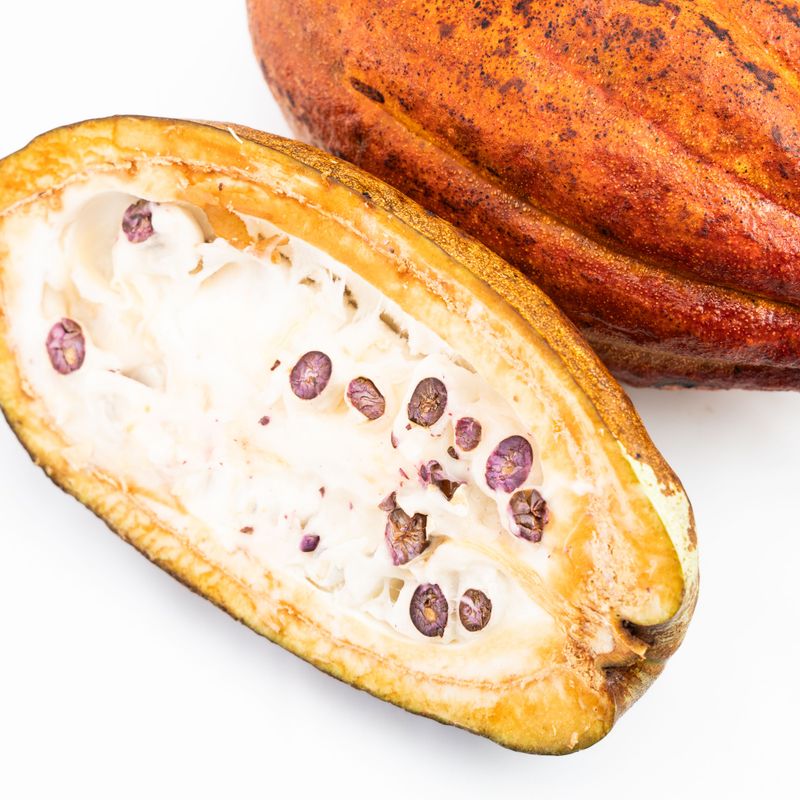
Few people in Florida have tasted a pawpaw, and that is a shame. Asimina triloba grows a soft fruit with custard-like flesh that tastes like banana and mango blended together.
It belongs in North Florida and the Panhandle. Pawpaw needs some winter chill, and our long humid summers farther south can wear it down.
Even in the north, it naturally grows under bigger trees, so give it afternoon shade for its first 2 years. Young leaves scorch easily in full sun.
The fruit has a matchmaking problem. Most pawpaws need a partner to set fruit, so plant two different named varieties, such as Overleese and another selection, about 15 to 20 feet apart.
One lonely tree may bloom every spring and give you almost nothing.
Plant small, container-grown trees and do not move them later. Pawpaws grow a long taproot, a deep anchor root that hates being disturbed.
Rich soil with 2 to 3 inches of mulch keeps that root happy and moist.
Bonus for nature lovers. Zebra swallowtail butterflies lay eggs only on pawpaw and its relatives, so you are feeding them too.
When those first fruits soften in late summer, you have grown something most of your neighbors have never even seen.
7. Chickasaw And Flatwoods Plum
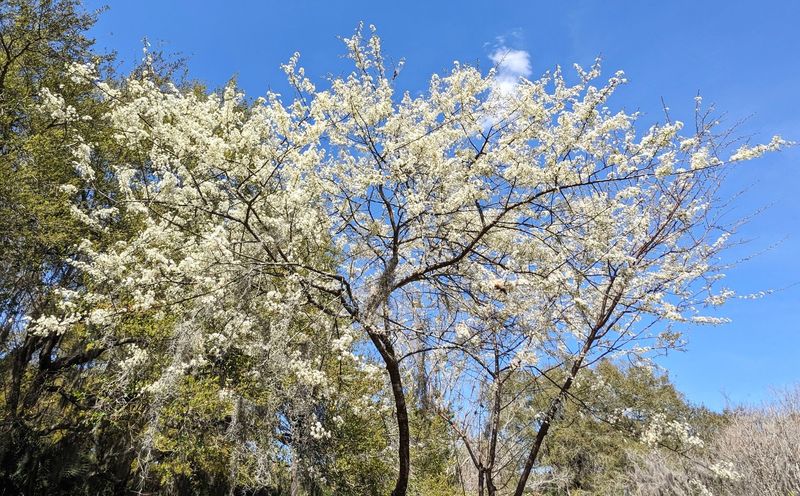
Late February, and the yard still looks tired. Then one small tree bursts into white bloom, buzzing with bees.
That is a native plum announcing that spring has arrived early in Florida.
You have two good choices. Chickasaw plum, Prunus angustifolia, forms a thicket-like small tree hardy from the Panhandle to Central Florida.
Flatwoods plum, Prunus umbellata, grows in Zones 8a to 9b and stays tidy as a single trunk, usually under 20 feet.
The fruits arrive in summer, small and red, yellow, or purple. Some are tart, some genuinely sweet, so taste a few before you pick by the bucket.
Most families end up turning them into jelly.
Plant in full sun for the best crop, though both tolerate light shade under taller pines. Space them about 10 feet apart.
Chickasaw sends up suckers, small shoots from the roots, so pull those twice a year if you want one neat trunk.
UF/IFAS Extension lists both as solid choices for native wildlife yards, and you will see why when the birds arrive. Water weekly the first summer, then let them be.
Years from now, that same small tree will still bloom first and fill your jars by July.
