
The Venomous Critters Pennsylvania Homes Quietly Shelter Once The Cold Moves In
Follow us on Google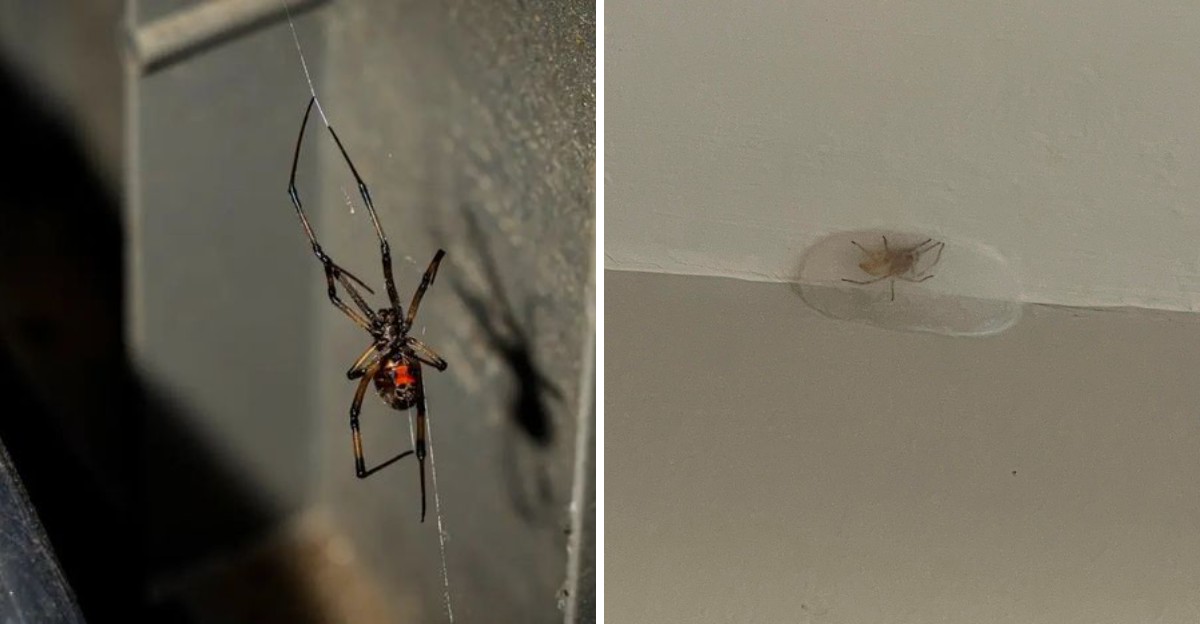
You flip on the basement light on a cold November night and something glossy and black tucks itself behind the water heater. Across Pennsylvania, the first hard frosts push a handful of genuinely venomous critters out of the yard and into garages, attics, and crawl spaces.
Most of them want warmth and quiet, not a fight with you. Here is who is actually moving in, where they hide, and the simple steps that send them packing before winter settles in.
1. Northern Black Widows Claim The Quiet Corners Of Your Garage

You reach for the leaf rake hanging on the garage wall, and a shiny black spider drops a few inches on a strand of silk. Meet the northern black widow (Latrodectus variolus), a native Pennsylvania spider that actually deserves your respect.
Its venom is a neurotoxin, meaning it affects the nerves. A bite can cause muscle cramps, sweating, and belly pain, though serious outcomes in healthy adults are rare.
The good news is that widows are shy homebodies that bite mostly when pressed against skin.
Here is where it gets tricky. Northern widows often show a broken or split red hourglass on the underside, plus red dots along the back, so they do not always match the cartoon version.
Females run about a half inch long and build messy, tangled webs low to the ground.
So wear work gloves when you move firewood, flowerpots, or boxes from October through April. Shake out boots stored in the garage.
Pull stacked items at least 6 inches away from walls so you can see behind them, and remove webs with a long-handled broom or vacuum.
A widow in a well-lit, tidy garage simply has nowhere to sulk.
2. Yellow Sac Spiders Hunt Your Walls While You Sleep
Most house spiders wait patiently in a web. Yellow sac spiders do not bother.
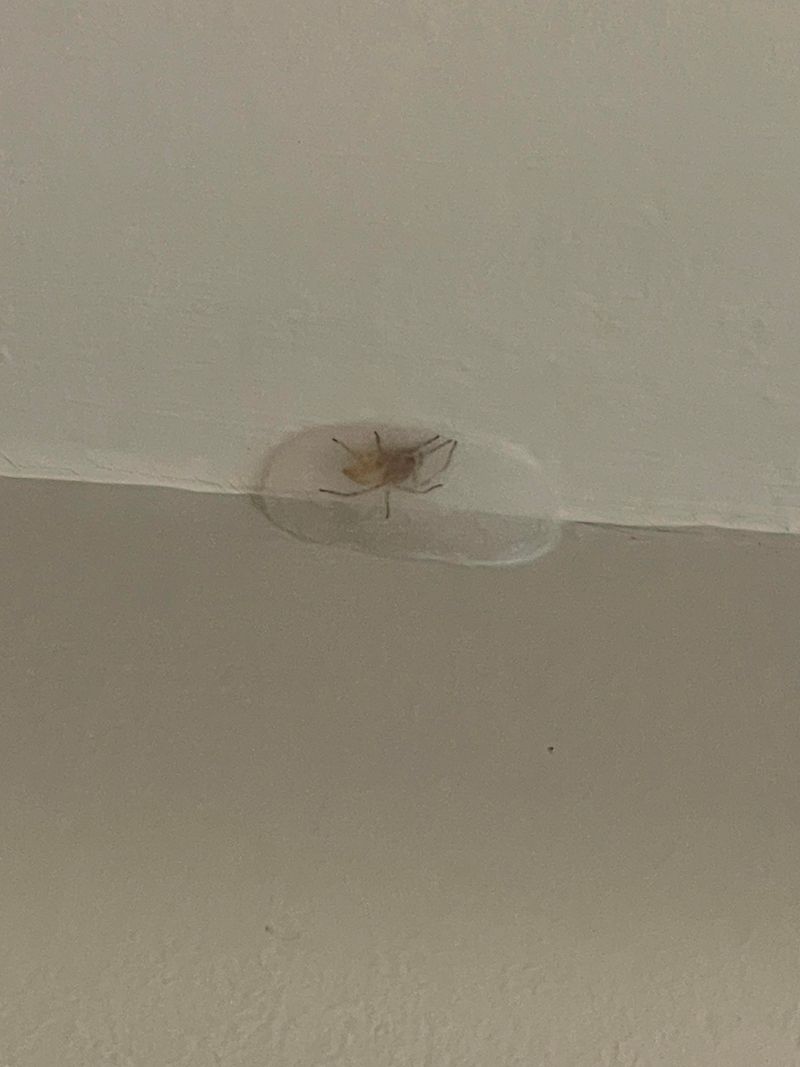
These pale, straw-colored hunters roam walls and ceilings at night looking for small insects to grab.
Two kinds turn up in Pennsylvania homes, the agrarian sac spider (Cheiracanthium inclusum) and the longlegged sac spider (Cheiracanthium mildei). Both are small, roughly a quarter to three-eighths of an inch, and both slip indoors once nights dip into the 40s.
In the day they rest inside a tiny silk pouch tucked where a wall meets the ceiling.
Bites usually happen when a spider gets trapped in bedding or a sleeve. Expect a sting like a bee, some redness, and maybe a small sore that heals in a week or two.
Keep any bite clean, since infection is the bigger worry than the venom itself.
Your fix is genuinely boring, and it works. Pull beds a few inches from walls, keep bedskirts off the floor, and vacuum ceiling corners every 2 weeks during fall.
Shake out clothes left on chairs or the floor.
Think of it as closing the night shift before it clocks in.
3. House Centipedes Are Venomous But Secretly On Your Side
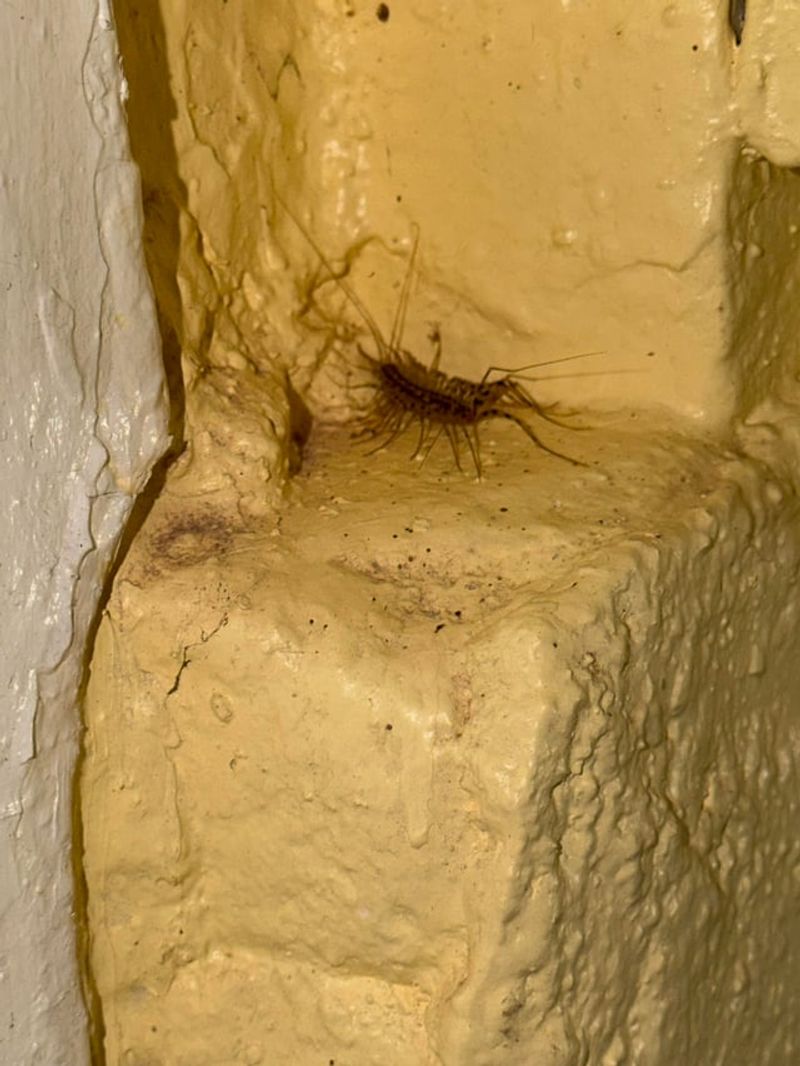
It looks like an eyelash with an engine. The house centipede (Scutigera coleoptrata) has 15 pairs of long legs and zips across a basement floor fast enough to make grown adults yelp.
Yes, it is venomous. Its front legs are modified into fangs that inject venom into prey, and a rare bite on a person feels about like a mild bee sting.
The body is only 1 to 1.5 inches long, but those legs make it look 3 to 4 inches wide.
And here is the surprise. Centipedes eat silverfish, cockroaches, carpet beetle larvae, and even spiders.
They cannot handle a Pennsylvania winter outdoors, so they follow moisture and warmth into basements, especially in damp houses across the Poconos and the Lake Erie region.
Seeing lots of them tells you two things, your basement is too damp and it is full of their food. Run a dehumidifier to keep humidity under 50 percent, fix dripping pipes, and clear cardboard off the floor.
Fewer bugs and drier air means fewer centipedes.
Tolerate the occasional one. It is working the night shift for free.
4. Paper Wasp Queens Sleep Through Winter Inside Your Walls
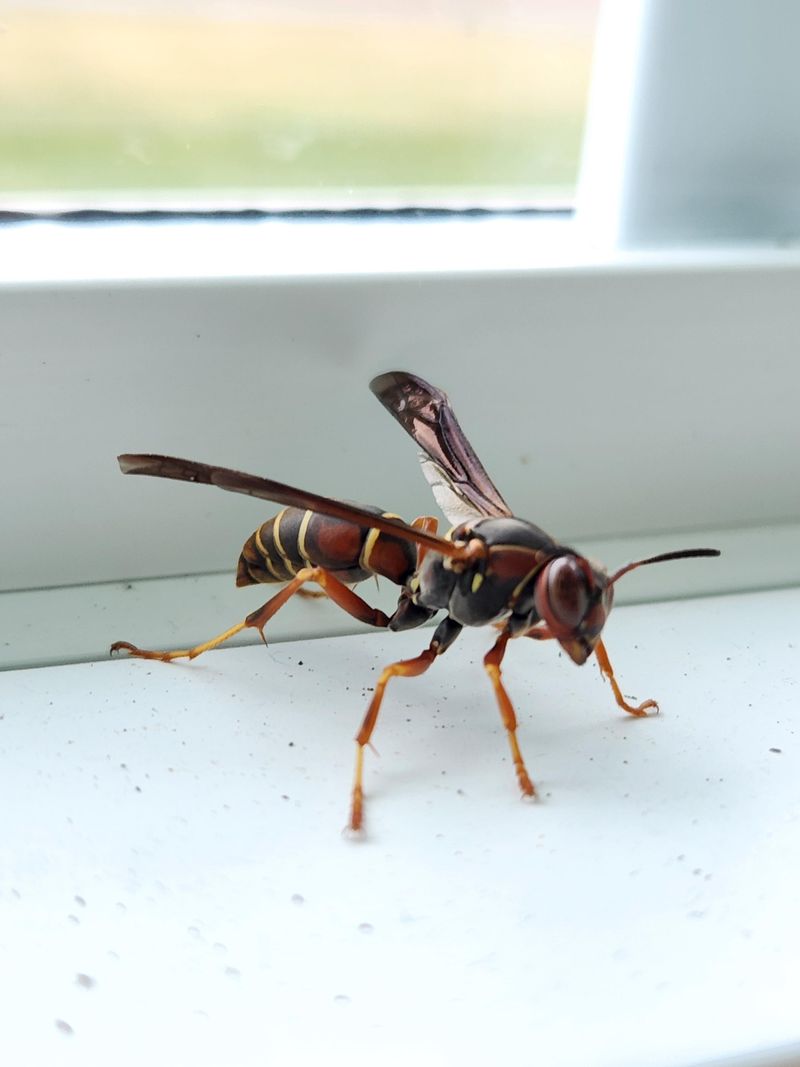
Picture a sunny February afternoon. You open the upstairs window and find a slow, drowsy wasp crawling across the sill.
That is not a fluke, it is a paper wasp queen waking up early.
Paper wasps (Polistes species) do not survive winter as a colony. The workers die with the first hard freeze, but newly mated queens tuck into attics, wall voids, and siding gaps to wait out the cold.
A warm room or a sunny wall can fool them into moving around in January or February.
Their sting is real and painful, and anyone with an insect sting allergy should treat a wasp inside the house seriously. These sleepy queens are slow, so a jar and a stiff card usually solves the problem calmly.
Swatting barehanded is how people get stung.
Your best moves happen in fall. From September through October, look under eaves and soffits for gaps wider than a quarter inch and seal them.
Check attic vents for torn screens. Penn State Extension notes that sealing entry points is far more effective than spraying indoors.
One sealed gap can mean one less nest by your porch next summer.
5. Wolf Spiders Look Scary But Rarely Mean Trouble
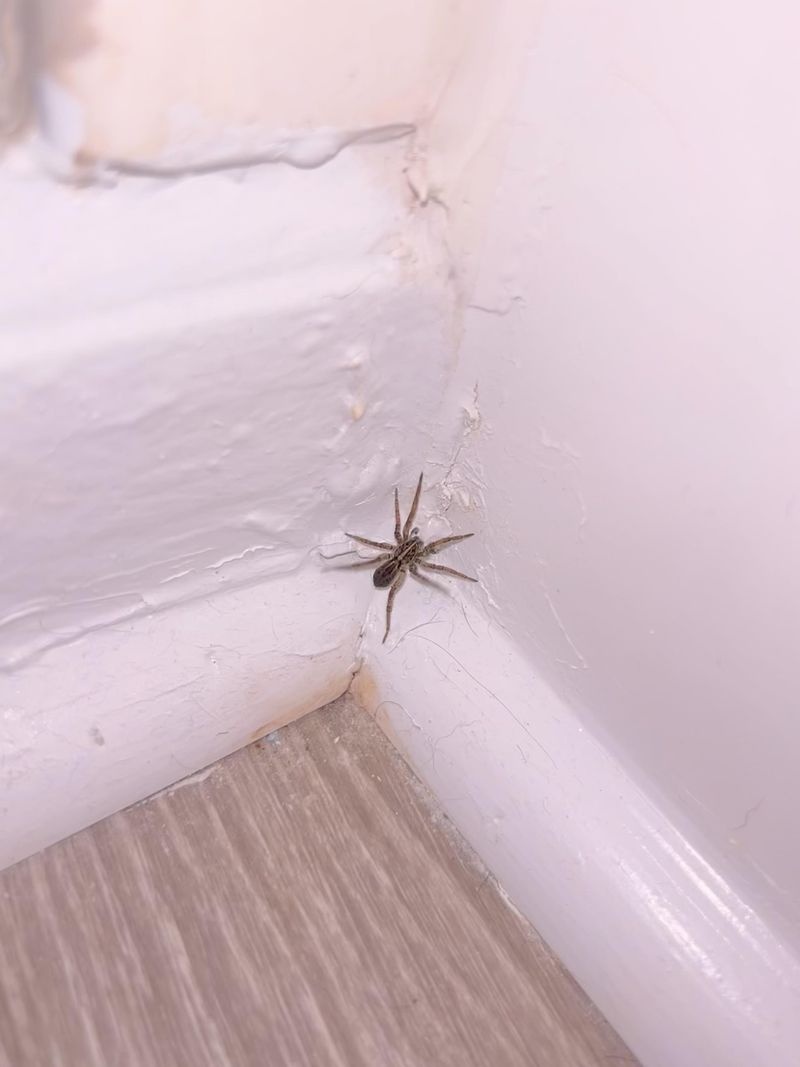
Few things stop you cold like a hairy brown spider the size of a quarter sitting in the middle of the laundry room. That is usually a wolf spider, and its size is mostly bark, very little bite.
Wolf spiders are venomous, like nearly all spiders, but their venom is weak for people. A bite feels like a pinprick with some swelling.
They are common across the central valleys and the Susquehanna Valley, hunting in lawns and leaf litter all summer.
When the cold snaps arrive in October, they wander indoors by accident, scooting under doors and through foundation cracks. Unlike widows, they do not want to live inside.
Dry indoor air and scarce food usually finish them off within weeks.
So skip the panic and grab a cup. Slide paper under it and set it outside by a woodpile.
Then install door sweeps on garage and basement doors and keep a 12 to 18 inch strip of bare mulch or gravel against the foundation, which makes the doorway route far less tempting.
Moved outside, it goes back to eating your garden pests.
6. Brown Recluse Fears Are Mostly A Pennsylvania Myth
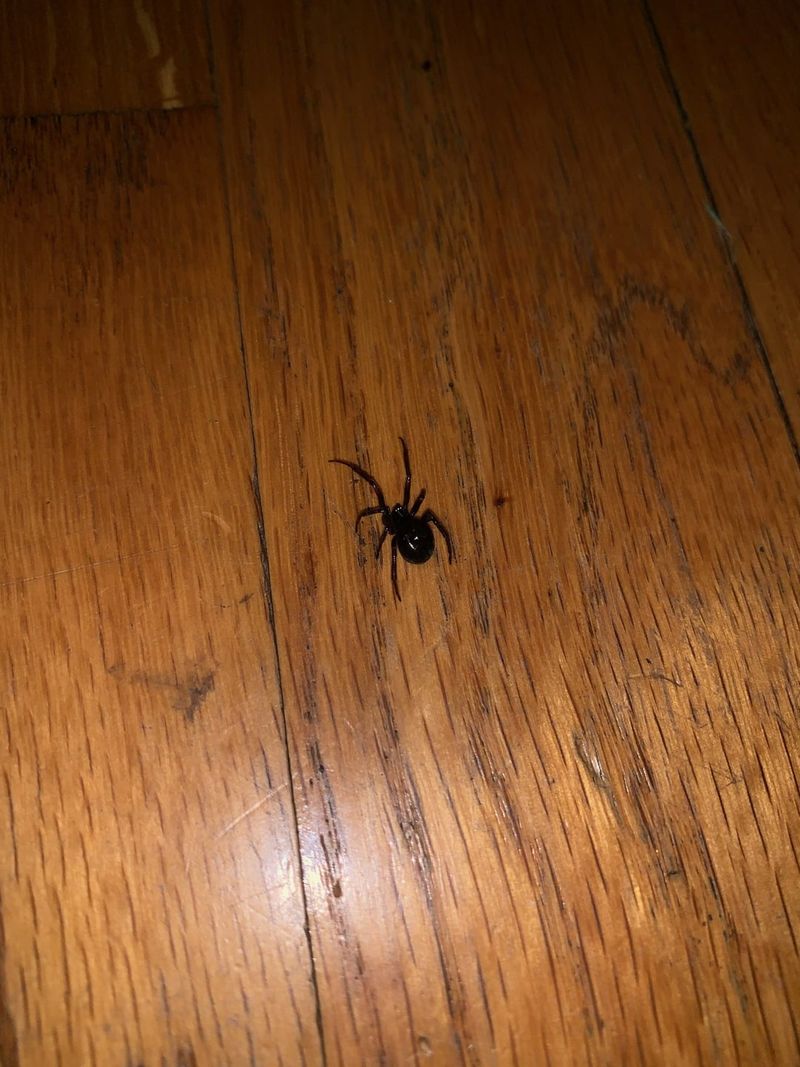
Ask around at any fall cookout and someone will swear a brown recluse bit their cousin. In Pennsylvania, that story is almost always wrong.
The brown recluse (Loxosceles reclusa) is not native here. Its natural range sits well to the south and west, mainly through the central and south central states.
The rare one found in Pennsylvania usually hitched a ride in moving boxes or furniture shipped from those areas.
Plenty of harmless brown spiders get blamed instead, including cellar spiders, funnel weavers, and grass spiders. Doctors also note that many wounds called spider bites turn out to be skin infections.
A true recluse has six eyes in pairs and a violin shape on its back, which takes a magnifying glass to confirm.
If you ever catch a suspicious spider, trap it in a sealed jar and bring it to your county Penn State Extension office for identification. That beats guessing from a blurry phone photo.
And if you received boxes from out of state, unpack them in the garage first.
One less thing to lie awake worrying about this winter.
7. A Single Fall Afternoon Of Sealing Stops Most Invaders
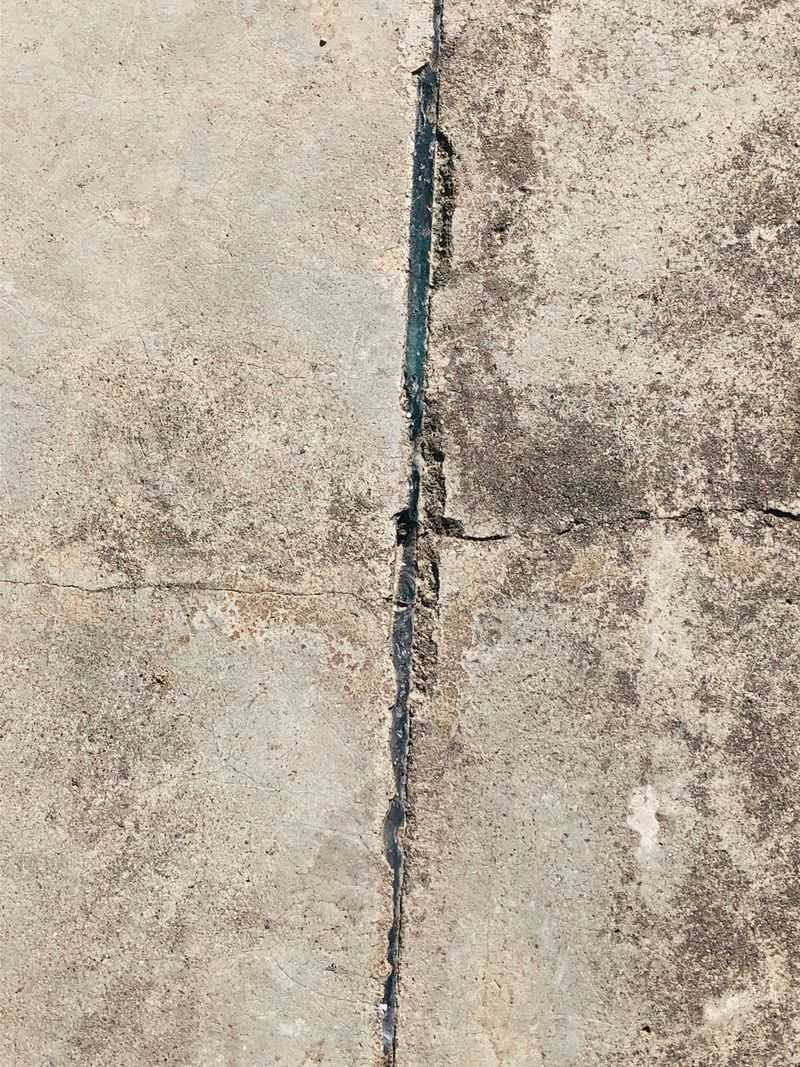
Blunt truth here. Most of these critters walk right in through gaps you have stepped past a hundred times.
Spiders and centipedes squeeze through openings smaller than a pencil. Wasp queens find torn vent screens.
Older stone foundations in southeastern Pennsylvania and frame houses in western Pennsylvania both develop cracks from years of freeze and thaw cycles.
Pick a dry September or early October afternoon, ideally before nights fall below 50 degrees. Walk the outside of the house slowly.
Caulk cracks under a quarter inch with silicone caulk, and stuff bigger gaps around pipes and cables with copper mesh before sealing. Replace worn door sweeps so no daylight shows under the door.
Then look up. Check soffits, attic vents, and where the roofline meets the siding.
A 2 dollar tube of caulk is genuinely cheaper than any service call.
It is not a perfect wall, a determined bug can still find a way. But think of sealing as locking the front door, the first and most useful layer.
When you finish, you will know your house better than you did that morning.
8. Drier Basements And Smarter Woodpiles Keep Winter Calm
Here is a myth worth dropping. Many homeowners think spiders come indoors simply for heat.
In reality they follow food and shelter, and the yard right next to your house sets the table.
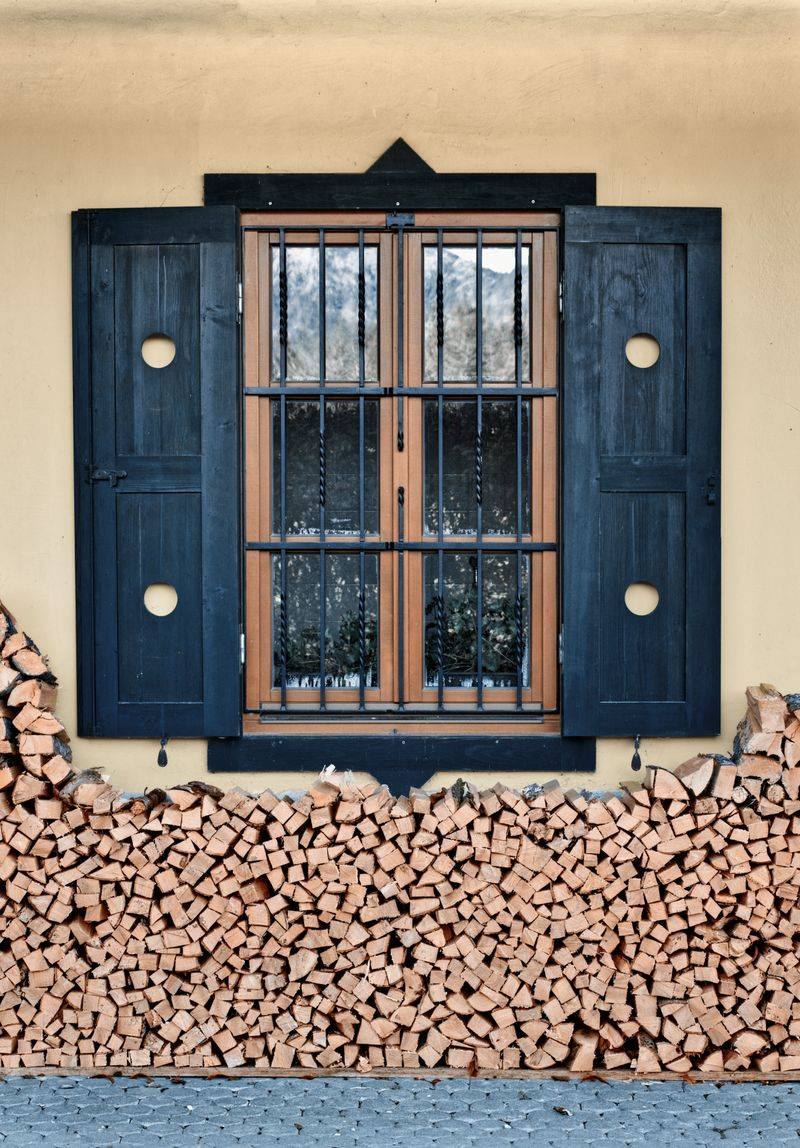
Firewood stacked against siding is a black widow hotel. Keep it at least 20 feet from the house if you can, raised 5 inches or more off the ground on a rack.
Bring in only what you will burn within a day or two, and knock each log against the stack before carrying it inside.
Leave the leaves and seed heads of native asters and goldenrod (Solidago species) out in the garden beds farther from the house, where they feed birds and shelter pollinators. Right against the foundation, keep a clean 12 inch strip.
That small gap tells crawlers there is nothing worth climbing toward.
Indoors, a dehumidifier, fewer cardboard boxes, and a monthly sweep of corners close the loop. In damp Laurel Highlands and northern tier basements, this step genuinely matters most.
By the first snow, your house is quiet, dry, and yours again. That is a winter you earned.
