
Pennsylvania Banned Callery Pear, And Here Are The Native Trees Homeowners Plant Instead
Follow us on Google
You step onto the porch on an April evening and catch that smell again, the fishy, sour stink drifting off the white-flowered tree by the driveway. That tree is a Callery pear, often sold as Bradford pear, and Pennsylvania has officially listed it as a noxious weed.
Sales have been phased out since February 2024, so nurseries cannot sell it anymore. The good news is that native trees can fill that spot with spring flowers, better fall color, and real food for birds, and here are eight that work across the state.
1. Eastern Redbud Brings the Spring Show Without the Smell
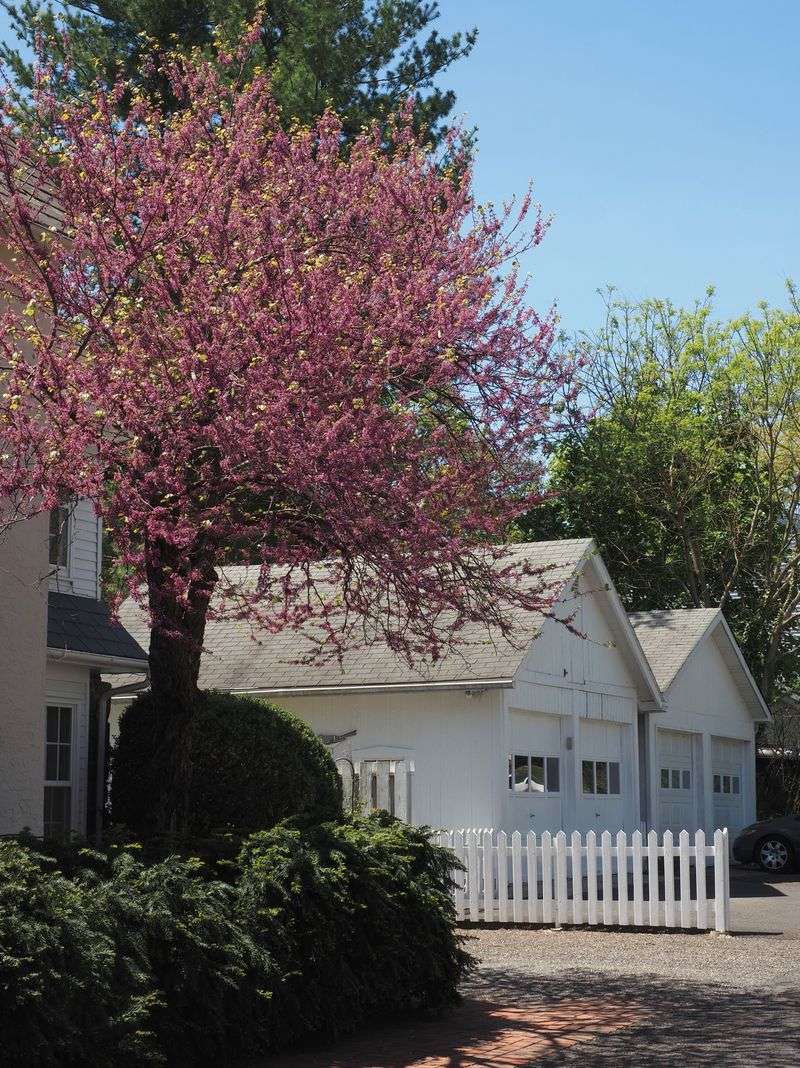
Picture the same April week your Callery pear used to bloom, only now the branches glow magenta instead of reeking. Eastern redbud, Cercis canadensis, blooms right on its bare twigs, sometimes even on the trunk itself.
Here is why it makes such a good swap. Callery pear spread from yards into fields and roadsides across southeastern Pennsylvania, forming thorny thickets birds seeded everywhere.
Redbud stays put and feeds early native bees when little else is open.
Plant it in spring or early fall in a spot with morning sun and some afternoon shade. It tops out around 20 to 30 feet tall, so give it about 15 feet from the house.
Water deeply, roughly an inch a week, through the first summer.
Redbud does not love soggy clay, so skip low spots that puddle after thunderstorms. And it is not a forever tree, often living 20 to 30 years.
But those heart-shaped leaves and pink spring clouds make the porch evenings genuinely worth the wait.
2. Serviceberry Feeds Your Family and the Birds Too
Most people assume a white-flowering tree has to be the pear. Not true.
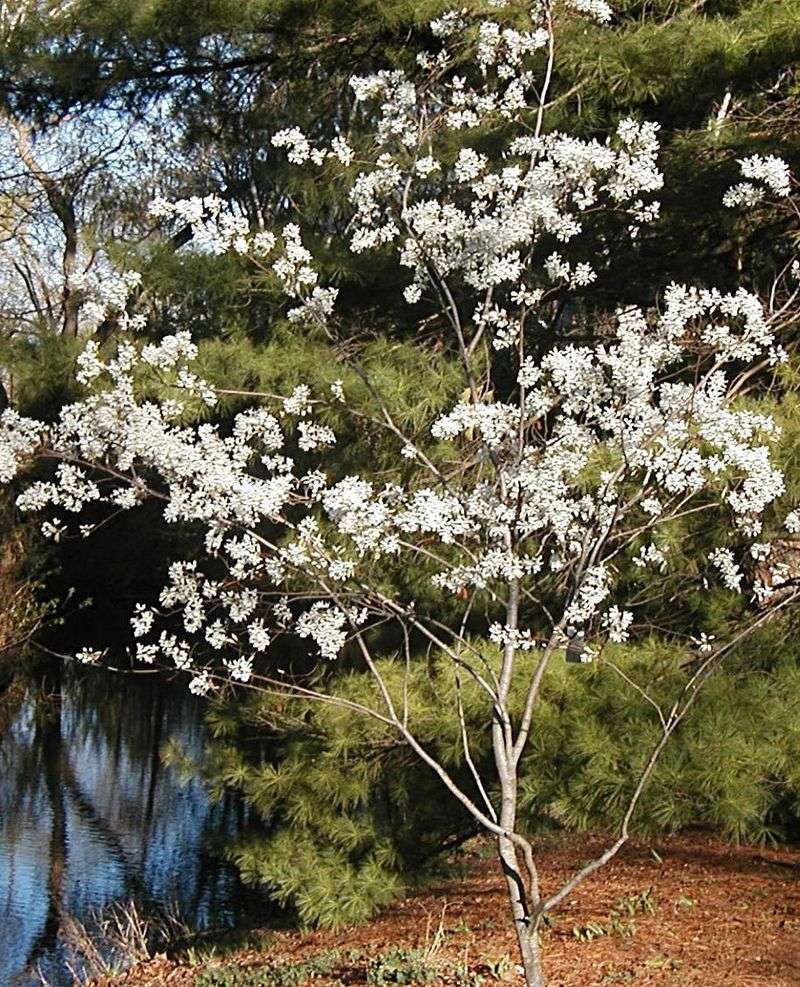
Serviceberry, Amelanchier canadensis and its cousins, opens soft white blossoms in early April, often a week or two ahead of the old Bradfords.
The real twist comes in June. Those flowers turn into dark berries that taste a bit like blueberry with an almond hint, and cedar waxwings and robins will race you for them.
Callery pear fruit, by comparison, is the very thing that let birds spread it into every ditch.
Serviceberry handles zones 4 through 8, so it works from the northern tier down to Philadelphia. Plant it 10 to 15 feet from structures, since most grow 15 to 25 feet tall.
It tolerates clay and rocky glacial soils better than you might expect.
Leaf spot and rust can show up in humid summers, which is cosmetic more than dangerous. In fall the leaves blaze orange and red.
One tree gives you three seasons of something to look at, and a June snack on the side.
3. Flowering Dogwood Still Earns Its Place in Pennsylvania Yards
Callery pear branches have a nasty habit. They grow in tight, narrow crotches, so after about 20 years a summer storm can split the whole tree down the middle onto your car.
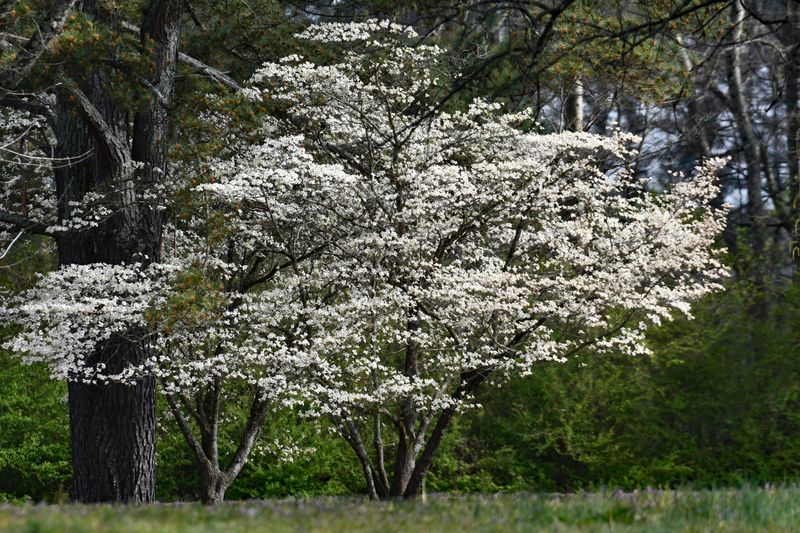
Flowering dogwood, Cornus florida, is the calmer neighbor. Its layered branches spread wide and level, and the white blooms in early May are what grandparents across Pennsylvania remember lining their streets.
Here is where it gets tricky. Dogwood anthracnose, a fungal disease, hit wild trees hard, and dogwoods hate full afternoon sun on hot clay.
Give yours an edge spot with dappled light, mulch 2 to 3 inches deep in a wide ring, and keep mulch a few inches off the trunk.
Penn State Extension suggests choosing disease-resistant selections and watering during dry spells, especially in late summer droughts between downpours. Expect 15 to 25 feet of height.
Red berries in fall pull in migrating thrushes, and that alone feels like a small reward for your effort.
4. Blackgum Delivers Fall Color the Pear Never Could
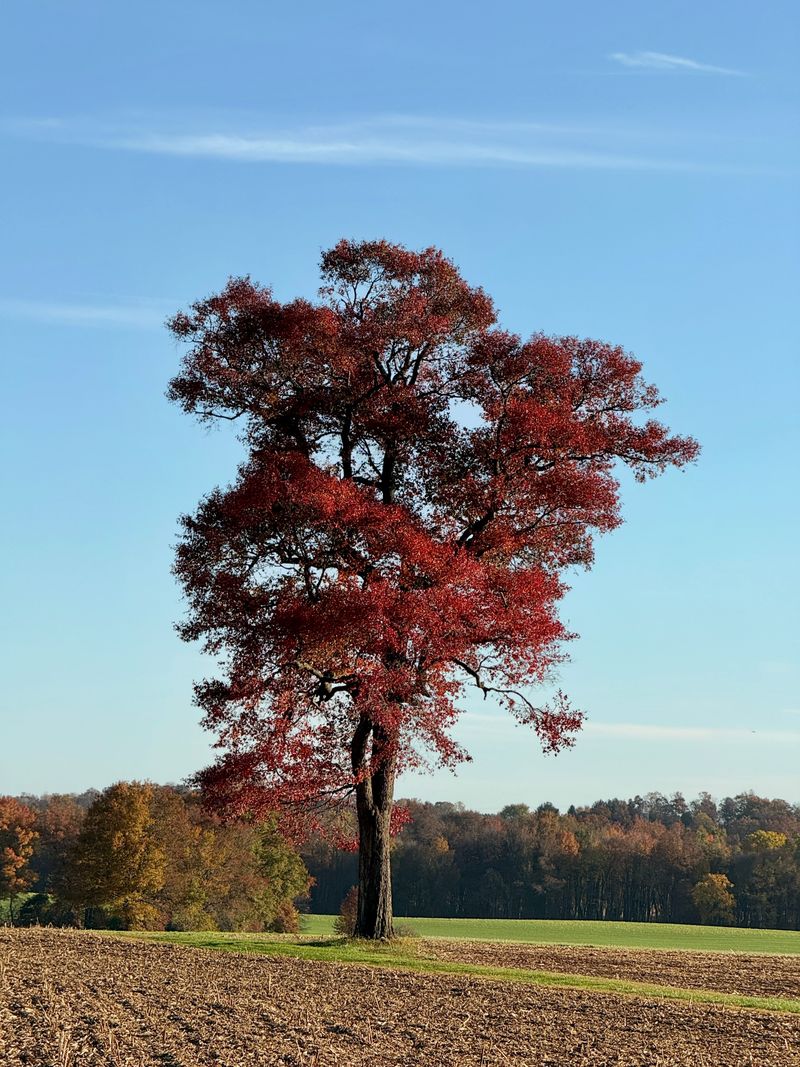
Blackgum, Nyssa sylvatica, is a tree you choose for October. When its glossy leaves flip to scarlet and orange, neighbors actually stop their cars.
Callery pear does turn reddish in fall, but late and often unevenly. Blackgum does it reliably, and its small blue fruits fuel migrating birds heading south through the Susquehanna Valley.
The catch is patience. Blackgum has a long taproot, so plant a small container tree rather than a big one, ideally in spring.
It grows slowly to 30 to 50 feet, so give it at least 20 feet of room from the house and power lines.
It handles wet clay and even soggy spots that drown other trees. That makes it a smart fit for heavier soils in southeastern Pennsylvania and low corners of central valley yards.
Think of it as the quiet kid who becomes the star by senior year.
5. American Hornbeam Handles Shade and Tough Clay
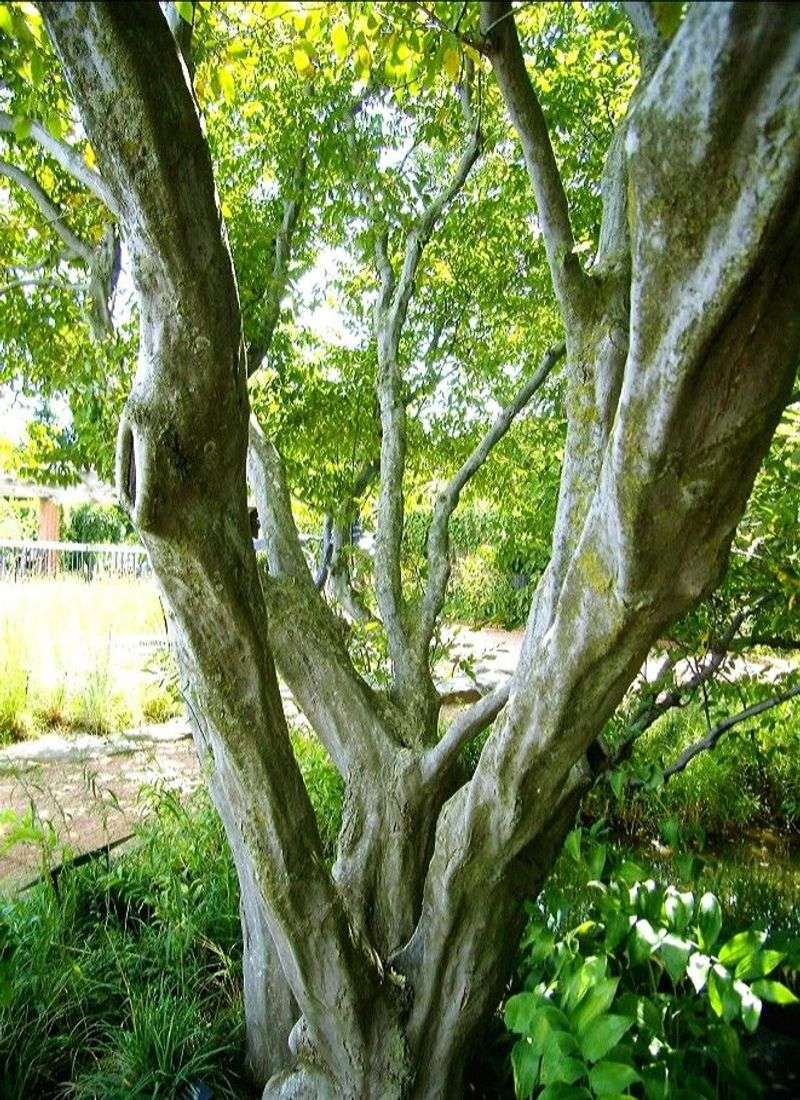
You know that shady side yard where nothing does well? Many western Pennsylvania homeowners put a pear there, and it limped along for years.
American hornbeam, Carpinus caroliniana, likes exactly that spot. Its smooth gray trunk ripples like a flexed arm, which is why folks call it musclewood.
It grows 20 to 30 feet and handles shade and the shale and clay soils common around Pittsburgh.
Plant it in spring, about 15 feet from buildings, and water deeply every week the first year if rain skips you. Deer may nibble young trees, so a wire cage about 4 feet tall helps for the first few seasons.
Flowers are not its thing, to be honest. But the leaves turn yellow and orange in fall, and the wood is so hard it rarely breaks in ice storms.
That steady toughness is genuinely what a shady yard needs.
6. Fringetree Gives You Fluffy Blooms and Polite Size
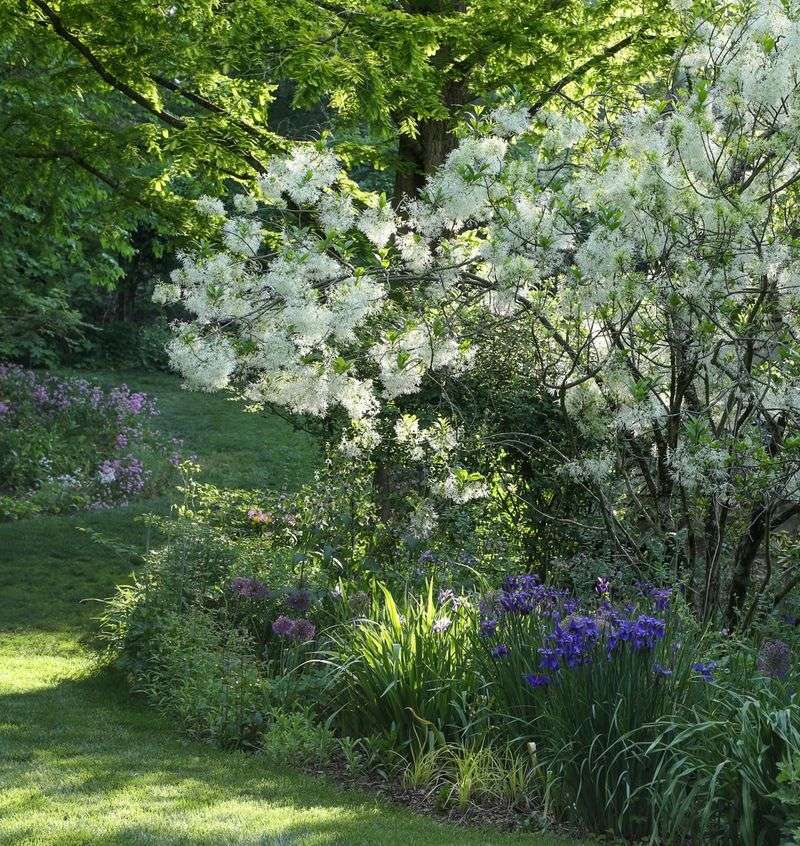
Some trees bloom like fireworks. Fringetree, Chionanthus virginicus, blooms like a cloud of shredded white ribbon in late May, with a sweet scent that is the opposite of the pear’s.
It stays small, usually 12 to 20 feet, so it fits next to a patio where a Bradford would have outgrown the space. Female trees make dark blue fruits birds love, which are not invasive because this species belongs here.
Fringetree is native to the southern parts of Pennsylvania and does best in zones 5 through 9. Higher spots in the Laurel Highlands and Poconos can be borderline, so pick a sheltered location there.
Plant in full sun to part shade, 8 to 10 feet from the house.
It leafs out late, often in mid-May, so do not panic and dig it up. Just wait.
When it finally blooms for the cookout crowd, you will be glad you did.
7. Red Maple Shades the Yard Fast and Survives Winter
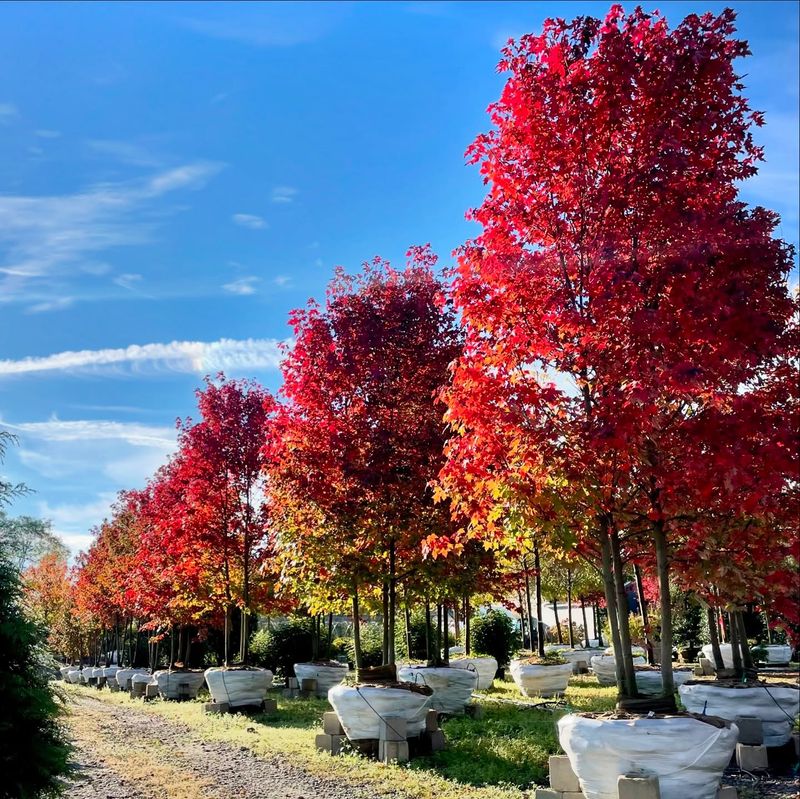
Fact worth knowing: red maple, Acer rubrum, is one of the most common native trees in Pennsylvania forests. It has survived everything the state throws at it, from lake-effect snow near Erie to humid Philadelphia summers.
If your pear was mostly there for shade, red maple is the honest replacement. It grows quickly, about 1 to 2 feet a year, eventually reaching 40 to 60 feet.
Tiny red flowers in March feed early bees before almost anything else wakes up.
Size is the trade-off, so plant at least 25 to 30 feet from the house and away from sewer lines. It tolerates wet soil and cold zones down to 3, which makes it a strong pick for the northern tier and Allegheny Plateau.
Avoid planting it near horse pastures, since wilted leaves are toxic to horses. Otherwise, fall turns it into a lantern of red, and your fall cleanup suddenly has a view.
8. Removing Your Old Callery Pear the Smart Way
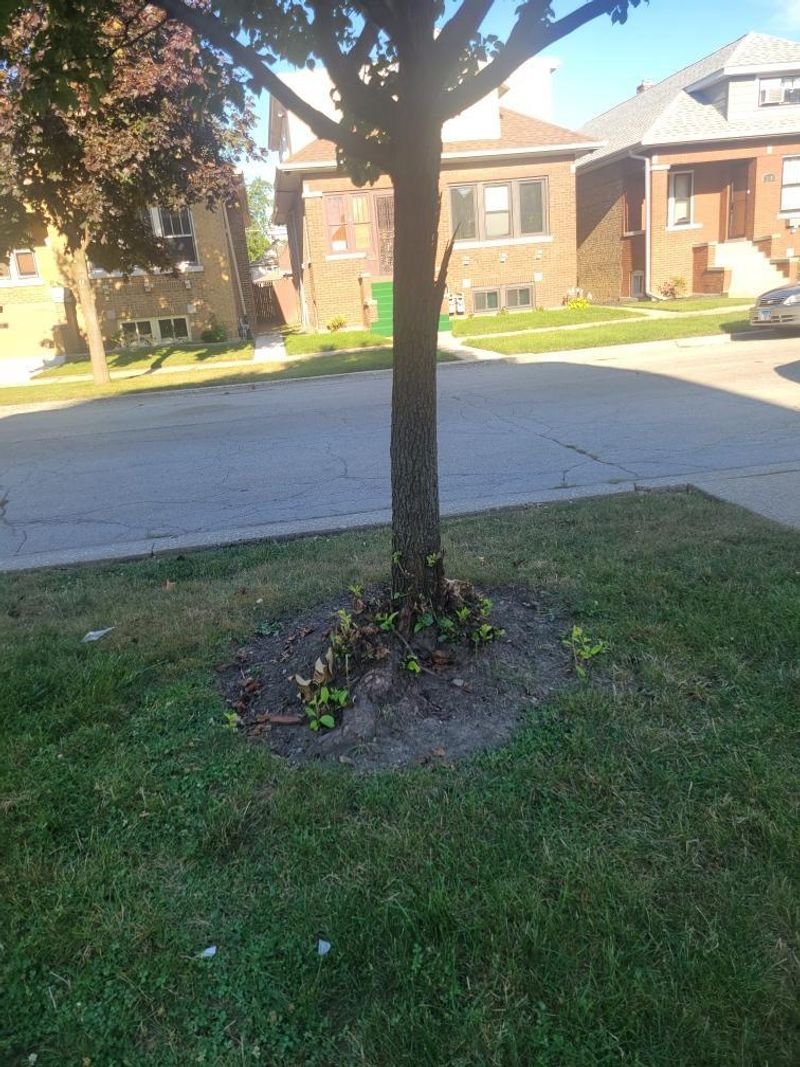
Here is a myth many homeowners believe. The ban means you have to rip out your pear tomorrow.
It does not, existing trees are legal to keep, though experts encourage replacing them.
If you do remove one, timing and follow-up matter. Callery pear resprouts hard from the stump, so many gardeners paint the fresh cut with herbicide within minutes, following label directions.
Penn State Extension offers guidance on controlling the tree and the wild seedlings that pop up nearby.
Walk your property edges too. Seedlings often appear in fence lines and fields with thorns up to 3 inches long.
Pull small ones when soil is damp, roots and all.
Then plant your native swap in the same season, spring or early fall, when temperatures stay between 50 and 75 degrees. Pick one from this list that matches your sun, soil, and space.
The stinky tree is gone, the birds get real food, and you get to say you fixed it yourself.
