
The Bulbs North Carolina Gardeners Still Tuck Into Cold Soil Before December For Spring Color
Follow us on Google
You are raking oak leaves on a gray November afternoon in North Carolina, and the soil under your boots already feels cold and damp. It seems like the garden is done for the year.
But the gardeners with the best spring yards are quietly digging right now, before December, tucking bulbs into that chilly ground. Here are the eight bulbs they still trust, plus the soil and critter tricks that keep those bulbs alive until the first warm March morning.
1. Daffodils
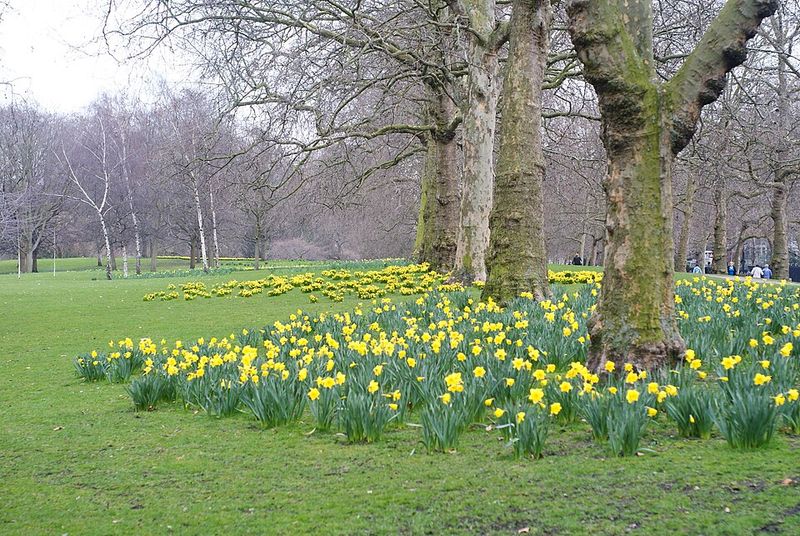
Daffodils (Narcissus) are the bulb you plant once and then forget, until they show up every late February like an old friend knocking on the door. Across North Carolina, they are the most dependable spring bulb there is.
Here is why they work so well. Our mild winters still give them the cold spell they need, and their bulbs contain bitter compounds that deer, voles, and squirrels leave alone.
Many Piedmont gardeners find old daffodil clumps blooming at abandoned homesteads decades later.
Plant in November, or into early December near the coast, as long as the ground is not frozen. Pick a spot with at least 6 hours of sun and dig 6 to 8 inches deep, about three times the bulb’s height.
Space bulbs 4 to 6 inches apart.
Soggy soil is the real enemy, so mix compost or fine pine bark into heavy red clay. Water once to settle the bulbs, then let winter take over.
And after bloom, leave the leaves standing for about 6 weeks so the bulb can recharge. Next spring, the clump will be bigger.
2. Crocuses
Squirrels love crocuses even more than you do. Many gardeners plant a hundred corms in October and find a neat row of empty holes by Thanksgiving.
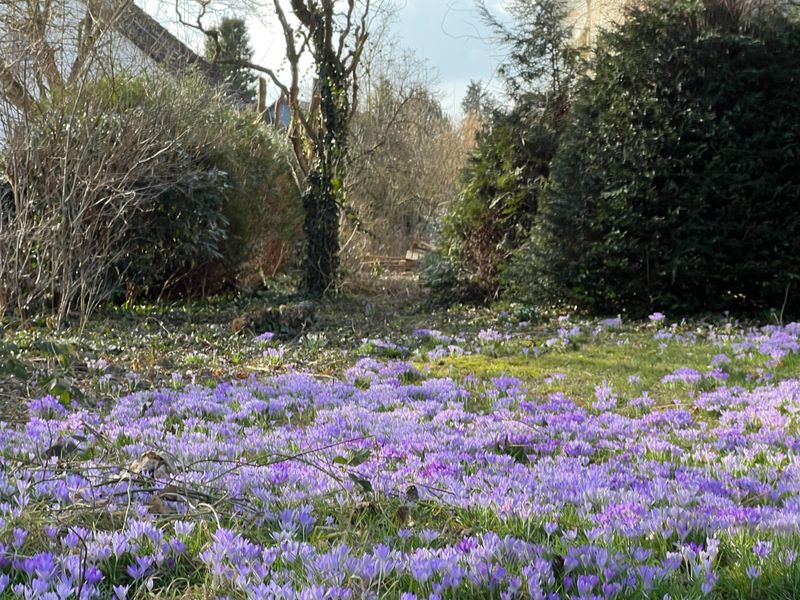
Crocus (Crocus) grows from a corm, a small solid storage stem, and it is one of the earliest flowers of the year. It shines brightest in the North Carolina mountains, where steady cold suits it.
In the Piedmont it still blooms, though it may thin out after a few mild winters.
Plant in October or November, 3 to 4 inches deep and 2 to 3 inches apart. Crowd them in groups so the color reads from the porch.
Then lay chicken wire flat over the bed and cover it with an inch of soil or mulch. Shoots slip through the holes, but digging paws hit a wall.
If you tuck them into the lawn, hold off mowing until the leaves yellow in April. The payoff is a purple carpet while everything else still looks asleep.
3. Hyacinths
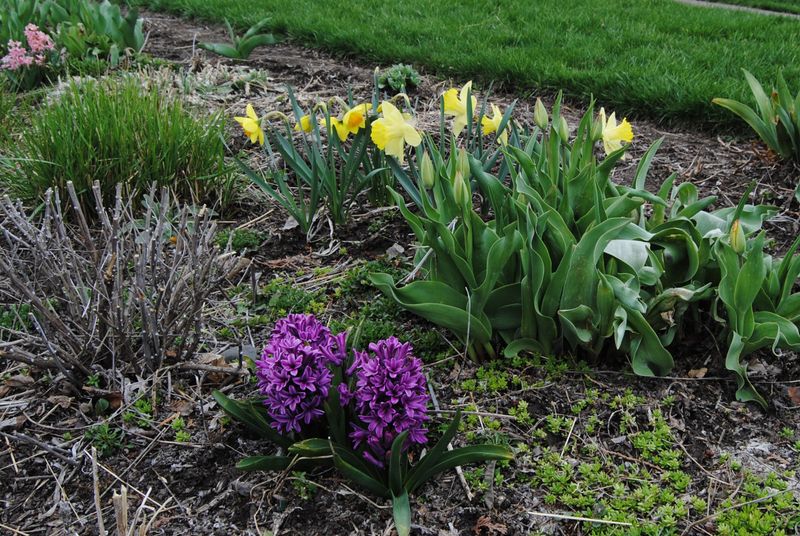
You smell them before you see them. One cluster of hyacinths (Hyacinthus orientalis) by the front walk can perfume the whole path to the mailbox.
But here is where it gets tricky. Hyacinths want a longer cold winter than most of the Piedmont and coast can promise, so the second-year spikes often come back thin and floppy.
That is not your fault, it is the weather.
In the Piedmont, plant in November, about 5 to 6 inches deep and 6 inches apart. On the coast, chill the bulbs in a paper bag in the refrigerator for 8 to 10 weeks, away from apples, then plant in December.
Group 7 to 10 bulbs together for a real wave of scent.
Wear gloves, since the bulb skins can itch. Many coastal gardeners simply treat them as one-season guests and replant each fall.
Honestly, one April evening on the porch with that smell drifting up is worth it.
4. Alliums
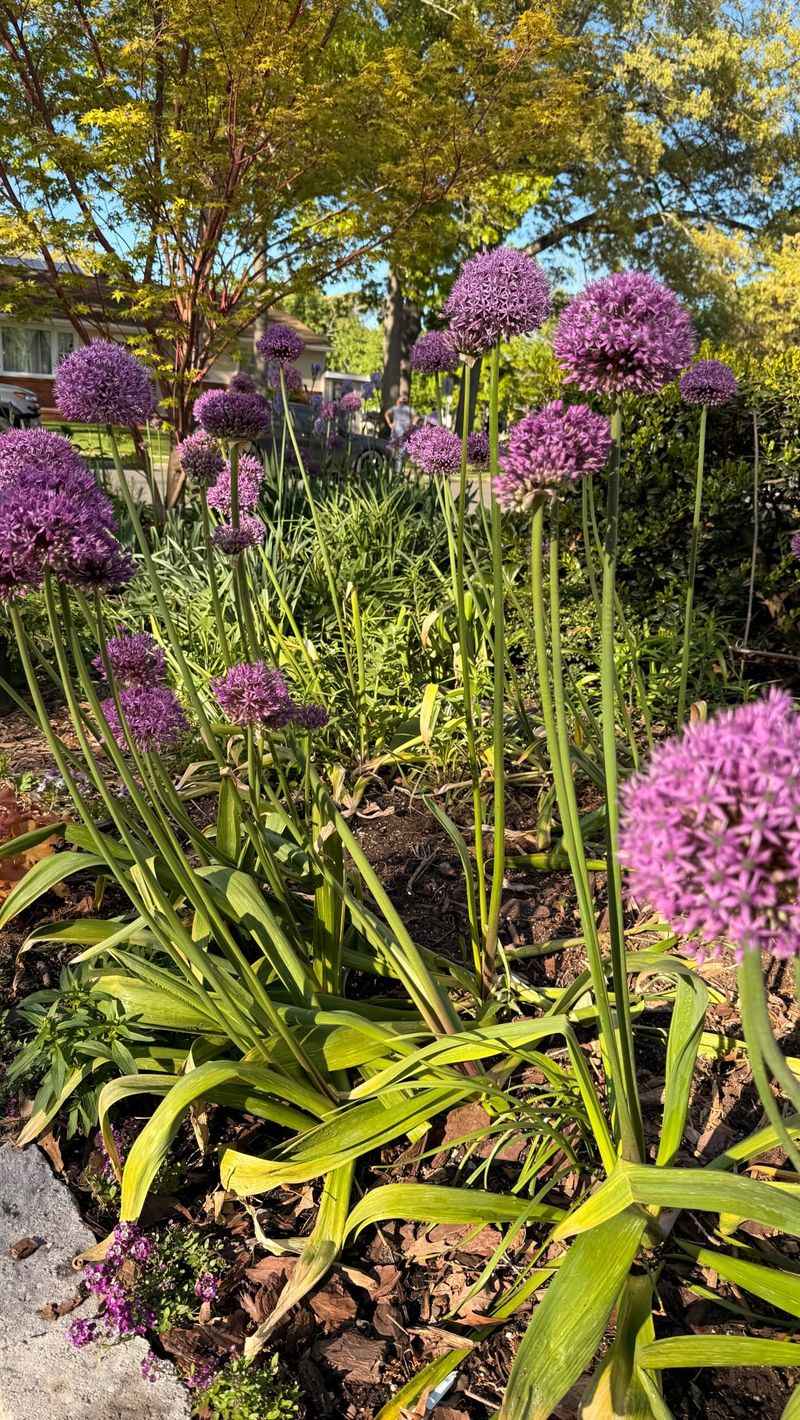
Deer walk right past alliums. These ornamental onions taste and smell like their kitchen cousins, so most nibblers turn up their noses.
Alliums (Allium) send up round purple, pink, or white balls on tall stems in late spring, filling the gap after daffodils fade. Bees and small butterflies swarm the flower heads, so the bed feels busy and alive.
Plant them in November across North Carolina in full sun, 6 or more hours a day. Set bulbs 4 to 8 inches deep, depending on size, and 6 to 8 inches apart.
Sandy Sandhills soil drains well already, though a shovel of compost helps it hold water.
Do not panic when the leaves turn brown before the flowers open. That is normal for many kinds.
Tuck them between perennials so the foliage hides, and the purple globes look like they are floating on air.
5. Tulips
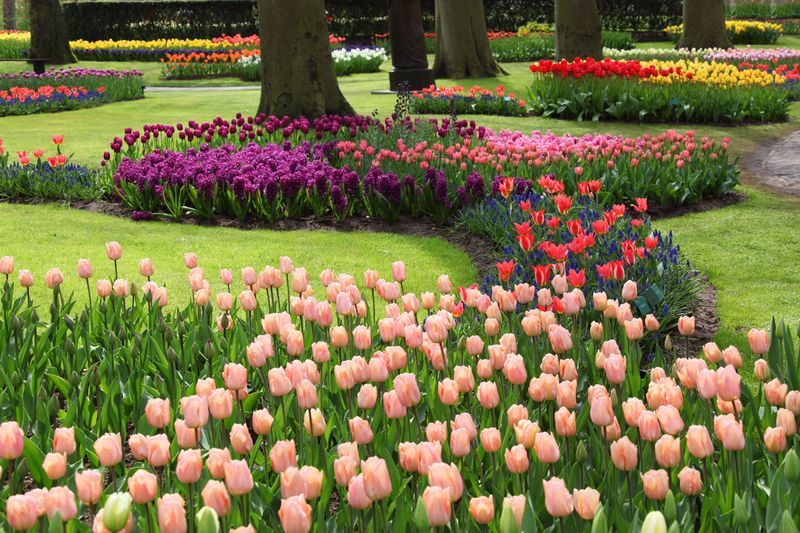
Tulips (Tulipa) are the catalog dream that breaks hearts in the Piedmont. Year one is gorgeous.
Year two, you get a few lonely leaves.
Most hybrid tulips need 12 to 16 weeks below about 45 degrees to rebloom, and much of North Carolina simply does not stay that cold. So many Piedmont and coastal gardeners treat them like annuals, the same way you would buy pansies.
Chill bulbs in the refrigerator for 8 to 10 weeks, then plant in December when the soil cools. Set them 6 to 8 inches deep and 4 to 6 inches apart in full sun.
In the mountains, you can plant in October or November, and species tulips like Tulipa clusiana may return.
Voles and deer adore tulips, so use mesh cages. One April bed of red cups under the azaleas makes the extra fuss feel genuinely worth it.
6. Spanish Bluebells and Other Quiet Bloomers
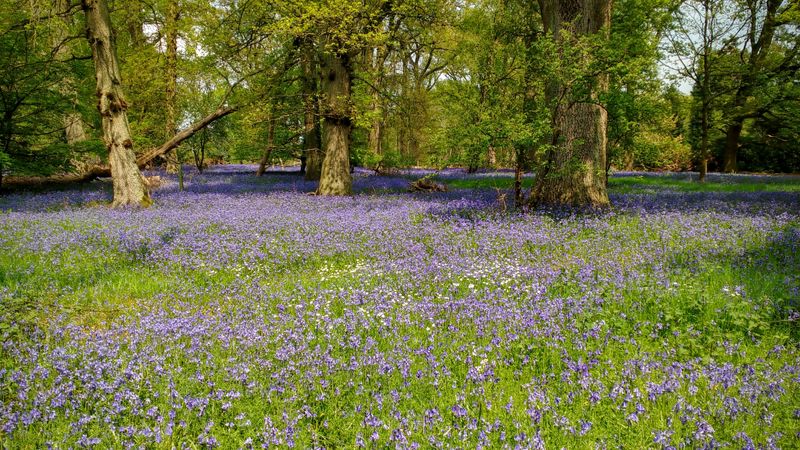
Picture the shady strip under your oaks in April, the one where grass refuses to grow. That patch is where these lesser known bulbs actually shine.
Spanish bluebells (Hyacinthoides hispanica) bloom blue bells alongside the azaleas. Summer snowflakes (Leucojum aestivum) dangle white bells with green tips.
Snowdrops (Galanthus) show up in late winter, and starflower (Ipheion uniflorum) spreads icy blue stars along edges. Most of them shrug off deer and rabbits.
Plant all of them before December, 3 to 6 inches deep, in part shade to sun. Drop them in drifts of 10 or more instead of single rows.
They slowly multiply, filling bare ground a little more each year.
Early bees appreciate them too. It is a small change that makes a tired corner feel cared for.
7. Drainage Matters More Than The Bulb You Pick

A bulb is basically a packed lunch for a sleeping plant. Leave that lunch sitting in cold water all winter, and it rots.
That is the hidden reason many North Carolina bulbs fail. Piedmont red clay holds water like a bathtub, while sandy Coastal Plain soil drains so fast nutrients wash away.
NC State Extension points out that good drainage is the single biggest factor in bulb success.
In clay, work 2 to 3 inches of compost or fine pine bark into the top 8 inches, but never dig when the clay is wet and sticky. On sand, add compost to help hold moisture.
Raised beds can help in low spots, and a soil test through NC State Extension will tell you if pH sits near 6.0 to 7.0.
Plant pointy end up, water once, and then leave them alone. Dormant bulbs like to stay a bit dry.
8. Outsmart Voles And Squirrels Without Harsh Chemicals
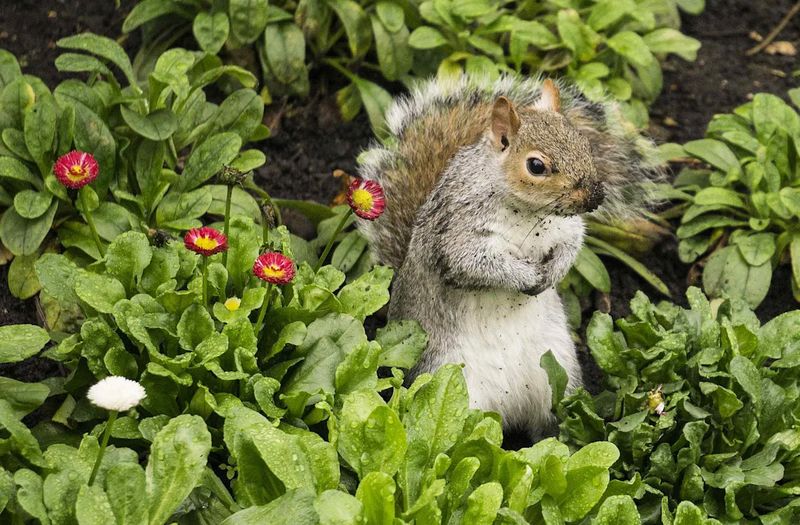
Voles have a sneaky trick. They tunnel under mulch and eat bulbs from below, so you never see them coming.
You do not need poison to win. Line planting holes with wire bulb cages, or lay chicken wire over the bed, pin it with landscape staples, and cover with 1 to 2 inches of soil.
Shoots grow straight through, but digging gets frustrating.
Here is a second layer. Ring tasty tulips and crocuses with daffodils and alliums, which most critters avoid.
And skip bone meal at planting, since its smell can actually draw diggers in.
None of this is a magic solution, but together it tips the odds your way. The birds and squirrels still get your yard, they just do not get dessert.
Come March, those blooms will be your proof that a little November work genuinely pays off.
