
The Underrated North Carolina Native Tree With Spring Fragrance and Leaves That Can Turn Yellow in Fall
Follow us on Google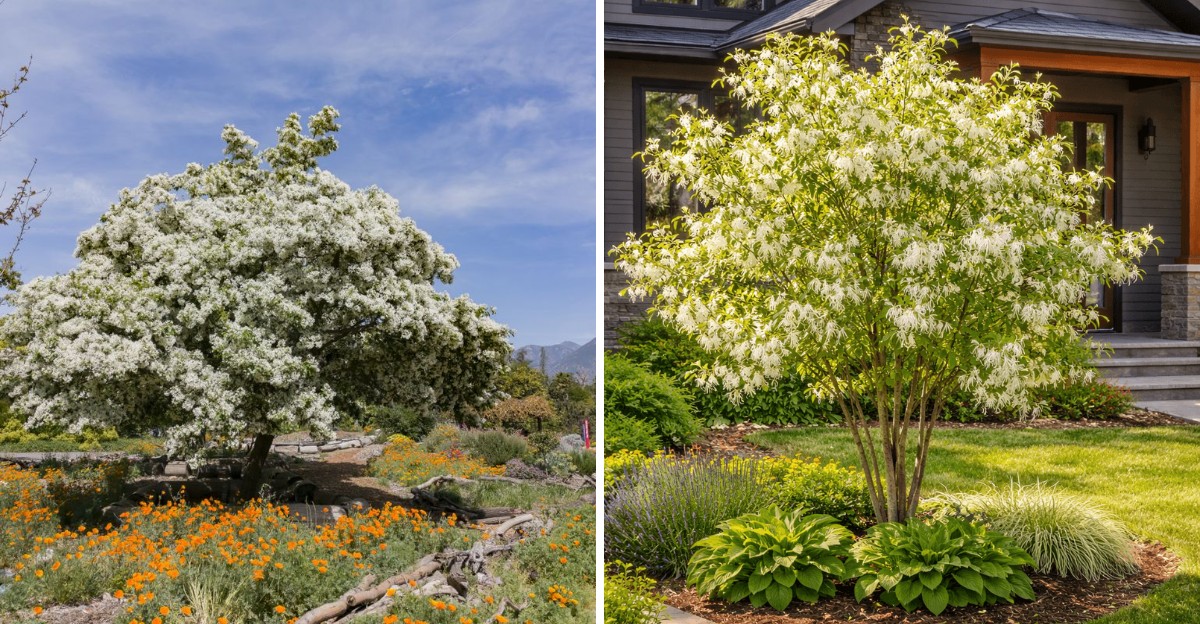
You step onto the porch on a mild spring evening, and something sweet drifts across the yard. It is a small native tree covered in white, ribbon-like flowers.
American fringetree grows wild in North Carolina, yet few yards have one. Its flowers are the main event, and its leaves can turn yellow in fall, so here is how to give it a good start.
Meet the American Fringetree
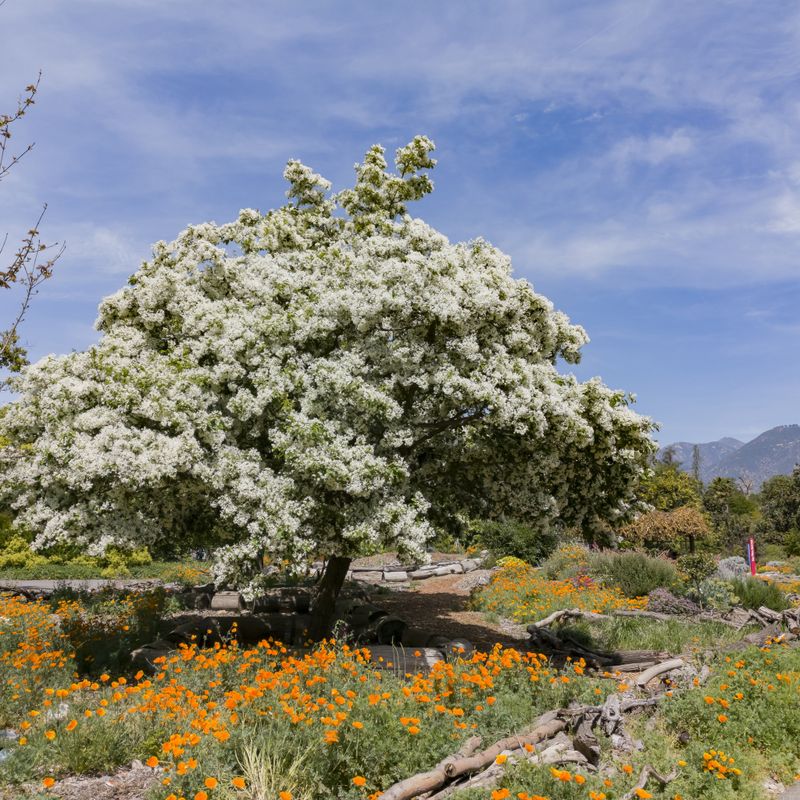
Plenty of North Carolina yards have a bare corner that needs something special but cannot handle a big shade tree. American fringetree (Chionanthus virginicus) fits that spot nicely.
It is a small tree or large shrub that grows wild here, and NC State Extension lists it for the Coastal Plain, Piedmont, and mountains.
Size is part of the charm. Typically it reaches about 12 to 20 feet tall and wide, though listed ranges run broader, and your own tree may land a bit above or below that.
It grows slowly, often 6 to 10 inches a year, so do not expect a screen in two summers.
That slow pace is a quiet advantage. A tree that stays modest will not outgrow a spot beside the patio, near a front walk, or at the corner of a porch.
You can grow it with several stems, like a large shrub, or train it to a single trunk if you prefer a more tree-like shape.
Think of it as an ornamental feature rather than a shade provider. It will not cool a whole backyard on a muggy August afternoon.
What it can do is give a small space real character, starting with the flowers.
Because it is native, it already belongs to our soils and seasons. That is a head start, though not a free pass, and the next sections cover what it still needs from you.
Spring Brings the More Reliable Show
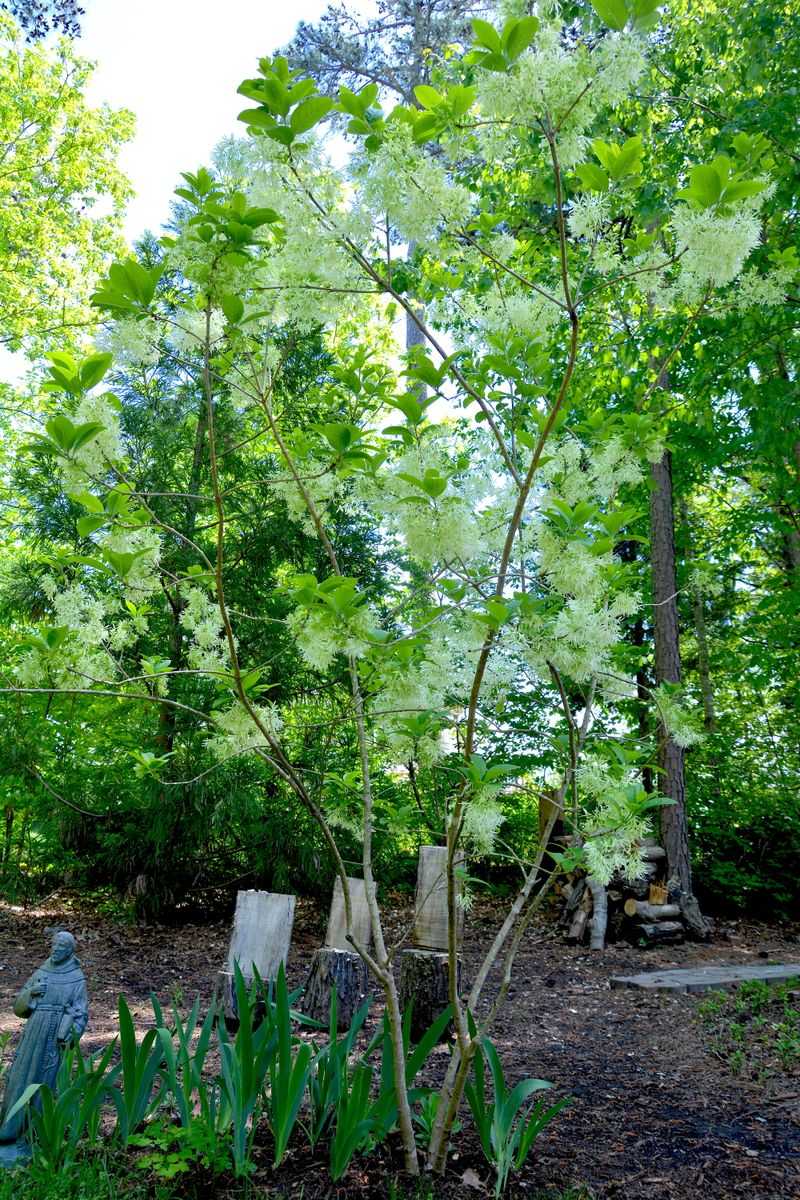
Spring is where fringetree earns its place. The flowers hang in loose, fringy clusters of white, and NC State describes them as showy and fragrant.
They appear in late spring, but the exact week shifts with the site and the year, so keep an eye on your own tree rather than a calendar.
Fragrance is real, though it is not a promise of a certain reach. Stand near the branches on a warm day and you will likely catch it.
Do not count on it drifting across the whole yard.
Fall is the part that needs honest expectations. NC State Extension describes the fall color as clear yellow, which is encouraging.
But University of Florida IFAS says yellow is more typical of northern climates and that color can be inconspicuous in the South.
For North Carolina, that means the leaves can turn yellow, and some years and yards will look better than others. A mountain tree may glow more than a coastal one.
Treat any gold as a bonus.
Plant it for the spring, and let fall surprise you. That way you are never disappointed, and sometimes you are delighted.
Choose a Site With Room to Grow
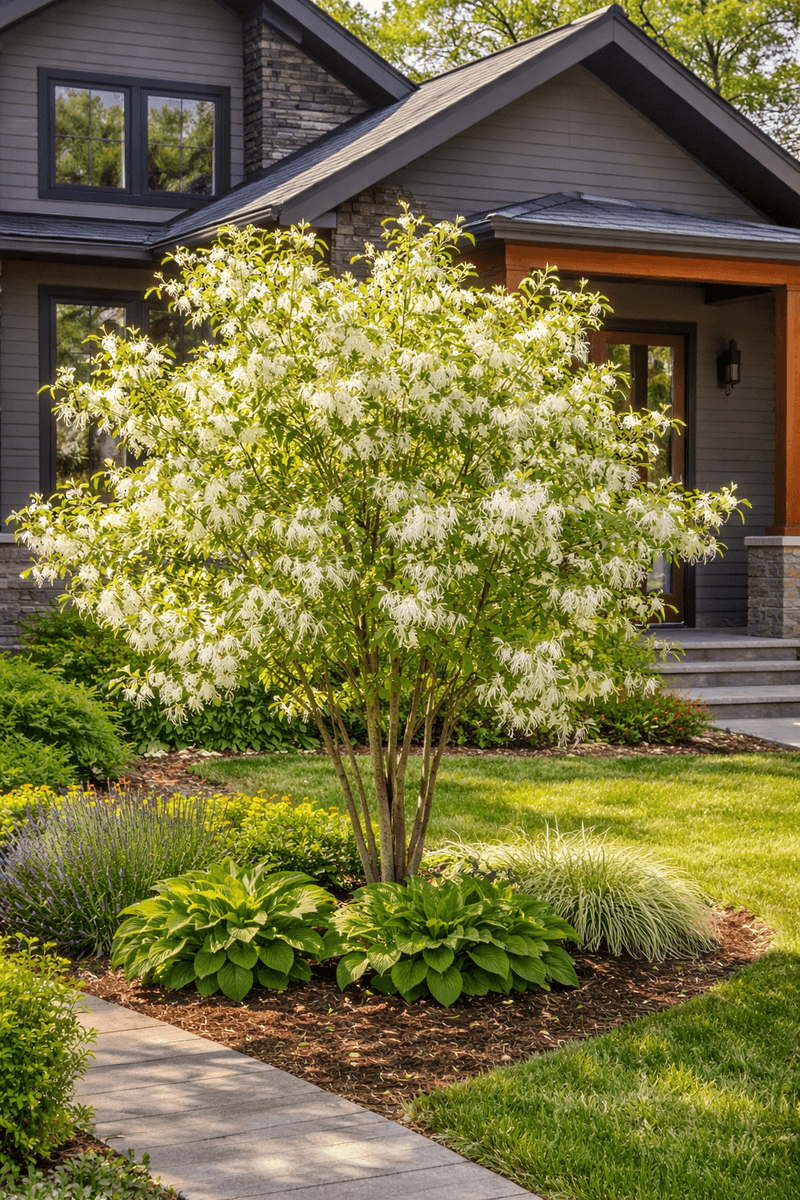
Picking the spot matters more than most people expect. Fringetree grows in full sun to partial shade, and NC State says full sun gives the best flowering while partial shade gives the best foliage.
If the blooms are your priority, lean toward the sunnier side of that range.
Soil is the next question. The tree tolerates clay and a range of moisture conditions, which is good news for Piedmont red clay and for low spots that stay a bit damp.
Still, NC State Extension says it prefers well-drained soil, so skip the place where water stands after a summer thunderstorm.
Then think about width. A typical mature tree spreads around 12 to 20 feet, sometimes more.
That feels huge when you are holding a small pot at the nursery.
Leave room rather than tucking it tight against a walk, a wall, or the corner of the house. A tree squeezed into a narrow strip ends up pruned into an awkward shape, and the airy flowers lose their charm.
A simple test helps. Picture the tree at full size, then check that it still clears the path, the roofline, and the neighbor’s fence.
If it does, you have found a good home for it.
Use Fall as a Regional Planting Opportunity

Fall quietly helps new trees. Warm soil and steadier rain give roots a gentler start than the heat of summer.
For Eastern North Carolina, NC Cooperative Extension in Beaufort County names mid-September through early December as a useful planting window.
Notice the wording. That is a regional recommendation for the eastern part of the state, not a deadline for every yard from the coast to the mountains.
A mountain gardener may see cold arrive much sooner, and should not simply copy those dates.
So let your own yard decide. The real test is whether the ground is workable.
Soil that crumbles in your hand is ready.
Skip frozen ground, because you cannot dig a proper hole, and skip soil that is saturated after a heavy rain. Digging in soggy clay can smear and pack the sides of the hole, which makes it harder for roots to push out.
If the weather turns wet or cold on your planned day, wait a week. A fringetree that goes in a little later into good soil is better off than one forced into bad conditions on schedule.
Check your local forecast, glance at the soil, and plant when both agree.
Plant It in a Wide, Properly Sized Hole
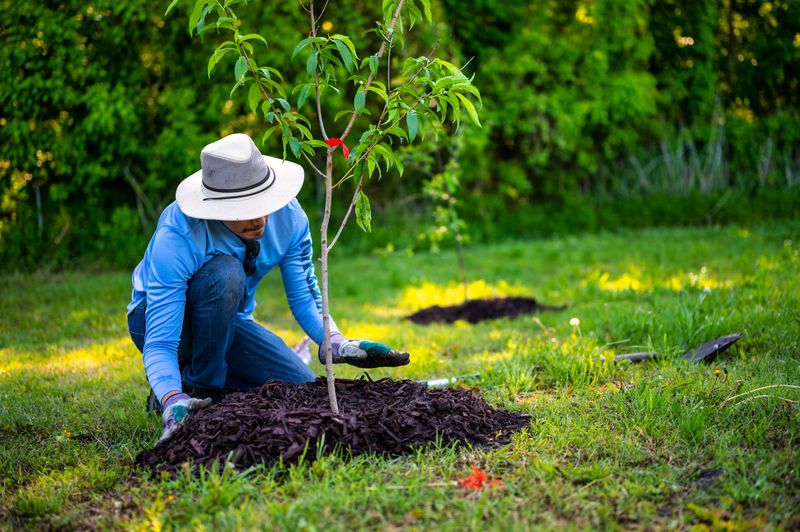
First, call 811 before you dig. It is free, and it keeps you from hitting buried utility lines.
Then you can get to the planting.
Dig a hole two to three times wider than the root ball, but no deeper than the root flare, the spot where the trunk widens at the base. NC Cooperative Extension gives this guidance, and it matters.
A wide hole lets roots spread into loosened soil, while a too-deep hole can leave the trunk buried.
Set the tree in so the flare sits at or just above the surrounding ground. Backfill with the soil you dug out, not a fancy mix, so roots learn to grow into the native soil around them.
Water thoroughly once the hole is filled. Then spread two to three inches of mulch, keeping it several inches back from the trunk.
Mulch piled against the bark holds moisture where it does not belong.
One more rule is to skip the fertilizer in the planting hole. Wayne County Extension warns that direct contact can injure roots, and it advises letting them establish first.
A wide hole, a visible flare, and a neat ring of mulch is a simple recipe, and it works.
Monitor Water as the Tree Establishes
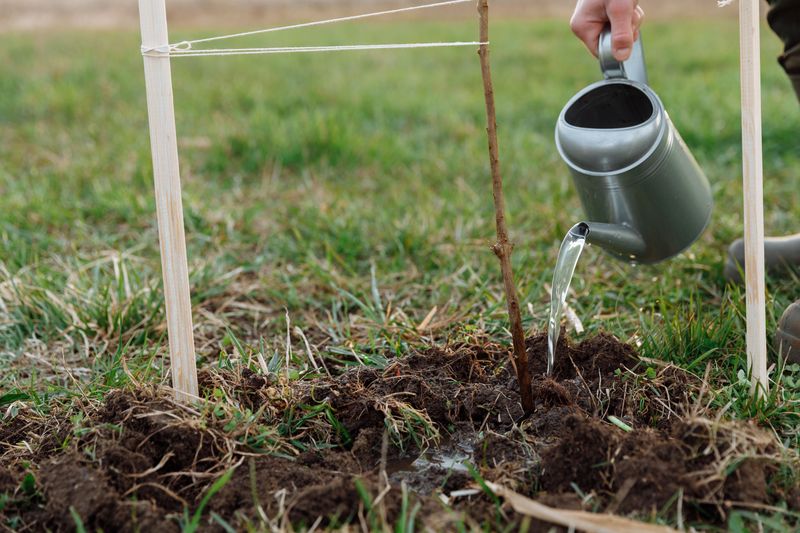
Native does not mean no work. A newly planted fringetree has a small root system, and it needs help while it settles in, no matter how well the species handles our region.
The goal is a root ball that stays moist but not soggy. NC Cooperative Extension in Wayne County advises checking it through the first year.
Push a finger a couple of inches into the soil near the root ball and see how it feels.
There is no single schedule that suits every yard. Sandy Coastal Plain soil drains fast and may need water more often, while Piedmont clay holds moisture longer and can stay wet after rain.
A hot, dry week calls for more checking, and a rainy week calls for less.
Watch the tree for clues. Wilting leaves can mean thirst, but they can also mean soggy roots, so feel the soil before you reach for the hose.
Fringetree tolerates clay and some drought, as NC State notes. But the Extension Gardener Handbook is clear that newly planted natives still need water while establishing.
Toughness comes later.
Think of year one as a check-in routine. Adjust to the weather, and the tree will repay you.
Treat Fruit as a Possible Bonus
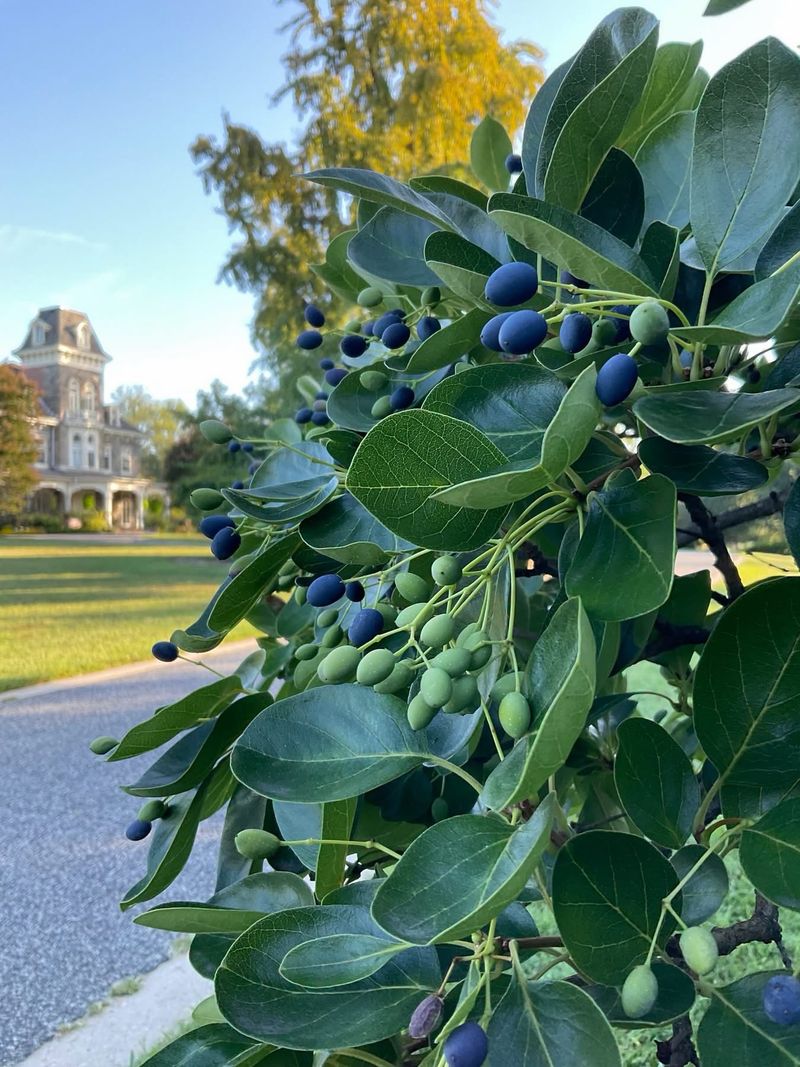
Some fringetrees produce dark blue-black fruits that ripen in summer, and NC State Extension notes they can feed birds and other wildlife. If your tree sets fruit, that is a lovely extra.
But it is not guaranteed. The flowers are functionally unisexual, which means a given tree may act mostly male or mostly female.
Fruit depends on that, and on pollination.
Nursery stock makes it trickier. A young plant in a pot often cannot be identified by sex, so you may not know what you have until it blooms for a few seasons.
A tree that never fruits is not a failure, just a different plant than you hoped for.
The same goes for fall color. The leaves can turn yellow, and some autumns they might look bright, but you should not plant it expecting a gold show every year.
The sure thing is spring. Those fragrant, feathery flowers are what the tree is best known for, and they are reason enough to give it a corner of the yard.
Plant it for the blossoms, and let the leaves and fruit be pleasant surprises.
