
What It Really Means When Rabbits Keep Coming Back To Your Pennsylvania Garden
Follow us on Google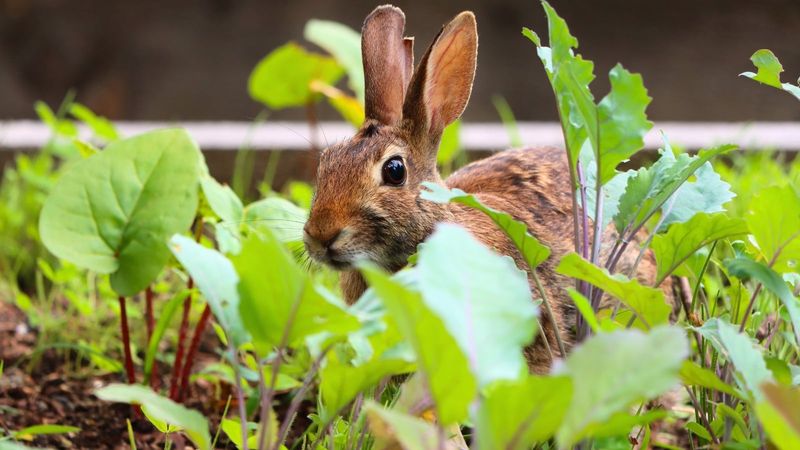
You walk out to the garden on a quiet June morning and find your lettuce trimmed down to stubs again.
The culprit is long gone, but the clean, angled cuts left behind tell the story clearly.
If the rabbit or rabbits using your yard keep showing up, that pattern is not random.
It means your yard is quietly offering something very convenient, and understanding what that is can help you actually protect what you grow.
The Rabbit Is Following a Habitat Patch
Most Pennsylvania gardeners picture one sneaky rabbit with a personal grudge against their lettuce.
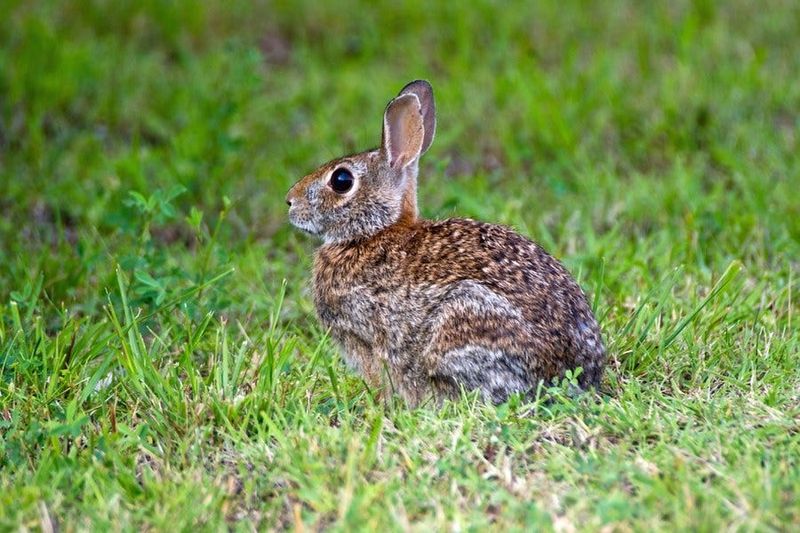
The animal is almost certainly an eastern cottontail, Sylvilagus floridanus, the most common garden visitor across the state, and the repeat visits are less about stubbornness and more about convenience.
Penn State Extension’s cottontail guidance notes that eastern cottontails concentrate around brushy edges, fence rows, brush piles, landscaped backyards, and other places where food and cover occur together close enough to move between quickly.
The rabbit or rabbits using your yard have found a reliable combination of browse, shelter, and easy access.
That combination, not a perfect garden, is what keeps drawing them back.
Pennsylvania Game Commission guidance on nuisance wildlife identifies shelter, food, and accessibility as the three most common reasons wildlife returns to residential properties.
So look outward from the chewed crop before you do anything else.
The real clue is rarely the lettuce bed itself.
A brush pile within 30 feet, an overgrown fence line, a hedge row, a patch of tall grass, or an abandoned woodchuck burrow nearby can all function as the shelter half of the equation.
Penn State’s habitat management resource explains that feeding areas for cottontails are rarely far from good cover, which means the garden is the dining room and something nearby is the living room.
Framing the visit this way turns a frustrating pattern into a useful map.
The rabbit is not telling you that your garden is thriving or ecologically rich.
It is telling you exactly where the food-and-shelter connection exists in your yard, and that is the place to start making changes.
Food Is Only Half the Invitation
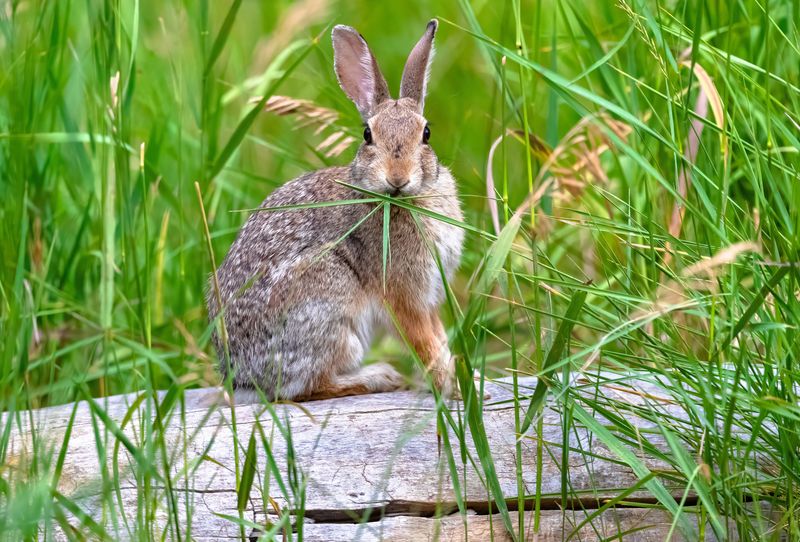
A vegetable bed sitting right next to a brushy edge or a gap under a gate is genuinely more attractive to a rabbit than an identical bed sitting in the open center of a mowed lawn.
The reason is simple.
Penn State’s wildlife-habitat relationships resource identifies food, water, cover, and space as the four basic components any animal needs, and a yard that provides all four near the same spot becomes a reliable stop on a rabbit’s daily circuit.
Here is where it gets tricky.
Pennsylvania yards can support rabbits without anyone ever deliberately feeding them.
Native plantings, wildflower patches, tall grasses, and landscape borders all supply the cover and browse that eastern cottontails use.
Penn State’s warm-season grasses and wildlife guide confirms that taller grass and meadow-style plantings create exactly the kind of concealment cottontails prefer near feeding areas.
Run a quick inspection the next time you spot damage.
Start at the chewed plant and look outward in a 30-to-50-foot radius.
Notice where a rabbit could hide within a few seconds of leaving the bed, and then trace the likely route it used to get there.
Check under gates, along fence bottoms, and through any gap wider than about 1 inch.
Those entry points, not the crops themselves, are the spots that most need attention.
There is a meaningful difference between planting wildlife-friendly natives on purpose and accidentally connecting those plantings to an unprotected vegetable bed.
Keeping the two zones separate, even by 20 or 30 feet, reduces the chance that a rabbit treats your tomatoes as a quick detour on a familiar route.
Are You Seeing One Rabbit or Several?
Repeat visits feel personal.
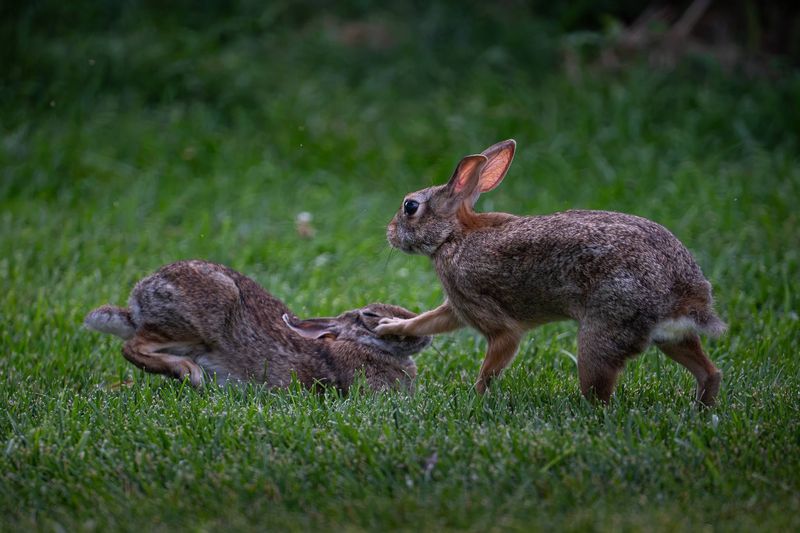
Many Pennsylvania gardeners become convinced they are dealing with one particularly bold rabbit that has claimed the yard as its own.
That feeling is understandable, but the reality is more complicated and actually changes how you should respond.
Eastern cottontail home ranges can vary from about 0.25 acre to as many as 20 acres depending on how much food and cover are available, according to Pennsylvania Game Commission wildlife notes on cottontails.
A rabbit that knows your yard well may rarely leave its familiar territory, which makes the visits feel like one determined animal.
But suburban areas can support several rabbits at once, and Penn State warns that nearby rabbits can quickly fill habitat left vacant after one is removed.
So chasing or removing a single rabbit does not reliably stop the pattern.
The habitat connection is still there, and another animal is likely to find it within days or weeks.
Think of the yard as the destination, not the rabbit as the problem.
Improving your defenses against any rabbit that wanders through is a more durable strategy than trying to identify and remove one individual.
One other common assumption deserves a correction.
Repeat rabbit visits do not mean your yard has a pond, a birdbath, or standing water nearby.
Penn State’s cottontail habitat management guidance is clear that eastern cottontails obtain most of their water from the food they eat.
The more accurate read on the signal is food plus cover plus easy access, and that combination can exist in a yard with no visible water source at all.
The Damage Changes With Season and Region
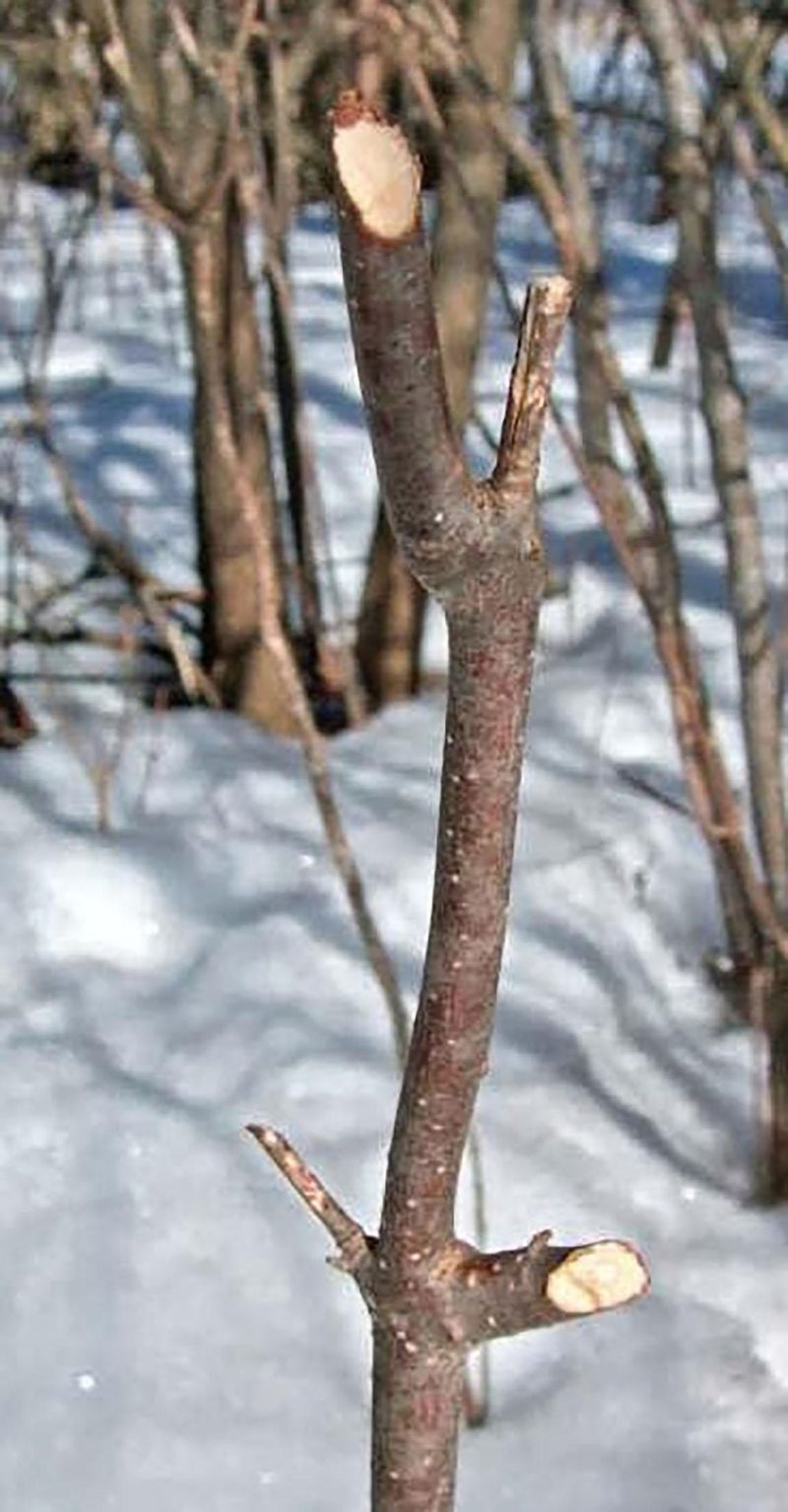
Before you blame a rabbit, check the cut.
Rabbit damage has a specific look that sets it apart from what deer, woodchucks, or other animals leave behind.
Young stems and twigs are clipped with a clean, angled cut that resembles a knife stroke, and bark on woody plants is gnawed in irregular patches.
Damage almost always occurs within about 2.5 feet of the ground, though a heavy snow year can raise the effective browsing line well above that, which matters in places like the northern tier and the Allegheny Plateau where snowpack can linger for weeks.
Penn State Extension’s cottontail page notes that deer, by contrast, tend to leave torn or ragged browse because they lack upper incisors and must twist or pull vegetation rather than cut it cleanly.
If the browse looks shredded rather than sliced, deer are the more likely suspect.
The crop being damaged also matters.
Eastern cottontails often avoid cucumbers, squash, potatoes, tomatoes, corn, and some peppers.
Damage to those plants deserves a second look, because a woodchuck or another animal may be the actual cause.
Season changes the meaning of the visit, too.
In spring and summer, rabbits feed heavily on grasses, herbs, legumes, garden vegetables, and flowers.
In fall and winter, when green growth disappears, Game Commission wildlife notes confirm that cottontails shift to woody plants, bark, buds, and tender twigs.
Higher elevations and the northern tier can experience deeper or longer-lasting snow, which pushes rabbits toward whatever bark and branch tips remain accessible above the snowline.
Knowing the season tells you whether to protect the vegetable bed or the young fruit trees first.
A Two-Foot Fence Changes the Story
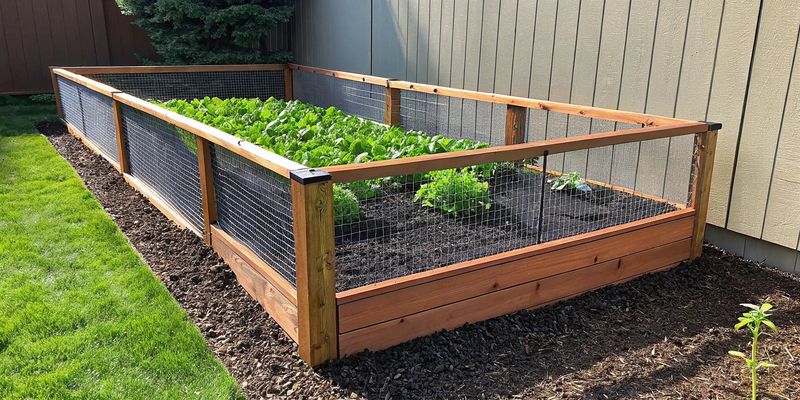
Exclusion is the most dependable answer, and it works before the next round of browsing begins.
A fence does not need to be elaborate to be effective.
Penn State recommends a fence about 2 feet high with mesh openings of 1 inch or smaller, so young rabbits cannot squeeze through alongside adults.
The bottom edge needs to sit tight against the soil or be buried a few inches down, because rabbits will probe along the base and push under any gap that gives way.
Penn State Extension’s cottontail guidance specifies these dimensions clearly, and they hold up across Pennsylvania’s freeze-and-thaw cycles, which can heave a loosely anchored fence bottom away from the soil over a single winter.
Plan to walk the perimeter after every hard freeze and after significant snowmelt to check whether the base has lifted or shifted.
Gates and corners are the most common failure points.
A gap of just 2 or 3 inches at a gate hinge or a loose corner post is enough for a young rabbit to pass through.
Reinforce those spots with extra staples, ground stakes, or a strip of hardware cloth laid flat on the soil and weighted with rocks.
For small seedling beds, a secured row cover or mesh garden cover can protect transplants when every edge is pinned completely with soil, rocks, or garden staples.
Leave no edge floating free.
Young trees and shrubs need a different approach.
Use 0.25-inch hardware cloth formed into a cylinder, positioned 1 to 2 inches away from the bark so the trunk has room to grow without rubbing against the wire.
Set the guard height to account for expected snow depth at your location, because a rabbit standing on 18 inches of packed snow can reach bark that normally sits well above browsing range.
Nearby Cover Creates a Real Tradeoff
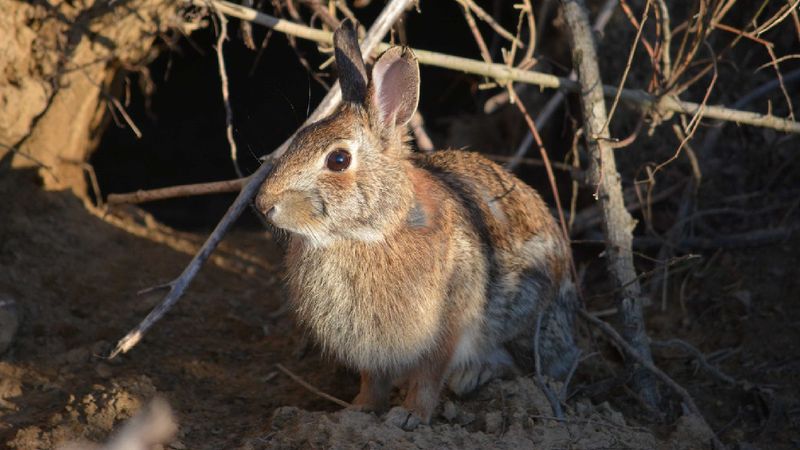
Removing the cover that shelters rabbits near your crops can reduce browsing pressure, but it is not a clean win.
Brush piles, tall grass, weedy edges, and debris patches serve more than one tenant.
Penn State’s warm-season grasses and wildlife resource makes clear that taller vegetation and brushy edges support songbirds, native pollinators, small predators like foxes and weasels, and a range of other small mammals alongside rabbits.
Clearing every edge is not environmentally neutral, and describing it that way would not be accurate.
The more practical approach is to separate habitat zones from crop zones.
Move brush piles, wildflower patches, tall grasses, and native plantings to parts of the yard that sit at least 20 to 30 feet from unprotected vegetable beds.
That distance does not eliminate rabbit movement, but it reduces how quickly an animal can dart from cover to crop and back again.
Penn State’s wildlife-habitat relationships guidance supports this zone-based thinking by describing how food and cover placement shapes where animals concentrate.
Mowing grass within about 10 feet of vulnerable beds removes concealment near the fence line and can make a rabbit less comfortable feeding in the open.
Filling in unused woodchuck burrows near the garden removes ready-made shelter that cottontails often adopt.
These steps reduce rabbit pressure without eliminating the broader habitat value of the rest of the yard.
Some gardeners also shift toward plants that rabbits find less appealing near vulnerable areas.
Penn State’s rabbit-resistant plants guide lists butterfly weed, asters, black-eyed Susan, and yarrow as less attractive choices in some settings.
None of these are rabbit-proof, and Penn State cautions that rabbits may eat most flowers when food is scarce.
Use them as one layer of a broader approach, not as a substitute for a fence.
Repellents Cannot Guard an Open Garden
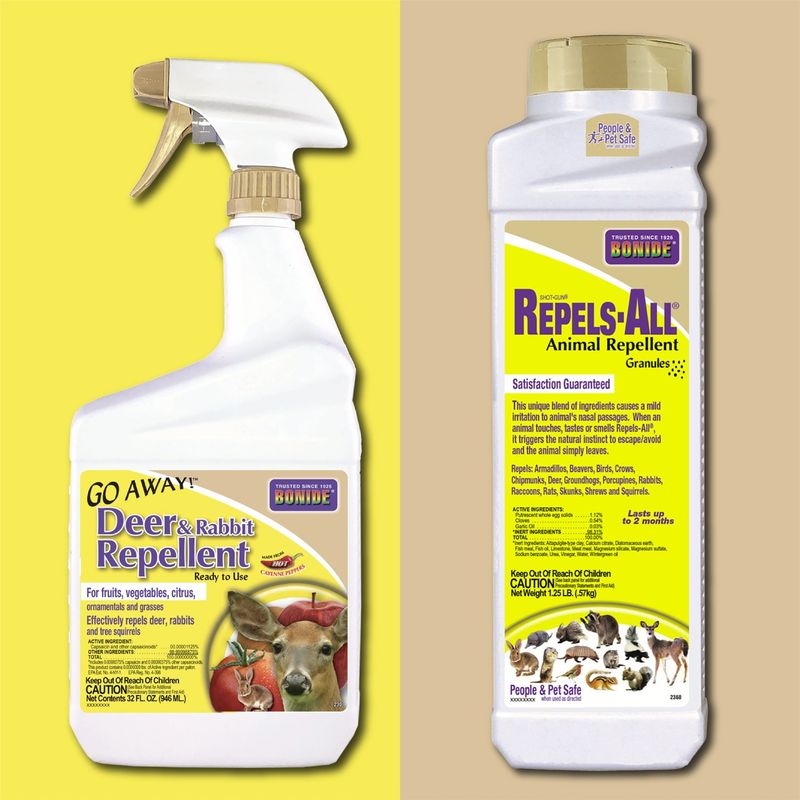
Repellents have a real role, but that role comes after a fence, not instead of one.
Most commercial rabbit repellents work as taste or contact deterrents, meaning they make treated plant tissue unpleasant to chew.
The problem is that they protect only the tissue that was sprayed at the time of application.
New growth that emerges the next week is completely unprotected from the start.
USDA APHIS repellent research confirms that effectiveness varies with rabbit numbers and the amount of alternate food available nearby.
When a rabbit is hungry and options are limited, even a treated plant may get sampled.
Rain can wash off many products and require reapplication within a few days, which adds up quickly during Pennsylvania’s humid summers and frequent spring showers.
Every product must be labeled for the specific crop or ornamental you intend to protect, including harvest intervals and reapplication schedules.
Do not assume that a product labeled for ornamental shrubs is cleared for use on edible vegetables.
Read the current label every time, because formulations and restrictions can change.
Penn State’s critter control guidance and the cottontail page both note that hot sauce, human hair, blood meal, inflatable snakes, pie tins, and similar homemade or scare-based methods are not dependable solutions.
Scare devices tend to lose effect quickly as rabbits learn they pose no real threat.
Penn State also states that no toxicants or fumigants are registered for rabbit control, so any product in that category should be avoided entirely on edible crops.
The practical decision tree is straightforward.
Protect crops physically first with a properly installed fence.
Then, if browsing pressure remains on ornamentals or on areas where fencing is not yet in place, add a labeled repellent as a supplemental layer and plan to reapply it consistently.
Let the Clue Guide a Safer Response
Protecting the harvest comes first.
If you find rabbit droppings in or near a bed of harvestable crops, Penn State’s home garden food safety guidance advises avoiding produce that may have been contaminated.
A properly installed fence reduces browsing and also reduces that contamination risk at the same time, which makes exclusion doubly worth the effort.
If you spot a shallow nest of fur and dried grass with small young inside, leave it alone.
The Pennsylvania Game Commission’s hunting and trapping digest advises people not to disturb rabbit kits because the mother often leaves young hidden and returns only a few times each day to nurse them.
A nest that looks abandoned is usually not.
Trapping is not a casual option in Pennsylvania.
Rabbits are classified as game animals, and Game Commission nuisance wildlife guidance makes clear that wildlife remains protected even when causing damage.
Contact the appropriate Game Commission office before setting any trap.
Traps must be checked daily, and legal and disease considerations apply to any relocation.
Two separate health concerns are worth keeping straight.
When handling soil, garden tools, or anything near a sick or dead rabbit, wear gloves, use insect repellent, and never mow over a carcass.
CDC guidance on tularemia connects those precautions to reducing exposure risk from rabbits and hares.
Separately, Pennsylvania’s rabbit hemorrhagic disease information explains that this disease affects rabbits and other lagomorphs and can spread through contaminated hands, equipment, or materials, so washing up thoroughly after any contact with rabbit habitat is a sensible habit.
The rabbit that keeps showing up has actually done you a favor.
It has mapped the exact connection between shelter and food in your yard, and now you can decide which parts of that connection to keep and which parts to close off.