
The Fragrant Porch Herb That Keeps Stink Bugs Away From Your Pennsylvania Entry
Follow us on Google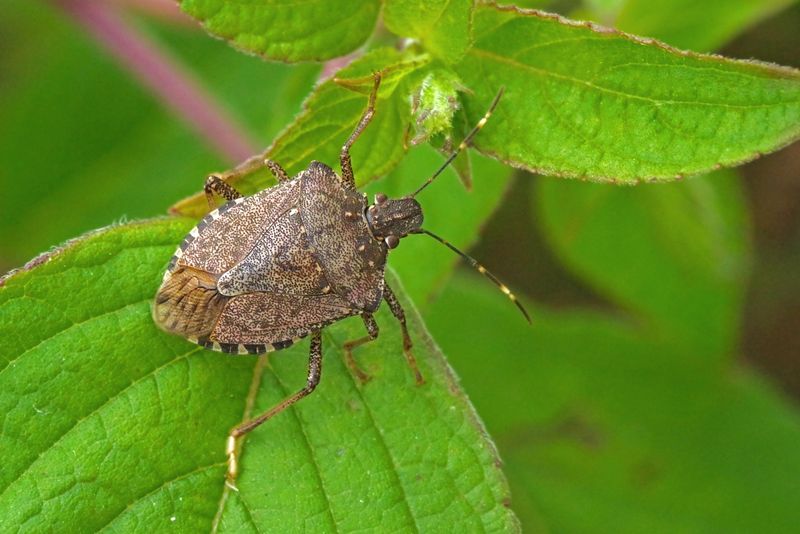
Every fall in Pennsylvania, the same thing happens: you step onto your porch on a cool September evening and find a cluster of brown, shield-shaped bugs parked on the siding right next to your front door.
They’re brown marmorated stink bugs, and they’ve made your entry their favorite gathering spot.
A fragrant pot of spearmint, Mentha spicata, might make that spot a little less welcoming, though it won’t solve the problem on its own.
Here’s what the research actually says and what you can do about it.
Try Spearmint, But Lower the Promise
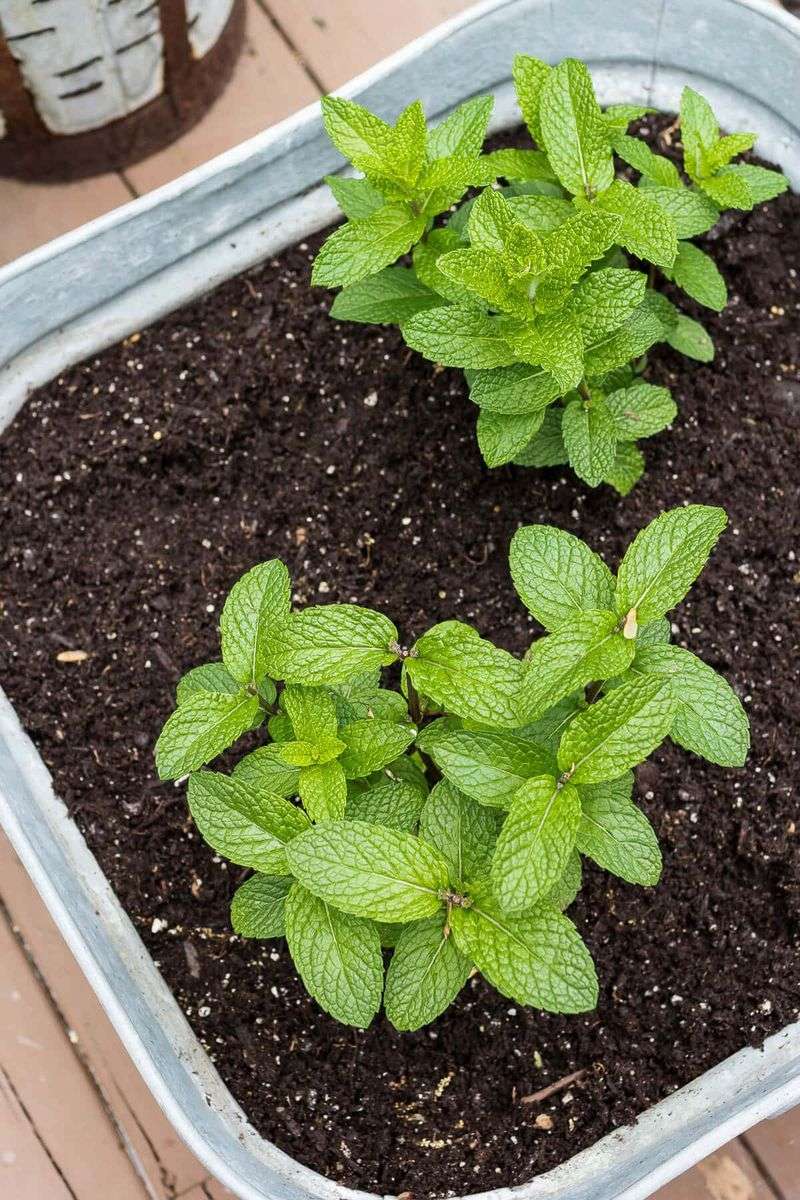
Spearmint, Mentha spicata, is the single herb most worth placing near your entry if you want to run a low-risk, good-smelling experiment against brown marmorated stink bugs.
The keyword there is experiment.
A pot of spearmint by the door is a pleasant addition to your porch, and it might make the immediate area a little less appealing to the bugs piling up on your siding every fall, but no one has proven that a living plant will reliably keep them away.
The target pest here is the brown marmorated stink bug, Halyomorpha halys, not every shield-shaped bug in Pennsylvania.
That distinction matters because the research worth citing concerns this specific invasive species, first recorded in the United States in Allentown.
Penn State Extension’s brown marmorated stink bug guidance identifies Halyomorpha halys by name, and the evidence for spearmint is built around that pest, not the broader family of native stink bugs also found across the state.
The spearmint name itself appears in Penn State Master Gardener plant listings under its botanical name, so you know you’re shopping for the right plant.
What you’re not shopping for is a registered pesticide or a guaranteed barrier.
Think of the pot as one optional layer, something that smells good on the porch and gives the bugs at least one reason to reconsider, while you handle the real protection with caulk and screen repair.
What The Spearmint-Oil Study Actually Found
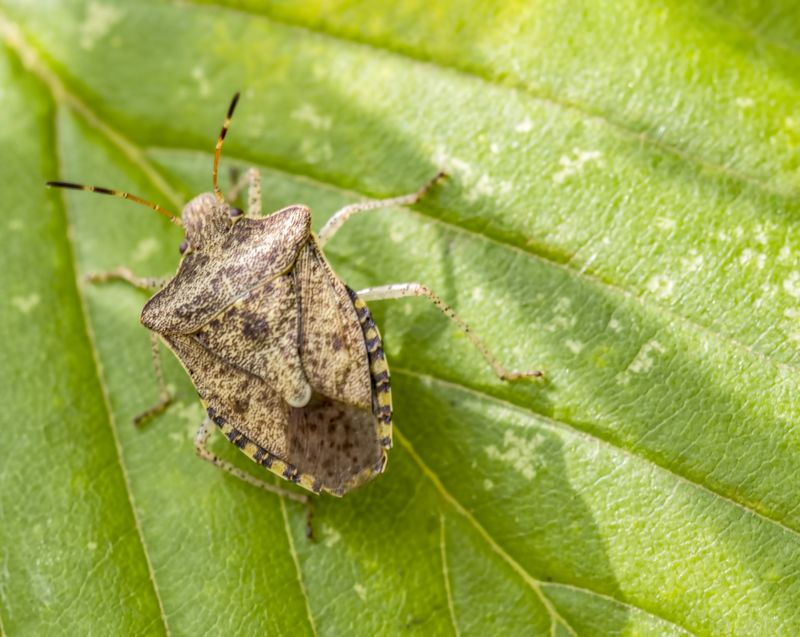
A peer-reviewed field study published in the Journal of Applied Entomology tested whether essential oils could interfere with brown marmorated stink bugs responding to stink-bug attractants in baited traps.
Spearmint essential oil, released at measured rates between 14 and 80 milligrams per day, almost completely blocked the bugs from responding to those attractants.
That is a striking result, and it is the factual core behind every headline that mentions mint and stink bugs.
Rosemary oil was also tested.
It produced a weaker reduction, somewhere in the range of 60 to 85 percent fewer trap catches.
So spearmint outperformed rosemary in this system, which is why spearmint earns the top spot if you’re choosing a fragrant porch herb with this particular goal in mind.
What the Zhang et al. essential-oil field study observed was a behavioral effect in a specific test setup.
The researchers documented that the bugs responded differently to attractant lures when spearmint oil was present in the trap environment.
The study did not establish why the oil produced that effect, did not prove that the bugs simply dislike the smell of mint, and did not identify a single compound as the definite cause.
Volatile compounds including l-carvone are present in spearmint oil and may be part of the picture, but the study treated those as characteristics of the oil rather than proven drivers of the behavior.
Take the finding for what it is: a genuine result in a controlled field test, not a recipe for a porch force field.
Why A Porch Pot May Not Protect The Door
Here is where the story gets tricky.
The field study used concentrated essential oil released at measured rates inside baited traps.
A living spearmint plant on your porch releases aromatic compounds too, but at far lower concentrations and in whatever direction the breeze happens to be moving that afternoon.
No source establishes that a single potted plant produces enough airborne material to create a dependable repellent zone around a doorway, and the study itself did not test a potted plant, crushed leaves, ordinary porch airflow, or house entry prevention.
The study also tested attraction to stink-bug lures, not bugs attempting to squeeze through a gap in your door frame.
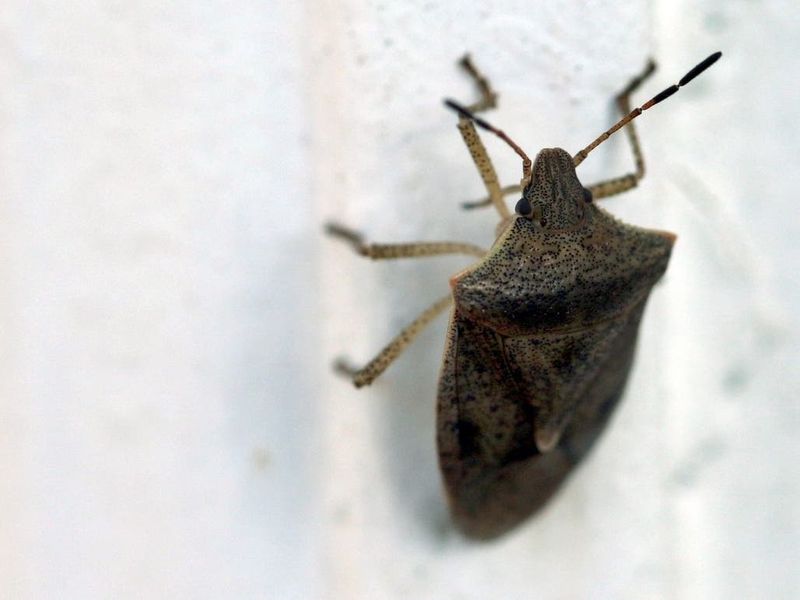
Brown marmorated stink bugs are drawn to warm, elevated surfaces and protected structures as temperatures drop in late summer and fall, according to Penn State Extension.
A sunny porch on a south-facing wall is genuinely appealing to them for reasons that have nothing to do with scent: warmth, height, and the promise of a sheltered crack nearby.
The StopBMSB host-plant and behavior resource reinforces that this pest responds to a complex set of environmental cues.
A mint plant may nudge the odds slightly in the immediate area around the pot, but it cannot override a bug’s drive to find a warm, protected overwintering site.
The study also did not define a coverage radius, a protection duration, a minimum number of plants, or a placement distance.
Those numbers simply do not exist in the research yet, so anyone offering them is guessing.
Use A Movable Container Near The Entry
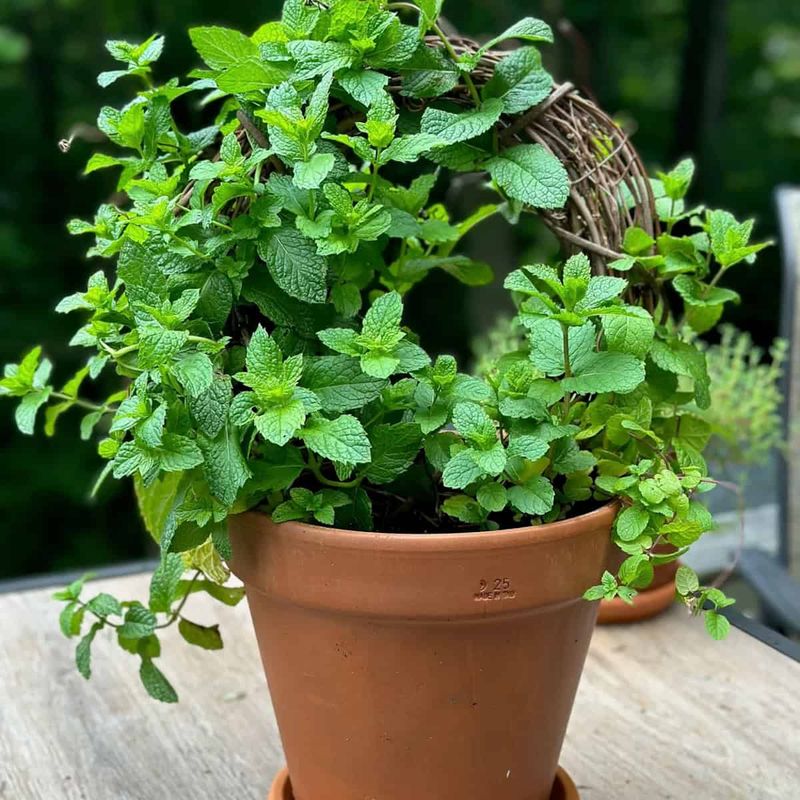
Setting up the spearmint pot is straightforward, and doing it right also keeps the herb from taking over your porch.
Mint spreads aggressively by underground runners, so planting it directly in the ground beside your foundation is asking for a maintenance headache within one season.
A container with drainage holes solves that immediately, as Penn State Extension recommends for mint, suggesting a 3- to 5-gallon pot to give the roots enough room without letting runners escape into surrounding soil.
Place the container near the entry, close enough to be part of the sensory environment around the door, but not blocking the threshold or sitting flush against the foundation wall.
Keeping the pot a few inches clear of the siding is a practical access choice: you want to be able to check caulk lines, inspect the door frame, and repair screens without moving a heavy planter first.
That is a maintenance reason, not a documented pest-control calculation.
The movable pot also gives you flexibility as the season changes.
In early fall, when brown marmorated stink bugs are most active around Pennsylvania entries, you can shift the pot to the most trafficked side of the door.
Later in the season, when the plant starts to look tired or a hard frost is coming, you can bring it inside or set it in a protected spot without any digging.
A container with a saucer underneath protects your porch floor and makes the whole setup genuinely easy to manage from one week to the next.
Match Mint Care To The Container And Location
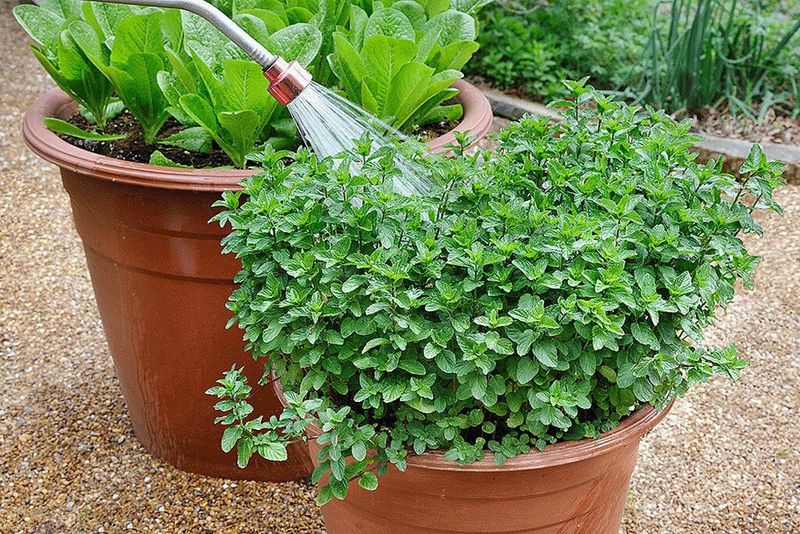
A spearmint plant that looks healthy and vigorous is more likely to produce the aromatic compounds that made the field study interesting in the first place.
That means getting the basics right for a container growing on a porch, which behaves differently from an in-ground herb bed.
Sun is the first variable.
Many herbs, including spearmint, prefer at least 6 hours of direct sun daily, which is guidance Penn State’s Chester County herb garden program has documented for container herb growing.
A north-facing porch that gets 2 hours of weak morning light will produce a leggy, low-oil plant.
A south- or west-facing entry with afternoon sun is a better match.
If your porch is shaded, the plant will survive but may not thrive the way you want it to.
Water is where container growing catches people off guard.
Penn State Extension’s watering guidance notes that containers, especially those under 10 inches wide, dry out faster than in-ground plantings and need more frequent checks.
A newly planted spearmint needs even moisture while it establishes, which usually takes a few weeks.
After that, established plants in-ground generally need about 1 inch of water per week during dry stretches, but a porch pot in full sun during a dry Pennsylvania July can need water every day or every other day.
Conditions vary considerably depending on where in Pennsylvania you are.
A container on a shaded Pocono porch in a cool, wet summer needs far less attention than the same pot on a sunny Delaware Valley entry during a dry August.
Check the soil rather than following a fixed schedule, and adjust as your specific situation demands.
Penn State’s herb garden guidance recommends good drainage as a non-negotiable, so never let the pot sit in standing water in its saucer for more than a day.
Keep Rosemary In The Supporting Role
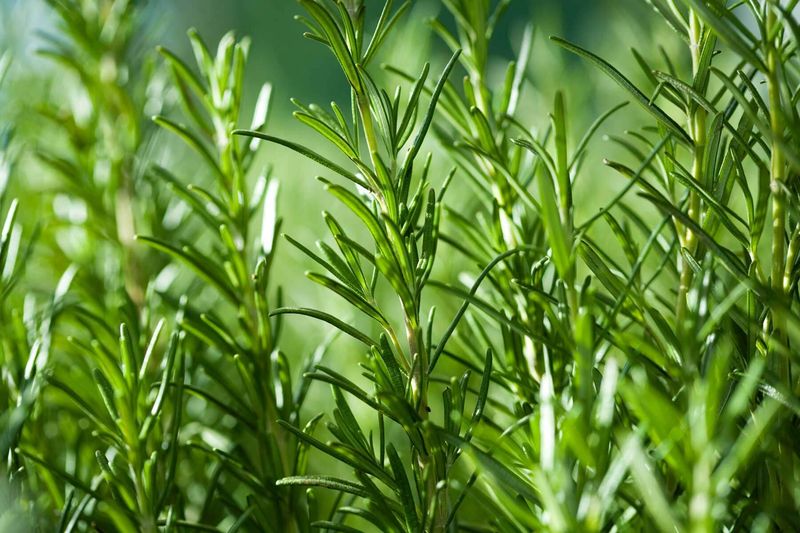
Rosemary comes up in almost every conversation about fragrant herbs and pest deterrence, and it is worth addressing directly.
In the same field study that found spearmint oil almost completely blocking brown marmorated stink bug responses to attractants, rosemary oil produced a weaker result, in the range of 60 to 85 percent reduction in trap catches.
That is still a meaningful finding, but spearmint outperformed it.
Rosemary should not replace spearmint as your primary porch experiment if stink-bug deterrence is the goal.
There is also a practical winter question.
Spearmint is a hardy perennial that handles Pennsylvania winters well in most parts of the state, dying back to the roots and returning in spring.
Rosemary is a different story.
Penn State Extension classifies rosemary as generally reliably hardy only in USDA Zones 8 to 10, with some cultivars tolerating colder zones if given protection.
Pennsylvania spans roughly Zone 5b in colder northern and higher-elevation areas up to about Zone 7a in much of the south, with some warmer pockets near Philadelphia.
That range means rosemary winter survival is genuinely uncertain depending on where you live.
Growing rosemary in a container, as you would for spearmint, is the practical answer across most of Pennsylvania.
A potted rosemary can be moved indoors 2 to 3 weeks before your local first frost, which varies considerably from the northern tier and the Poconos to the Susquehanna Valley and the Delaware Valley.
The USDA Plant Hardiness Zone Map can help you identify your zone and plan accordingly.
Rosemary makes a fine secondary porch herb and smells wonderful, but let spearmint carry the evidence-based argument.
Seal The Entry And Remove Indoor Bugs Carefully
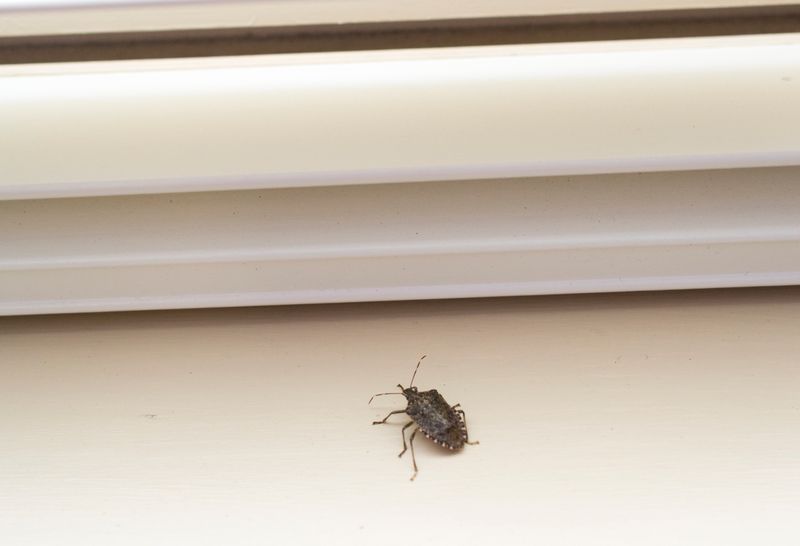
The spearmint pot is an optional extra.
The things that actually keep brown marmorated stink bugs out of your Pennsylvania home are physical barriers, and fall is the time to check every one of them.
Penn State Extension recommends sealing cracks and openings around doors, windows, siding, utility pipes, chimneys, fascia boards, and any other gap where the exterior meets the structure.
Damaged or ill-fitting window and door screens should be repaired or replaced before the bugs start clustering in late summer.
These are the steps that genuinely change the outcome.
A well-sealed entry with tight screens and fresh caulk around the door frame gives stink bugs far fewer options than any herb can.
The mint pot and the caulk gun work best as a team, with the caulk doing the heavy lifting.
If bugs are already inside, vacuum them up or gently sweep them into a sealed bag or container and take them outside.
Do not crush them.
Crushing releases the characteristic odor and can irritate skin in sensitive people.
Penn State does not recommend spraying insecticide into wall voids or attics, and indoor foggers do not provide lasting control, they may actually create a secondary problem when carpet beetles move in to feed on the dead bugs.
Homemade sprays are worth skipping too.
Penn State Extension has noted, in the context of spotted lanternfly, that home remedies often lack reliable directions and can harm plants, beneficial insects, or people.
The same caution applies here.
EPA minimum-risk pesticide conditions cover product labeling requirements, and the presence of mint oil on an ingredient list does not automatically make any homemade preparation safe or effective for pest control around a home.
If you have dogs or cats, keep any essential oils well out of their reach.
The ASPCA advises against applying concentrated essential oils directly to animals and recommends keeping them where pets cannot access them.
And Penn State’s home-remedy caution is a useful reminder that well-intentioned treatments can cause unintended harm.
The spearmint plant on your porch is a low-risk, pleasant addition to your fall routine.
The sealed door frame and the vacuum cleaner are what actually stand between you and a living room full of stink bugs on the first cold night of October.