
That Dragonfly Cruising Your Yard Hits 95 Percent Of Its Mosquito Strikes, So Stop Swatting It
Follow us on Google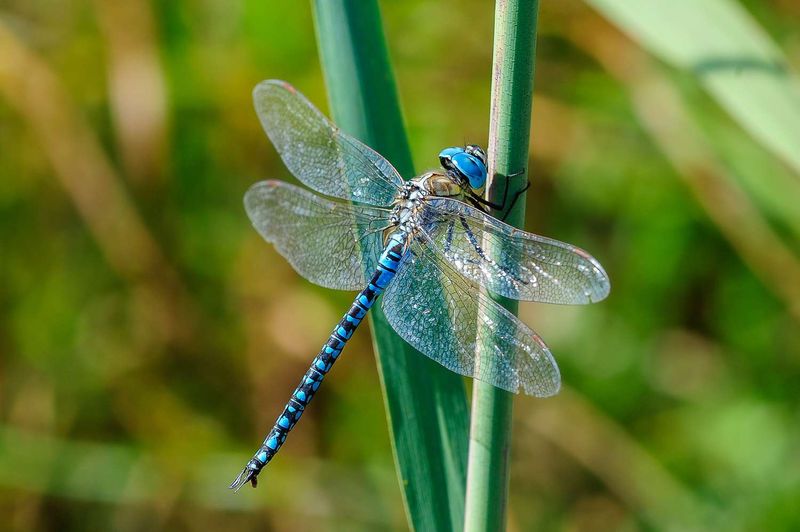
A dragonfly skimming low over your lawn is doing something genuinely useful, and swatting it away is the last thing you want to do.
These insects are highly skilled aerial hunters that do eat mosquitoes, but the famous 95 percent figure floating around the internet needs a closer look before you cancel your bug spray order.
The real story is more interesting than the headline, and understanding it will help you make smarter choices about your yard, your pond, and your cookout.
Here is what the research actually says, and what you can do about it tonight.
Why That Dragonfly Deserves a Pass
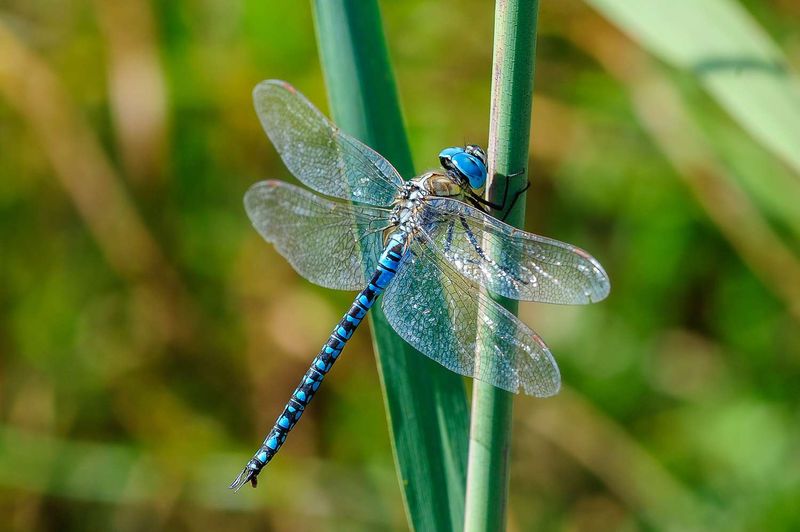
Spotting a dragonfly hovering over your patio feels like a small miracle, and it sort of is.
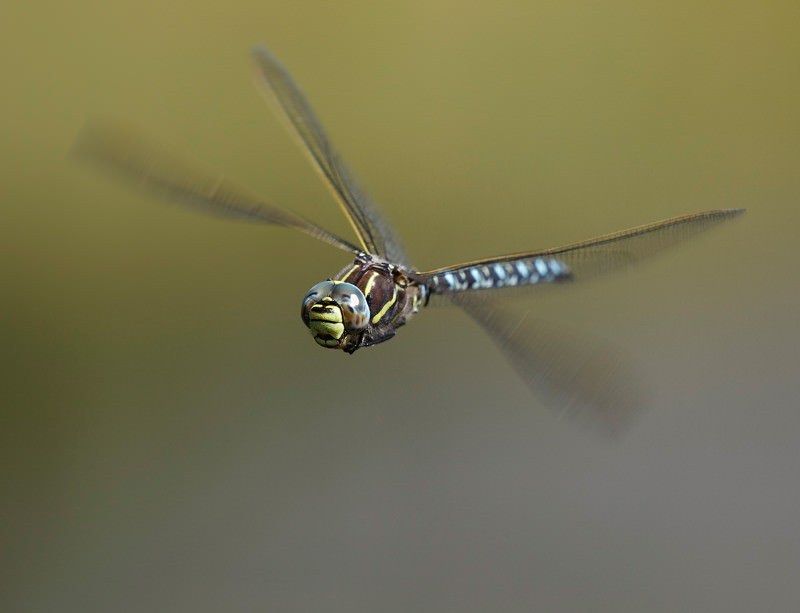
Adult dragonflies are highly skilled aerial hunters that intercept moving prey in midair, adjusting their flight path with a precision that most flying insects cannot match.
Research from UC Davis shows they predict where a target will be rather than simply chasing it, which is why they connect so often when they do commit to a strike.
Mosquitoes are on the menu, but they are not the only item.
Adult dragonflies pursue whatever small flying insects are available, including midges, gnats, small flies, and sometimes even other dragonflies.
University of New Hampshire Extension notes that adult dragonflies tend to concentrate on whichever prey is most abundant at a given moment, not on mosquitoes specifically.
So what does that mean for your yard?
One dragonfly cruising your garden adds a real, if modest, layer of natural pressure on flying insects.
It does not provide predictable mosquito control for a cookout or an evening on the porch.
Think of it less like a hired exterminator and more like a neighbor who occasionally borrows your garden hose, genuinely helpful, but not a substitute for your own water bill.
Penn State Extension frames dragonflies as one piece of a larger backyard ecology, not a stand-alone fix.
Leaving them alone costs you nothing and supports that ecology.
That alone is reason enough to lower the swatter.
The 95 Percent Figure Needs a Correction
The 95 percent number has been repeated so many times it feels like a settled fact.
But what it actually measures is capture success in specific prey-hunting studies, meaning the share of observed attack attempts that ended with the dragonfly catching something.
That is a very different thing from saying a dragonfly removes 95 percent of the mosquitoes it encounters in your backyard.
Capture success varies considerably depending on the dragonfly species, the type of prey, the prey’s size, how fast it flies, and the conditions of the hunt.
A peer-reviewed study in Integrative and Comparative Biology found that success rates shifted with all of those factors, and a separate review published in PLOS ONE reported a range of roughly 83 to 97 percent for some perching dragonfly species under observed conditions.
Those are impressive numbers, but they come from controlled or closely watched hunting situations, not from a dragonfly patrolling a suburban lawn on a humid July evening.
Capture success also does not tell you how often a dragonfly chooses a mosquito over other available prey, how many mosquitoes it even sees in a given hour, or whether the mosquito population in your yard goes down as a result.
A batting average tells you how often a batter connects when they swing, not how many pitches they see or how many runs score.
The honest takeaway is that dragonflies are genuinely effective hunters when they strike, and that skill is worth respecting.
But the 95 percent figure does not translate into a measurable reduction in bites at your picnic table, and presenting it that way sets up an expectation the insect cannot reliably meet.
Adults Hunt Above Water, Nymphs Hunt Below It
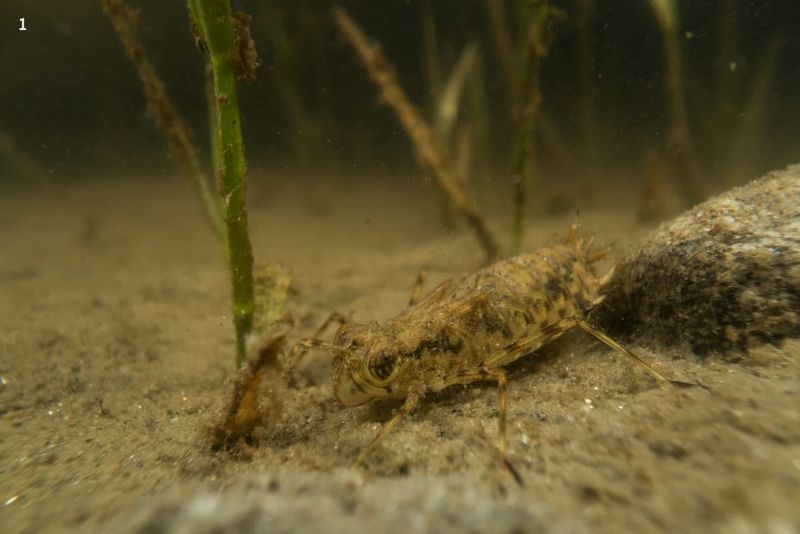
Dragonflies live two very different lives, and each stage does something useful in a different place.
The adult you see darting around your yard emerged from a nymph that spent months, sometimes years, underwater.
Depending on the species, University of Maryland Extension notes the nymphal stage can last from several months to several years before the insect crawls up an emergent stem and takes its first flight.
Adult dragonflies hunt airborne insects.
Nymphs hunt underwater, and their preferred prey includes mosquito larvae.
Those are two separate jobs happening in two separate environments, and mixing them up leads to inflated expectations for the adult you see on your porch rail.
Field evidence for adult dragonflies as mosquito predators is real but limited.
In one reviewed study, mosquito remains were detected in only 4 of 41 adult dragonflies and damselflies tested.
A separate research review concluded that more evidence is needed before adult odonates can be considered reliable mosquito biocontrol agents, because their diets shift with whatever prey happens to be available.
The stronger evidence is underwater.
A 2023 meta-analysis of 31 studies found that a single nymph consumed an average of 40 mosquito larvae per day and reduced larval populations by an average of 45 percent per day inside experimental containers.
Those results come from controlled aquatic settings, not from a backyard pond with variable conditions, and they measure larvae, not the adult mosquitoes that eventually hatch and bite you.
Still, they point to the nymph as the more consistent mosquito-control player of the two life stages.
And a related study examining odonate dietary data reinforced that adult diets are opportunistic and variable.
Supporting both life stages means supporting a healthy aquatic habitat, not just hoping the adult fliers do the heavy lifting.
Design a Pond for Dragonfly Habitat

Building a pond for dragonflies is less about hitting one magic number and more about giving the habitat variety.
Dragonflies are picky in the way that a good neighborhood is picky: they want sun, structure, clean water, and a few comfortable places to land.
Get those basics right and local species will find the water on their own.
Penn State Extension recommends a mix of submerged, floating, and emergent native plants suited to your region, along with flat stones and sticks for basking and perching.
Open sunny areas matter because dragonflies are cold-blooded and need warmth to fly and hunt.
A pond tucked entirely under a shade tree will see far less dragonfly activity than one with at least a few hours of direct sun each day.
Depth makes a difference too.
University of Maryland Extension describes at least 2 feet of depth at the center as a useful general target, which helps prevent the pond from freezing solid in winter and gives nymphs a stable environment.
Xerces Society guidelines recommend varied depths, with an edge zone roughly 8 to 20 inches deep to support emergent plants and give nymphs a gradual route to the surface.
Treat those measurements as adaptable targets, not hard rules, because species requirements vary by region.
Emergent plants, meaning those rooted in water with stems rising above the surface, do three jobs at once.
They give nymphs a climbing surface when it is time to emerge as adults, provide egg-laying spots for females, and create natural perches for adults between hunting runs.
Backyard Habitats pond guidelines also recommend taller upland shrubs or vegetation near the water’s edge to offer shelter from wind, heat, and predators.
No single plant guarantees dragonflies.
Structural diversity, shallow margins grading into deeper water, a mix of plant types, open sun, and a few good perches, does far more than any one species planted alone.
Keep Water Features From Becoming Mosquito Sources
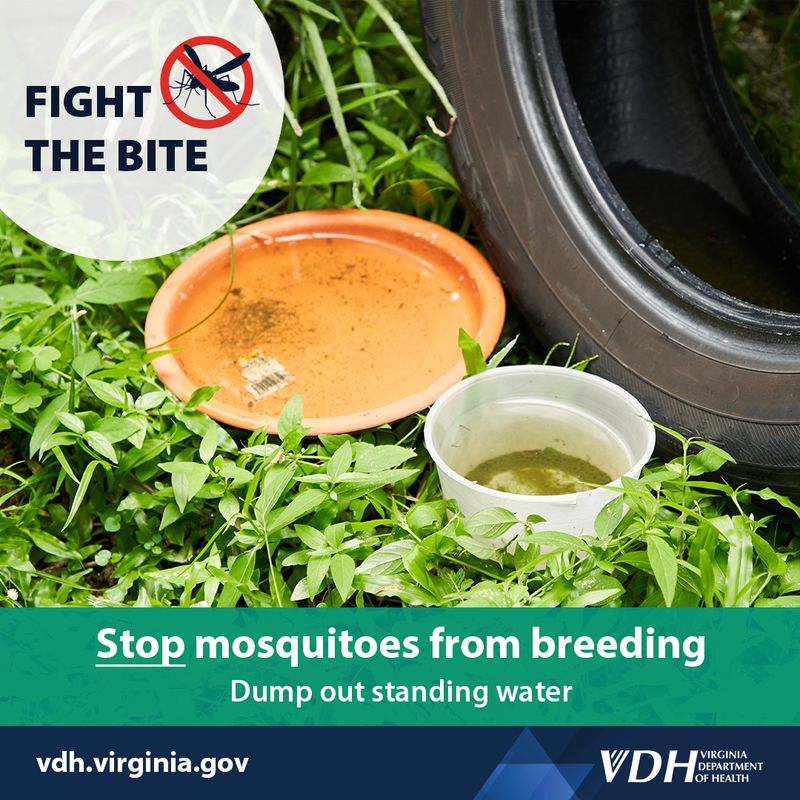
A well-designed dragonfly pond and a forgotten bucket of rainwater are not the same thing, even though both hold water.
Mosquitoes can complete their entire larval development in a surprisingly small amount of still water, and they do not wait for an invitation.
Common breeding spots that catch homeowners off guard include plant saucers, clogged gutters, children’s toys, birdbaths, old tires, tarps with pooled water, and rain barrels without tight covers.
CDC guidance on home mosquito control recommends emptying and scrubbing, turning over, covering, or discarding any item that holds water at least once every seven days.
That weekly reset breaks the mosquito breeding cycle before adults emerge.
A properly designed pond with aquatic vegetation, varied depth, and a developing community of predators is a different situation from a stagnant decorative container sitting in the sun with no ecological structure.
Do not add buckets, saucers, or small tubs of water to your yard thinking they will attract dragonflies.
They are far more likely to produce mosquitoes first.
For water you cannot drain or cover, such as a rain barrel you actively use or a low-lying area that stays wet, the CDC recommends using labeled larvicides according to product directions.
Products containing Bacillus thuringiensis israelensis, known as Bti, target mosquito larvae specifically.
CDC information on Bti confirms it can be used safely when applied as directed, and it does not harm dragonfly nymphs or other beneficial aquatic insects.
EPA integrated mosquito management guidance supports source reduction as the first line of defense, with larval control as the logical next step for water that must stay.
Dragonfly habitat and mosquito source reduction work together, not against each other, when you design both with intention.
Skip Releases, Fish Stocking, and Gimmicks

Once people learn that dragonfly nymphs eat mosquito larvae, the next logical question is whether you can just buy some and drop them in.
The short answer is no, and not only because it would be difficult to find them.
NC State Extension’s biological control resource confirms that dragonflies are not sold commercially as pest control agents.
Releasing organisms you source informally can also create legal complications or introduce problems into a local ecosystem.
Fish are a more tempting option, since some small fish species do eat mosquito larvae.
But fish can also eat dragonfly nymphs, aquatic invertebrates, and other pond wildlife that you are trying to support.
UNH Extension advises following your state’s regulations before introducing any fish to a backyard water feature, and local fish and wildlife guidance is the right place to start, not a general article or a pet store recommendation.
On the gadget side, ultrasonic repellent devices marketed as mosquito solutions are not supported by reliable evidence.
UNH Extension says they are ineffective.
Bug zappers present a different problem: they attract and kill many harmless and beneficial flying insects, including moths, beetles, and midges, without reliably reducing mosquito populations, because mosquitoes are not strongly attracted to ultraviolet light.
Dragonfly decoys and citronella plants also fall short as mosquito-control tools.
Penn State Extension focuses on habitat structure, not decorative accessories, as the meaningful way to support local dragonfly populations.
Save the money you would spend on a plastic dragonfly stake and put it toward a native emergent plant for the pond edge instead.
Know When Dragonflies Cannot Help Much
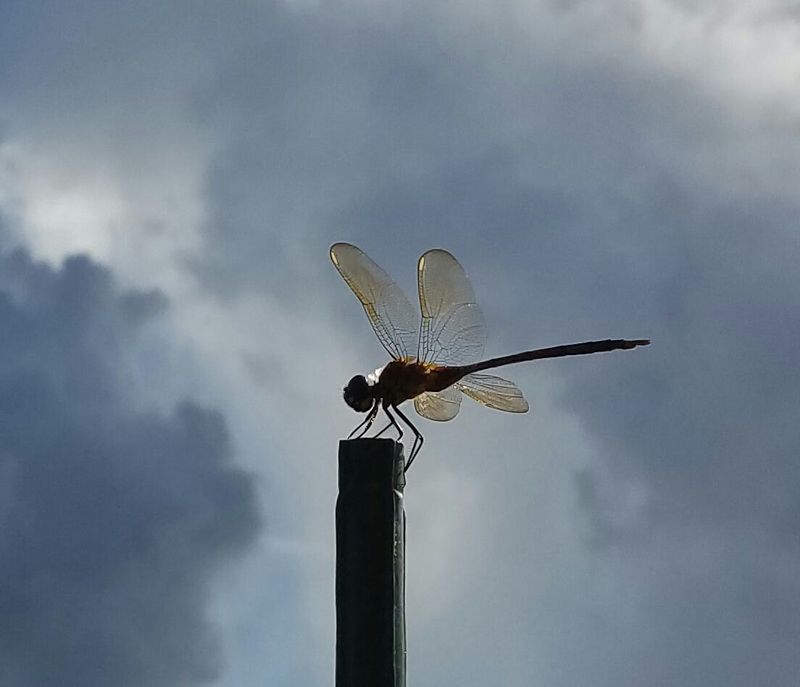
Dragonflies have a schedule, and it does not always overlap with yours.
Most species are daytime flyers that need warmth to get airborne and stay active.
Before the morning sun heats things up, you will not see many of them.
After the light fades in the evening, they are largely grounded for the night.
Mosquitoes, by contrast, often peak at dawn and dusk, stay active through shaded and humid areas during the day, and some species bite through the night.
UNH Extension notes that most dragonflies are daytime hunters while many mosquito species are active at different hours, which means the two rarely overlap as much as the mosquito-control narrative suggests.
Dragonflies also do not fly in rain, which is exactly the kind of warm, humid, post-storm evening when mosquitoes thrive.
Prey selection adds another limit.
Dragonflies hunt whatever suitable prey is available and profitable at that moment.
On a summer afternoon with clouds of midges over the water, a dragonfly may spend most of its time eating midges.
Mosquitoes are available prey, but they are not a targeted priority.
Ask Extension resources and University of Maine Cooperative Extension IPM guidance both frame habitat improvements as a long-term ecological benefit rather than a guaranteed reduction in bites at a specific patio.
Building dragonfly habitat makes your yard more biodiverse and adds one real layer of natural insect pressure over time.
But expecting that habitat to protect your cookout guests on a muggy August evening, when dragonflies are done for the day and mosquitoes are just getting started, is asking more than the science supports.
Use Proven Protection for the Cookout

When the burgers go on the grill and the sun drops below the fence line, dragonflies are not your first line of defense anymore.
That is when proven personal protection steps in, and the options are well-tested and straightforward.
CDC guidance on mosquito prevention recommends EPA-registered repellents with active ingredients including DEET, picaridin, IR3535, oil of lemon eucalyptus, para-menthane-diol, and 2-undecanone.
All of those have been reviewed for safety and effectiveness.
One important note for families: oil of lemon eucalyptus and para-menthane-diol should not be used on children under 3 years old.
Check the product label and follow the directions for age-appropriate use.
Clothing helps more than most people give it credit for.
Long sleeves and pants in light colors, especially during peak mosquito hours at dawn and dusk, reduce exposed skin without requiring any product at all.
Screens on porches and windows, and physical barriers around outdoor dining areas, add another layer that works regardless of wind, humidity, or how many dragonflies happen to be nearby that evening.
EPA integrated mosquito management supports a layered approach: source reduction first, larval control for water that must remain, targeted chemical controls when disease transmission or severe infestations make them necessary, and personal protection as the reliable last line.
Broad-spectrum pesticide sprays applied unnecessarily can harm beneficial insects including dragonflies, so the goal is precision and purpose, not a blanket treatment of the whole yard.
Keep eliminating standing water weekly.
Use Bti in water you cannot drain.
Reach for a repellent with a CDC-listed active ingredient when you head outside at dusk.
And when a dragonfly skims past your shoulder on a warm afternoon, let it go.
It is doing its part, and now you know exactly how much that part is worth, and how to fill in the rest yourself.
The yard works best when the wild things and the practical things are both given room to do their jobs.