
The Flower Seeds North Carolina Gardeners Sow Before September Ends For Spring Color
Follow us on Google
You drag your patio chair into the last of the late August shade, cicadas buzzing, the first cool edge sneaking into the morning air. A thought sneaks in with it: what if next spring your garden woke up loud with color while everyone else is still shopping for seeds?
Here in North Carolina, that head start is real, and the window closes when September ends. These are the flower seeds to scatter now so cool soil and a mild winter do the heavy lifting for you.
1. Larkspur Seeds Get A Head Start In Cool Soil
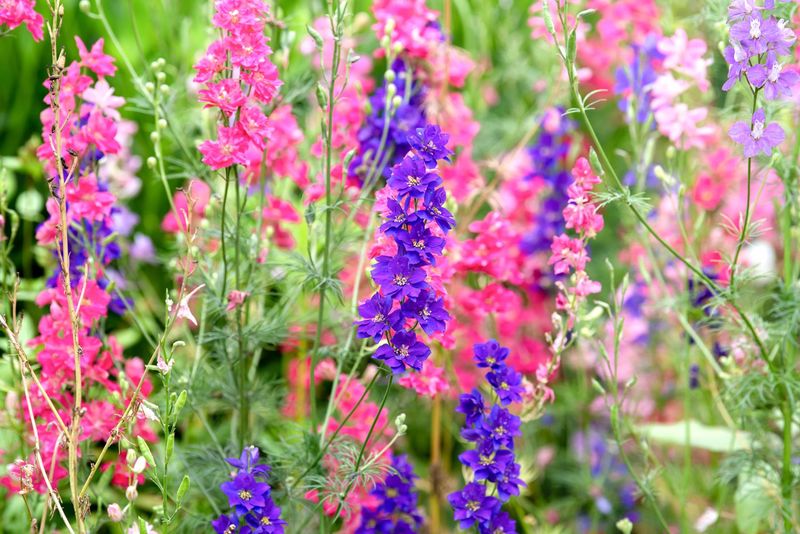
Planting a delicate flower in the fall sounds like begging for trouble. But larkspur (Consolida ajacis) is genuinely the exception, and most folks are surprised it prefers a chilly start.
Here is where it gets tricky. Larkspur seeds want cool soil to sprout.
Plant them in summer heat and they sulk. Wait until deep winter and the mountain ground freezes them out.
The plant has a stubborn internal clock, and cold is the key that turns it.
So sow them in late September, directly into well-draining soil in full sun. Do not bury them.
A quarter-inch of cover is plenty. You can chill seeds in the fridge for a few weeks first to nudge germination along.
In the warmer Coastal Plain, zones 8a to 8b, blooms can stretch from early spring right into summer.
Then comes the payoff. Sturdy green stalks push up in very early spring, and by late spring you have spikes of purple, pink, and white reaching 3 feet tall.
They cut beautifully for the kitchen table.
One honest warning. Larkspur is poisonous, so keep the seeds and plants away from curious kids and pets.
2. Bachelor’s Buttons Pop With Early Spring Blue
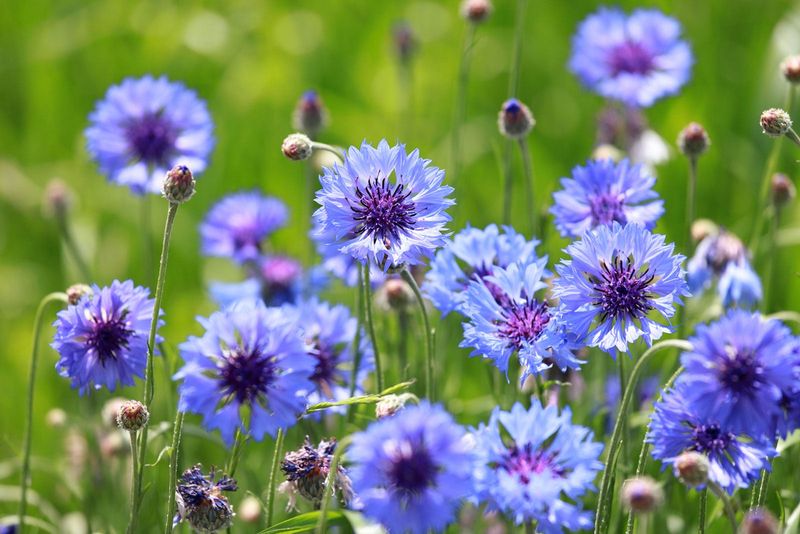
There is nothing quite like true blue in a garden, and bachelor’s buttons (Centaurea cyanus) deliver it while other annuals are still asleep.
The usual assumption is that every annual must wait for the last frost. Not these.
Bachelor’s buttons are hardy annuals, which means they shrug off light frost and even some freezing weather without dying back.
Scatter the seeds now, before September closes. Pick a sunny spot with well-draining, slightly alkaline soil.
Many Piedmont gardeners work compost into their red clay to loosen it and lift the pH. Sow about a quarter-inch deep and space plants roughly 6 inches apart for a full stand.
The cool soil builds strong roots over winter, so the plants do not bolt the moment a warm spell hits in March. They overwinter across North Carolina, generally zones 6a to 8b, as long as roots settle in before the hardest cold.
Then the reward arrives. An early flush of blue, pink, and white, some of the first color to greet waking bees in your backyard.
You will feel a quiet pride knowing you set that in motion back in the muggy tail of summer.
3. Poppies Bring Whimsical Color To The April Breeze
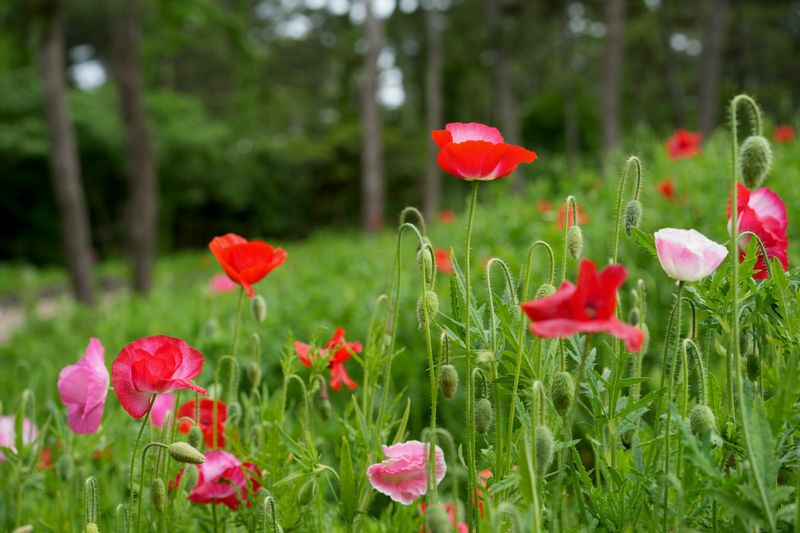
Those dreamy fields of poppies swaying in the breeze look impossible to copy at home. Many gardeners assume poppies are fussy or only grow wild.
Here is the turn. Several poppy types, including Papaver rhoeas and Eschscholzia californica, are perfect for direct fall sowing in North Carolina.
They live for the mimic-nature approach.
Poppies hate being moved, so direct sowing is genuinely the only good way. In late September, prepare a bed in full sun with well-drained soil.
Lightly rake the surface, sprinkle the tiny seeds evenly, then press them in with the back of a rake or your shoe. Do not cover them deeply.
These seeds need light to germinate, so barely-there is exactly right.
Fall rains and winter chill handle the cold stratification for free. The sandy soils of the Coastal Plain suit them well, and Piedmont beds work too as long as water drains.
The kicker comes on a mild spring morning when tissue-paper blooms unfurl overnight. And many poppies self-seed, so next year the show gets a little wilder without you lifting a finger.
4. Violas And Johnny Jump-Ups Offer Months Of Delight
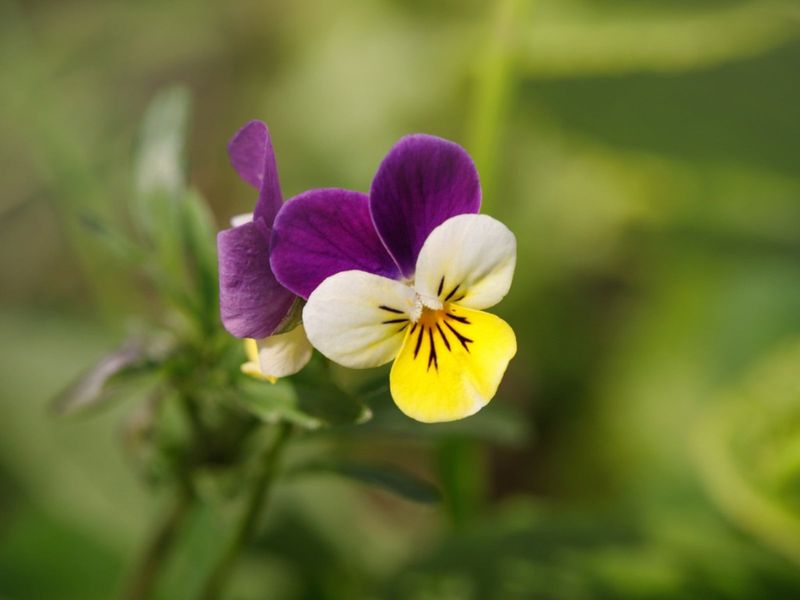
Most people treat violas as a quick early-spring thing and then move on. That sells them short.
Violas (Viola cornuta) and their cousins the Johnny Jump-Ups are wildly cold-tolerant. They can flower in fall, keep going off and on through a mild winter, then explode into a heavy flush come spring.
Your garden does not have to go dark until March after all.
Sow the seeds in September. They want plenty of sun to build roots but will accept a little shade.
Give them well-drained soil, which matters most if you sit in a low spot or wrestle with the dense red clay common across central North Carolina. Scatter the small seeds, cover them lightly, and keep the ground moist until they sprout.
After that, fall rains take over.
Up in the cooler mountains, zones 6a to 7a, they hunker down and bloom earlier in spring. Down in the Coastal Plain, zones 8a to 8b, you might get flowers straight through winter.
The payoff is months of sweet little faces smiling up from borders, pots, and rock-garden crevices, feeding early pollinators when almost nothing else is open.
5. Snapdragons Stand Tall For Extended Spring Blooms
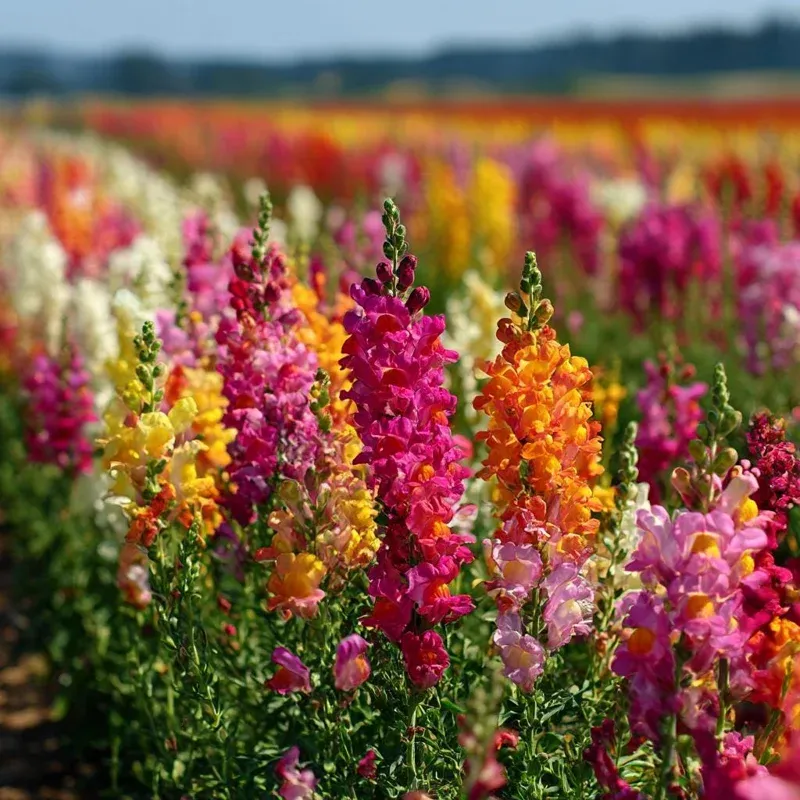
Snapdragons (Antirrhinum majus) frustrate a lot of gardeners. Start them in spring and you get a short, disappointing run once the summer heat rolls in.
The fix is a change of timing, not a change of plant. Snapdragons are hardy annuals that shine when handed a long, cool growing stretch.
Sow the seeds in early September and let them settle roots before the cold.
They tolerate light frost, and in milder North Carolina zones they may even bloom sporadically through winter before a big spring show. Plant in well-drained, moist soil, full sun to partial shade.
Give them room, since some varieties stretch 24 to 30 inches tall.
Here is a bonus. Along the coast, snapdragons often behave like short-lived perennials rather than one-season annuals.
Fall planting lets them build the deep root system that fuels that impressive spring surge.
The reward is towering spires of color, sometimes arriving before March fully lands. The dragon-mouth blooms are conversation starters, and they cut for the vase all season long.
You will have arrangements ready while other yards are still bare.
6. Calendula Radiates Sunshine Through The Cool Season
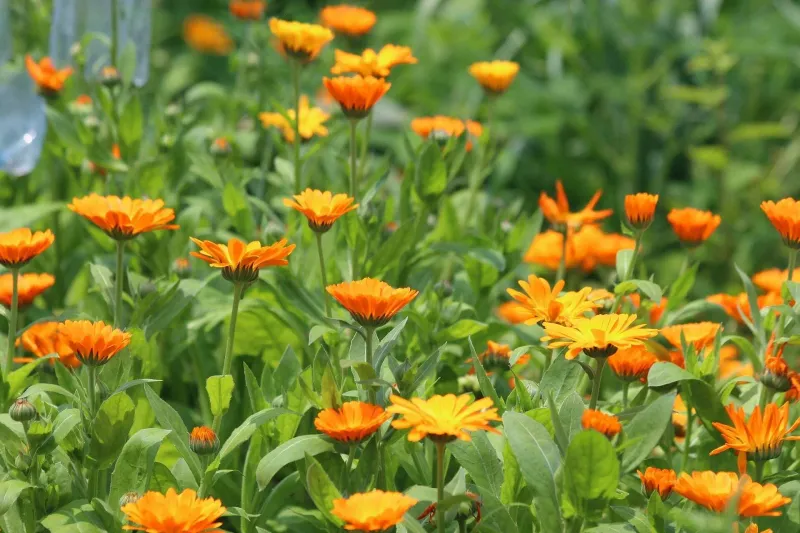
Bright orange and yellow flowers seem like they should crave summer warmth. Calendula (Calendula officinalis), sometimes called pot marigold, breaks that expectation.
It is another hardy annual that genuinely loves cool weather and shrugs off light frost. That makes it a workhorse for North Carolina gardeners sowing before September ends.
Direct sow the seeds where you want them to grow, because calendula, like poppies, dislikes being transplanted. Choose full sun and well-drained soil.
Lightly rake, scatter the seeds, and cover them with about a quarter-inch of soil. Autumn rains keep things moist while cool temperatures spark germination and root building.
The method works everywhere, from the sandy Sandhills to the richer loams of the Piedmont.
Come early spring, you get cheerful blooms that look like little suns scattered across the bed. And here is the fun part.
Calendula petals are edible, bright confetti for a salad or a plate garnish.
You will be harvesting your own edible flowers while half the neighborhood is still deciding what to plant.
7. Sweet Peas Climb Toward A Fragrant Spring
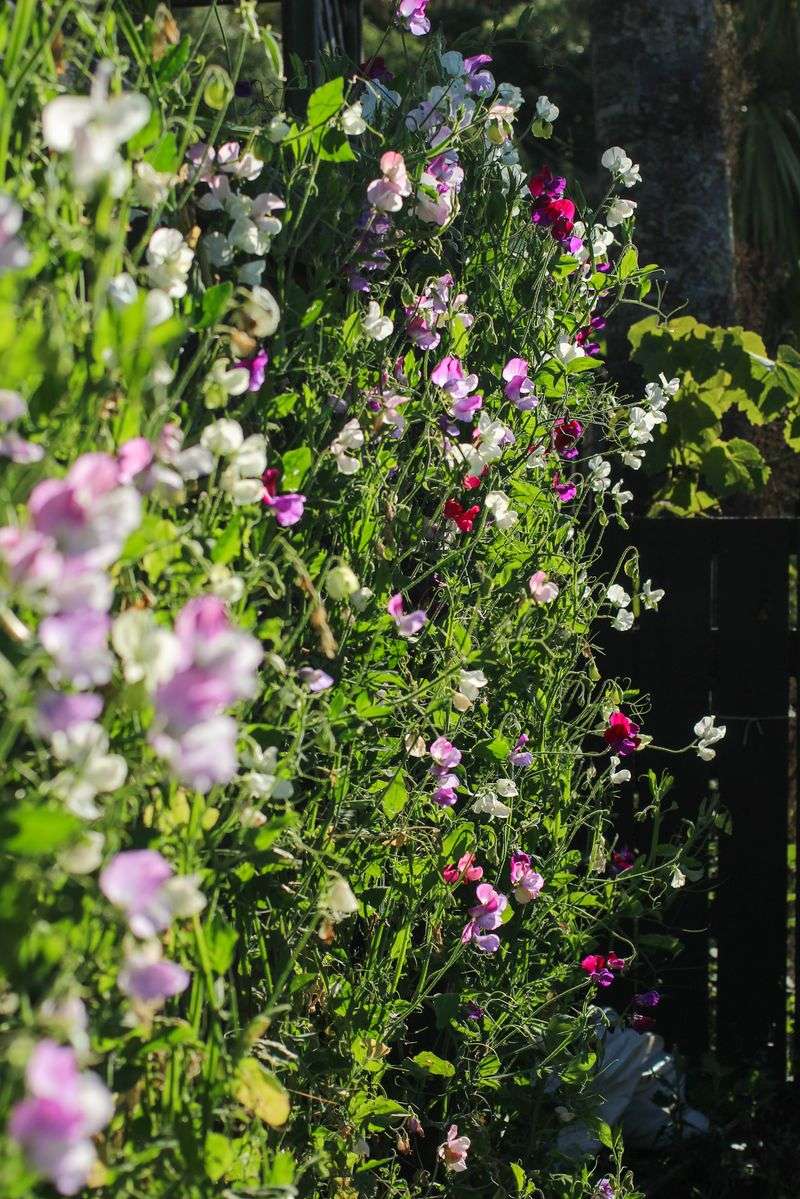
Few flowers smell as good as sweet peas (Lathyrus odoratus), and few reward a fall sowing more clearly here.
The catch most people miss is that sweet peas resent heat. Plant them in spring and they barely get going before a warm snap shuts them down.
A cool head start changes everything.
Sow the seeds in late September along a fence or trellis in full sun with rich, well-drained soil. Soak the hard seeds overnight first to soften the coat and speed sprouting.
Plant them about an inch deep and 3 inches apart. In milder Piedmont and coastal zones, they overwinter as small plants and take off early.
In the mountains, a heavy mulch layer helps them ride out the cold snaps.
As the vines climb, pinch the tips when they reach about 6 inches to push bushier growth and more flowers.
The payoff is a spring wall of pastel blooms and a scent that stops you on the porch steps. Cut them often, since the more you snip, the more the vine keeps giving.
Note that sweet pea seeds are not edible, so keep them off the plate.
8. Nigella Sows Itself Into A Blue Spring Haze
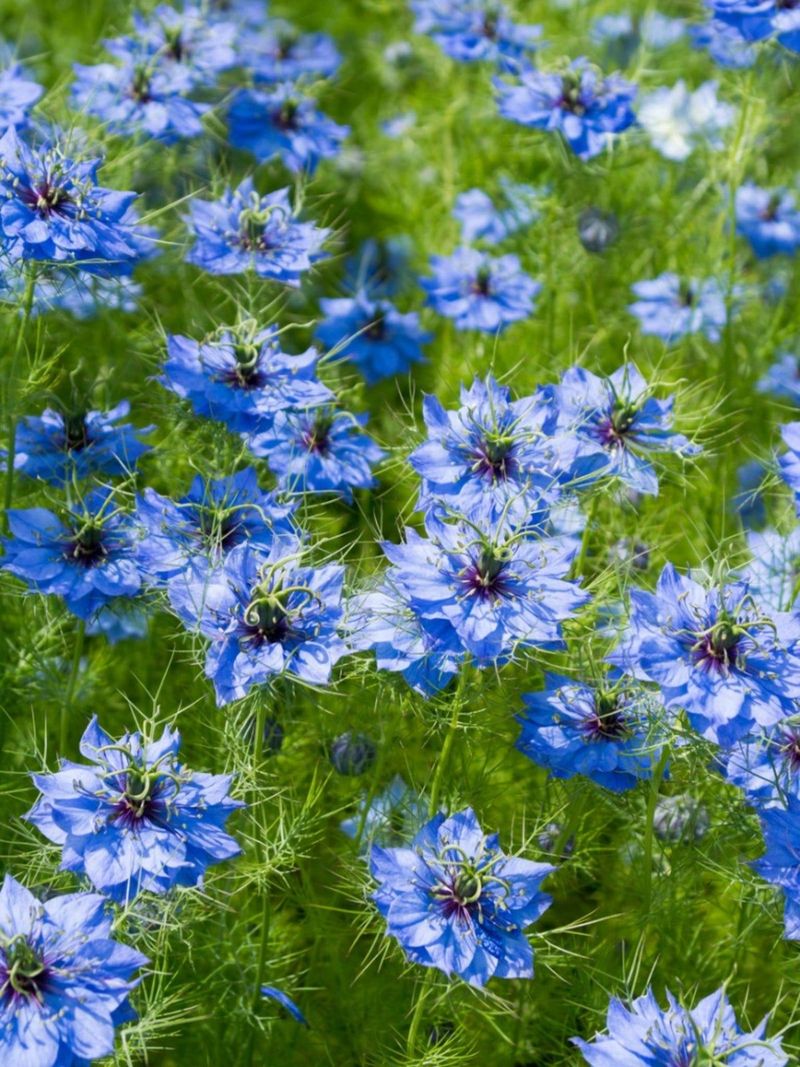
Love-in-a-mist (Nigella damascena) earns its nickname with a haze of blue flowers floating over feathery, fern-like foliage. It looks fragile and behaves like anything but.
Nigella is a hardy annual that shrugs off cold and germinates best from a fall scatter. It also hates being moved, so direct sowing is the honest way to grow it.
Before September ends, prepare a sunny bed with well-drained soil and rake it lightly. Sprinkle the seeds where you want them and barely cover, about an eighth of an inch.
Fall rains and winter chill settle them in, and they need very little fuss from you. It performs cheerfully across North Carolina, from the Piedmont clay to sandy coastal beds, provided water drains.
Spring brings drifts of blue that read almost like a mist across the border. Then the flowers fade into papery, balloon-like seed pods that look striking in dried arrangements.
The best kicker is what happens next. Nigella self-seeds readily, so once you plant it, it tends to return on its own year after year, quietly filling gaps you forgot you had.
9. Purple Coneflowers Build Future Beauty Underground
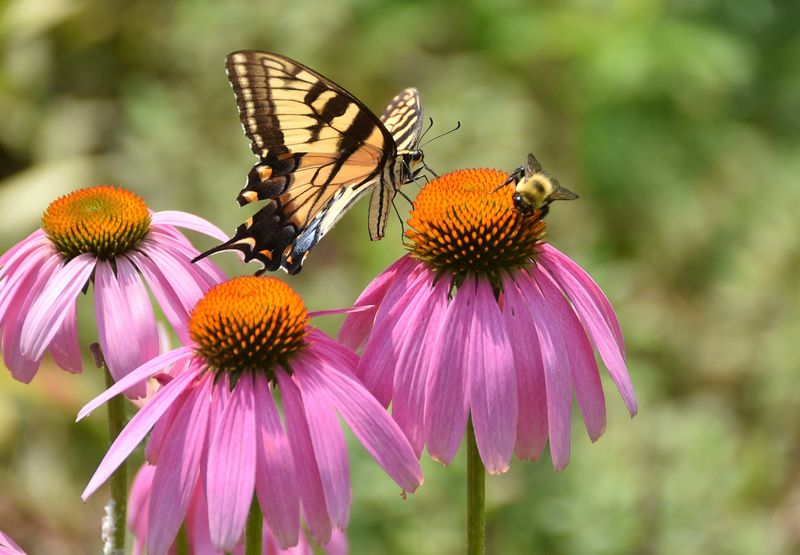
Purple coneflower (Echinacea purpurea) plays a longer game than the others, and it is worth the patience.
You might want instant spring color, or assume perennials wait until spring to plant. Here is the turn.
Many native perennials need a stretch of cold to break dormancy and sprout reliably. Fall sowing hands them that chilling naturally.
Direct sow the seeds in late September in a sunny spot with well-drained soil. This native thrives statewide, from the mountains to the coast, adapting even to heavy Piedmont clay as long as drainage holds.
You likely will not see a mass of blooms that first spring. Instead the plant spends year one building a deep, tough root system, the roots-before-shoots strategy at work.
By the following late spring and summer, though, you get sturdier plants loaded with those iconic pinkish-purple, cone-topped flowers.
And the payoff keeps giving. Coneflowers feed butterflies and bees all summer, then leave sturdy seedheads that carry songbirds through fall and winter.
NC State Extension champions native perennials like this for exactly that reason. You are not just planting color, you are handing next year and the years after a yard that hums with life you helped set in motion.