
The Low-Water Shrub North Carolina Homeowners Grow Instead Of Fussy Oleander
Follow us on Google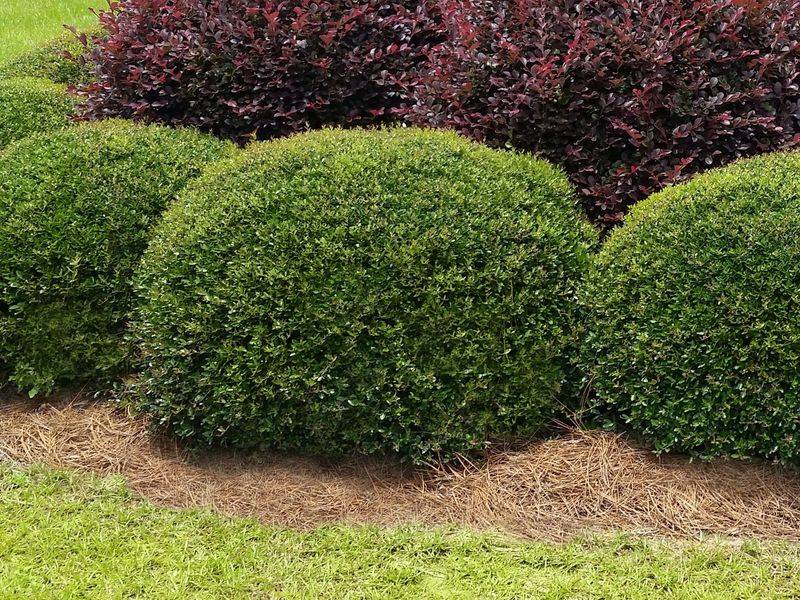
Plenty of Carolina yards have a shrub that looks great in the nursery tag photo but turns into a family safety concern the moment kids and dogs start exploring the beds. Oleander is one of those plants, gorgeous and tough in the right spot, but carrying a toxicity level that gives a lot of homeowners pause.
Dwarf yaupon holly (Ilex vomitoria) gives Coastal Plain and Piedmont gardeners most of what makes oleander appealing, evergreen color, drought grit, and clean structure, without the severe whole-plant poison risk. It is not a perfect swap in every yard, but for a lot of North Carolina homeowners, it is genuinely the better fit.
Dwarf Yaupon Holly Fits Many Carolina Yards
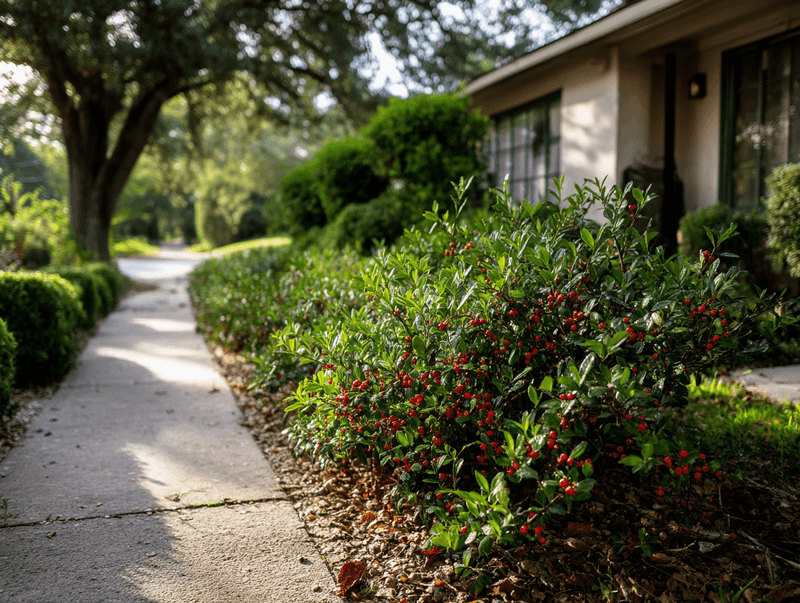
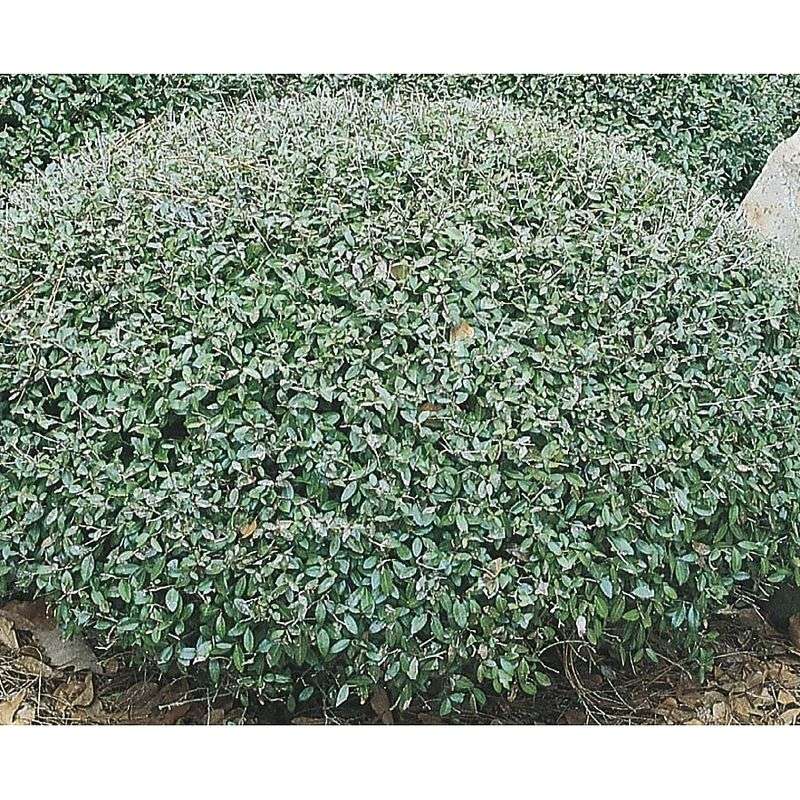
Compact, evergreen, and native to the eastern United States, dwarf yaupon holly (Ilex vomitoria) is the shrub quietly doing the heavy lifting in foundation beds and patio borders across the Piedmont and Coastal Plain. Many homeowners first notice it because it holds its dark green leaves through a February cold snap without flinching, and then they realize it also shrugged off last August’s dry stretch without a single deep watering from the hose.
According to NC State Extension’s plant profile for dwarf yaupon holly, the shrub tolerates drought, salt spray, occasional flooding, full sun to partial shade, clay, sand, loam, and heavy pruning. That list reads like a checklist for surviving a Carolina summer on the coast or a Piedmont slope with red clay six inches down.
Mature size lands around 3 to 5 feet tall and 3 to 6 feet wide, which is the right footprint for a foundation planting, a low border along a walkway, or a patio edge where you need structure without bulk.
The reason dwarf yaupon comes up as a practical substitute for oleander is not that it matches oleander flower for flower. Oleander produces large, showy blooms from late spring through late summer, and yaupon’s flowers are small, greenish-white, and easy to miss.
The comparison is really about landscape function: evergreen foliage, drought endurance after establishment, tolerance for coastal conditions, and a compact shape that fits a real residential yard.
The dwarf form is the one that matters here. The standard species, covered in a later section, can reach 10 to 20 feet tall and behaves more like a small tree or tall screen.
For patios, foundation beds, and borders, the dwarf cultivar is the credible choice, and it is a genuinely useful one for a lot of North Carolina yards.
Oleander’s Beauty Comes With Serious Toxicity
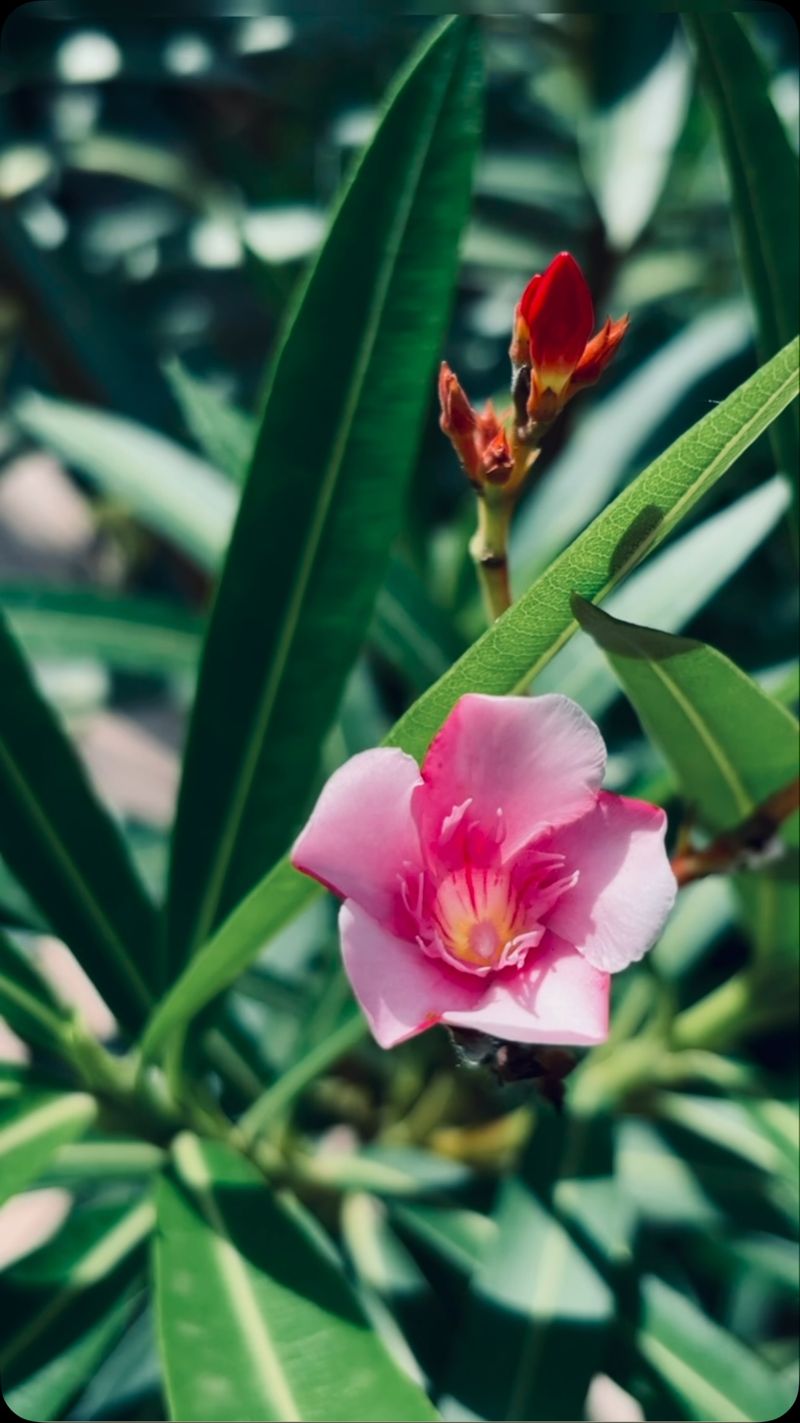
Oleander (Nerium oleander) earns its place in warm-climate landscapes honestly. It handles drought, heat, salt air, and coastal wind with the kind of quiet toughness that makes gardeners in Wilmington and the Outer Banks keep reaching for it at the nursery.
The flowers are genuinely beautiful, and the plant can grow into an impressive screen or specimen shrub where winters stay mild.
The problem is not maintenance. NC State’s plant profile for oleander classifies it as highly poisonous and notes that the plant is intolerant of temperatures at or below 32 degrees Fahrenheit, which is a real limitation for Piedmont yards where January cold snaps arrive without much warning.
Beyond cold sensitivity, the toxicity concern is serious enough to reshape how a homeowner thinks about the whole planting.
Every part of the plant, fresh or dried, is considered hazardous to animals. Merck Veterinary Manual identifies oleander as one of the most toxic ornamental plants to animals, with documented risk from ingestion of even small amounts.
NC State also warns specifically against burning oleander clippings because the smoke itself can cause injury. That warning matters in fall cleanup season, when yard debris piles up and outdoor fire pits get used.
Switching to dwarf yaupon lowers the toxicity risk profile in a meaningful way, but it does not eliminate plant safety concerns from the yard entirely. Yaupon has its own berry caution, which gets its own section.
The honest framing is that yaupon is a lower-risk alternative to oleander, not a risk-free shrub, and that distinction matters before any plant goes into the ground near kids, dogs, or a fire pit.
Choose The Right Yaupon Size
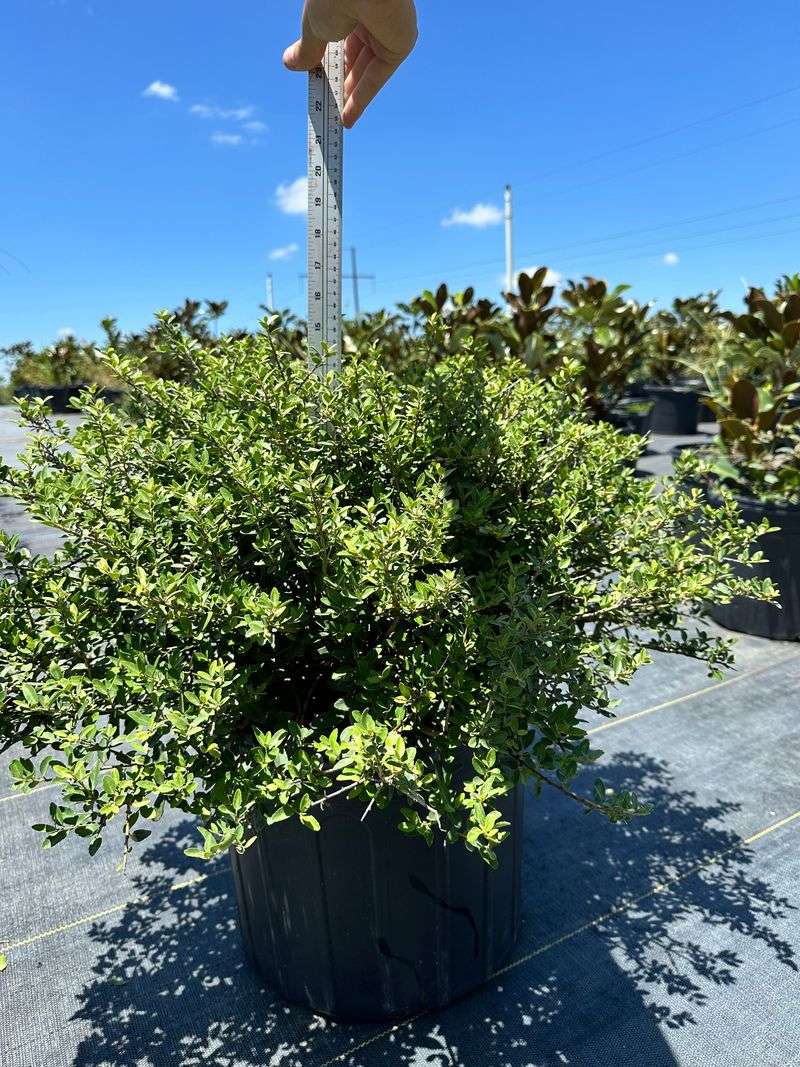
Here is where it gets tricky for a lot of shoppers. Walk into a nursery and ask for yaupon holly, and you might leave with a plant that tops out at 15 feet tall and sends up suckers across a 10-foot radius.
That is the standard species (Ilex vomitoria), and it has its place in the landscape, just not in a foundation bed or beside a porch railing.
NC State’s profile for standard yaupon holly lists a mature size of roughly 10 to 20 feet tall and 8 to 12 feet wide. That is a tall screen, a windbreak, or a small multi-stem tree, not a compact patio shrub.
If you need a living wall between your yard and a neighbor’s driveway, standard yaupon can actually do that job well. But if you want something that stays tidy at knee to chest height without constant cutting, you need to ask specifically for the dwarf form and verify the cultivar name on the tag.
Dwarf yaupon holly matures at approximately 3 to 5 feet tall and 3 to 6 feet wide. Spacing between plants depends on the cultivar and the look you want.
Based on that mature width, placing dwarf plants about 3 to 6 feet apart is a reasonable starting point, not an official universal rule, but a practical inference. Plant them closer if you want a faster visual hedge, farther apart if you prefer individual rounded shrubs with breathing room between them.
Before you pay for any plant, ask the nursery staff to confirm the cultivar name, the expected mature height and width, and whether the plant is male or female. That last detail matters for berries, which is covered in a later section.
Knowing exactly what you are buying saves a lot of digging and relocating two summers from now.
Low Water Starts After Establishment
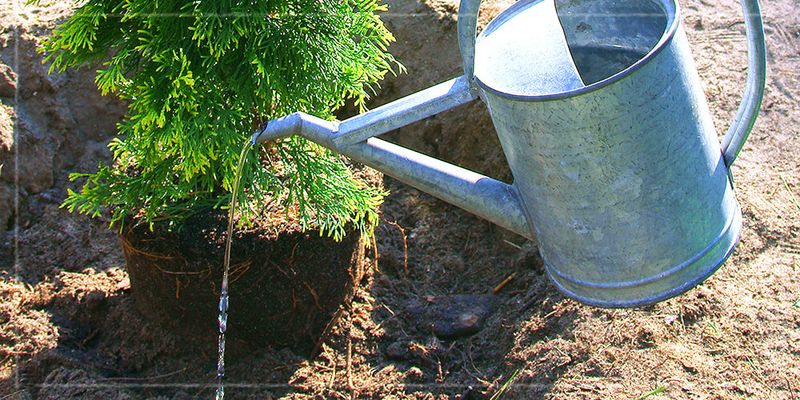
Drought tolerant does not mean drought proof on day one. A freshly planted dwarf yaupon sitting in a Piedmont bed in late June is still a stressed plant with a root ball the size of a soccer ball trying to push into dry red clay.
That shrub needs you more than it will in two years, and skipping the establishment watering is the fastest way to lose a plant that would otherwise have thrived on neglect.
Water thoroughly at planting, soaking the root zone completely rather than just wetting the surface. Then keep the soil consistently moist during the first three months or until the roots have had a chance to spread beyond the original ball.
NC State Extension’s guidance on woody ornamentals notes that plants whose moisture needs match local rainfall may need little supplemental irrigation after the first year, except during periods of extreme drought. That is the payoff, but it comes after establishment, not before.
Frequent, shallow watering is actually worse than no watering at all in the long run. It trains roots to stay near the surface, which makes the plant more vulnerable when a real dry stretch hits in August.
Water deeply and less often, letting the soil dry slightly between sessions. Apply organic mulch around the base of the plant but keep it away from the stems themselves.
Mulch conserves soil moisture, moderates soil temperature, and slows weed growth, all things that help a new shrub settle in faster.
Locations beside pavement, foundations, or under the canopy of mature trees may demand more water because those spots intercept rainfall or compete hard for what does reach the ground. Reduced supplemental watering after establishment is a real benefit of this shrub, but the outcome depends on the site, the summer, and whether the plant got a solid start.
Match The Shrub To Sun Soil And Cold
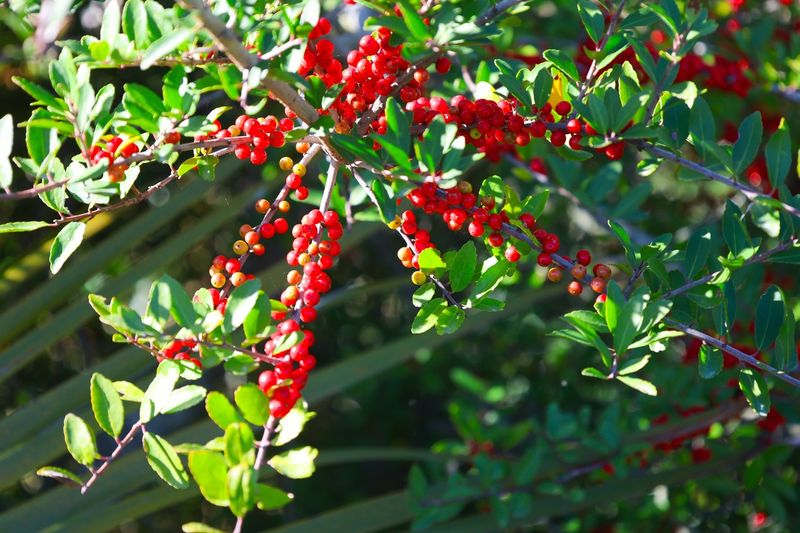
Most Piedmont and Coastal Plain yards can grow dwarf yaupon without a lot of soil engineering. Full sun to partial shade suits it well, and NC State’s data confirms tolerance for clay, sand, loam, acidic soil, and neutral soil.
That flexibility covers a lot of ground, literally, from the sandy lots behind the dunes in Brunswick County to the compacted red clay in a Wake County subdivision.
Drainage still matters, even for a tolerant plant. A bed that pools water after every rain and stays saturated for days is a problem regardless of how tough the shrub is.
If your foundation bed has heavy clay and no slope to move water away, improving drainage before planting will do more for long-term plant health than any fertilizer or amendment after the fact.
For coastal yards, yaupon’s credentials are particularly solid. North Carolina Sea Grant describes yaupon as adapted to strong sun, wind, dry sandy soil, and salty air and water, which covers the conditions that stress most ornamental shrubs within a few miles of the Atlantic.
That combination of tolerances is a genuine advantage for homeowners on the Outer Banks or along the Crystal Coast who want something evergreen that does not need coddling after a hurricane blows through.
Cold hardiness is where geography starts to matter more. NC State lists dwarf yaupon for the Coastal and Piedmont regions, with a hardiness range of zones 7a through 9b.
If you are gardening in the North Carolina mountains, your hardiness zone may fall below that threshold, especially in a frost pocket or on an exposed north-facing slope. The USDA Plant Hardiness Zone Map lets you look up your exact ZIP code before you buy, and that five-minute check is worth doing if you live west of Statesville or Morganton.
Prune For Shape Without Over-Shearing
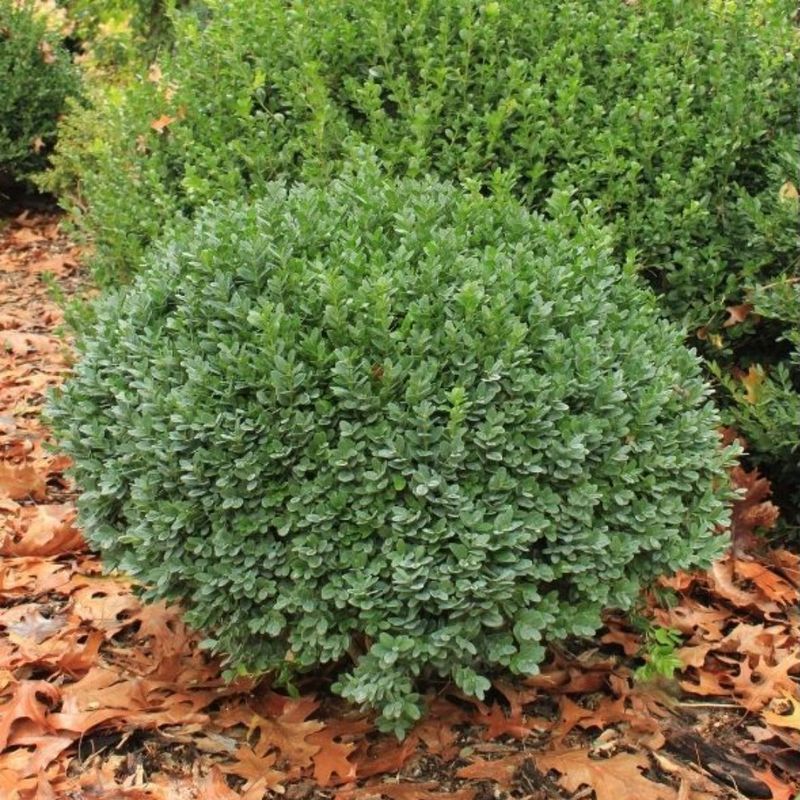
Dwarf yaupon’s reputation as a low-maintenance shrub is well earned, but low maintenance does not mean zero maintenance. Most dwarf forms hold a naturally rounded, compact shape without much help, which is one of the reasons they work so well in formal foundation plantings and along walkways where you want clean lines without a lot of fuss.
When shaping is needed, resist the urge to run the hedge trimmer around the outside every few weeks. University of Georgia Cooperative Extension’s pruning guidance cautions that repeated shearing produces a dense outer shell with sparse, weak growth inside.
Over time, that outer shell intercepts all the light and the interior of the plant becomes a tangle of bare stems. Selective thinning, reaching in with hand pruners to remove individual branches at their origin, keeps the plant open, healthy, and actually looking better than a sheared meatball.
NC State notes that dwarf yaupon can withstand heavy pruning when it is needed, which is reassuring if a plant gets overgrown or needs a hard reset after storm damage. That tolerance is a useful safety net, not a reason to prune aggressively on a regular schedule.
The standard species is a different story. Standard yaupon can sucker and spread into thickets if left unmanaged, which becomes a real problem in a small side yard or a narrow bed between a fence and a driveway.
That suckering habit is another reason the dwarf cultivar is the better choice for most residential spaces, and why confirming the cultivar before you buy is worth the extra two minutes at the nursery counter.
Berries Support Wildlife But Need Boundaries
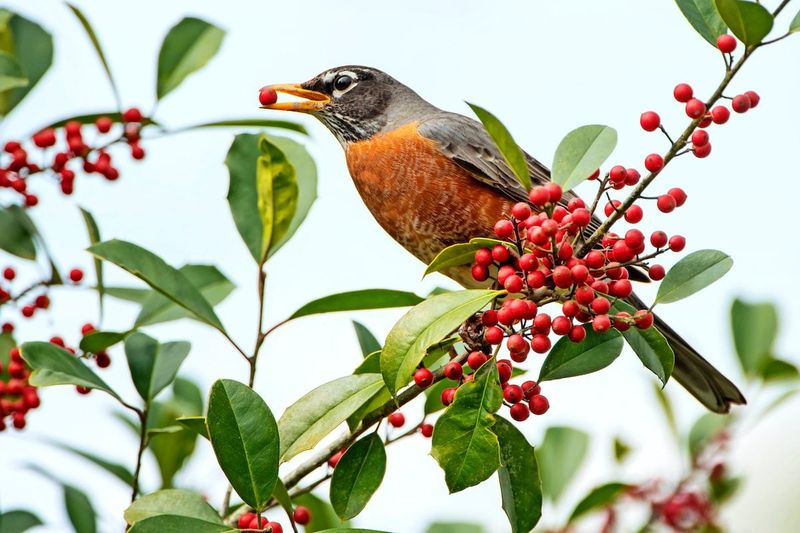
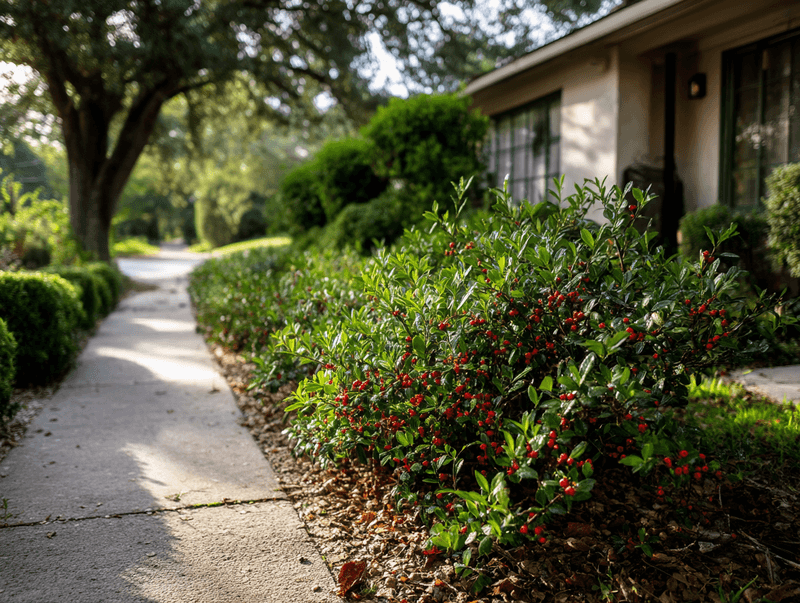
Red berries on a dwarf yaupon in December look like a gift to the yard, and for birds, they genuinely are. Yaupon flowers attract bees and butterflies during the growing season, and the small red fruits draw songbirds and small mammals through the winter months.
That wildlife connection is one of the reasons the North Carolina Forest Service includes yaupon on its urban tree and shrub list for habitat value.
A few practical details matter before you count on a berry display. Reliable fruiting requires a female plant, and it generally requires a compatible male yaupon growing nearby to provide pollen.
NC State’s dwarf yaupon profile notes that dwarf cultivars may produce fruit infrequently, so if berries are a priority, ask the nursery specifically about fruiting habit and whether you need to add a male plant to the bed. Some yards already have a nearby yaupon or other compatible holly that can serve as the pollinator.
The berries are genuinely useful to wildlife and genuinely a concern for children and pets. Poison Control reports that holly berries can cause nausea, vomiting, diarrhea, and abdominal pain, with symptoms documented in children after swallowing only a few berries.
That is a lower severity than oleander’s whole-plant toxicity, but it is not a green light to let toddlers or dogs treat the shrub as a snack station.
Merck Veterinary Manual also lists holly as a plant that can cause gastrointestinal upset in animals. Keep ordinary precautions in place, teach kids that berries from yard plants are not food, and watch dogs that like to graze.
Yaupon is a lower-risk alternative to oleander, and that distinction is real and meaningful, but lower risk still calls for the same common sense you would apply to any fruiting ornamental in a family yard.
Check Cold And Fire Exposure First
Two site checks belong on the list before any plant goes in the ground, and both of them carry real consequences if skipped. The first is cold hardiness, the second is fire exposure, and for dwarf yaupon, both deserve a straight answer rather than a footnote.
Oleander is genuinely tough in warm coastal locations, but NC State notes that oleander is intolerant of temperatures at or below 32 degrees Fahrenheit and may suffer damage in cold winters. That limits its reliability across much of the Piedmont, where a hard freeze in January is not unusual.
Dwarf yaupon handles those cold snaps more dependably in zones 7a through 9b, but gardeners in the mountains or higher-elevation Piedmont sites should still verify their exact hardiness zone using the USDA Plant Hardiness Zone Map before purchasing.
The fire exposure issue is more surprising for most homeowners. NC State assigns dwarf yaupon a high flammability rating, which means it is not a good candidate for the area directly beside your house, porch, grill, or any path you would need to use to get out in an emergency.
That rating applies specifically to the dwarf form as documented by NC State. It is a meaningful safety consideration in neighborhoods near wooded areas or in yards where fire risk is part of the planning conversation.
NC State gives wax myrtle the same high flammability designation, which shows this is not a quirk unique to yaupon but a documented trait of several native shrubs. Place dwarf yaupon in the middle or back of a bed, away from the foundation and any outdoor cooking areas, and the plant can still do its job beautifully without adding fire risk to the yard.
Make The Swap With Clear Expectations
For Coastal Plain and Piedmont homeowners whose hardiness zone falls between 7a and 9b, dwarf yaupon holly is a genuinely practical choice where oleander’s toxicity or cold sensitivity is the main concern. Before you buy, confirm the cultivar name and the mature dimensions on the tag, ask whether the plant is male or female if berries matter to you, and plan for regular watering during the first three months after planting.
Keep the shrub out of defensible-space areas, meaning away from the house foundation directly beside the structure, the grill, the porch steps, and any path that doubles as an exit route. That high-flammability designation from NC State’s dwarf yaupon profile is a real site constraint, not a theoretical one.
Yaupon addresses oleander’s severe whole-plant toxicity more credibly than it addresses every other landscape concern. It does not replicate oleander’s showy flowers, and it is not the right plant for every North Carolina yard or every spot in a given yard.
What it does offer is a native, evergreen structure that holds up through drought, salt air, and Piedmont clay, supports bees, butterflies, and songbirds, and carries a lower toxicity risk than oleander while still requiring ordinary precautions around its berries. A shrub that feeds the birds in January and asks almost nothing of you by August is a pretty good deal for a Carolina yard.