
The Heat-Proof Texas Herb Homeowners Grow Near The Patio To Keep Mosquitoes Off
Follow us on Google
You step outside on a June evening and the mosquitoes find you before you find your chair.
A lot of Texas homeowners have heard that one fragrant herb planted near the patio can change that, and the plant getting all the credit lately is rosemary, botanically Salvia rosmarinus.
Rosemary genuinely earns its place in a hot, sunny Texas yard, but the mosquito story is more complicated than the headline lets on.
Here is what the research actually shows, plus how to grow the plant so it thrives through the worst of a Texas summer.
Rosemary Fits the Texas Patio—But Not the Headline’s Promise
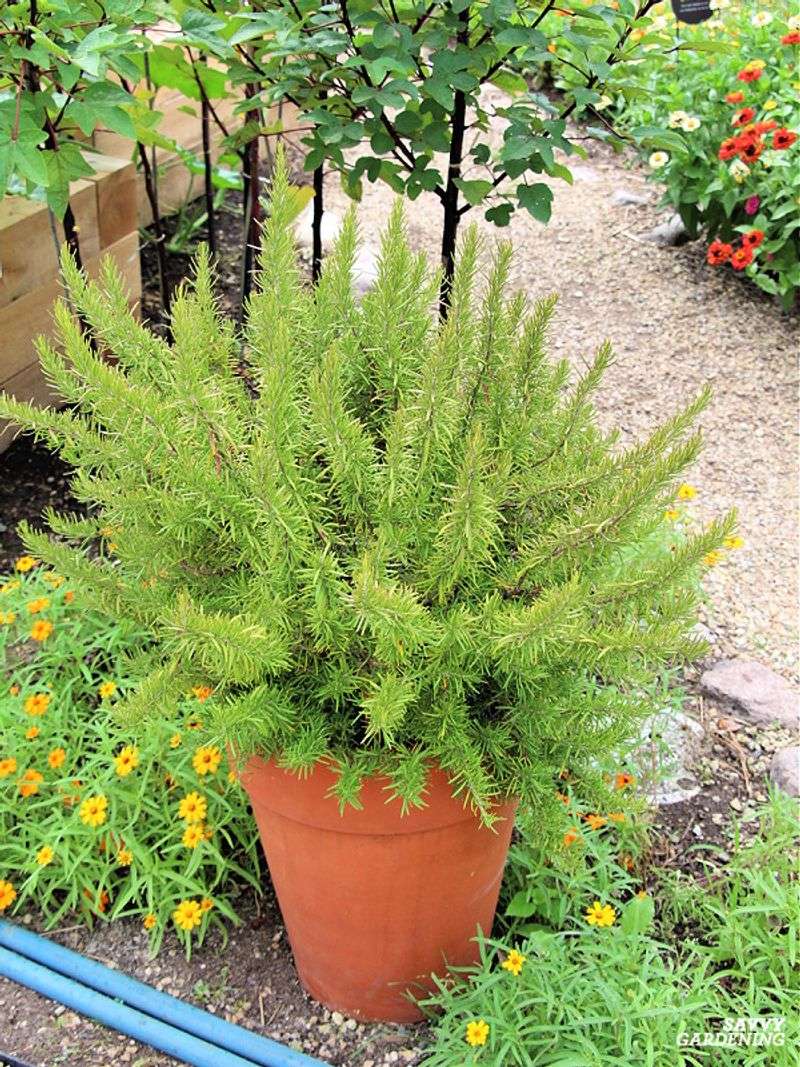
Rosemary, known botanically as Salvia rosmarinus, is the herb behind the headline.
Texas A&M AgriLife Extension describes it as a hardy plant that thrives in hot, dry climates, prefers full sun, and can be grown in containers or garden beds, which makes it a natural fit for a sunny Texas patio edge.
Its needle-like foliage releases a clean, piney fragrance when you brush past it, and sprigs cut fresh from the plant go straight into grilled chicken, roasted potatoes, or a pitcher of lemonade.
That combination of low maintenance and culinary payoff is a genuinely strong reason to grow rosemary near a patio.
But the mosquito claim in the headline needs a correction before anything else.
A 2026 field study evaluating living prostrate rosemary plants under both urban and rural outdoor conditions found no reduction in mosquito catch rates compared with control plots.
A potted rosemary plant sitting quietly on your patio is not a dependable mosquito barrier.
That finding does not make rosemary a bad plant.
It makes it an honest one.
Grow it for the fragrance, the fresh herbs, and the fact that it handles Texas heat and dry stretches better than most plants once it is established.
Just do not count on it to clear the air of mosquitoes the way a spray or a standing-water cleanup will.
Rosemary Oil Evidence Does Not Equal a Living Plant
Here is where it gets tricky.
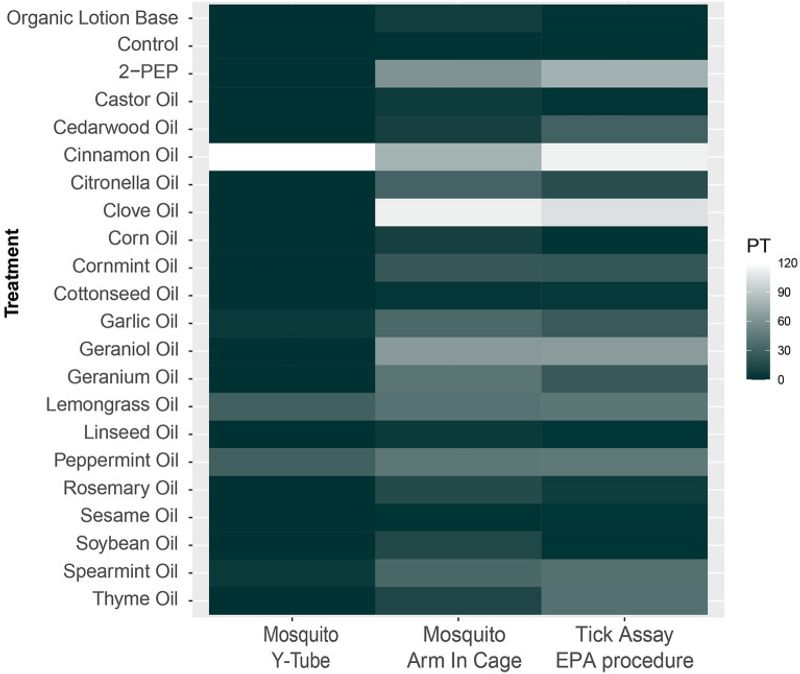
Rosemary does have a real scientific record when it comes to mosquitoes, but that record is almost entirely about extracted oils and concentrated compounds, not a plant sitting in a pot.
Laboratory research on rosemary essential oil against Culex quinquefasciatus found larvicidal activity at controlled concentrations, meaning the oil killed mosquito larvae when it was applied directly in a test setting.
That is meaningful science, but it describes a concentrated extract in a controlled environment, not the faint scent drifting from a plant on a warm evening.
A separate set of studies used arm-in-cage tests and fumigation chambers to measure whether rosemary oil compounds repel adult mosquitoes.
Research on herbal essential oils as repellents found activity against Aedes and Culex species under those tightly managed conditions.
Again, those are direct-exposure experiments, not outdoor patio conditions with wind, heat, and humidity scattering whatever volatile compounds a living plant releases.
Nebraska Extension puts it plainly: advertised mosquito-repellent plants generally do not repel mosquitoes simply by growing in a garden, and repellency is more closely associated with crushed leaves or refined extracts.
A living plant, crushed leaves, and a formulated essential oil product are three different things.
Evidence for one does not automatically transfer to the others.
The 2026 field study matters most here because it actually tested living prostrate rosemary plants outdoors rather than relying on extract experiments.
Those plants produced no measurable reduction in mosquito activity.
That finding does not prove that every cultivar in every climate at every planting density will always fail, but it does weaken the case for treating a potted rosemary plant as a reliable mosquito deterrent.
Give Rosemary Sun and Fast Drainage

Rosemary rewards you most when two conditions are non-negotiable: full sun and fast-draining soil.
Texas A&M AgriLife Extension recommends at least 6 hours of direct sunlight daily, with the plant performing best in full sun.
Shady spots near a covered patio or under a tree are not the right home for rosemary.
It wants the open sky and the afternoon heat that most other herbs complain about.
Drainage matters just as much as sunlight.
Rosemary roots sitting in wet soil will rot, and that is a faster killer than any Texas summer.
If your yard tends to hold water after rain, a raised or slightly mounded bed gives the roots the air they need.
A few inches of elevation can be enough to keep things draining properly between storms.
Established rosemary is drought tolerant, but that does not mean it runs on zero water.
During a long dry stretch or a particularly brutal July, plan to water every 1 to 2 weeks depending on your soil type, container size, and how relentless the heat has been.
The key is to let the soil dry thoroughly between waterings.
Keeping the root zone consistently damp is actually harder on the plant than an occasional dry spell.
During the first growing season, water more often than you think you need to.
A new transplant has not yet built the deep root system that makes established rosemary so tough.
Treat that first summer as the plant’s proving ground, give it consistent moisture while it settles in, then ease back once it starts pushing new growth confidently.
Grow It in a Container or Start It From a Cutting
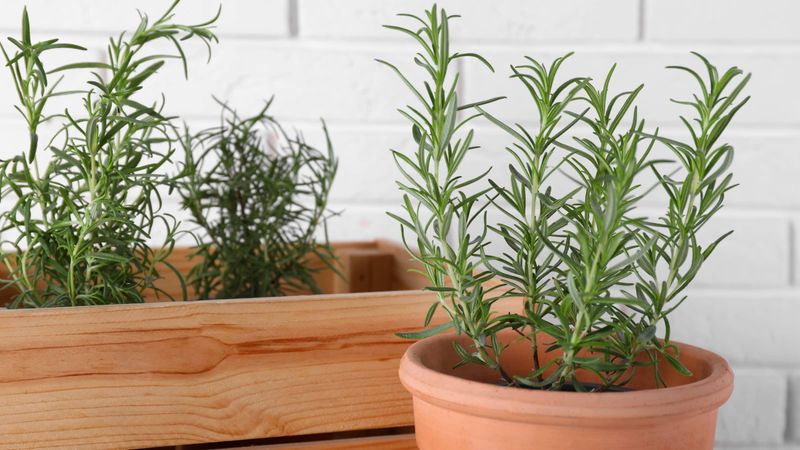
Container growing is genuinely useful for Texas homeowners where garden drainage is unreliable.
A pot with drainage holes and a fast-draining potting mix gives you direct control over how much moisture the roots ever sit in, which matters a lot in regions where heavy clay soil or sudden downpours can waterlog a garden bed overnight.
You can also move a container to a more sheltered spot when a hard freeze threatens, which is a real advantage in North Texas or the Panhandle.
When choosing a pot, bigger is better than you might expect.
Rosemary grows into a substantial plant over a few seasons, and a container that is too small will dry out too fast and limit root development.
Make sure the drainage hole is actually open and working, not clogged with soil or sitting flat against a surface that blocks the flow.
Starting rosemary from seed is slow and inconsistent.
A transplant from a nursery or a cutting from an established plant is the practical route.
Texas A&M recommends taking a 3-inch cutting, removing the lower leaves, and rooting it in a 3-inch pot kept at around 60 to 70 degrees Fahrenheit.
At that temperature range, the cutting should be ready to transplant into a larger container or garden bed in roughly 8 weeks.
For culinary use near a cooking area, upright rosemary varieties are easier to harvest because they send stems straight up and give you something to grab.
Creeping or prostrate forms stay lower and spread outward, making them well suited to spilling over a container edge or softening a patio border.
Both types need the same sun and drainage basics, so the choice mostly comes down to how you want the plant to look and what you plan to do with it.
Place the Pot for Enjoyment, Then Protect It From Freezes
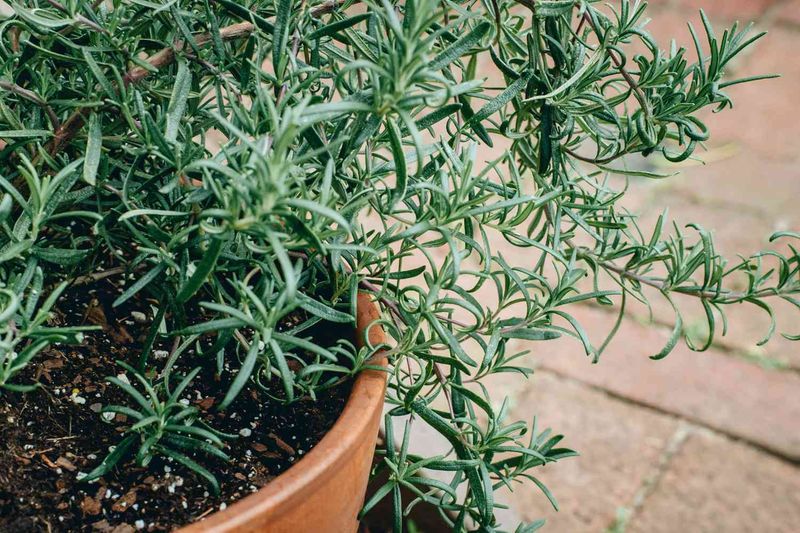
Placing rosemary near the patio edge or close to a cooking area makes good sense for one straightforward reason: you will actually use it.
Brushing past the foliage on the way to the grill releases that clean, herbal scent, and a sprig is always within reach when you need it for dinner.
That is a real, everyday benefit, and it does not require any stretch of the evidence to claim it.
What placement cannot do is create a mosquito barrier.
No particular spacing between rosemary plants and patio chairs has been shown to reduce mosquito activity around the people sitting there.
Arrange the pot where it gets reliable sun and where you will enjoy it, not according to some theory about forming a repellent perimeter.
Freeze risk is the placement concern that actually deserves your attention.
Texas A&M AgriLife Extension warns that container plants, including rosemary, are more exposed to cold than in-ground plants because the roots have no surrounding soil mass to buffer them.
A hard freeze can kill a potted rosemary that an in-ground plant nearby might survive.
The USDA Plant Hardiness Zone Map can help you understand your general cold risk, but the map describes average annual extreme minimum temperatures, not a guarantee against every unusual freeze.
A winter event colder than your zone’s average is still possible, as many Texas gardeners learned the hard way in February 2021.
If you are in North Texas, the Panhandle, or a low-lying spot that collects cold air, plan to move the container into a garage or shed when temperatures are forecast to drop below 20 degrees Fahrenheit.
That small effort can save a plant you have spent months growing.
Manage the Water Rosemary Cannot Fix
Rosemary smells great.
It does not drain a birdbath, clear a clogged gutter, or stop mosquitoes from breeding in the water collected in a forgotten tarp fold behind the shed.
Standing water is where the mosquito problem actually starts, and managing it is more directly supported than any plant placement strategy.
Texas DSHS reports that mosquitoes can breed in as little as 1 tablespoon of water.
That means a bottle cap, a low spot in a plant saucer, or a few inches of water in a forgotten bucket is enough to produce the next generation of mosquitoes biting you on the patio.
Empty or remove anything that holds water at least once a week.
Clear gutters so they drain freely.
Change pet water dishes daily.
Flip over anything that collects rain and does not need to.
Texas A&M notes that many common Texas mosquitoes stay within roughly 200 to 300 yards of their breeding sites, and that standing water remaining for about 7 days can become a productive breeding source.
That range means the mosquitoes biting you at the patio table may be coming from your own yard or a neighbor’s yard just over the fence.
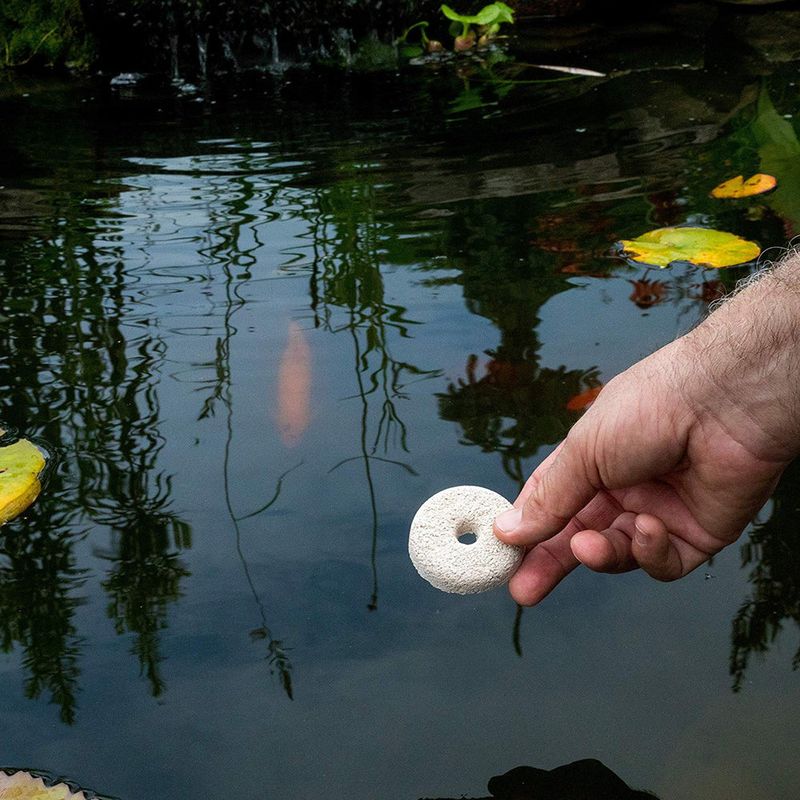
For water you cannot drain, such as a rain barrel, an ornamental pond, or a low spot that stays wet after heavy rain, Bacillus thuringiensis israelensis, commonly sold as Bti in mosquito dunks or briquettes, can kill larvae without harming people, pets, or most beneficial insects.
The EPA notes that some Bti products remain effective for up to 30 days, but always follow the individual product label for the correct rate, timing, and any precautions.
Rosemary should be a companion to this kind of water management, not a replacement for it.
Use Tested Repellents When You Need Reliable Protection
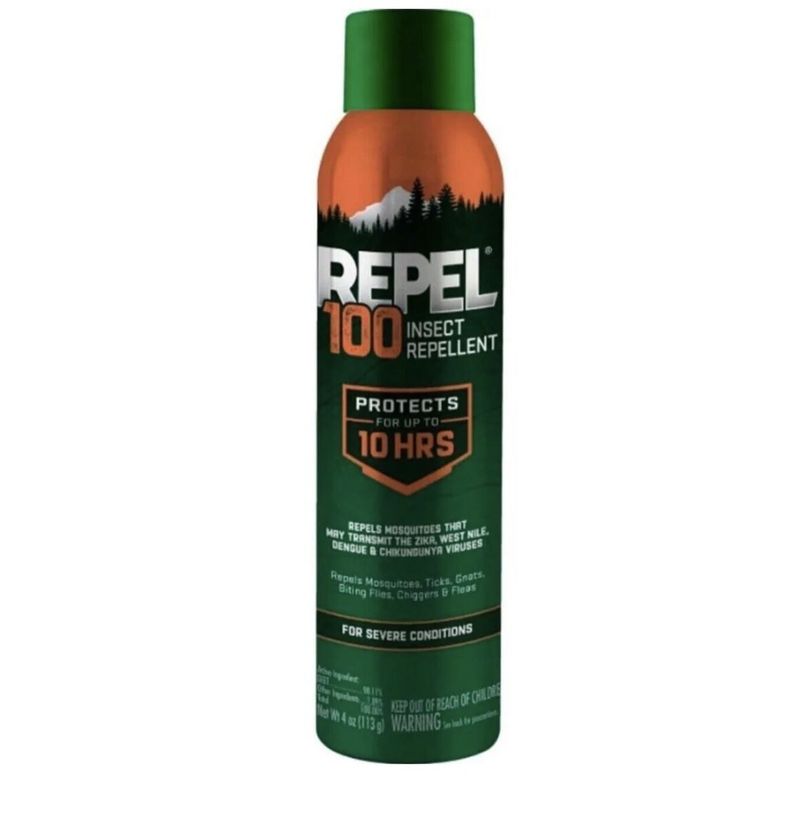
When mosquitoes are actively biting, or when mosquito-borne illness is a concern in your area, a fragrant herb on the patio edge is not the tool for the job.
CDC guidance recommends EPA-registered skin-applied repellents for preventing bites, specifically because their effectiveness has been evaluated through a formal registration process.
Products containing DEET, picaridin, IR3535, or oil of lemon eucalyptus at labeled concentrations have that track record.
Rosemary oil does not.
Some people assume that because rosemary is natural, applying a homemade rosemary preparation to skin would be a reasonable substitute for a registered repellent.
The National Pesticide Information Center notes that rosemary oil is not an EPA-registered active ingredient in skin-applied mosquito repellents and that the safety and effectiveness of essential oils used as repellents are less studied than registered products.
That gap in testing matters when you are trying to protect yourself from a disease-carrying bite.
The safety concern goes further than effectiveness.
Poison Control warns that pure essential oils can cause poisoning or skin reactions when misused and should be kept away from children and pets.
Concentrated oils are not the same thing as the herb growing in your garden, and treating them as interchangeable is where people run into trouble.
If you are considering any spray product for the yard rather than the skin, EPA guidance on mosquito control products makes clear that pesticide labels govern permitted uses, rates, precautions, and exposure controls.
Read and follow the label for any product you apply outdoors.
The rosemary plant on your patio is genuinely worth growing for its heat tolerance, its scent on a warm evening, and the fresh herbs it puts on your table.
For the mosquitoes, manage the water and keep a registered repellent within reach.