
The Perennials Pennsylvania Gardeners Plant In Late Summer For Years Of Reliable Color
Follow us on Google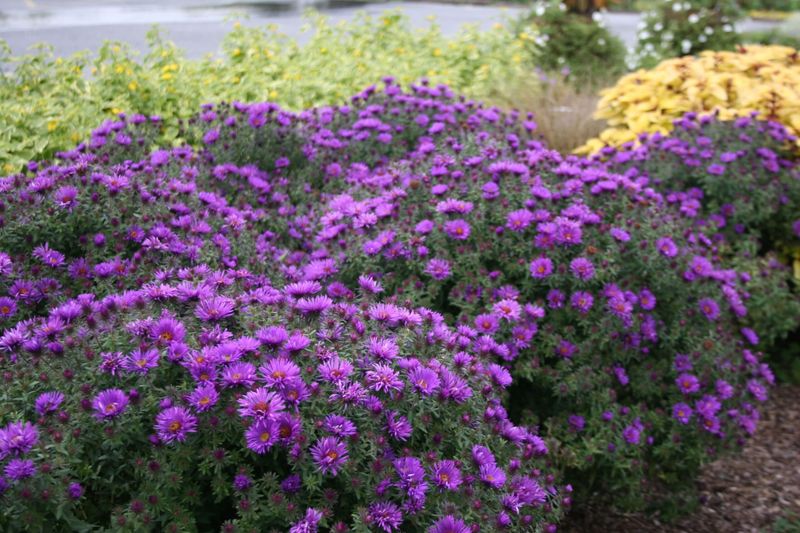
You step into your Pennsylvania backyard on a late August afternoon, the air thick and humming, a few early leaves already hinting at rust on the maple.
That vivid pop of color you counted on earlier in the season is fading, leaving a gap just as summer loosens its grip.
What if one sturdy perennial, planted right now, could guarantee a show-stopping display for years to come?
From the Allegheny Plateau to the Delaware Valley, gardeners keep hunting for a plant that laughs off our weather and blooms when everything else looks tired.
That plant exists, and it is easier than you think.
1. This Sturdy Beauty Brings Years Of Autumn Glow
Meet the New England Aster, Symphyotrichum novae-angliae, a genuine workhorse for any Pennsylvania garden.
Sturdy stems climb 3 to 6 feet, with vigorous plants stretching toward 7 feet in rich soil.
Each bloom measures about 1 to 1.5 inches across, opening in deep purple, pink, or violet around a golden-yellow center that ages to reddish-purple.
Picture hundreds of these flowers glowing from late August through October, long after other favorites have quit for the year.
Many gardeners assume every aster behaves the same, or that they are fussy to manage.
But this one is remarkably adaptable, growing wild across the state and thriving in USDA zones matching our range of 5b to 8a.
It has weathered our four seasons, humid summers, and sudden thunderstorms for centuries.
That is a plant that does not need coddling, it just needs a spot to shine.
2. Why This Native Hero Stands Apart From The Rest
Here is a surprising fact.
Penn State Extension identifies asters as a keystone species, meaning they carry an outsized role in feeding local wildlife late in the season.
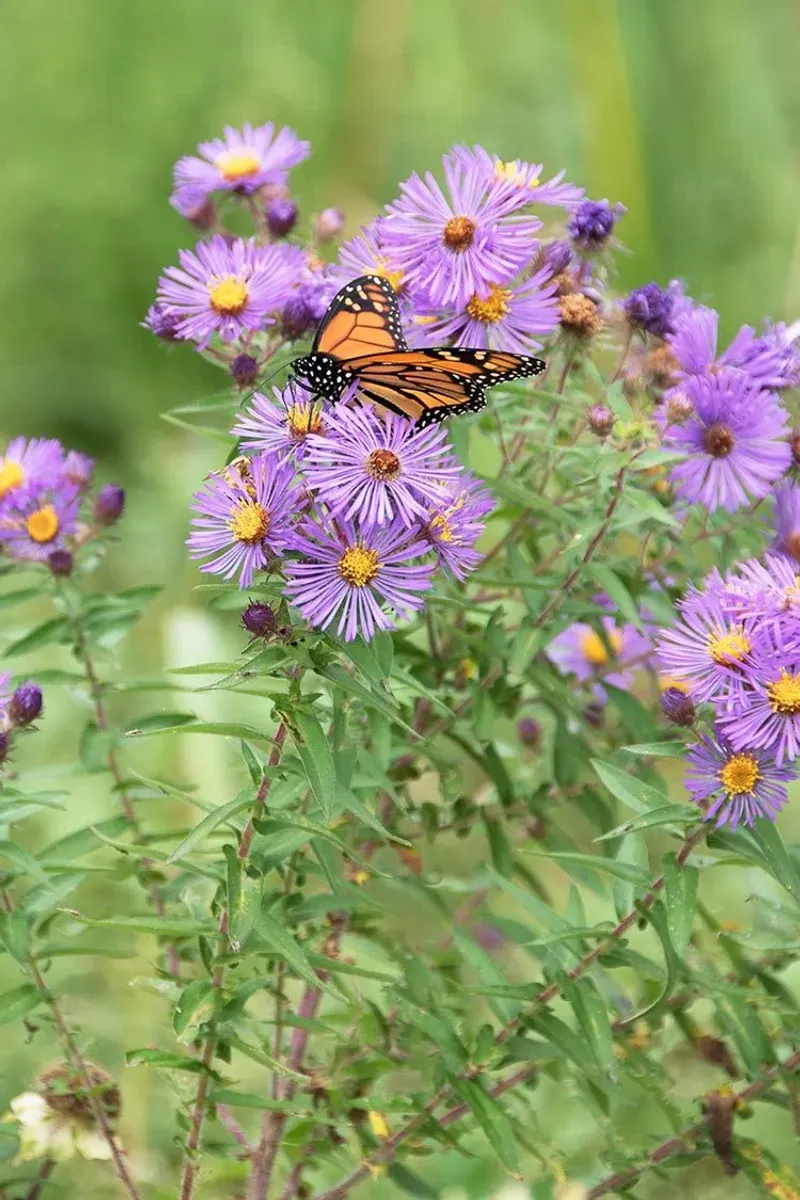
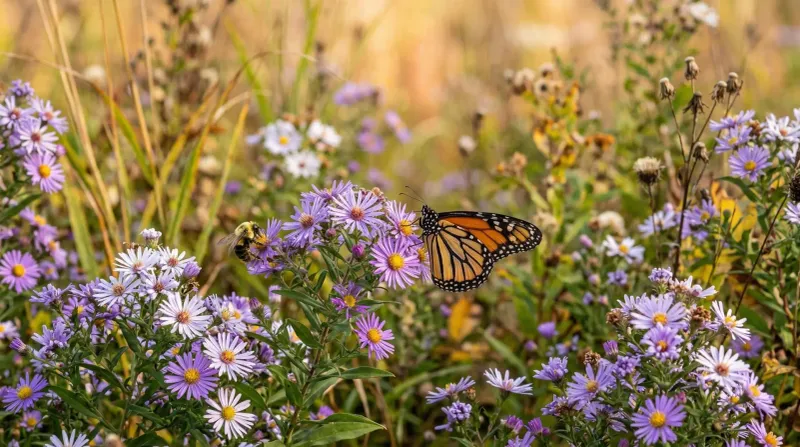
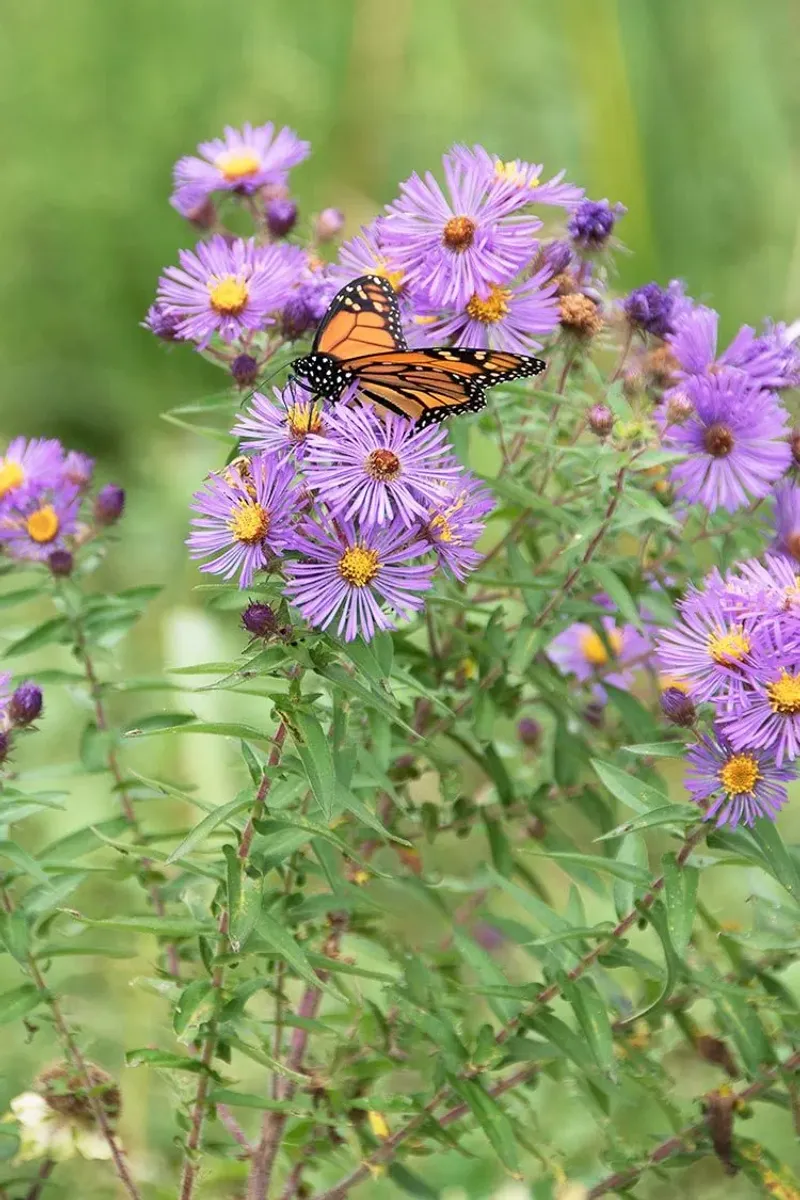
As other nectar sources dry up in fall, these blooms become a lifeline for bees, butterflies, and migrating monarchs.
Your garden turns into a buzzing waystation right when the days grow short.
The plant also hosts Pearl Crescent and Checkerspot butterflies, whose caterpillars feed on its leaves.
That support for the full lifecycle matters, and it is something few ornamentals actually offer.
Goldfinches work the seed heads into late autumn, adding flickers of movement across your yard.
In places like the Laurel Highlands, where natural habitat is genuinely valued, planting one aster becomes a small act of stewardship.
You are gardening and feeding the neighborhood at the same time.
3. Planting Asters In Late Summer Is Actually Easy
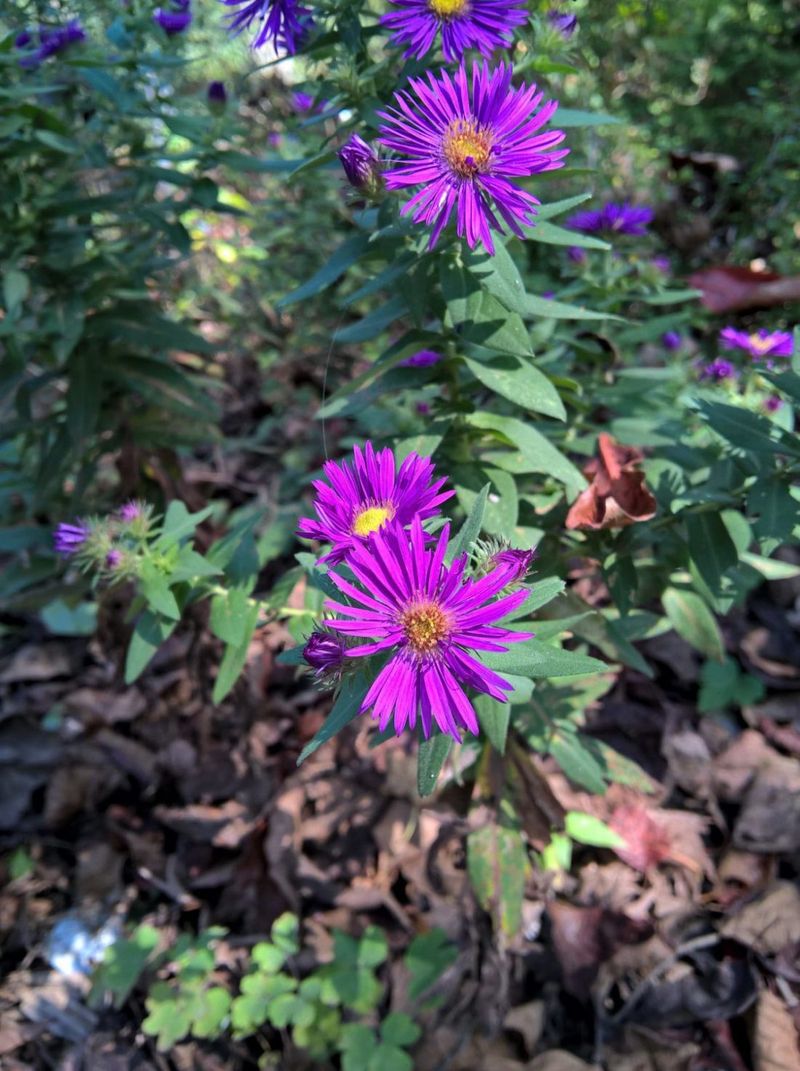
Spring gets all the planting glory, but late summer hands New England Asters a real edge.
Get them in during August or early September and the roots settle into still-warm soil before the ground freezes.
Aim to plant at least 6 to 8 weeks before your area’s first expected frost.
That window runs from early October in colder northern Pennsylvania and higher elevations to early November around Philadelphia.
Pick a spot with full sun, ideally 6 hours of direct light a day, for the most generous bloom.
Asters tolerate part shade, but too much and you get fewer flowers and leggy, floppy growth.
Dig a hole as deep as the root ball and twice as wide.
These plants happily handle the clay-heavy soils common across the central valleys and western Pennsylvania.
If your soil is dense, work in some compost to improve drainage.
Water thoroughly, keeping soil consistently moist for the first few weeks so your quiet hero can dig in.
4. Giving Your Aster The Best Place To Grow
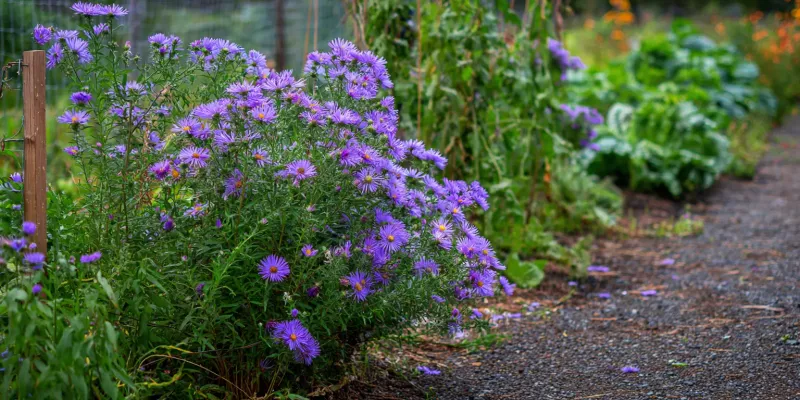
Spacing sounds boring until powdery mildew shows up.
Good air circulation is your best defense, so give each plant room to breathe.
Set individual asters about 18 to 24 inches apart, and stretch that to 36 inches for the tallest varieties.
It will look a little sparse the first year, but these clumps fill in fast, rewarding you with sturdy growth by their second and third seasons.
Soil pH is not something to lose sleep over.
New England Asters accept anything from slightly acidic to neutral, roughly 5.5 to 7.5.
Consistent moisture matters most as flower buds form in late summer.
Water deeply when the top couple inches feel dry, aiming at the root zone rather than overhead, which also helps deter fungal trouble.
Around warmer urban pockets in Pittsburgh or Philadelphia, drought can sneak in between heavy downpours.
Keep an eye on the soil there, because a thirsty aster in a dry spell will sulk.
5. Keeping Your Purple Powerhouse Thriving For Years
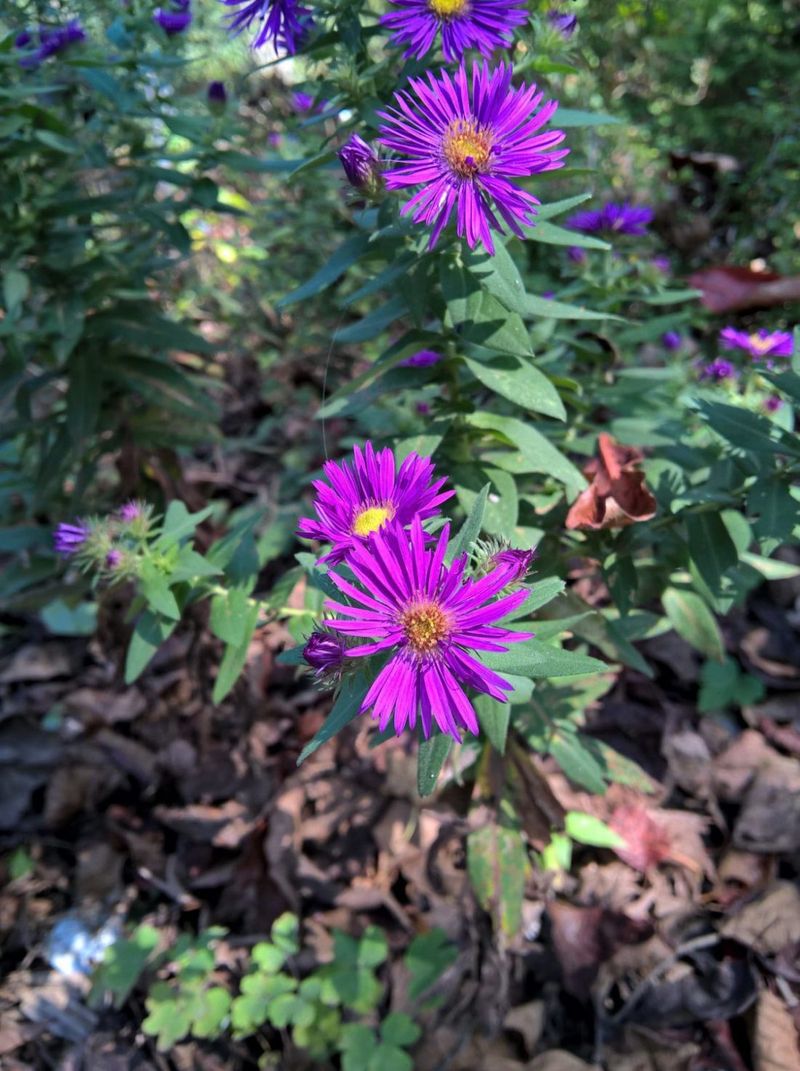
You may notice lower leaves browning or dropping as the plant readies its fall show.
That is normal, not disease, though it can look untidy.
Here is a trick that genuinely helps.
Pinch the stems back by about a third in early summer, before mid-July, and the plant branches into a bushier, shorter form with more flowers.
That often skips the need for staking, which taller plants in rich or windy spots would otherwise demand.
Division is the other secret to long life.
Unlike perennials that resent disturbance, New England Asters actually want dividing every two to three years, though some gardeners stretch it to five.
Older clumps develop a hollow, dead center that saps their vigor.
The fix comes in early spring as new growth appears.
Dig up the whole clump, tease apart the healthy outer sections with roots and shoots, and replant those.
Toss the tired middle, and your aster comes back rejuvenated.
6. Outsmarting Common Challenges And Antagonists
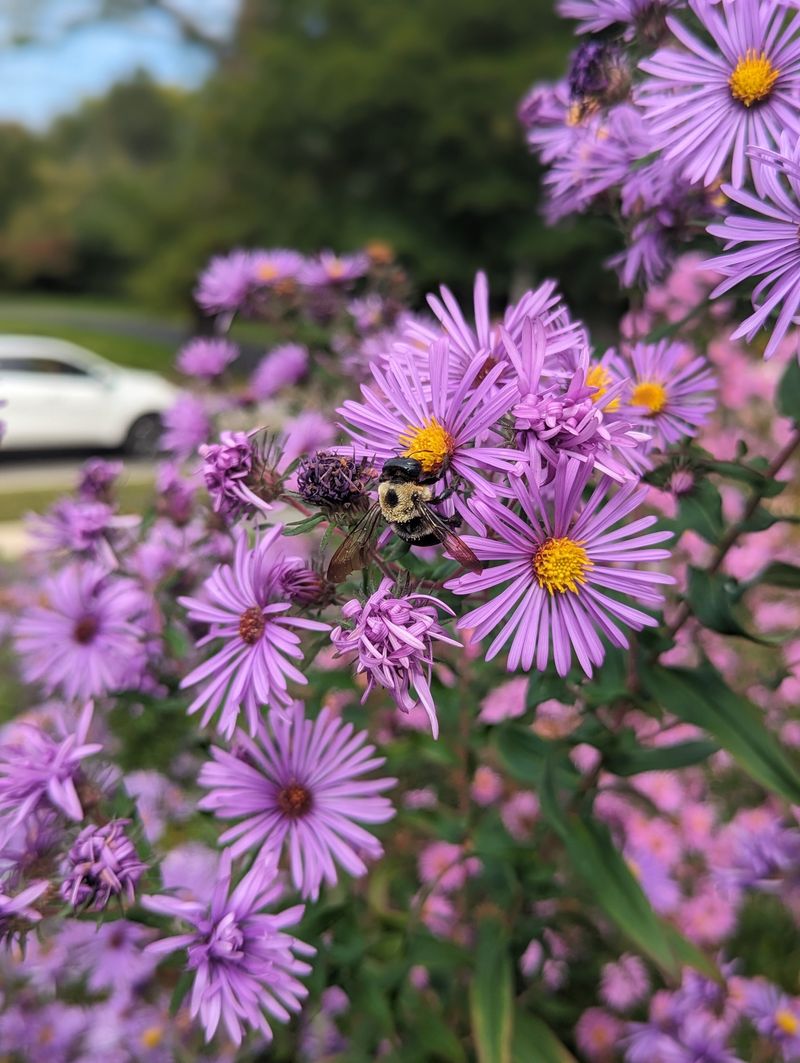
Even a quiet hero draws a few schemers.
Powdery mildew is the usual one, showing up as a white, dusty coating on the leaves.
It rarely kills the plant, but it makes things look shabby.
Prevent it with proper spacing for airflow and by skipping overhead watering, especially late in the day.
If it appears, pull the worst leaves, and in stubborn cases a fungicide can help.
Aster yellows is rarer but more serious, causing stunted growth and oddly discolored flowers.
There is no cure, so remove and discard any infected plant before it spreads.
Good news for the Poconos crowd and anyone battling deer.
New England Asters are generally resistant to deer browsing, a welcome break from the usual buffet raids.
Lace bugs sometimes brown the lower leaves, but a firm blast from the garden hose usually knocks them loose.
Small habits like these protect all the effort you put in.
7. Pairing Asters With Switchgrass For Bold Texture
Asters look good alone, but next to switchgrass they turn a corner into something painterly.
Panicum virgatum, our native switchgrass, sends up airy golden plumes that catch every autumn breeze.
Set the two together and the purple blooms play off the tawny grass like fire against wheat.
The vertical grass also props up neighboring asters, offering a natural windbreak without a single stake.
Switchgrass shrugs off the same clay and drought that western Pennsylvania throws around, so the pairing is easy to keep alive.
Space the grass about 24 to 36 inches from your aster clumps to let both fill in without crowding.
There is a wildlife bonus, too.
Songbirds shelter in the grass while working the aster seed heads nearby, giving your yard steady motion into November.
By late fall the grass fades to soft copper, holding shape through snow.
That standing structure gives your winter garden something to look at when everything else lies flat.
8. Goldenrod Turns Purple Blooms Into A Fall Feast
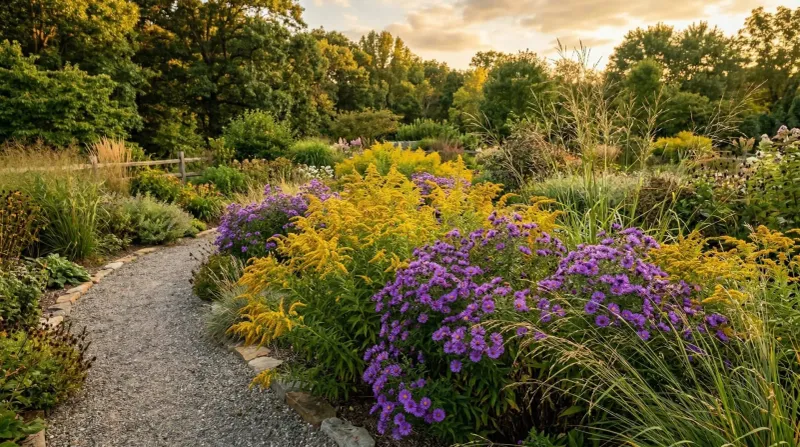
Ask most folks about goldenrod and they will blame it for their allergies.
That is a myth worth busting, because goldenrod pollen is heavy and insect-carried, and ragweed is the real culprit.
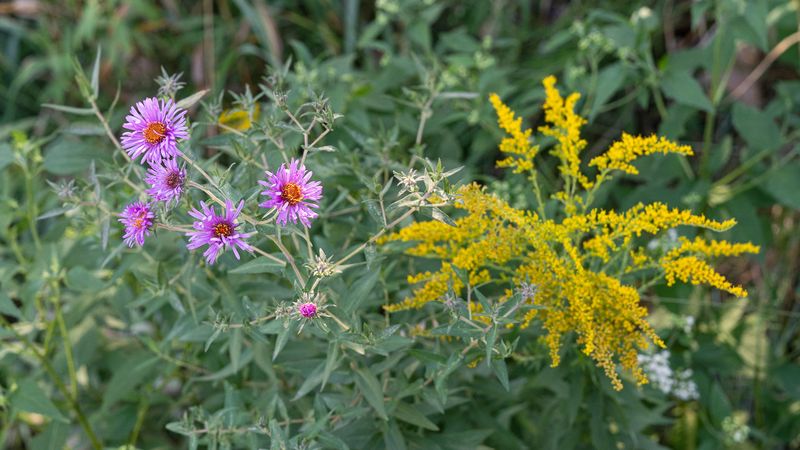
Solidago species, our native goldenrods, bloom in the same window as your asters, roughly September into October.
Together they build a nectar buffet exactly when migrating monarchs and native bees need it most.
The color contrast is the payoff you can see from the porch.
Electric yellow beside deep violet reads bold and cheerful, the kind of combination that makes a passerby slow down.
Plant goldenrod about 18 to 24 inches from your aster clumps in full sun.
Both thrive in the lean, shale-based soils across much of central Pennsylvania, so no pampering required.
Choose a well-behaved species like showy goldenrod if you worry about spread.
You get the fireworks, the pollinators, and a garden that genuinely earns its keep late in the year.
9. Choosing The Right Aster Variety For Your Yard
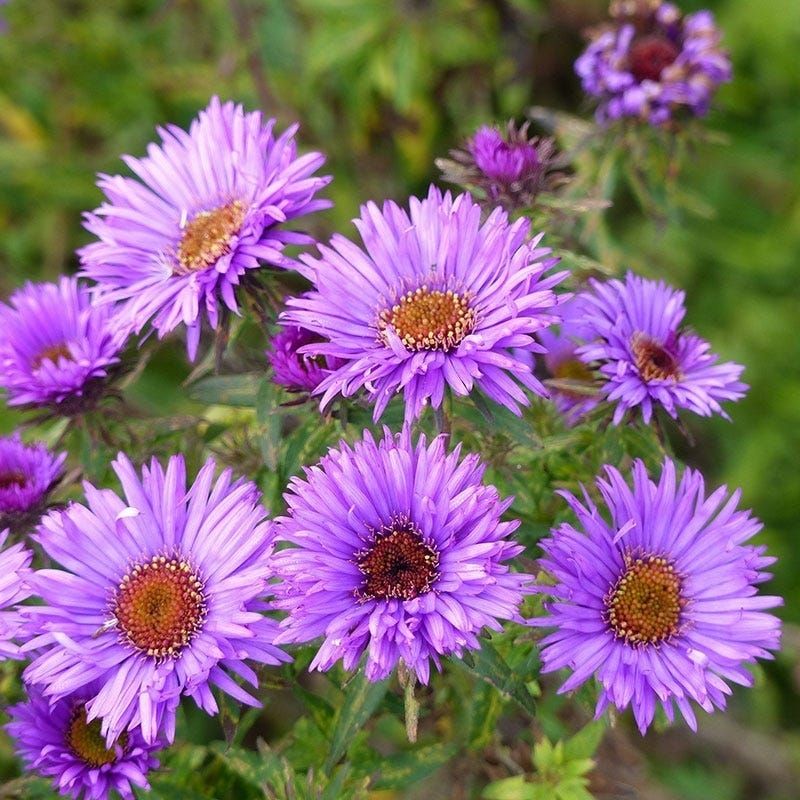
Not every New England Aster wants to loom 6 feet over the flower bed.
Breeders have given you shorter, tidier options that behave in tighter spaces.
Compact selections top out around 18 to 30 inches, which suits a front border or a container on the patio.
Taller heirloom types reaching 5 to 6 feet earn their place at the back of a bed or along a fence.
Color is a real choice, too.
You will find deep purple, rosy pink, and lavender-blue forms, each holding up well through our early fall cold snaps.
Match the variety to your light and space before you buy.
A dwarf type crammed into deep shade still sulks, and a giant crowded against a walkway still flops.
Buy from a regional nursery when you can, since locally grown stock is already tuned to Pennsylvania conditions.
The right pick the first time saves you the shovel work later.
10. Simple Habits That Maximize Fall Impact
Good garden hygiene quietly does a lot of heavy lifting.
Clearing fallen leaves and plant debris in autumn removes overwintering spots for pests and fungal spores, cutting down on problems next spring.
Come spring, a light layer of compost feeds slow and steady.
Skip the heavy fertilizer, because over-fed asters grow tall and floppy instead of strong and full.
Think of your aster as one thread in a larger tapestry rather than a lone specimen.
Paired with switchgrass, goldenrod, and the right variety choice, it anchors a stretch of color that runs from late August deep into October.
That is not a magic fix, it is one reliable layer in a garden built to keep going.
And it rewards you every year with less fuss than you would guess.
Standing on the porch on a cool October evening, watching bees still working purple blooms you planted yourself, feels genuinely earned.
Your backyard stays alive when the neighbors’ beds have already called it a season.