
Your Tomatoes And Blueberries Set Fruit Only Because This Fuzzy Bee Does What Honeybees Cannot
Follow us on Google
Most backyard gardeners assume their tomatoes and blueberries are struggling because the wrong bees are showing up.
The real story is more interesting and more useful than that.
Bumblebees do something called buzz pollination that honeybees generally cannot do, and that skill matters a lot in certain growing situations.
But neither crop depends exclusively on bumblebees, and knowing exactly where the difference shows up will help you get better harvests without buying anything you do not need.
The Headline Gets the Bee’s Job Wrong
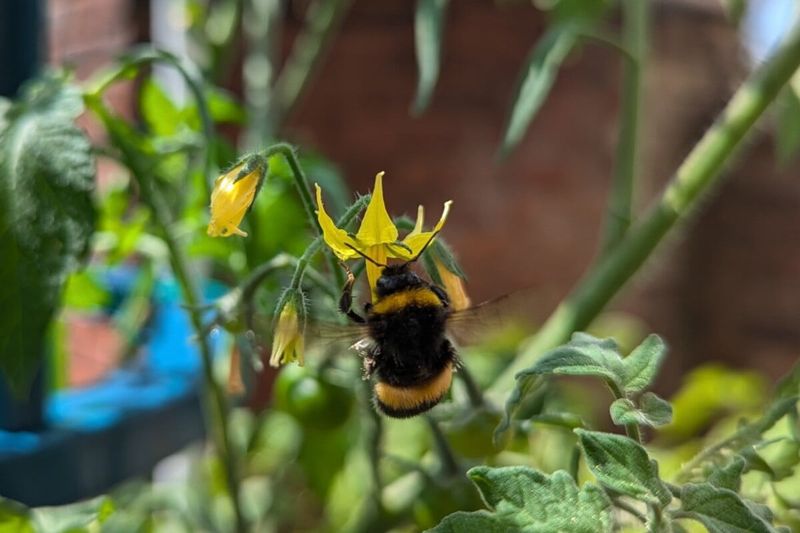
Bumblebees deserve their reputation as exceptional pollinators, but the claim that tomatoes and blueberries set fruit only because of them is too strong to hold up.
The real picture is more nuanced, and for backyard growers it is also more reassuring.
Buzz pollination, sometimes called sonication, is the specific behavior at the center of this story.
A bee grips a flower’s anthers and rapidly vibrates its flight muscles, shaking pollen loose through tiny pores.
Bumblebees perform this behavior with particular efficiency.
But a comprehensive review of buzz pollination across bee species found that sonication occurs in more than 50 genera, including carpenter bees, sweat bees, mining bees, and the southeastern blueberry bee, Habropoda laboriosa.
Bumblebees are skilled at it, but they are not the only ones.
Honeybees are the part of the story that trips most people up.
Honeybees generally do not perform buzz pollination.
That is a real limitation for these two crops.
But it does not mean honeybees contribute nothing.
USDA Agricultural Research Service blueberry pollination research shows that honeybees can still transfer blueberry pollen and contribute meaningfully to fruit set, especially in commercial highbush plantings.
Their per-visit efficiency is lower than a bumblebee’s, but they show up in large numbers, which partially compensates.
For tomatoes, the situation shifts again.
UConn Extension’s greenhouse tomato guidance and University of Minnesota Extension pollination research both confirm that tomato flowers can self-pollinate, and outdoor plants often get enough pollen movement from wind and ordinary plant movement alone.
The bumblebee’s advantage is real but situation-specific.
This article explains exactly where that advantage kicks in and what you can do about it when it matters.
How Buzz Pollination Releases Pollen
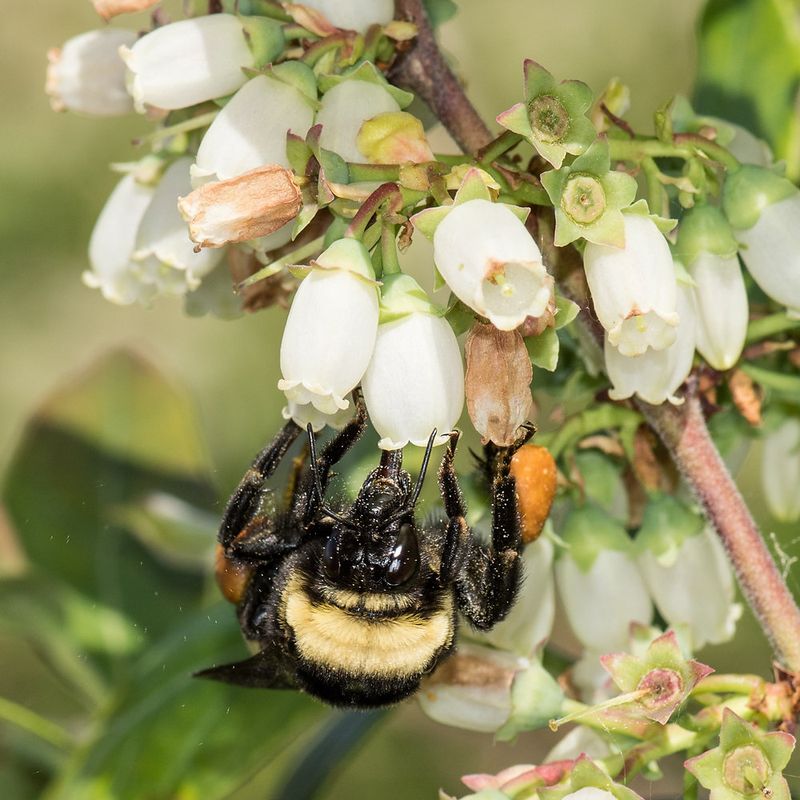
Picture a tiny electric motor bolted directly to a flower.
That is roughly what happens when a bumblebee performs buzz pollination.
The bee lands on a blossom, wraps its legs and mouthparts around the anthers, and then fires its flight muscles in rapid bursts without actually moving its wings.
The vibration travels straight into the flower.
The result is a pollen release that simple contact cannot match.
Many flowers, including tomatoes and blueberries, have anthers shaped like hollow tubes with a small opening at the tip, called poricidal anthers.
Pollen sits inside these tubes and does not fall out easily on its own.
Buzzing shakes it free.
Penn State Extension’s overview of bumblebee behavior describes this mechanism as the bee essentially using its body as a tuning fork against the flower.
Once the pollen is released, it needs to land on a stigma, the sticky female part of a flower, to start fruit development.
For tomatoes, the male and female parts sit close together inside the same flower, so pollen released by vibration often lands right where it needs to go.
Blueberries work differently.
Their flowers are shaped like small bells, and the stigma is positioned so that a buzzing bee dusted with pollen from one flower carries it efficiently to the next.
USDA ARS blueberry pollination documentation notes that this flower architecture makes buzzing especially effective for blueberries, though it does not make other pollination methods impossible.
The two crops share the same basic mechanism but have meaningfully different requirements, and treating them identically leads to advice that fits neither one well.
Tomatoes Usually Need Extra Movement Under Cover
Outdoors on a breezy day, your tomato plants are probably doing fine on their own.
The flowers are self-pollinating, meaning the male and female parts are close enough that a good shake from wind or a passing bee can move pollen from anther to stigma without any help from you.
Many Midwest and Mid-Atlantic gardeners grow excellent tomato crops without ever thinking about pollination.
The situation changes inside a greenhouse, a high tunnel, or even on a sheltered porch where air barely moves.
Still air means the flowers stay quiet, pollen stays put, and fruit set drops.
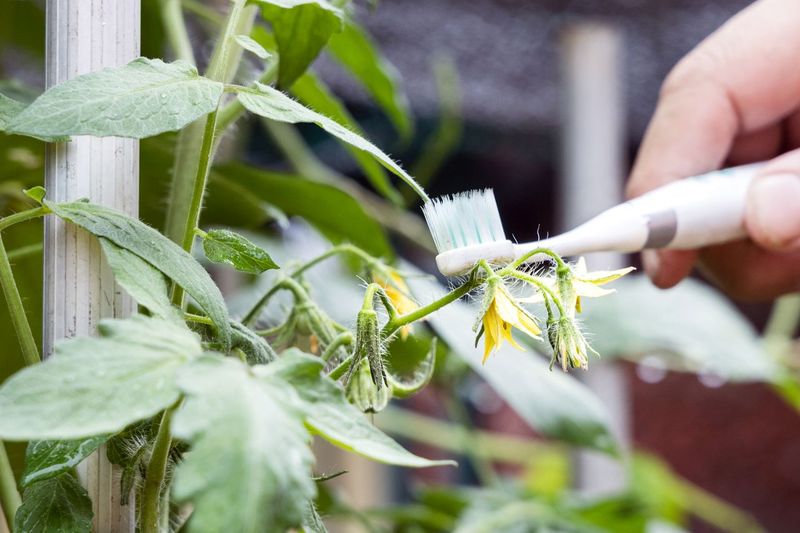
UConn Extension’s pollination guidance for greenhouse tomatoes recommends a straightforward fix: gently vibrate the stem just below a flower cluster for a few seconds, every other day, starting when the first flowers open.
Midday works best because humidity tends to be lower then, and drier conditions help pollen move more freely.
One detail matters a lot here.
Do not touch the flower itself.
UConn’s guidance is specific: contact the supporting stem, not the bloom.
Jabbing the flower can damage the developing fruit before it even gets started.
A light touch on the stem sends enough vibration upward to do the job.
University of Minnesota Extension confirms that tomato flowers remain open for roughly 1 to 3 days, so consistent attention during bloom pays off.
And according to UMass Extension’s 2026 vegetable notes, pollen viability peaks when temperatures stay between 60 and 85 degrees Fahrenheit and relative humidity holds between 50 and 80 percent.
Outside those ranges, even perfect vibration technique will not guarantee good fruit set.
Think of manual vibration as a targeted tool for specific conditions, not a daily chore for every tomato plant you own.
Blueberries Use More Than One Kind of Bee
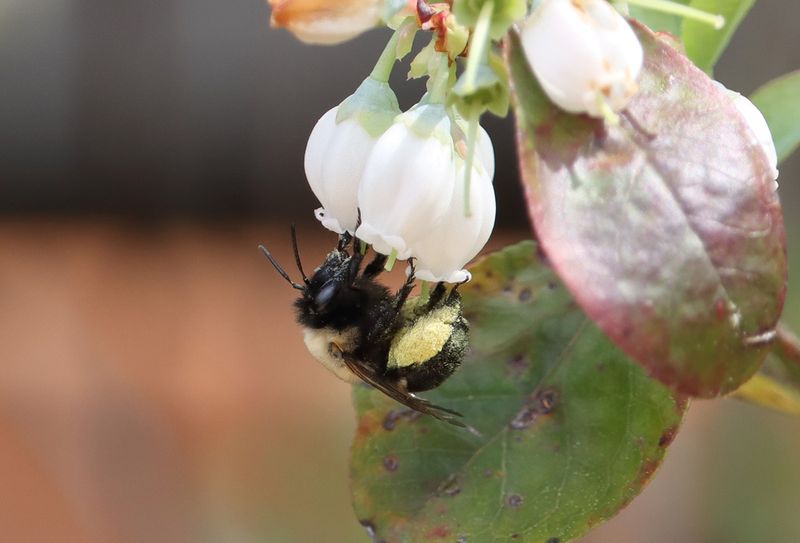
Blueberry flowers are built for buzzing.
The bell-shaped blossoms and poricidal anthers release pollen most efficiently when a bee vibrates them, which is why bumblebees are so effective per flower visit.
But calling bumblebees the only solution misses most of what actually happens in a healthy blueberry patch.
The southeastern blueberry bee, Habropoda laboriosa, is a wild native specialist that may be the single most efficient blueberry pollinator in the Southeast, visiting flowers earlier in the season and in cooler temperatures than many other bees manage.
Mining bees and carpenter bees also perform sonication and contribute meaningfully to blueberry fruit set across different US regions.
USDA ARS blueberry pollination research documents multiple wild bee groups as effective contributors alongside managed colonies.
Honeybees are more complicated.
They generally do not buzz-pollinate blueberries, but they show up in large numbers and can transfer enough pollen to support substantial yields.
Oregon State University Extension notes that honeybees remain the primary managed pollinator for Oregon’s commercial blueberry industry, even though bumblebees dislodge pollen more efficiently per visit.
The numbers game matters.
Honeybee effectiveness also varies with the cultivar, because some blueberry flower shapes make it harder for honeybees to reach the anthers, and some bees will chew a hole in the side of the flower to reach nectar without ever contacting the reproductive parts, a behavior called nectar robbing.
University of Florida IFAS Extension research on southern highbush blueberry pollination identifies nectar robbing as a real factor that can make honeybee presence misleading.
Cultivar type shapes the whole equation.
Northern highbush blueberries, Vaccinium corymbosum, are often self-fertile, though cross-pollination from a second compatible cultivar commonly produces larger berries.
Rabbiteye blueberries, Vaccinium virgatum, and lowbush types usually need pollen from a different compatible cultivar to set a good crop.
OSU Extension’s Pacific Northwest cultivar guide makes clear that blanket rules about whether a second plant is required only make sense when you know which type you are growing.
Match the advice to your specific cultivar and region before assuming anything.
Weather Can Override Good Pollination
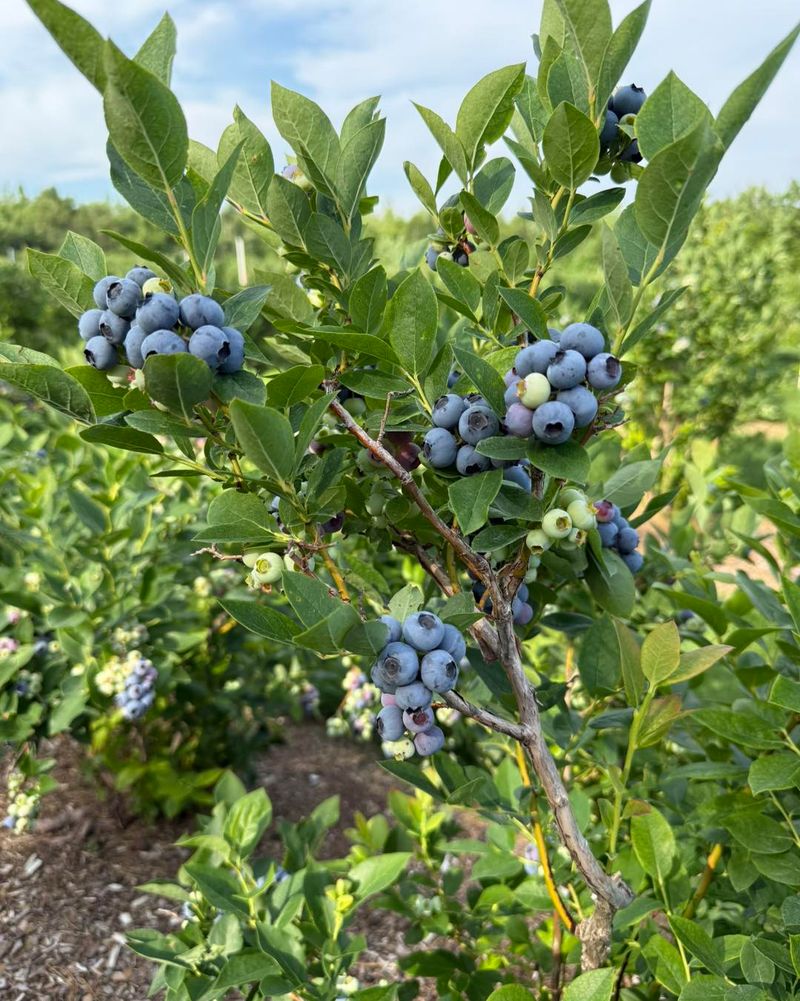
A flush of flowers and a yard full of bees does not guarantee a good harvest.
Weather can quietly undo both, and many gardeners spend time worrying about bee species when the real culprit is a stretch of bad spring weather.
For blueberries, cold is the main problem during bloom.
University of Georgia Extension’s blueberry fruit set research identifies temperatures around 50 degrees Fahrenheit or lower during bloom as a condition that can sharply reduce bee visitation.
Bumblebees tolerate cool weather better than most bees, which is part of why they matter so much in early spring.
But even bumblebees slow down in cold, cloudy, or rainy conditions, and prolonged wet weather during bloom can reduce fruit set regardless of how many bee colonies are nearby.
Tomatoes face a different set of weather problems.
Utah State University Extension’s plant health guidance explains that several consecutive days with daytime temperatures above 90 degrees Fahrenheit and nighttime temperatures above 72 degrees can cause blossom drop by reducing pollen viability.
Cool nights below about 55 degrees Fahrenheit can interfere with fruit set from the other direction.
Neither problem has a bee solution.
The practical takeaway is to look at weather alongside bee activity when fruit set disappoints.
Check recent temperature records during bloom.
Notice whether bees were actually foraging during the warmest part of the day or staying in their nests.
A run of overcast, cool days during peak bloom explains more poor harvests than a shortage of any particular bee species.
Adjust your expectations for those seasons rather than reaching for a product or intervention that cannot fix a weather problem.
Build a Backyard Habitat Instead of Buying a Hive
The most common advice after reading about buzz pollination is to buy a commercial bumblebee colony and place it near the garden.
For most backyard growers, that is the wrong answer, and it can create problems that outweigh any benefit.
Commercial bumblebee colonies are designed for enclosed production systems: greenhouses, high tunnels, and large covered plantings where wild bees cannot reach the crop.
In an open backyard, a purchased colony competes with existing wild bees, requires careful placement and management, and can be harmed by any insecticide applied nearby.
Regional rules in some states restrict the movement or use of certain commercially reared bumblebee species, and colony sizing matters in ways that most product labels do not explain clearly.
UConn Extension’s greenhouse tomato guidance treats purchased bumblebee colonies as a tool for enclosed production, not as a general backyard recommendation.
A more durable strategy is making your yard attractive to the bees already living nearby.
University of Maryland Extension’s home blueberry guide recommends placing blueberry plants in full sun, at least 8 hours in summer, and maintaining soil pH between 4.5 and 5.5, which blueberries need for healthy growth regardless of pollination.
Spacing matters too: a common recommendation is 4 to 5 feet between plants and 6 to 8 feet between rows, though cultivar size and local guidance should determine your final layout.
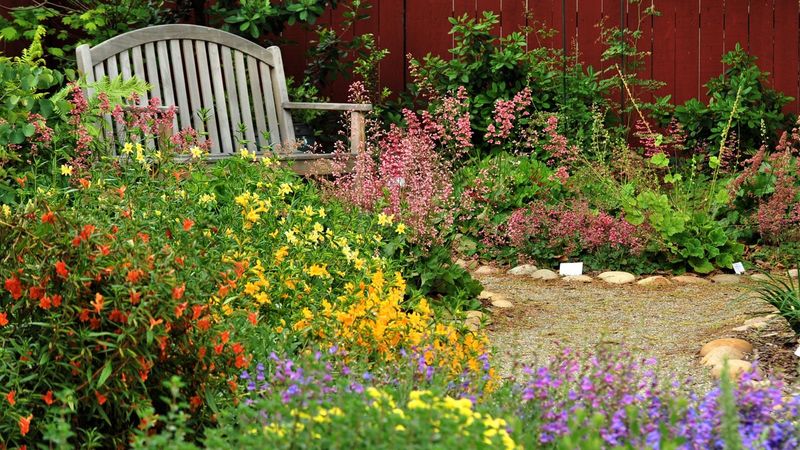
Beyond the blueberry plants themselves, keep a mix of flowering plants blooming from early spring through fall to support multiple bee groups through the whole season.
Leave patches of bare or loosely mulched soil where ground-nesting bees can establish.
Oregon State University’s bee protection protocol and OSU’s blueberry cultivar guide both emphasize that a diverse local bee community, not a single managed species, provides the most resilient pollination support over time.
Use a Crop-Specific Fruit-Set Checklist
When something goes wrong with fruit set, it helps to work through a short decision path rather than reaching for the nearest product or panicking about which bee is missing.
Crop type, growing environment, weather, and cultivar all matter, and the fix for one situation is often useless or counterproductive in another.
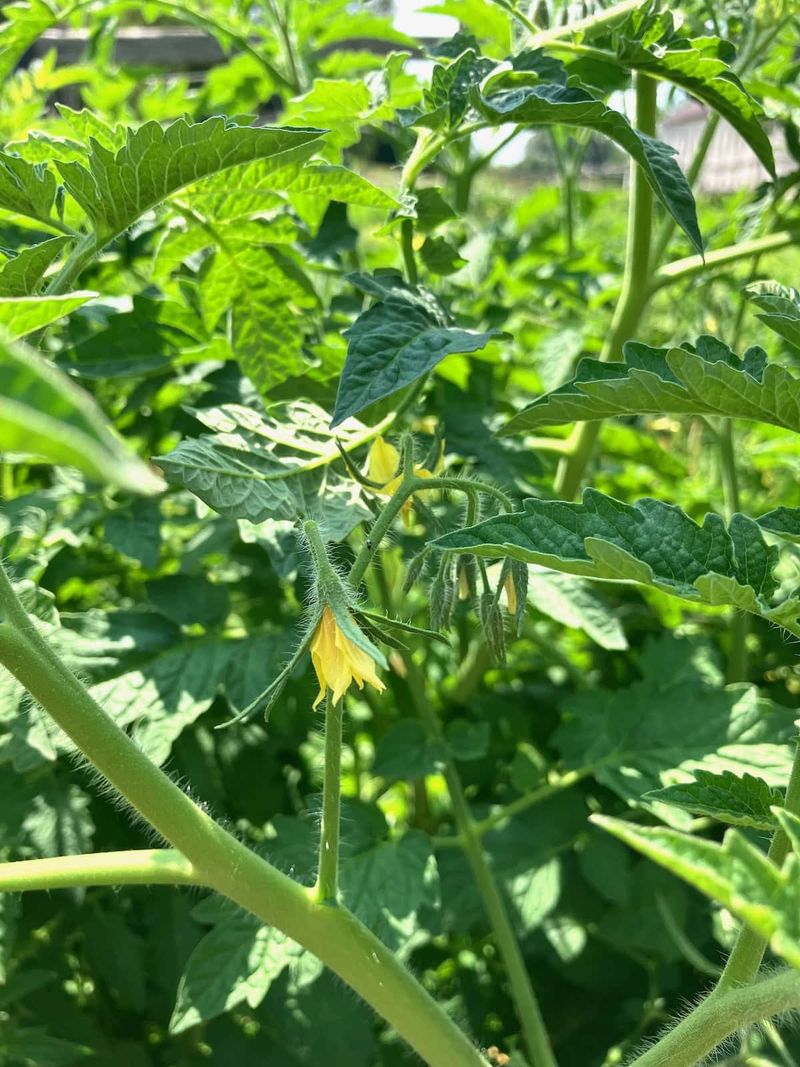
For tomatoes growing outdoors in open beds or containers, leave the flowers alone and let wind and plant movement do their job.
If fruit set is poor after a normal bloom period, check recent temperatures first.
If plants are in a greenhouse, high tunnel, or sheltered spot with still air, apply the gentle stem-vibration technique from UConn Extension’s greenhouse tomato guidance every other day at midday, touching the stem below the cluster and not the flower itself.
For blueberries, confirm your cultivar type before assuming you need a second plant or a particular bee species.
Rabbiteye and lowbush types almost always need a compatible second cultivar nearby.
Northern highbush types often set fruit alone but may produce larger berries with cross-pollination.
Seeing honeybees on your blueberry flowers does not automatically mean pollination is adequate, because some bees access nectar through holes in the flower without contacting the pollen at all, as University of Florida IFAS Extension research on southern highbush blueberry pollination documents.
On pesticides, the rule is straightforward: read the entire label of any product you apply, every time.
The EPA’s pollinator protection guidance and University of Minnesota Extension’s pesticide and pollinator resource both emphasize that labels carry legally binding instructions about bloom restrictions, timing, drift precautions, and systemic product warnings.
Evening timing can reduce some exposure, but it does not override label requirements or eliminate residue risks.
Follow the label fully, not just the timing suggestion.
Bumblebees are genuinely valuable partners in your garden, especially where air movement is limited or wild bee populations are thin.
They are not the sole explanation for any harvest you have ever enjoyed, and that is good news, because it means there are more ways to help your plants than you might have thought.
A yard that supports many kinds of bees quietly outperforms one that depends on any single species.
Oregon State University’s blueberry bee protection protocol puts it plainly: diverse pollinator communities are more resilient than managed single-species approaches, and protecting that diversity costs less and lasts longer than any hive you could buy.