
This Florida Porch Plant Shrugs Off Brutal Summer Heat And Never Wilts
Follow us on Google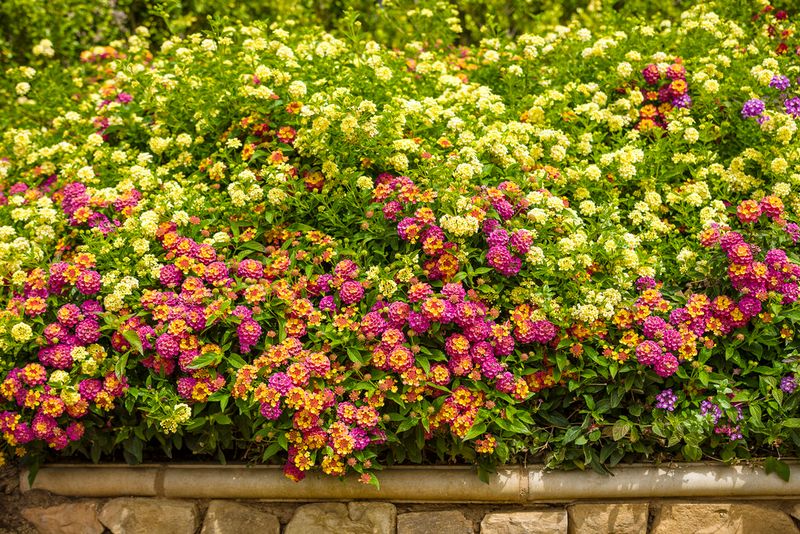
Most Florida porch plants give up sometime around July, when the air feels like a wet blanket and the afternoon sun turns every pot into a little oven.
You replace them, they wilt again, and the whole cycle gets old fast.
There’s a plant that genuinely shrugs off that punishment and keeps flowering through the worst of summer, but the name on the tag matters more than you might expect.
Get the right cultivar and your porch could look better in August than it did in April.
The Best Match Is Sterile Lantana
Plenty of plants promise to hold up on a Florida porch in summer, then fold by the end of June.
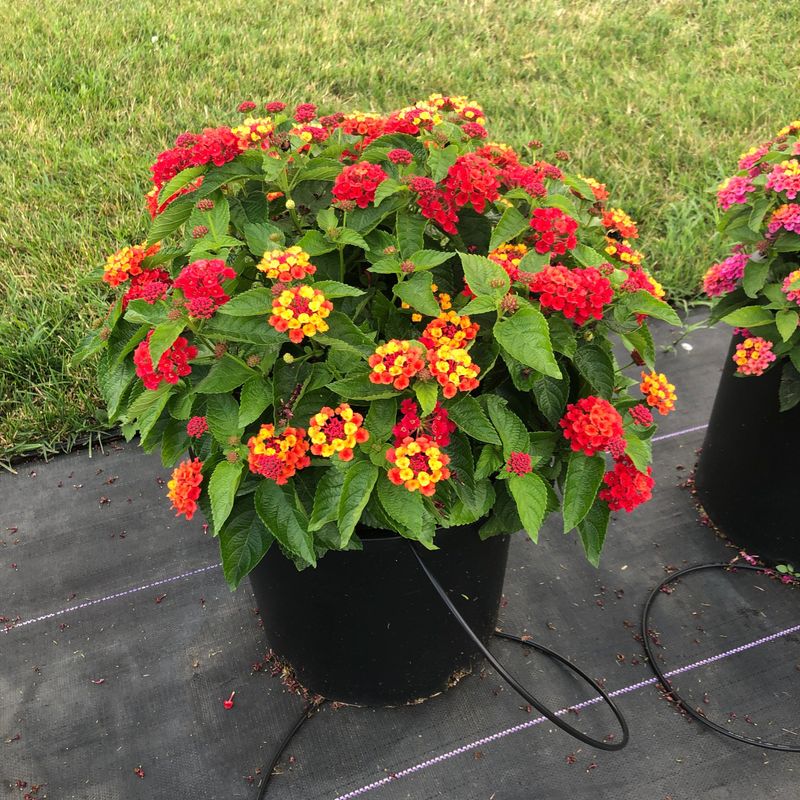
The one that actually delivers on that promise is Lantana camara, specifically a verified sterile cultivar such as ‘Bloomify Red’, ‘Bloomify Rose’, or ‘Luscious Royale Red Zone’.
UF/IFAS describes lantana as heat, salt, and drought tolerant, suited for full sun and well-drained sites, and well adapted to Florida planters.
That is a short list of traits that match a baking porch almost perfectly.
The headline says “never wilts,” and here is the honest version of that claim: a healthy sterile lantana in a properly watered container is far less likely to collapse in summer heat than most flowering plants you will find at a big-box store.
But it can still wilt if the pot dries out, especially during a stretch of hot, windy weather.
The plant’s real advantage is resilience, not invincibility.
When you walk into a nursery, the cultivar name is the first detail to lock in.
UF/IFAS assesses ‘Bloomify Red’ as not a problem species in North, Central, and South Florida, a distinction that matters because common lantana does not earn that same rating.
The ‘Luscious Royale Red Zone’ cultivar carries the same favorable assessment across all three Florida zones.
Write the name down before you go, because a tag that says only “lantana” tells you nothing useful about whether the plant is safe to grow here.
What Gives It Summer Staying Power
On a Florida porch in July, you are asking a plant to handle full sun, high humidity, reflected heat off the floor or railing, and stretches between rain that can leave a small pot bone dry in less than a day.
Most flowering annuals tap out under that combination.
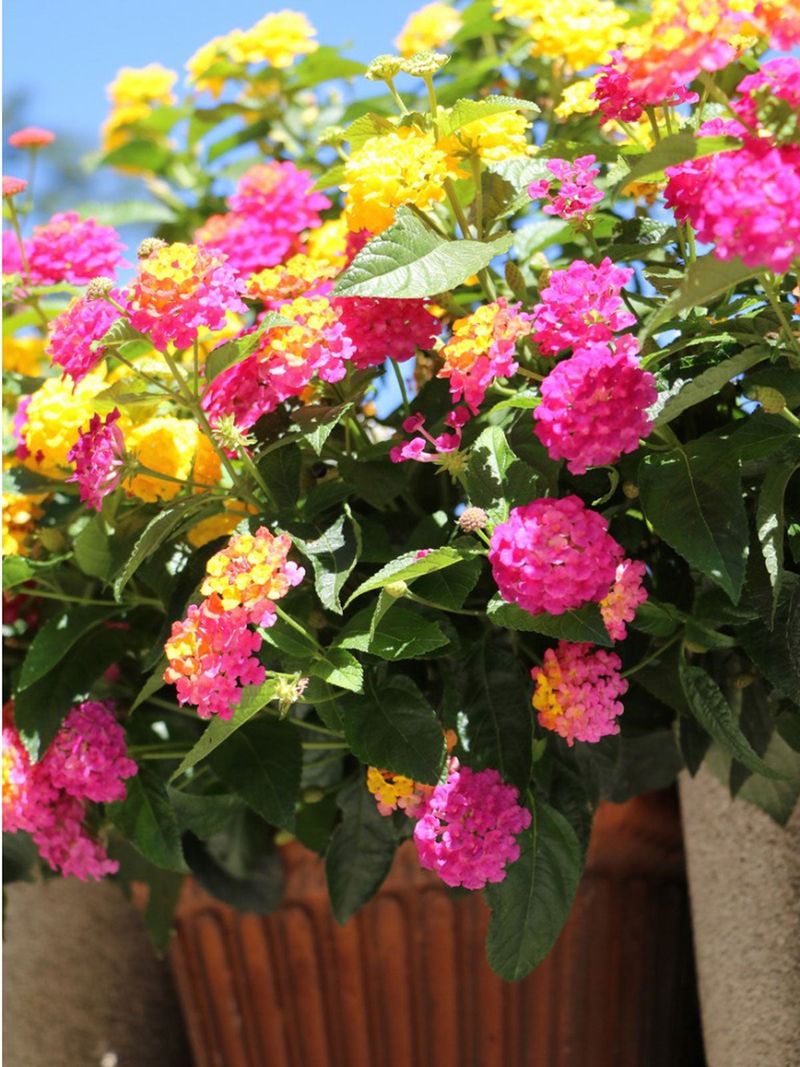
Lantana handles it because the plant evolved in open, sun-baked conditions and developed genuine tolerance for heat, salt, and dry spells after it gets established.
The full-sun requirement is actually an asset on a bright porch rather than a liability.
UF/IFAS notes that lantana flowers more when watered regularly, which means the repeat blooming you want through summer is tied directly to keeping the roots consistently moist, not to any magic the plant performs on its own.
Good drainage matters just as much, because a plant that tolerates dry conditions can still suffer when roots sit in standing water.
Here is where the container situation changes the math.
An established lantana growing in a large in-ground bed has a deep reservoir of soil around its roots.
A pot on a porch does not.
UF/IFAS container guidance warns that pots can dry very quickly, particularly in exposed, windy spots.
The same guidance recommends checking soil moisture about once a day until you learn how your specific site behaves.
Drought tolerance is a real trait, but it does not make a container plant water-free.
Think of it as a longer fuse, not a fireproof plant.
The Cultivar Name Protects Florida
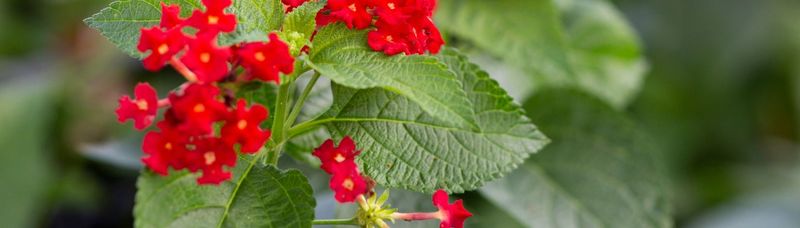
Common lantana is genuinely beautiful, and that is part of the problem.
Birds eat the small dark berries and carry seeds into natural areas, where the plant spreads and crowds out native vegetation.
UF/IFAS lists common lantana as invasive throughout Florida, including North, Central, and South Florida, and does not recommend it as a landscape plant.
That assessment covers the resident types sold under vague labels at many nurseries.
Verified sterile cultivars are a different story.
The ‘Bloomify’ cultivars were developed through UF/IFAS breeding work specifically to reduce fruit and viable seed production, and they carry an assessment of “not a problem species” in all three Florida zones.
A peer-reviewed study found that ‘Bloomify Red’ produced more than 99 percent fewer fruits than fertile resident lantana.
That is a meaningful reduction, though it does not mean every plant sold under a similar-sounding name shares that trait.
The cultivar name on the tag is the only reliable signal.
The UF/IFAS lantana management guide makes clear that a vague nursery label reading only “lantana” does not establish sterility.
Ask the nursery staff to show you the full cultivar name, or check the grower’s tag on the pot.
If the name is not there, choose a different plant or a different store.
For readers who prefer native plants, Florida does have two native lantana relatives worth knowing.
Pineland lantana, Lantana depressaLantana involucrata, and buttonsage, , are recognized by the Florida Native Plant Society as true Florida natives.
They are ecologically preferable for a native-plant garden, though the commercially available sterile ornamental cultivars remain the stronger porch-container recommendation for most homeowners looking for compact, repeat-flowering performance.
UF/IFAS extension guidance on invasive lantana provides additional context for anyone wanting to understand the full picture before buying.
A Tough Plant Still Needs a Water Check
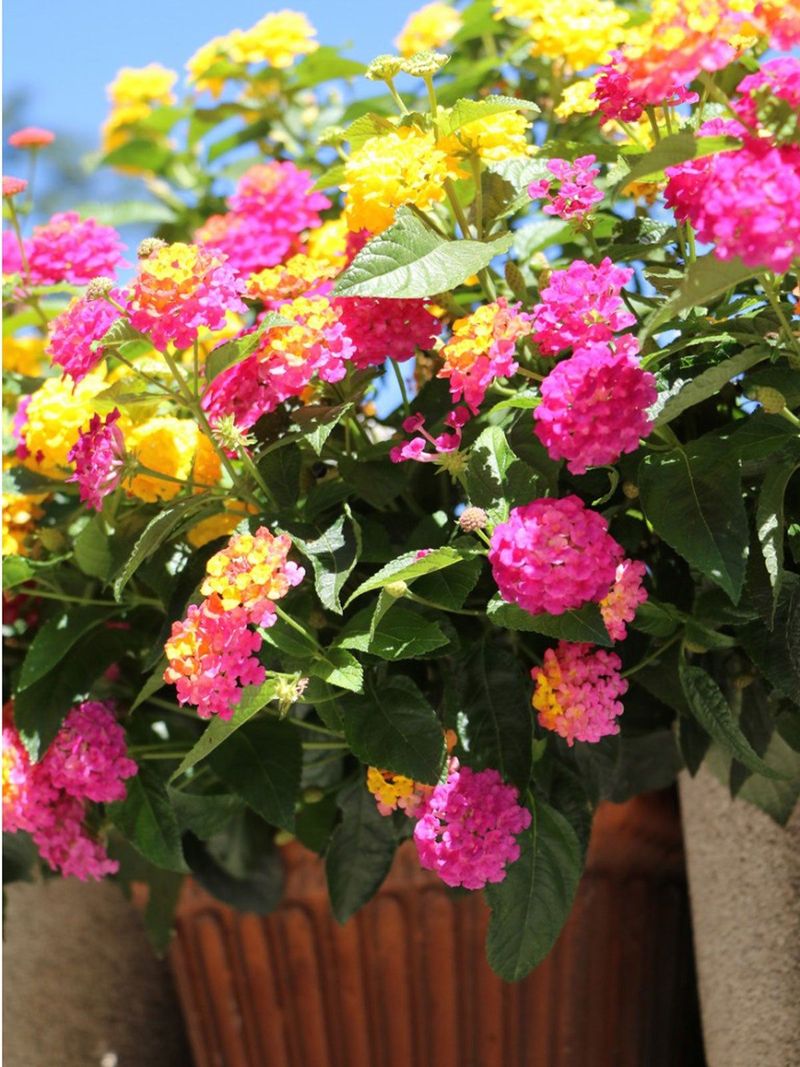
You step onto the porch after breakfast and the air already feels heavy, even at 8 in the morning.
That is Central Florida in August, and your lantana pot felt the heat all night.
Checking the soil before the day gets going is the single most useful habit you can build for a container plant in this climate.
Start with the right foundation.
Use a commercial potting mix rather than soil scooped from the yard, and make sure every container has drainage holes at the bottom.
Florida ground soil compacts in pots and drains poorly, which creates the wet-root conditions that lantana actually cannot tolerate.
UF/IFAS container guidance recommends watering thoroughly until excess drains from the holes, then emptying saucers so roots do not sit in pooled water.
Skip the fixed calendar.
UGA Extension container guidance advises checking the top half-inch to one inch of potting mix and watering when that layer is dry, rather than following a once-a-week schedule.
A small pot in a windy, sun-exposed spot can reach that threshold every single day during active summer growth.
A larger, shadier container might need water every 2 or 3 days.
UF/IFAS vegetable container guidance suggests checking once a day until you learn your site’s rhythm, and that same principle applies here.
UGA Extension notes that newly planted containers may need water every 2 to 5 days, while established plants in active growth can need daily watering depending on pot size, plant size, weather, and exposure.
Water in the morning when you can.
Wet foliage sitting through a humid Florida night is a recipe for fungal trouble, and morning watering gives the leaves time to dry before dark.
Match the Pot to the Porch
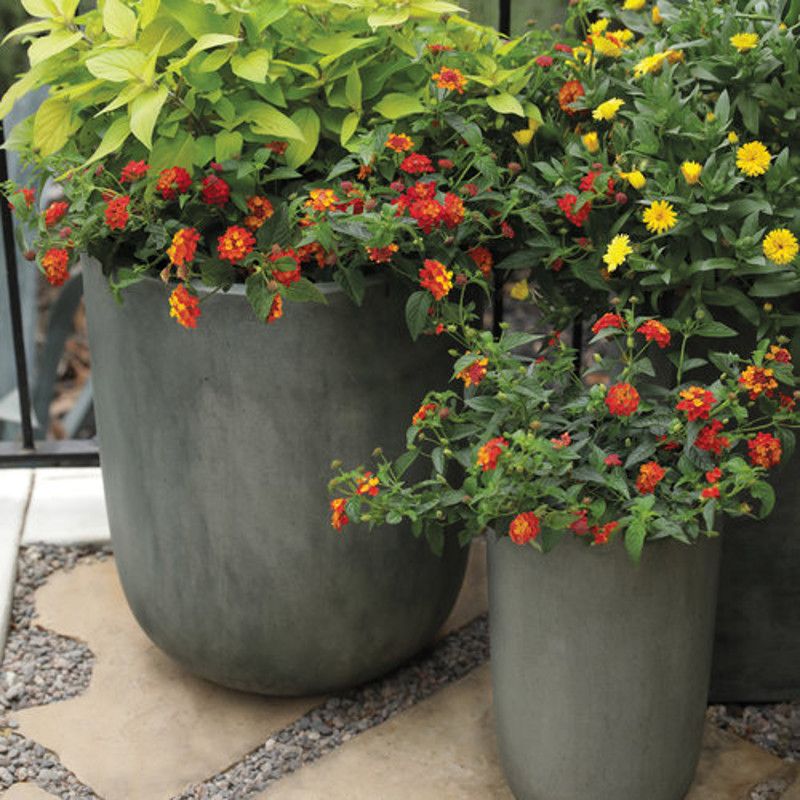
Not every porch in Florida offers the same growing conditions, and a plant that thrives on a south-facing Gulf Coast balcony with full afternoon sun may behave differently on a covered North Florida entry with dappled morning light.
Before you buy the plant, spend a few minutes reading your actual porch.
UF/IFAS recommends full sun for mature lantana, which means at least 6 hours of direct sunlight daily.
A porch that gets strong morning sun and some afternoon shade can still work well.
A deeply shaded porch or a screened enclosure that blocks most direct light will limit flowering and may encourage leggy growth.
Wind, reflected heat from concrete or metal railings, and salt spray along the coast can all change how quickly a container dries, though these are site considerations rather than absolute rules with measurable thresholds for lantana specifically.
The container itself matters more than many people expect.
UGA Extension notes that a larger, stable container is more forgiving than a small decorative pot because it holds more soil volume and dries more slowly.
A container that is too small will stress roots quickly on a baking porch.
UF/IFAS container guidance emphasizes drainage holes as non-negotiable for any porch planting.
When roots begin to crowd the pot, move the plant to a modestly larger container rather than waiting until it is severely root-bound.
Going to a pot that is roughly 3 to 4 inches wider gives the roots room to expand without leaving so much extra soil that moisture stays trapped too long.
The ‘Bloomify’ cultivars are assessed across North, Central, and South Florida, but winter performance still varies by zone, and North Florida gardeners should expect cold snaps that may affect top growth.
Keep the Flowers Coming
A lantana that gets leggy mid-summer is not failing, it is just asking for a trim.
Light pruning during the growing season encourages new growth from lower on the stems and keeps the plant compact and bushy rather than stretched and sparse.
You do not need to be aggressive about it, a modest cut back of the longest stems every few weeks is enough to redirect the plant’s energy toward new flower clusters.
UF/IFAS notes that lantana can be cut back more severely at the end of the growing season, with new growth following afterward.
In South Florida, where winters are mild, that end-of-season reset may come later than it does for gardeners in North Florida dealing with a hard freeze.
Adjust the timing to your zone rather than following a single statewide calendar.
Fertilizer supports healthy growth, but more is not better here.
Use a slow-release or controlled-release product and follow the label for the amount.
UF/IFAS recommends light applications partly to reduce runoff into Florida waterways, and excess fertilizer can actually push lush leaf growth at the expense of flowers.
Apply it at the start of the growing season and again mid-summer if the plant looks pale, and let the label guide the rate.
Regular watering actually supports flowering even though lantana tolerates dry spells.
A plant that is mildly drought-stressed will eventually bloom less.
Keep the moisture consistent and the deadheading light, and the flowers keep coming.
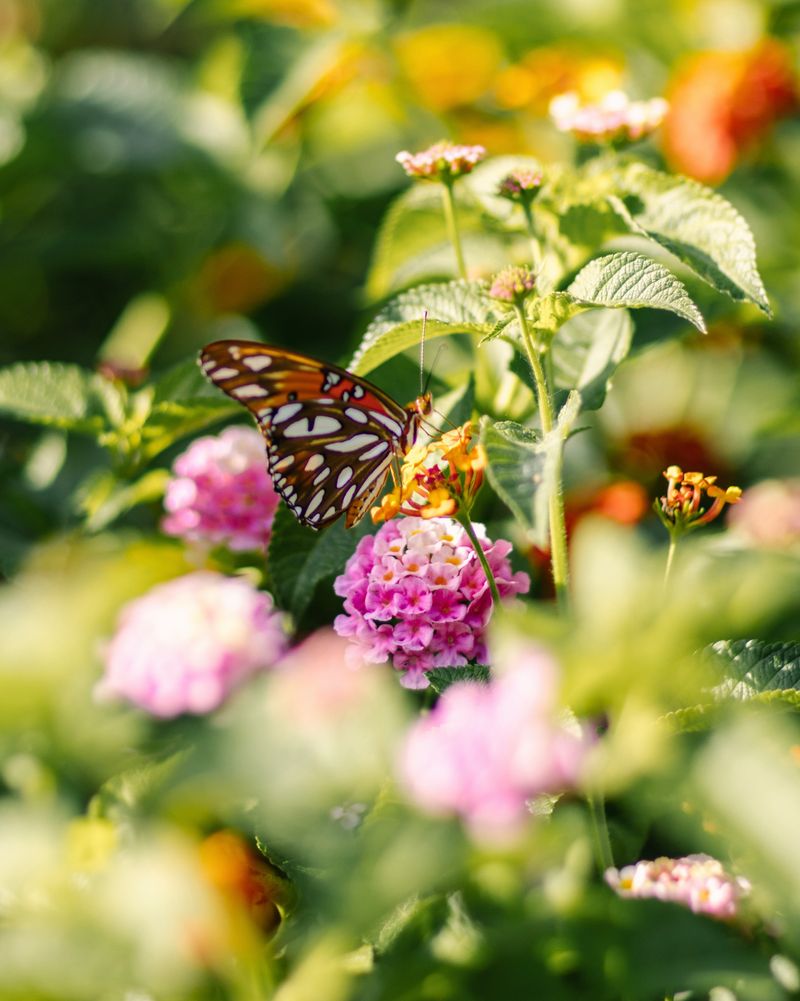
One genuine bonus: a peer-reviewed Florida study found that sterile ‘Bloomify Rose’ still received pollinator visits, including bees and butterflies, without any apparent reduction from its sterility.
The original UF/IFAS breeding research confirmed excellent landscape performance alongside the low fruit production that makes these cultivars a responsible Florida choice.
Gulf fritillaries and zebra longwings are regular visitors, which makes a flowering lantana pot feel like more than just decoration.
Know Its Remaining Risks
Heat tolerance does not come with a pest-free guarantee.
Lantana is relatively resistant to many common insects and diseases compared with more finicky flowering plants, but “relatively resistant” is not the same as immune.
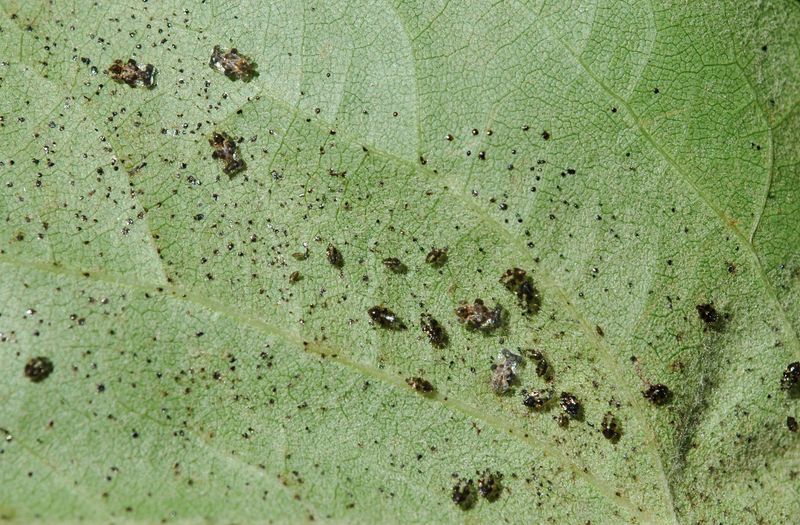
The lantana lace bug is the one pest that can cause real trouble, feeding on the undersides of leaves and leaving the upper surface looking pale, stippled, and washed out.
UF/IFAS extension material on lantana lace bug documents how extensive the damage can become if the infestation goes unnoticed.
Flip a few leaves every week or two and you will catch it early, when treatment options are simpler.
Disease problems are less common when the plant has good air circulation, proper drainage, and morning watering.
Crowded, wet conditions can increase the risk of fungal issues.
UF/IFAS plant pathology resources cover disease management principles that apply here: improve spacing, reduce overhead moisture, and address drainage before reaching for a product.
If a treatment becomes necessary, follow the label and check with your local Extension office for guidance specific to your county.
The safety warning deserves its own paragraph and should not be skipped.
UF/IFAS identifies common lantana as poisonous, with the berries considered especially dangerous to children and animals.
The UF/IFAS lantana management guide reinforces that the plant poses a toxicity risk and should be kept away from anyone who might chew the leaves, flowers, or fruit.
Do not allow children or pets near lantana plant material.
Sterility refers to seed production, not to the plant’s chemistry, so do not assume that a sterile cultivar is automatically safer to eat or handle than common lantana.
Treat all parts of the plant as off-limits for consumption.
Use the Plant Without Overpromising
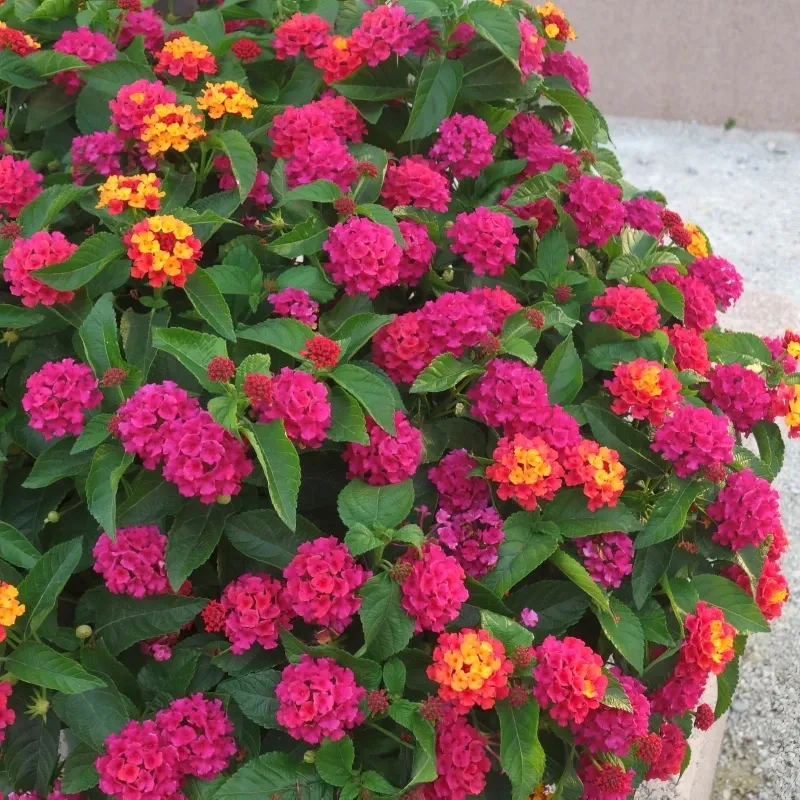
After a summer of replacing plants that gave up in the heat, finding something that actually holds on feels like a small victory.
Sterile lantana earns that reputation honestly, but it works best when you set it up correctly from the start rather than expecting it to thrive on neglect.
Here is the practical checklist.
Buy a named sterile cultivar such as ‘Bloomify Red’, ‘Bloomify Rose’, or ‘Luscious Royale Red Zone’, and confirm the name on the tag before you leave the nursery.
These cultivars carry UF/IFAS assessments as not a problem species across Florida zones, which matters for both ecology and peace of mind.
Use a container with drainage holes and fill it with commercial potting mix.
Place the pot where it will receive strong light, at least 6 hours of direct sun daily when possible.
Check the soil moisture regularly, water thoroughly when the top layer is dry, and let the excess drain away completely.
UF/IFAS container guidance is straightforward on this point: do not let roots sit in standing water.
Monitor leaves for lace bug or disease signs, keep children and pets away from all plant parts, and choose a site that matches your porch’s actual light and exposure.
UF/IFAS confirms lantana’s heat, salt, and drought tolerance and its suitability for Florida planters, but performance still varies with local temperature, exposure, and site conditions across a state as climatically diverse as Florida.
The UF/IFAS lantana management guide is worth bookmarking for anyone who wants the full picture on cultivar selection and responsible planting.
Done right, this plant does not just survive a Florida summer, it makes the porch worth sitting on again.