
The Native Texas Flowers You Sow Before September Ends For A Colorful Spring
Follow us on Google
You step outside before breakfast and the patio already feels warm, that familiar Texas summer sigh, even as the calendar creeps toward fall.
You might figure the season for planting pretty things is over, but that is not actually true if you want a colorful spring.
Right now, before September ends, there is a quiet window opening across Texas yards.
Toss out the right native seeds now, and you set the stage for a breathtaking show next April.
1. Don’t Wait For The Weather To Turn Cold
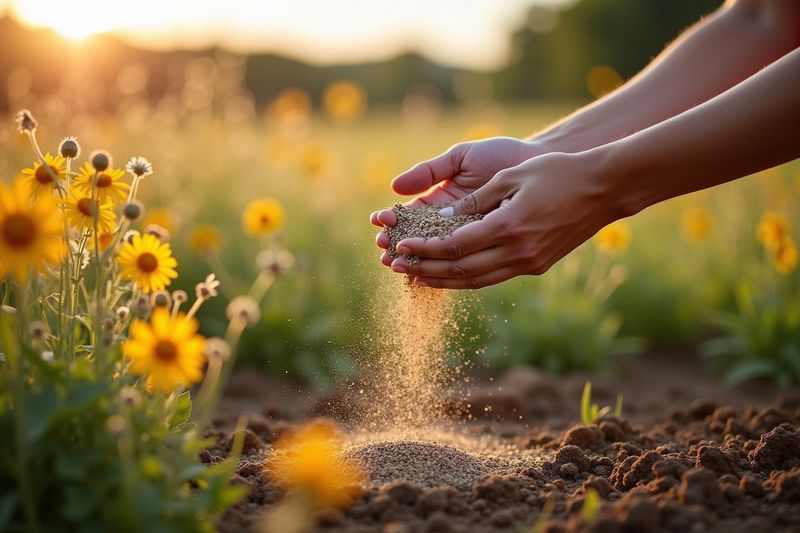
Plenty of Central Texas gardeners swear they should wait until the real chill arrives before scattering wildflower seeds.
Here is where it gets tricky, because that habit misses how our natives actually work.
These plants are smart, genuinely, they are built to sprout in cool months, not just cold ones.
Sowing in early fall lets seeds settle in and grow roots while the weather is still mild and forgiving.
For most of Texas, the sweet spot runs from September through November.
Wait too long, past mid-November in North Texas, and you risk a thinner spring show.
The seeds need time to nestle in and answer the cooler temperatures.
So mark your September calendar.
Get the seed down now, and nature does the slow work for you while you sip your coffee.
2. Texas Bluebonnets Need A Winter Nap To Wake Up
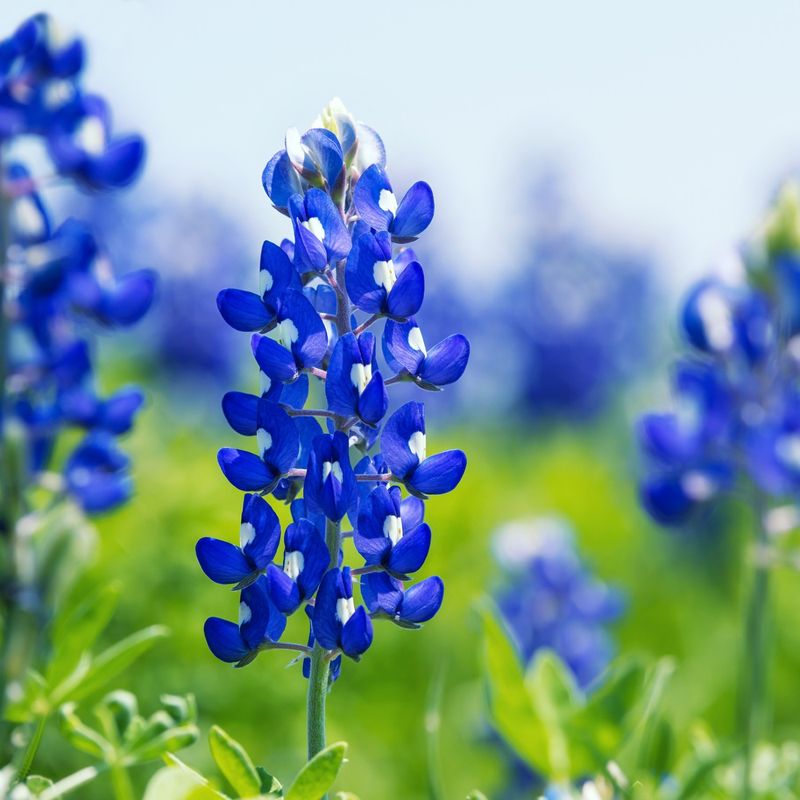
Our state flower carries a secret.
The Texas Bluebonnet (Lupinus texensis) needs a proper winter sleep before it can truly shine.
Each seed wears a tough outer coat, a built-in defense against sprouting at the wrong moment.
To crack that armor, it needs a stretch of cold, moist ground.
Sow before September ends, and the Texas winter handles the whole trick for you.
Want a head start?
Lightly nick or scratch the hard shells, a step gardeners call scarification, or soak the seeds in water for 24 hours before planting.
Press them about a quarter inch deep into well-drained soil, and firm the dirt so seed meets soil snugly.
Come spring, that blue river across your yard feels like a small miracle you earned.
3. Indian Paintbrush Dances With Bluebonnets When Sown Early
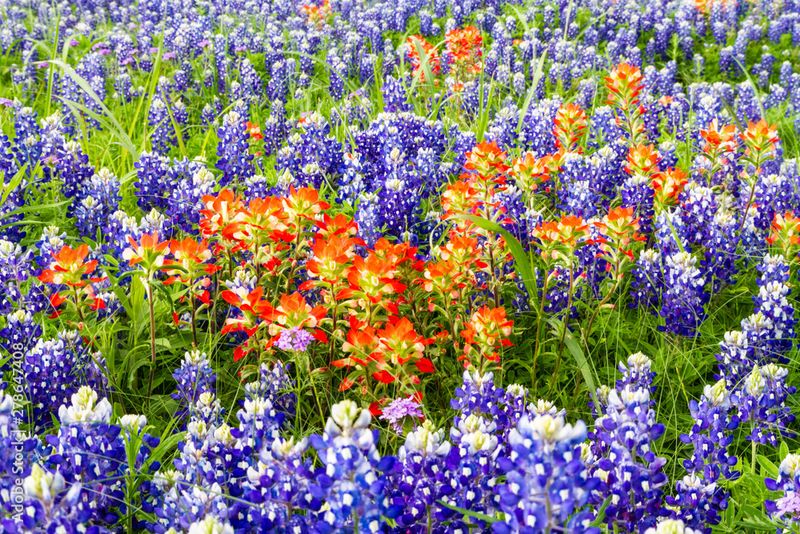
Picture ribbons of fiery red and orange weaving through fields of blue.
That is the magic of Indian Paintbrush (Castilleja indivisa), a beloved native that blooms right beside bluebonnets in early spring.
Like its blue neighbor, it is a cool-season plant that leans on fall sowing and a winter overwintering to bring those knockout colors.
The seeds are almost dust, so surface sow them or barely rake them in, no deeper than an eighth of an inch.
Full sun and well-drained ground make it happy, from sandy loam to some clays.
But here is the twist, Paintbrush is a bit of a trickster.
It is hemiparasitic, meaning it often taps the roots of nearby grasses to truly flourish.
Sow it among your bluebonnets and let the two put on a show together.
The pairing looks like Texas painted itself.
4. Indian Blanket Loves Fall For A Long, Cheerful Bloom
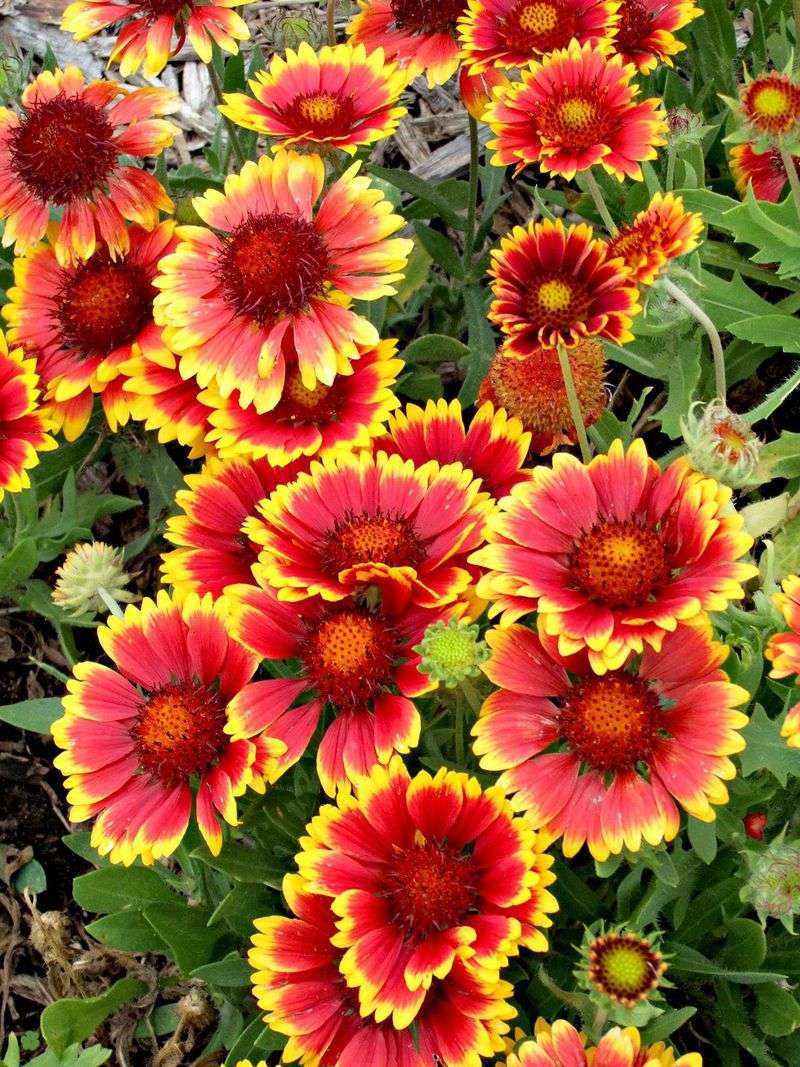
For a cheerful blast of red, orange, and yellow, nothing beats the Indian Blanket (Gaillardia pulchella).
This annual reseeds itself generously, so it keeps showing up year after year if you let it.
Those pinwheel blooms run from April well into June, but only if you sow the seeds in fall.
Timing is the whole game here.
Indian Blanket wants full sun and sharp drainage to keep its roots content, so skip the soggy low spots.
When you plant, barely cover the seeds.
They actually need a little light to germinate, so burying them deep works against you.
Give it a lean, sunny corner and it will pay you back for years.
It is the kind of flower that makes a plain fence line look like a party.
5. Pink Evening Primrose Spreads Sweetly From Fall Plantings
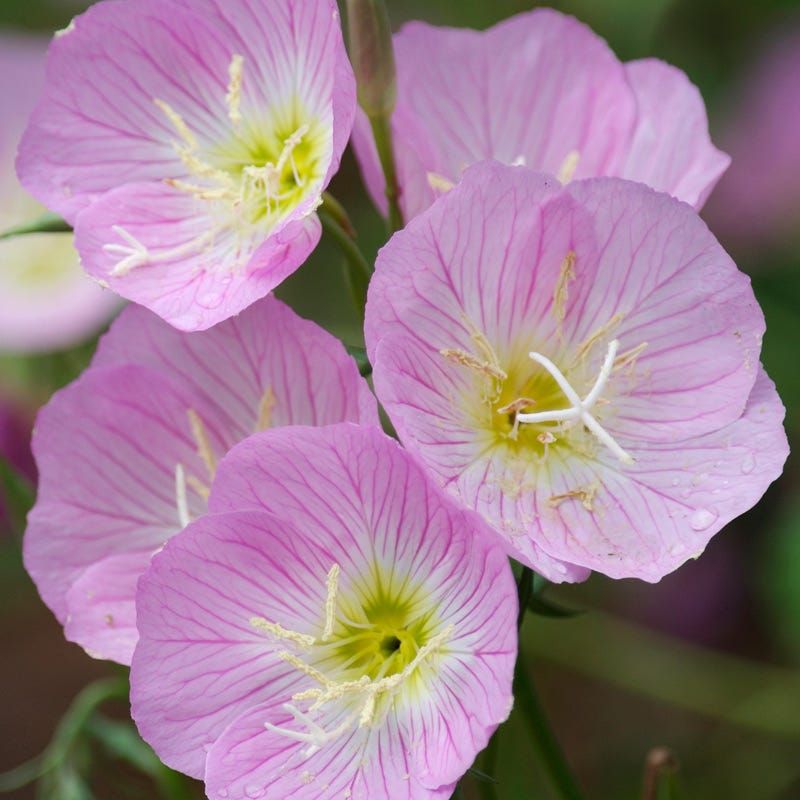
The shell-pink cups of Pink Evening Primrose (Oenothera speciosa) are one of spring’s kindest sights.
In some areas they open as early as February and keep going into summer.
A perennial by nature, it spreads into soft colonies, and the surest way to start it is by sowing seed in late summer or early fall.
Get it down before September closes and it settles right in.
It is genuinely tough.
Full sun and well-drained soil suit it, which makes it a champ for those dry, rocky spots in Central Texas and the Hill Country where fussier plants give up.
Once it takes hold, it is famously drought-tolerant, so ease off the hose.
Next spring you will find it popping up all over, a soft pink surprise you did not have to fuss over.
6. Black-Eyed Susan Brings Gold That Feeds The Bees
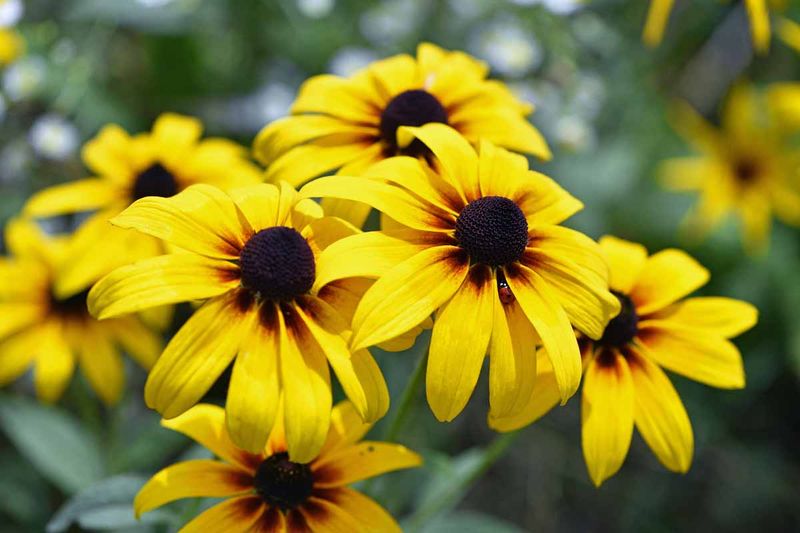
Gold with a dark heart, that is the Black-Eyed Susan (Rudbeckia hirta), a native that looks like sunshine landed in your yard.
It carries the late-spring show right when bluebonnets fade.
Sow it in fall so the seeds can settle and the young rosettes can toughen up over winter.
Scatter them on cleared ground and press them lightly, since they germinate best with just a whisper of soil over them.
It handles the acidic sandy soils of East Texas and the heavier clays farther west, which is a rare kind of flexibility.
Space clumps roughly 12 inches apart if you thin them, and give it at least 6 hours of full sun.
Bees and small pollinators work these blooms all day long.
So you get the color, and your yard gets a little busier and more alive.
7. Native Milkweed Sown Now Waits For The Monarchs
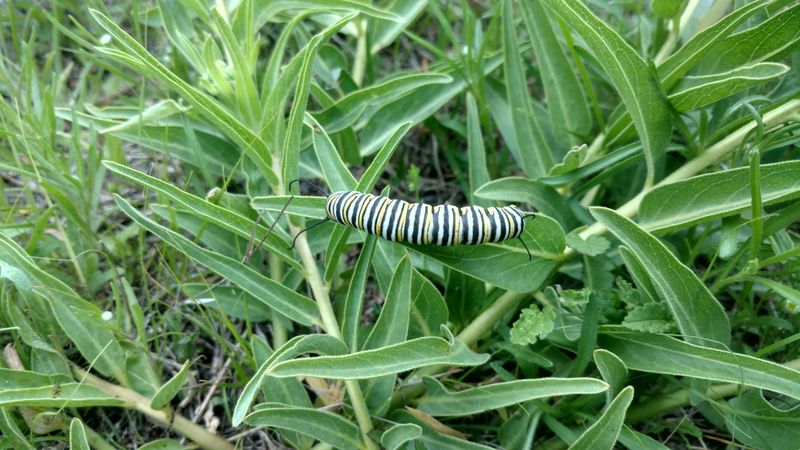
Every spring and fall, monarchs stream across Texas on one of the great migrations on this continent.
And they are hunting for one thing, milkweed.
Native antelope horns milkweed (Asclepias asperula) is the quiet hero here, the only plant monarch caterpillars will eat.
Sow the seeds in fall, because they need a cold, moist stretch, what growers call cold stratification, to break dormancy.
Plant them about a quarter inch deep in full sun and well-drained ground.
Be patient, native milkweed is slow to establish and may not bloom big the first year while it builds roots.
Texas A&M AgriLife Extension points to native milkweeds as the backbone of monarch recovery across the state.
Get a patch going now, and next spring you might watch a monarch lay eggs in your own yard.
That is a memory worth planting for.
8. Preparing The Ground Is Easier Than You Think
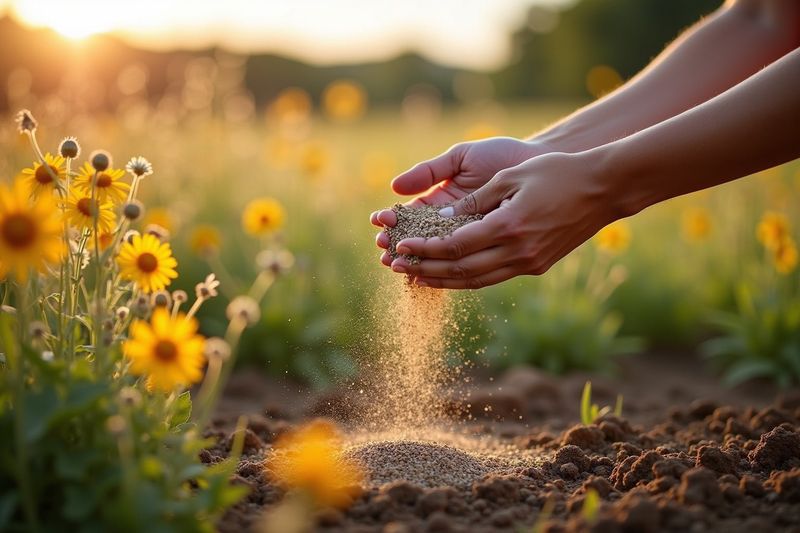
Getting your yard ready for these natives is nothing like prepping a vegetable bed, thankfully.
Wildflowers are not fussy, but they do want a fair start.
First, pick a spot that catches at least 6 to 8 hours of direct sun a day.
Then clear away the grass and weeds fighting for that ground.
You can mow it very low and rake off the debris, or just rough up the top inch of soil with a rake or hoe.
The goal is bare dirt and good seed-to-soil contact, not a deeply tilled bed.
Skip the fertilizer too.
Native wildflowers actually prefer leaner soil, which pushes them to grow stronger roots and more blooms.
Less pampering, more color, that is the trade you want.
9. Watering Wisely Is Key For Tiny New Sprouts
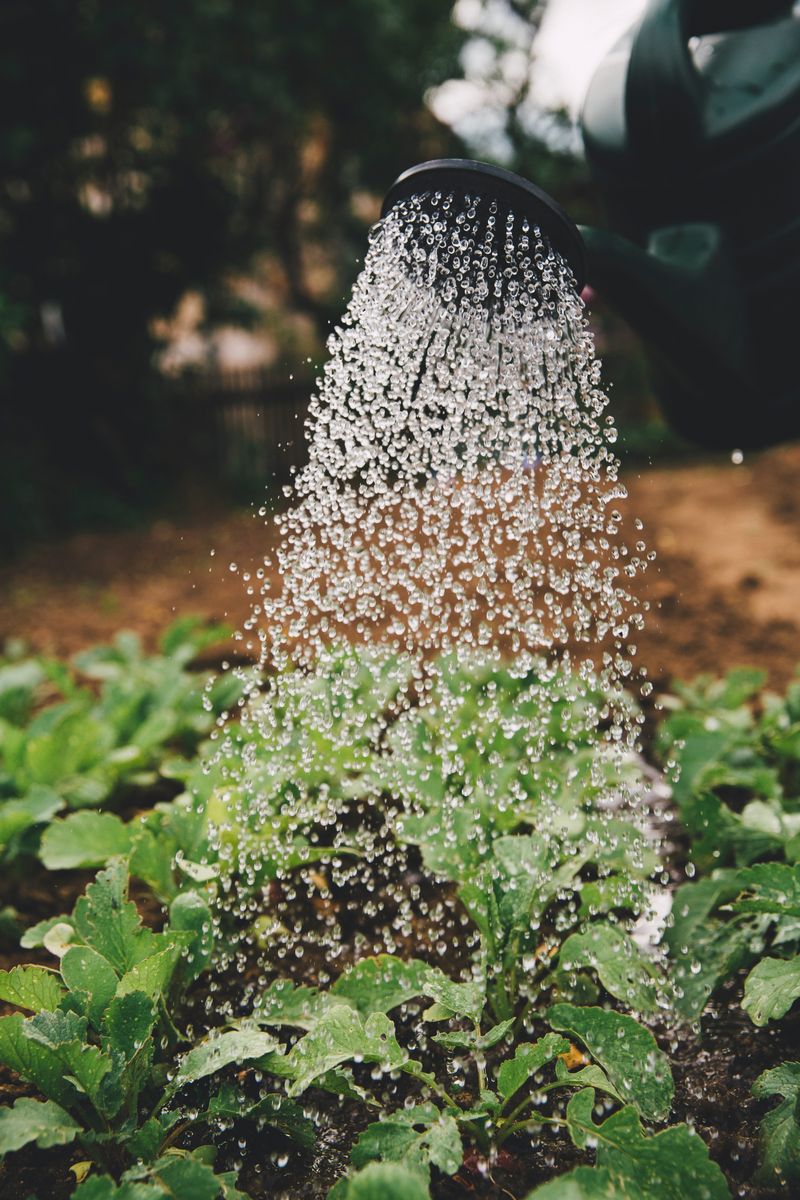
Once the seeds are scattered, press them gently into the soil.
Walking across the area in flat-soled shoes does this job perfectly, no fancy tools needed.
Then comes the first drink.
Water lightly but thoroughly to settle everything in, and avoid a hard blast that washes seeds away.
The trick after that is to keep the soil steadily moist until the seedlings poke through, especially if West Texas throws a dry spell your way.
But do not overdo it.
You are not building a bog, just a cozy, damp bed for the seeds.
Once the young plants push out a few true leaves, they get far more self-reliant and lean mostly on natural rain.
From there, your water bill barely notices them.
10. Winecup Weaves Color Low Across Lean Soil
Some flowers stand tall.
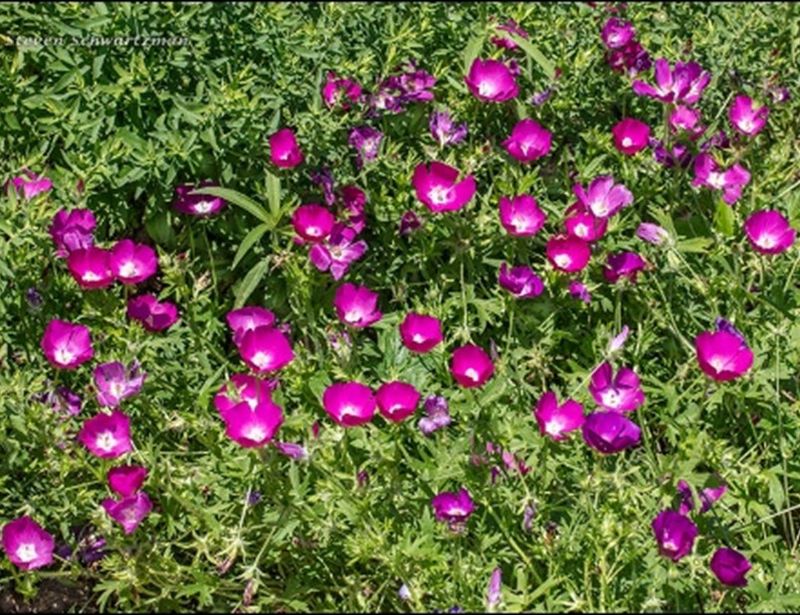
Winecup (Callirhoe involucrata) does the opposite, trailing low and spilling deep magenta chalices across the ground like spilled wine.
A native perennial, it thrives on the shallow alkaline caliche and rocky soils of the Hill Country and West Texas, the kind of spots that break other plants.
Sow it in fall so the seeds get their cool, moist rest before spring.
Plant about a quarter inch deep in full sun, and give each one room since it can sprawl 2 to 3 feet wide.
It stays low, usually under 12 inches, so it fills gaps between taller wildflowers without crowding them.
Once rooted, it shrugs off drought like an old Texan shrugs off heat.
Blooms roll from March into June, threading rich color through your bed at ankle height.
11. Mix Your Seed With Sand For Even Coverage
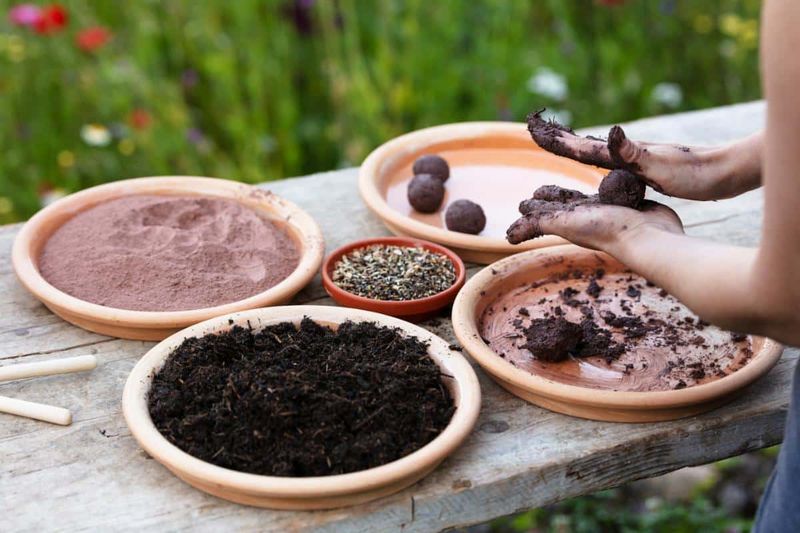
Tiny seeds have a way of clumping and landing in patches, leaving you with crowded spots and bare gaps.
There is a cheap old fix your grandparents probably used.
Mix your seed with dry sand before you scatter, roughly 4 parts sand to 1 part seed.
The sand spreads the seed out and, being pale, shows you exactly where you have already covered.
Broadcast the blend by hand over your cleared ground, walking in one direction and then crossing back the other way for even spread.
This matters most with dust-fine seed like Indian Paintbrush or evening primrose that vanishes the moment it leaves your palm.
Even coverage means fewer bald spots come April.
It is a small trick, but it is the difference between a scattered handful and a full, generous carpet of color.
12. Expect Delayed Gratification For An Amazing Reward
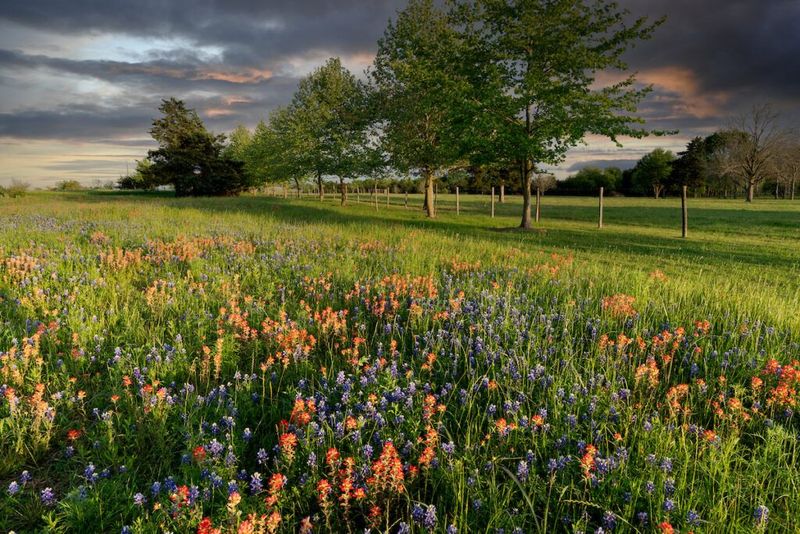
Planting natives in fall is a lesson in waiting, and the payoff is genuinely worth it.
Above ground during the cold months, you will see almost nothing happening.
Below the surface, though, a quiet miracle unfolds.
The seedlings build strong root systems and settle into small rosettes of leaves that can ride out a hard freeze.
That underground work is the whole foundation for the explosion of color that lands in spring.
Without those months of patience, the show never comes.
By getting your seed down before September ends, you are making a promise to your yard and to yourself.
Come spring, you will stand on that warm patio again and watch it keep that promise, and you will know you had a hand in every bloom.