
North Carolina Native Plant Nurseries Worth Turning Into A Weekend Road Trip
Follow us on Google
You drag your patio chair into the shade, and the August air already sits thick and sticky the way it does all over North Carolina. A cicada buzzes somewhere close, and your eyes drift to that empty spot in the yard you keep meaning to fill with something that actually belongs here.
What if one weekend drive could load your car with plants ready to thrive in our red clay or sandy coastal soil? These nurseries are worth the miles, and each one gives you a different reason to gas up the car.
1. Carolina Native Nursery Offers Mountain Azalea Magic
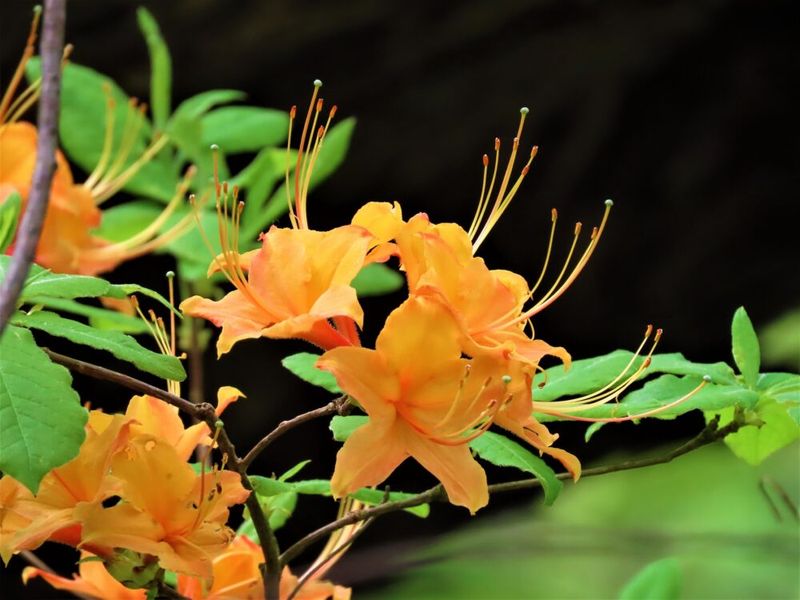
Up in Burnsville, where the Blue Ridge Mountains flex their muscles, the air stays cool even when the Piedmont is baking. Carolina Native Nursery built its whole reputation on growing native azaleas and rhododendrons from seed, including the fragrant sweet azalea (Rhododendron canescens).
Here is where it gets tricky for most gardeners. Many big-box shrubs are cultivars that look pretty but do not feed local wildlife the way true natives do.
This nursery skips that problem by raising plants genuinely adapted to mountain conditions, tough enough for surprise cold snaps in zone 6a.
The visit itself is half the fun. You get propagation greenhouses where the magic starts, a retail section, and a picnic area to sit and soak in the scenery.
Grab their nursery map and take a self-guided walk through native trees, shrubs, and perennials at your own pace.
Bring a group of 15 or more and you can book a guided tour, learning straight from the growers. Drive home with a hard-to-find azalea, and your spring woodland edge will thank you for years.
2. Painters Greenhouse Cultivates Abundance In Old Fort
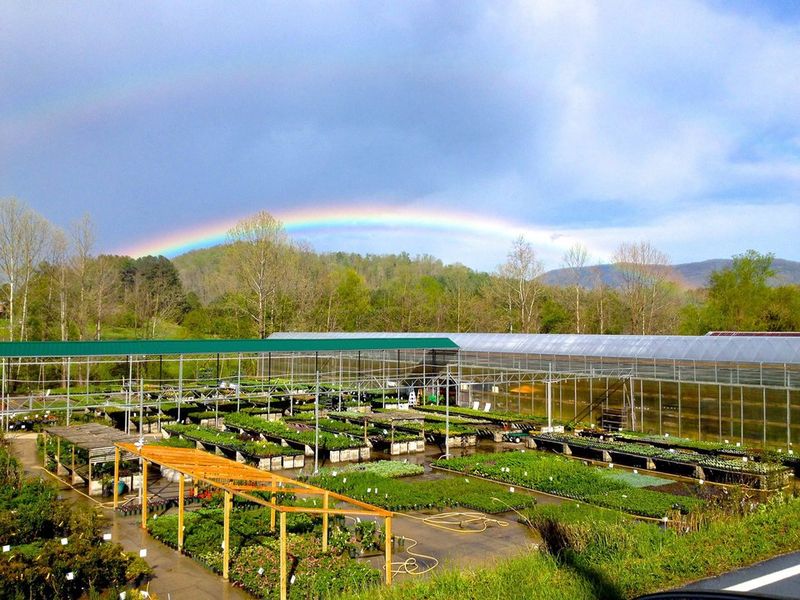
Roll a little east into the foothills near Old Fort and Painters Greenhouse opens up like a gardener’s wonderland. Western North Carolina folks make the trip because this place carries one of the largest inventories in the western counties, with a serious focus on native and pollinator-friendly plants.
What sets them apart is honest and simple. They grow more than 90 percent of their plants right on site, so those roots already know the local climate before they ever reach your yard.
You might snag common milkweed (Asclepias syriaca) to host monarch caterpillars, or delicate foamflower (Tiarella cordifolia) for a shady corner.
Timing matters here. They keep seasonal hours, generally open March through June for spring planting, then again September through October for fall projects.
That rhythm gives their team time to propagate the next round during the off-season.
As you wander, you will find lovely display gardens and inviting picnic spots that make you want to linger past your lunch break. They welcome leashed, well-behaved dogs too, so the family pup can ride shotgun on this one.
3. Winding Stair Gardens Weaves Learning Into Nature
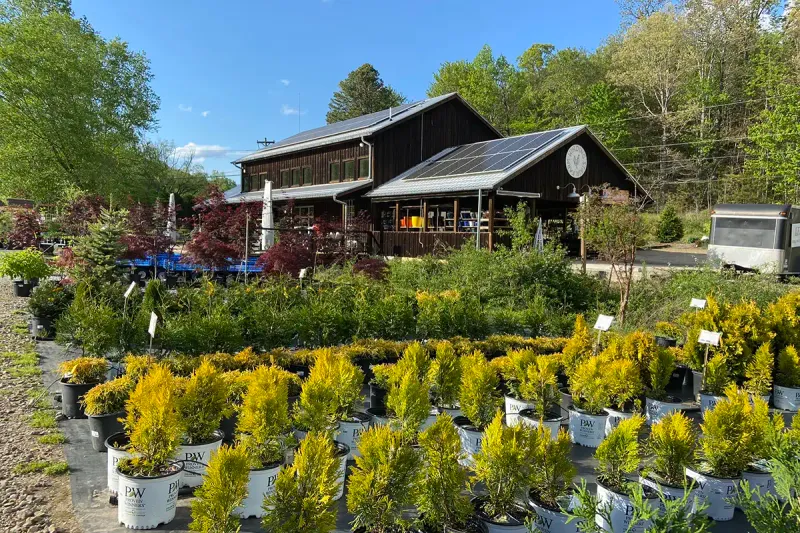
Deep in Macon County, in the mountain town of Franklin, Winding Stair Gardens does something the others do not. Alongside a curated lineup of natives, perennials, shrubs, and trees built for higher elevations, it hands you real knowledge to take home.
Classes and workshops run through the year, and they are genuinely worth planning a weekend around. Picture a Saturday morning spent on backyard beekeeping basics, learning how a queen differs from a worker and why drones get shown the door every fall.
Curious about the pawpaw tree (Asimina triloba)? North America’s largest native edible fruit tastes like a creamy mix of banana, mango, and melon.
You can learn its pollination secrets and even sample fresh fruit in class.
They also teach ethical wild seed collection, so you gather Southern Appalachian wildflower seeds without harming the habitat that made them. Experts, sometimes from NC Cooperative Extension, keep the advice local and reliable.
Open Monday through Saturday, 9 am to 5 pm, you have plenty of daylight to browse and learn.
4. Deep Roots Natives Cultivates Piedmont Ecosystems
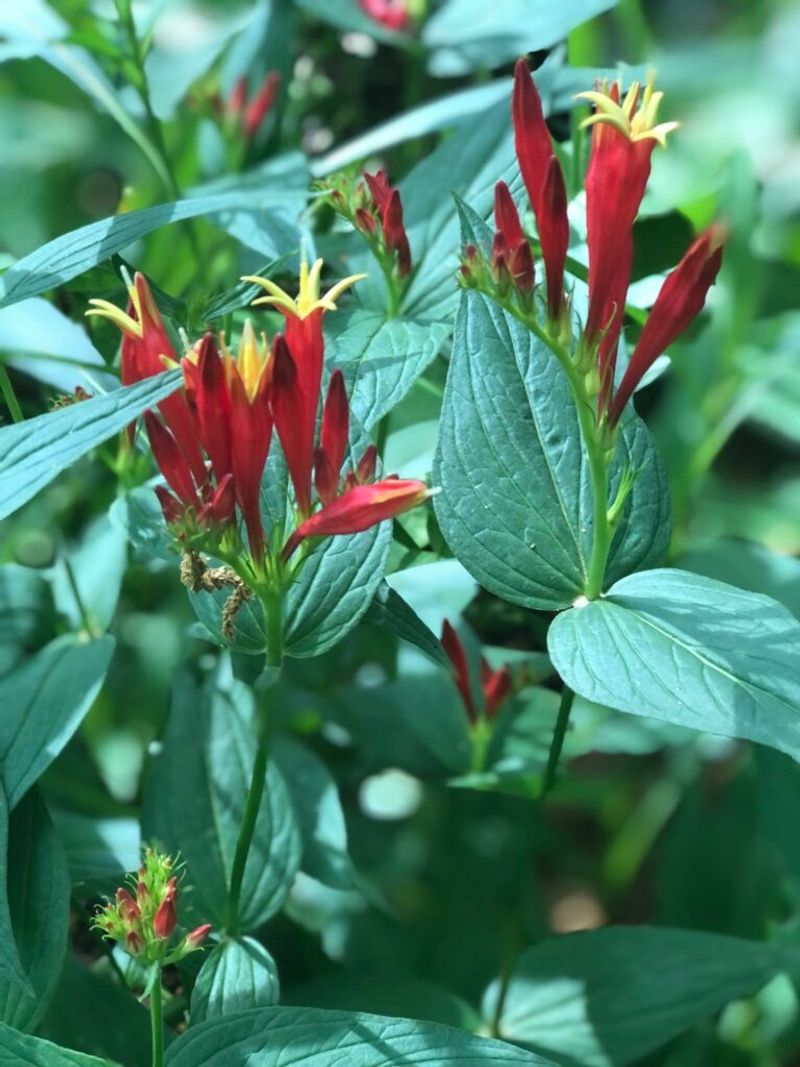
Head into the busy Piedmont, right into Durham, and Deep Roots Natives quickly earns its local following. Both the North Carolina Native Plant Society and the New Hope Audubon Society point people here, which tells you plenty.
Red clay and muggy summers defeat a lot of plants. So they stock species that actually flourish in Southeastern and Mid-Atlantic conditions, from cardinal flower (Lobelia cardinalis) that pulls in hummingbirds to sturdy purple coneflower (Echinacea purpurea) that keeps pollinators busy all season.
The staff genuinely want to build a healthier backyard ecosystem, not just ring you up. They will talk through basic design ideas and match plants to your yard’s sunlight, soil, and moisture, so your choices work with the site instead of against it.
If you want a bigger plan but still like to dig the holes yourself, they offer scheduled landscape design consultations. Hours shift by season, so a quick check online before you head out saves you a wasted drive.
Walk the rows once and you will leave with a head full of ideas.
5. Mellow Marsh Farm Offers Wetland Wonders
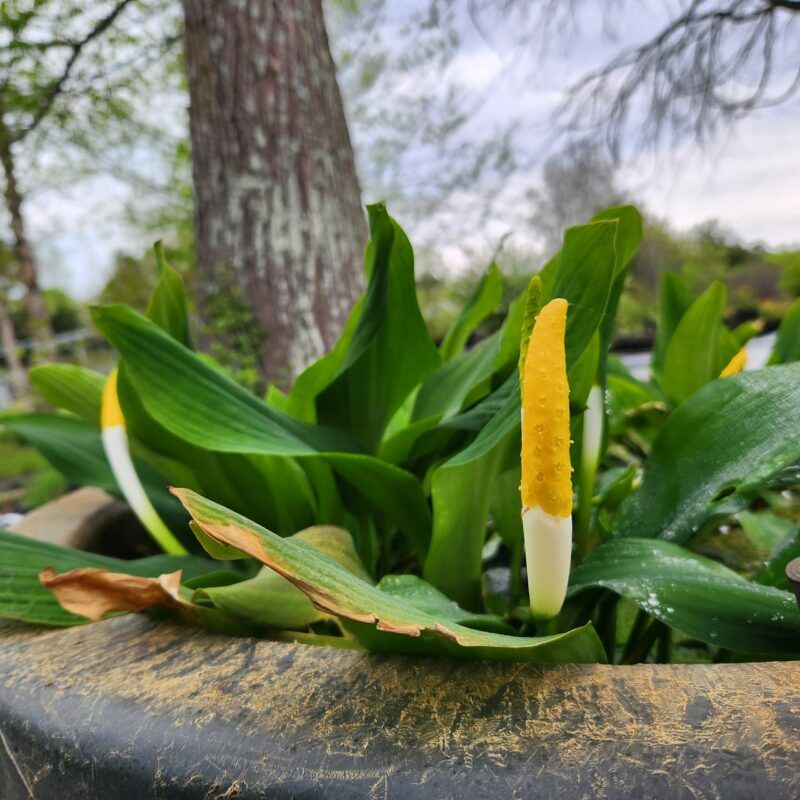
A short hop from the Triangle, tucked into Siler City in Chatham County, Mellow Marsh Farm fills a niche the others do not touch. They specialize in propagating wetland plants native to the Southeast, which is gold if you fight a soggy corner every summer storm.
Got a rain garden, a low spot, or a dream of a small bog garden? Many of their plants grow from seed collected right here in the Carolinas and Virginia.
That means local ecotypes, genetically tough for our climate and our afternoon downpours.
Imagine tall swamp milkweed (Asclepias incarnata) feeding butterflies, or blue flag iris (Iris versicolor) brightening a damp, sunny patch. Plants that drown other varieties will treat these as home.
Most of their business is wholesale, serving big projects like stormwater management and wetland mitigation. But they genuinely welcome homeowners too, often at native plant sales and workshops near the Chatham County Agriculture and Conference Center in Pittsboro.
Retail sales tie to specific events, so check their website or social media before you plan the trip. That soggy corner can become your liveliest habitat yet.
6. Shelton Herb Farm Charms Coastal Gardeners
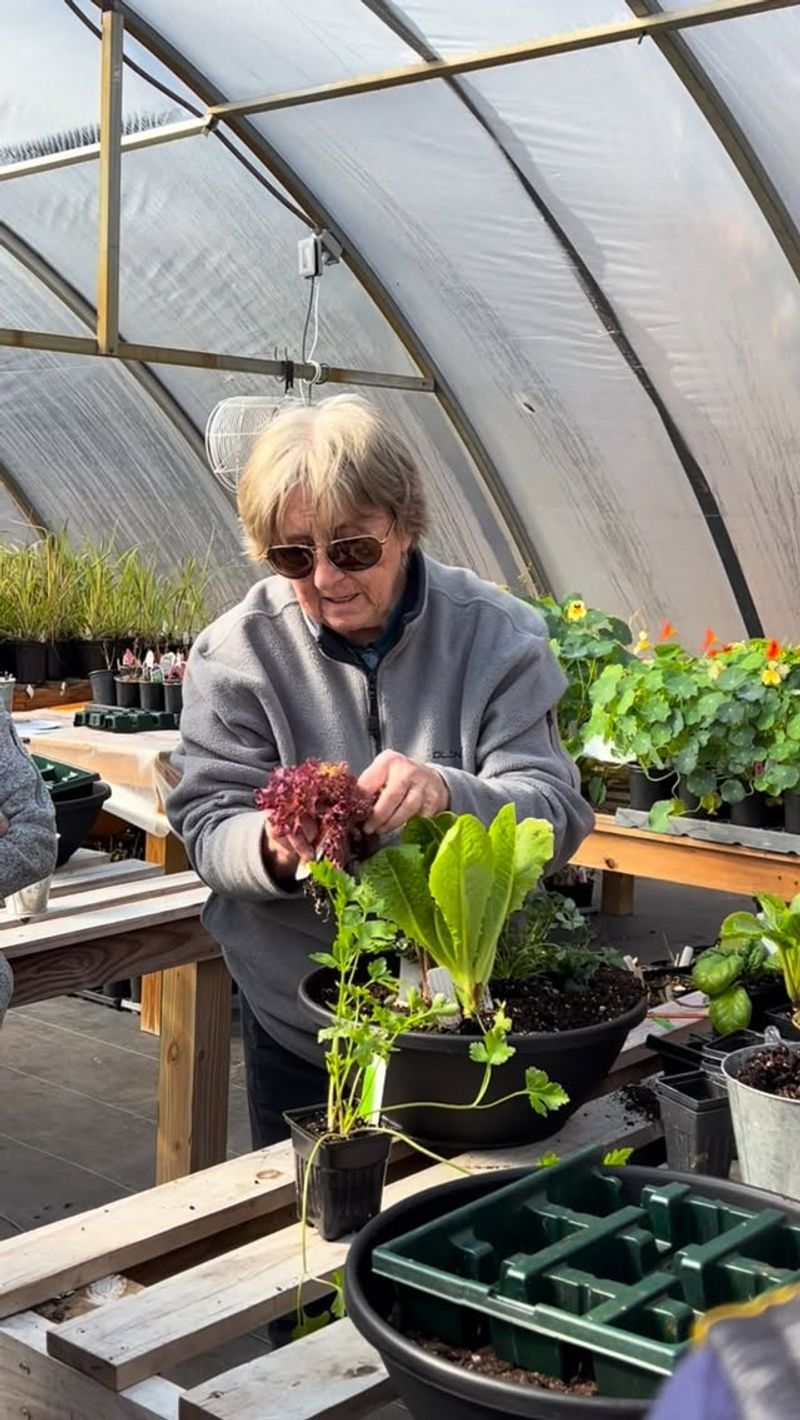
Point the car toward the coast, near Leland in Brunswick County, and Shelton Herb Farm greets you like an old friend. A family Century Farm running since 1986, it has grown into a charming oasis for gardeners who like to poke around greenhouses.
Herbs are the headliner here, with more than 800 varieties of culinary and medicinal plants. But do not sleep on their native lineup, tuned for sandy Coastal Plain soil where black-eyed Susan (Rudbeckia hirta) and coastal asters shine.
They grow what they sell, so plants arrive well-tended and ready to settle in. The staff share horticultural wisdom freely, from companion planting for pest control to slipping edible natives into your beds.
Workshops and farm tours round it out, often covering pollinator-friendly plants that make coastal yards hum with life. Open year-round, Monday through Saturday, 8 am to 5 pm, it suits a leisurely morning at any season.
Grab rosemary, a heirloom tomato, and a native aster in one stop, then drive home smelling like a spice garden.
7. Cure The Mosquito Corner With Native Layers
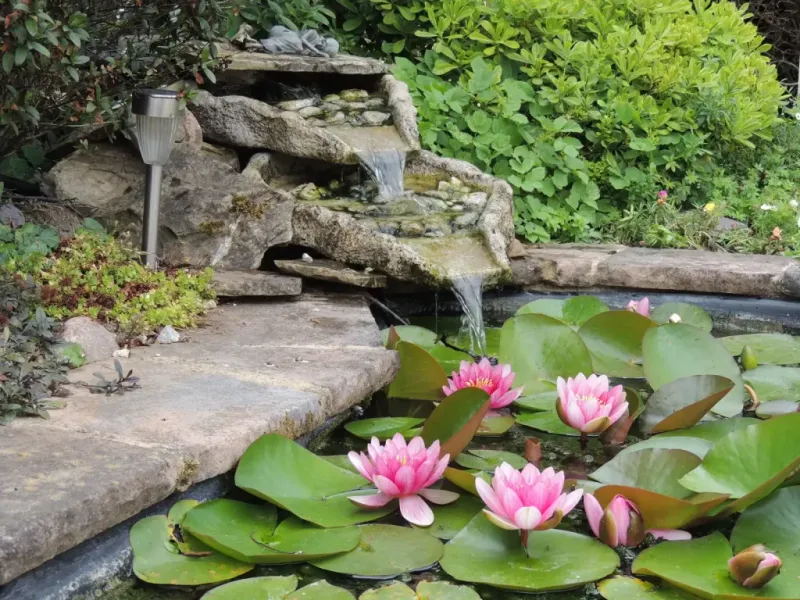
Every yard has that one corner where mosquitoes seem to hold a nightly meeting. Standing water after a summer storm is usually the culprit, and the Coastal Plain and Piedmont both know the feeling well.
The turn is simple once you see it. Mosquitoes breed in water that sits still for more than about a week, so the fix is drainage plus predators, not just a can of spray.
Plant a wetland-friendly native bed in that low spot, spacing swamp milkweed and blue flag iris roughly 18 to 24 inches apart, and let the soil soak up the runoff. A shallow, moving water feature invites dragonflies, which hunt mosquitoes with real appetite.
Native plantings will not erase every mosquito, and this is one layer of a broader approach, not a magic solution. But paired with dumping saucers and buckets after rain, it can reduce the swarm while pulling in fireflies at dusk.
Your porch evenings get quieter, and the corner finally earns its keep.
8. Turn One Nursery Trip Into A Tick-Smart Border
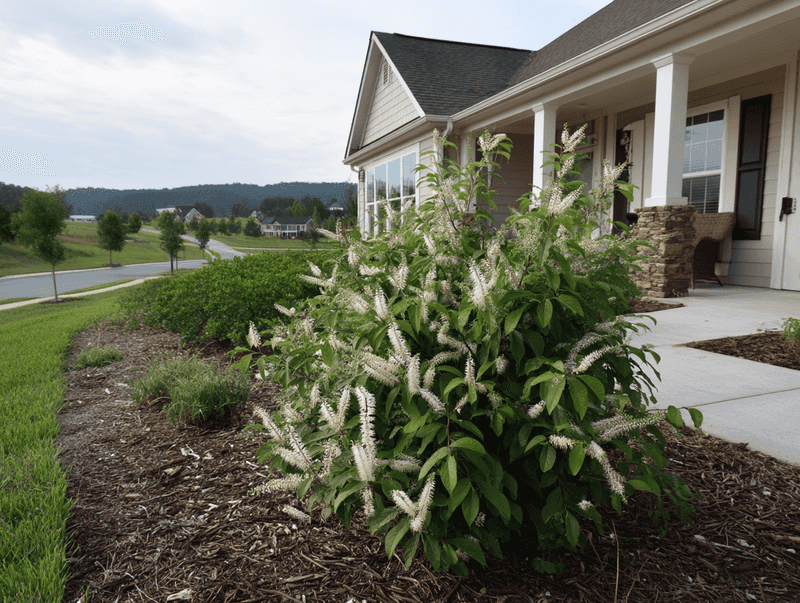
Ticks love the shady, leafy edge where your lawn meets the woods, and North Carolina families feel that risk every warm-season weekend. The good news is that same edge can become both a barrier and a habitat strip.
Ticks dry out in open sun and cling to tall, damp cover. So a border that breaks up that cover changes the math without scorching the whole yard.
Lay a mulch or gravel strip about 3 feet wide between the lawn and the tree line, then plant sun-loving natives from your nursery haul just beyond it. Goldenrod, coneflower, and asters thrive there and pull in pollinators instead of pests.
Keep the play-and-picnic lawn short and dry on the sunny side of that strip. This layout may help reduce tick contact where kids and pets roam, according to the kind of edge-management guidance NC State Extension shares.
It will not clear every tick, so keep checking after time outside. Still, you get a yard that feels safer and buzzes with more life at the same time.
9. Plant For Fall Monarchs Before They Pass Through
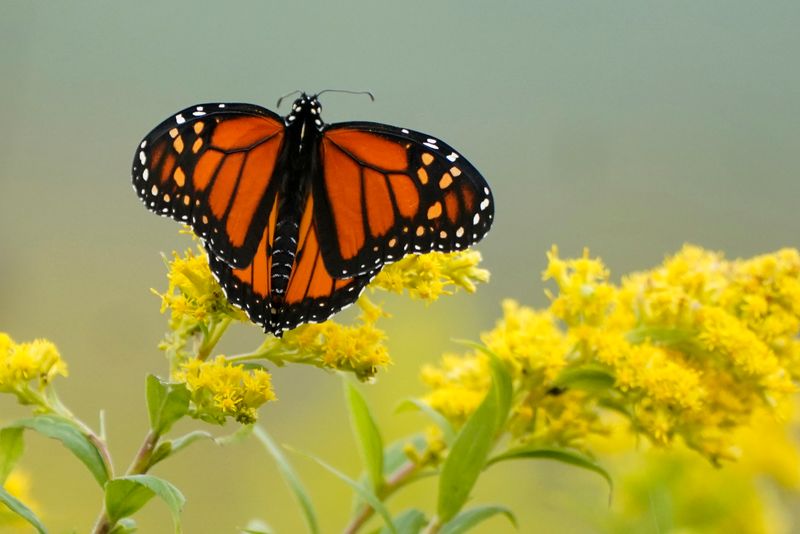
Come September, monarchs stream south through North Carolina on their long haul to Mexico, and a hungry butterfly does not stop at an empty yard. That migration window is your chance to build a filling station.
People often plant milkweed and call it done. But migrating adults need nectar in fall, not just larval host leaves, and that is where the timing trips folks up.
Set out late-blooming natives now so they are established by next fall. Goldenrod and Joe Pye weed (Eutrochium purpureum) both flower into September and October, spaced about 24 inches apart in full sun.
Add swamp milkweed from your nursery run to cover the caterpillar stage earlier in the season.
Plant in fall, roughly 6 weeks before your first hard frost, so roots settle in during our mild Piedmont winters. You are giving a tiny traveler the fuel to cross a continent.
Watching a cluster of orange wings lift off your goldenrod on a crisp morning is the kind of payoff that makes the whole road trip worth it.
10. Match The Plant To Your Soil Before You Buy
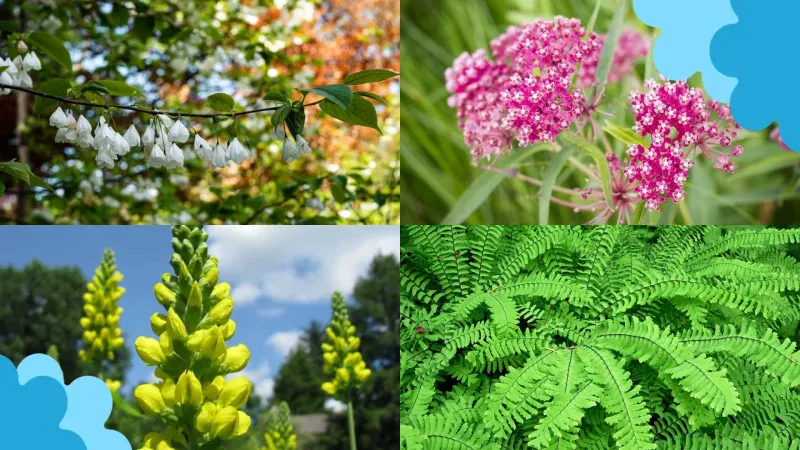
The fastest way to waste a full tank of gas is buying gorgeous plants that hate your dirt. North Carolina throws wildly different soils at you, from sticky Piedmont red clay to loose, fast-draining Coastal Plain sand.
Clay holds water and can drown roots, while sandy soil drains so quickly it leaves plants thirsty by afternoon. A native that loves one often sulks in the other.
Before your road trip, dig a small hole and pour in water. If it sits for hours, you have heavy clay, so lean toward moisture-tolerant natives like swamp milkweed.
If it vanishes in minutes, choose drought-tough picks like black-eyed Susan and coastal asters.
A quick soil test through NC State Extension, often just a few dollars in the off-season, tells you pH and texture so you shop with a plan. Space new plants by their mature width, usually 18 to 36 inches, so they fill in without crowding.
Knowing your ground turns a hopeful gamble into a garden that settles in and stays. You drive home confident, and your weekend haul actually lives.