
This Overlooked Pennsylvania Wildflower You Keep Mowing Down Is Actually A Natural Tick Barrier
Follow us on Google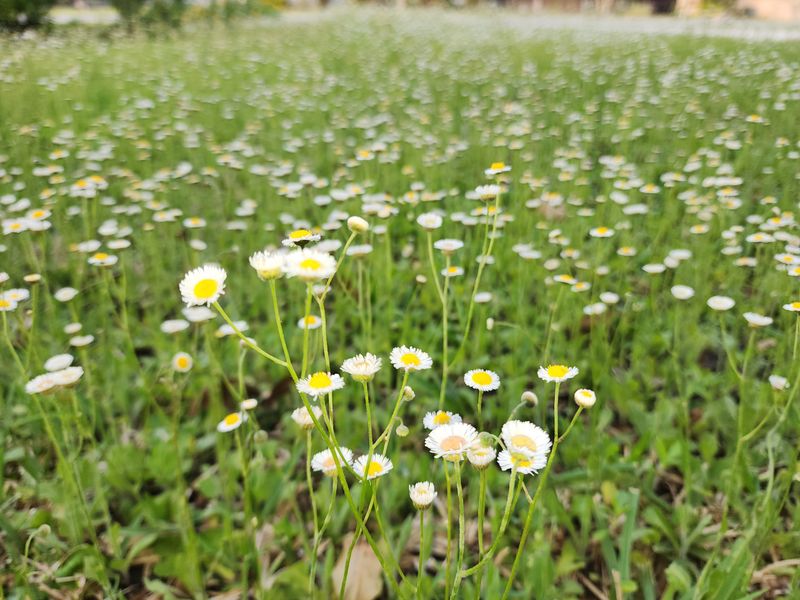
Pull back the mower one morning and you might find a small daisy-like flower staring up at you from the lawn, white rays fanned around a yellow center, looking like it wandered in from a meadow.
That plant is likely fleabane, and it has been quietly growing in Pennsylvania yards for a long time without most homeowners knowing its name or its story.
The name alone has sparked a lot of hopeful talk online about natural tick protection, but the real picture is more interesting and more useful than any shortcut.
Understanding what fleabane actually is, what its name actually means, and how to manage your yard for genuine tick safety will serve you far better than leaving a patch of flowers and calling it done.
The Fleabane Appearing In Some Pennsylvania Lawns
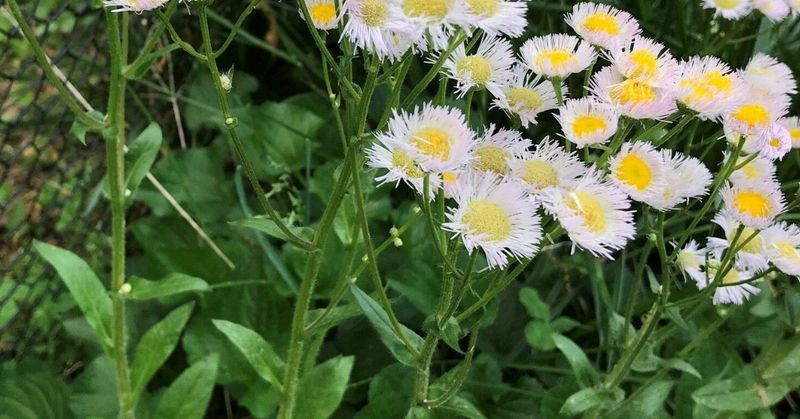
Walk a Pennsylvania lawn in late spring and you may spot a flower that looks almost too delicate to be a weed.
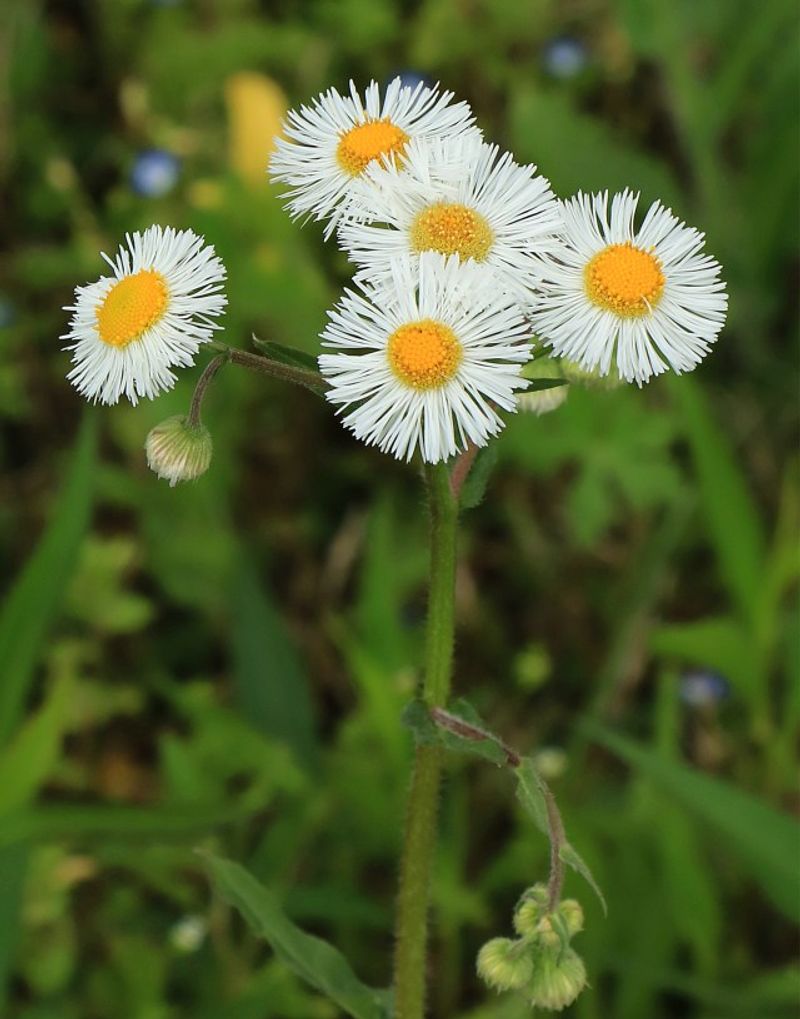
Dozens of thin white or faintly pink rays ring a small yellow center, the whole bloom about the size of a nickel, nodding slightly on a hairy stem.
Many homeowners mow it down without a second thought, but that flower has a name and a history worth knowing.
Two related plants account for most of what people see.
Philadelphia fleabane, identified by the Flora of Pennsylvania as a native Pennsylvania wildflower, turns up in fields, roadsides, stream banks, and disturbed ground across the state.
Its seasonal flowering window runs from May through September, though any single plant or individual flowering period typically lasts around four to six weeks within that broader range.
Annual fleabane, Erigeron annuus, is a different species, described by Penn State Extension as a common broadleaf weed in Pennsylvania lawns.
Its seeds germinate in spring, flowering stems appear in early to mid-May, and the plant dies back during hot weather or by the end of the growing season.
Both carry similar flowers and share the same common name, which is part of the confusion.
Common names get applied loosely, and a photograph alone may not settle which species is growing in your yard.
Precise identification matters if you want to make informed choices about whether to keep the plant or remove it, because their ecological status differs in meaningful ways.
One is a native, one is a common lawn annual, and neither is a tick-control product.
The Flea Name Is Folklore, Not Tick Protection
The word “fleabane” sounds like a promise.
It sounds like the plant is out there doing a job, patrolling your lawn, keeping pests at bay.
The name actually comes from old European and American folk tradition, where dried plant material was believed to drive away fleas when strewn across floors or hung in bundles.
That is the entire foundation of the story.
Penn State Extension’s lawn weed guidance notes that the dried plant was traditionally thought to repel fleas, while the Flora of Pennsylvania states plainly that there is no evidence Philadelphia fleabane actually performs that function.
The jump from “old flea folklore” to “living plants repel ticks in your yard” is not supported by any reliable source.
No study located shows that growing fleabane in a lawn patch lowers tick numbers around a home, attracts fewer blacklegged ticks to an area, or creates any kind of pest-free zone.
A real tick barrier is something physical or structural, a strip of gravel, a band of wood chips, a maintained lawn kept short between your patio and the woods.
Ask Extension’s review of plants claimed to repel ticks finds the evidence thin across the board for living plants used this way.
The narrower truth is genuinely worth celebrating: Philadelphia fleabane is a native Pennsylvania wildflower with real ecological value, and some homeowners remove it without realizing what it is.
That is the actual story.
Keeping a few plants for pollinators makes sense, but treating them as pest control does not.
Save The Flower Without Ignoring The Habitat
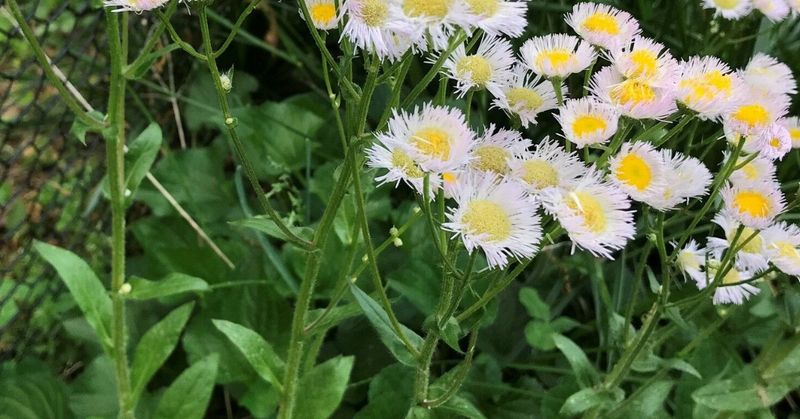
Philadelphia fleabane genuinely earns a place in a Pennsylvania yard on its own terms.
As a native plant, it attracts insect pollinators, and butterfly and moth species feed on its foliage, according to the Flora of Pennsylvania.
That is real ecological value, even if it does not make the plant a keystone species or an unusually important pollinator host.
A patch of it in a sunny spot costs you almost nothing and supports the insects that show up every summer.
Here is where placement becomes the conversation worth having.
Taller vegetation, shaded ground, accumulated leaf litter, and brushy edges near woods are the conditions that suit ticks and their hosts, including white-footed mice and deer.
Penn State’s tick-prevention guidance specifically flags shade, shrubbery, and tall grass as conditions that can support ticks and the animals that carry them.
A fleabane patch allowed to grow tall and weedy right along a forest boundary is a different situation than a tidy cluster of plants in a sunny, open area of the yard.
A native garden is not automatically a tick hotspot, and a mowed lawn is not automatically safe.
Research on blacklegged tick distribution on Shelter Island, New York found that ticks concentrate heavily in wooded and edge habitats, with far fewer present in open, sunny lawn areas.
Surrounding forest, nearby deer and rodent populations, shade, moisture, and how your property connects to larger wild areas all shape your actual exposure.
The question to ask about your fleabane patch is not whether the plant is native, but where it is sitting relative to the places where your family and pets spend time.
Keep High-Use Areas Short And Separate
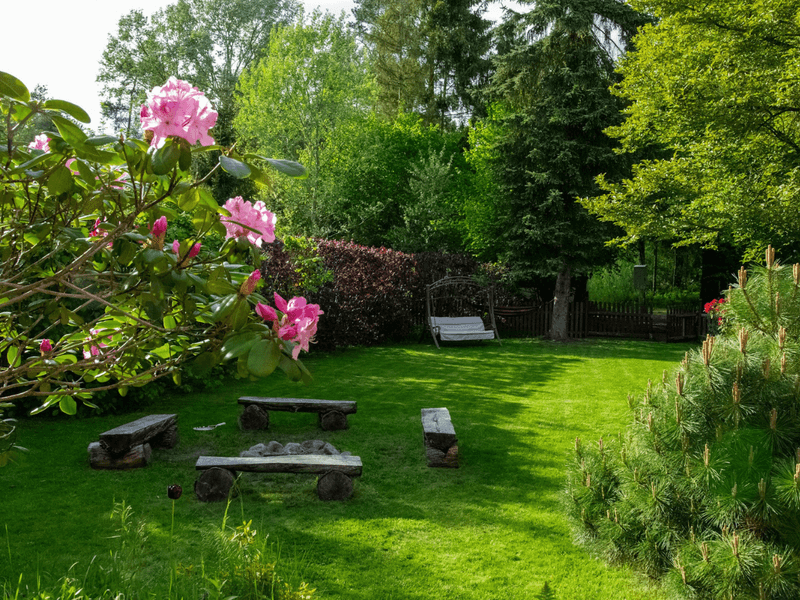
A practical coexistence plan for fleabane comes down to one organizing idea: put the wildflower patch where it belongs, and keep the places where people gather short and clear.
You do not have to choose between native plants and a yard your family can use safely.
You do need to think about where each fits.
Penn State recommends keeping grass short around seating areas, playgrounds, and fire pits while allowing plants to grow in other parts of the yard.
That framework applies directly here.
A defined patch of fleabane in a sunny, lightly disturbed corner of the yard, away from the patio, the swing set, the garden chairs, and the main walking route between the house and the back gate, is a reasonable choice.
Tall vegetation surrounding the places where kids and pets spend the most time is not.
Timing is worth understanding without over-engineering it.
Philadelphia fleabane’s reported flowering window runs from May through September across its seasonal range, though an individual plant or flowering period typically spans about four to six weeks within that window, as noted by the Flora of Pennsylvania.
Annual fleabane, per Penn State Extension, may die back during hot weather or by the end of the growing season.
Pennsylvania’s climate varies enough, from the cooler northern tier and higher Pocono elevations to the warmer Delaware Valley, that no single mowing date applies statewide.
Watch your specific plants and mow the patch back once flowering is finished, keeping a clear transition zone of short lawn between the wildflower area and anywhere people and pets regularly walk or sit.
Build The Real Barrier At The Wooded Edge
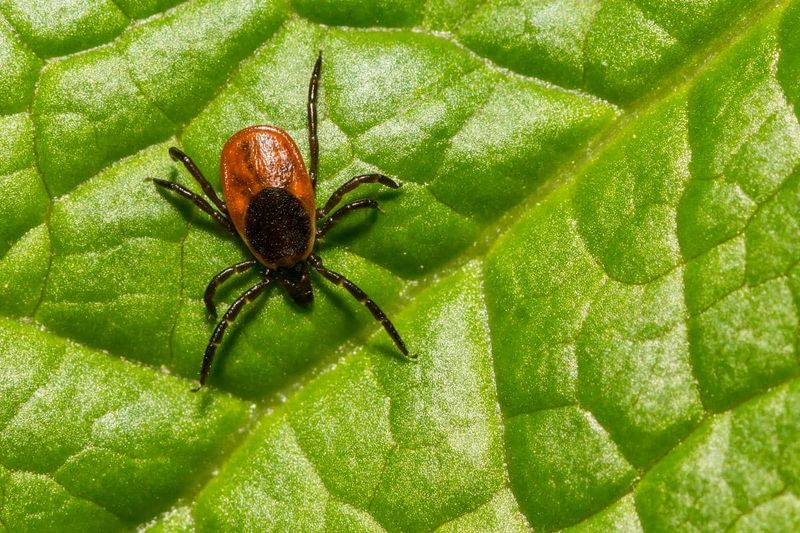
When extension sources and public-health agencies talk about a tick barrier, they mean something you can measure, something physical that separates maintained lawn from wild habitat.
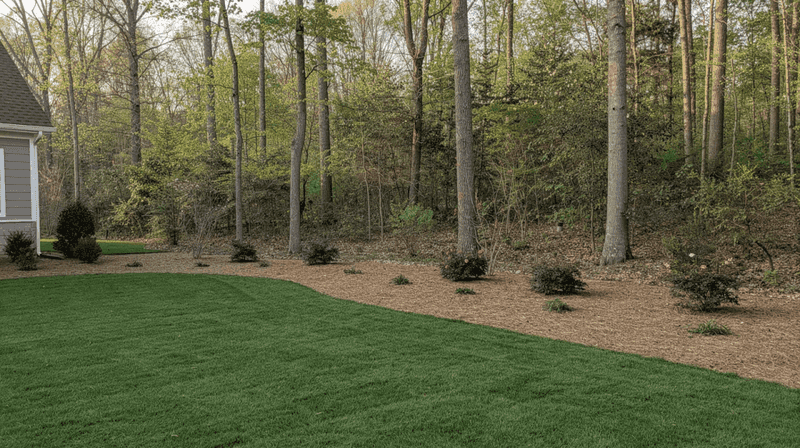
A strip of gravel or wood chips at the edge of the woods is a barrier.
A flower growing in the grass is not.
CDC tick-prevention guidance recommends placing a 3-foot-wide strip of wood chips or gravel between your lawn and any wooded area, along with removing leaf litter, clearing tall grass and brush near the house, mowing frequently, and keeping patios, decks, and playground equipment away from yard edges and trees when you have a choice about placement.
These are the measures with the strongest backing from public-health authorities, and they work by reducing the moist, shaded, leaf-covered conditions that ticks and their hosts prefer.
Penn State Extension’s tick prevention handout describes a more specific layout: a 3-foot wood-chip or stone barrier at the wooded edge, followed by roughly 9 feet of maintained, short lawn before any patio, garden bed, or play area begins.
The handout also recommends stacking wood piles on the barrier rather than against the house, and considering fencing in areas with heavy deer pressure.
Deer and the white-footed mice that shelter in brush and leaf piles are the primary hosts that bring ticks into residential yards in Pennsylvania, so reducing what draws those animals close to the house matters as much as what you plant.
None of this is a guarantee.
Think of these steps as reducing the odds, not eliminating the risk.
A yard with a clean edge, short grass, and a gravel strip between the lawn and the tree line is genuinely harder for ticks to navigate than one with brush and leaf piles right up to the back door.
Treat Landscape Barriers As One Imperfect Tool
Yard measurements feel reassuring when you are standing in the hardware store buying wood chips.
The science behind them is real but more complicated than a simple rule suggests, and understanding the limits helps you make better decisions rather than worse ones.
Blacklegged ticks concentrate most heavily in wooded and edge habitats, with research on Shelter Island finding far fewer ticks in open, sunny lawn areas than in adjacent woods.
That pattern holds generally, but the surrounding forest, shade, host animals moving through your property, and the overall design of the yard all shift the result.
A sunny, open yard in a dense wooded neighborhood behaves differently than one with a narrow tree line and open fields beyond it.
A residential-yard study published in the Journal of Medical Entomology found only partial support for recommended yard-management measures against ticks, and did not detect a statistically significant effect from wood-chip, gravel, or mulch barriers specifically.
The researchers noted that barriers were present on only 2 of the properties studied, which limited the statistical power of that finding.
That does not prove barriers never help, but it does mean you should not treat a 3-foot wood-chip strip as a wall.
The Connecticut Agricultural Experiment Station’s Tick Management Handbook notes that barrier results vary with woodland density, shade, initial tick levels, and year-to-year conditions, and warns that wood chips mixed with leaves can break down into the leaf litter they were meant to replace.
A 2006 laboratory study found that some wood products deterred blacklegged tick nymphs under test conditions, but the researchers were explicit that such materials would not stand alone as a method for preventing Lyme disease transmission.
Keep the barrier, maintain it, and pair it with everything else.
Layer Personal Protection Over Yard Design
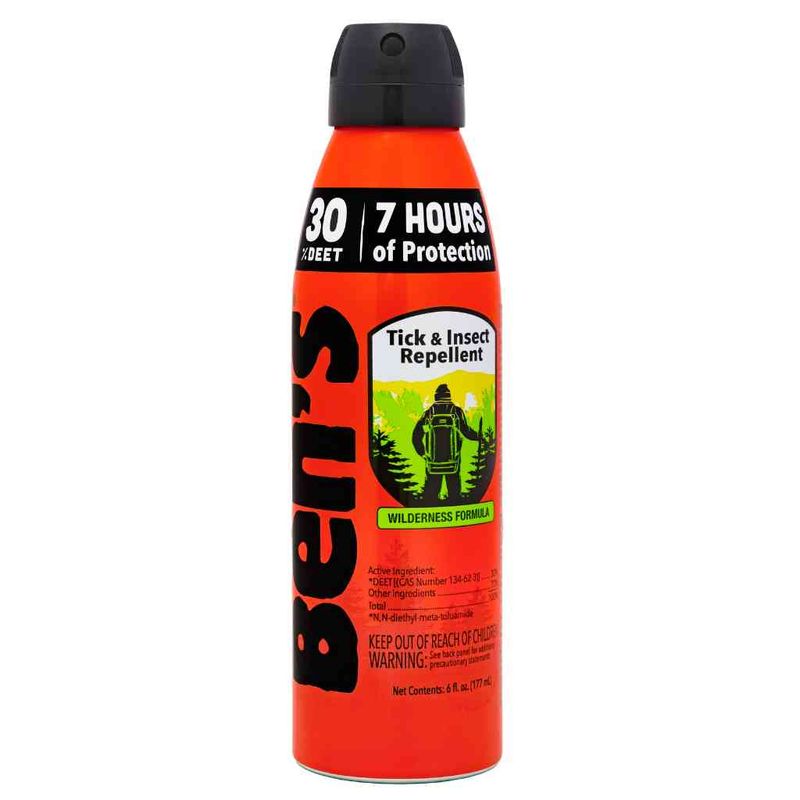
Yard design reduces the odds, but ticks do not read your landscaping plan.
Personal protection is the layer that travels with you from the backyard to the hiking trail to the Laurel Highlands campsite and back, and it is the one that actually touches your skin.
CDC recommends EPA-registered repellents containing DEET, picaridin, IR3535, oil of lemon eucalyptus, PMD, or 2-undecanone for skin and clothing, and specifies that 0.5% permethrin products are for treating clothing and gear only, not skin.
Permethrin binds to fabric and remains effective through multiple washes, making it a practical choice for pants, socks, and boots you wear regularly in tick habitat.
Penn State Extension’s repellent guide notes that many plant-derived products lack the broad, demonstrated efficacy of registered repellents and that products without EPA registration have not been evaluated for safety or effectiveness.
Rubbing fleabane or any homemade plant extract on skin, pets, or clothing is not a substitute and is not recommended by any source reviewed here.
After any time outdoors in Pennsylvania from spring through fall, and even on warmer winter days, the after-outdoor routine matters.
Check clothing, gear, and pets before coming inside.
Tumble-dry clothing on high heat for 10 minutes if it is already dry, following CDC guidance and garment-care instructions for damp clothing, which requires additional drying time.
Shower within 2 hours of coming inside, and remove any attached ticks promptly with fine-tipped tweezers, pulling steadily upward without twisting.
Fleabane can stay in your yard as a small native-wildflower choice, worth keeping for its pollinators and its quiet charm.
Short grass, a clean wooded edge, registered repellents, and a daily tick check are what actually lower your risk.
The flower is a neighbor worth knowing, not a guard standing watch.