
How Robins May Help Pennsylvania Gardens Manage Some Insects
Follow us on Google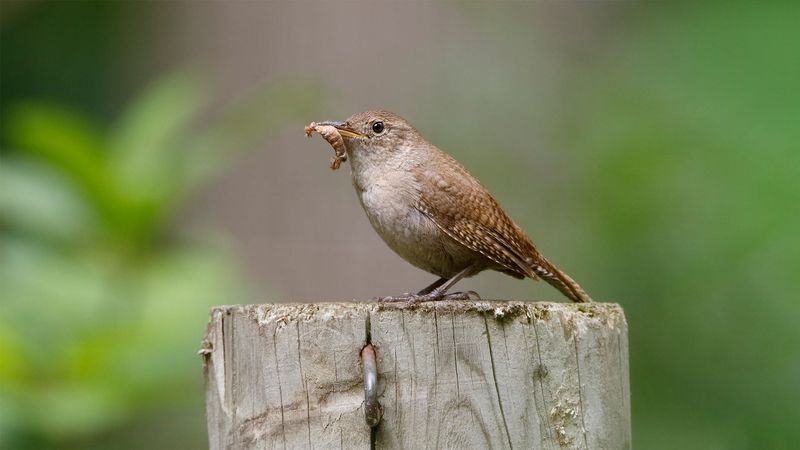
Step outside on a cool April morning in Pennsylvania and you will likely spot a robin tilting its head on the lawn, listening or watching for movement just below the surface.
That bird is not decorating your yard.
It is hunting.
Robins forage on the ground for earthworms, beetles, caterpillars, and other invertebrates, and a yard that welcomes them can become one small but genuine layer of natural pest management.
The catch is that robins are generalists, not hired exterminators, and understanding the difference helps you build a healthier garden without expecting magic.
The Familiar Robin Is a Generalist Forager
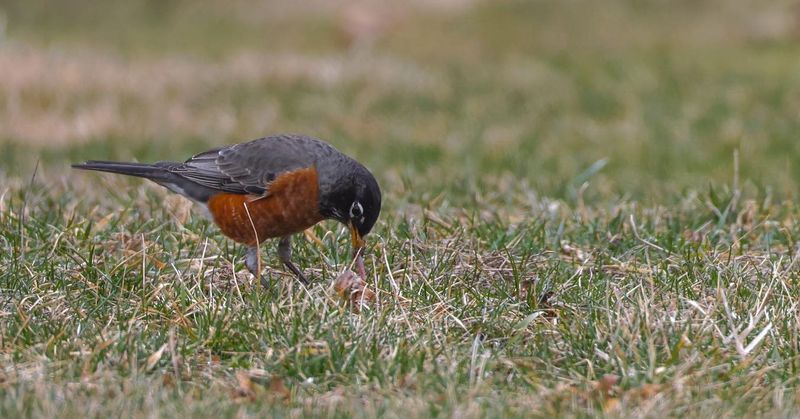
Watch a robin work a lawn after a spring rain and you are seeing one of the most efficient ground-foraging routines in North American birdlife.
The bird moves in short bursts, stops, tilts its head, and then pulls.
Cornell Lab of Ornithology describes American robins as primarily ground foragers that probe soil, scan lawns, and pluck earthworms that surface after rainfall or irrigation.
That foraging pattern shifts with the seasons.
Spring and summer meals lean heavily on invertebrates, beetles, caterpillars, flies, and spiders, because soft-bodied prey is abundant and young robins in the nest need protein to grow.
By fall and into winter, fruit takes over.
The Pennsylvania Game Commission estimates that fruit makes up roughly 60 percent of the robin’s annual diet, though that figure reflects a yearly average across seasons and locations, not a fixed rule for every bird on every day.
That seasonal shift is worth keeping in mind.
A robin pulling worms from your lawn in May is doing something genuinely useful in the food web, but it is not following your pest list.
Robins eat what is available and easiest to catch.
They are generalists by design, which means a vegetable bed, a lawn edge, and a patch of leaf litter all look equally interesting to a hungry bird scanning for movement.
Thinking of the robin as a specialist assigned to clean up your garden beds will lead to disappointment.
Thinking of it as a neighbor who happens to share your interest in a healthy yard gets you much closer to the truth.
The Invertebrates a Robin May Find
A robin working the edge of a garden bed is not following a map.
It is following opportunity.
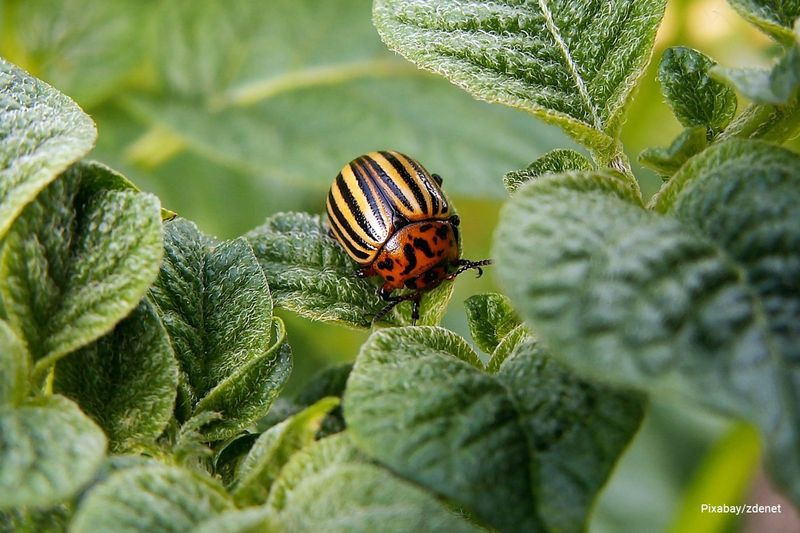
Cornell’s life history account lists beetles, caterpillars, grasshoppers, flies, earthworms, and spiders among the invertebrates robins regularly consume during the warmer months, and that list overlaps meaningfully with the kinds of creatures that also chew leaves, damage seedlings, or tunnel through soil.
Moist soil near a garden bed, a strip of unmowed grass along a fence, or a layer of leaf litter beneath a shrub can all concentrate invertebrate activity in ways that draw robins close.
The bird does not distinguish between a caterpillar that is eating your kale and one that will become a moth you never notice.
It takes what it finds.
That is where the honest limits appear.
Forest Service review of robin diet and habitat confirms a broad invertebrate diet but does not establish dependable control of specific Pennsylvania garden pests.
Spotted lanternflies, squash vine borers, Japanese beetles, spongy moth caterpillars, and ticks are all real problems in Pennsylvania yards, and robins may occasionally eat some of them.
But none of the sources reviewed here show that robins reliably suppress any of those named pests at levels that protect crops.
The practical takeaway is that a yard with moist, active soil and varied ground cover gives robins more reason to linger, which means more incidental predation on whatever invertebrates happen to be present.
That is a genuine benefit.
It just does not come with a guarantee about which pests get eaten.
Bird Pest Control Has Limits
Here is where the headline on articles like this one tends to outrun the science.
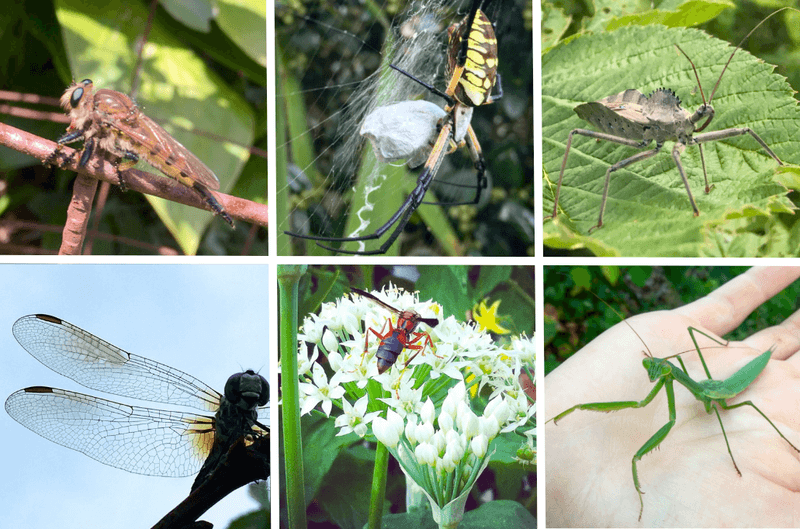
Birds do provide real ecosystem services in agricultural and garden settings, but the evidence is more complicated than “more birds, fewer pests.”
A 2023 meta-analysis of 104 studies on avian pest regulation found positive pest-control effects in roughly 49 percent of observations, neutral effects in about 46 percent, and negative effects in approximately 5 percent.
Nearly half of all observations showed no meaningful change in pest levels when birds were present.
The outcomes shifted depending on the ecosystem, crop type, climate, pest species, the bird community being studied, and how researchers measured results.
A 2023 study of low-intensity farms in New England found that bird communities reduced pest abundance on brassica crops like cabbage and kale, and on cucurbit crops like squash and cucumbers.
That research, conducted by the U.S.
Forest Service, found less predictable results on solanaceous crops such as tomatoes and peppers.
Crucially, the study examined whole bird communities, not American robins alone.
Robins were part of that community, not the driving force behind the measured effects.
There is also a correlation problem worth understanding.
A yard with mature trees, moist soil, native plants, and reduced pesticide use may attract robins and also attract ground beetles, parasitic wasps, spiders, and other natural enemies of garden pests at the same time.
When pest levels drop in that yard, you cannot credit the robins specifically.
Good habitat produces a richer food web all at once, and every layer of that web contributes.
So the honest framing is this: bird-friendly habitat can add useful natural predation to your yard, particularly against ground-dwelling invertebrates.
But robins are one contributor among many, and the research does not support a promise of far fewer pests as a result.
Create Habitat That Supports a Living Food Web
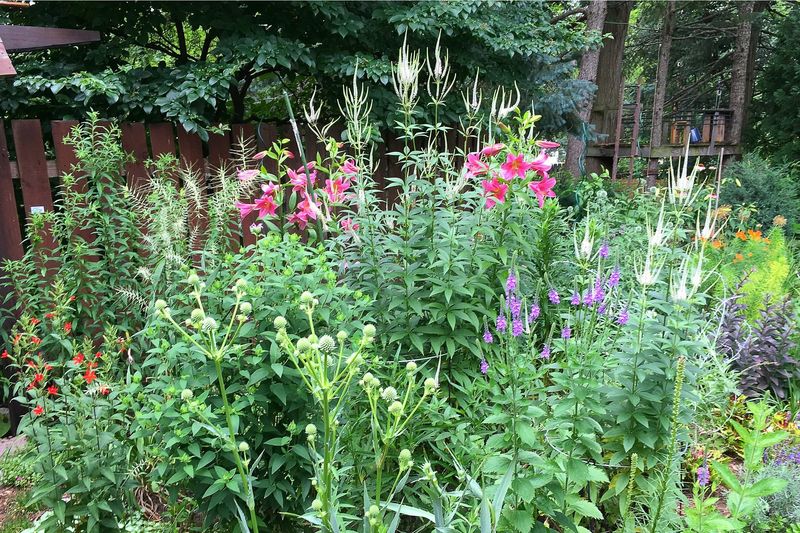
Building a yard that genuinely supports robins means building a yard that supports a whole food web, and that starts with plants.
Penn State Extension’s guidance on gardening to attract birds points to dense native shrubs, native trees, and native perennials as the foundation because they produce the berries, shelter, and insect habitat that birds actually need.
Serviceberry (Amelanchier spp.), spicebush (Lindera benzoin), eastern redbud (Cercis canadensis), and native dogwood are among the woody plants Penn State identifies as valuable for Pennsylvania yards.
Penn State’s native perennial guidance adds goldenrod, Joe Pye weed, milkweed, and bee balm as perennials that support native insects, which in turn feed nesting birds.
A robin feeding nestlings in June needs caterpillars and beetles, not birdseed, and native plants are what produce those insects in reliable numbers.
Leaf litter plays a supporting role.
Penn State’s soft landings concept describes areas beneath trees and shrubs where native plants, fallen leaves, and small branches create habitat for overwintering insects, spiders, and other invertebrates that birds forage on in early spring.
Leaving some leaf litter in place beneath woody plantings, rather than raking everything bare, gives robins and other ground foragers more to work with when they return in March and April.
One firm exception: diseased vegetable debris and infected plant material should be removed and disposed of, not left in place as bird food.
Penn State’s fall cleanup guidance draws a clear line between habitat-friendly leaf litter and plant matter that carries pathogens into next season.
Plant selection depends heavily on your specific site.
Soil and frost conditions vary considerably across Pennsylvania, from the glacial soils of the northern tier to the limestone valleys of the central region and the clay-heavy ground in parts of the southeast.
Your local Penn State Extension office is the best source for plant recommendations matched to your actual conditions.
Penn State’s landscaping for wildlife resource is a good starting point before that conversation.
Add Clean Water and the Right Kind of Shelter
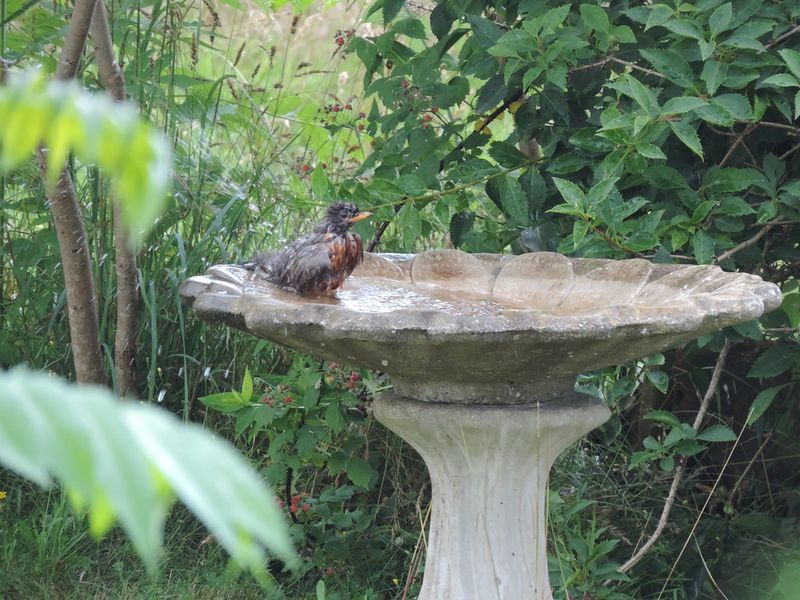
A birdbath does more work than most gardeners expect.
Robins bathe frequently, and a reliable water source can make a yard genuinely more attractive to them during dry stretches, which in Pennsylvania can arrive suddenly even in a wet summer.
Penn State Extension recommends keeping water no deeper than 2 to 3 inches, changing it daily when possible, and scrubbing the basin weekly to prevent algae and bacteria from building up.
Maintenance matters more than most people realize.
CDC guidance on backyard wildlife advises removing birdbaths and feeders temporarily if sick or dead birds appear nearby, keeping pets away from wild bird areas, and washing hands after handling any bird equipment.
A neglected birdbath does not just stop attracting birds.
It can become a health risk for the birds using it and, potentially, for the people maintaining it.
Nesting support is worth considering too, with one important correction to a common misconception.
Robins do not use enclosed cavity-style birdhouses.
They nest on open shelves, flat ledges, sturdy branches, and the tops of porch lights or eaves, anywhere that gives them a stable platform with some overhead cover.
NestWatch from Cornell Lab recommends placing open nesting shelves between 5 and 25 feet high and spacing structures roughly 65 feet apart.
After young robins fledge, old nests should be removed so the shelf stays clean for future use.
None of these features will direct a robin toward your vegetable beds on command.
What they do is make your yard a place where robins spend more time, which increases the chance that their daily foraging overlaps with yours.
The Same Robin May Eat Your Fruit
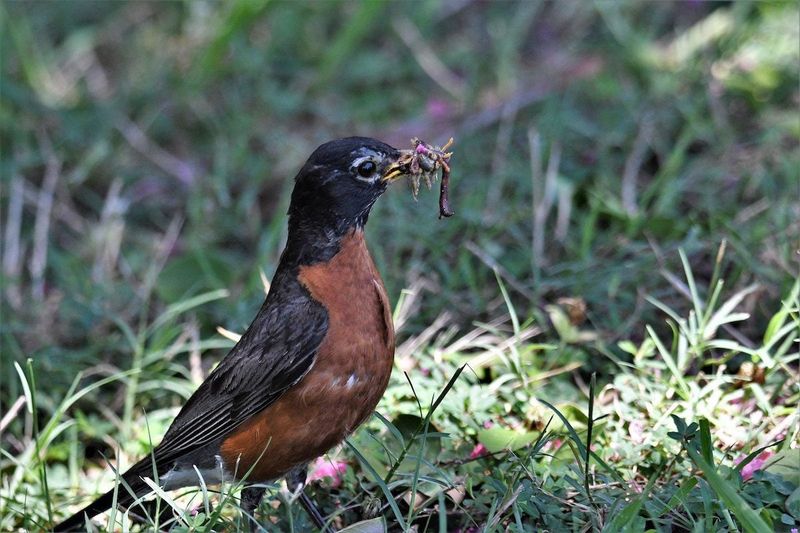
A robin that spent May pulling caterpillars from your lawn may spend July stripping your blueberry bushes.
That is not a personality change.
It is a seasonal diet shift, and it is worth planning for before you invest in habitat improvements that bring more robins closer to your fruit crops.
Penn State Extension’s guidance on birds and fruit crops identifies American robins as frequent consumers of cherries, grapes, blueberries, and other small fruit, sometimes causing significant losses in home garden plantings.
The same bird that provided useful insect predation earlier in the season can become a real problem once fruit ripens.
Physical exclusion, such as netting draped over bushes before berries color up, is the most reliable protection.
This tradeoff also reshapes the way you should think about a biologically active yard.
More robins does not automatically mean fewer garden problems overall.
It means more of a living system, with benefits and costs arriving at different points in the season.
The Pennsylvania Game Commission’s robin profile confirms that diet shifts toward cultivated and wild fruit as the season progresses, though the exact timing varies by location and year.
A garden with more native plants and less pesticide use will also tend to have more insects, not fewer.
Many of those insects are pollinators, decomposers, predatory beetles, or food for nesting birds.
Penn State’s native perennial guidance makes clear that native plantings support native insect communities, which is the point.
A yard that looks less insect-free is often a yard that is actually working.
The practical question is never whether every pest has disappeared.
It is whether a specific pest is causing damage you cannot accept, and what you want to do about it.
Use Robins as One Layer of Pest Management
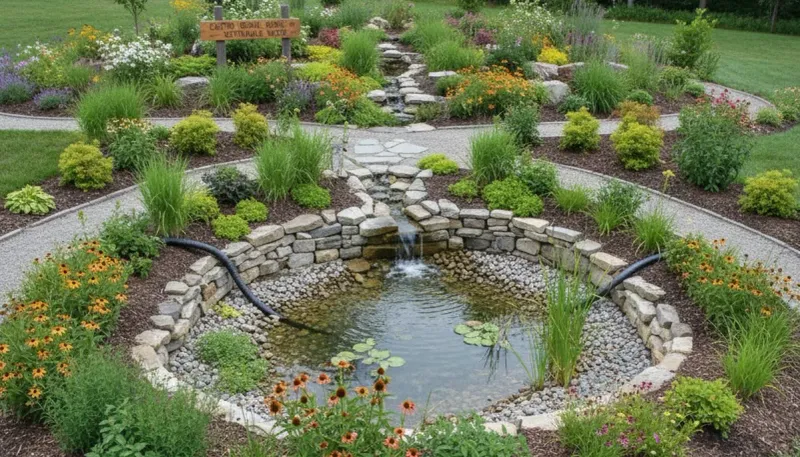
Robins in your yard are a genuine asset, not a complete strategy.
Treating them as one layer of a broader approach is the only framing that actually holds up when a pest problem arrives.
The EPA’s integrated pest management framework gives you a clear sequence: identify the pest first, then monitor how much damage it is actually causing, then try cultural or mechanical controls before reaching for a spray.
Hand-picking caterpillars, using row covers on brassicas, removing diseased plants promptly, choosing pest-resistant varieties, and improving soil drainage all belong in that first round of responses.
Pesticides enter the picture only when monitoring shows that damage has crossed a threshold you cannot accept by other means, and then only in the affected area, applied according to the label.
That sequencing matters for robins and other beneficial wildlife too.
EPA guidance on reducing pesticide impacts on wildlife notes that robins forage on treated lawns and soil, which creates exposure risk.
That risk depends on the specific chemical, the dose, the timing, and the route of exposure, so no blanket statement covers every product.
What the guidance supports is reducing unnecessary applications and treating only where the pest is confirmed, which protects foraging birds without eliminating treatment as an option.
Many Pennsylvania gardeners find that combining habitat improvements with consistent monitoring changes how often they need to treat at all.
A yard with more ground cover, less bare soil, and a richer food web tends to buffer against pest outbreaks, not because any single bird is controlling them, but because more predators, competitors, and decomposers are working at the same time.
Keep watching the damage, not just the birds.
A healthy yard with robins foraging across it every morning is a good sign, but the real measure of success is what your plants look like by midsummer.
That is a judgment only you can make from your own garden, and it is worth making carefully.