
These Pennsylvania Native Trees Stay Small Enough For The Tightest Front Yard
Follow us on Google
You step onto your front porch on a crisp early May morning, mug steaming, and notice the little tree you planted years ago is now trying to kiss your second-story window.
It happens, friend.
Plenty of Pennsylvania homeowners plant with good intentions, then wrestle with a tree that swallows their cozy front yard whole.
But you can genuinely enjoy the beauty and wildlife of a native tree without that future headache.
These heroes stay small, hand you four seasons of color, and fit even the tightest spot right where you need it.
1. The Gentle Giant You Need: Serviceberry
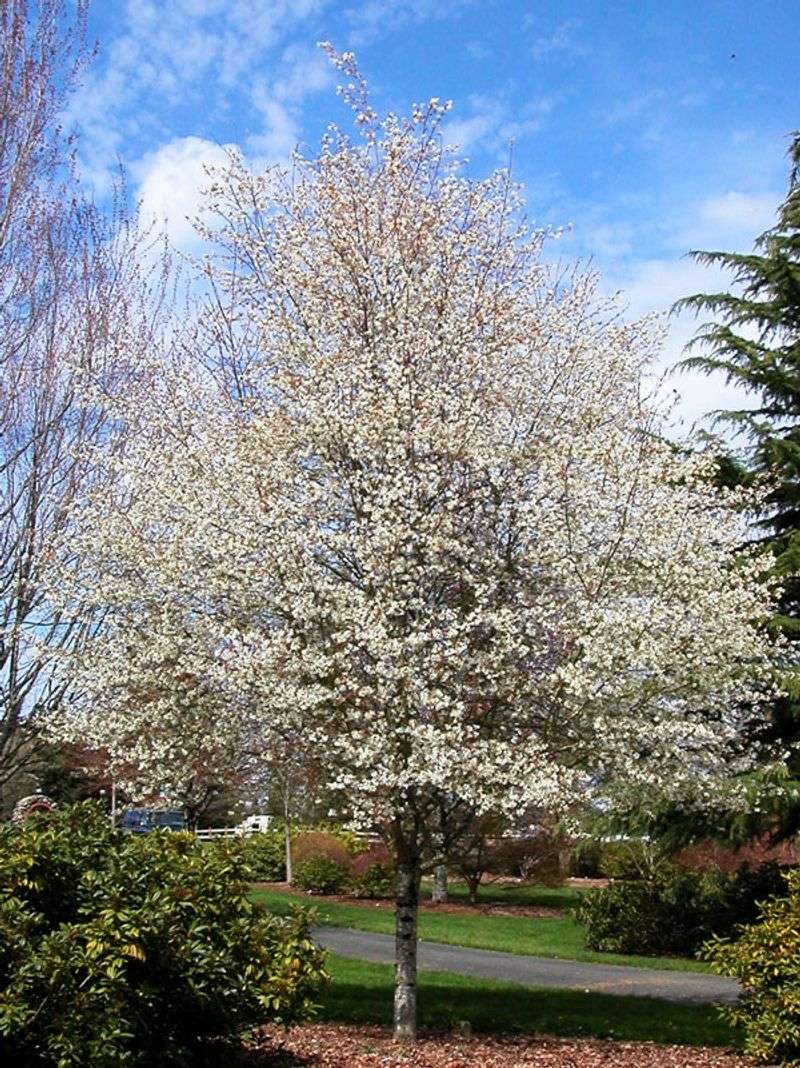
It is easy to fall for the idea of a stately oak, only to realize years later your small patch of green cannot hold such a monarch.
That is where native serviceberries, species of Amelanchier, quietly step in.
Folks also call them Juneberry or Shadbush, names that nod to their early summer fruit and blooms that arrive with the shad run up our rivers.
Allegheny serviceberry, Amelanchier laevis, and Downy serviceberry, Amelanchier arborea, both mature at a modest 15 to 25 feet, spreading about the same wide.
So they give a tight yard vertical interest without hogging the whole footprint.
They are not fussy either, handling rocky glacial soils in the northern tier and heavier clay across southeastern Pennsylvania, as long as drainage is good.
Standing water invites root rot, so avoid soggy low spots.
Spring here arrives anywhere from late March to early May, and serviceberries answer with a cloud of white flowers that last just four to seven days.
Those blooms feed early native pollinators when little else is open.
By June, sweet purple-black berries follow, and birds often strip the branches before you get a taste.
Water new trees at least one inch weekly the first year, checking soil moisture with your finger before you reach for the hose.
Penn State Extension suggests pruning while dormant for airflow and light.
Keep mulch two inches off the trunk, and cage young trees against deer for the first few seasons.
2. Spring’s Sweet Surprise: Eastern Redbud
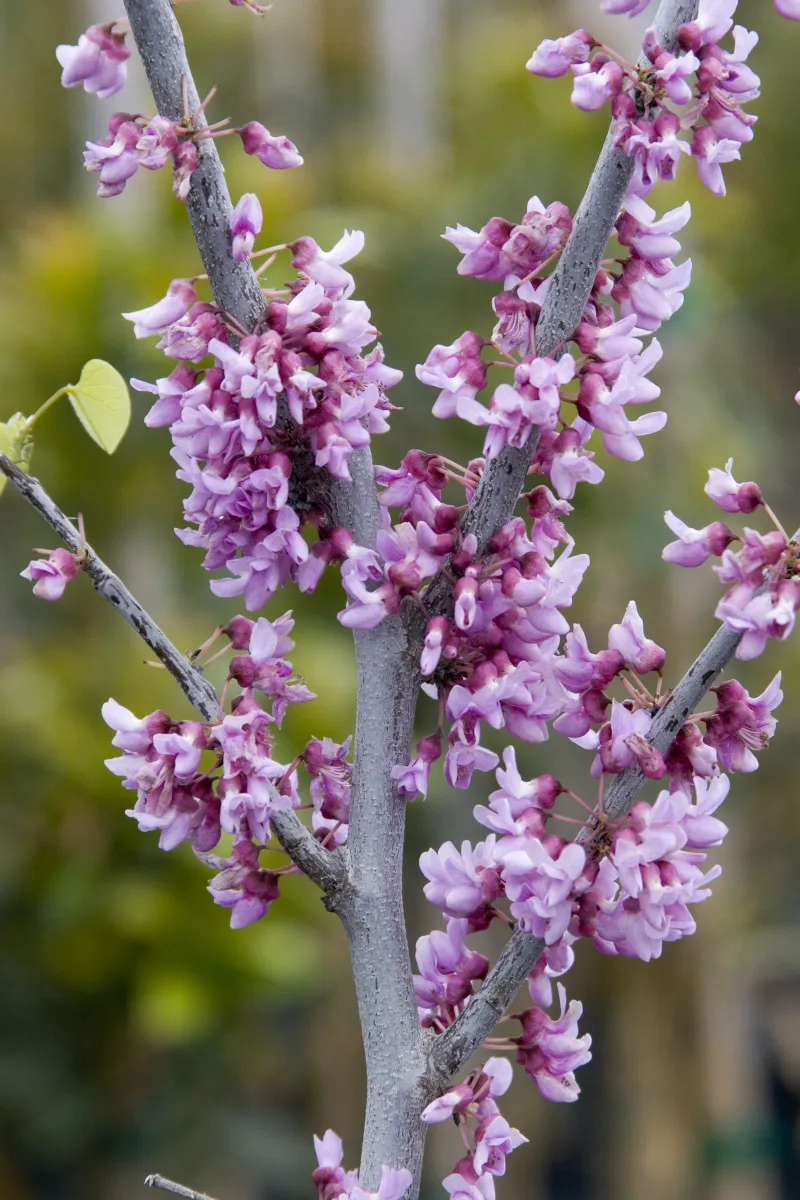
Picture your front yard washed in a rosy glow before most trees even think about leafing out.
That is the eastern redbud, Cercis canadensis, a genuinely striking native scattered across Pennsylvania.
Many gardeners assume they must pick between showy spring flowers and a manageable size.
The redbud hands you both.
Blooms open as early as March in warmer Philadelphia pockets and stretch into April across the central valleys and the Allegheny Plateau.
The tree tops out around 20 to 30 feet tall and 25 to 35 feet wide, adding roughly 7 to 10 feet in its first five or six years.
That moderate pace makes it a fine understory choice beneath established evergreens.
Small pea-like flowers cluster right along the bare branches, even on the trunk, feeding honey bees, bumble bees, and mason bees when nectar is scarce.
Heart-shaped leaves follow, often tinted reddish-purple, then turn cheerful yellow in fall.
Redbud is tough.
Hardy in USDA Zones 4 through 9, it covers all of Pennsylvania and shrugs off urban pollution.
It even tolerates the juglone toxin from black walnut trees, so it plays nice where other trees sulk.
Water new plantings at least once a week the first year through humid summers and dry spells.
Deer love young seedlings, so a chicken-wire cage for a couple years pays off, especially in southeastern Pennsylvania where the herds run thick.
3. Winter’s Golden Glow: Common Witch Hazel
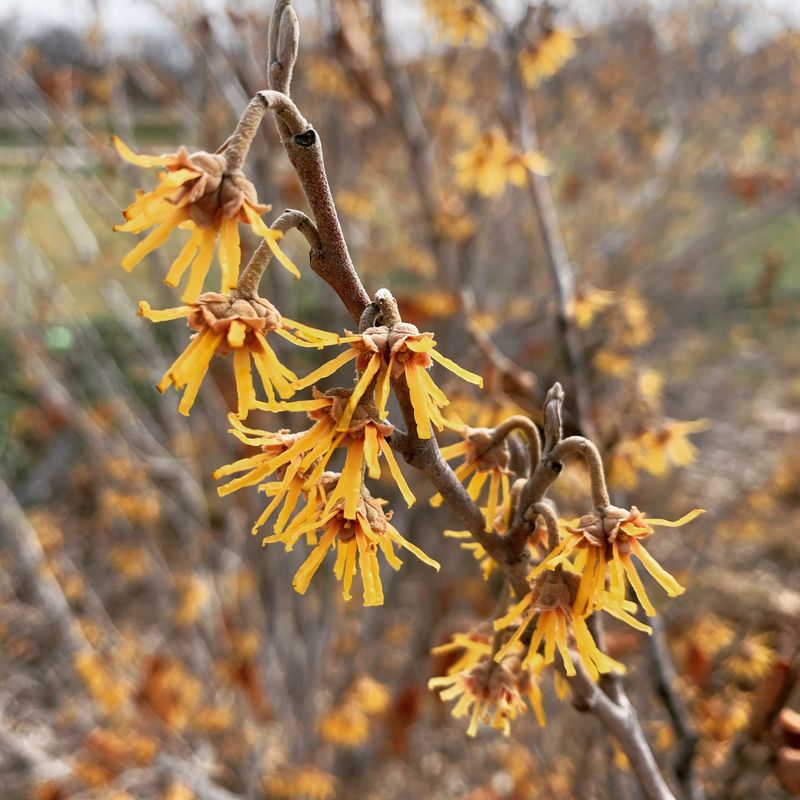
Most trees drop their leaves and hunker down for winter, leaving the yard bare until spring.
But what if one actually bloomed as the temperatures fell?
Common witch hazel, Hamamelis virginiana, offers exactly that surprise, lighting up dreary days when little else stirs.
Grow it as a multi-stemmed shrub or train it into a small tree, and it settles around 15 to 20 feet tall and wide.
That size slips neatly into a compact front yard or an understory corner.
It tolerates full sun to full shade, though sunnier spots give you the most flowers, and it handles the heavy clay common across the Delaware Valley.
It does not like to dry out completely, so keep moisture steady while it establishes.
From October and often into December, fragrant, spidery yellow flowers unfurl along bare branches, feeding late-season pollinators like winter owlet moths.
Sometimes you will spot last year’s ripening fruit sharing a branch with fresh blooms.
Then come those woody seed capsules, which explosively fling two black, bullet-like seeds up to 30 feet across the yard.
It is a genuinely fun bit of engineering to catch on a quiet afternoon.
Witch hazel is hardy in USDA Zones 3 through 8, robust for nearly all of Pennsylvania.
Prune lightly in early spring if you must, and top-dress with compost each year to feed the acidic, organic soil it prefers.
4. Sculpted Strength For Small Spaces: American Hornbeam
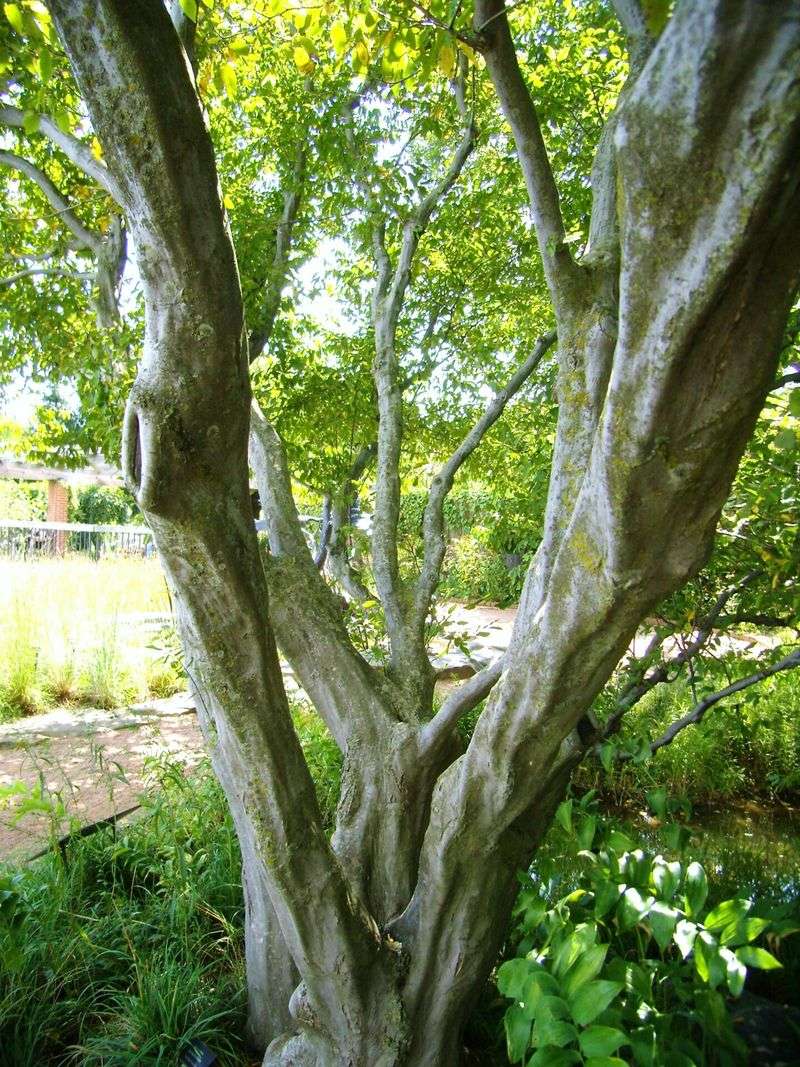
Sometimes you want a tree that whispers instead of shouts, one whose character reveals itself slowly over the years.
The American hornbeam, Carpinus caroliniana, better known as musclewood, is precisely that quiet performer.
Homeowners across western Pennsylvania, with its rolling hills and clay-heavy ground, often crave a tree that handles rough conditions without ballooning in size.
Musclewood grows slowly to just 15 to 30 feet tall and 8 to 20 feet wide.
It is one of the most shade-tolerant small trees around, thriving in full sun to deep shade, so it fits those tricky north-side spots and understory pockets.
The name comes from its smooth gray bark, which develops sinewy, fluted ridges that genuinely resemble flexed muscles.
Neighbors stop and stare in winter.
It prefers moist, well-drained loam but adapts to the rocky soils of northern Pennsylvania and the periodically wet ground near streams.
Hardy in USDA Zones 3 through 9, it spans the whole state, from the colder Poconos to the warmer Pittsburgh microclimates.
Slim catkins appear with spring leaves, followed by clusters of small nutlets that hang on into winter and feed ruffed grouse, wood ducks, and squirrels.
Its dense branching makes a fine natural screen in a tight yard during the growing season.
Come autumn, the leaves flare orange, scarlet, and red.
Water young trees diligently while they establish to help them resist cankers, and watch for rabbit and deer browsing on tender twigs.
5. Keeping Your Petite Natives Thriving With Smart Watering
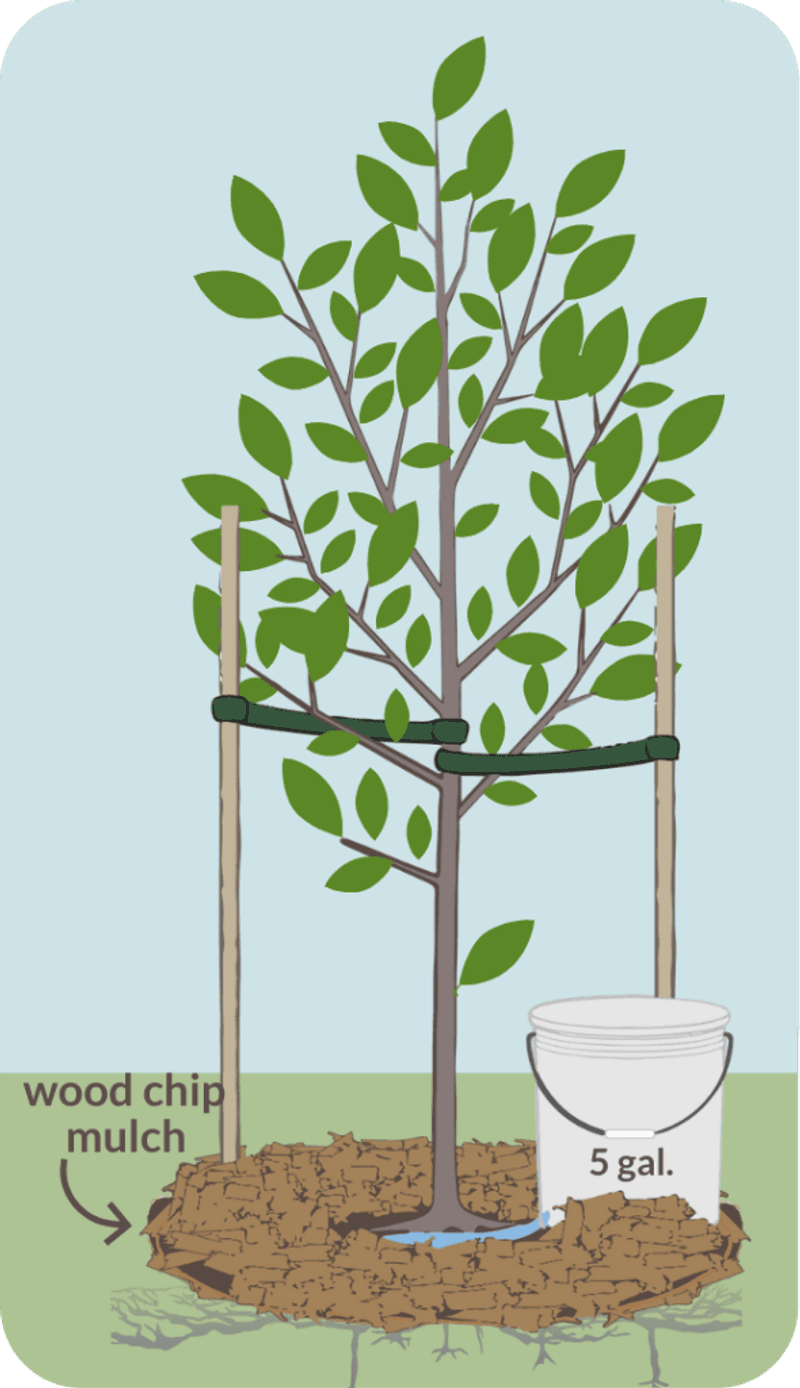
Here is where it gets easier than most folks fear.
The secret to a healthy little native tree usually comes down to two basics, honest watering and smart mulching.
Our Pennsylvania weather runs like a rollercoaster, humid summers, sudden thunderstorms, then stretches of drought between downpours.
When you first plant, water deeply to settle the soil around the roots.
For the first year, aim for at least one inch per week from rain or hose, and push your finger into the ground to check before watering again.
If it feels dry down 4 to 6 inches, give it a drink.
Mulch is the other easy win.
A 2-to-4-inch ring of shredded bark or compost around the base holds moisture, steadies soil temperature, and smothers weeds.
Just follow the donut rule, keeping mulch at least 2 inches off the trunk.
Piling it against the bark, what gardeners call a mulch volcano, traps moisture and invites decay and pests.
That single habit protects your tree through summer heat and winter’s repeated freeze-and-thaw cycles.
Reach for natural bark mulch rather than dyed wood, which can leach contaminants into the soil.
And skip fertilizer on new trees.
Their energy belongs underground, building roots, not chasing top growth.
Give them time, and they will genuinely reward the patience.
6. Protecting Young Trees In Pennsylvania’s Wild Weather
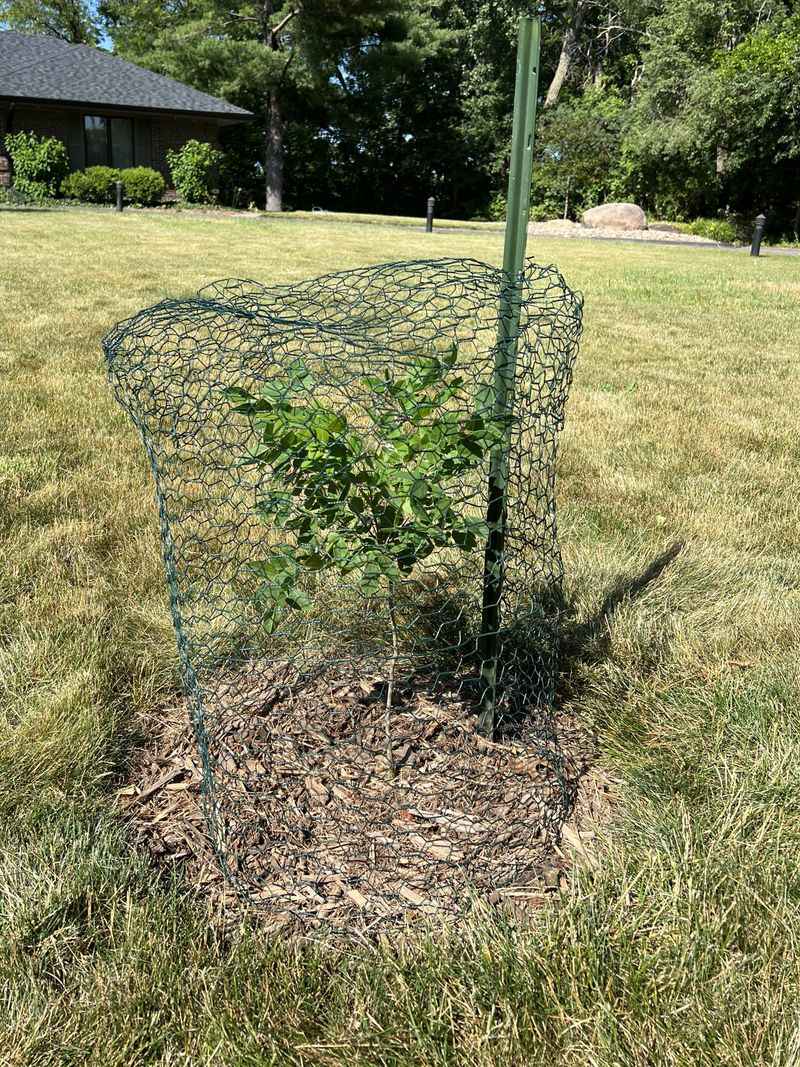
Pennsylvania’s climate throws a lot at a young tree.
Late spring frosts sneak into the Laurel Highlands, early fall cold snaps hit the northern tier, and snow and ice show up whenever they please.
Native trees are built for our conditions, but a fresh sapling is far more exposed than a mature one.
White-tailed deer are the first scheming antagonist.
Young redbuds and serviceberries taste like candy to them.
A simple chicken-wire cage, set taller than the tree for the first several years, blocks the damage and buys your tree the time it needs.
That small effort saves real heartbreak.
Winter’s freeze-and-thaw swings are the second threat, especially across the central valleys.
As soil expands and contracts, it can heave young plants right out of the ground.
Proper mulch insulates the roots and softens those temperature jumps.
In exposed spots or colder pockets around USDA Zones 5b to 6a, a slightly thicker late-fall mulch layer adds a cushion of protection.
Our uneven rainfall matters too.
Even drought-tolerant trees need supplemental water through extended dry stretches during their first two to three years.
Sudden thunderstorms drop a lot at once, then vanish for weeks.
Watch the soil, not the calendar.
The care you give now builds a resilient tree that shrugs off whatever the seasons send.
7. A Year-Round Feast For Your Yard’s Wild Neighbors
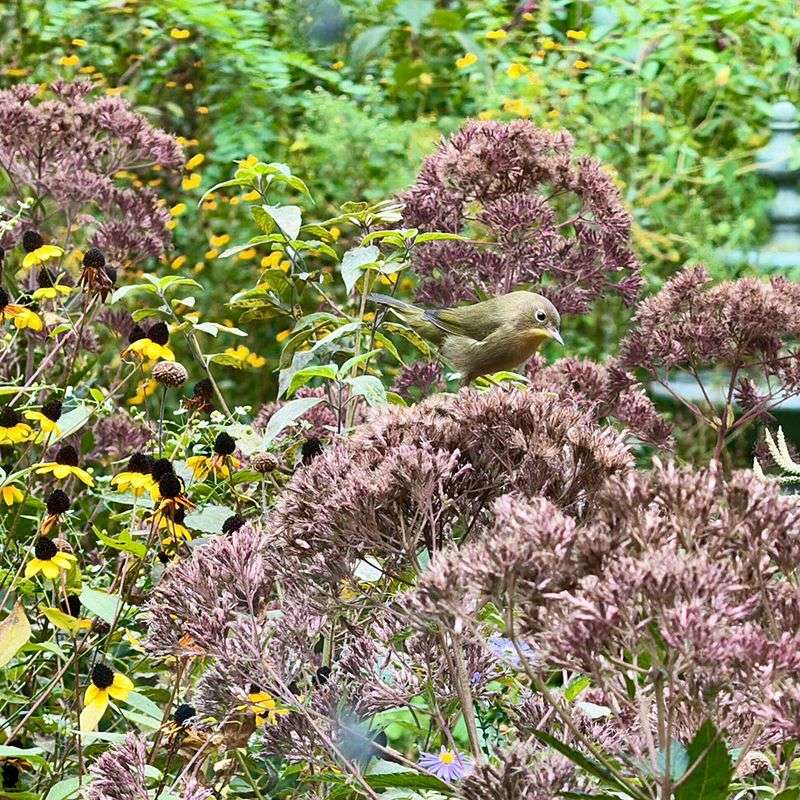
Planting native trees does more than boost curb appeal.
It actually turns your front yard into a working pantry for local wildlife, spread across all four seasons.
Give it a couple years and you will notice more bees and birds visiting right outside the window.
The early flowers of serviceberry and redbud pour out nectar and pollen for native bees when almost nothing else is open.
That timing matters, because those pollinators keep much of our ecosystem running.
Come summer, serviceberry berries become a favorite of robins, thrushes, and woodpeckers, along with small mammals scouting the branches.
American hornbeam’s nutlets feed ruffed grouse and squirrels well into the cold.
The leaves of these natives also host butterfly and moth larvae, including the witch hazel dagger moth and the spring azure butterfly.
Those caterpillars, in turn, become the primary food nesting birds carry back to hungry chicks.
Even in the bleak months, musclewood nutlets and the fall-blooming witch hazel keep something on the table when the yard looks empty.
So you are not simply planting greenery in a tight space.
You are building a living, working corner of Pennsylvania, one that hums with visitors and gives back long after the trees have found their footing.
That is a genuinely satisfying trade for a little planning up front.