
The Fall Tomato Varieties Texans Set Out Now For A Real Harvest
Follow us on Google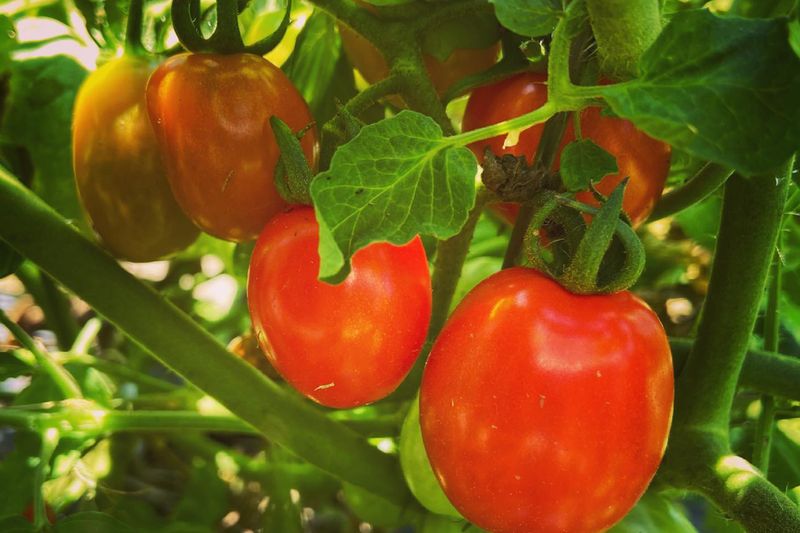
You step outside before breakfast and the patio already feels warm, the air thick with that familiar Texas humidity.
The cicadas are buzzing louder, a sure sign summer wants to hang on a little longer.
But that lingering heat hides a secret, a chance at a second tomato harvest that actually tastes like something.
Forget the sad, cracked fruit from July, because the right varieties set out right now can fill your kitchen with juicy tomatoes come fall.
1. The Right Time Is Already Here For Setting Out Transplants
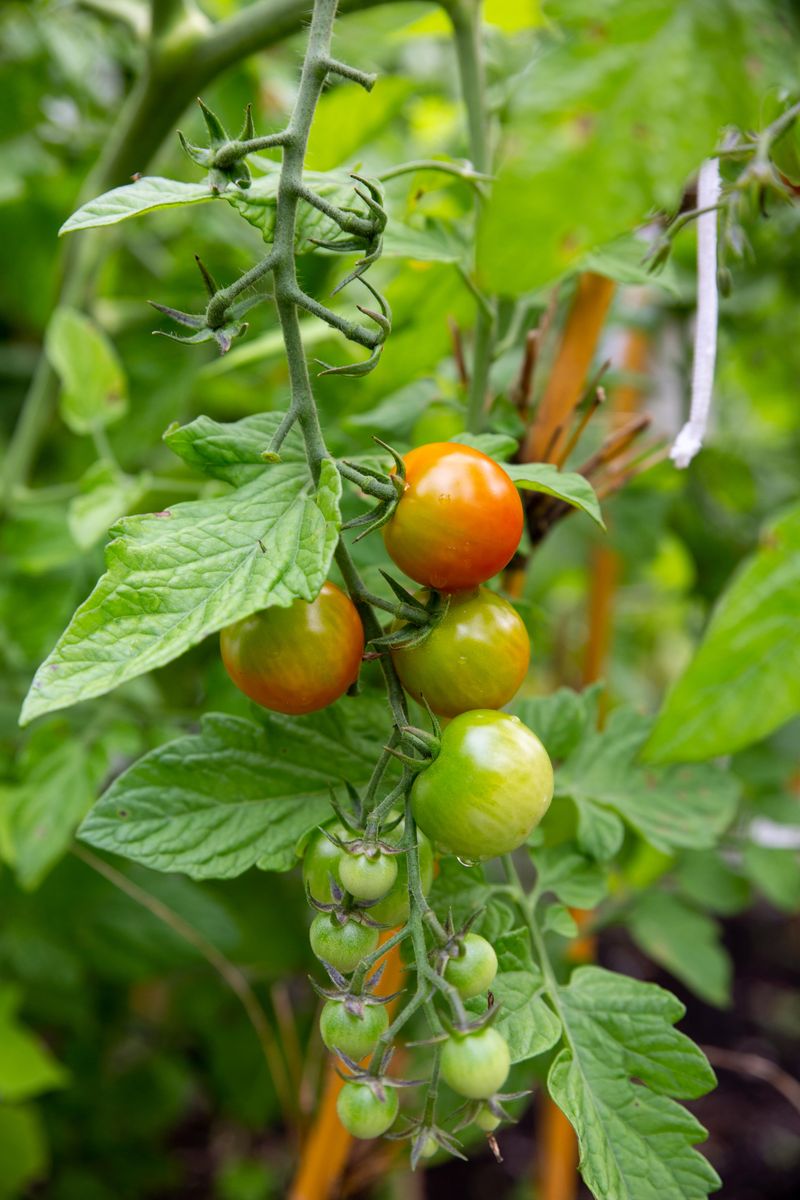
Most Texas gardeners wear themselves out fighting spring frosts, then wilting summer sun, and by then they figure tomato season is over.
It is not.
The fall window opens while everyone else has given up.
Timing here runs a little backward.
In Central Texas, set out your fall transplants July through August.
Up in North Texas, aim for the last week of June or the first week of July so plants get established before the worst heat cooks them.
South Texas gardeners can wait a week or ten days past North Texas.
East Texas, July is your month.
Along the Gulf Coast near Houston, plant the last week of August through the second week of September.
The math that matters is simple.
Get plants in the ground about 100 to 120 days before your area’s average first killing frost.
That gives fruit time to ripen when temperatures ease into the 70s and 80s instead of scorching.
Miss that window and you get vines with no payoff.
Mark your calendar now, because the difference between a real harvest and a shrug is often just two weeks of timing.
2. Small And Mighty Are The Best Choices For Texas
Here is where a lot of folks pick wrong.
They grab the biggest beefsteak on the shelf and wonder why it never sets fruit.
Big tomatoes stall out when daily highs stay above 90 degrees, which drags well into early fall across Texas.
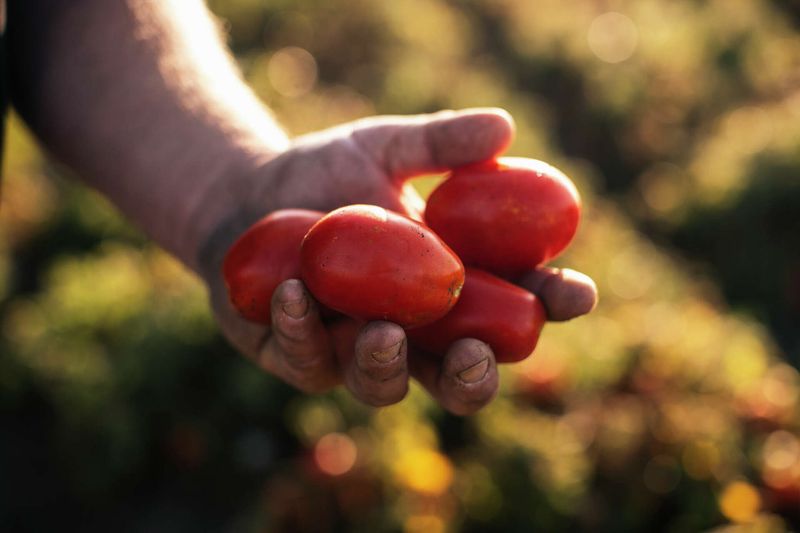
Smaller fruit is the quiet hero.
It sets more dependably and matures faster, so you beat the freeze.
For East Texas, reliable larger picks include Better Boy, Big Beef, and Celebrity (Solanum lycopersicum ‘Celebrity’).
Medium options like Carnival and Mountain Spring hold up too.
Cherry lovers do well with Cherry Grande, Small Fry, and Sun Sugar, which just keep pumping out fruit.
Down in San Antonio, Juliet, Sweet Chelsea, and grape types perform.
A genuine standout statewide is Valley Cat (Solanum lycopersicum ‘Valley Cat’), which shrugs off nematodes and common diseases while producing sturdy 8-ounce fruit.
Another San Antonio favorite is Ruby Crush (Solanum lycopersicum ‘Ruby Crush’), a determinate grape type that ripens in a quick 60 to 70 days after transplanting.
For paste tomatoes, look at Chico III or Roma.
Pick small and mighty, and you stack the odds in your favor before you ever dig a hole.
3. Acclimation Is Not Optional For Tender New Plants
You bring home healthy transplants full of promise, then drop them straight into a Texas afternoon.
That is like sending a kindergartener off to college with no warning.
The shock alone can set them back a week or stop them cold.
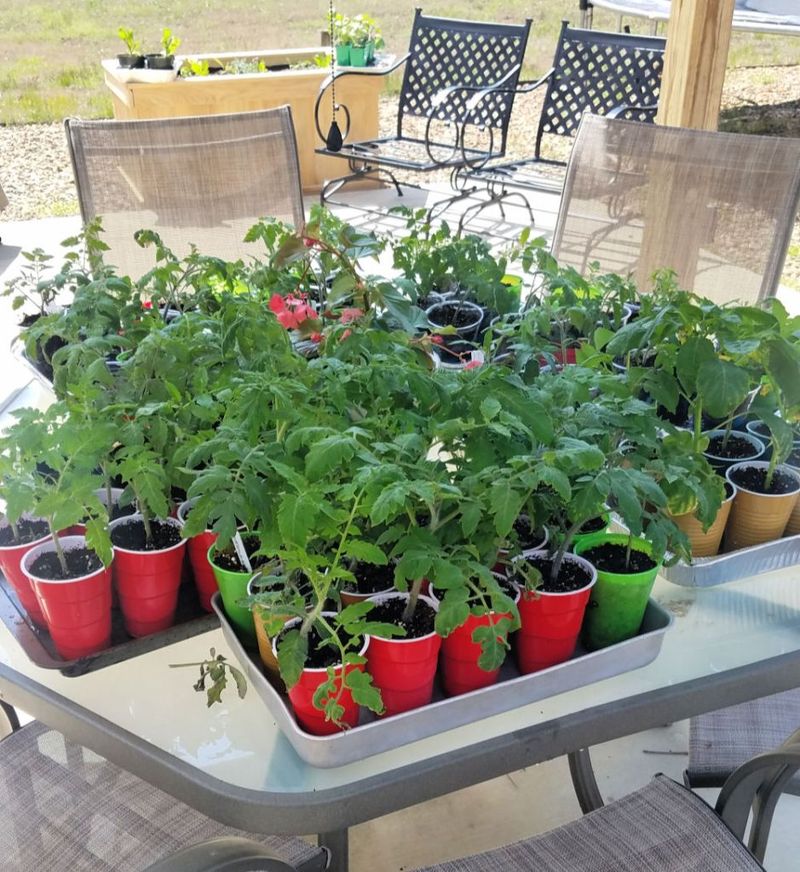
Tender plants need a gentle handoff to their new, harsh world.
Gardeners call it hardening off.
For a few days before planting, park your transplants on a shaded patio or under a tree so they meet the wind, sun, and temperature swings a little at a time.
When you finally plant, pick late afternoon or early evening, or steal a cloudy day if one shows up.
Cooler light means less immediate stress from the heat.
Soak the bed first so the soil profile is moist and ready to welcome new roots.
Dry ground pulls water right back out of a struggling transplant.
These are small steps, but they decide whether a plant merely survives or genuinely takes off.
Give it a soft landing and it rewards you all fall.
4. Soil Preparation Matters More Than You Imagine
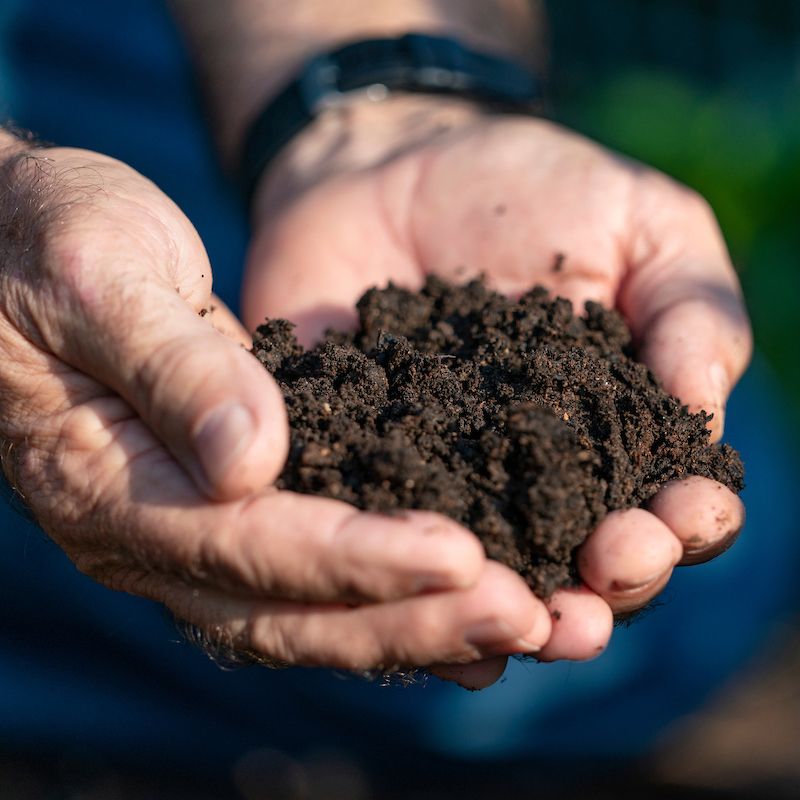
Think of your soil as the foundation of a tomato dream house.
Weak footing, and the whole thing sags.
In Texas the ground fights you, so a little prep goes a long way.
North and Central Texas often means heavy blackland clay.
East Texas runs acidic and sandy.
The Hill Country and West Texas hand you shallow alkaline soil and caliche, while Gulf Coast beds swing between clay and sand.
No matter which you have, drainage is non-negotiable for tomatoes.
Before planting, work in about 1 pound of ammonium sulfate (21-0-0) per 100 square feet, or 2 to 3 pounds of a slow-release 19-5-9 blend per 100 square feet.
Mix it 6 to 12 inches deep so roots find food where they grow.
Prefer organic.
Horse or cattle manure works well at 60 to 80 pounds per 100 square feet.
Skip poultry manure on the fall garden, it runs too hot.
Space beds 30 to 36 inches apart, then water at least 2 hours and let it settle a few days.
Texas A&M AgriLife Extension can run a soil test through your county agent, which genuinely gives the most accurate plan for your dirt.
5. Water Deeply And Consistently For A Strong Harvest
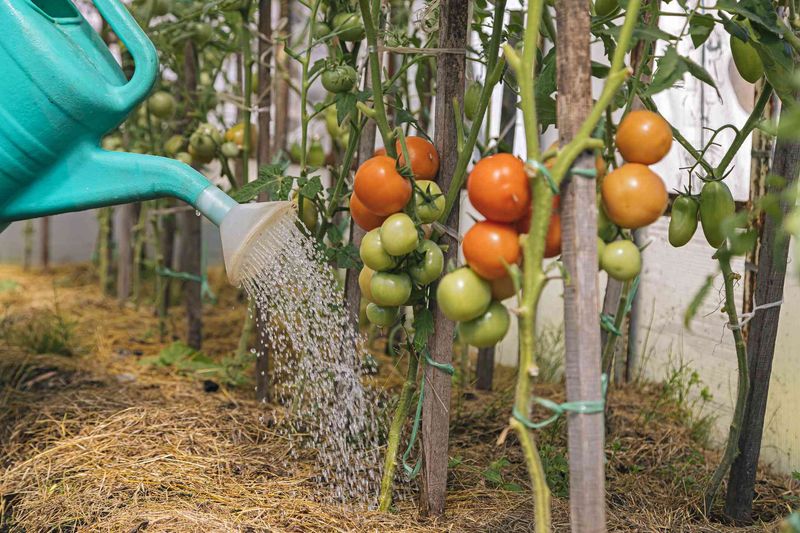
Texas summers stretch long, and dry spells sneak well into fall.
Your tomatoes are counting on you for steady water, and they notice the second you slack off.
Inconsistent watering is a sneaky antagonist.
Let the soil swing from bone dry to soaked and you invite blossom end rot and cracked fruit, the kind that splits right before you would have picked it.
Roots will not go hunting through dry soil, so keep moisture steady from the center of the plant out at least three to four feet.
At planting, give each transplant at least one quart of a starter solution such as Miracid (30-10-10 plus trace elements) mixed per the label.
Water deeply so it sinks several inches down, not just wetting the surface.
As plants grow, use a cycle and soak approach, running water in short bursts so it absorbs instead of running off across that clay.
A solid target is 1 to 1.5 inches of water per week, adjusted for any rain.
Nail the rhythm and your fruit swells smooth and whole, no heartbreak splits.
6. Feeding Your Plants Is Like Fueling A Race Car
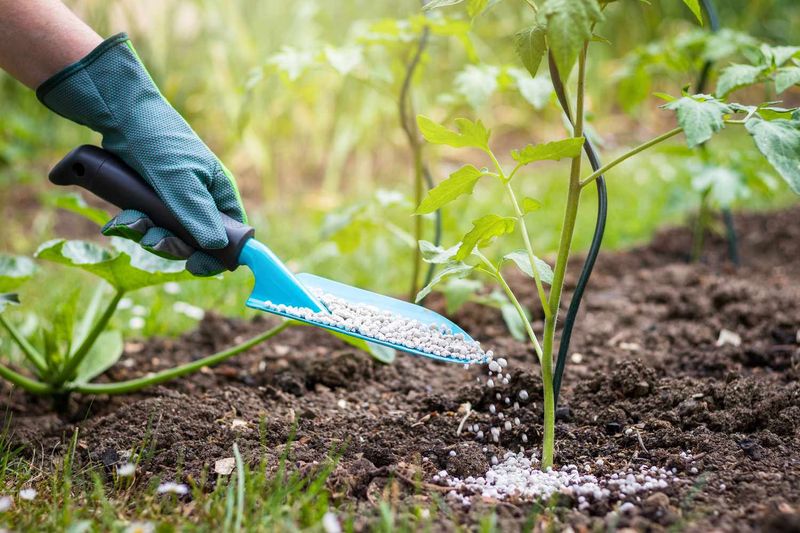
Your fall tomatoes are running a race against the first freeze.
No runner sets a personal best on an empty stomach, and neither do vines chasing a harvest deadline.
Once you spot tiny fruits forming, it is time for a nitrogen nudge.
Side-dress each plant by sprinkling one level tablespoon of urea (45-0-0) evenly over a six-foot circle around the stem, then water it in well with at least one inch.
For scale, one inch of water over 28 square feet, roughly a circle with a 3-foot radius, comes out to about 16 gallons.
That soak carries the feed down to the roots instead of leaving it baking on top.
Brand new transplants like smaller, more frequent meals.
Feed them every three to five days with a liquid fertilizer cut to 50 percent of the label strength.
Gentle and steady beats one big blast.
That rhythm builds strong roots and pushes fresh growth, genuinely setting the plant up for the heavy work of making fruit.
Feed it right and it pays you back by the basketful.
7. Pests Are Smaller Foes In The Fall But Still Present
Cooler weather hands you one quiet win.
Fall means fewer of summer’s worst tomato antagonists, like early blight and spider mites, those tiny dust-colored bugs that torch leaves in the July heat.
Relief, finally.
But do not drop your guard.
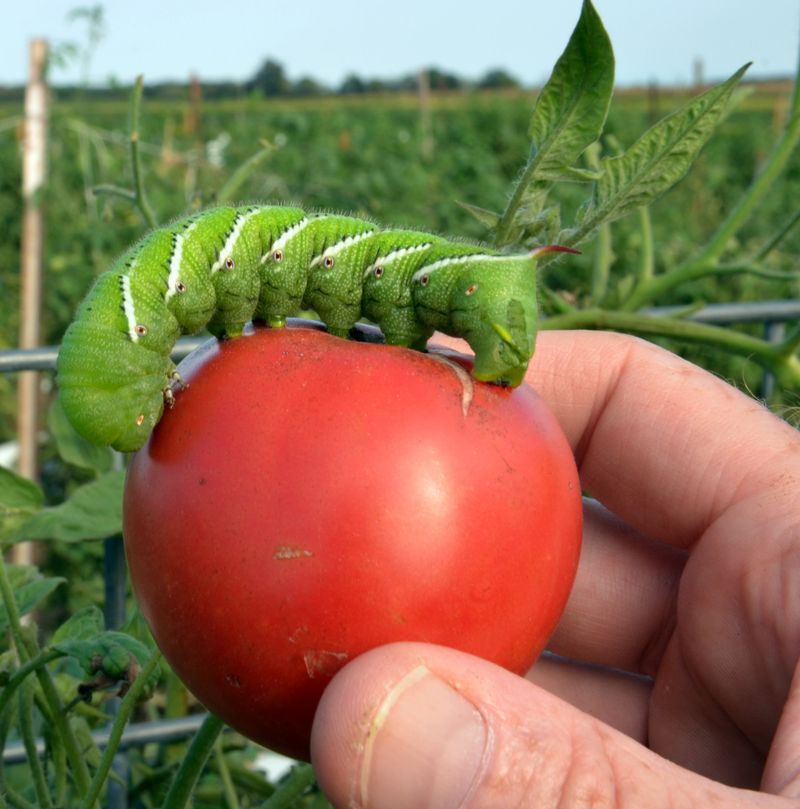
The tomato hornworm (Manduca quinquemaculata) is still out there, and it eats like it has a grudge.
A single one can strip a plant nearly bare in a day or two.
Walk the rows and hand-pick these fat green caterpillars whenever you spot them, they blend in shockingly well against the stems.
Stink bugs also linger, leaving cloudy pale spots on ripening fruit, and armyworms chew both leaves and tomatoes.
Good news is baked into your variety choice.
Valley Cat and Ruby Crush carry built-in resistance to common Texas troubles like fusarium wilt, verticillium wilt, and root-knot nematodes.
None of this is a magic shield, just one layer.
A quick daily look, plus prompt hand-picking, keeps these smaller foes from wrecking a harvest you have worked hard for.
8. Staking And Caging Prevent Heartbreak Later On
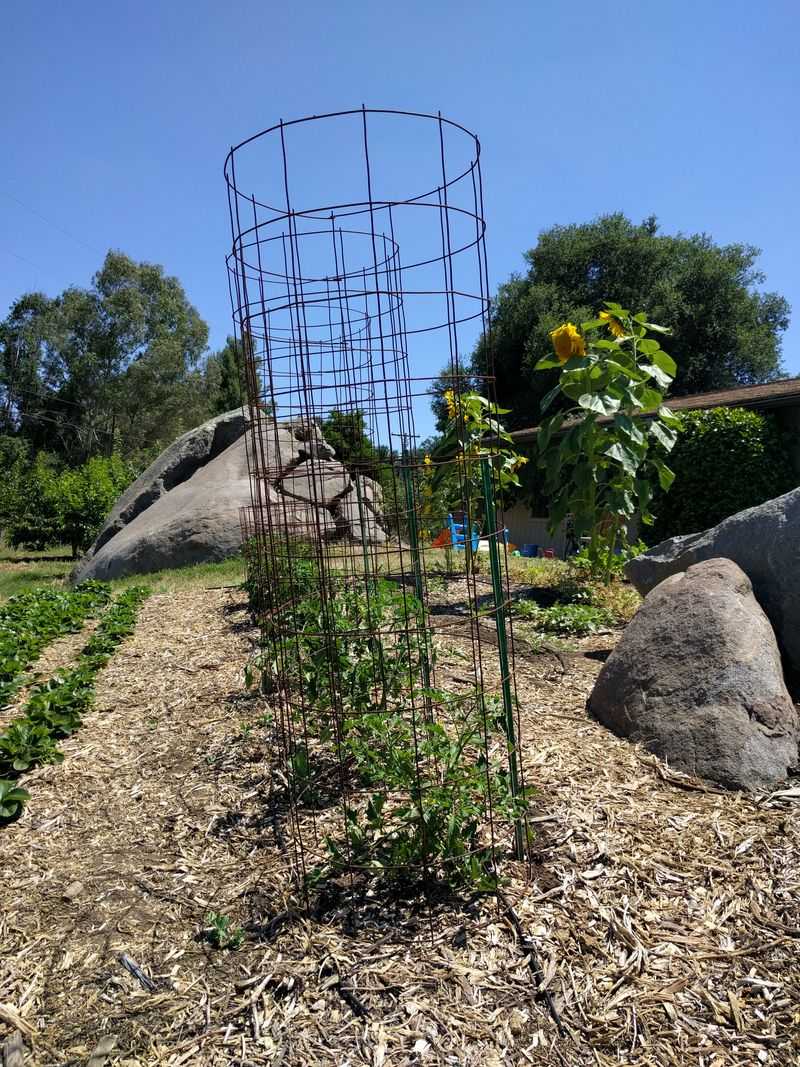
It is tempting to skip support with determinate or bush types, because the name sounds tidy and small.
It lies.
Plenty of determinate plants still shoot up 4 to 5 feet and lean hard once fruit hangs on them.
Skipping support is like framing a house and forgetting the roof.
When tomatoes swell and gain weight, branches snap or the whole plant sprawls flat across the ground.
Fruit resting on soil rots faster and draws pests and disease.
A sprawled plant also chokes off airflow around the stems, which invites the fungal problems you were trying to dodge.
Those flimsy wire cones from the big box store rarely handle robust Texas growth.
Reach instead for stout stakes, oversized cages, or a trellis that will not fold when the wind kicks up during a fall downpour.
Give the plant a real backbone and it stays upright, breathing, and productive right up to the end.
That support is what carries every last perfect tomato from your genuine fall harvest, and there is a quiet pride in picking clean fruit off a vine standing tall.
9. Celebrity Is The Steady Workhorse For East Texas
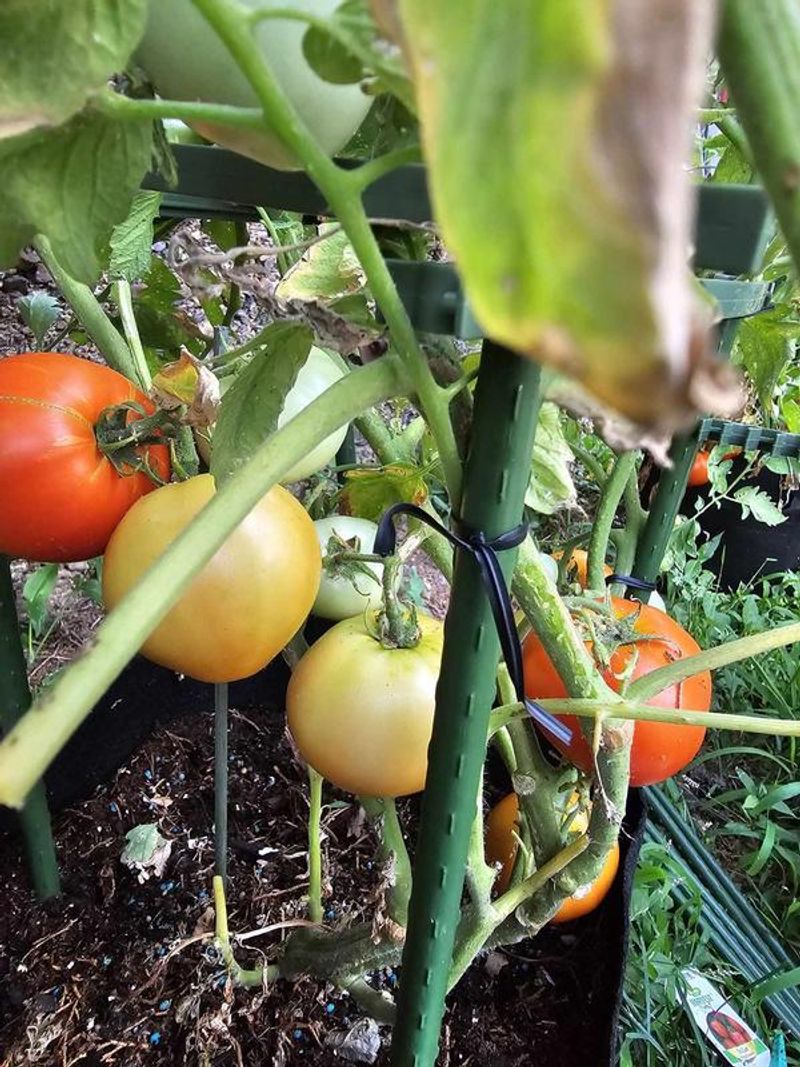
Some plants earn their keep year after year without any drama, and Celebrity (Solanum lycopersicum ‘Celebrity’) is one of them.
Ask around East Texas and someone always swears by it.
What makes it worth a spot is dependability.
It sets fruit better than many big types when temperatures still push toward 90, and it carries strong disease resistance built for humid, acidic sandy soil.
Fruit lands in that useful medium-to-large range, big enough for a real sandwich, not so big it refuses to ripen before the cool sets in.
Plants come in around 70 days from transplant, which fits the fall clock nicely.
Set transplants 30 to 36 inches apart, cage them early, and keep water steady at that 1 to 1.5 inches a week.
It is a determinate type, so most of the harvest arrives in a tighter window, handy if you like to can or freeze a batch at once.
If you want one variety that just shows up and produces without fuss, this is the safe bet.
Reliable is its own kind of exciting when the basket fills up.
10. Juliet Shrugs Off Cracking When The Rain Turns Wild
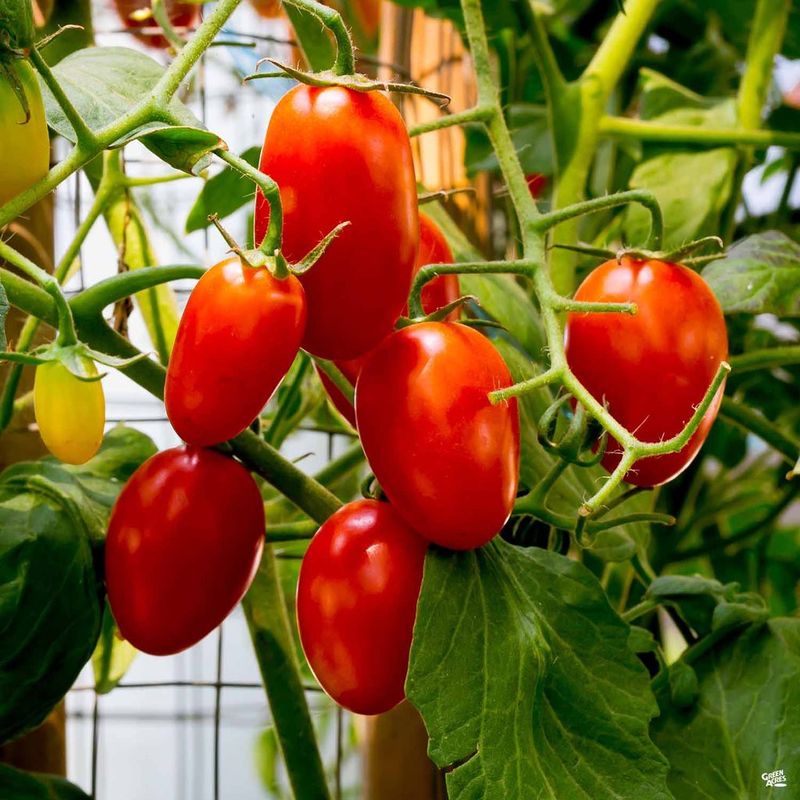
Fall in Texas can go from bone dry to a sudden downpour in an afternoon, and that swing splits a lot of tomatoes wide open.
Juliet mostly laughs it off.
Its secret is a thicker, tougher skin on small, elongated grape-style fruit.
Where big slicers crack after a heavy rain, these hold together, so you lose far less of the harvest.
San Antonio and Central Texas gardeners lean on it because it keeps producing right through temperature swings, an indeterminate type that sets fruit in waves rather than one burst.
Expect ripe clusters around 60 days after transplant.
Give it strong support, because indeterminate vines climb and get heavy fast.
Space plants about 36 inches apart and keep watering even, since steady moisture still helps prevent cracking better than any variety trick alone.
The fruit is meaty and sweet, great for roasting, salads, or eating warm off the vine like candy.
When the sky opens up and your neighbors are cursing split tomatoes, you will be glad you planted the crack-resistant one.
11. Sun Sugar Delivers Candy Sweetness Before The Freeze
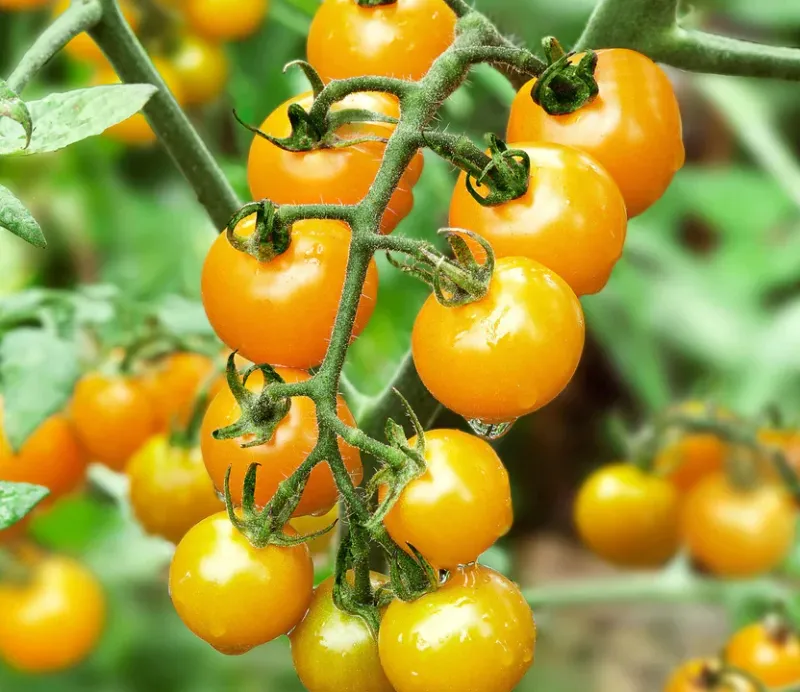
Pop one Sun Sugar cherry tomato in your mouth and you understand the fuss.
It tastes closer to fruit candy than a vegetable, which is exactly why kids raid the plant before the harvest basket ever fills.
Sweetness aside, its real gift is speed.
These little golden-orange cherries ripen fast and keep coming, which matters when you are racing a first freeze that can hit North Texas by mid-November.
The plants are indeterminate and vigorous, so they climb tall and produce long clusters over many weeks.
That steady flow means fresh snacking right up until cold weather shuts things down.
Set transplants about 24 to 36 inches apart and give them a sturdy trellis at least 5 feet tall, because they will use every inch.
Keep water consistent to keep the flavor concentrated and the skins from splitting.
They handle heat well, so early-fall temperatures near 90 do not stall them the way they stall big varieties.
Sweet, quick, and generous, Sun Sugar is the plant your family gathers around, and there is genuine joy in a warm cherry tomato eaten standing in the garden.
12. Ruby Crush Beats The Clock In A Short Fall Window
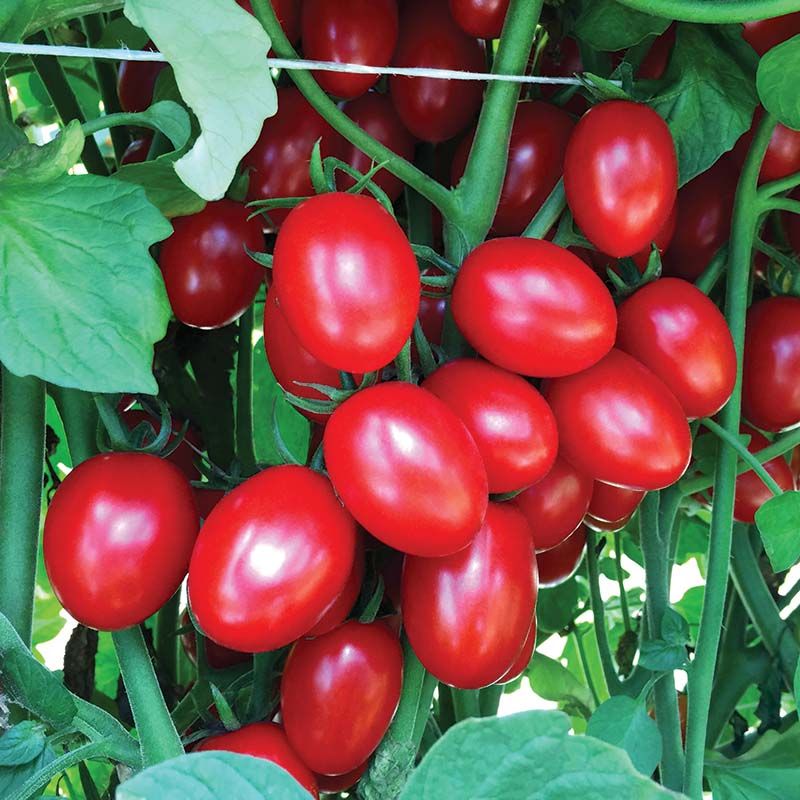
Down toward South Texas and the Gulf Coast, your fall planting window can run tight, and every fast-ripening day counts.
Ruby Crush (Solanum lycopersicum ‘Ruby Crush’) was practically built for that pressure.
Speed is the whole story.
This determinate grape tomato ripens in a quick 60 to 70 days after transplant, so it can finish its work before an early cool snap or the last hurricane-season downpour rolls through between June and November.
Being determinate, it stays more compact and delivers most of its fruit in a concentrated stretch, which is perfect when you want a big pick before the season closes.
The small red fruits are sweet, firm, and resist cracking.
It also carries resistance to several common Texas diseases, so humid Gulf Coast conditions do not knock it down as easily.
Set plants about 24 to 30 inches apart and cage them, since even compact plants sag under a heavy load.
When the calendar is against you, planting the fastest reliable variety is genuinely the smartest move.
Ruby Crush lets you harvest a real crop even when fall feels like it barely showed up, and that quiet win feels earned.