
These Native North Carolina Plants Build The Damp Leafy Corner Fireflies Come Back To
Follow us on Google
You drag your patio chair into the shade as the sun sinks low, another muggy North Carolina evening settling in. You reach for your sweet tea, and then a single soft flicker catches your eye out past the hedge.
That lone firefly is not just pretty, it is a signal that your yard could hold dozens more. These native plants build the damp, leafy corners fireflies genuinely need to come back, and here is exactly what to plant and where.
1. What Fireflies Actually Need From Your North Carolina Yard
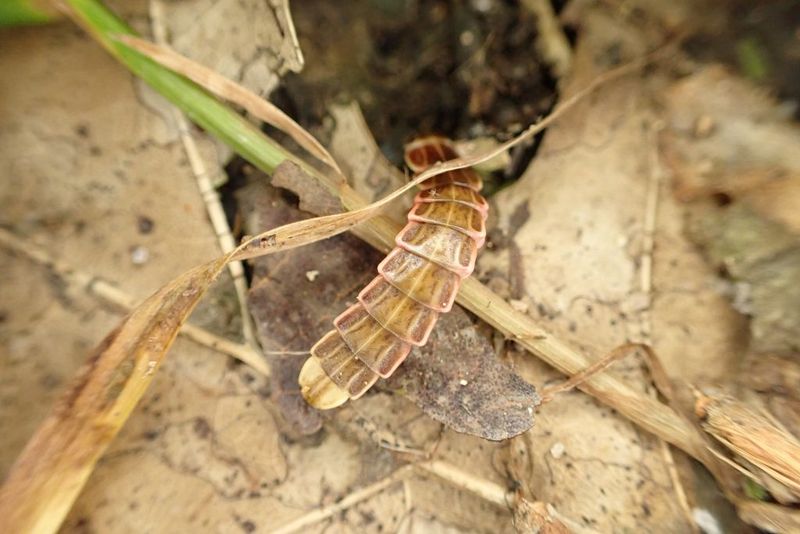
Most people picture fireflies as those dancing sparks over the lawn, but the truth hides underground. Fireflies are beetles, not flies, and they spend one to two years of their lives as larvae in damp soil and leaf litter, hunting slugs, snails, and soft worms.
Without that moist underground nursery, the adults never show up to light your evenings. So the light show you love is really the last chapter of a long, quiet story happening beneath your feet.
Adult fireflies need layers to survive too. They want tree cover overhead, dense shrubs at mid-level, and tall grasses or perennials where females perch and wait for a flashing male.
North Carolina summers help, with August humidity often sitting above 70 percent, which keeps the thick, damp air fireflies love.
Here is where it gets tricky. Fireflies are wrecked by two things most yards have plenty of, pesticides and bright artificial light.
Both scramble their signals and thin their numbers fast.
Building them a home means thinking about the whole life cycle, from the wet soil up to the canopy. Get those layers right and the flickers return on their own.
2. Black Tupelo Anchors The Whole Damp Corner

If you could plant only one tree to bring fireflies back, many NC State Extension folks would point you straight at the Black Tupelo. Also called blackgum, Nyssa sylvatica works like a quiet architect, casting deep shade that keeps the ground cool and moist all summer long.
It grows at a moderate pace, reaching 30 to 70 feet tall with a 20 to 30 foot spread. That dense canopy shields the soil below from the harsh afternoon sun that dries out firefly habitat.
Come October, the leaves blaze scarlet and orange, the kind of fall color neighbors slow down to look at. But the real gift comes after they drop.
Those fallen leaves become the rich litter layer where larvae hunt and hide.
Black Tupelo is genuinely adaptable across the state, happy in creek bottoms on the Coastal Plain and climbing to 3,000 feet in the mountains. It prefers well-drained, acidic soil but tolerates a range of conditions.
Plant it in a low, partly moist spot and give it room. In a few seasons you will have both a showpiece tree and a working firefly factory underneath it.
3. Sweetgum And River Birch Blanket The Ground With Cover
Those spiky Sweetgum balls get a bad rap, and honestly, they hurt underfoot. But Liquidambar styraciflua is a champion for fireflies, dropping thick blankets of leaves that build exactly the moist larval habitat they need.
Sweetgum grows fast, reaching 60 to 100 feet tall with a 40 to 50 foot spread. It tolerates wet feet and handles both Piedmont red clay and sandy Coastal Plain soil, preferring moist, acidic ground but adapting well.
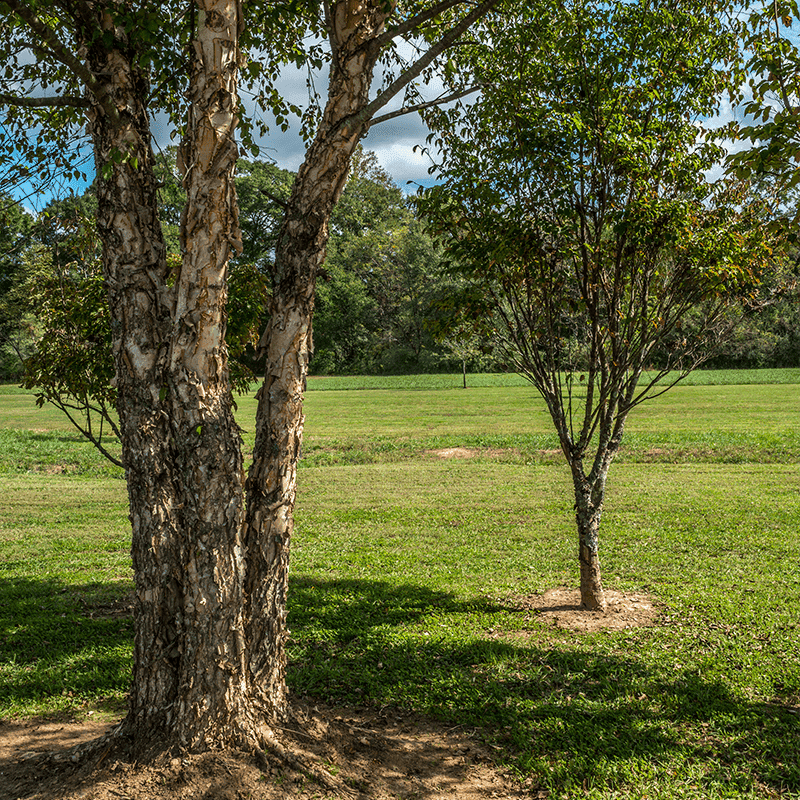
For a spot that stays soggy, the River Birch is a better fit. Betula nigra often grows in multi-stemmed clusters along stream banks, its peeling cinnamon bark a nice bonus.
Those clusters throw dense shade and keep the ground humid, which is precisely what developing larvae want.
And if you have a truly low, wet corner nothing else will grow in, look at Bald Cypress, Taxodium distichum. It builds thick duff around its base, giving larvae a safe place to overwinter through NC surprise cold snaps.
Rake those fallen leaves into the shade instead of bagging them. You are not being lazy, you are stocking the pantry.
4. Summersweet And Buttonbush Give Adults A Place To Perch
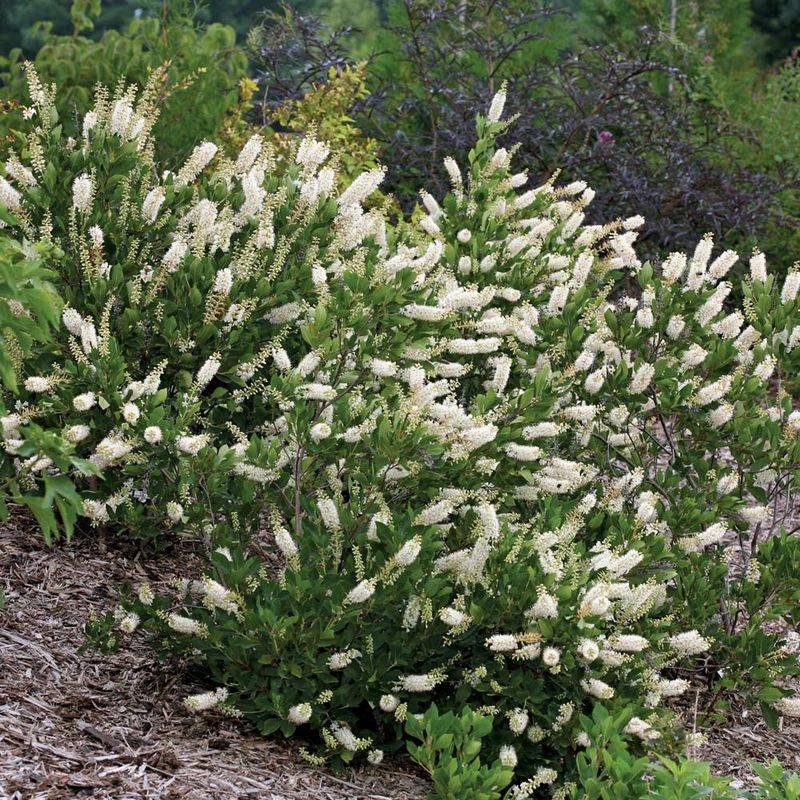
Once your trees are in, the next layer is shrubs, and Summersweet pulls double duty better than almost anything. Clethra alnifolia grows wild in swamps and moist woodland edges from the Coastal Plain out into the Piedmont.
It reaches 5 to 8 feet tall and 4 to 6 feet wide, loving acidic soil and shrugging off a little standing water. In mid-summer, right when fireflies peak, it opens fragrant white flower spikes that pull in native bees and butterflies by day, then shelters fireflies in its dense branches by night.
Buttonbush is your pick for the consistently wet spot. Cephalanthus occidentalis is native statewide and thrives at pond edges, ditches, and slow water, growing 4 to 12 feet tall and wide.
Its odd little globe-shaped white flowers are pollinator magnets from early to mid-summer. For fireflies, though, the value is how it keeps the soil around it damp, holding that ground-level humidity larvae depend on.
Tuck a few Buttonbush into a rain garden or a soggy low corner. They will build a humid pocket of habitat that pays you back in flickers every July.
5. Native Grasses And Joe-Pye Weed Fill The Ground Layer

The lowest layer matters just as much as the tall stuff, and River Oats brings graceful texture to shady, moist corners. Chasmanthium latifolium sends down deep, spreading roots that hold soil moisture, building a subterranean nursery for larvae while its arching stems give adults a resting perch.
Unlike most sun-loving grasses, it is genuinely happy in part shade under trees and will self-sow to fill a patch over a couple of seasons.
For sunnier damp spots, Switchgrass earns its place. Panicum virgatum stands tall and upright, giving adult fireflies a dense daytime hideout from that fierce NC heat.
Its roots reach several feet down, helping the soil hold water.
Let a strip of it grow wild along a fence line and skip the mower there. That unmowed corner becomes an undisturbed rest stop.
Then there is Joe-Pye Weed, Eutrochium purpureum, thriving in part shade to full sun and rich, moist soil, often hitting 4 to 7 feet tall. Its pale pink to purple flower clusters bloom July through September, feeding pollinators while holding humidity in dense leafy cover at ground level.
Plant these three together and the floor of your yard stays alive.
6. Leave The Leaves And Hold The Moisture
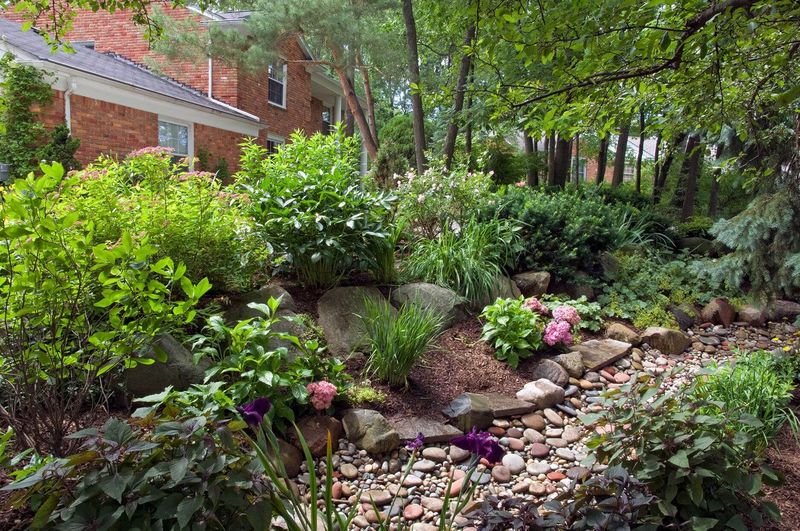
Fireflies need dampness at every stage, from eggs laid in moist soil to larvae that cannot survive dry ground. A damp leafy corner is not a swamp, it is simply a spot where the soil and air stay consistently moist.
The easiest way to build one costs nothing. Leave fallen leaves in place in your shaded areas.
A layer at least a few inches deep works like natural mulch, insulating the soil and slowing evaporation through those long August afternoons.
Site your plantings smart, too. Low spots and areas near downspouts collect water and drain slowly, which is exactly what you want here.
Sandy Coastal Plain soil drains too fast, so work in plenty of compost to help it hold water. Piedmont red clay has the opposite problem, so organic matter loosens it while still keeping moisture close.
A small pond or rain garden lifts the humidity of the whole area and creates an oasis. Just keep chlorine and lawn chemicals far away from any water feature near your firefly corner.
And skip the broad pesticide spraying, since it wipes out the larvae you are trying so hard to raise.
7. Turn Off The Lights So The Signals Can Land

You can build the perfect damp, leafy corner and still see nothing if your porch light stays on. Artificial light is the quiet antagonist here, drowning out the flash patterns fireflies use to find each other.
North Carolina hosts somewhere around 30 to 40 firefly species, and each one blinks its own coded rhythm. Males flash, females answer, and the whole courtship falls apart when floodlights and landscape lighting wash out the signals.
The fix is almost embarrassingly simple. Swap steady floodlights for motion-sensor fixtures so they only run when you actually need them for safety.
Make a habit of flipping off unnecessary outdoor lights after dusk, especially from late May through July when firefly activity peaks across most of the state. If you head out to watch, cover a flashlight with a red filter to protect both your night vision and their courtship.
Creating pockets of true darkness may feel like a small thing, but it can make the difference between a quiet yard and a glowing one.
Picture next summer, chair back in the shade, sweet tea in hand, watching a dozen lights weave through your native plantings. You built that.
And it will keep getting brighter every year.