
Skip The Fussy Hydrangeas And Grow These North Carolina Perennials That Bloom All Summer Long
Follow us on Google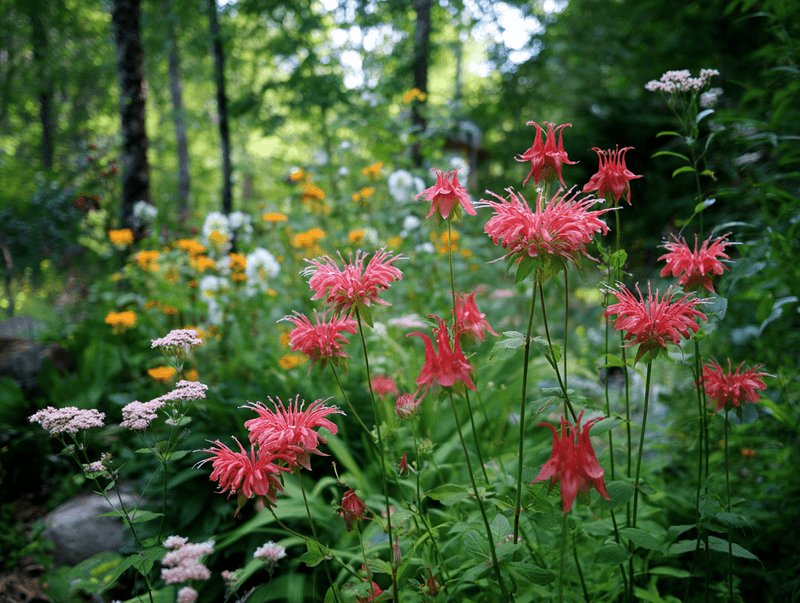
You drag your patio chair into the shade with iced tea in hand, and there goes your neighbor again, wrestling limp hydrangeas that wilted by noon. That same struggle plays out all over North Carolina, from the sandy coast to the red clay Piedmont.
Hydrangeas want big flowers but ask for a lot back, and our muggy summers and surprise heat waves push them past their limit. The good news is that a handful of tough perennials give you months of color with almost none of the drama.
1. Give Your Garden Some Whirling Butterflies
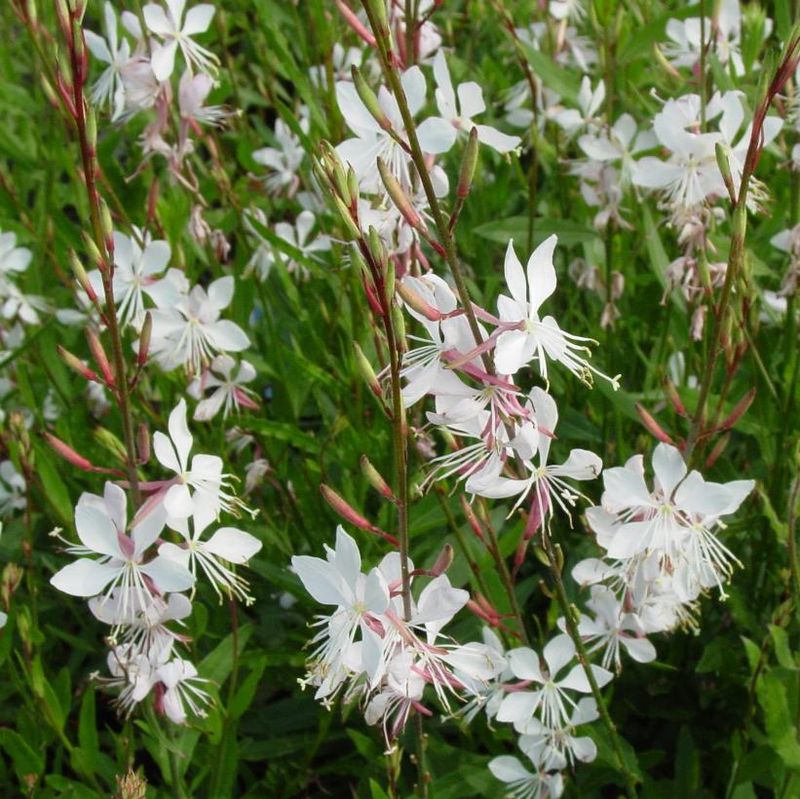
Picture a soft cloud of pink and white flowers hovering over thin stems, swaying every time the breeze rolls across the porch. That is Gaura lindheimeri, the plant many folks call whirling butterflies, and it genuinely earns the name.
Here is what surprises people. While hydrangeas sulk in July heat, gaura leans into it.
It wants full sun, or maybe a touch of afternoon shade in the hottest Sandhills spots, and it hates soggy feet more than anything.
Give it well-drained soil, even lean or sandy ground, and it will not fuss about typical North Carolina dirt as long as water drains away. It blooms from late spring right through fall, sending up flush after flush of color.
Plant it where it has room, because it fills out to about 1 to 4 feet tall and wide. That deep taproot helps it shrug off dry August stretches once it settles in.
And the deer tend to walk right past it, which is a quiet win for anyone tired of finding chewed stems at sunrise.
2. Embrace The Sunny Charm Of Tall Tickseed
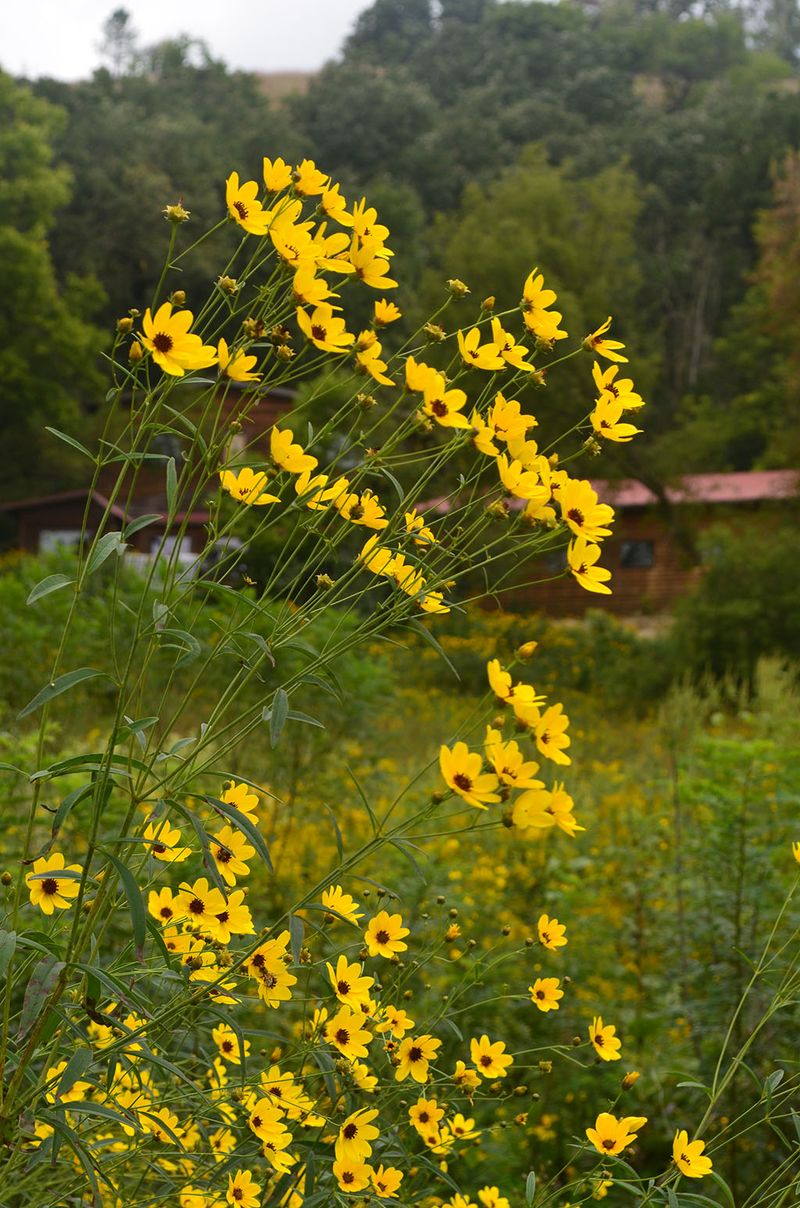
Some plants show up, do their job, and never ask for a thing. Tall Tickseed, or Coreopsis tripteris, is exactly that kind of quiet workhorse in a North Carolina yard.
Bright yellow daisy flowers with dark centers open in early summer and keep coming until the first fall frost. That is a genuinely long stretch of color for such a low-maintenance native.
What sets this tickseed apart is height. Most stay short and tidy, but this one stretches 2 to 8 feet tall, giving you a vertical layer without staking or babying.
It handles Piedmont red clay and sandy Coastal Plain soil with equal ease, and it takes heat, humidity, and drought once its roots dig in. Full sun keeps it happiest.
Bees and butterflies work its flowers all day, and deer generally leave it be. So you get a wall of sunshine that feeds pollinators and asks for nothing in return.
3. Discover The Enduring Beauty Of Orange Coneflower
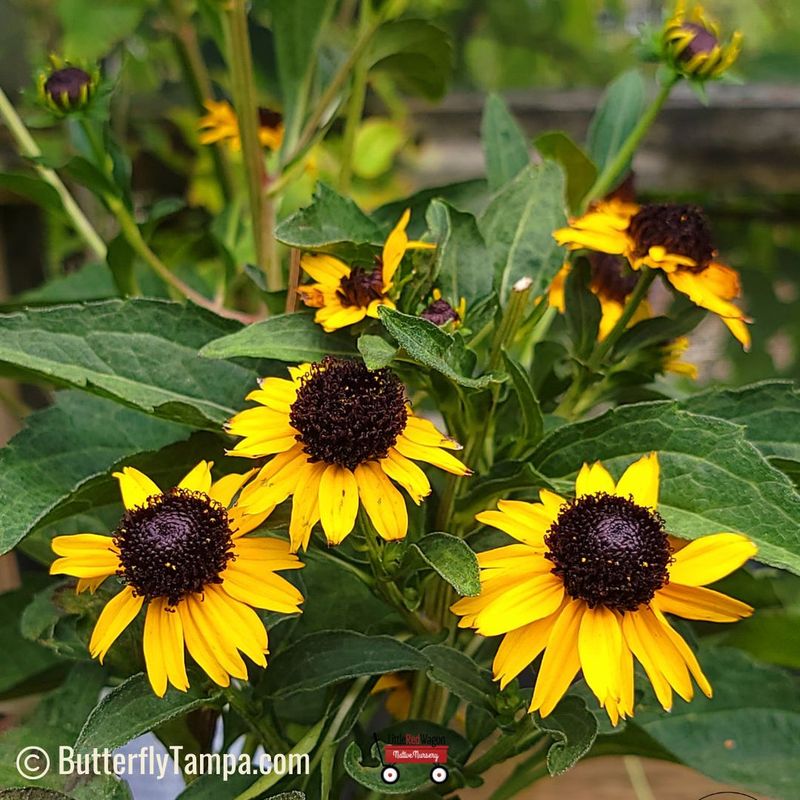
Golden petals, dark button centers, and a run of bloom that stretches from mid-summer clear into late autumn. Rudbeckia fulgida, the orange coneflower or shining black-eyed Susan, delivers that show year after year.
Many gardeners plant one and forget about it, then notice a fat clump five seasons later still cranking out flowers. That is because it is genuinely long-lived, forming sturdy mounds 2 to 3 feet tall and about 1.5 to 2.5 feet wide.
It loves full sun but tolerates a little light shade during the fiercest afternoon hours in the Coastal Plain. Heat, humidity, and dry spells barely register once it is established.
Here is the part that keeps giving. Butterflies feed on the late-summer nectar, and when the flowers fade, the seed heads become winter food for finches and other birds.
Leave a few standing through the cold months and your yard stays busy when everything else has gone quiet.
4. Welcome The Purple Majesty Of Blazing Star
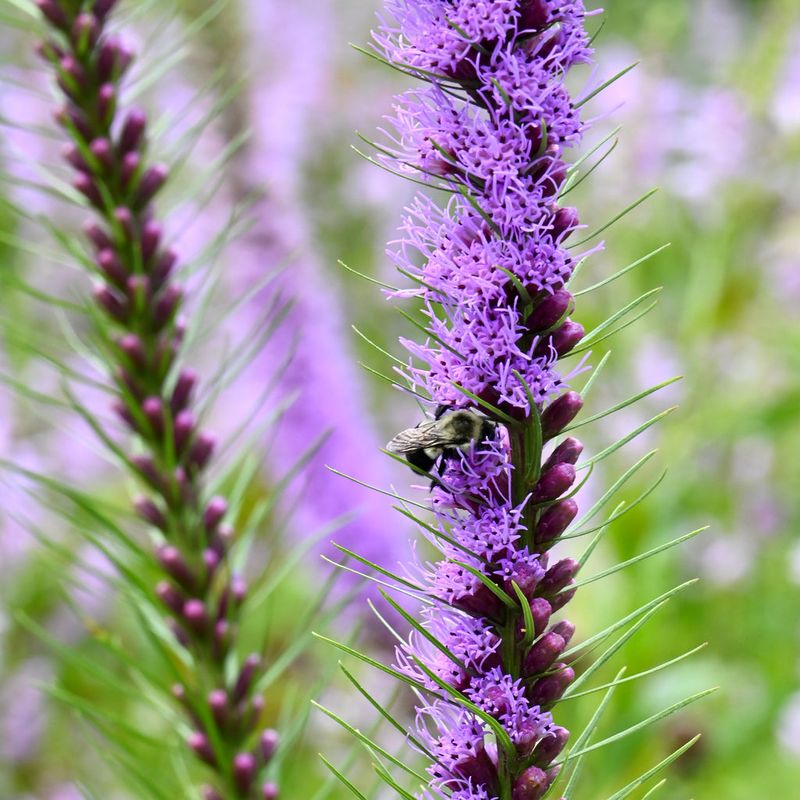
Tall purple spikes that bloom from the top down, buzzing with butterflies from the second they open. Liatris spicata, or dense blazing star, brings drama that a low round shrub simply cannot.
Those bottlebrush wands rise 3 to 6 feet and start flowering in July, holding color through September. Bloom from the top down is unusual, and it means the spike looks good for weeks.
It grows wild in moist meadows across the eastern states, including coastal counties in the Carolinas, so our climate suits it fine. It prefers full sun and moist, well-drained soil, yet it shrugs off drought once rooted.
Here is where it gets tricky. In heavy Piedmont clay, standing winter water can rot the corms, so work in grit or raise the bed for drainage.
Butterflies, bees, and hummingbirds crowd the blooms, and the spikes make excellent cut flowers for the kitchen table. One planting, and your border suddenly has a spine.
5. Enjoy The Reliable Radiance Of Purple Coneflower
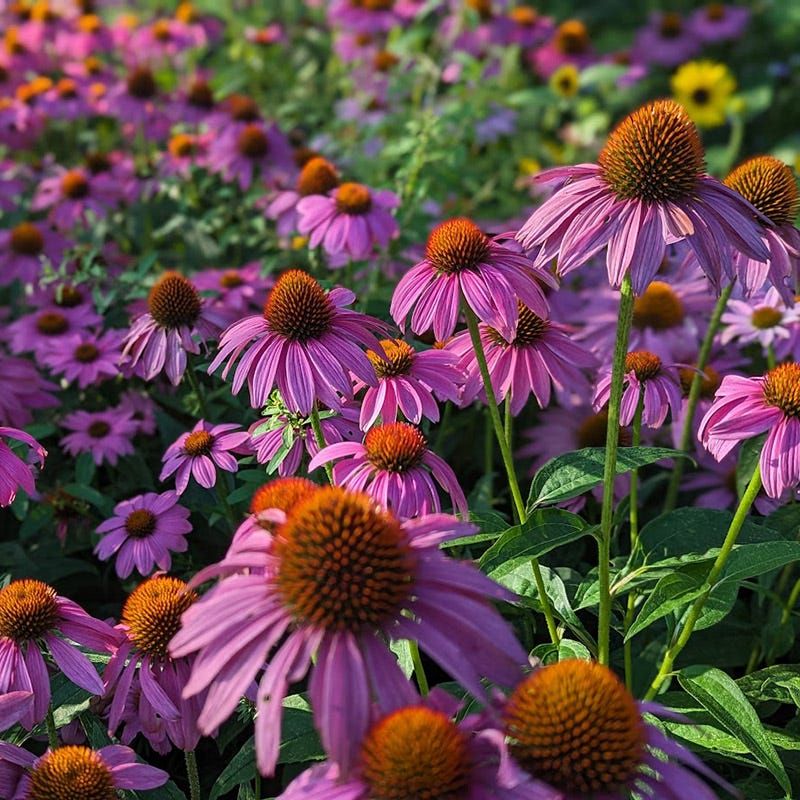
Few natives feel as at home in a North Carolina yard as Echinacea purpurea, the purple coneflower. Big pinkish-purple petals droop around a spiky central cone, and the whole thing reads as effortless.
Flowers open in early summer and keep going into mid-fall, standing 2 to 4 feet tall the entire time. It takes full sun to partial shade without complaint.
Sandy, loamy, or clay soil all work as long as water drains, and once established the plant laughs off both heat and drought. Our sticky summer air does not faze it either.
The real payoff is who shows up. Butterflies and hummingbirds treat it like a diner, and goldfinches pick the seed heads apart come fall.
Deer usually pass it by, which means less heartbreak and more color. Plant three together and you have got a low-effort centerpiece that earns its spot.
6. Adorn Your Edges With Stoke’s Aster
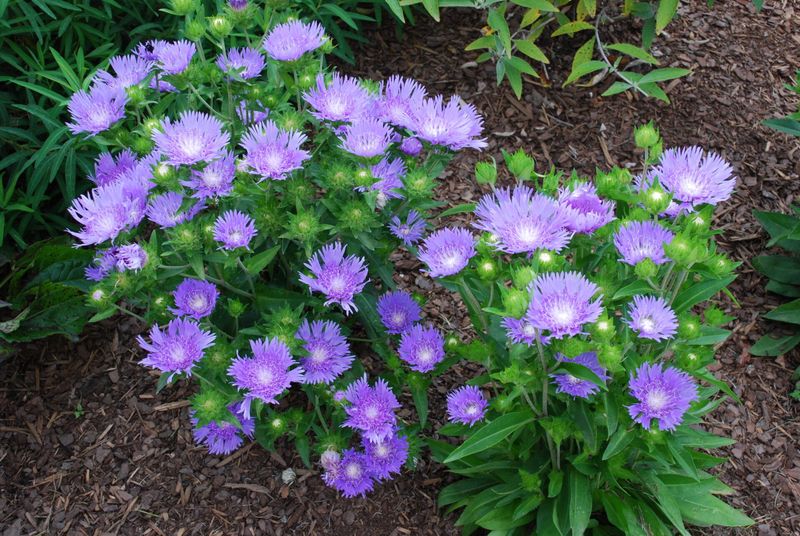
Not every showstopper needs to tower over the fence. Stokesia laevis, or Stoke’s aster, keeps things low and lovely with feathery blue, purple, or white flowers that look like ruffled cornflowers.
A native to the North Carolina coastal plain, it clumps neatly at 1 to 2 feet tall and up to 18 inches wide. That tidy size makes it perfect for the front of a bed or a sweep of mass planting.
Blooms open in early to mid-summer and keep coming into early autumn if you snip off spent flowers. Deadheading is the one small chore, and it takes minutes.
Full sun suits it best, though it accepts some part shade. It likes moist soil but demands sharp drainage, and it handles heat and dry spells surprisingly well once settled.
Rabbits and deer generally ignore it too. So you get weeks of soft, cool color right where guests notice it most.
7. Attract Pollinators With Fragrant Hyssop
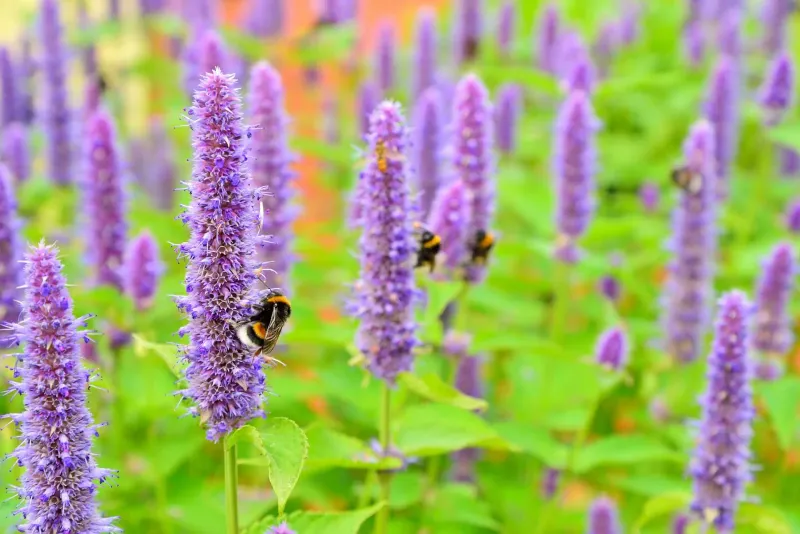
Brush against Agastache and your fingers smell faintly of licorice and mint. That fragrant foliage is only the opening act for what gardeners call hummingbird mint.
Varieties like Blue Fortune, or the native anise hyssop, Agastache foeniculum, push up spikes of lavender-purple flowers from mid-summer into mid-fall. The plants stand 2 to 4 feet tall and spread up to 3 feet, giving borders a strong upright shape.
Full sun to part shade works, but the make-or-break factor is drainage. Heavy wet clay or rich, soggy ground will rot the roots over winter, so plant it high and lean.
Once it has that, it handles our humidity better than many of its cousins and tolerates dry stretches without sulking. It genuinely thrives on a little neglect.
Hummingbirds and butterflies swarm the spikes all season, and deer tend to steer clear of that scented foliage. Fewer chores, more wings at eye level.
8. Support Monarchs With Cheerful Butterfly Weed
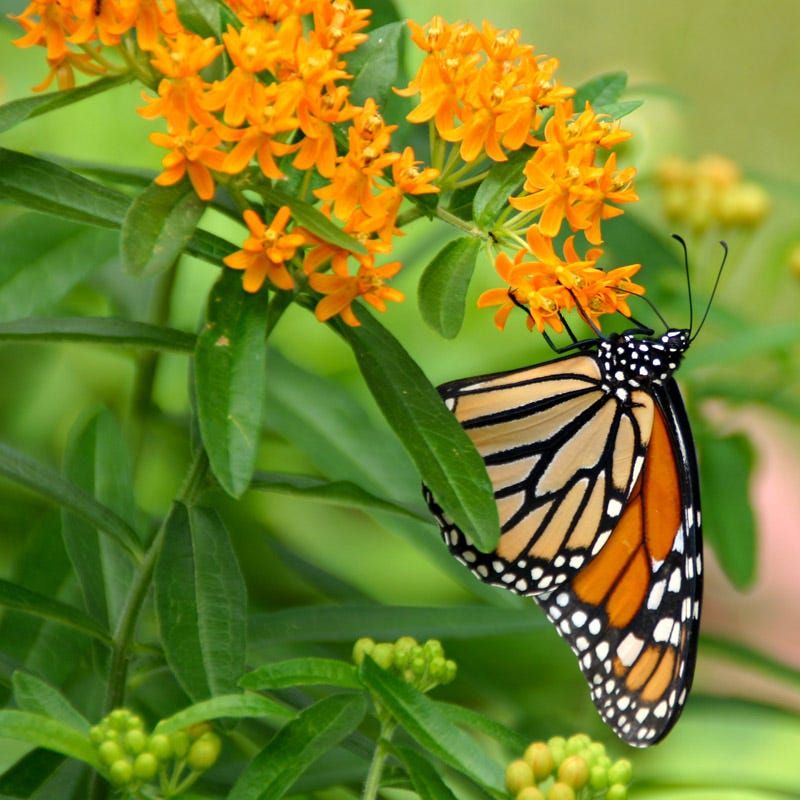
Bright orange flowers, buzzing with monarchs, growing happily in the worst dirt you have got. Asclepias tuberosa, or butterfly weed, does a job no other plant on this list can match.
As a native milkweed, it is a host plant for monarch caterpillars, meaning fall migrants actually lay eggs on it. Nectar-hungry bees and butterflies pile onto the clustered blooms too, which glow orange from June through August.
Toughness is the whole story here. It wants full sun and dry to medium, well-drained soil, and it genuinely prefers poor, sandy ground over anything pampered.
That makes it a natural fit for the Coastal Plain and the Sandhills, where richer plants struggle. Once established, it is exceptionally drought-tolerant, standing 1 to 3 feet tall and 1 to 1.5 feet wide.
One warning worth remembering. It grows a deep taproot, so plant it where you want it and leave it be, because moving it later rarely goes well.
9. Enjoy The Classic Charm Of Garden Phlox
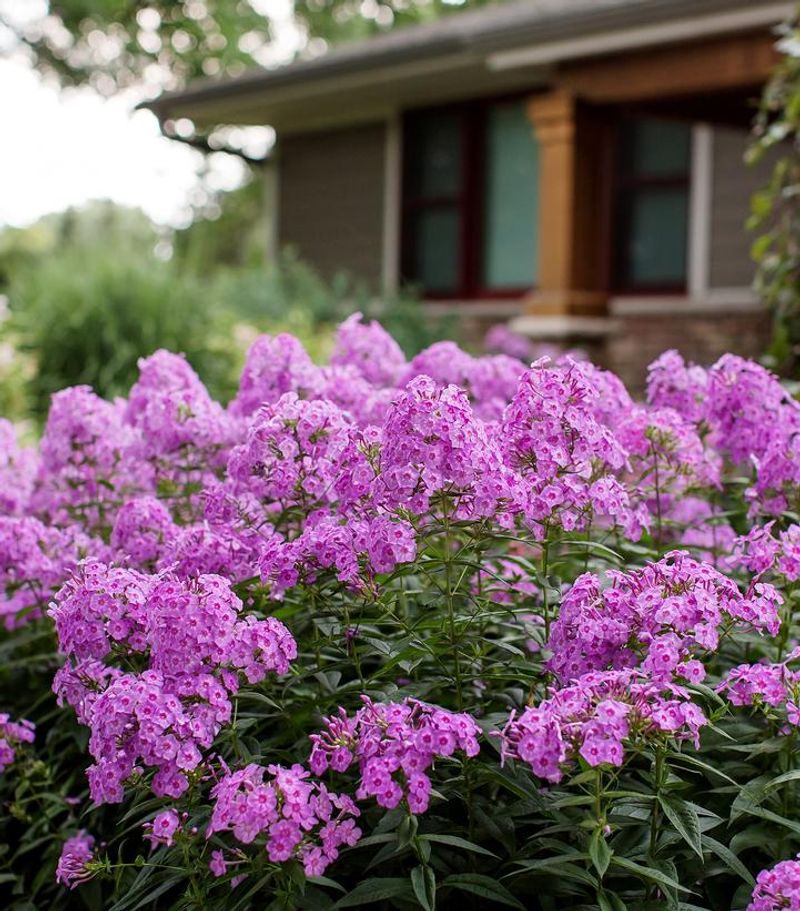
Warm evening on the porch, and a sweet scent drifts over just as the light fades. That is Phlox paniculata, garden phlox, doing what cottage gardens have loved it for over generations.
Large clusters of pink, lavender, white, or magenta open from mid-summer into mid-fall on upright clumps 2 to 4 feet tall. Hummingbirds work the flowers by day, and the fragrance takes over at dusk.
Full sun to partial shade suits it, with a little afternoon relief welcome in our hotter regions. It likes moist, fertile, well-drained soil to keep the show going.
Here is the honest catch. Phlox is famous for powdery mildew in muggy North Carolina air, so this is not a plant-and-ignore pick.
Space plants a couple feet apart for airflow, water at the roots instead of overhead, and choose newer mildew-resistant cultivars. Do that, and you get the hydrangea-style romance without the hydrangea-style heartbreak, ending your summer on a genuinely sweet note.