
9 Reasons North Carolina Gardeners Should Plant Okra In Every Summer Bed
Follow us on Google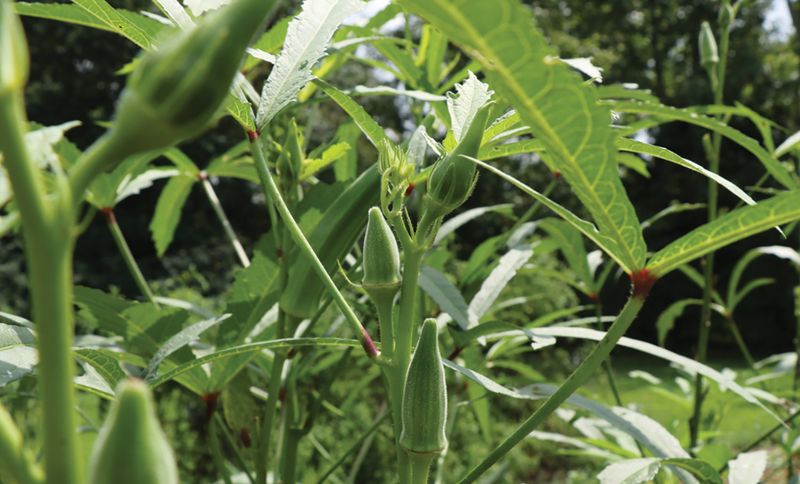
You drag your patio chair into the afternoon shade, a little tired from weeding, and you stare at those bare summer spots that nothing seems to fill. Most vegetables sulk when the North Carolina sun turns brutal and the air goes thick with humidity.
Okra is the quiet champion your beds are genuinely asking for. Here are nine reasons to tuck it into every corner this season.
1. Okra Craves Our Carolina Summer Heat
Most garden vegetables throw in the towel once the thermometer pushes past 90 degrees. Tomatoes stop setting fruit.
Lettuce bolts and turns bitter. Okra, meanwhile, is just getting warmed up.
Abelmoschus esculentus grew up in hot climates, so our muggy Carolina summers feel like home to it. It thrives above 90 degrees and shrugs off days over 100 degrees as long as you keep it watered.
While you retreat to the air conditioning, it stays outside making pods.
That heat love holds true across the Piedmont, the Coastal Plain, and the Sandhills. Okra does not merely tolerate our worst afternoons, it actually improves as the days stretch long and steamy.
Your toughest weather becomes your biggest harvest advantage.
2. Genuinely Low-Maintenance And Simple To Grow
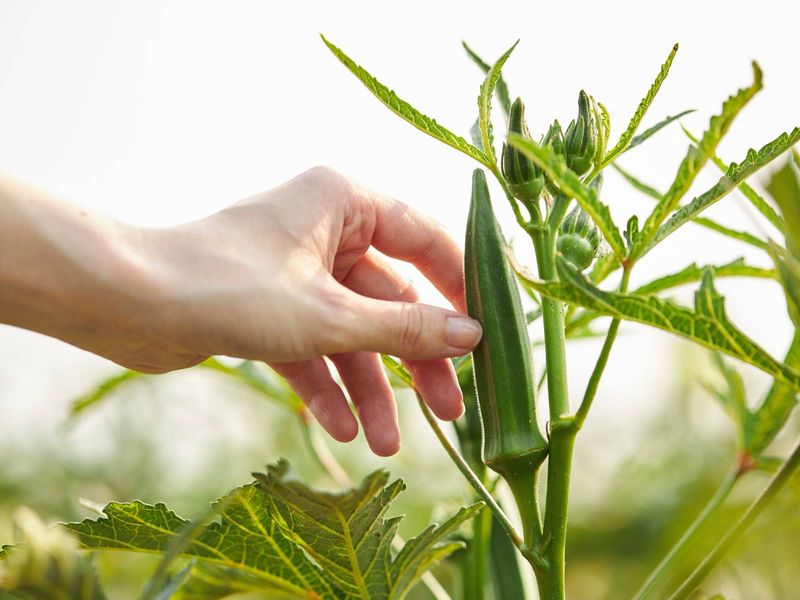
You do not need a green thumb or a fussy watering schedule to keep okra happy. Once the plants settle in, they mostly take care of themselves.
That makes okra a forgiving pick for busy families and first-time growers alike.
It handles dry spells better than most crops, though an inch of water every 7 to 10 days will boost your yield noticeably. From the heavy red clay of the Piedmont to the sandy soil of the Coastal Plain, it adapts without complaint.
So you get to actually enjoy your porch evenings instead of hovering over needy plants. Okra asks for sun, a little water, and your attention only at picking time.
3. A Speedy Growth Cycle And Steady Pickings
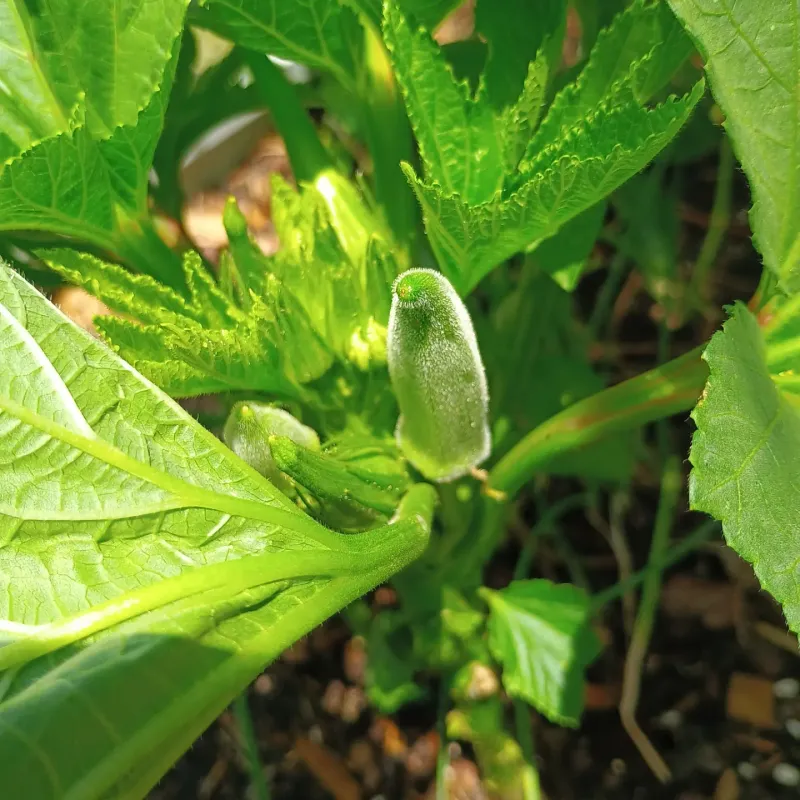
Picture fresh pods on your table about two months after you drop the seeds in the ground. Okra runs fast, usually 50 to 60 days from seed to first harvest.
Then it just keeps handing you dinner.
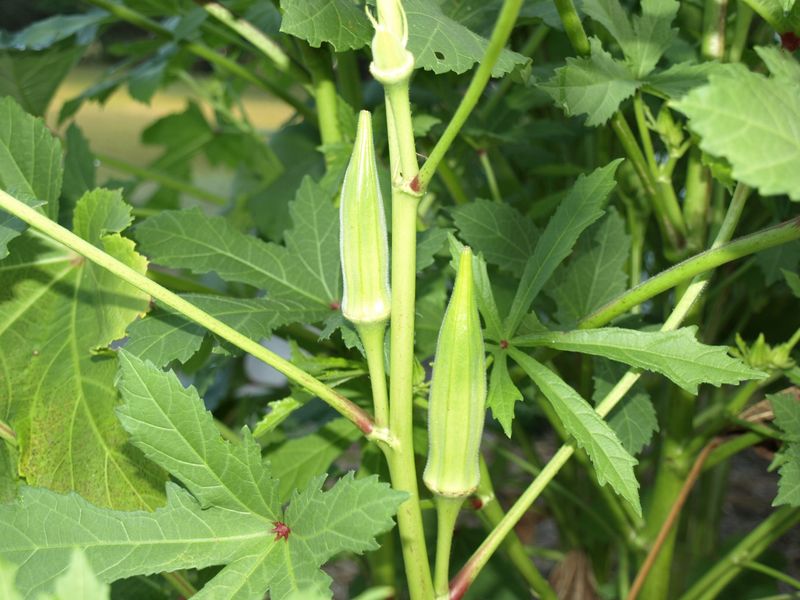
A single healthy plant can give you 20 to 40 pods across its productive stretch. The trick is picking often.
Harvest every one to two days and the plant answers by pushing out even more pods.
For most North Carolina families, just four or five plants cover fresh eating with plenty left to freeze. Here is where it gets rewarding, the more you pick, the more you get.
4. Okra Stands Strong Against Common Pests
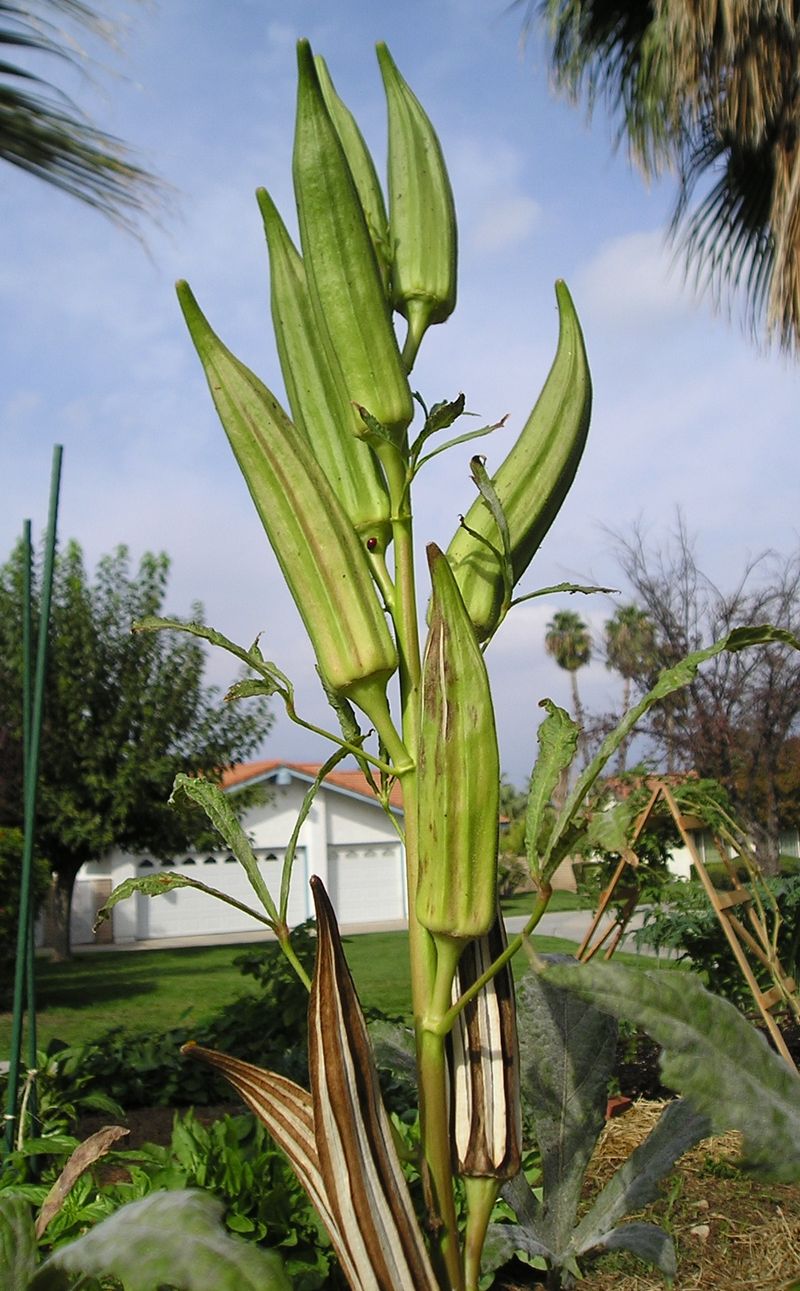
Here is where summer crops usually get tricky. The bugs move in.
Okra, though, is a quiet hero that mostly holds its own.
You may spot aphids, flea beetles, stink bugs, or Japanese beetles chewing on the leaves. The damage is often minor, and the plants tend to bounce back fast.
Planting a few tomatoes nearby can pull stink bugs away from your pods, working like a trap crop.
Okra is not a magic shield against every garden woe, and it may still take some nibbles in a bad year. But it stays productive with far less pest fussing than fragile crops demand.
That means fewer sprays and more peace of mind.
5. Surprisingly Flexible With North Carolina Soil
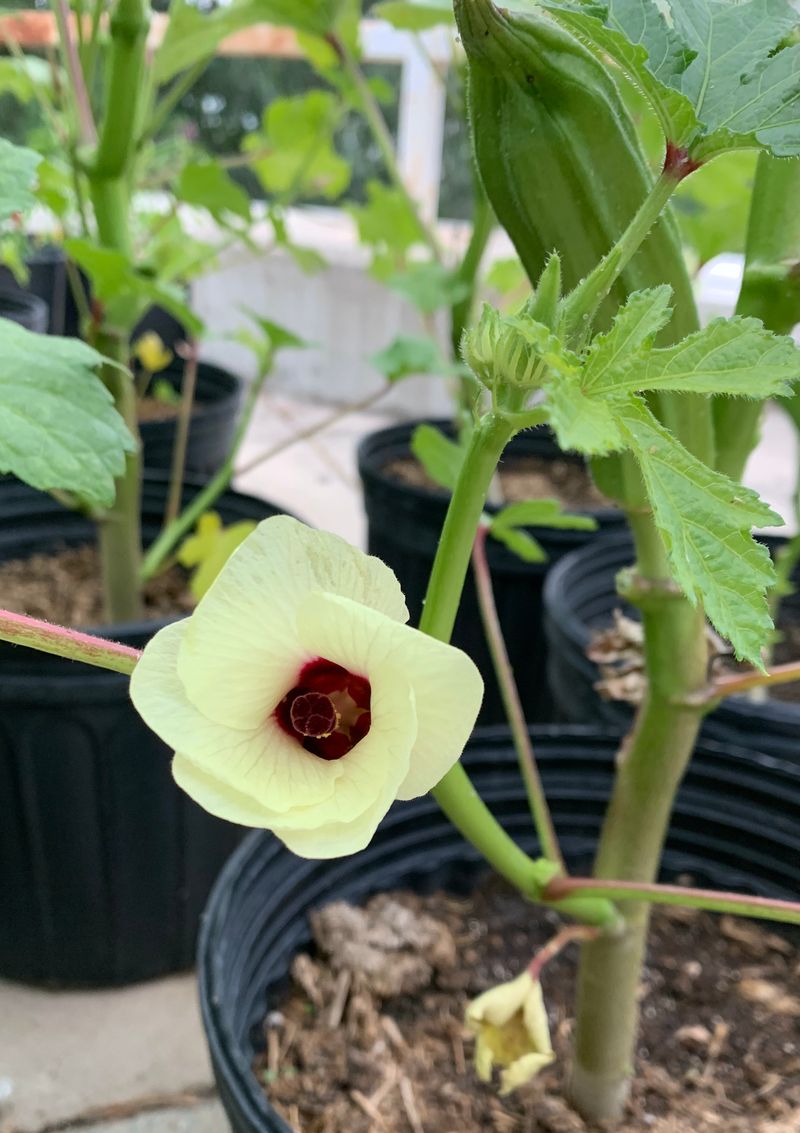
Whether you are digging into the dense red clay of the central Piedmont or the sandy loam near the coast, okra can settle in comfortably. Few vegetables handle such a range of ground so gracefully.
It does prefer well-drained soil so the roots do not sit soggy. Beyond that, it tolerates a wide pH band from 5.8 up to about 7.6, with the sweet spot sitting near 6.5 to 7.0.
NC State Extension recommends a soil test if you want to dial that in.
Work a few inches of aged compost into the bed before planting and you give okra a running start. It rewards a little organic matter almost anywhere you tuck it.
6. Okra Blooms Are A Beacon For Pollinators
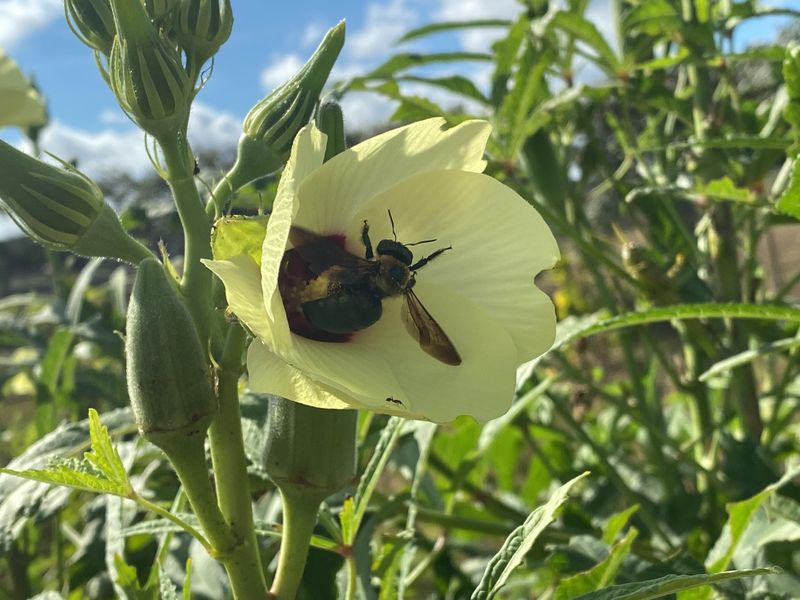
Your backyard is a living habitat as much as a food source, and okra pulls double duty here. Its flowers look like small pale hibiscus blooms, and they are not just pretty faces.
Those blossoms actively draw in bees and butterflies all summer long. North Carolina even hosts a specialist bee, the hibiscus or okra bee, Ptilothrix bombiformis, that seeks these flowers out.
Okra can self-pollinate, but visits from honeybees and bumblebees genuinely improve pod size and seed fill.
So a row of okra can help your whole garden set better fruit while feeding the pollinators you want to keep around. It is protection for your harvest and a welcome mat for useful wildlife.
7. Striking Ornamental Value For Your Yard
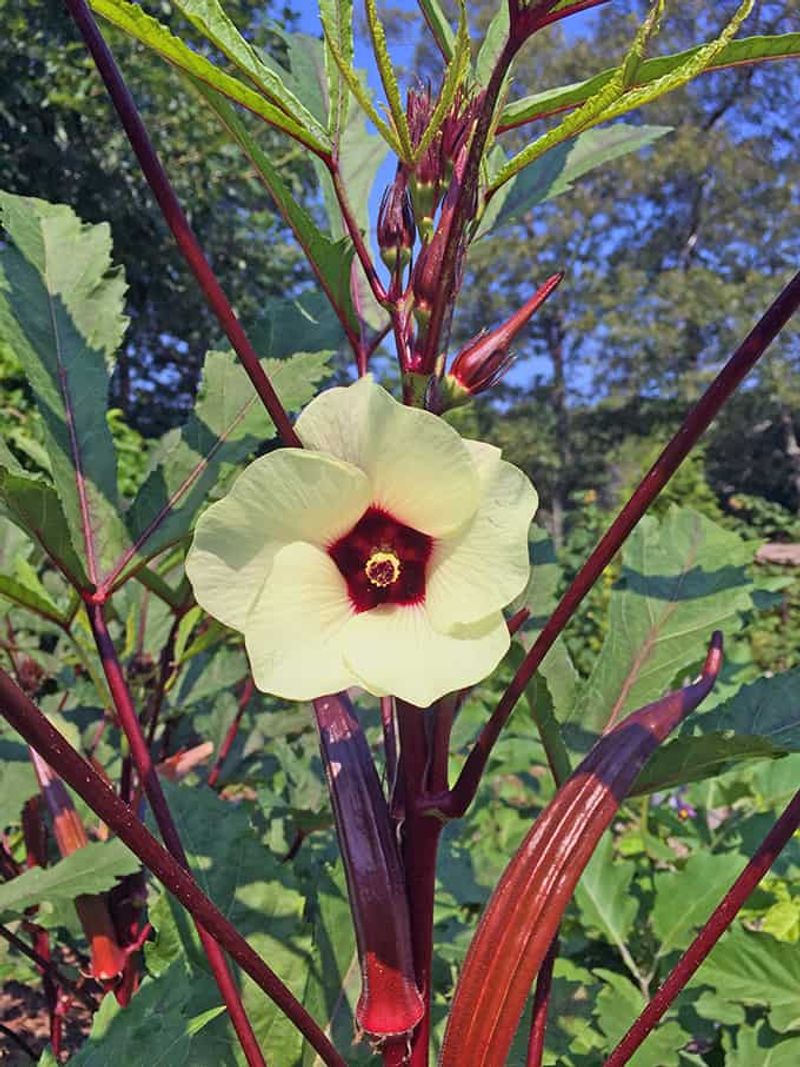
Beyond the pods, okra brings real drama to a summer bed. These plants stand tall and upright, sometimes reaching 8 to 10 feet, with those creamy hibiscus-style flowers glowing against dark green leaves.
Some varieties push the show further. The Burgundy type produces deep red pods and stems that turn heads before they ever hit the pot.
You can even dry the mature pods for fall arrangements, stretching their beauty past the growing season.
Tuck okra at the back of a bed and it becomes a living privacy screen with flowers. Your vegetable patch gets to be productive and genuinely handsome at the same time.
8. A Nutritional Powerhouse For Your Table
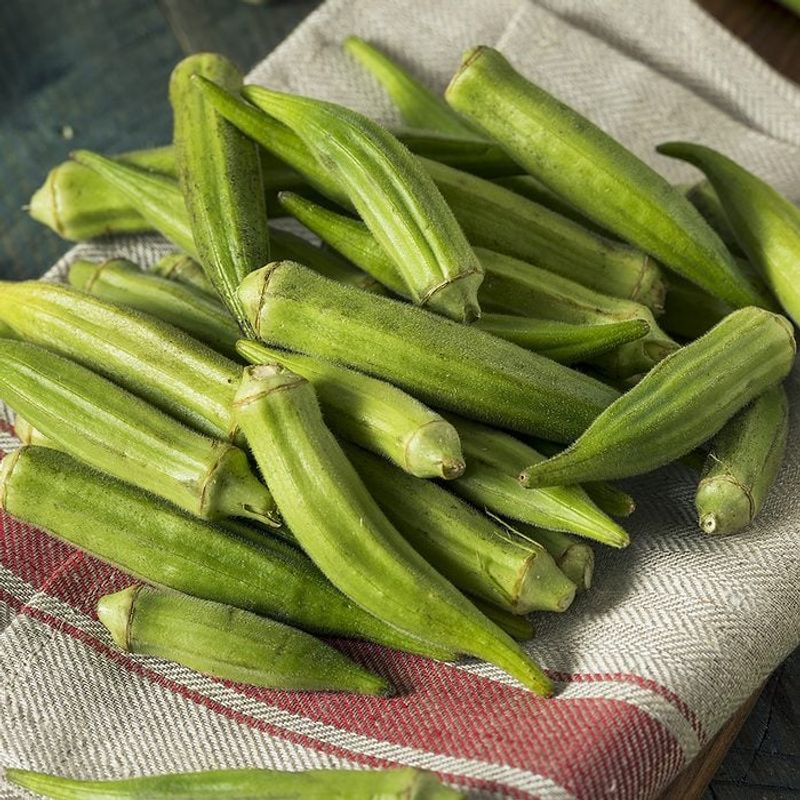
You are not just growing a good-looking plant, you are raising a nutritional standout. Okra packs vitamins A, C, and K along with folate, manganese, and magnesium.
It is also loaded with dietary fiber, which supports digestion, feeds the good bacteria in your gut, and helps you feel full longer. On top of that, okra carries antioxidants like quercetin and catechins that are linked to lower inflammation and better heart health.
Picking pods from your own bed means the freshest possible food walks straight from yard to kitchen. Few backyard crops deliver this much goodness for so little effort.
9. Count On A Long And Rewarding Season
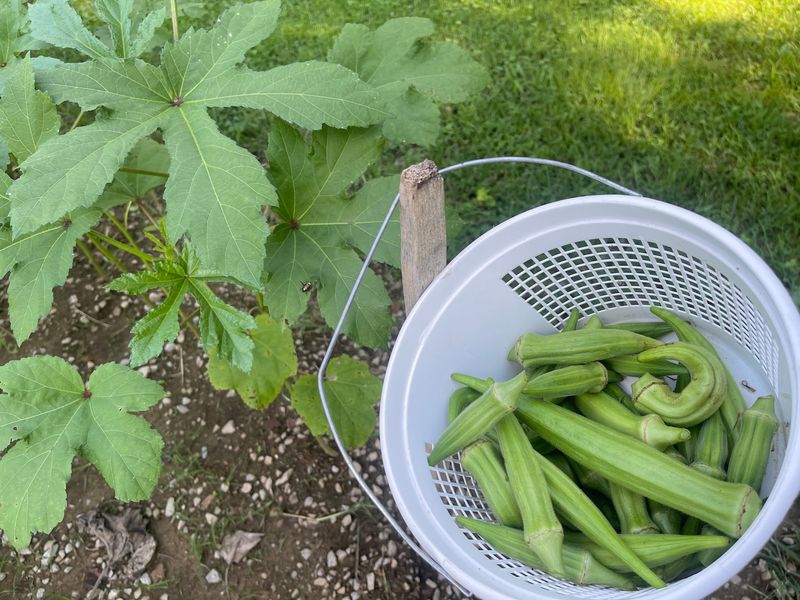
One of okra’s best gifts is how long it keeps working. Once the plants start producing, they hand you pods right up until the first hard frost.
In much of North Carolina, especially the Piedmont sitting in USDA Zone 7a and 7b, that means picking from late June all the way into October or November. If a plant shoots up too tall and slows down, you can cut the top out to spark fresh, productive side branches.
Watch our weather though, since hurricane season runs June through November and a big storm can knock plants around. Even so, a steady okra patch keeps your summer cookouts stocked and leaves plenty to freeze for the cooler months.
You end up feeling capable, well-fed, and a little proud of that unassuming row.