
Your North Carolina Muscadines Are Loaded But Refusing To Sweeten, And One Watering Habit Is Why
Follow us on Google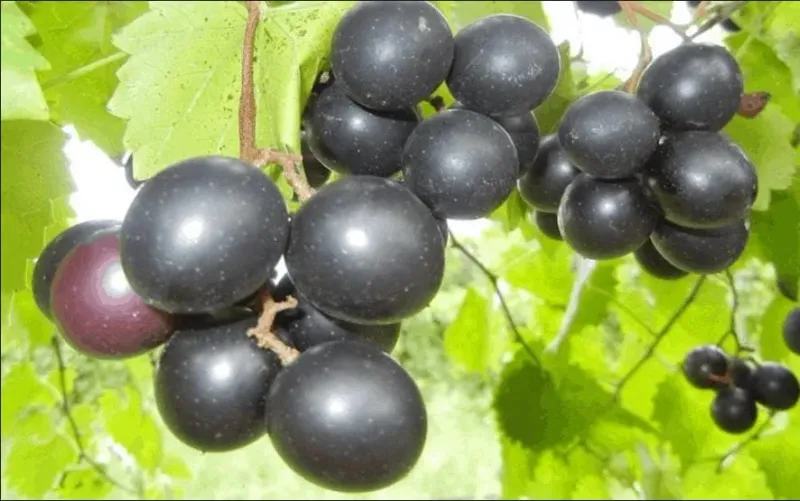
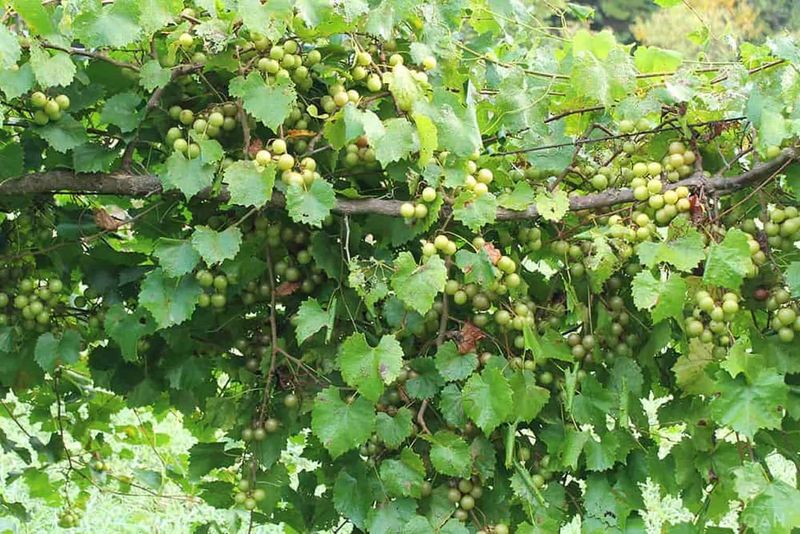
You walk out to the trellis, pop a muscadine in your mouth, and it hits back with a pucker instead of the honey-sweet reward you were expecting. The vine is loaded, the berries are dark and plump, and yet they taste like they forgot the sugar entirely.
For a lot of North Carolina gardeners, that moment arrives every August or September, and the answer is not always obvious. Repeated heavy watering during late ripening is one possible reason berries stay tart, but it is not the only one, and the fix takes a little more thought than just turning off the hose.
Could Repeated Late-Season Watering Be Holding Back Sweetness?
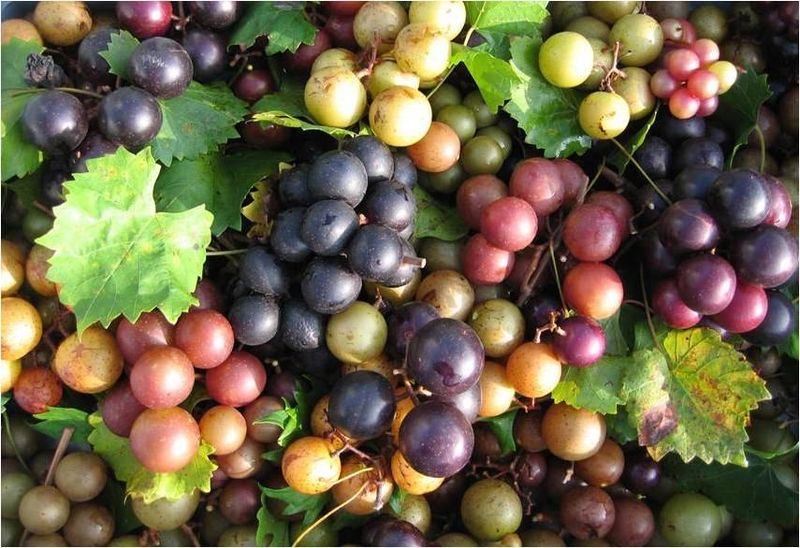
Walk out to your backyard trellis on a hot August afternoon and squeeze one of those fat, purple muscadines. If it gives but does not taste sweet, the vine is trying to tell you something.
The headline on this piece implies one clear culprit, and that framing deserves a correction right up front: repeatedly keeping an established, fruiting muscadine vine heavily watered during late ripening may delay sugar accumulation and leave berries larger but less sweet. That word “may” is doing real work here.
One isolated watering after the berries color up is not the problem. The pattern that matters is the gardener who runs the drip timer every other day through August regardless of rainfall, or who drags the hose out every time the forecast looks dry.
UF/IFAS guidance on muscadine production specifically advises limiting irrigation to bearing vines during August and September to support ripening and sugar accumulation. That is useful regional guidance for the Southeast, and it fits what grapevine science tells us about water and sugar movement.
But it does not mean every tart crop in North Carolina traces back to an overworked hose.
Cultivar timing, crop load, sunlight, canopy crowding, excess nitrogen, weather, and plain old harvest timing can all push sweetness back or prevent it from developing. NC State’s chapter on grapevine water relations confirms that water management affects sugar accumulation, while also warning that severe water stress can reduce fruit quality, yield, and leaf function.
The goal is not to punish the vine. What follows is a measured diagnostic process, not a command to stop watering immediately.
Match Watering To Ripening Stage, Not Just The Calendar
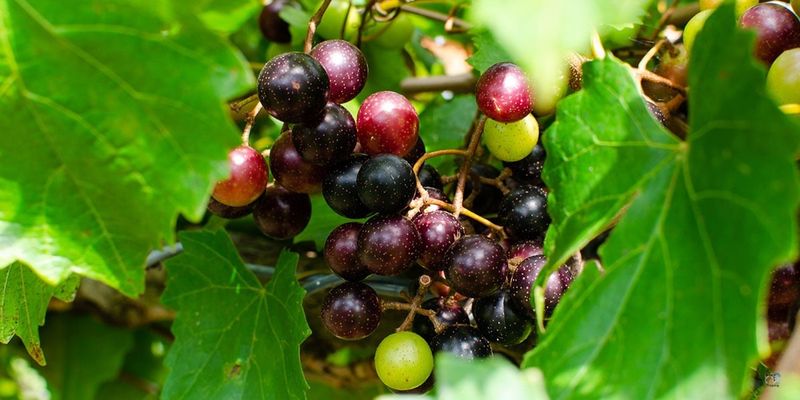
August and September show up in regional guidance as the window to ease off supplemental irrigation on bearing muscadines, and that timeframe is genuinely useful. But North Carolina is not one climate, and muscadines are not one cultivar.
NC State’s small fruits handbook lists early, midseason, and late muscadine cultivars that do not follow a single statewide harvest calendar. A late-ripening variety in the Coastal Plain may not be ready until October, while an early cultivar in the Piedmont could be finishing up in August.
Applying the same date-based irrigation rule to every vine without checking the actual ripening stage is how gardeners create a new problem while trying to solve the first one. If your vine is a late cultivar and you pull back water in early August because the calendar says so, you may be stressing a vine that still has six weeks of development ahead of it.
NC State’s Plant Toolbox entry for Vitis rotundifolia notes that North Carolina muscadine fruit is commonly available from August through October, which is a three-month window, not a single date.
Common cultivars grown in North Carolina, including Triumph, Noble, Carlos, Summit, Supreme, and Doreen, do not ripen on the same schedule. NC State’s muscadine Q and A resource can help you identify your cultivar and its typical harvest window.
Once you know where your vine sits in that window, you can connect any reduction in supplemental irrigation to the actual ripening stage, current soil moisture, and local weather, rather than applying a rule that was written for someone else’s garden.
Check The Root Zone Before You Add More Water
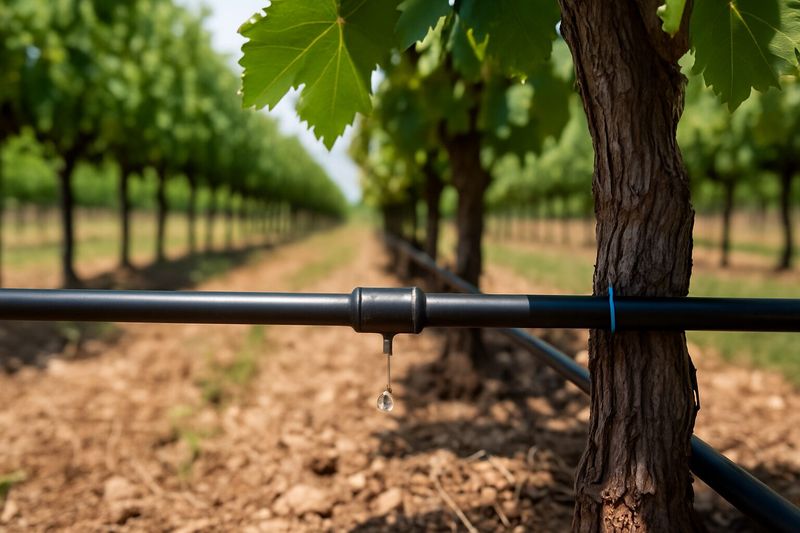
Plenty of Piedmont gardeners run a sprinkler or drip timer on a set schedule and never think twice about it. After a week of afternoon thunderstorms, that timer keeps firing anyway, and the root zone stays saturated right through the ripening window.
The practical fix starts with a five-second check: push a finger or a small trowel about 4 to 6 inches into the soil near the base of the vine. If the soil feels moist at that depth, the vine does not need water today.
NC State’s research on grapevine water relations makes clear that intense summer storms can produce runoff and uneven absorption, and that July potential evapotranspiration averages about 1.5 inches above rainfall across much of the state. Rain on the forecast does not automatically mean rain in your root zone.
That same NC State irrigation chapter recommends drip irrigation as a way to target the root zone directly, use roughly one-third to one-half less water with proper management, and keep foliage dry, which also reduces disease pressure. A soaker hose laid along the base of the vine works well for home growers who do not have a drip system.
The adjustment for an established, bearing vine during late ripening is to stop automatic, frequent irrigation after recent rain has already moistened the root zone, then water again only when the soil is genuinely dry or the vine begins showing early stress signs like slight leaf curl in the morning hours, not just midday heat wilt. Do not wait for severe wilting, shriveling, or defoliation.
Those are signs the vine is already in trouble. The UF/IFAS muscadine production guide reinforces this measured approach, framing late-summer irrigation reduction as a way to support ripening, not as a reason to create drought conditions in your garden.
Protect Young Vines And Fast-Drying Sites
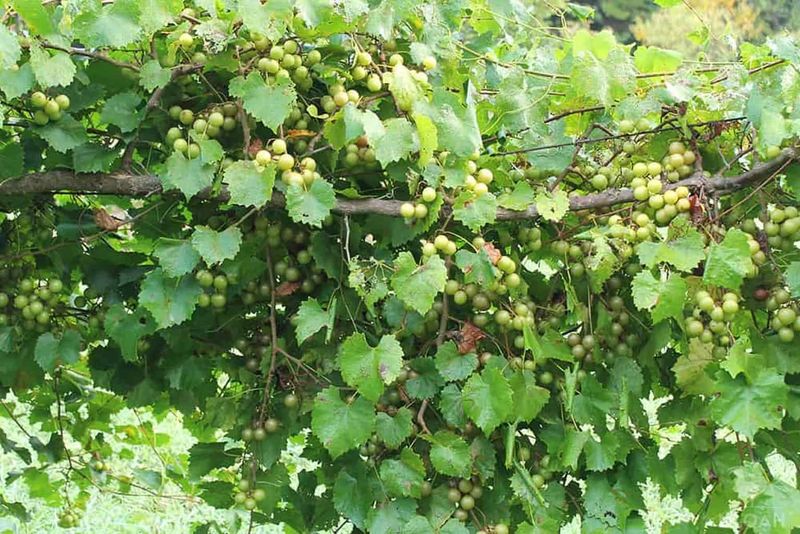
Here is where the advice has to split into two paths, because a newly planted muscadine and a five-year-old bearing vine are not the same plant. NC State’s guide to muscadines in the home garden is direct about this: water young vines during dry periods for the first two years, because those shallow root systems have not yet reached the deeper soil moisture that established vines can tap.
Pulling back on irrigation in late summer makes sense for a loaded, mature vine, but applying that same logic to a vine in its first or second season could set back establishment significantly.
Sandy Coastal Plain soils add another layer of urgency. A vine growing in loose, fast-draining sand near the coast or in the Sandhills loses moisture much faster than one growing in Piedmont red clay.
Prolonged heat, exposed locations with no shade buffer, and stretches of genuine drought all increase the vine’s water needs regardless of the calendar. NC State’s muscadine Q and A notes that drainage problems create a separate concern: vines can fail where water stands even briefly after heavy rain.
Standing water is not the same as adequate moisture, and a site with poor drainage may produce a vine that is simultaneously waterlogged and nutritionally stressed.
The recommendation throughout this article is to reduce unnecessary supplemental irrigation on established, bearing vines when the root zone is already moist. It is not a blanket instruction to withhold water from every muscadine in the yard.
NC State’s irrigation research confirms that severe water stress can reduce fruit quality, prevent berries from reaching full size, and cause leaf damage, so the goal is always balanced moisture, matched to the actual needs of the specific vine in its specific spot.
Use More Than Color To Decide When To Pick
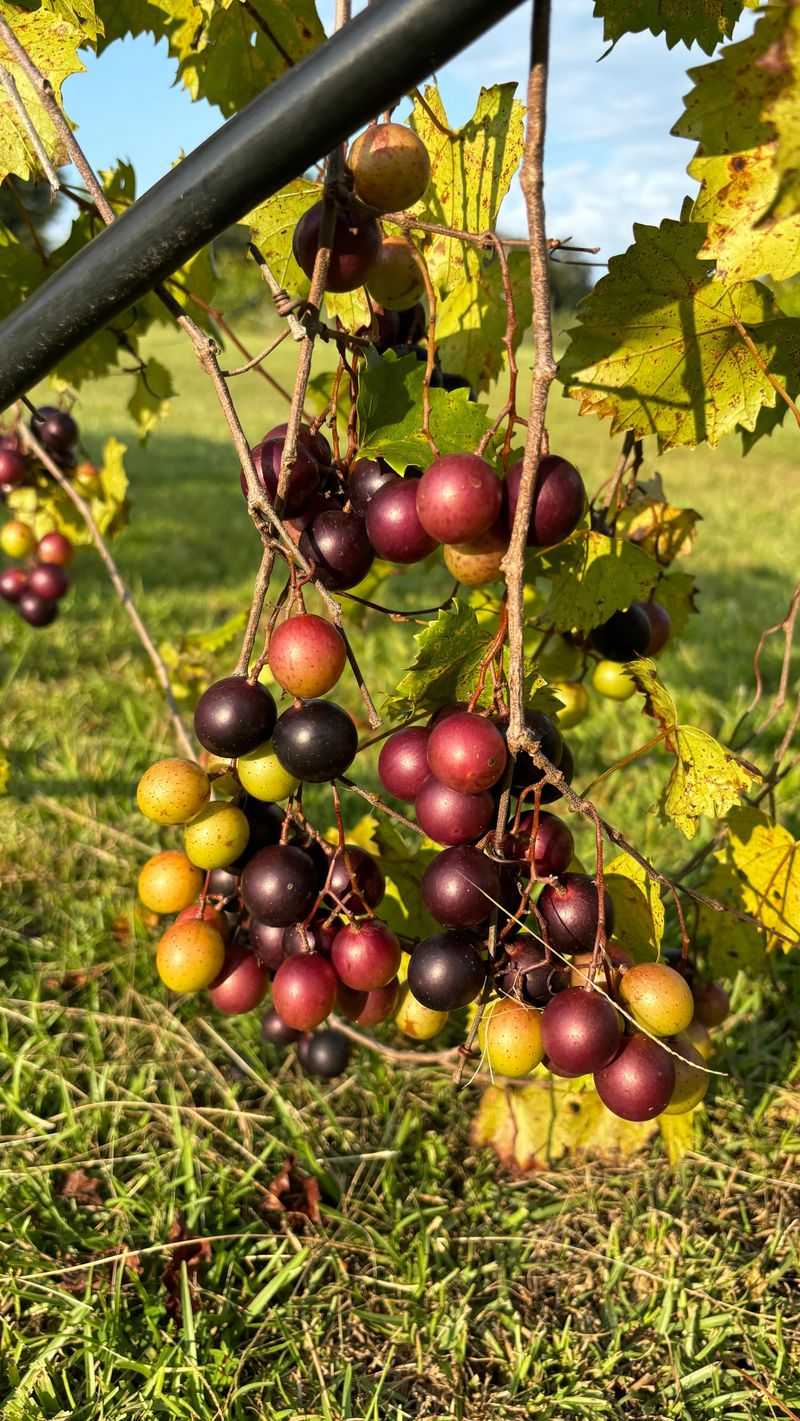
Many gardeners walk out, see a cluster that has turned bronze or deep purple, and assume the berries are ready. Color is the most visible signal, but it is also the least reliable one to use alone.
UF/IFAS guidance on muscadine harvest and postharvest handling makes clear that muscadines ripen unevenly, even within the same cluster, and that fully ripe fruit should be soft to gentle pressure, easy to detach from the vine, and sweet to the taste. Fully mature berries may even fall naturally when you lift the cluster slightly.
The non-climacteric nature of muscadines matters here more than most gardeners realize. Unlike bananas or peaches, muscadines will not continue ripening or sweetening after they are picked.
A berry pulled from the vine too early stays tart and underdeveloped, no matter how long it sits on the kitchen counter. That means tasting individual berries before harvesting a cluster is not optional, it is the whole game.
Sample one from the top of the cluster and one from the bottom, because they may be at different stages.
A refractometer adds an optional layer of objectivity for gardeners who want a number to go with the taste test. Ripe muscadines commonly measure approximately 13 to 18 degrees Brix in total soluble solids, according to UF/IFAS.
That is a useful range, not a universal cutoff, because cultivars differ and some naturally run sweeter or more tart than others. NC State’s small fruits handbook and the NC State Plant Toolbox page for Vitis rotundifolia both reinforce that flavor, softness, and easy detachment are the practical ripeness tests a home grower can rely on every season.
Check Light, Crop Load, Cultivar, And Canopy
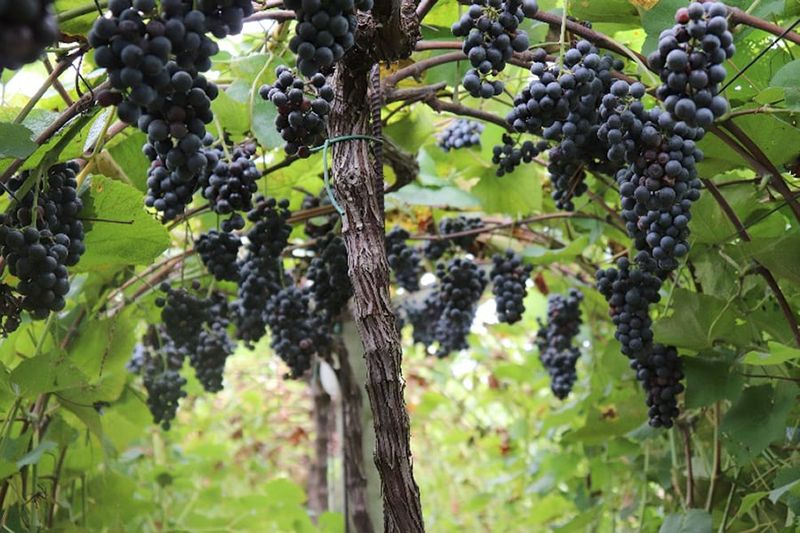
A tart crop does not always trace back to the hose. Cultivar timing is one of the most common reasons a berry looks done but is not, and it is also one of the most overlooked.
A late-season cultivar following its normal harvest window can look stalled to a gardener who expected sweetness two weeks earlier. Checking your cultivar against its expected ripening window, using resources like the NC State Plant Toolbox entry for muscadine grape, should come before adjusting any other part of your growing routine.
Sunlight is genuinely non-negotiable for muscadines. NC State’s guide to growing muscadines in childcare center gardens recommends at least 6 hours of direct sunlight, and muscadines are commonly planted 10 to 20 feet apart to give each vine room for light and air movement.
A crowded canopy blocks that light from reaching the fruit zone and can slow ripening across the whole vine. If your trellis looks more like a solid green wall than an open framework, a pruning session next dormant season may do more for sweetness than any irrigation adjustment.
Excess nitrogen is another factor worth considering. NC State’s small fruits handbook advises avoiding fertilizer after early July and notes that excessive nitrogen can reduce fruit production while encouraging the kind of lush, leafy growth that shades out developing berries.
Poor drainage, especially in the Piedmont’s clay soils or low spots in the Coastal Plain, can weaken vines and impair fruit development over time. NC State’s home garden muscadine guide also notes that regional fit matters: gardeners in colder mountain areas and the Blue Ridge foothills may be dealing with cultivar suitability or winter injury rather than a watering or nutrition problem.
The NC State muscadine Q and A is a good starting point for sorting out which of these possibilities applies to your specific location and vine.
Aim For Balanced Moisture, Not Deliberate Drought
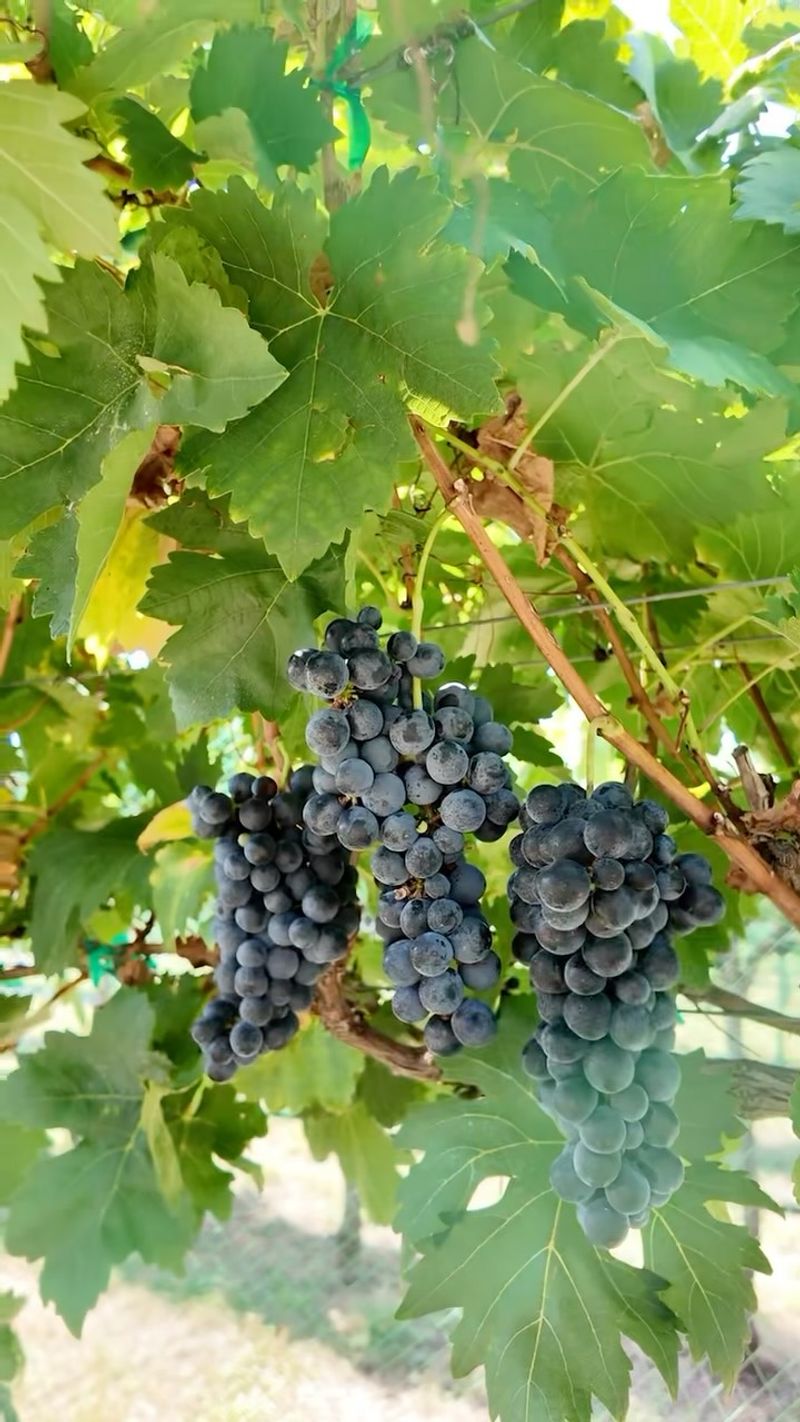
Somewhere between the gardener who waters every day and the one who shuts everything off cold, there is a middle ground where muscadines actually do their best work. Modest water limitation during late ripening can interact with sugar accumulation in grapevines, and that is the basis for the August and September guidance from UF/IFAS.
But the responses vary depending on timing, severity, cultivar, crop load, and weather, and severe stress does the opposite of what you want.
NC State’s research on grapevine water relations explains that excessive water stress can slow photosynthesis, impair sugar movement into the berries, reduce fruit quality, prevent berries from reaching full size, and cause sunburn or shriveling on exposed fruit. Peer-reviewed research on grapevine physiology supports this picture: one study on water deficit and sugar unloading in grapevines found that water deficiency can actually inhibit the movement of sugars into developing fruit, and more recent grapevine research reinforces that responses to water stress are not uniform across cultivars or conditions.
Mild limitation and severe stress are not the same thing, and treating them as interchangeable is how a good intention becomes a damaged vine.
The practical rule is straightforward. Remove unnecessary late-season irrigation from an established, bearing vine when the root zone is already adequately moist from rain or recent watering.
Restore water when the soil is genuinely dry at 4 to 6 inches depth or when the vine shows early, meaningful stress. The vine is not the enemy here, and neither is water.
The target is balance, not punishment.
A Simple Harvest-Season Troubleshooting Plan
Before changing anything about how you water, run through a short checklist. Start with the cultivar: know its name and look up its expected harvest window using resources like the UF/IFAS muscadine production guide or NC State’s extension resources.
A berry that looks ready but belongs to a late cultivar may simply need another two to four weeks on the vine, and no irrigation adjustment will speed that up.
Next, check soil moisture at 4 to 6 inches and look at your drainage. If the soil stays wet for days after rain, the issue may be site drainage rather than overwatering.
Review your recent irrigation schedule alongside the last two weeks of rainfall: if the root zone has stayed consistently moist without your help, that is a sign to pause supplemental watering and let the vine work. NC State’s home garden guide and the NC State irrigation chapter both support this approach for established vines.
Then assess the canopy and sunlight, check whether you fertilized after early July, and sample individual berries for taste, softness, and easy detachment. Use a refractometer if you have one, aiming for the 13 to 18 degrees Brix range described in UF/IFAS harvest guidance, but always combine that number with what the berry actually tastes and feels like.
Adjust watering only after the evidence points to unnecessary moisture as a likely contributor. The useful harvest-season fix is balanced irrigation combined with patient, berry-by-berry picking, and the gardener who checks before acting almost always ends up with a better bowl of muscadines than the one who just turns off the hose and hopes.