
7 Reasons Borage Earns A Spot In Your Pennsylvania Front Yard This Season
Follow us on Google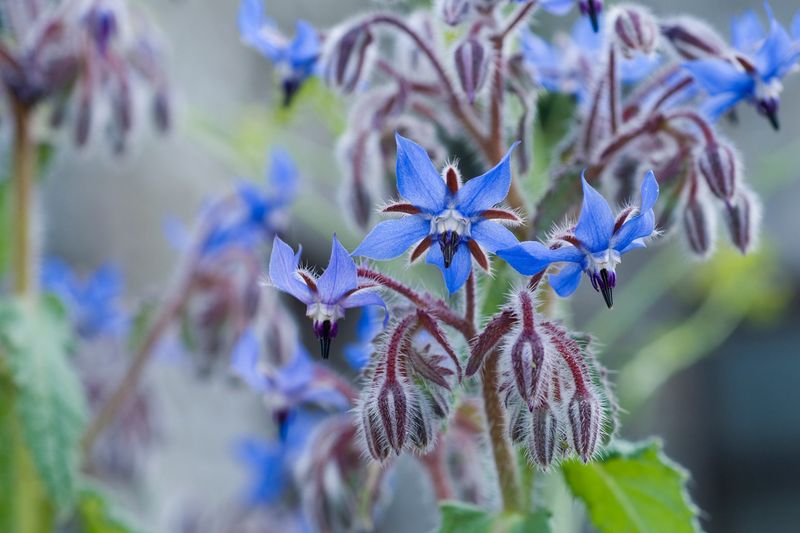
You step onto the porch on a humid June morning and find tiny holes peppering your new cabbage leaves.
It is a familiar sight for Pennsylvania gardeners, that endless tug-of-war with pests and weather.
But one easy, blue-flowered herb can quietly shift the odds in your favor, bringing life and beauty to your front yard without much fuss.
Here are seven honest reasons why borage, known to botanists as Borago officinalis, deserves a spot this season.
1. This Blue Star Attracts All The Good Bugs
Many southeastern Pennsylvania gardeners have watched their squash bloom and bloom, then set almost no fruit.
You feel like you are doing everything right, but the bees seem to have skipped your block.
Here is the turn.
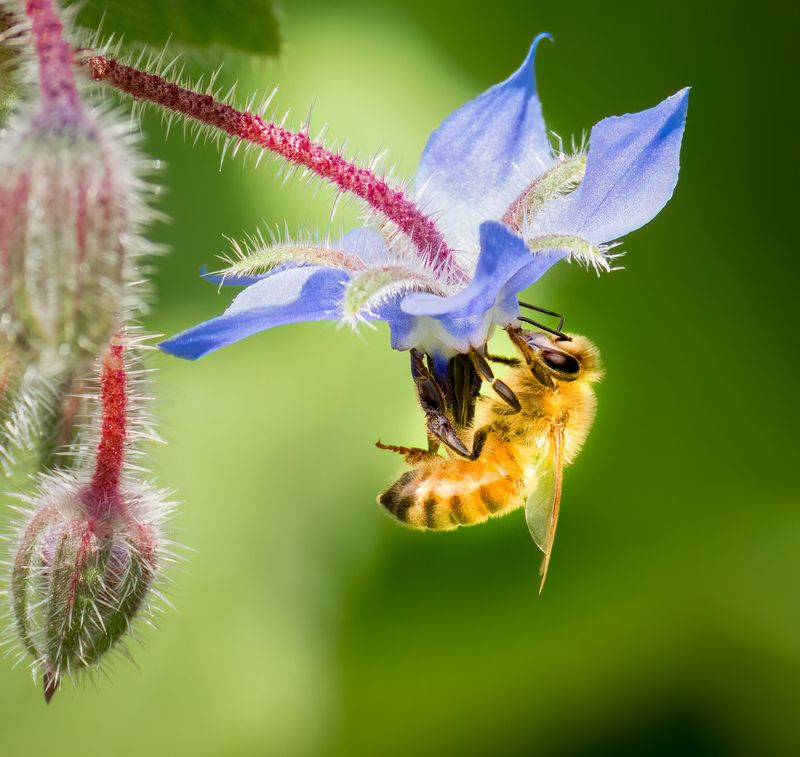
Borage works like a brightly lit billboard for pollinators, pulling them in right where you need them.
Its blue, star-shaped flowers are loaded with nectar, and bees, butterflies, and hoverflies genuinely adore them.
The flowers are so generous they refill their nectar within about two minutes after a bee visits.
That steady buffet keeps pollinators circling back all day long.
Plant three or four borage plants near your fruit and vegetable beds, spacing each about 18 to 24 inches apart.
If you garden in a central Pennsylvania valley where limestone soil runs rich and farming heritage runs deep, tuck a few near your strawberries and squash.
Then watch.
As pollinator visits climb, your fruit set climbs too.
You get to stand in the yard and feel that quiet satisfaction, knowing the whole patch is humming with life it earned honestly.
2. A Natural Bodyguard For Your Veggies
You work hard to shield your tomatoes from hungry hornworms and your cabbage from those relentless little green caterpillars.
It is a constant game of hide-and-seek, and some mornings the pests win.
But what if a plant could stand watch for you?
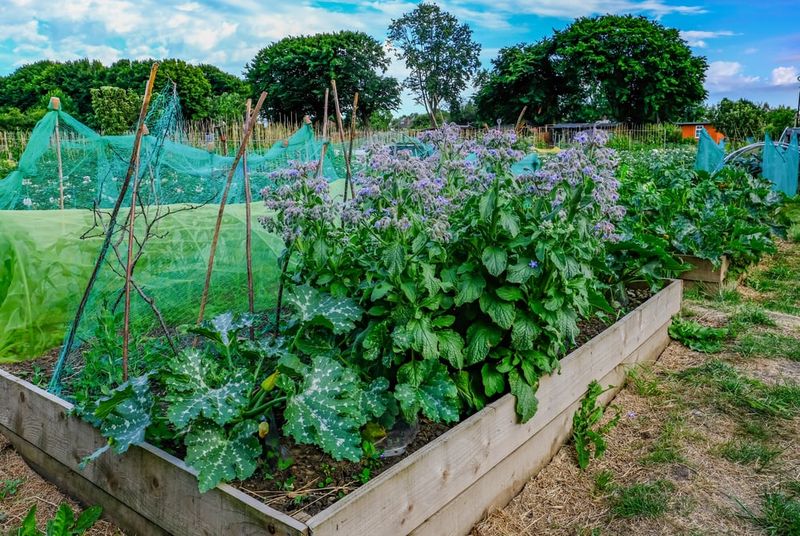
Borage can act as one layer of defense against several common garden antagonists.
Its presence may help deter pests like the tomato hornworm and cabbage worms, and some Lake Erie region gardeners find it helps discourage cucumber beetles near melons and squash.
Borage also draws in beneficial predators, such as lacewings and hoverflies, which feast on aphids and thrips.
Even deer tend to leave its fuzzy leaves alone, a genuine blessing across the many parts of Pennsylvania where deer browsing wrecks a bed overnight.
Plant borage around your most vulnerable crops, spaced roughly 2 feet apart, like a soft living fence.
It is not a magic solution, and you will still scout leaves by hand now and then.
Still, giving your vegetables one more ally in the fight feels like a small, smart win.
3. The Ultimate Garden Neighbor And Companion
It surprises people that one plant can make its neighbors perform better, but borage really is a social butterfly in the garden.
Experienced Pennsylvania gardeners already know the magic of companion planting, where certain plants lift each other up.
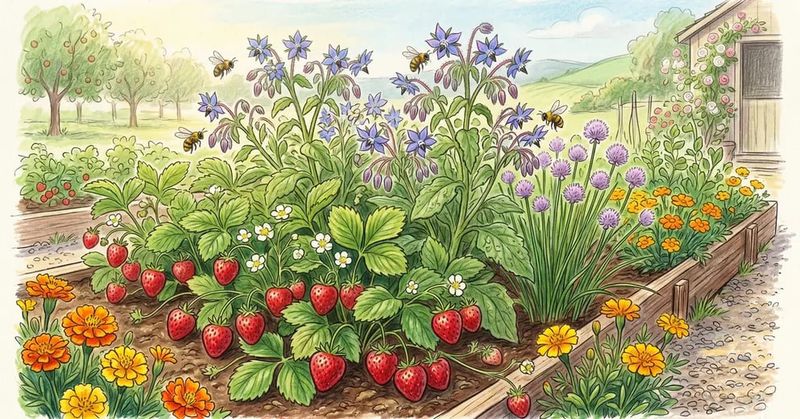
Borage has a long reputation for improving the growth and flavor of tomatoes and boosting the yield and sweetness of strawberries.
Picture plump tomatoes from your Allegheny Plateau plot, or berries bursting with flavor from a bed in the Delaware Valley.
It also lends a hand to squash by supporting steady growth.
Penn State Extension recommends thoughtful plant pairings and diversity to keep a garden resilient, and borage fits that approach nicely.
Set borage alongside these valued crops, giving each plant about 18 to 24 inches of room to spread.
Do not crowd them, since good airflow keeps fungal leaf spots and powdery mildew from settling in during humid Pennsylvania summers.
Give it a season, and you may notice a genuine difference in the vigor and output of everything growing nearby.
Good neighbors, it turns out, come with roots.
4. Borage Feeds Your Soil From The Roots Up
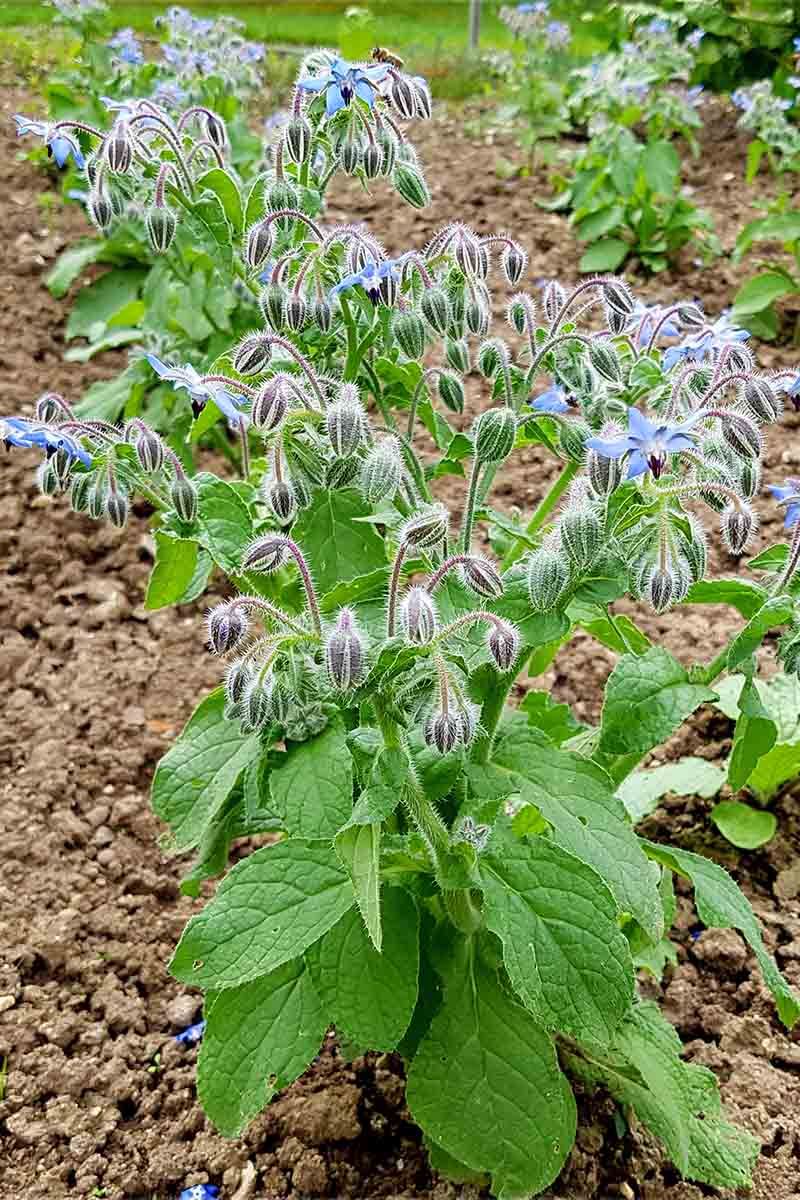
Ever wonder what is really going on beneath your garden?
The soil under our feet is a busy little world, and borage is a true workhorse down there.
The plant sends down a deep taproot that acts like a miner, reaching for trace minerals such as potassium and calcium that shallow-rooted plants never touch.
When borage dies back, or when you chop it and drop it on the bed, those nutrients feed the topsoil for everything around it.
Across Pennsylvania soils this matters, from the rocky glacial ground of the northern tier to the clay-heavy beds common in the southeast.
Borage helps loosen and enrich tired dirt over time.
You can also pile spent borage into your compost, where it works like green manure and raises the nutrient value of the finished pile.
Chop leaves before they set seed if you want to slow its spreading.
The payoff is honest and slow.
Healthier soil means healthier plants, and possibly less money spent on synthetic fertilizer.
That is the kind of quiet return a thrifty gardener actually enjoys.
5. Surprisingly Easy To Grow And It Comes Back For Free
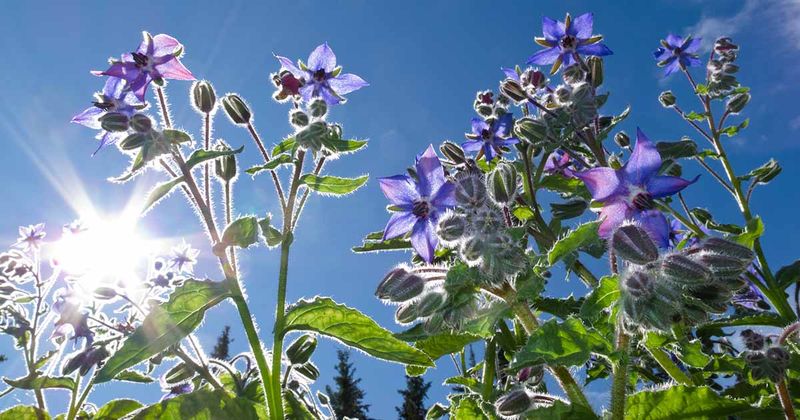
Plenty of plants demand constant babysitting.
Borage does not, and that is a big part of why gardeners love it.
It is technically an annual, finishing its life in a single season.
But here is the secret that wins hearts across Pennsylvania.
Borage is a prolific self-seeder, so once you plant it, new seedlings pop up year after year with no effort from you.
Free plants, season after season.
That kind of thrift feels like the garden paying you back.
The seeds germinate fast, usually within 5 to 14 days once soil warms to 60 to 70 degrees Fahrenheit.
Sow them directly outdoors after your last frost, which can run mid-May in the Poconos and higher elevations and earlier in warmer Philadelphia pockets.
Or start seeds indoors four to six weeks ahead for a jump.
Borage shrugs off poor soil and handles drought once its roots take hold.
Water deeply whenever the top 1 to 2 inches of soil feels dry, and that is genuinely most of the work.
Some gardening simply feels lighter, and this plant is proof.
6. A Fresh, Cucumbery Taste For Your Table
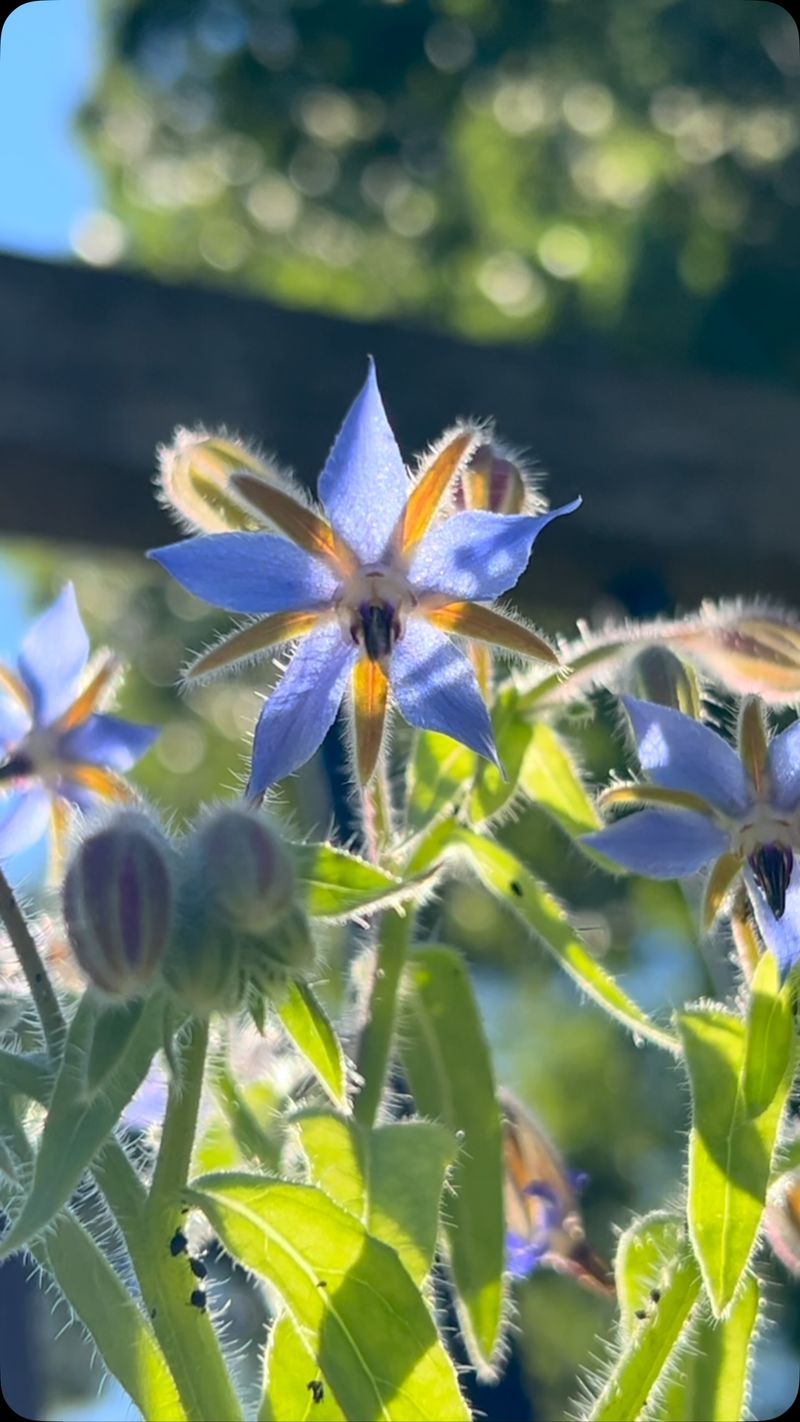
Beyond its garden muscle, borage hides a delicious surprise.
Both the blue, star-shaped flowers and the young, tender leaves are edible.
They carry a clean, cool cucumber flavor, which is a real treat in summer.
Toss the flowers into salads, float them in iced tea or lemonade, or freeze them into ice cubes for a garnish that quietly impresses everyone at the cookout.
The young leaves shine in sandwiches and yogurt dips, or cooked gently like spinach in soups.
Picture dressing up your porch drinks in the Laurel Highlands with those bright blossoms on a warm evening.
Borage also brings good nutrients to the plate, including Vitamin C, Vitamin A, calcium, and potassium.
You can begin harvesting about 50 to 60 days after planting.
One honest caution.
Stick with young leaves, since older ones turn coarse and hairy, and enjoy borage in moderation rather than by the bowlful.
Used with a light hand, it turns an ordinary glass of lemonade into something people remember.
7. An Unexpectedly Charming Addition To Your Landscape
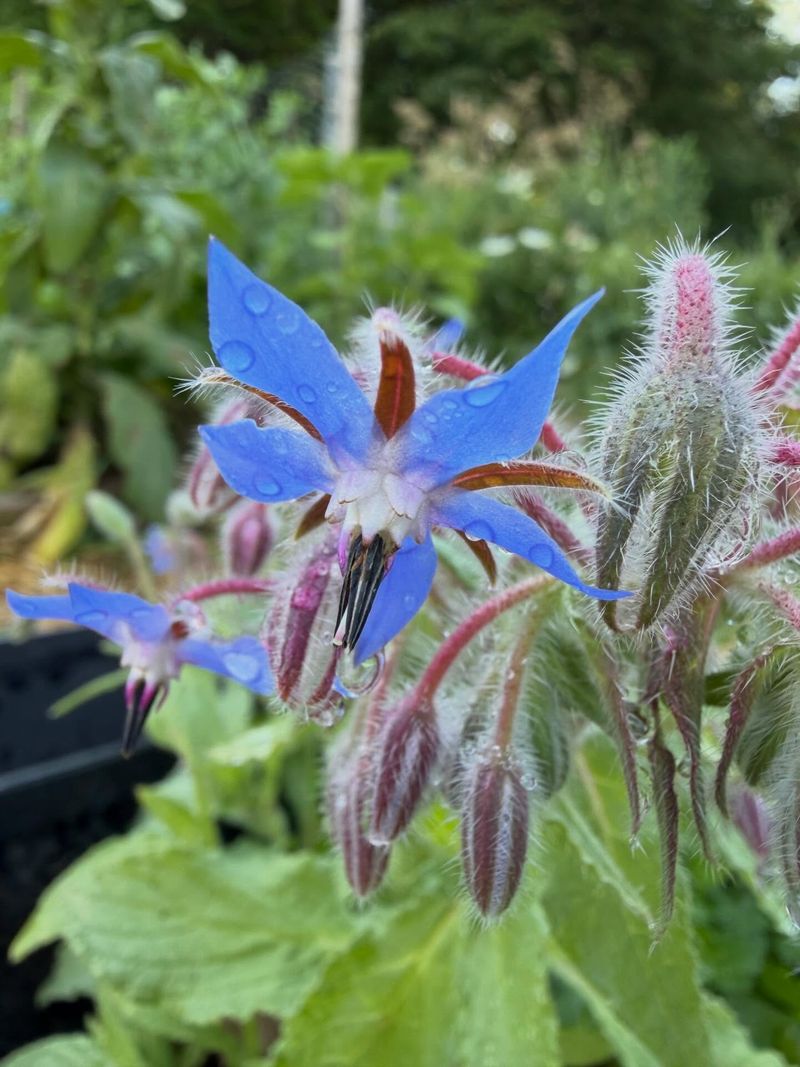
Sometimes the hardest-working plant is also the prettiest one in the bed.
Borage grows into a bushy mound about 2 to 3 feet tall and up to 2 feet wide, and those bright blue flowers really pop in a mixed border.
Its fuzzy, gray-green leaves add soft texture that plays well against tidier plants.
Whether you garden in a small urban plot in Pittsburgh or sprawling cottage beds in rural western Pennsylvania, borage brings a cheerful, informal charm that feels welcoming.
It looks best when allowed to sprawl a little, giving your front yard that relaxed, lived-in look.
Drop it into a container too, where its upright, bushy growth makes a fine centerpiece for a porch or patio pot.
Borage blooms reliably from early summer until the first hard frost of autumn, often into October in warmer parts of the state.
That means color long after other plants fade with the early cold snaps.
Give it a sunny spot, a bit of room, and a season to settle in.
Come August, you will glance out the window at that blue haze of flowers and feel genuinely proud of the small piece of Pennsylvania you grew.