
The One Thing North Carolina Cucumbers Need In August Or They Quit Producing For Good
Follow us on Google
Your cucumber vines looked great in June, and now it is August and they have practically stopped. Before you pull them out, check one thing first: the moisture a few inches down in the root zone.
Consistent soil moisture is the first factor to assess when fruiting cucumbers slow down in a hot North Carolina summer, but it is rarely the only one. Water is where you start, not where the story ends.
Start With Steady Soil Moisture
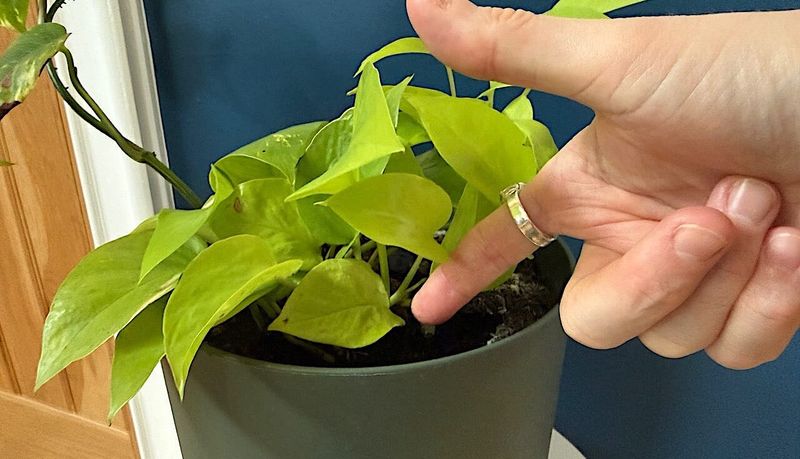
Pull back the mulch right now and press two fingers into the soil near your cucumber roots. If the dirt feels dry three or four inches down, that is your first answer.
Fruiting cucumbers (Cucumis sativus) are genuinely sensitive to moisture gaps during the weeks they are setting and enlarging fruit, and a hot North Carolina August can drain that root zone faster than most gardeners expect.
Drought stress during fruit development can reduce the number of new cucumbers that form, encourage bitter or misshapen fruit, and slow the vine’s new growth almost to a stop. NC State Extension’s vegetable gardening guidance recommends about 1 inch of water per week for vegetable gardens, adjusted for what rainfall has already supplied.
Actively fruiting cucumber vines may need closer to 1 to 2 inches weekly during peak heat, depending on soil type, plant size, and how much water drains away before roots can use it.
That said, water is an actionable starting point, not a complete diagnosis. University of Georgia Cooperative Extension’s cucumber guide lists poor pollination, extreme heat, pest pressure, and disease alongside moisture problems as reasons a vine can slow down or stop.
Restoring steady moisture may help a healthy vine keep going, but it cannot guarantee September cucumbers or reverse damage from another cause. Check the root zone first, then keep looking.
Heat Can Disrupt Both Roots And Flowers
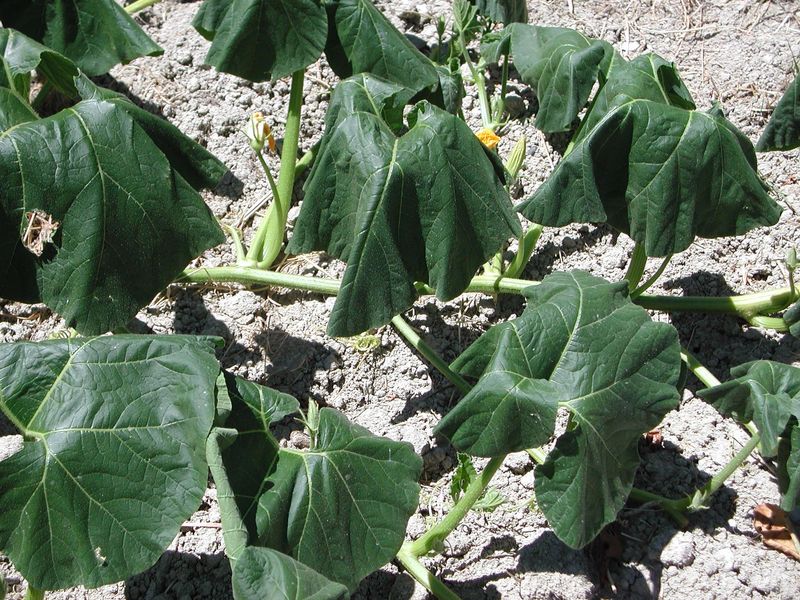
August in North Carolina is not just hot, it is the kind of hot that dries a container down to dust by noon and turns Piedmont clay into a cracked shell by the end of the week. That temperature swing is where water stress gets complicated, because stress does not only mean drought.
Uneven watering is its own problem. A vine that goes bone-dry for three days, gets a heavy soaking, then dries out again is under stress even if the total water added up to enough on paper.
Utah State Extension’s cucurbit irrigation guidance notes that poor drainage and saturated soil can be just as damaging as too little water, because roots sitting in standing water cannot absorb oxygen and begin to fail. Sandy Coastal Plain soil drains fast and may need more frequent attention, while Piedmont red clay holds moisture longer but can stay soggy after a heavy rain.
Extreme heat adds a separate layer of trouble. University of Minnesota Extension’s research on heat and vegetable gardens reports that bee activity often slows when temperatures climb toward 90 degrees Fahrenheit and above, which means fewer visits to cucumber flowers even when the soil is adequately moist.
Penn State Extension notes that temperatures above roughly 95 degrees Fahrenheit can slow cucumber growth and maturity noticeably. A vine can have plenty of water in the root zone and still lose flowers during a brutal heat spell, so moisture and heat are two separate problems worth checking at the same time.
Check The Root Zone Before Turning On The Hose
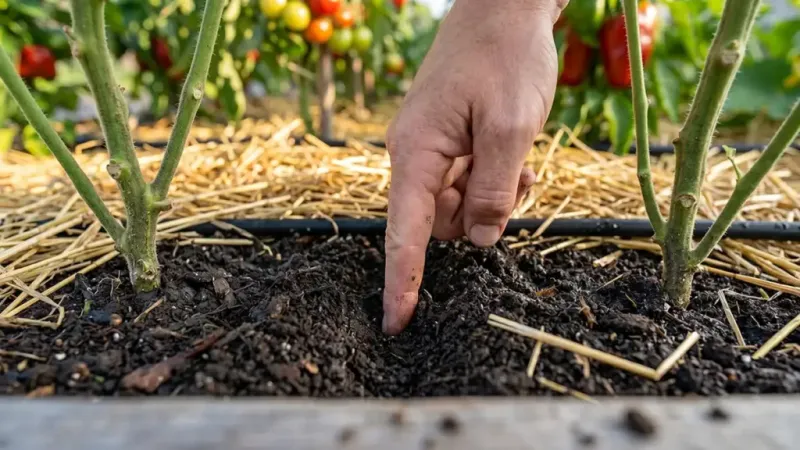
The surface of the soil lies. On a hot August afternoon, the top inch can look and feel completely dry while the soil four inches down is still damp from rain two days ago.
Add water based on the surface and you risk overwatering, which can encourage root rot and fungal problems that are harder to fix than dry soil.
The better habit is to lift the mulch and press a finger or a small trowel several inches into the root zone before reaching for the hose. If the soil feels moist at that depth, hold off.
If it feels dry, that is your signal to water slowly and deeply. A straight-sided container or a simple rain gauge set near the garden can help you measure how much water you are actually applying instead of guessing by feel alone.
NC State Extension recommends keeping 2 to 4 inches of organic mulch around established vegetable plants to conserve moisture, moderate soil temperature, and reduce the splash that carries soil-borne disease onto lower leaves. Pull that mulch a few inches away from the stem itself, though, because mulch piled against the base of the vine can trap moisture against the stem and invite rot.
Think of mulch as insulation for the root zone, not a blanket for the plant.
Checking before watering takes about 30 seconds. That 30 seconds can save a vine from the double harm of dry roots one day and waterlogged roots the next, and it keeps you from running up the water bill trying to fix a problem that may not actually be drought.
Water Fruiting Vines Deeply And Evenly
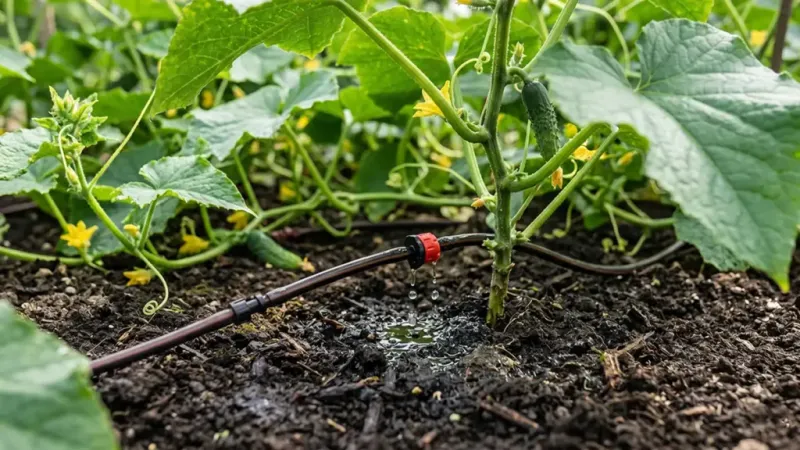
Once you know the root zone is dry, the goal is to replace water at the same pace the plant can use it, not to flood the bed and walk away. Slow, deep watering reaches the roots rather than running off the surface or evaporating before it penetrates more than an inch.
NC State Extension’s vegetable gardening handbook puts the general target at about 1 inch of water per week for home vegetable gardens, accounting for what rainfall has already supplied. Utah State Extension’s vegetable water recommendations and University of Minnesota Extension’s cucumber guide both suggest that actively fruiting cucumbers may need closer to 1 to 2 inches per week when conditions are hot and dry, though the right amount depends on your soil, container size, plant size, drainage, and how much heat the bed is absorbing each day.
Containers dry out faster than in-ground beds and often need checking every day during an August heat wave, while a well-mulched Piedmont clay bed may still have moisture three or four days after a good rain. USU’s cucurbit irrigation guidance cautions against letting vines cycle from dry to saturated, because that pattern stresses roots and can cause blossom drop and fruit problems just as reliably as sustained drought.
A drip line or soaker hose laid at soil level keeps water where roots can reach it and keeps foliage dry, which matters for disease prevention. Overhead watering works in a pinch, but morning is the only time to do it so leaves can dry before evening.
Steady and even beats occasional and heavy every time.
Harvest Often And Remove Over-Mature Fruit
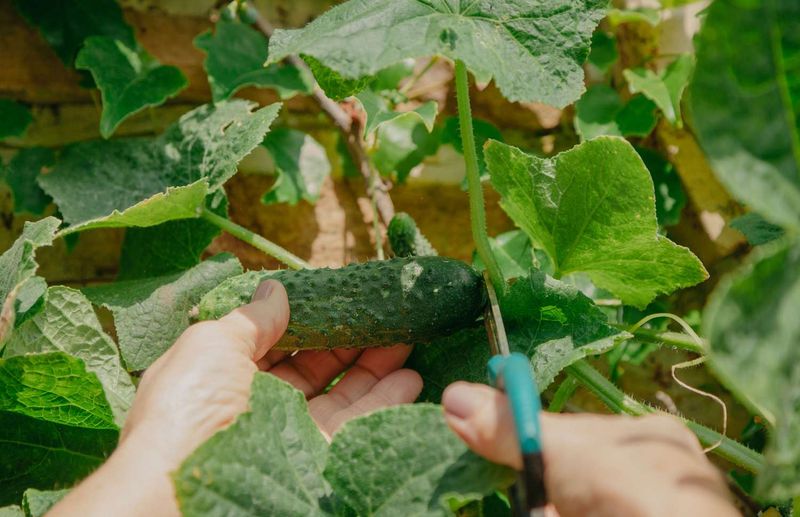
A cucumber left on the vine past its prime sends a signal the plant takes seriously: the job is done, seeds are developing, slow down. That is not a metaphor, it is genuinely how the plant manages its energy.
Leaving over-mature fruit attached is one of the more common reasons a vine that looked productive in July goes quiet in August.
NC State Extension recommends picking cucumbers four to five times per week to encourage continued production. Illinois Extension’s cucumber guide suggests checking every other day, with pickling types sometimes needing daily checks because they enlarge quickly and move from ready to over-ripe faster than slicers do.
University of Minnesota Extension echoes frequent harvesting as a key practice for keeping vines productive.
For common slicing cucumbers, NC State lists 6 to 8 inches as a typical harvest size. Pickling types are often picked at 2 to 6 inches depending on the intended use.
Your seed packet is the most reliable guide for your specific variety, so dig it out if you still have it.
Yellowing fruit is worth a closer look rather than an automatic pull. Yellow color can mean the fruit is over-mature, but it can also reflect disease, stress, or natural aging of the vine itself.
Remove obviously over-ripe or damaged cucumbers, then inspect the vine for other signs of trouble before assuming that harvesting alone will turn things around.
Inspect Flowers Before Blaming The Water
Here is where it gets tricky for a lot of gardeners. The vine has water, you are harvesting regularly, and new cucumbers still are not forming.
Before adding more water or pulling the plant, look at the flowers.
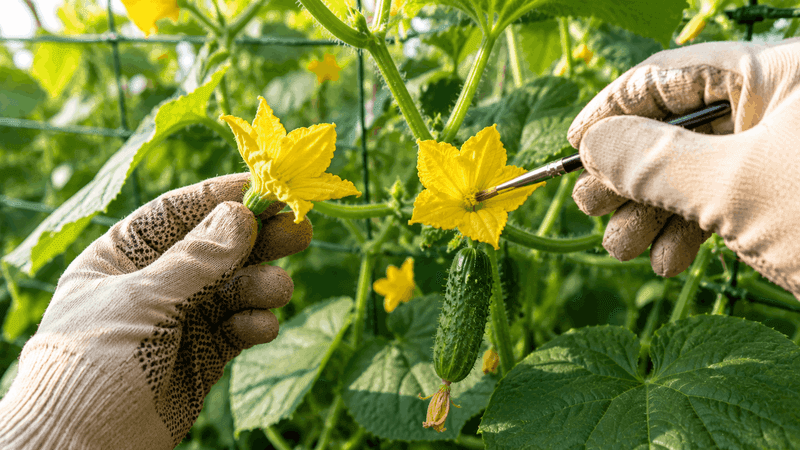
Female cucumber flowers are the ones with a small swelling at the base that looks like a tiny cucumber. That little structure is the ovary, and it needs pollen delivered by a bee or another insect to develop into a full-sized fruit.
UGA Cooperative Extension’s cucumber guide explains that if the ovary shrivels, turns yellow, or drops off shortly after the flower opens, poor pollination is likely involved. Penn State Extension’s cucumber pollination resource notes that standard cucumber varieties depend on insect visits to transfer pollen from male to female flowers.
Not every variety works the same way. Parthenocarpic varieties can actually set fruit without any pollination at all, which makes them useful in spots where bee activity is low.
Illinois Extension’s cucumber plant detail clarifies that gynoecious varieties produce mostly female flowers, which sounds like an advantage until you realize they may still need pollen from a compatible male-flowering plant nearby unless they are also parthenocarpic. Check your seed packet or variety description to know what you are working with.
If bee traffic around your vines is slow during the cool of the morning, hand-pollination is an option for standard varieties. NC State Extension describes using a small brush or a freshly opened male flower to transfer pollen to the stigma of a female flower early in the day while both are receptive.
This is a backup, not a daily chore required for every bloom.
Scout For Pests And Disease Without Harming Bees
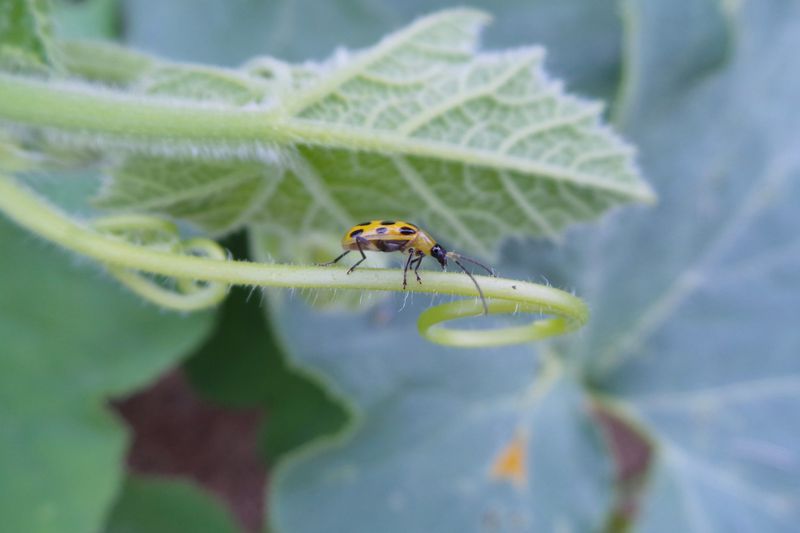
Cucumber beetles are small, yellowish-green insects with either black spots or black stripes, and they have a trick that makes them more dangerous than their size suggests. They can carry bacterial wilt, a disease that blocks water movement inside the plant and causes vines to collapse quickly.
NC State Extension’s cucurbit pest guide recommends scouting regularly, using resistant varieties where they are available, and protecting young plants physically rather than reaching for a spray first.
Downy mildew is a separate concern that shows up as yellow or pale green patches on the upper leaf surface with a grayish-purple fuzzy growth on the underside. NC State Extension’s downy mildew resource identifies it as a recurring North Carolina problem, particularly during stretches of humid weather with wet foliage.
Keeping leaves as dry as practical, removing infected material when advised, and scouting often are the practical responses.
UGA’s cucumber guide lists bacterial wilt, mosaic virus, and several fungal diseases as possible causes of vine decline, and it is worth noting that one symptom rarely confirms a single diagnosis. Yellowing leaves can mean disease, nutrient stress, heat, or simply an aging plant.
Investigate before you treat.
One hard rule: do not apply broad-spectrum insecticides to open cucumber flowers. That approach can eliminate the bees you need for pollination at the same time it targets beetles.
If a pesticide is necessary, choose a product labeled for cucumbers, apply it in the evening when blooms are closed and bees are less active, and follow the label exactly. The label is the law and the guide.
Set A Realistic September Expectation
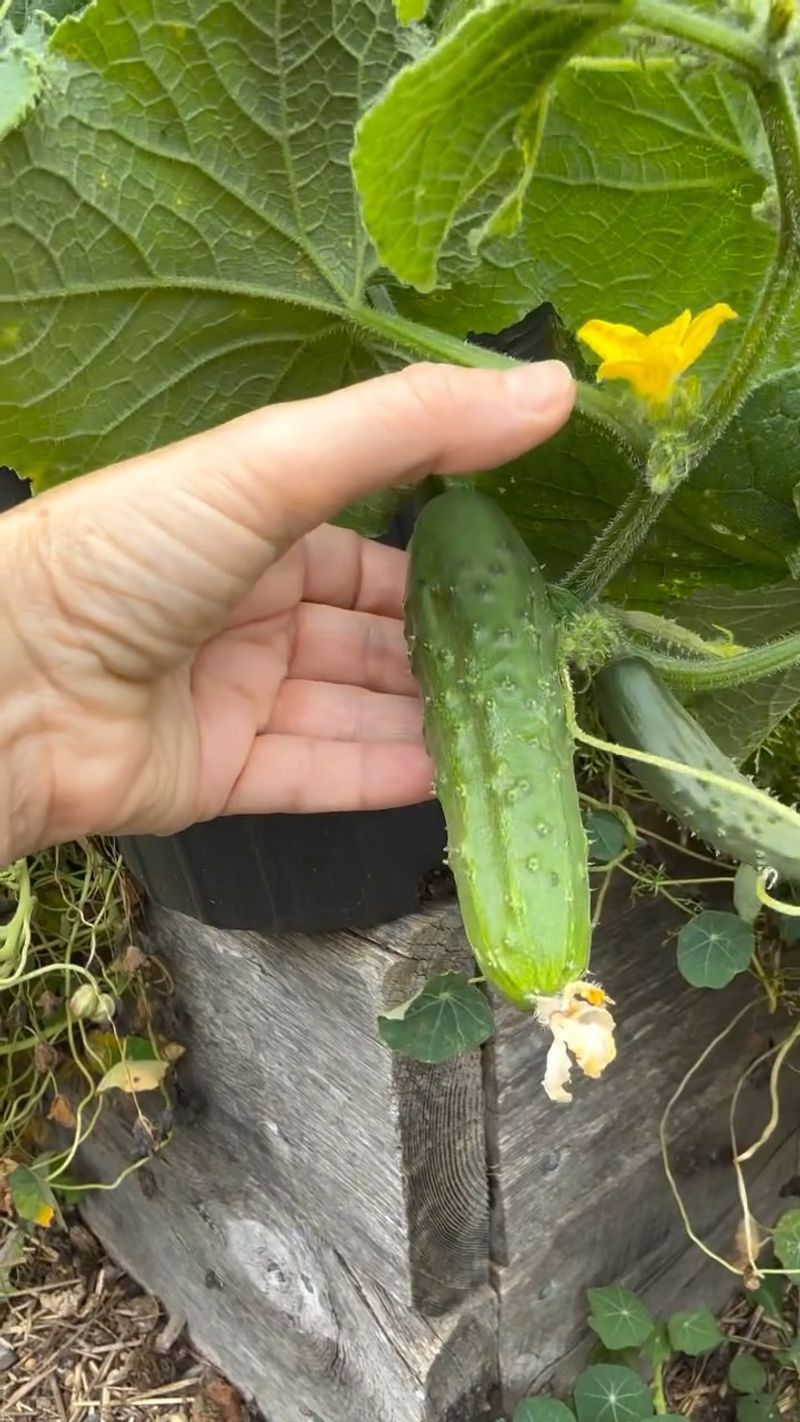
A vine that was healthy through July but slowed in August has a real chance of producing again if you restore steady moisture, clear the old fruit, and address any pest or disease issues you find. That is an honest statement, not a promise.
Plant age, variety, accumulated heat stress, and disease history all affect what happens next, and no single week of better care can guarantee a September harvest.
Temporary afternoon shade cloth can reduce heat load on a stressed vine during the worst of August, and University of Minnesota Extension’s heat garden guidance supports using shade as a management tool for heat-stressed vegetables. It is not a cure, and it should not replace the full morning light cucumbers need to grow and flower well.
Think of it as buying the plant a little breathing room, not solving the underlying problem.
If the existing vine looks genuinely finished, a new planting is a separate question with its own regional rules. NC State Extension’s vegetable gardening handbook and NC State’s market garden calendar for small farms suggest that fall cucumber planting in the Piedmont typically runs around August 1, with western mountain areas often 10 to 20 days earlier and the Coastal Plain 7 to 14 days later.
A planting on August 15 may still be workable in some eastern locations but is a long shot in the mountains, and the math depends entirely on your variety’s days to maturity and your local expected frost date.
Illinois Extension notes that a pollinated cucumber can reach harvestable size in roughly a week under favorable conditions, which means a vine with healthy female flowers and good bee activity still has a window. Check your region, count the days, and decide.
The garden rewards the gardener who looks carefully before giving up.