
Great Horned Owls May Help With Rodent Pressure, But Won’t Fix Your Rat Problem Alone
Follow us on Google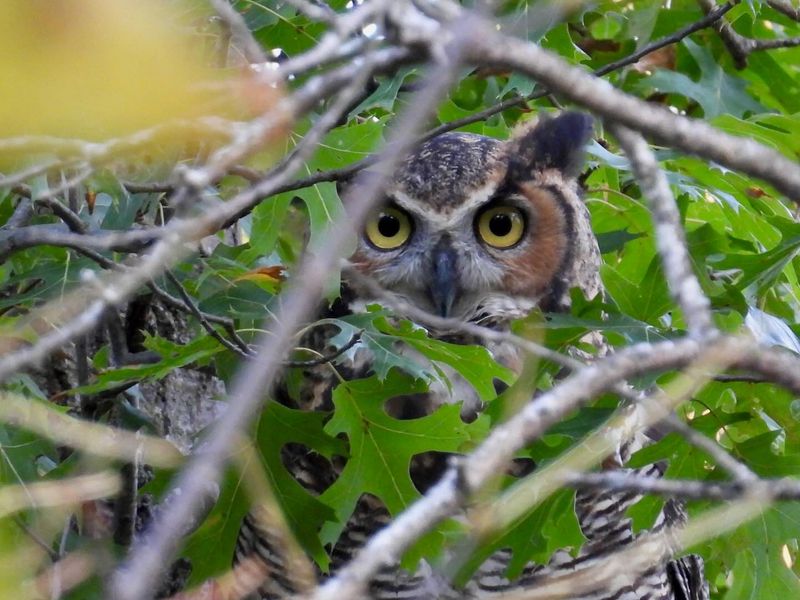
Spotting a Great Horned Owl perched on your fence post at dusk feels like a good omen, especially if rats have been raiding your barn or chewing through feed bags.
The idea that more owls means fewer rats is appealing, and there is some truth buried in it.
But the full picture is more complicated, and acting on an oversimplified version of that idea can leave your property just as rat-ridden as before.
This article sorts out what Great Horned Owls actually do, what the evidence genuinely shows, and what Texas property owners can do right now to protect their barns and outbuildings.
A Great Horned Owl Can Be A Useful Neighbor, Not A Rat Cure
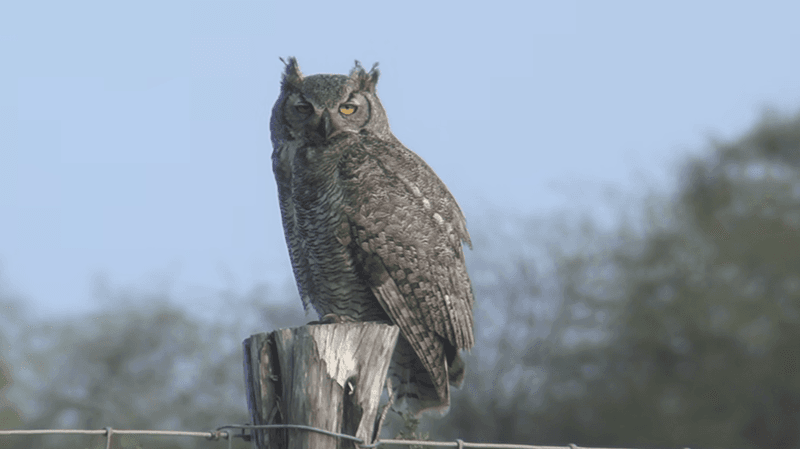
Walk out to your barn around dusk in almost any part of Texas and you might catch a Great Horned Owl (Bubo virginianus) scanning your pasture from a fence post or a low oak limb.
That sight feels reassuring when rats have been getting into your feed room.
The owl is a real predator, it does eat rats, and its presence on your property is a genuinely good sign for local wildlife balance.
The honest version of the headline, though, is this: a Great Horned Owl may help reduce rodent pressure on some properties, but no solid evidence shows that more owls reliably produce fewer rats around Texas barns.
Cornell Lab’s Great Horned Owl life history describes a bird that hunts across fields, pastures, woodland edges, orchards, and farm areas, taking whatever prey is available, from small rodents to rabbits, skunks, and other birds.
Rats may be on the menu, but they are one item among many.
Texas Parks and Wildlife confirms that rodents make up a large portion of owl diets while noting that owls also take insects, fish, amphibians, and other small animals.
So the owl is a generalist, not a rat specialist.
It hunts at night and sometimes during daylight, covering a wide territory, and it will move on if prey or habitat conditions change.
Preserving habitat that supports owls can be a reasonable and neighborly thing to do on many Texas properties.
But that choice becomes complicated near occupied barns, poultry coops, rabbit hutches, or play areas where an opportunistic predator could create new problems.
The sections below will walk through what the evidence actually says, what habitat decisions make sense, and what barn-level rat control actually requires.
Rats Are Only One Part Of The Owl’s Diet
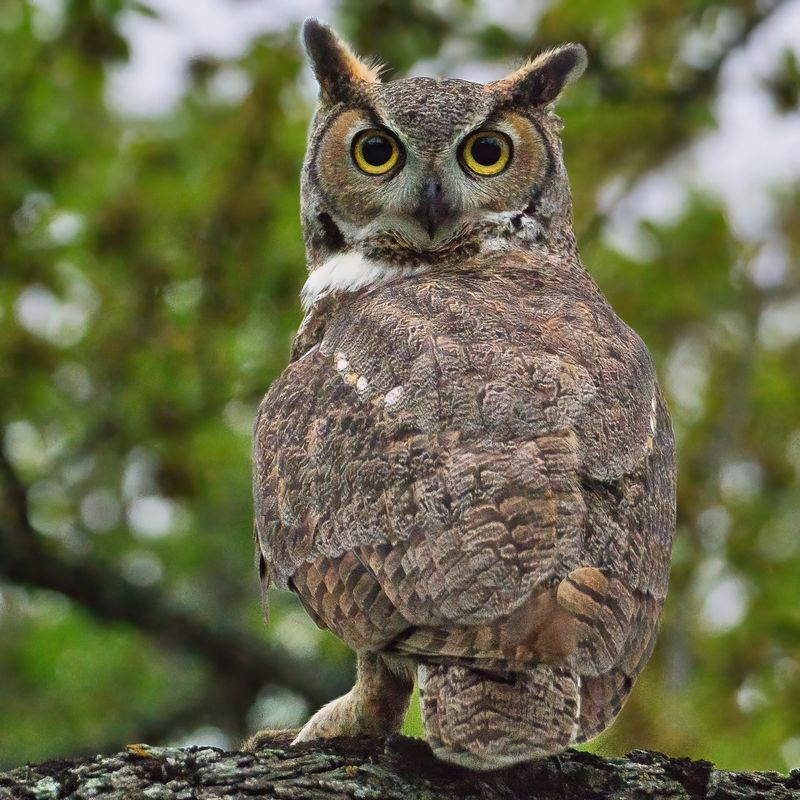
Plenty of Central Texas homeowners have spotted an owl near the barn and assumed the rat situation was about to improve.
That hope makes sense, but the owl did not necessarily arrive because of the rats, and it may not stay long enough to make a dent.
Great Horned Owls are broad-diet predators.
Cornell Lab documents their prey as ranging from small rodents and scorpions to rabbits, skunks, geese, and even other raptors.
On any given night, an owl might pass up rats entirely in favor of a cottontail rabbit or a large ground squirrel, simply because that prey was easier to catch.
Prey choice depends on what is moving, what is visible, and what the owl can handle.
An owl and a rat problem can exist on the same property at the same time without the owl causing the rat numbers to fall.
Predator populations and prey populations both shift with weather, season, nesting cycles, and habitat changes.
Seeing an owl is not evidence that your rat count is dropping, and losing sight of one is not evidence that rats are winning.
The practical way to judge rodent pressure is through physical signs, not wildlife sightings.
Fresh droppings along walls or rafters, gnaw marks on feed containers or wood trim, spilled grain with no obvious explanation, and snap traps that are triggering regularly all tell you more than an owl sighting ever will.
Track those indicators week to week and you will have an honest picture of whether your rat population is stable, growing, or declining.
What The Pest-Control Evidence Actually Shows
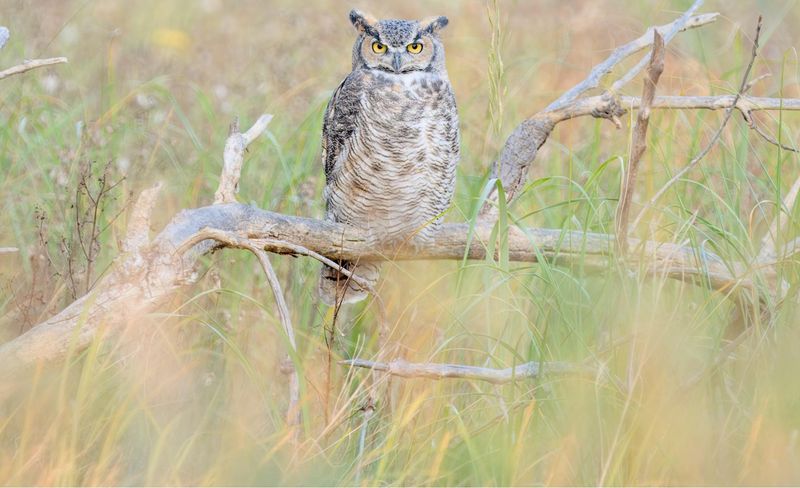
The research on owls and rodent control is real, but it does not say what many people expect it to say.
Two studies in particular are worth understanding clearly, because they are often cited in ways that overstate what was actually tested.
One recent study found that Barn Owls reduced predominantly deer-mouse abundance by 38 to 52 percent around occupied nest boxes under its tested vineyard conditions.
That is a meaningful result, but the key details matter: the study involved Barn Owls, not Great Horned Owls, and the prey were deer mice in a vineyard setting, not rats around a Texas barn.
Barn Owls are more specialized rodent hunters than Great Horned Owls, and their nest-box results cannot be transferred directly to a different species in a different context.
A separate field study examined raptor perches and rodenticide treatments in relation to vole activity and crop damage.
Under those conditions, neither intervention effectively suppressed vole activity or prevented crop damage.
That study was not a test of Great Horned Owls, rats, or Texas barns either.
It simply showed that raptors and rodenticides together did not reliably solve a specific vole problem in a specific agricultural setting.
A broader review of attracting wildlife for pest control on farmland reaches a similar conclusion: results are context-dependent, and raptors work best as one layer of an integrated approach rather than a standalone fix.
For Texas property owners, that means an owl overhead is a welcome ecological presence, not a replacement for sealing gaps, securing feed, and setting traps.
Preserve Safe Habitat Instead Of Chasing An Owl
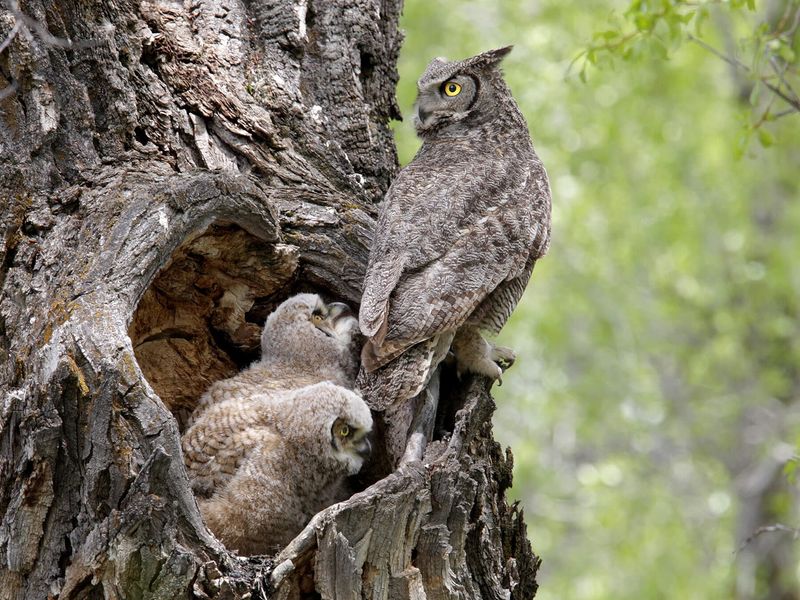
One thing you can do right now costs almost nothing: stop removing every large stick nest and dead snag on your property by default.
Great Horned Owls do not build their own nests.
They move into old stick nests left behind by red-tailed hawks, crows, herons, or squirrels, and they also use tree cavities, rocky ledges, and occasionally artificial open nest structures.
Cornell NestWatch recommends a nest cone rather than an enclosed box if you want to offer artificial nesting habitat.
Their specifications call for fall installation in a live hardwood tree at least 12 inches in diameter, placed between 15 and 45 feet off the ground, with roughly 1.5 miles between structures because Great Horned Owls are strongly territorial.
Meeting all those conditions still does not guarantee that a pair will move in.
Territory availability, prey abundance, competition from other owls, and disturbance levels all influence whether a cone gets used.
Cornell’s nest cam FAQ notes that Great Horned Owls begin scouting nest sites as early as January, so fall placement gives the structure time to weather and become familiar before the breeding season.
Even then, patience is the main requirement.
Some cones sit unused for years before a pair investigates.
The broader habit to build is minimal interference with existing suitable habitat.
Cornell’s life history account describes Great Horned Owls as adaptable across many habitat types, preferring areas with a mix of trees and open hunting ground.
Preserve that mix where it already exists on your property, but only when the trees and snags are safely separated from people, poultry, livestock, utility lines, and active building operations.
During nesting, reduce foot traffic and noise near any known nest site as much as practical.
Match The Property To The Habitat
Texas covers more than 268,000 square miles and spans at least a dozen distinct ecological regions.
What works as owl habitat on a wooded East Texas property near Nacogdoches looks nothing like the landscape on a treeless Panhandle lot outside Amarillo, and the advice you follow should reflect where you actually live.
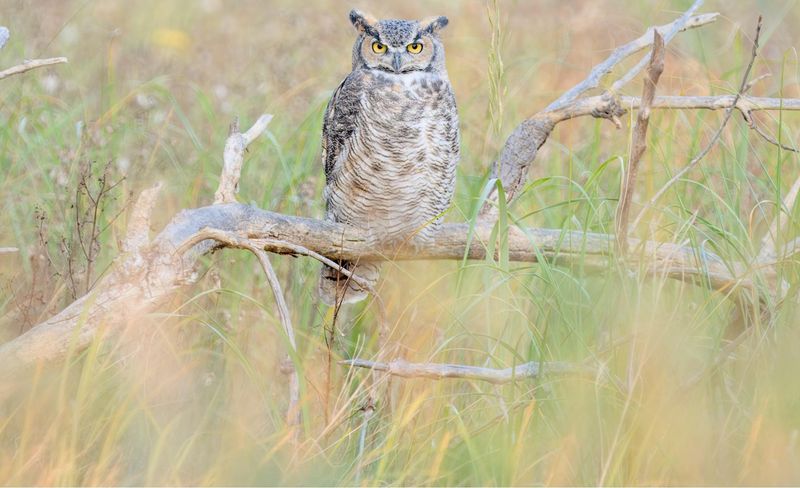
Wooded properties in Central Texas, the Hill Country, and East Texas tend to offer more natural nesting structure: mature live oaks, post oaks, pecans, and established stick nests that Great Horned Owls can use without any help from you.
Open agricultural land in the Panhandle or West Texas may still provide excellent hunting habitat because owls can range widely over flat, open ground, but a nest cone placed in an isolated small tree on a treeless lot is unlikely to attract a territorial pair that needs roughly 1.5 miles of undisturbed range.
Texas Parks and Wildlife identifies snags as valuable hunting perches and wildlife habitat worth preserving when they can be retained safely.
A dead tree near a barn, driveway, play area, or power line is a different calculation.
Have a certified arborist evaluate any dead or declining tree that could fall on people, animals, buildings, or vehicles before deciding to keep it.
TPWD’s habitat resource guidance and Texas Wildscapes tips both emphasize working with what already exists on your land rather than engineering an artificial habitat from scratch.
Preserve safe mature trees, open pasture edges, and existing perch structures where they do not create conflict.
Do not try to concentrate owls at an occupied barn by leaving feed, carcasses, or entry points, because that creates the very conflict you are trying to avoid.
Avoid Owl Boxes, Barn Access, And Rat Poison Shortcuts
A few well-meaning shortcuts can make your situation worse, and some of them carry legal consequences.
Three in particular come up often enough that they deserve a direct conversation.
First, the box question.
Enclosed nest boxes designed for Eastern Screech-Owls or Barn Owls are not appropriate structures for Great Horned Owls.
NestWatch is clear that Great Horned Owls use open nest structures, not enclosed cavities, as their primary nesting habitat.
Installing a Barn Owl box and expecting a Great Horned Owl to move in is a mismatch that will likely produce nothing, or attract a different species entirely.
Second, barn access.
Leaving a barn door or vent open to invite an owl inside is genuinely unsafe.
A Great Horned Owl roosting or nesting inside an active barn can stress poultry, injure small livestock, create sanitation issues, and put the owl itself at risk from farm equipment and chemicals.
If an owl has already moved into a structure you use, consult Texas Parks and Wildlife or a licensed wildlife professional before taking any action to exclude it, especially during the nesting season.
Third, and most urgently: do not use rodenticides as a way to create poisoned prey for owls.
EPA’s pesticide safety review identifies particular risks from second-generation anticoagulant rodenticides, and USGS research on secondary poisoning documents how owls and other raptors accumulate these compounds by eating affected prey.
A Texas study of rehabilitated owls found rodenticide exposure to be a documented concern in the state.
Poison placed for rats can reach owls, hawks, foxes, and neighborhood dogs and cats through the food chain.
On the legal side, Texas Parks and Wildlife states that owls are protected under state and federal law and may not legally be killed.
The Migratory Bird Treaty Act, codified at 16 U.S.
Code Section 703, extends federal protection to native migratory birds including their nests and eggs, with limited authorized exceptions.
Disturbing an active nest without authorization is not a gray area.
Build The Rat-Control Plan Around The Barn
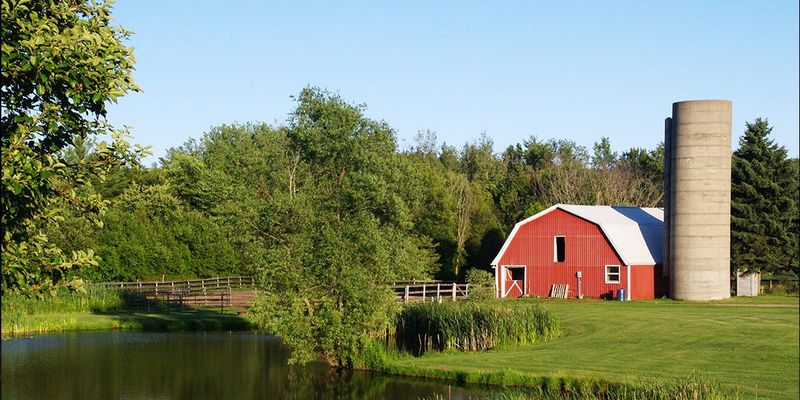
Rats are actually very predictable creatures, and that predictability is your biggest advantage.
They travel the same runways night after night, hug walls and rafters, and return to the same food sources until something stops them.
Your control plan should be built around disrupting those habits at the source, not waiting for a predator to show up overhead.
Start with exclusion and sanitation.
CDC guidance on sealing up to prevent rodents recommends closing any opening wider than about one-quarter inch for mice, with rats generally needing a larger gap to enter but still squeezing through surprisingly small spaces.
Use hardware cloth, sheet metal, or concrete to seal gaps at foundation level, around pipe penetrations, and under doors.
Store all grain and animal feed in thick plastic, metal, or glass containers with tight-fitting lids.
Remove spilled feed the same day it hits the ground.
Keep garbage covered and reduce brush, lumber piles, and clutter within 30 feet of the barn where rats build nests and hide.
CDC hantavirus risk reduction guidance reinforces the same core steps: secure food, eliminate harborage, and reduce the conditions that allow rodent populations to grow in the first place.
Once those conditions are addressed, trapping becomes far more effective.
For active rats, use appropriately sized snap traps placed along walls, rafters, and runways where you see fresh droppings or gnaw marks.
EPA’s rodent infestation options page and EPA’s smart pest control guidance both list trapping, exclusion, and sanitation as the core integrated approach.
Keep traps out of reach of children, pets, poultry, and livestock, and check them daily.
A serious or persistent infestation, especially one that does not respond within two to three weeks of consistent trapping and exclusion work, is a signal to bring in a licensed pest professional.
A Great Horned Owl hunting your pasture at night can be a welcome part of the local ecology, and preserving safe habitat for one costs you almost nothing.
But it is one possible, conditional layer, not the foundation of your rat-control plan.
Seal the barn, secure the feed, set the traps, and let the owl be a neighbor rather than a subcontractor.