
The Native Florida Milkweed That Feeds Monarchs While Shrugging Off The August Heat
Follow us on Google
Step onto a sunny Florida patio in August and you already know what the air feels like before you reach the door.
Finding a native plant that holds up in that heat, skips the fuss, and actually helps monarchs breed in your yard sounds too good to be true.
Butterflyweed, Asclepias tuberosa, comes close to that promise for many Florida homeowners, though it works best in the right spot rather than every yard across the state.
Pick the right site, water it through establishment, and this Florida native can quietly become the most useful plant in your pollinator garden.
Butterflyweed Fits Many Sunny, Moderately Dry Florida Beds
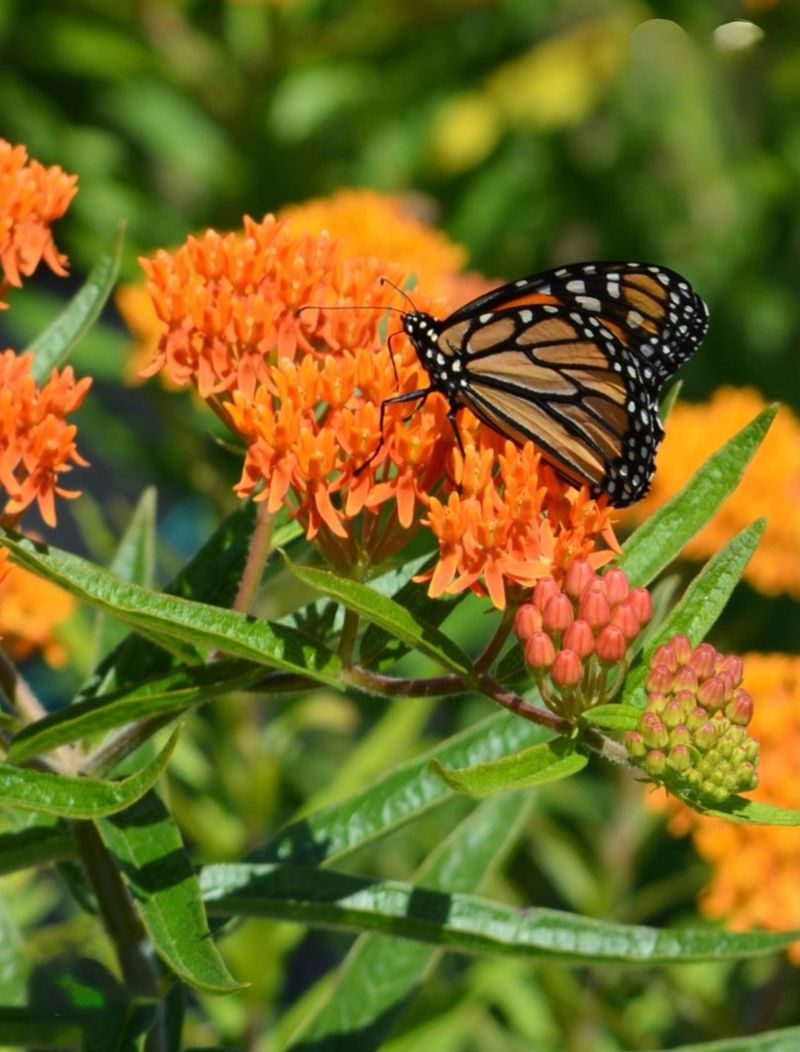
Butterflyweed, Asclepias tuberosa, earns its reputation as a workhorse for Florida homeowners who want a native monarch host plant without a complicated watering schedule.
It grows about 2 to 3 feet tall and about 2 to 3 feet wide, blooms from roughly July through September right in the thick of the hottest months, and performs well in full sun or partial shade.
UF/IFAS guidance on Asclepias tuberosa lists it as moderately drought tolerant once established and says it handles a wide range of soil types except heavy soil.
That last detail matters more than it sounds.
If your bed drains freely after a summer downpour, butterflyweed is likely a good match.
If your yard holds water in low pockets after a storm, this is not your plant, no matter how much sun it gets.
Butterflyweed is listed for zones 8 through 10, which covers most of Florida from the Panhandle through much of South Florida.
That range makes it a strong general choice for a lot of the state, but it is not a statewide guarantee.
Gardeners in zones 11a and 11b, including the Keys, should look for a locally appropriate native milkweed instead.
When you plant, space individual plants 18 to 24 inches apart.
UF/IFAS native milkweeds guidance recommends planting in groups rather than as a single specimen, so plan for at least three plants in a cluster to give caterpillars enough foliage to work with.
Low maintenance once established is a fair description, but the plant is not maintenance-free, and a new planting still needs your attention through its first season.
Milkweed Raises Caterpillars, Nectar Feeds Adults
Here is where a lot of well-meaning Florida gardeners hit a wall.
You plant milkweed expecting monarchs, and for a while the plant just sits there looking fine.
What many people do not realize is that milkweed and nectar plants play completely different roles in a monarch’s life, and you need both.
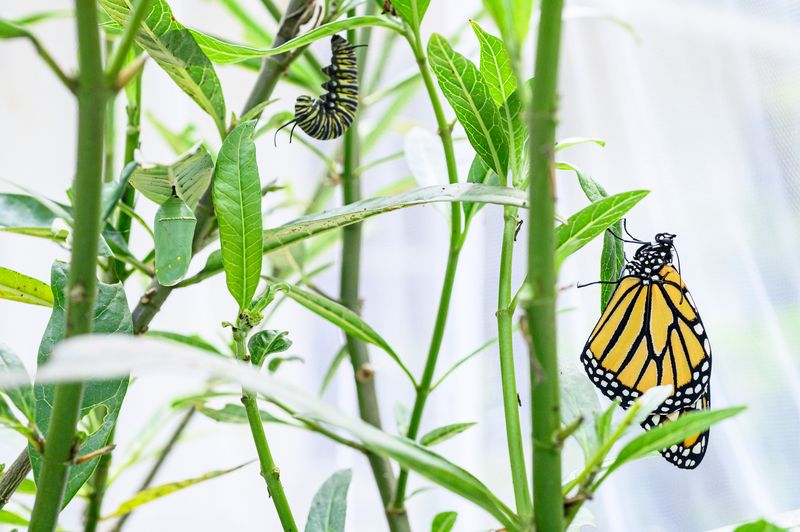
Monarch caterpillars feed on Asclepias leaves.
Without milkweed, there is no place for a female monarch to lay eggs and no food source for the larvae that hatch.
That part butterflyweed handles well.
But adult monarchs need nectar from flowering plants to fuel their flight and their own survival.
A yard with milkweed and nothing else in bloom is like a nursery with no cafeteria next door.
UF/IFAS Extension Orange County’s milkweed guide for Central Florida makes the point plainly: nectar-rich flowering plants feed the adults while milkweed provides the place to raise young.
Native options like firebush, blanket flower, and American beautyberry can fill that nectar role in a Florida pollinator garden without adding a lot of extra work.
Butterflyweed itself does double duty to a degree.
UF/IFAS identifies milkweeds as nectar sources for bees, moths, and other pollinators, not just monarchs.
So even in a week when no monarch shows up, the plant is still earning its space.
Group your milkweed plants together.
When monarch caterpillars get going, they can strip a plant fast, and having several clustered specimens means more available foliage before the larvae run out of food.
UF/IFAS milkweed guidance is clear that grouping plants is a practical strategy, not just an aesthetic one.
Monarch visits still depend on regional populations, season, weather, and what else is happening in the landscape around your yard, so treat the planting as habitat support rather than a guaranteed attraction.
August Heat Still Tests New Roots
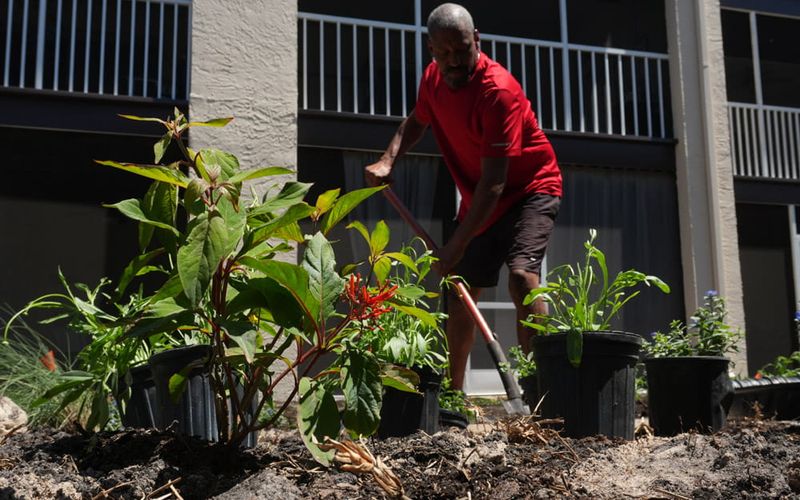
Moderate drought tolerance is a description of an established plant, not a newly transplanted one sitting in dry sandy soil during a Florida August.
That distinction trips up a lot of gardeners who assume native means instant toughness.
The roots need time to spread before the plant can shrug off a dry spell.
Plant as close to the start of the rainy season as you can manage.
In most of Florida, that window opens around June, and the regular afternoon downpours give new roots a real head start.
If you plant later in summer, you take on more of the watering work yourself.
Water the root ball directly rather than running a sprinkler over the whole bed.
UF/IFAS guidance on establishing Florida landscape plants gives general figures for 3-gallon plants in well-drained soil: about 1 gallon every 8 days in North and Central Florida, and about 1 gallon every 4 days in South Florida where heat is more relentless.
Those numbers are not a butterflyweed-specific prescription, but they give you a reasonable starting point to adjust from.
The same UF/IFAS research notes that landscape plants commonly take about 20 to 28 weeks to fully establish under normal conditions.
A small milkweed may settle in faster, but do not plan to stop watering at week four and walk away.
Reduce irrigation gradually as roots spread rather than cutting it off all at once.
UF/IFAS Florida-Friendly Landscaping irrigation guidance reinforces the same principle: match your schedule to real conditions, including drainage, season, and regional rainfall, rather than running an automatic timer on a fixed setting.
Once the plant is truly established, you can step back and let Florida’s summer rains carry most of the load.
Pinewoods Milkweed Wins On Very Sandy Sites
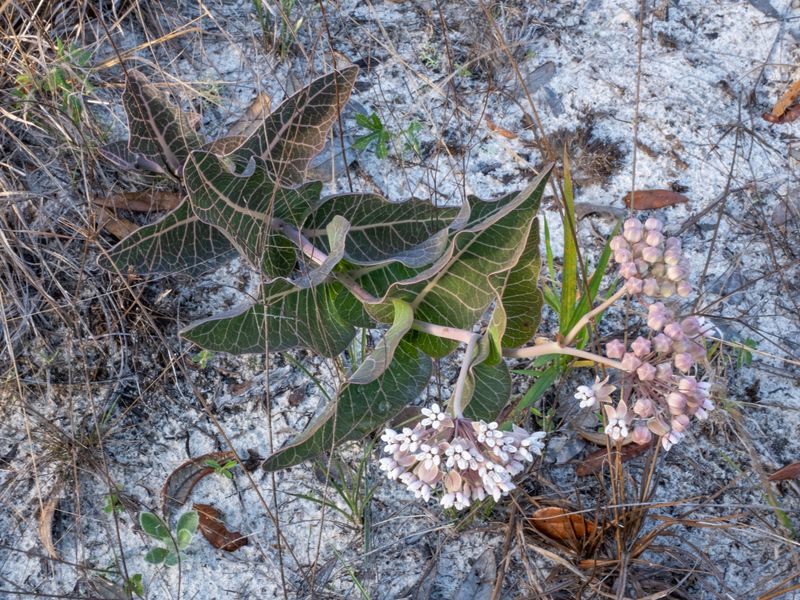
Some Florida yards are less a garden bed and more a pile of sugar sand held together by wishful thinking.
If yours drains so fast that even butterflyweed struggles, pinewoods milkweed, Asclepias humistrata, may actually be the better fit.
UF/IFAS documentation on Asclepias humistrata describes it as a drought-tolerant Florida native found in dunes, sandhills, roadsides, and other sharply drained sandy habitats.
Its leaves carry distinctive pink to maroon veins that make it easy to identify in the field.
It usually stays below 3 feet but has a sprawling, low form rather than the upright mound butterflyweed produces.
Pinewoods milkweed flowers in spring and summer and may go dormant during warm-season drought or in winter, so do not panic if it disappears from the bed for a stretch.
It prefers full sun and genuinely needs sandy, well-drained soil to perform the way the name suggests.
Put it in heavy or poorly drained ground and you lose the very conditions that make it thrive.
It is listed for zones 8a through 9b, which makes it a strong regional recommendation for the Panhandle, North Florida, the Gulf Coast, and selected Central Florida locations where sandy soils and scrub-like conditions are common.
That zone range also means it is not the right universal answer for the Keys or much of tropical South Florida.
Gardeners in zones 10b and above should look for a locally appropriate native milkweed rather than pushing pinewoods milkweed into conditions it was not built for.
UF/IFAS lists several other native milkweeds, including aquatic milkweed, Asclepias perennis, for wet sites and swamp milkweed, Asclepias incarnata, for consistently moist conditions.
Florida is too varied a state to have one milkweed answer for every yard.
Choose Drainage Before You Choose A Plant
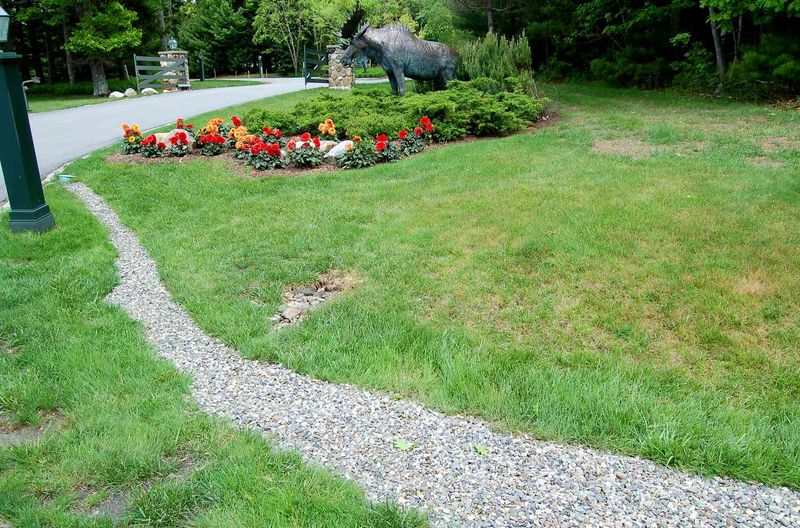
Before you buy a single plant, walk your yard after a heavy rain and watch where the water goes.
That one observation tells you more about which milkweed will survive than any plant tag at the nursery.
Butterflyweed wants a bed where water moves through and keeps moving.
UF/IFAS guidance on Asclepias tuberosa is clear that the plant tolerates many soil types but excludes heavy soil, and its moderate drought tolerance makes it more suitable for drier conditions rather than wet ones.
A low pocket that floods after every afternoon downpour, a drainage swale, a pond edge, or any bed that stays soggy for more than a day or two is the wrong address for this plant.
Once you have identified the right spot, plant butterflyweed in groups spaced 18 to 24 inches apart.
One isolated plant can be stripped bare by a hungry batch of caterpillars in a matter of days.
Three or more plants in a cluster give the larvae more to work with and give the planting a better chance of staying leafy through the heaviest feeding periods.
Add nectar-producing native plants around the milkweed to complete the habitat.
UF/IFAS native milkweed resources point out that adult monarchs need nectar while caterpillars need host foliage, so the two functions require different plants.
Firebush and blanket flower are practical companions in many Florida regions, but your best nectar options will vary from the Panhandle to South Florida.
UF/IFAS milkweed planting guidance reinforces that Florida’s regional differences in soil, drainage, and hardiness zones make site selection more important than picking the most popular plant name.
Match the plant to your actual ground conditions and you skip most of the common failure points.
Ragged Leaves Can Mean The Garden Is Working
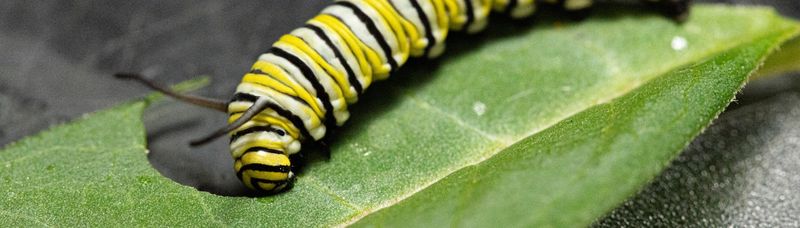
You walk outside one morning and the milkweed looks like something went through it with scissors.
Stems are bare, leaves are gone, and for a second you wonder if the plant is dying.
Look closer and you will probably find a row of fat monarch caterpillars working their way through what is left.
That is not a problem.
UF/IFAS milkweed guidance says monarch caterpillars usually do not damage the plant permanently.
The milkweed pushes out new growth once the caterpillars move on.
Ragged leaves are actually a sign the habitat is functioning the way you hoped when you planted it.
Aphids are a different story.
Yellow oleander aphids cluster on milkweed stems in Florida gardens and can coat new growth quickly.
The fix is simpler than most people expect: knock them off with a strong stream of water from a hose, remove them by hand, or prune and dispose of heavily infested stems.
Preserve any ladybugs, lacewings, or parasitic wasps you find on the plant because those natural predators will do ongoing work for free.
Do not reach for a pesticide, broad-spectrum or otherwise.
UF/IFAS guidance on pest management and insect conservation warns that even products marketed as safer for beneficial insects can still threaten monarch larvae and other non-target insects feeding on treated foliage.
The whole point of growing milkweed is to feed caterpillars, and a pesticide application can erase that purpose in one afternoon.
One more thing worth knowing before you prune: milkweed sap can irritate skin, and UF/IFAS notes that milkweed is toxic if consumed in large quantities.
Wash your hands after handling cut stems, and keep children and pets from chewing on any part of the plant.
A pair of gloves during pruning is genuinely good practice, not just caution for caution’s sake.
Build A Florida Monarch Garden, Not A Butterfly Guarantee
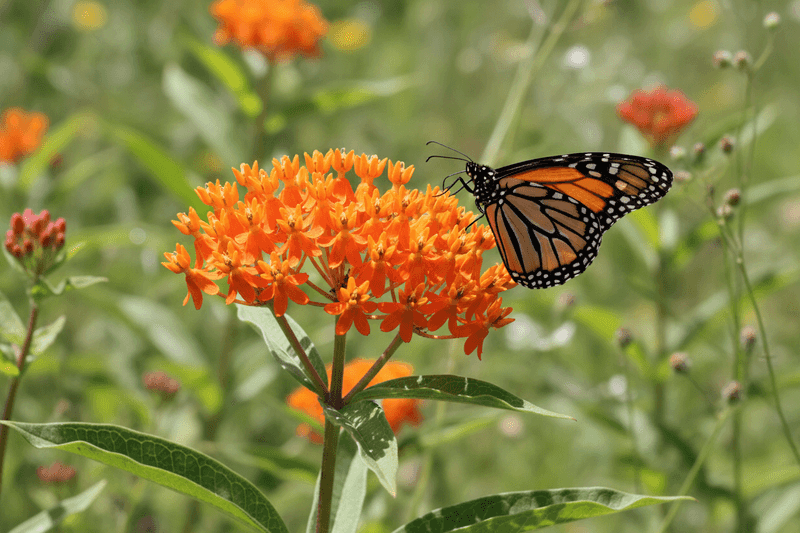
Planting butterflyweed is a genuinely useful step toward supporting monarchs in your yard.
But a single milkweed species in an otherwise bare bed is not complete monarch habitat, and no plant comes with a butterfly guarantee attached to the root ball.
Monarchs in Florida do not all follow the same migration script.
UF/IFAS documentation on monarch habitats in South Florida explains that much of Florida’s monarch population stays in the state year-round because of warm conditions and continuous host-plant availability.
Cold temperatures in North Florida can threaten monarchs at any life stage, so a Panhandle gardener and a Miami gardener are supporting somewhat different populations even if they plant the same species.
Pair native milkweed with nectar-rich flowering plants to give adults the fuel they need to stay, breed, and move on.
Protect the whole planting from insecticides, including systemic products applied to neighboring plants that caterpillars might contact.
Butterfly presence also depends on regional populations, seasonal weather patterns, and what the surrounding landscape looks like beyond your fence line.
On tropical milkweed, Asclepias curassavica: UF/IFAS does not recommend it in Florida because its year-round growth in Central and South Florida can encourage winter breeding and parasite buildup.
Peer-reviewed research on non-native milkweed and monarch reproductive development supports concern about year-round host plants influencing migratory behavior, though scientists continue to study how plant availability, temperature, migration patterns, and disease interact.
The safer choice for a Florida yard is a native milkweed matched to your specific region and soil type.
Match the plant to your drainage and zone, water it through the first 20 to 28 weeks, accept some leaf loss as proof the habitat is working, and skip the pesticides.
Your yard may not host monarchs every week, but when they do show up, it will be ready.