
North Carolina Native Ground Covers That Root Down And Hold Through Hurricane-Season Storms
Follow us on Google
You drag your patio chair into the shade, the air thick and muggy, while another late-afternoon rumble rolls across the sky. Here in North Carolina, hurricane season can turn a peaceful backyard into a soggy, sliding mess almost overnight.
Many homeowners watch their soil wash downhill with every downpour, taking mulch and hard work along with it. The fix is not concrete or chemicals.
It is native ground covers built for our clay, sand, and storms, plants that grip the earth and keep your yard alive.
1. Pennsylvania Sedge Grips The Earth Firmly
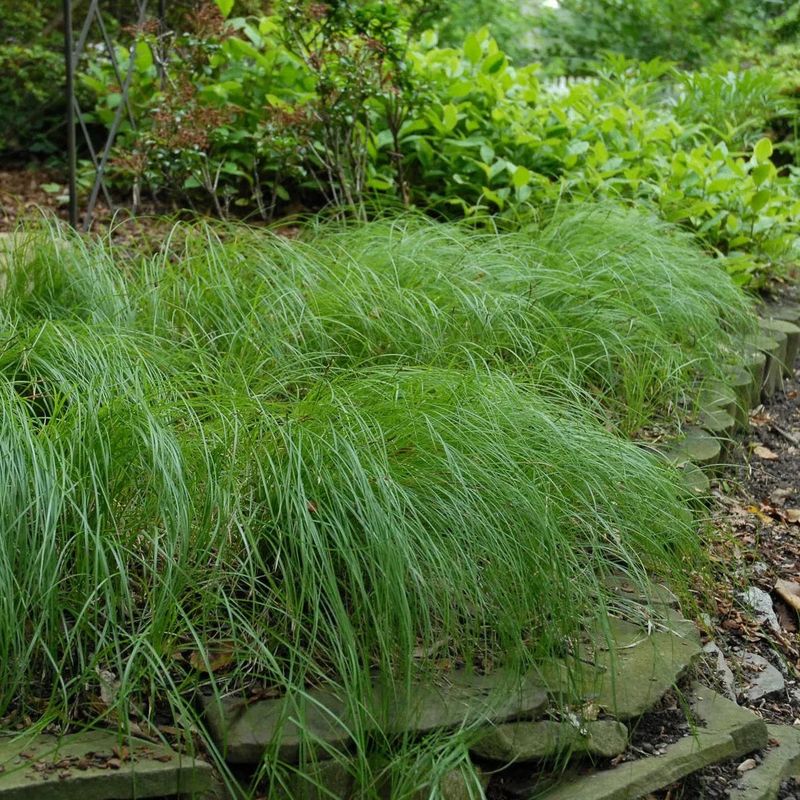
You have seen those spots under a towering Piedmont oak where grass just quits. The soil stays compacted and damp, and every heavy rain carves a fresh little rivulet through the bare dirt.
Here is where Pennsylvania sedge, Carex pensylvanica, quietly outworks turfgrass. It builds a dense, fibrous root net that intertwines and grabs soil particles, so rushing water cannot dislodge it.
Picture thousands of tiny hands holding your earth in place.
Put it to work in shaded areas where grass struggles. It handles partial to full shade and lighter soils, though it tolerates some sun if the ground stays moist.
Plant plugs 6 to 12 inches apart in fall, giving roots time to settle before next summer heat.
Water regularly that first year for deep roots. It grows 6 to 12 inches tall and needs little mowing, which genuinely frees up your weekend.
The payoff comes with the next downpour. Instead of mud, you watch water soak in, slowed by that soft green blanket, and you know the ground beneath your feet is actually secure.
2. Green And Gold Brings Cheerful Color And Resilience
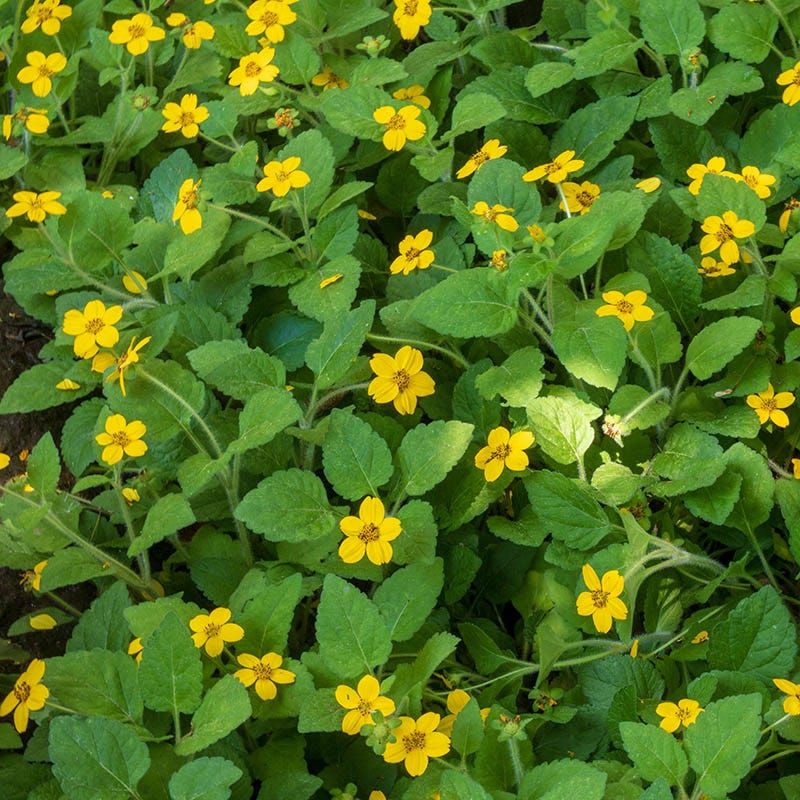
Some plants just give up after a rough summer storm, leaves battered and roots exposed. It happens most where roof runoff pools or a shallow dip holds water before draining.
You want color, not just something tough.
Chrysogonum virginianum, called Green and Gold, delivers both. Its secret is adaptability.
Once established, it shrugs off temporary flooding and dry spells alike, a genuine trooper in our unpredictable weather. Its fibrous roots bind soil on gentle slopes while the foliage covers bare ground.
Plant it in part shade to full sun where soil drains well, and you want a splash of color spring through fall. It forms a low mat about 4 to 6 inches tall and spreads to fill gaps.
It even tolerates light foot traffic, so it works between stepping stones. Space plants about a foot apart and mulch lightly while they settle in.
You get bright yellow flowers that pull in early pollinators, and underneath, roots doing the steady work of holding your soil right where it belongs.
3. Allegheny Spurge Offers Evergreen Stability In Shade
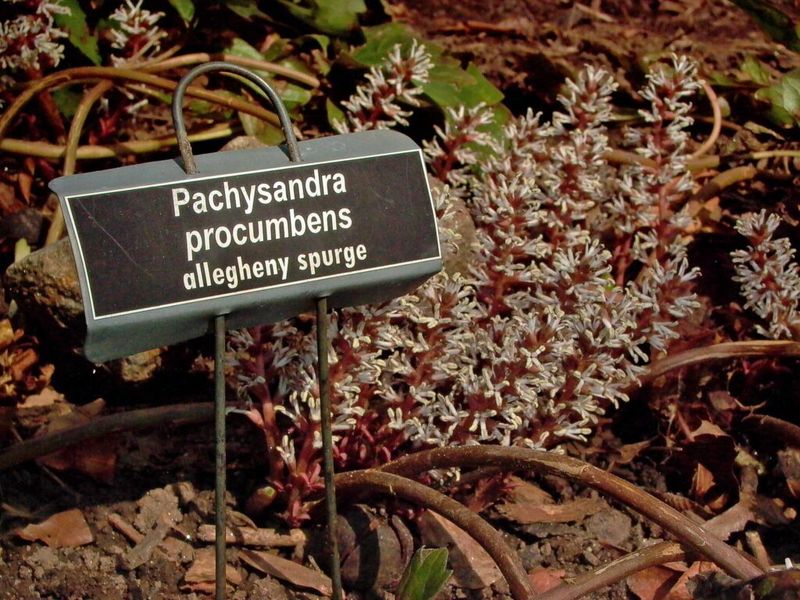
Picture that shady, damp corner beneath a stand of pines in the Coastal Plain, or the north side of your house in the Sandhills. Little wants to grow there, so it stays bare or fills with weeds that wash out during heavy rain.
Pachysandra procumbens, the Allegheny spurge, is a genuinely tough native evergreen built for exactly that spot. It spreads by long rhizomes into a dense, year-round cover.
Those underground stems and roots form a wide network that locks soil in place against stormwater. It is a living, flexible blanket anchoring the earth.
It tolerates full to partial shade and, remarkably, thrives even in heavy Piedmont red clay. Once established, it handles the dry stretches between downpours too.
Plant plugs in fall or early spring, spacing them 8 to 12 inches apart so they knit together fast. The leathery, dark-green leaves hold their look through winter.
As the foliage spreads, you stop worrying about exposed soil and mud on your foundation. Just a calm, green expanse standing guard.
4. Wild Strawberry Spreads Naturally And Holds On
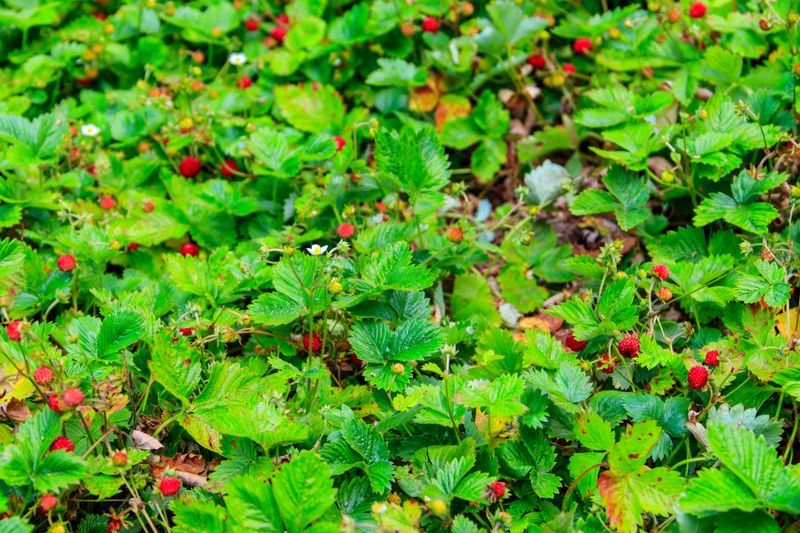
Open, sunny patches that are not steep still turn muddy and wash out during intense summer thunderstorms. Grass struggles underfoot there, and you want a natural low-grower that gives back to the ecosystem too.
Fragaria virginiana, our native wild strawberry, has a secret weapon. Its runners crawl across the ground, rooting as they go and forming a dense mat of foliage.
Each plant carries a shallow but wide root system, and together they weave a cohesive web that holds the upper soil layer on gentle inclines.
It thrives in full sun to partial shade, versatile from the mountains to the coast, and adapts to many soils where drainage is decent. Plant clumps 12 to 18 inches apart in spring or fall, then watch the runners claim the ground.
You get erosion control plus delicate white flowers in spring, followed by small sweet berries for you and local wildlife.
After a drenching storm, imagine a green carpet studded with tiny red jewels instead of bare, eroding earth. Hardworking, generous, and pure North Carolina.
5. River Oats Adds Texture And Strengthens Wet Sites
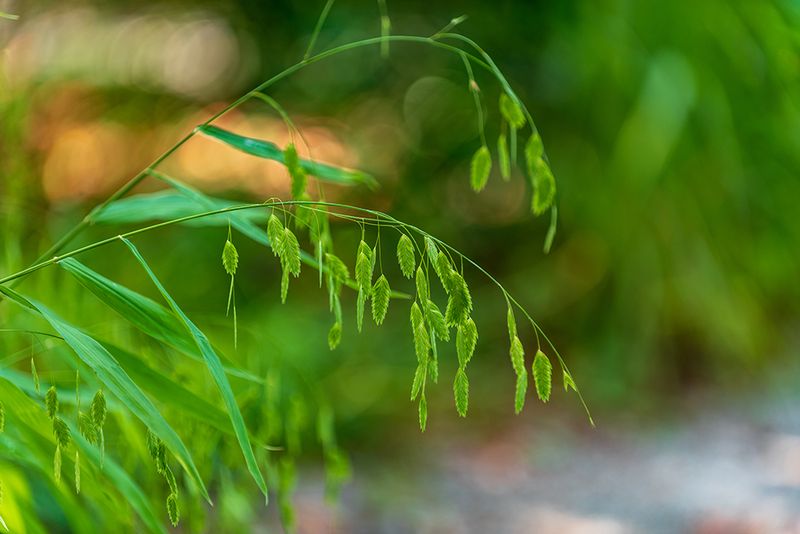
That low spot near your downspout, or the natural swale in your Coastal Plain yard, becomes a temporary stream every time a storm rolls through. Water rushes, soil scatters, and a muddy scoured path is all that is left.
Chasmanthium latifolium, known as river oats, owns that territory. People love the flattened, oat-like seed heads that shimmer in the breeze, but the real hero is the fibrous, mat-forming root system.
Those roots stabilize stream banks and moist soils, acting like a natural speed bump for stormwater.
It prefers part shade to dappled sun and thrives in moist to wet soil, which makes it ideal for troublesome drainage areas. It reaches 2 to 3 feet tall with a graceful, arching shape that adds real texture.
Plant in spring or fall, spacing individuals 1 to 2 feet apart for a dense stand. It spreads by rhizomes and self-seeding into a strong colony over time.
After a big rain, it stands tall while its roots hold fast. The rustling seed heads become a calming sound, and birds treat it like a small buffet.
6. Pink Muhly Grass Anchors Sunny Slopes
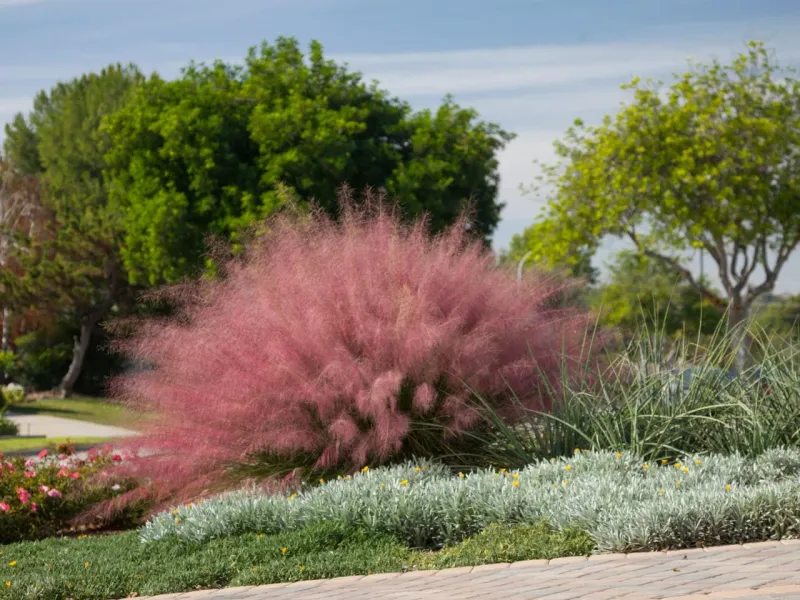
A sunny slope in your yard looks fantastic most of the year, whether it is a gentle Piedmont hill or a Sandhills roadside bank. Then a hurricane advisory drops, and you start eyeing that loose soil, waiting for it to slide.
Muhlenbergia capillaris, pink muhly grass, is a warm-season native bunch grass and a genuine storm veteran. NC State Extension notes that muhly-planted slopes have been observed surviving hurricanes while other areas washed out.
Its deep, fibrous roots form dense clumps that grip like natural anchors driven into the hillside.
It loves full sun and adapts to heavy Piedmont clay and sandy Coastal Plain soil alike. Once established, it is highly drought-tolerant, a bonus through hot summers.
Plant plugs in spring, spacing them 2 to 3 feet apart. Come fall, you get airy pinkish-purple plumes reaching 3 feet tall, a dramatic display that looks like a cloud settled on your slope.
Next time a major storm threatens, you can look at that muhly-covered bank and feel calm. Beauty and brawn, working the same shift.
7. Virginia Sweetspire Uses Suckering Roots To Hold Ground
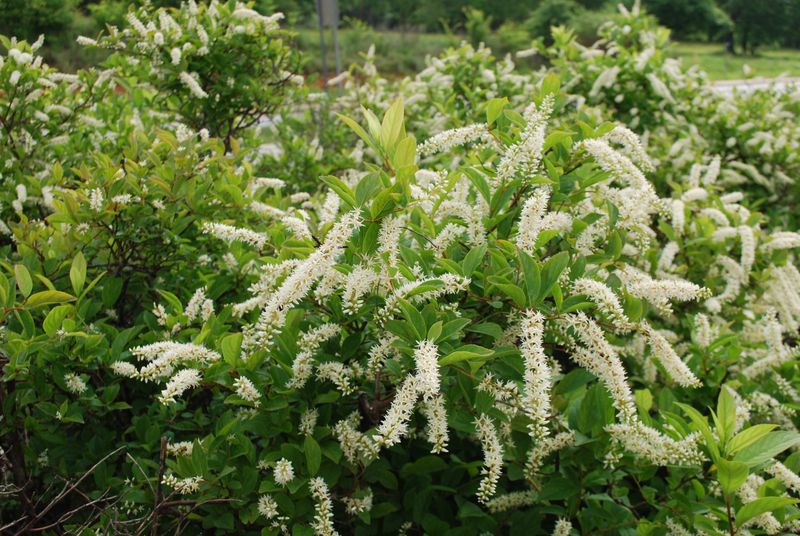
Maybe your tricky zone is where the woods meet the lawn, or a property line with patchy shade. That transition erodes fast when heavy rain swells with runoff from nearby ground.
You want more height and presence than a low mat, but still real root structure.
Itea virginica, Virginia sweetspire, works like an elevated ground cover. It climbs to 3 to 5 feet, but the erosion-fighting power lives in its suckering roots.
Those roots spread outward from the main plant, colonizing an area and stabilizing soil on slopes and stream banks. It is a woody plant that genuinely anchors the earth.
It is versatile, taking full sun to partial shade and tolerating both wet and drier, well-drained soils once settled. That range fits landscapes from mountain valleys to coastal edges.
Plant shrubs 3 to 4 feet apart in spring or fall. Late spring brings cascades of fragrant white bottlebrush flowers that draw pollinators, then brilliant red and purple fall color.
Watch the butterflies work the blooms and you feel connected to our seasons, while those roots quietly build a stable, beautiful buffer.
8. Stonecrop Creates A Drought-Proof Erosion Barrier
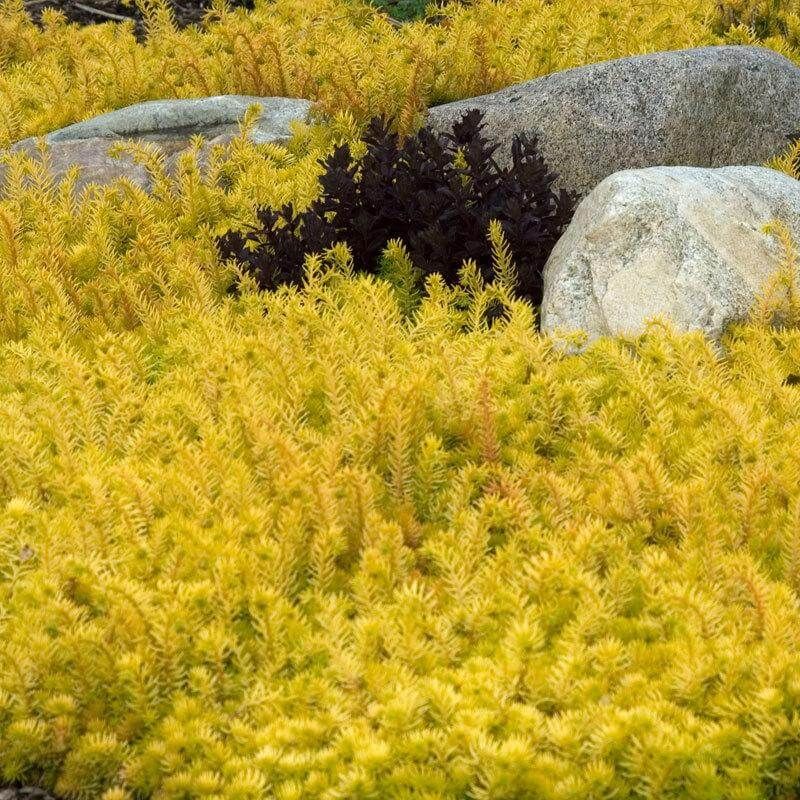
Every yard has that one brutal spot: full relentless sun over a rocky outcrop or thin soil above hardpan. It bakes all summer, and whatever rain falls just runs off, dragging the little soil with it.
Sedum spp., commonly called stonecrop, was built for that mission. The varieties hardy in North Carolina are prized for handling poor, lean soils and long dry spells.
Their succulent leaves store water, so they laugh at scorching sun.
More useful for your slope, many form dense, fibrous root mats. Though shallow, those mats hold soil particles together on hot, sunny inclines and slow runoff erosion.
They are like living, water-wise paving stones.
Plant zone-appropriate sedum in full sun with excellent drainage, even rocky or sandy ground, in spring or fall. Tuck small plugs or divisions a few inches apart and they spread into a resilient carpet.
Many offer foliage in greens and reds plus star-shaped flowers that feed pollinators. Once planted, they ask for almost nothing but sunlight, turning a troublesome bare patch into a storm-resistant feature you can genuinely be proud of.