
After A Punishing Texas Summer, These Roses Are The Ones Still Standing In My Yard
Follow us on Google
You step outside before breakfast and the patio already feels warm, a thick blanket of humid air clinging close.
Your usual roses look defeated, petals crisped brown at the edges, yellow leaves already dropping onto the mulch.
It is a rough sight when the Texas sun shows no mercy, wilting even the toughest plants in the bed.
But here is the good part.
A handful of rose varieties are genuinely still blooming after a summer that just would not quit, and those are the ones worth planting.
1. Earth-Kind Roses Are The Unsung Heroes Of Texas Heat
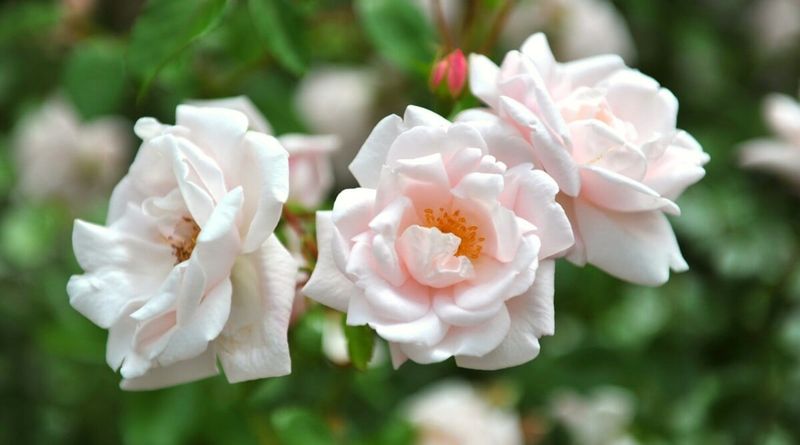
Many Texas gardeners learn the hard way that not all roses are built the same, especially when summers push past 100 degrees Fahrenheit for weeks on end.
The good news is you do not have to pick between pretty blooms and a sane water bill.
The Texas A&M AgriLife Extension Service did the hard work for us, running long field trials and stamping certain cultivars as Earth-Kind.
That is not a marketing sticker, it is a promise earned in the dirt.
These roses proved strong pest tolerance, steady landscape performance, and the rare ability to thrive with very little water, fertilizer, or spray.
They adapt across our wild range of soils, from the acidic sands of East Texas to the alkaline clays of Central and North Texas.
Once they settle in, usually after about one growing season, they shrug off heat and long dry stretches.
So you get the beauty without babysitting the bush all summer.
2. Belinda’s Dream Is A True Texas Legend
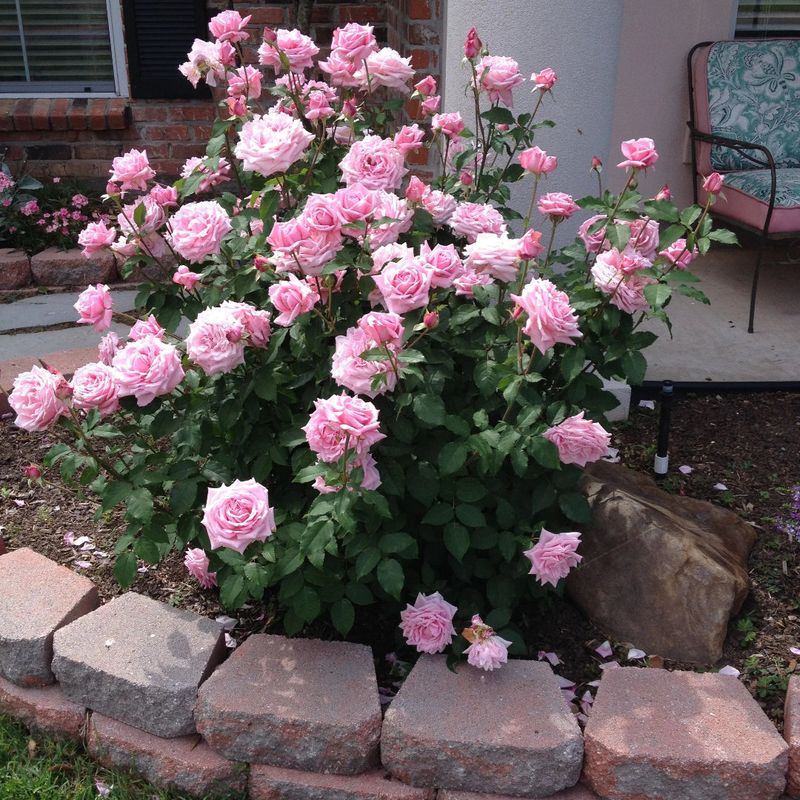
If one rose captures Texas stubbornness, it is Rosa Belinda’s Dream, a shrub rose bred right at Texas A&M University.
Here is where it gets good.
It throws out large, fragrant pink flowers that hold their shape in brutal heat and keep coming flush after flush.
While weaker roses drop leaves and sulk, this one keeps its foliage clean and its color steady.
That toughness is exactly why it earned the Earth-Kind designation.
It carries the elegant look of a hybrid tea but has the constitution of a fighter, which is a rare combination in our climate.
You can plant it as a standalone showpiece, line several up into a hedge spaced about 3 feet apart, or drop one into a large 15-gallon pot on the patio.
It performs reliably from the Panhandle down to the Gulf Coast, and it asks for almost nothing in return.
Plant it and you will genuinely feel a little proud every time it blooms.
3. Knock Out Roses Offer Unbeatable Stamina
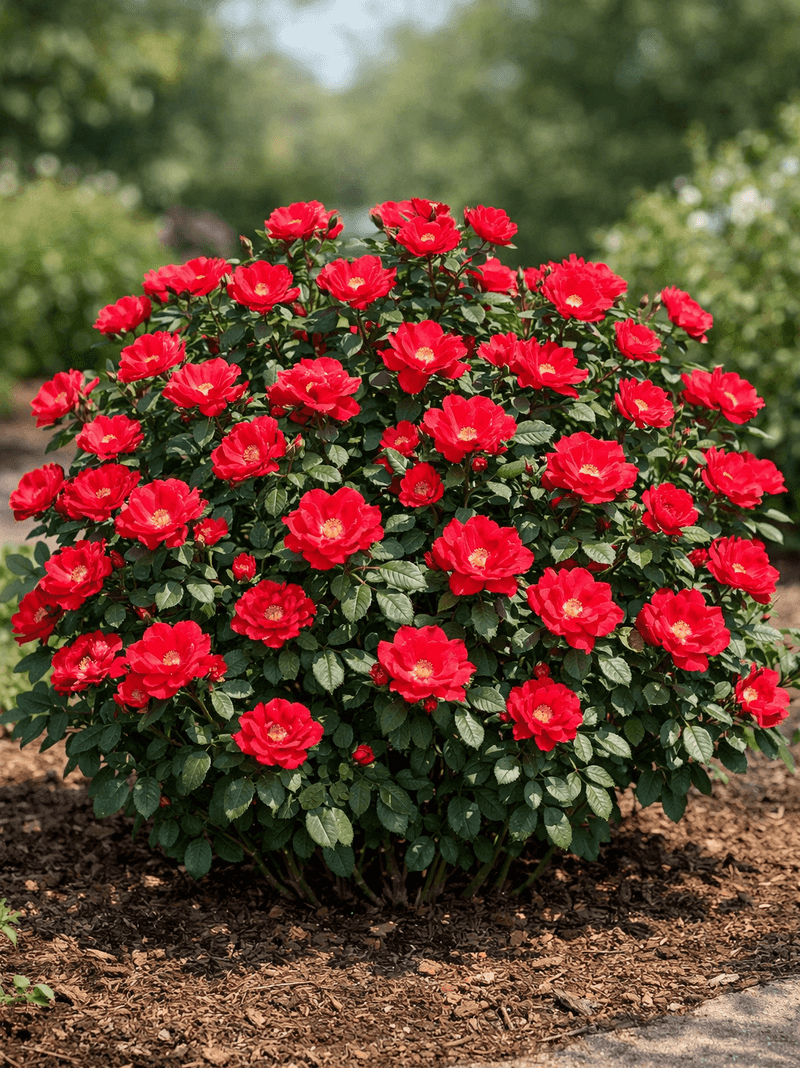
Rosa Radrazz, the rose everybody calls Knock Out, became a household name for one honest reason.
It just keeps going.
It set a new bar for disease resistance and low fuss, pumping out cherry red single blossoms almost nonstop.
The bush is strongly resistant to black spot, holds up in drought, and is self-cleaning, which means you do not have to snip off spent blooms to keep the show rolling.
The Pink Knock Out also carries the Earth-Kind stamp for its steady performance with barely any care.
Across most of Texas, these bushes repeat bloom from March clear through November.
They handle the heavy blackland clay of North Texas and the sandy loams near the Gulf without complaint.
Give one about 3 to 4 feet of room to spread and it fills the space fast.
For a busy homeowner who wants color without a chore list, this is the reliable friend who always shows up.
4. Polyanthas And Other Tough Performers Bring Beauty
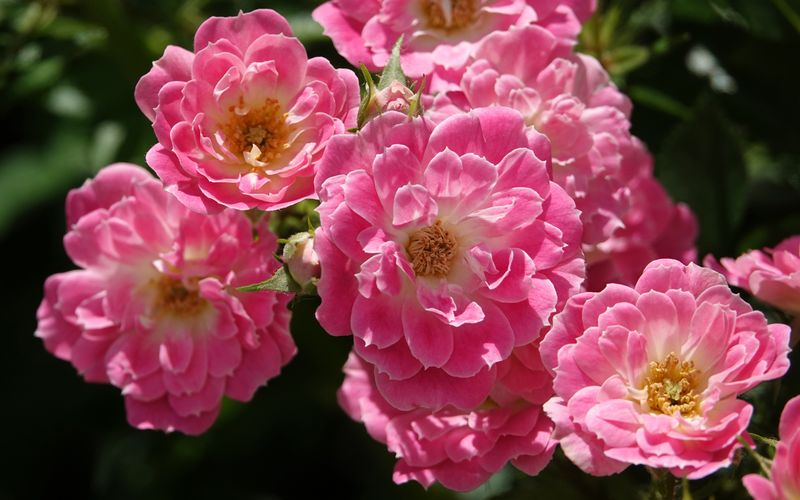
Beyond the famous names, a quiet lineup of underdogs keeps proving itself in our worst weather.
Polyantha roses like Rosa Marie Daly form tidy little shrubs smothered in fragrant, semi-double pink flowers that can fade nearly white when the heat really cranks.
This Earth-Kind pick blooms from spring through fall and keeps a neat, rounded shape without much shaping from you.
Another standout, Rosa Carefree Beauty, also known as Katy Road Pink, sends out wave after wave of deep pink blooms from spring until frost.
It was bred to survive cold winters, yet it shines in hot, dry Texas summers too, which is why it was named an Earth-Kind Rose of the Year.
Need something to cover ground or hold a slope?
Rosa The Fairy builds dense mounds of shell-pink blooms and laughs off black spot even after a soggy spring.
Its fibrous roots help stabilize slopes in Hill Country gardens where thin caliche soil makes everything harder.
Small in stature, big on grit, these three quietly carry a lot of yards.
5. Watering Wisely When The Sun Beats Down
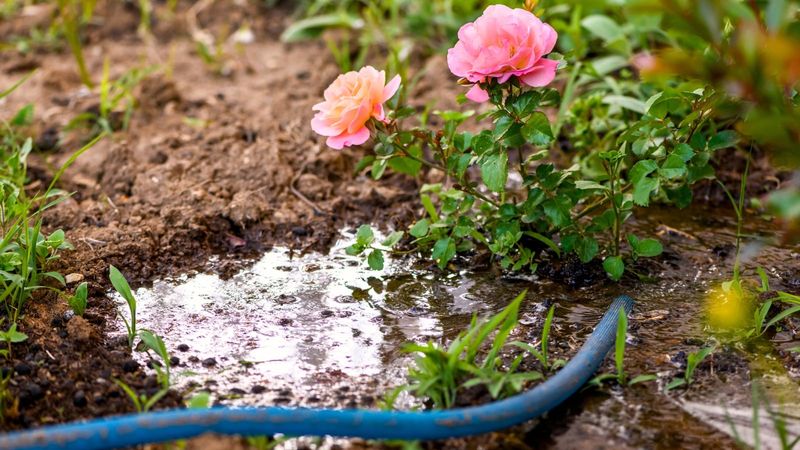
Even the toughest roses need a smart drink when the sun turns merciless.
The trick is to water deeply and less often, coaxing roots to dig down instead of loafing near the surface.
For newly planted roses, keep the soil moist until they establish, which usually takes about one month.
After that, established Earth-Kind roses handle drought well, but they still want a deep soak during long dry spells.
Aim to deliver roughly 2 to 3 inches of water straight to the root zone, and keep it off the leaves to dodge fungal trouble.
Morning is the best time, because the foliage dries before the midday oven hits.
Container roses are thirstier, so plants in pots may need water every single day once temperatures climb above 95 degrees Fahrenheit.
Then lay down a 2 to 3 inch blanket of mulch around the base.
It keeps the soil cooler, holds moisture, and actually trims your watering needs, which your water bill will notice.
6. Soil Sense Makes All The Difference
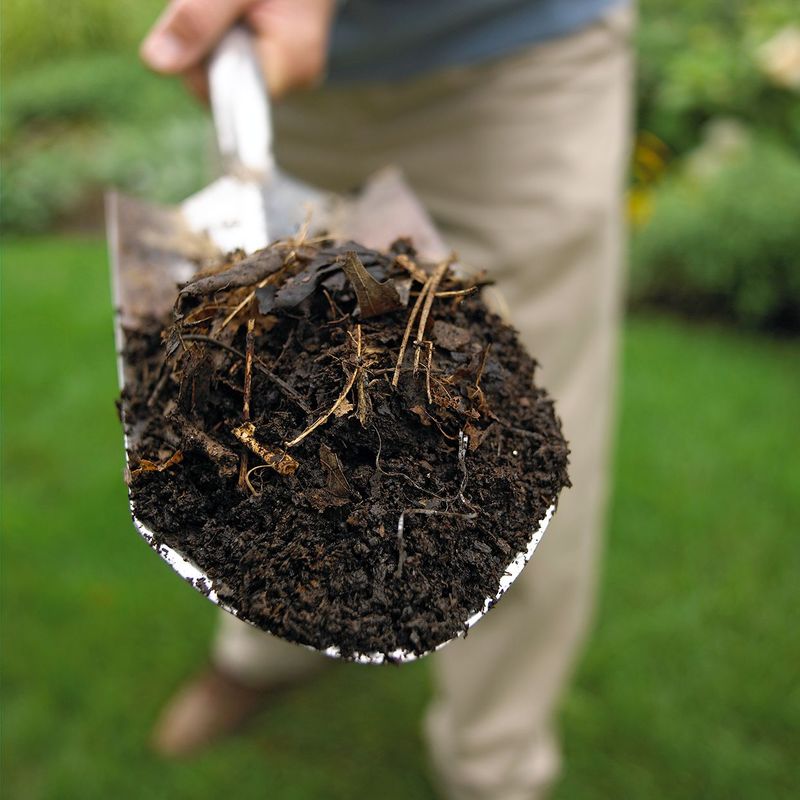
Texas hands you a patchwork of stubborn soils, but resilient roses are surprisingly game.
From the blackland clay of North and Central Texas to the shallow, alkaline caliche of the Hill Country and West Texas, and on to the acidic sands of East Texas, these Earth-Kind roses find a way to thrive.
The one rule that matters everywhere is drainage.
Roses hate what old-timers call wet feet, meaning roots sitting in soggy ground.
If you are working with heavy clay, mix in a few inches of compost to open up the soil and let water move.
For sandy East Texas ground, that same compost does the opposite favor, holding moisture and nutrients that would otherwise wash straight through.
Earth-Kind roses were chosen precisely because they tolerate poorly aerated, highly alkaline clays once established.
So you spend less time fussing over amendments and more time on the porch watching them bloom.
That is genuinely the whole point.
7. The Pruning Puzzle Requires A Summer Strategy
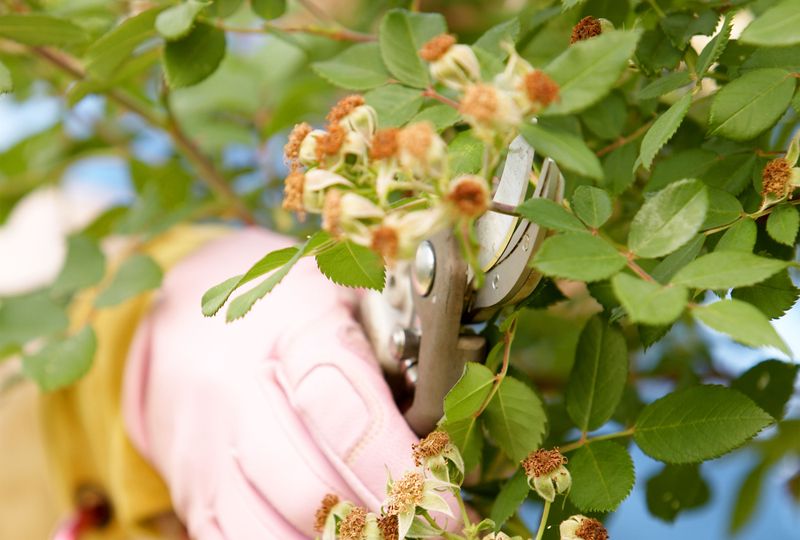
When the Texas sun is scorching, your pruning plan flips from what the books say for cooler climates.
The heavy cutting happens in late winter, usually around mid-February, when you can trim most shrub roses back to 4 to 6 inch stubs to clear deadwood and spark fresh growth.
Summer is a different animal.
During the peak heat, keep it to light deadheading if you feel the itch, just snipping off spent blooms to nudge out more.
Avoid any hard pruning now, because fresh tender growth gets scorched fast and rings the dinner bell for aphids and spider mites.
Honestly, these tough Texas roses often tidy themselves, so many summers you will not need to deadhead at all.
Let them conserve energy, keep the deep morning watering steady, and stay off the shears.
Do that, and they will keep standing strong in your yard, quietly blooming after a summer that tried its hardest to beat them.
That is a good feeling to earn.