
After A Brutal Florida Summer, These Are The Only Roses Worth Trusting In Your Yard
Follow us on Google
You step onto the patio after breakfast and the air already feels heavy, thick enough to wear like a wet shirt.
You glance at the rose bush that looked so full back in April, now sparse and speckled, its buds shriveling before they open.
It is a familiar sting for Florida gardeners, that quiet moment when the summer wins again.
But some roses genuinely shrug off our heat, humidity, and afternoon downpours, and those are the only ones worth your dirt.
1. Knock Out Roses Are Your Summer Champions
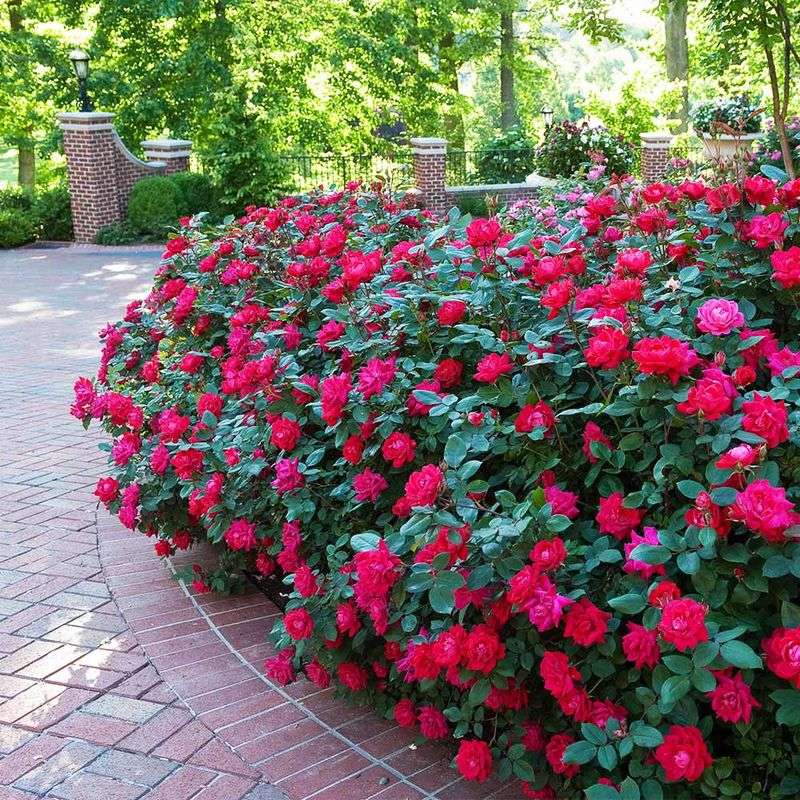
Picture a rose that keeps blooming while everything around it wilts in a ninety-degree afternoon.
That is the Knock Out rose, Rosa ‘Radrazz’, the plant many neighbors point to when they say roses cannot survive here.
It quietly proves them wrong.
Here is the turn.
Bill Radler introduced this rose in 2000 specifically to fight the two villains that ruin Florida roses, black spot and powdery mildew, both of which love our humid air.
Knock Outs are also self-cleaning, meaning spent blooms drop on their own, so you do not have to deadhead in the heat.
Once established, they handle dry spells well, which is kind to your water bill.
So plant them and let them work.
They reach about 3 to 5 feet tall and wide, sometimes stretching to 8 feet if you never prune.
Give them at least six to eight hours of direct sun and well drained soil around pH 6.0 to 6.5, which suits the acidic sand common across Florida.
Space them 3 to 5 feet apart so air moves freely between plants, another layer of defense against fungus.
The payoff is simple.
You get cheerful color from the Panhandle to the Keys, even when the thermometer refuses to drop.
2. Old Garden Roses Bring Enduring Toughness
There is a rose Floridians have grown for generations without spraying a thing.
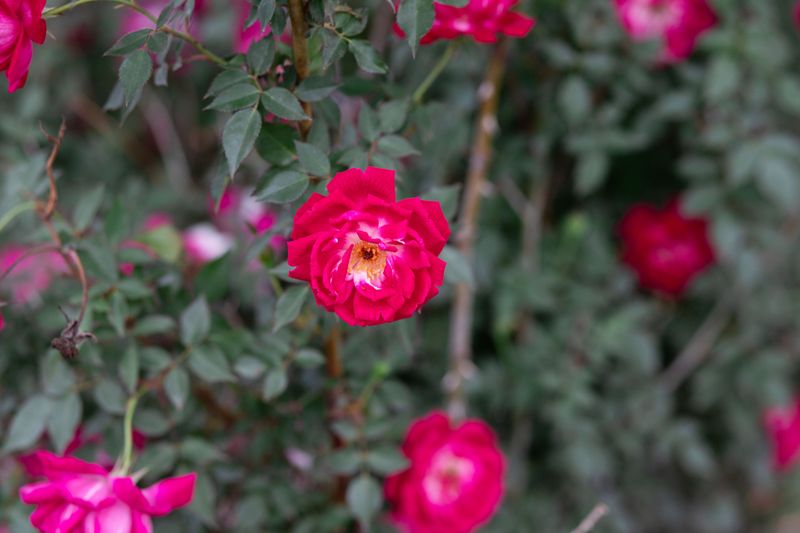
Folks call it the Florida Cracker Rose, and its real name is ‘Louis Philippe’, a China rose (Rosa ‘Louis Philippe’) that has outlasted fads and freezes alike.
Many gardeners assume old means fragile.
The opposite is true here.
These antique roses, generally those bred before 1867, often grow on their own roots, so they adapt to our sandy soil and local pests instead of fighting them.
UF/IFAS Extension has flagged several as reliable statewide performers.
‘Louis Philippe’ carries crimson double blooms about 2 to 3 inches across, with a soft fragrance and real resistance to black spot and even chilli thrips.
It can climb to 7 or 8 feet, becoming a fragrant wall of color.
If you want size, ‘Mrs. B.
R.
Cant’ is a tea rose that reaches 8 to 10 feet tall and wide with pink blooms.
For something compact, ‘Spice’ offers peppery-scented flowers that shift from white in summer to pink in cooler weather.
Enrich your sand with organic matter and give them full sun.
Old gardeners describe these roses as sleeping the first year, creeping the second, and leaping the third.
Patience pays.
You end up growing living history that actually thrives.
3. Fortuniana Rootstock Wins The Underground Battle
Here is where it gets tricky.
What happens underground decides whether your rose lives or sulks.
Plenty of gorgeous roses from cooler states fail here because their roots cannot handle sandy soil crawling with nematodes.
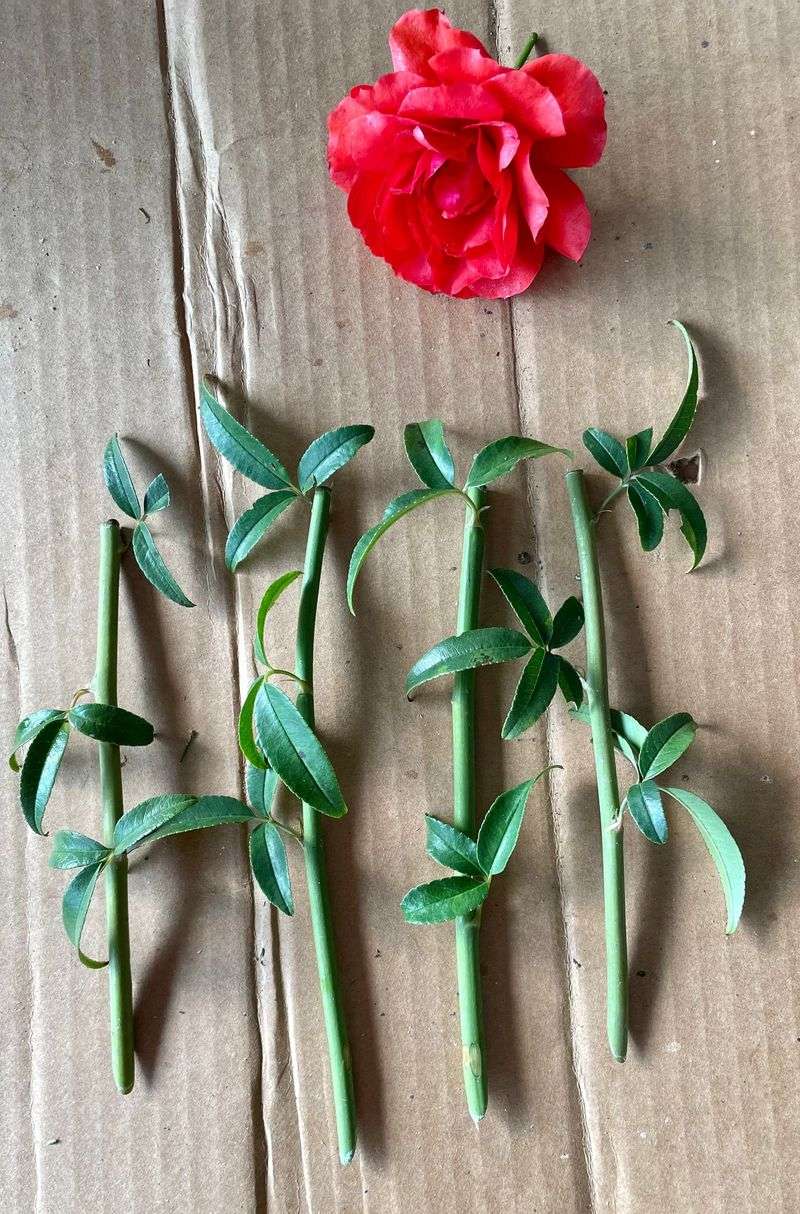
The quiet hero in this story is a rootstock called Fortuniana.
UF/IFAS Extension recommends it because it gives roses a stronger root system, better disease resistance, and more vigor in tough Florida soils.
Think of it as a superhero cape for the part of the plant you never see.
Fortuniana fights back hardest against root-knot nematodes, microscopic worms that chew on roots and slowly starve a plant.
Roses grafted onto it can pull water and nutrients through our long growing season without stalling.
So when you shop, especially in Central Florida and along the Gulf Coast, ask the nursery what rootstock a rose is grafted onto.
Many Florida rose growers use Fortuniana on purpose.
Own-root roses like Knock Outs and most antiques already perform well, but for fancier varieties, this rootstock is the difference maker.
Avoid roses grafted onto Dr. Huey, Multiflora, Odorata, or Manetti, since those simply do not last here.
Choose Fortuniana and you are not just buying a rose.
You are handing it a foundation built for Florida.
4. Smart Watering Keeps Roots Alive, Not Drowned
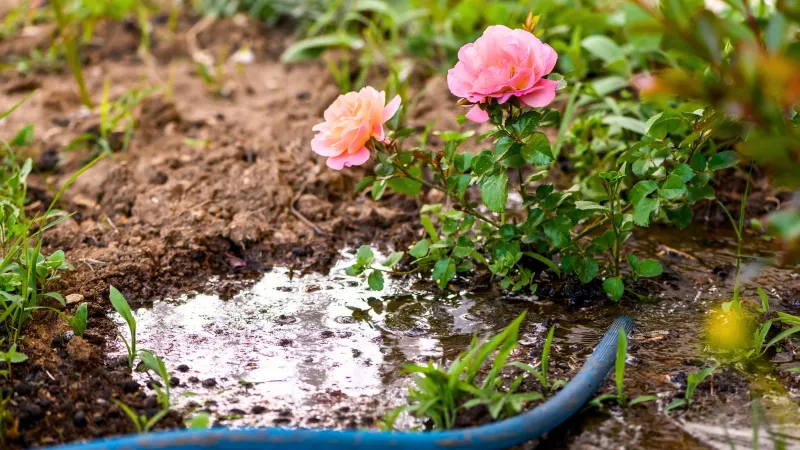
You see a rose droop on a ninety-degree afternoon, so you grab the hose and soak it.
Good instinct, wrong move.
Too much water can hurt a Florida rose faster than the sun does.
Even tough roses prefer deep, infrequent drinks over daily little sprinkles.
Their fibrous roots can suffocate in soil that stays soggy, a real risk in the poorly drained pockets and heavier sandy loam of North Florida and the Panhandle.
Light daily watering keeps moisture at the surface, which breeds shallow roots that fry in heat.
Wet leaves for hours also roll out the welcome mat for black spot.
Water only when the top 2 inches of soil feel dry.
In peak summer that might mean every 3 to 4 days.
In the dry winter months it can stretch to 7 to 10 days.
Deliver water slowly so it soaks about 12 inches down, running a drip line or soaker hose for 45 to 60 minutes, placed roughly 6 inches from the crown.
If you must use overhead sprinklers, run them at dawn so leaves dry by evening.
Then lay a 3-inch layer of mulch around the plant, pulled back a few inches from the stem, to hold moisture and cool the roots.
Water this way and your roses stop gasping and start growing.
5. Thoughtful Pruning Keeps The Blooms Coming
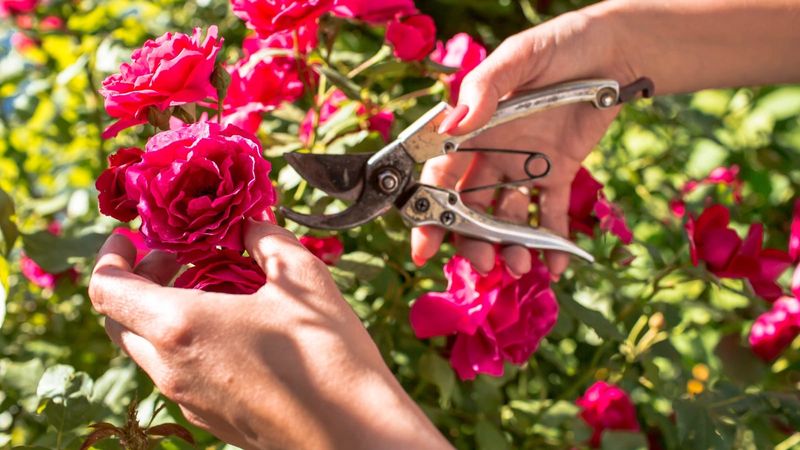
Most gardeners freeze up over pruning, terrified of cutting wrong.
So the bush goes untouched, turns leggy and woody, and blooms less and less.
In Florida humidity, that neglect shows up fast.
Knock Out roses bloom on what gardeners call new wood, the stems that grow during the current season.
Leave the old, tired wood in place and the plant burns energy holding it up instead of pushing fresh flowers.
And pruning at the wrong time, like the hot, wet stretch of June and July, stresses the plant and invites fungal trouble.
Use a two-season plan.
Do the big cutback in late winter, mid-February to early March, right before growth surges.
Take Knock Outs down to about 12 to 18 inches and remove any dead, damaged, or crossing branches.
Then give a lighter shaping trim in late summer, roughly late August to early September, to tidy the form and spark a fresh flush as cooler air arrives.
You do not need to deadhead Knock Outs, since they clean themselves.
The dried blooms drop on their own.
Prune with this rhythm and you cut disease risk while keeping color rolling.
The bush looks cared for, and honestly, so does your whole yard.
6. Drift And Belinda’s Dream For Real Variety
Maybe you love the toughness of Knock Outs but want a different look, a softer pink, a lower shape, a hint of scent.
Good news.
A few other roses earn Florida’s trust without begging for a spray schedule.
Drift roses come first.
Bred by crossing miniature and groundcover roses, they stay compact at about 1.5 feet tall and 3 feet wide, perfect for a porch container or the front edge of a bed.
They bloom steadily through the season and even carry the Florida Garden Select label, so they are proven, not guessed.
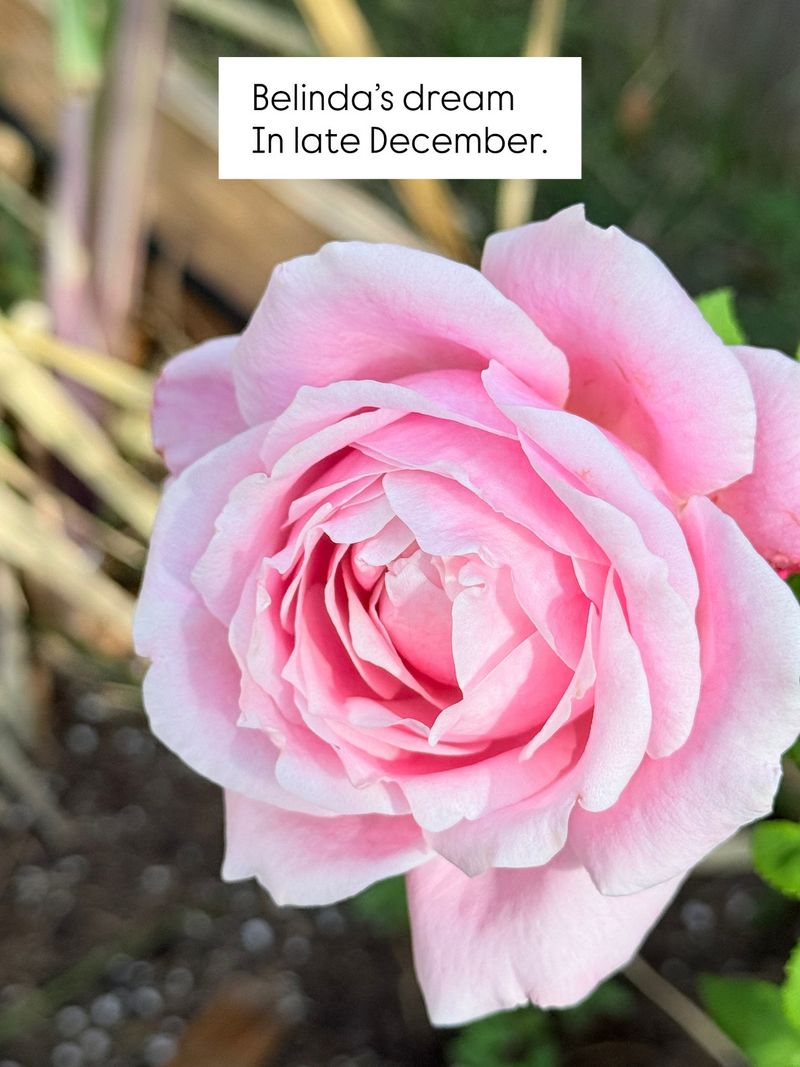
Then there is ‘Belinda’s Dream’ (Rosa ‘Belinda’s Dream’), a shrub rose beloved in South Florida.
Bred in Texas, it laughs at intense heat and produces large, double pink flowers with strong disease resistance.
It works beautifully as a specimen or a low hedge.
Give any of them full sun, breathing room, and the same deep watering rhythm your other roses get.
If a variety is grafted rather than own-root, make sure it sits on Fortuniana.
Choose from this resilient bunch and you widen your color palette while keeping the low-fuss reliability that got you into these roses in the first place.
That is genuinely how you build a yard that still looks alive in August, and quietly proud of itself come fall.
7. Chilli Thrips And Easy Does It
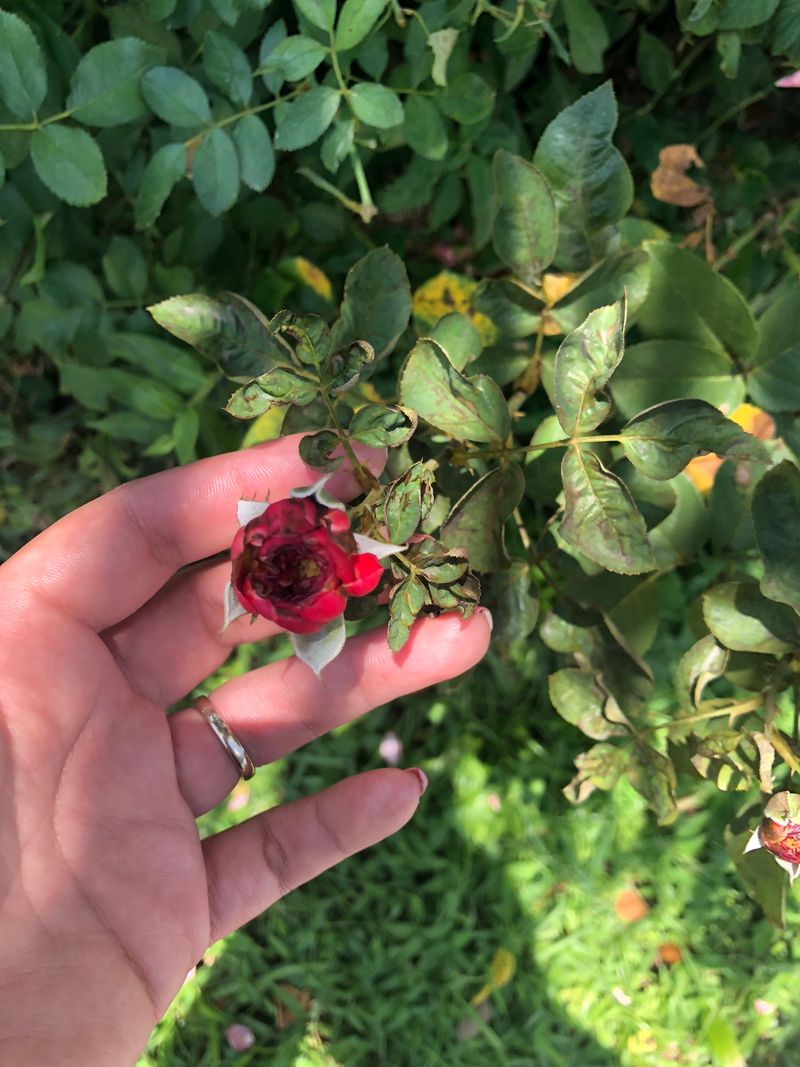
Whiteflies have a trick, but chilli thrips have a nastier one.
These tiny pests scar new growth and leave leaves bronzed and curled, and they have become one of the biggest reasons Florida roses stall in summer.
You can water and prune perfectly and still watch fresh shoots turn crispy at the tips.
The turn is choosing roses that pests bother less. ‘Easy Does It’ (Rosa ‘Easy Does It’), a modern shrub rose, has drawn praise from South Florida gardeners for shrugging off chilli thrips better than some Knock Outs.
It throws big flushes of warm orange and coral blooms and does not demand a constant spray program.
Pair the right plant with simple habits.
Scout new growth weekly, since thrips hide in tender tips.
UF/IFAS Extension notes that keeping plants healthy and cutting off badly damaged growth reduces pressure, though it is not a magic cure.
A strong spray of water can knock some off, and pruning affected tips removes their nursery.
Give ‘Easy Does It’ the same six to eight hours of sun, 3 to 5 feet of spacing, and Fortuniana rootstock if it is grafted.
Layer these choices together and the pests stop running the show.
You walk out one calm evening, coffee in hand, and the roses are still blooming.
After a brutal summer, that quiet win feels genuinely earned.