
The Pennsylvania Vegetables You Can Still Direct Sow For A Heavy Fall Harvest
Follow us on Google
You stand in the August garden at dusk, the tomato vines are winding down, and half your beds sit bare and quiet.
It feels like the season is closing, but honestly it is just clearing its throat for a second act.
Cool nights are coming to Pennsylvania, and they turn ordinary vegetables sweeter than anything you grew in July.
Here are the crops you can still push into warm late-summer soil right now for a fall harvest that keeps feeding you into the cold.
1. Read Your First Frost Before You Read The Seed Packet
Most people grab a packet and sow it the same afternoon.
But fall gardening in Pennsylvania runs backward from spring, you are counting down to the first frost instead of racing away from the last one.
Here is where it gets tricky.
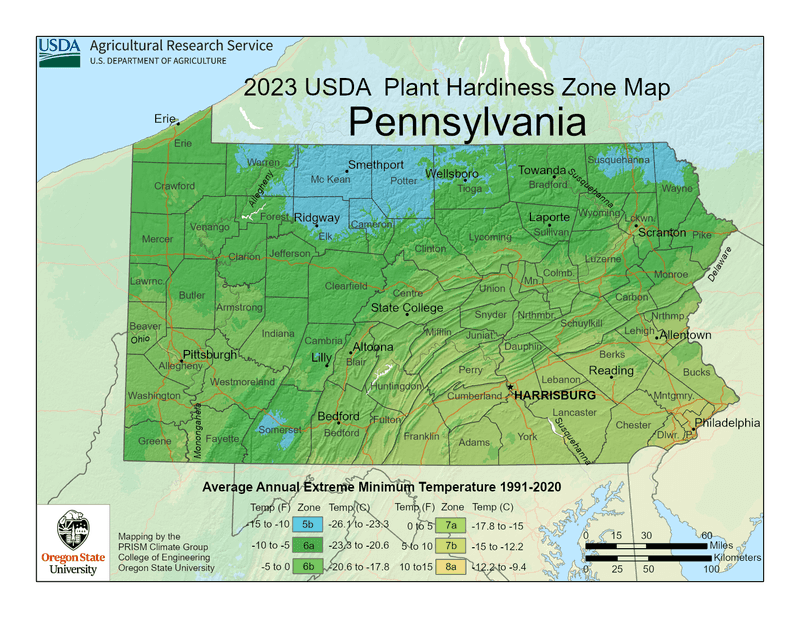
The state stretches across USDA zones 5b to 8a, and the first fall frost swings wildly.
Higher elevation spots in the northern tier and the Poconos can freeze by early to mid October, around October 1 to 13.
Southeastern pockets near Philadelphia often coast into late October, with growing seasons past 215 days.
So find your average first frost date, then look at the days to maturity on the packet.
Count backward, and add a bonus week or two.
Gardeners call it the fall factor, because shorter days and cooler air slow growth compared to spring.
Warm late-summer soil is genuinely your friend here, seeds germinate fast when the ground is still holding July heat.
That head start is what makes a bare bed pay off.
Know your own corner of the state, and the rest of this list actually works.
2. Radishes Reward You In Barely Three Weeks
Nothing else on this list pays you back this fast.
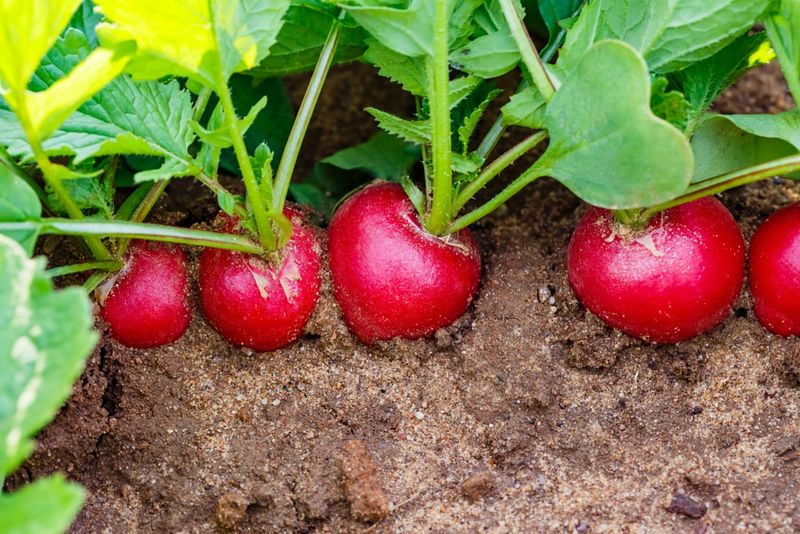
Radishes (Raphanus sativus) can go from seed to plate in 21 to 40 days, and quick types like Red Head finish in about 25.
That speed means you can sow them 5 to 10 weeks before your first frost.
For much of Pennsylvania sitting in Zone 6b, a second sowing can drop by mid-August with time to spare.
Tuck seeds about half an inch deep and three-quarters of an inch apart, in rows 8 to 12 inches apart.
Once they are up, thin fall radishes to 4 to 6 inches so the roots swell instead of crowding.
Cool air is the whole trick.
Radishes grown hot turn pithy and sharp, but nights in the 40s and days below the mid-60s give you a mild, sweet bite.
Young plants shrug off a light frost, still, pull them all before the ground dips near 20 degrees.
A floating row cover over the seedlings can reduce flea beetle and root maggot damage while the plants are tender.
Three weeks of patience, and the empty bed is dinner.
3. Lettuce Finally Stops Bolting On You
All summer your lettuce shot up, turned bitter, and quit.
Autumn quietly fixes that.
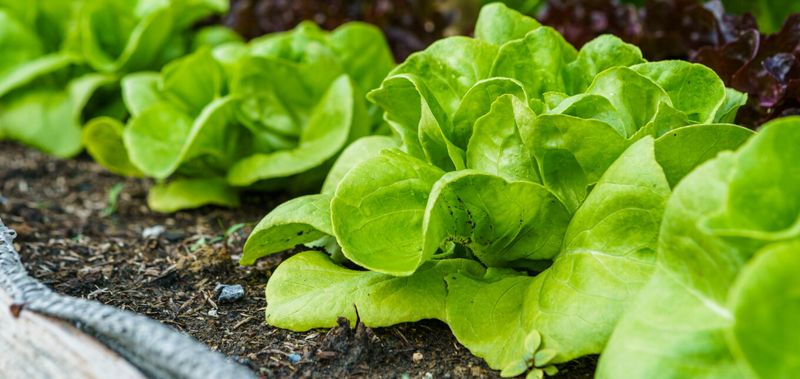
Cooler air keeps lettuce (Lactuca sativa) from bolting, and the leaves come in sweeter and more tender.
Sow it roughly six to eight weeks before your first expected frost, which lands in late August or early September for most of the state.
Late-summer heat can still stall germination, so some gardeners start seeds indoors where it is cooler, then move seedlings out once they have a few true leaves.
Direct sow no deeper than a quarter inch.
Space plants 10 to 12 inches apart so heads and loose-leaf types reach full size without elbowing each other.
Lettuce genuinely wants loose, well-draining soil with a pH around 6.5 to 6.8, plus six to eight hours of sun.
It grows best when the thermometer holds between 60 and 65 degrees.
Sow a short row every two weeks and you keep salad coming instead of one giant flush.
Go light on mulch though, a heavy layer invites slugs and snails to chew the leaves.
The first crisp fall salad from your own bed hits different.
4. Spinach Actually Loves The Cooling Air
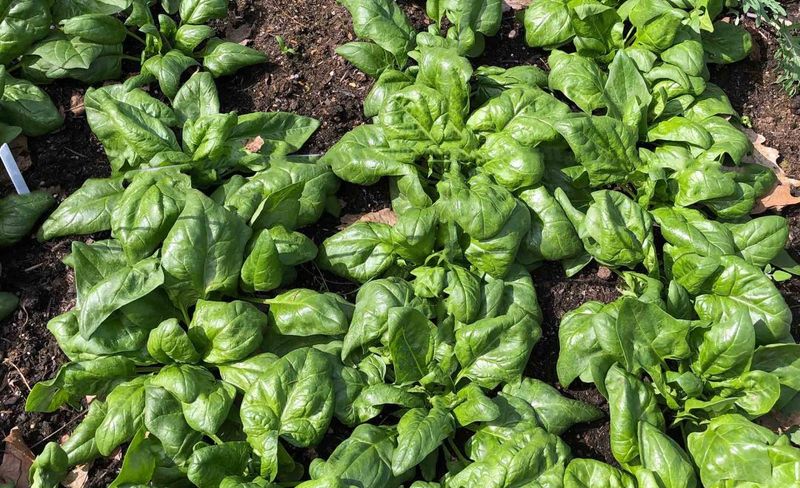
Spinach is one of those crops that seems to wake up as everything else winds down.
Spinach (Spinacia oleracea) thrives as Pennsylvania days shorten and temperatures slide, and cool nights turn the leaves noticeably sweeter.
It moves fast, with many varieties maturing in just 35 to 40 days.
Penn State Extension notes you can still sow it into early September in some areas, with September 10 workable in the right spot.
Give it rich, well-draining soil loaded with organic matter and a pH between 6.0 and 7.0.
Those empty gaps left behind when summer crops finished are exactly where a fresh row belongs.
Here is the quiet bonus.
In milder parts of the state, a simple cover can carry spinach through stretches of winter, so you are pulling green leaves while snow sits on the beds around it.
Fill the bare spots, and spinach keeps your kitchen stocked long after the tomatoes are a memory.
5. Kale Gets Sweeter The Moment Frost Hits
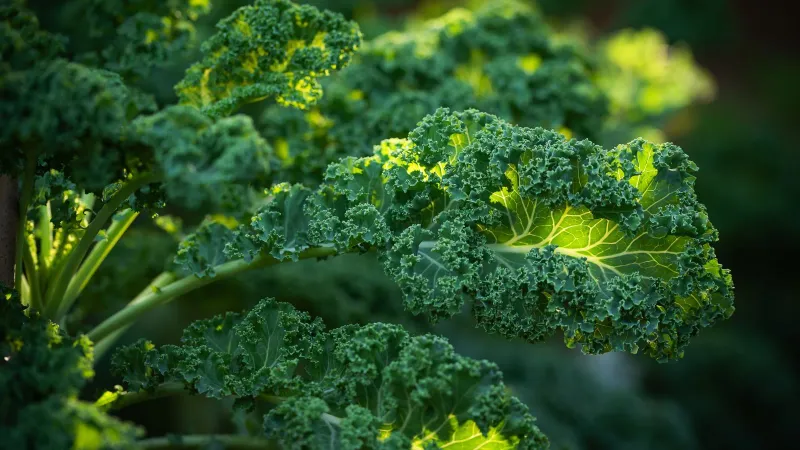
Frost is supposed to be the enemy.
Kale flips that idea on its head.
Kale (Brassica oleracea var. sabellica) genuinely turns sweeter and richer after a light frost, which makes autumn its finest hour in Pennsylvania.
Aim to sow about six weeks before your first expected frost.
In southeastern Pennsylvania around Philadelphia, August 1 to 15 is the prime window, and you can squeeze in succession plantings until roughly September 1.
Set seeds half an inch deep and about 2 inches apart.
When seedlings reach 3 inches tall, thin them to stand 12 inches apart, with rows about 18 inches apart so the big leaves have room to spread.
Kale wants well-draining soil rich in organic matter, with a pH between 6.0 and 7.5.
Holding that pH matters, it helps keep clubroot, a nasty soilborne disease, from taking hold.
Keep moisture steady but do not drown the roots.
The plants keep standing after tender crops have collapsed, quiet heroes in the cold bed.
A frosty morning harvest is the tastiest one you will get.
6. Carrots Turn Into Buried Candy By October
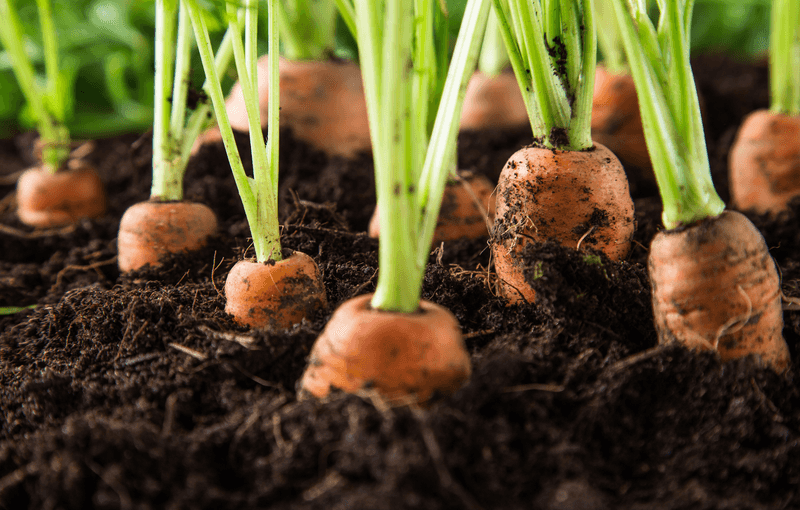
Cold weather does something almost unfair to carrots.
As the nights drop, the roots convert stored starch into sugar, so fall carrots (Daucus carota subsp. sativus) come out sweeter and more tender than anything you pulled in summer.
Most types need about 70 days from seed, though quick varieties like Little Finger finish near 60.
To land a fall crop, direct sow in mid-to-late summer, roughly 10 weeks before your average first frost.
Across Pennsylvania that window generally runs from early June through mid-August.
Plant a quarter to half an inch deep, covering seeds with light, fluffy soil so the sprouts push through easily.
Thin seedlings to at least 2 inches apart or the roots come out stunted and forked.
Carrots want loose, rock-free, well-drained soil with plenty of compost.
Seeds germinate best when soil sits between 55 and 65 degrees, and steady moisture keeps growth even.
Here is the part folks love.
You can leave fall carrots in the ground until the soil freezes, digging them as you need them.
The garden becomes a root cellar, and dinner is always ready outside the back door.
7. Beets Hand You Roots And Greens At Once
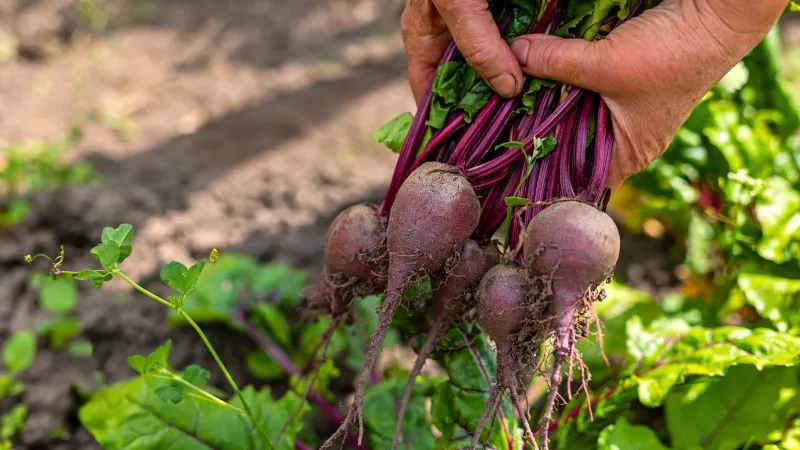
Two harvests from one seeding is a rare bargain.
Beets (Beta vulgaris) give you sweet roots and tender greens, and both taste better once the fall chill sets in.
They handle cold and heat well and mature in 50 to 70 days.
Sow from midsummer through early fall, about 4 to 6 weeks before your first expected frost.
For much of Pennsylvania in Zones 6 to 7, that means early to mid-August.
One quirk trips up beginners.
Beet seeds are multigerm, so several plants sprout from a single seed.
Thinning is not optional here, space them 3 to 4 inches apart so the roots actually round out.
Beets like loose, compost-rich, well-drained soil with a pH between 6.0 and 7.0.
They drink hard too, needing about 1 inch of water a week, or the roots turn woody and tough.
Start pulling when roots reach golf-ball size and keep going until they hit tennis-ball size.
Toss the greens in the pan while the roots roast, and one August afternoon of sowing feeds you twice.
8. Turnips Give A Fast Double Delight
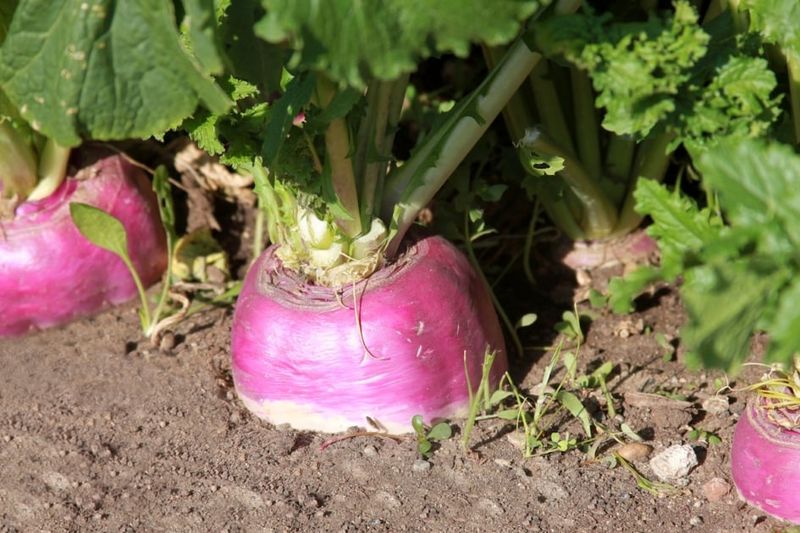
Turnips get unfairly overlooked, and that is a shame in a Pennsylvania fall garden.
Turnips (Brassica rapa subsp. rapa) deliver both edible roots and flavorful greens, and the autumn chill sweetens the roots the same way it does carrots and beets.
They move quickly, with roots ready in 40 to 60 days and greens sooner.
Direct sow in late summer, about 6 to 8 weeks before your first frost.
Zone 6b gardeners can slip a second sowing in by mid-August.
Set seeds about half an inch deep, then thin seedlings to roughly 4 inches apart so the roots swell.
Space rows 12 to 24 inches apart.
Turnips do best with a soil pH between 6.0 and 7.5, and about 1 inch of water a week keeps the roots from turning woody or bitter.
Most types laugh off cold, but tender ones like the Hakurei salad turnip may not survive below 10 degrees even under cover.
And skip beds where cabbage-family cole crops grew in the last four years, that rotation reduces pest and disease trouble.
Fast, sweet, and generous, turnips earn their spot before the ground hardens.
9. A Handful Of Fast Greens Fill Every Gap
Once the headliners are planted, small pockets of bare soil always remain.
Several quick crops mop those up beautifully across Pennsylvania.
Asian greens such as mustards, pak choi, tatsoi, and Chinese cabbage mature in 40 to 60 days and can go in until about August 30.
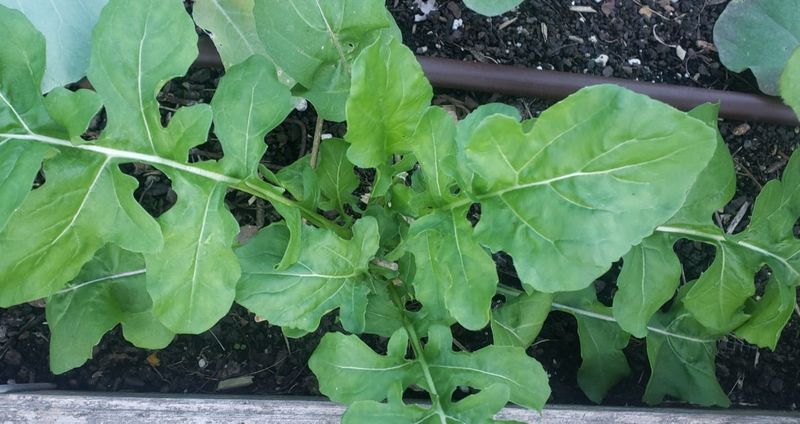
Arugula (Eruca vesicaria) is even faster at 21 to 40 days, and it genuinely prefers cool air, so it bolts far less than it did in July heat.
Sow a little every two to three weeks from July through October for a steady supply.
Peas earn a place too.
Peas (Pisum sativum), whether snow, snap, or English, can be started from seed in mid-August and ripen near the first frost.
The cold makes them exceptionally sweet, since the plants pump out sugar as a natural antifreeze.
Swiss chard (Beta vulgaris subsp. cicla) rounds it out at 50 to 60 days, and white-stemmed types generally take cold better than the multicolored ones.
The season is not shutting down, it is offering you a second garden while everyone else packs it in.
Sow now, and you will be pulling fresh dinners long after the first cold snap rattles the porch windows.