
The Best Texas Nurseries For Native Trees You Will Not Find Anywhere Else, Worth Every Mile
Follow us on Google
You step outside before breakfast and the patio already feels warm, the cicadas just starting up.
The young shade tree you planted last spring looks droopy, its leaves curled in the heat, and you wonder if you picked the right one.
But what if you could find a native tree bred for our wild Texas weather, one you genuinely will not find just anywhere?
This is a story about those special places, the nurseries worth every mile to find the perfect native tree for your Texas yard.
1. The Hill Country Gem With Trees You Truly Will Not Find Anywhere Else
Many nurseries claim to carry native plants, but few specialize like Natives of Texas.
This spot sits about 11 miles outside Kerrville, right in the heart of the Hill Country, and it lives for unusual Texas trees.
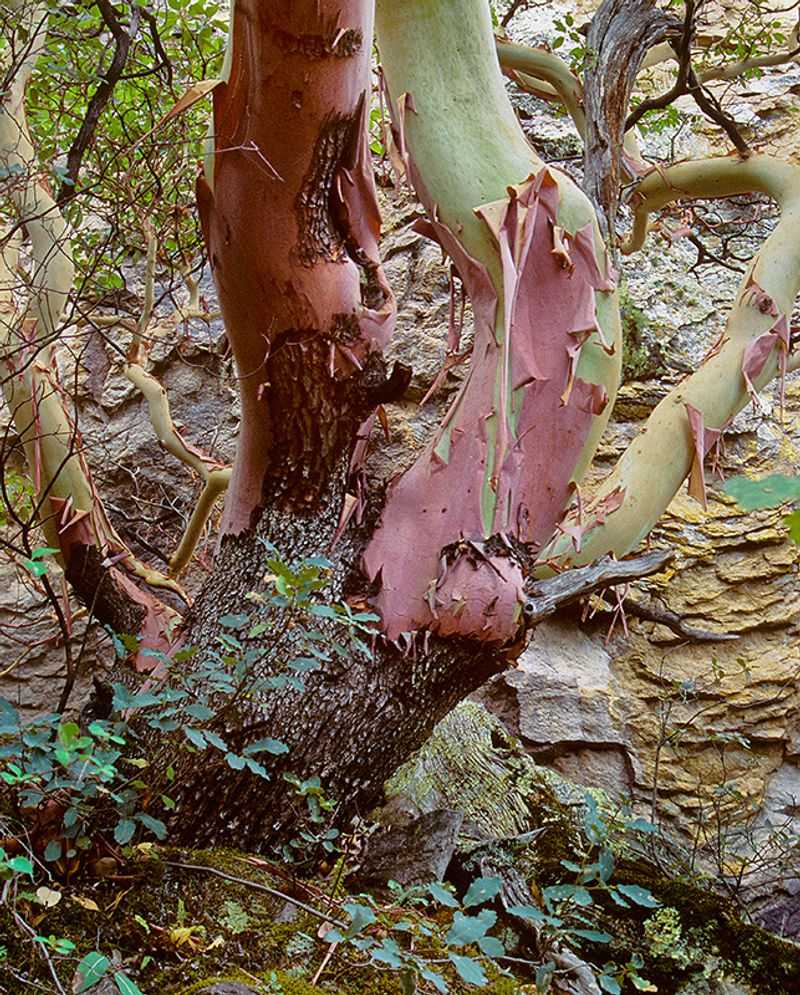
Their claim to fame, the reason folks make the drive, is the Texas Madrone, Arbutus xalapensis.
Propagating these madrones is notoriously tricky, so they are a rare find in most garden centers.
Here is where it gets tricky, though.
The Madrone hates having its roots messed with.
The tree itself is a stunner, with smooth peeling bark that reveals white, apricot, and deep red underneath.
Imagine sipping iced tea on the porch while late sun catches that bark.
Natives of Texas takes the guesswork out of it, offering specimens already adapted to shallow alkaline soil and caliche.
They even keep a demonstration garden so you can see the trees grown up before you choose one.
It is like a sneak peek into your own backyard, and that is worth the miles.
2. The Gulf Coast Haven Cultivating Local Legends
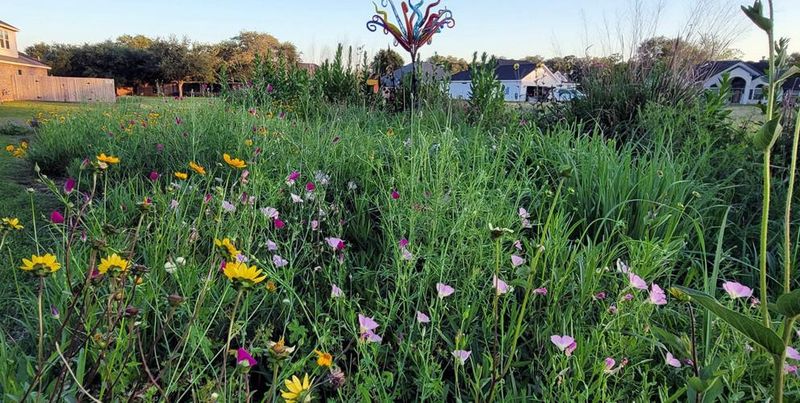
Down near Lake Jackson, along the humid Gulf Coast, sits the Gulf Coast Bird Observatory Native Plant Nursery.
This is no big-box store, it is a volunteer-run treasure chest focused on plants that truly belong in coastal yards.
What makes them special are the unusual local species they propagate, often from seed collected right in the region.
Those trees are perfectly suited to the mixed clay and sandy soils, plus the wild swings of hurricane season from June through November.
Beyond their well-loved Turk’s Cap, Malvaviscus arboreus, they champion local understory trees like Mexican Plum, Prunus mexicana, and sturdy canopy oaks.
These are quiet heroes, feeding birds and pollinators and turning your yard into living habitat.
Established back in the summer of 2017, the nursery runs on community dedication.
Buy a tree here and you are supporting a small preserve that gives back to the whole coast.
It is a gift to the wildlife and a joy to watch from your own back step.
3. North Texas Expertise For Lasting Shade And Beauty
Blackland clay is a formidable foe, and North Texas gardeners know it well.
That heavy, cracking soil can swallow a poorly chosen tree whole.
So finding the right native matters more here than most places.
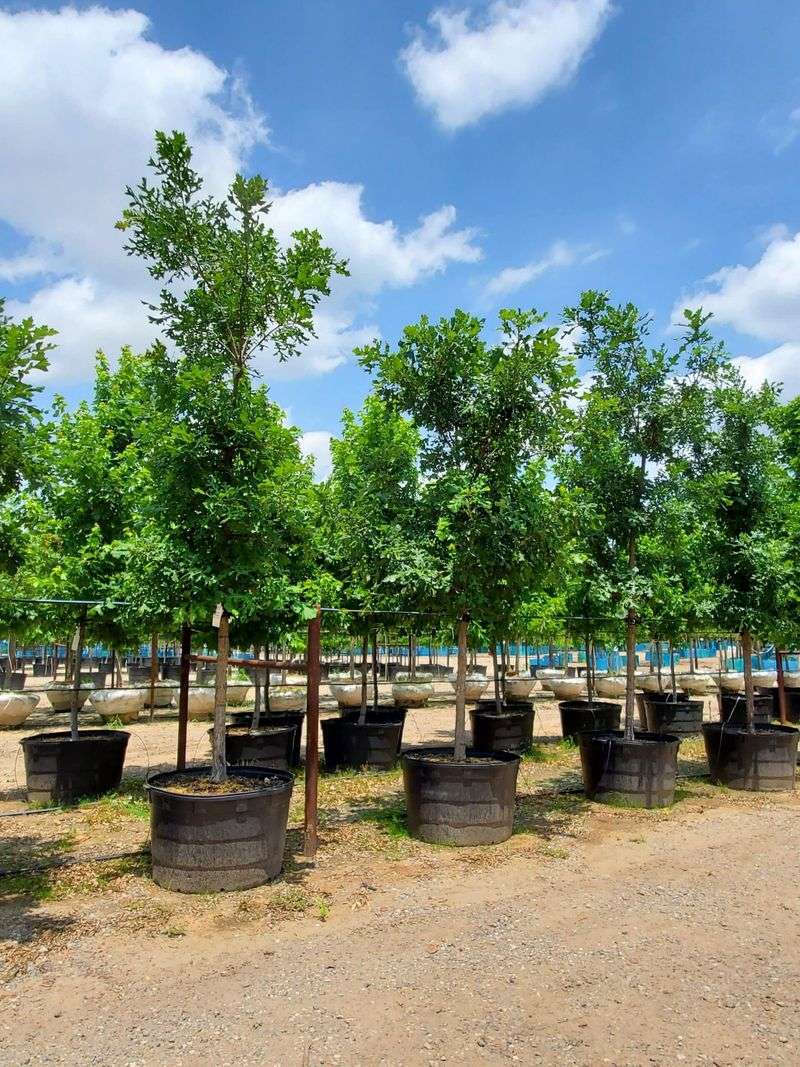
Fannin Tree Farm in Frisco stands out as a leading provider of North Texas trees.
They do not chase a single rare species, they simply understand the Metroplex, from triple-digit summers to sudden hard freezes near 20 degrees.
Picking a native from a trusted source means the specimen already knows your soil and climate.
That cuts down future headaches with pests and disease.
Consider a Bur Oak, Quercus macrocarpa, which can top 100 feet tall and wide, or a Shumard Red Oak, Quercus shumardii, reaching 50 to 90 feet with fiery fall color.
These become generational anchors, throwing shade that can genuinely lower your energy bill through brutal summer days.
Plant one now and you leave a living legacy that grows stronger every single year.
4. Plant Smart Not Hard To Get Your Tree Rooted
So you found your dream tree, maybe a Madrone or a robust Bur Oak.
Now comes the part folks rush, and rushing is exactly what kills young trees in Texas.
The best planting window runs November through early spring, giving roots time to settle before summer heat arrives.
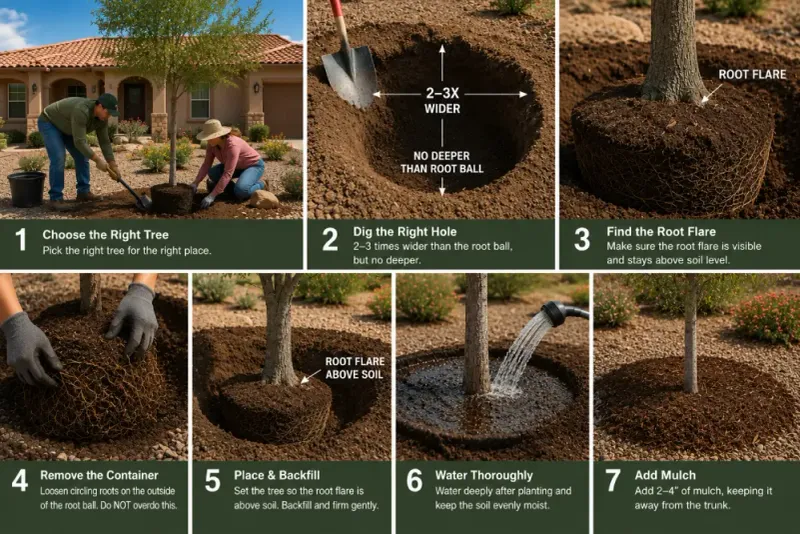
Dig a hole two and a half times as wide as the root ball, but only as deep as the ball itself.
You want the root flare, where the trunk widens at the base, sitting level with or slightly above the soil line.
Planting too deep is the most common mistake, and it slowly smothers roots.
Backfill with the same soil you dug out.
For native plants, amendments are usually not necessary.
Build a soil berm about 2 to 3 inches high around the edge to hold water in a basin.
Finish with a 3-inch layer of hardwood mulch, keeping it a good 3 inches back from the trunk.
That mulch works like a cozy blanket, and your tree will thank you all summer.
5. Watering Wisdom For A Deep Drink Of Roots
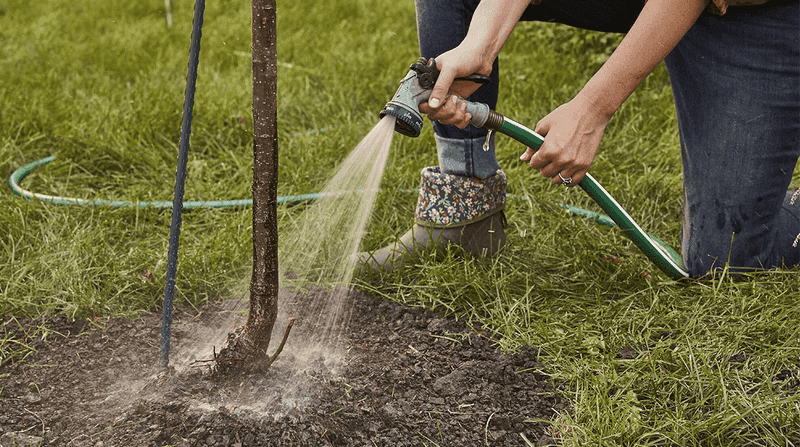
Watering correctly is not just about survival, it is about training roots to go deep and tough enough for long dry stretches.
Shallow sips make lazy roots that panic in drought.
The Texas A&M Forest Service suggests watering newly planted trees three times a week the first month, then twice a week the second month, then once a week the third.
After that, months 4 through 12, water once a month, and keep that up through the second year if rain stays away.
Aim to moisten the soil 12 to 18 inches deep.
A screwdriver makes a simple test, if you cannot push it 6 to 8 inches into the ground, it is time for a deep drink.
Established trees, three years and older, generally need water just once a month during dry spells, or every two to three weeks in extreme drought.
Native trees handle drought well once settled, but even they appreciate a drink when the sky holds back.
6. Spacing Is Not Just For People It Is For Trees Too
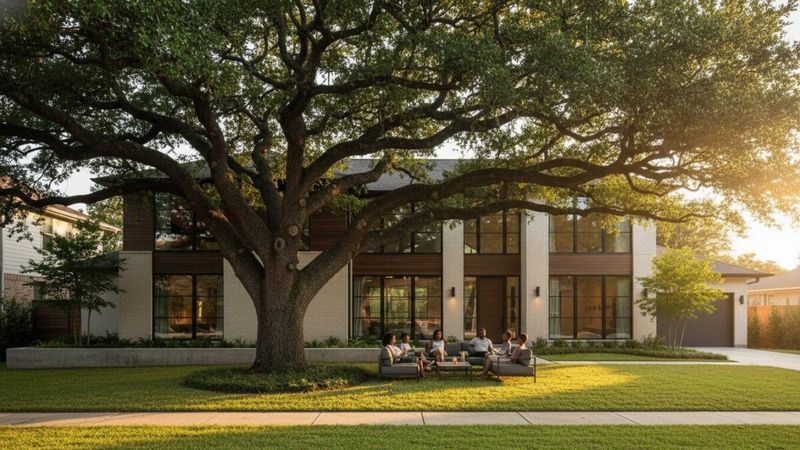
Picturing your tree’s mature size feels like reading a crystal ball, but it is one of the most important calls you will make.
That skinny sapling today becomes a giant that fights sidewalks and power lines tomorrow.
A small tree needs about 60 square feet, a medium tree around 120, and a large tree can command 180.
That number covers canopy spread and a root system that reaches far past the drip line.
Texas A&M AgriLife Extension advises planting large canopy trees, those reaching 40 feet or taller, at least 50 feet from power lines.
Medium trees under 40 feet should sit at least 20 feet away.
Only small trees, staying 20 feet or shorter, belong within 8 feet of utility poles.
Plan for the grown-up size and you skip years of stressful pruning battles.
It is about setting your tree up for a long, unhindered life where it can fully stretch out.
7. Your Tree Is A Living Texas Legacy

Choosing a native tree from a nursery that genuinely knows this state is more than planting something pretty.
You are investing in your property and feeding the local ecosystem at the same time.
Natives evolved to shrug off scorching summers and sudden freezes, so they usually need less fuss and less water than newcomers.
It is a quiet act of stewardship that pays dividends for years.
Picture the shade a Cedar Elm, Ulmus crassifolia, growing 50 to 70 feet tall, could throw over a cookout.
Or the acorns of a Bur Oak feeding birds and squirrels right in your backyard.
These trees are heroes, working quietly to make your slice of Texas feel more alive and connected.
And the feeling of watching a resilient native grow strong, knowing you picked it from a place that cares as much as you do, that is worth every single mile.
8. East Texas Roots In Acidic Sandy Ground
Head into the Piney Woods of East Texas and the ground changes completely.
Here the soil turns acidic and sandy, a whole different world from the blackland clay just a couple hours west.
That soil calls for different natives, and specialty growers in the region lean into it.
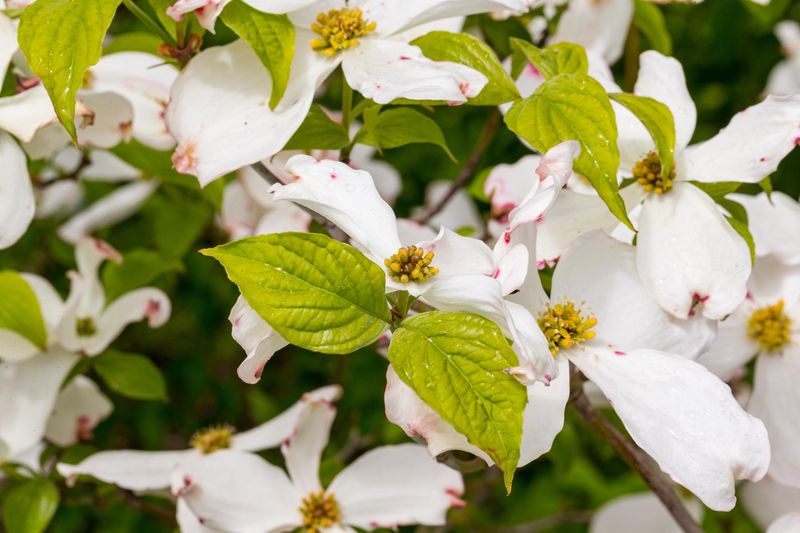
Trees like the flowering dogwood, Cornus florida, and native pines actually crave that lower pH and looser earth.
Try planting a dogwood in Central Texas caliche and it sulks, but drop it into East Texas sand and it lights up each spring with white blooms.
Match the tree to the dirt and half your battle is already won.
Water still matters those first two years, roughly once a week through the hot stretch, soaking down 12 inches.
But an East Texas native, chosen for its home ground, asks for far less babysitting after that.
Shop close to home when you can.
A nursery that grows for your county understands your rainfall, your pests, and your frost dates better than any catalog ever will.