
The Only Hydrangeas North Carolina Gardeners Keep After A Brutal Summer Fries The Rest
Follow us on Google
You drag your patio chair into the shade after another 90-degree afternoon, and one look at your hydrangea bed says it all.
Crispy brown leaves.
Wilted blooms.
A hose you have hauled out every single evening for nothing.
Most North Carolina gardeners have watched their fancy mopheads collapse by mid-August, and it stings.
But there is one hydrangea that shrugs off our muggy summers, surprise storms, and dry spells like it grew up right here.
Because it did.
1. Oakleaf Hydrangea Is Your Summer Savior
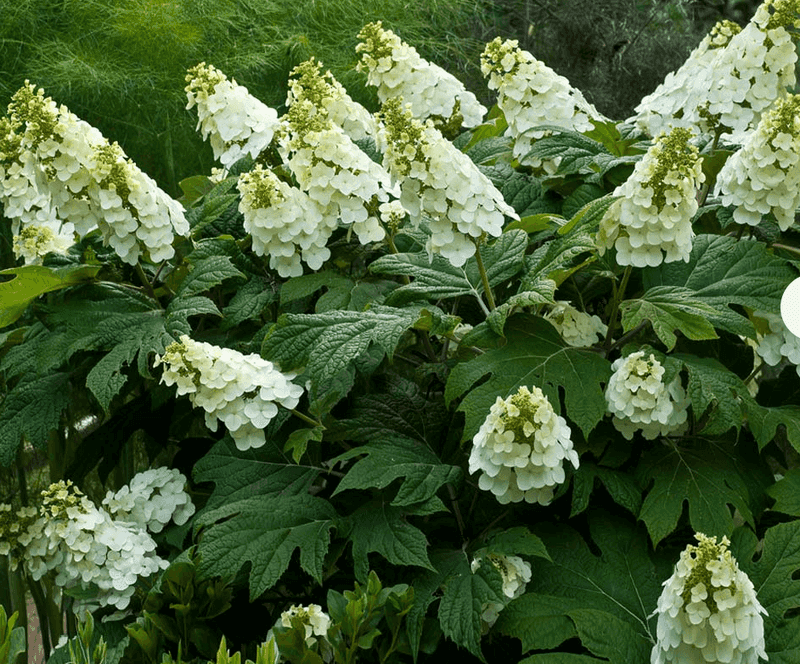
The plant that laughs at July heat while your other hydrangeas throw in the towel is the Oakleaf Hydrangea, known botanically as Hydrangea quercifolia.
It is a genuine native of the Southeastern United States, growing wild along stream banks and woodland edges from North Carolina down to Florida.
That heritage is the whole trick.
Centuries of adapting to our muggy summers, our clay-heavy soils, and our stop-and-start dry spells mean this shrub already knows the drill.
You can retire the daily hourly rescue runs with the hose when you plant this one.
Its cousins wilt dramatically the moment the afternoon sun hits.
The oakleaf just stands there, holding its big lobed leaves that really do look like oak leaves, backing up cone-shaped blooms that start creamy white and age to soft pink.
It handles the roughly 90-degree July afternoons common across much of the state without flinching.
Here is where it gets good for us.
It blooms on what gardeners call old wood, meaning next year’s flower buds form on this year’s stems.
So a surprise April cold snap will not wipe out your whole season the way it torments bigleaf types.
NC State Extension lists it as a reliable native shrub for shaded and partly sunny spots.
Give it morning sun with afternoon shade, space it 6 to 8 feet apart, and mulch 2 to 3 inches deep.
Water deeply once a week the first year, then mostly leave it be.
Come fall, the leaves turn brick red and burgundy, and the peeling cinnamon bark carries you clean through winter.
That is a plant genuinely earning its keep.