
These Regulated Pennsylvania Trees Could Cost You A Fine, So Check Your Yard Now
Follow us on Google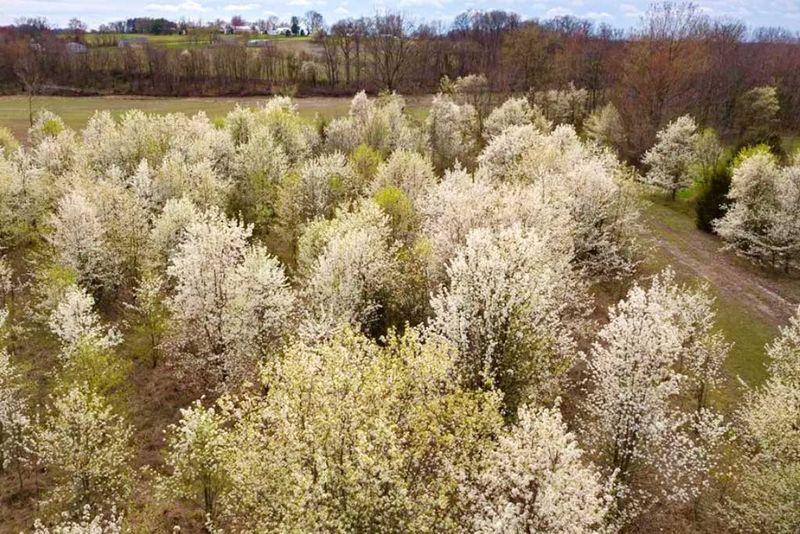
Walk your yard this weekend and you might be standing next to a tree that Pennsylvania law specifically regulates.
A handful of trees and woody shrubs on the state’s official noxious weed list carry real legal consequences, but not the ones most people assume.
The risk is not simply owning one of these plants.
The risk comes from what you do with it, and from not knowing what you have before you act.
Pennsylvania Regulates Specific Trees And Woody Plants
Plenty of Pennsylvania homeowners have a tree in the yard they inherited from a previous owner, never thought twice about, and never looked up.
That quiet oversight is exactly where legal exposure can begin.
The Pennsylvania Department of Agriculture maintains an official noxious weed list that includes several plants capable of growing into full-sized trees or large woody shrubs, and the list is not just for farmers.
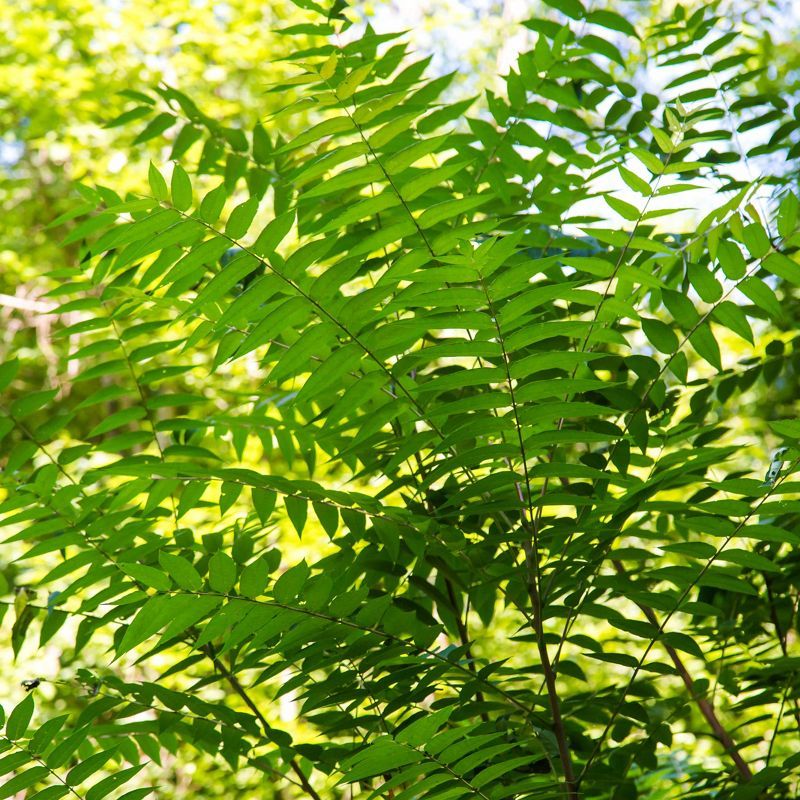
The regulated woody plants most relevant to residential yards include tree-of-heaven (Ailanthus altissima), Callery pear (Pyrus calleryana), Japanese angelica tree (Aralia elata), burning bush (Euonymus alatus), common buckthorn (Rhamnus cathartica), glossy buckthorn (Rhamnus frangula), several privet species, and multiple invasive honeysuckles including Amur, Morrow’s, Bell’s, Tatarian, and Standish.
According to Pennsylvania’s official controlled plant and noxious weed list, these plants are considered harmful to public health, crops, livestock, agricultural land, or other property.
The full list also covers invasive vines, grasses, aquatic plants, and herbaceous weeds, so not every regulated plant is a tree.
Callery pear is the newest addition, joining the list in 2024.
Penn State Extension guidance on Callery pear makes clear that retailers should not sell it and homeowners should not buy it, with restrictions aimed at selling, distributing, planting, and propagating.
Japanese barberry has approved exempted varieties, and the glossy buckthorn ‘Fine Line’ variety is listed as exempt, so cultivar details genuinely matter here.
Here is the key point to carry into the rest of this article.
A plant appearing on the noxious weed list means that specific activities involving it are regulated.
The listing alone does not create an automatic fine or a statewide order requiring every homeowner to remove every existing specimen immediately.
A Regulated Plant Is Not An Automatic Fine
Here is where many readers get tripped up.
Seeing a plant on a government list feels like a verdict, but Pennsylvania law is more specific than that.
The state generally restricts the sale, transport, planting, cultivation, distribution, and propagation of listed noxious weeds.
Those are activities, not the simple fact of having a mature specimen growing in a yard you bought three years ago.
Pennsylvania’s plant and plant products statute prohibits cultivating, distributing, or propagating noxious weeds except under limited educational or research permits.
That language targets what you do with the plant, not the existence of a tree that was already rooted when you moved in.
A plant can remain subject to regulation even if it predates its listing, but that listing alone does not establish an automatic fine or removal requirement for an existing specimen.
There is also a distinction worth understanding between two separate Pennsylvania agencies.
The Department of Agriculture’s noxious weed list is the legally enforceable reference for invasive landscaping plants.
The DCNR invasive plant list is broader and oriented toward management on state lands.
A plant appearing on a DCNR invasive plant fact sheet is not automatically subject to the same legal penalties as a Department of Agriculture noxious weed.
Checking the right list matters.
The practical takeaway is straightforward.
Before you buy a new tree, move plant material off your property, take cuttings, or propagate anything from a woody shrub you cannot confidently name, check the current Department of Agriculture list.
Those are the moments when a regulated plant actually becomes a legal risk.
Control Orders Create The Real Financial Risk
Most homeowners will never receive a control order.
But understanding how one works explains why the financial stakes are real, even if they are not automatic.
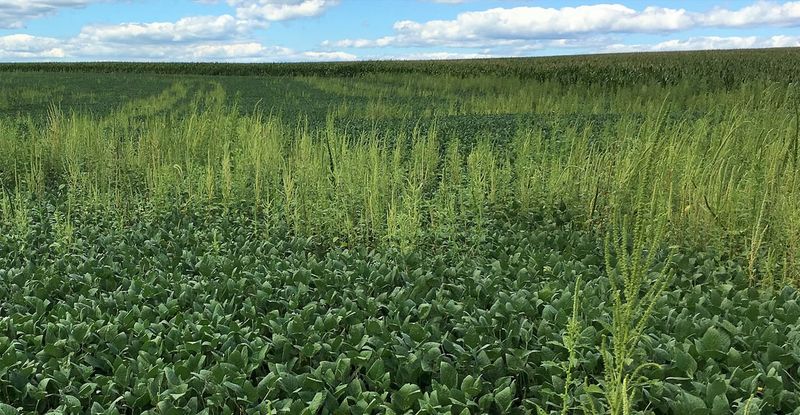
A control order is a formal directive from the state requiring a property owner to take specific treatment measures against a noxious weed problem.
It describes the situation and the required steps, and it is not a suggestion.
Under Pennsylvania’s plant statute, a recipient of a control order generally has 15 days to request an administrative hearing.
If the owner does not comply and the state or a municipality performs the required work instead, the property owner can be responsible for the associated treatment, remediation, containment, or eradication costs.
That cost-shifting is where a tree problem can become an expensive one.
Penalties under the statute range from criminal fines to civil assessments.
A first criminal offense can carry a fine of at least $100 and costs, or imprisonment of up to 90 days.
A subsequent offense within three years can carry a fine of at least $500 and up to two years’ imprisonment.
The Department of Agriculture may also assess a civil penalty of up to $10,000 per violation, plus remediation costs.
Those numbers are statutory maximums or minimums in specified circumstances, not an automatic consequence of having a listed plant beside your driveway.
The Department of Agriculture’s noxious weed program also allows written warnings for de minimis violations when formal enforcement is not in the public interest.
The point is that consequences depend on the violation and the enforcement situation, not on a casual glance at your landscaping.
Start With A Photograph, Not A Chainsaw
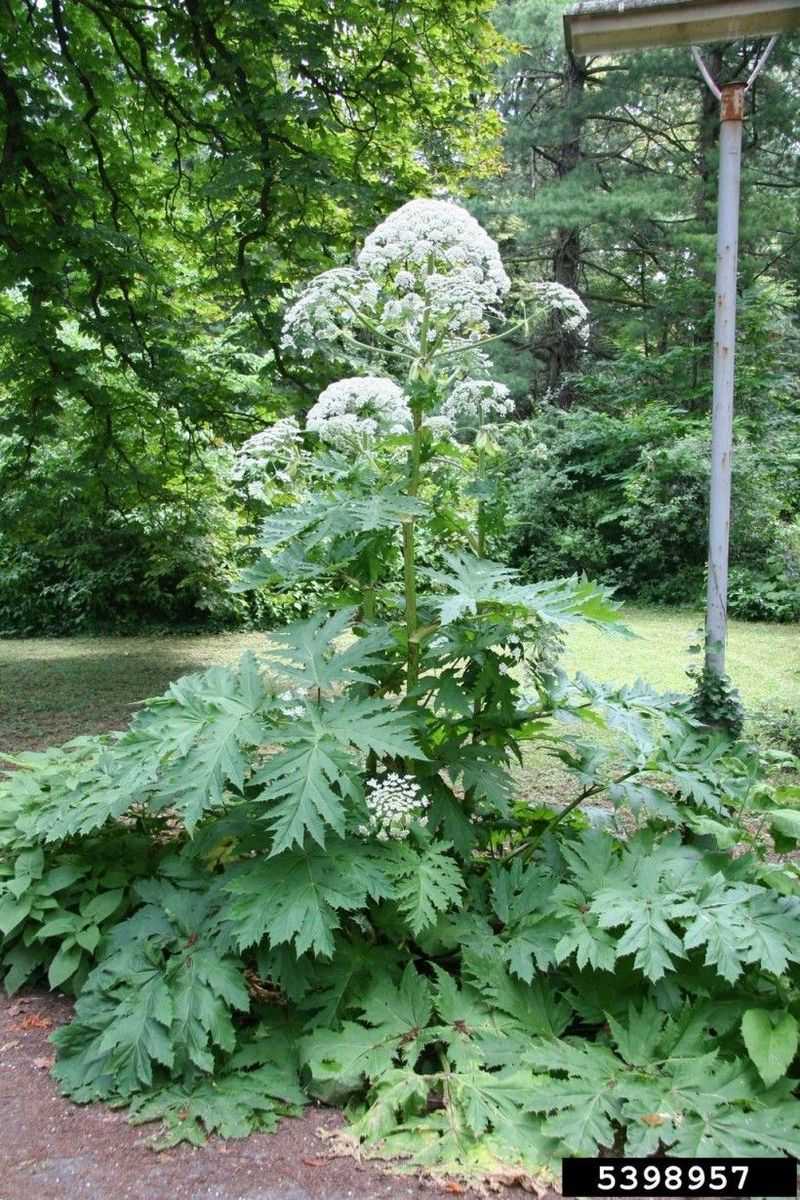
Before anything else happens in your yard, take pictures.
That single step protects you in almost every direction.
A good set of photographs gives you something concrete to share with an expert, keeps you from removing the wrong plant, and creates a record if you ever need to explain what you found and when.
Photograph the whole plant from a distance, then move in for close shots of the leaves, bark, fruit, and flowers if any are present.
Different seasons give you different clues, so if you spot something suspicious in winter, mark the spot and come back in late spring when leaves are fully out.
Pennsylvania’s Invasive Replace-ive program directs uncertain property owners to contact a local DCNR Service Forester and provide photographs when identification remains unclear.
Once you have images, check the current Department of Agriculture controlled plant and noxious weed list directly.
A photograph supports identification but does not by itself determine legal status.
Getting a professional confirmation matters before you move any plant material off your property or take steps that could spread seeds or root fragments.
Pruning a regulated plant is not specifically listed as a prohibited act in the statute, but Penn State Extension’s noxious weed guidance consistently recommends confirming what you have before moving or propagating any material.
That caution is the right instinct.
Identify first, act second, and you stay ahead of the problem instead of accidentally making it worse.
Tree-Of-Heaven Punishes A Hasty Cut
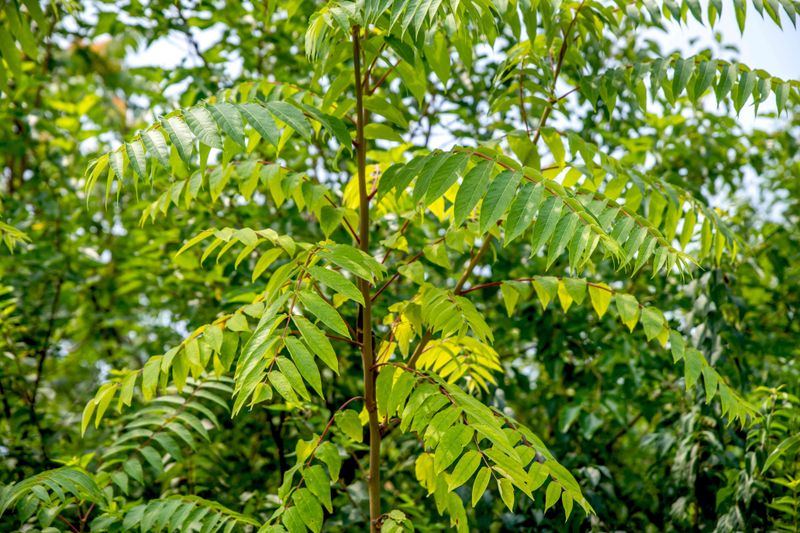
Tree-of-heaven has a trick up its sleeve, and it catches a lot of Pennsylvania homeowners off guard.
Cut it down without the right preparation, and the root system responds by sending up dozens of stump sprouts and root suckers.
Established suckers can emerge as far as 50 feet from the parent tree, turning one trunk into a spreading thicket in a single growing season.
Penn State Extension’s tree-of-heaven management guidance is direct on this point: cutting alone is generally ineffective for control.
When the tree is not an immediate safety hazard, the recommended approach targets the root system with properly labeled herbicide applications before the tree comes down.
Treatment timing generally runs from approximately July 1 through the onset of fall color, when the plant is actively moving nutrients downward toward the roots.
The Pennsylvania Department of Agriculture’s tree-of-heaven control brochure describes downward-angled cuts spaced about 3 inches apart, with immediate herbicide application to the cuts.
After a successful treatment, the guidance suggests waiting approximately 30 days before removing the dead tree when safety allows.
Removing it too soon risks leaving an active root system that will still send up new growth.
For larger stems, hack-and-squirt treatment is generally preferred over a simple cut because it moves herbicide more effectively into the root system.
Every herbicide method has specific label requirements, application rates, and site restrictions that must be followed.
Anyone dealing with a large tree or a dangerous situation should contact a qualified professional rather than improvising with whatever is on the garage shelf.
One more thing worth knowing: removing tree-of-heaven can reduce the honeydew and sooty mold that builds up beneath it, but removal alone is not a reliable way to reduce spotted lanternfly populations in your yard.
The pest has other host plants and will not simply disappear because one tree is gone.
Callery Pear Needs A Different Exit
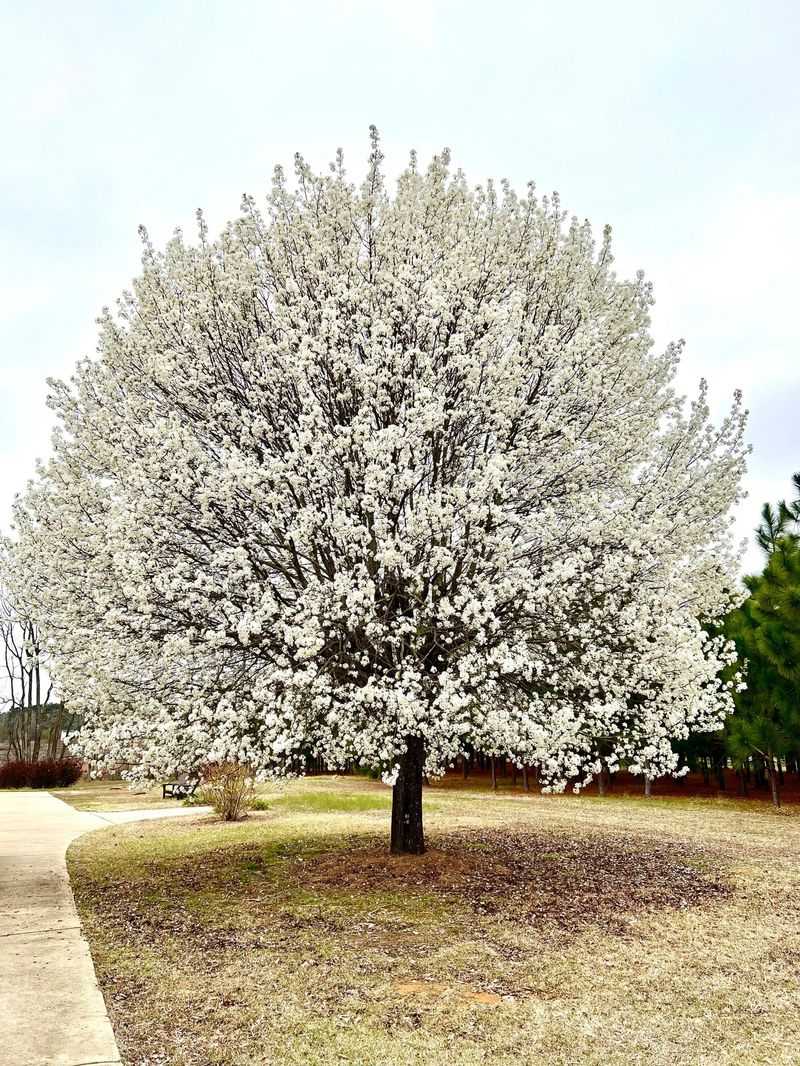
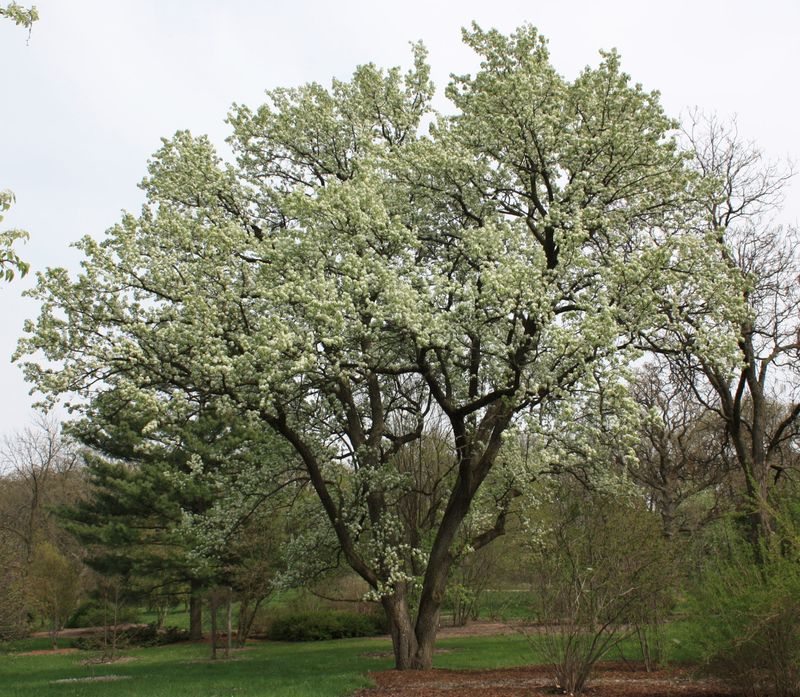
Callery pear (Pyrus calleryana) looks like a perfectly respectable ornamental tree for about two weeks every April.
White flowers, tidy shape, and a spot in thousands of Pennsylvania driveways and parking lots.
Then the flowers open and many people notice the smell, which is genuinely unpleasant.
And then the birds eat the small fruits and carry the seeds into fields, roadsides, and natural areas across the state.
Managing Callery pear calls for a different approach than tree-of-heaven.
For seedlings and small trees, Penn State Extension’s newest noxious weeds guidance says hand-pulling, digging, or an uprooting tool can work effectively, but only when the entire root system comes out.
Leaving root fragments behind invites regrowth.
Larger trees and established infestations generally require herbicide-based control.
Foliar herbicide treatments are intended for fully leafed trees, generally from June through October.
Other stem treatment methods, including cut-stump, basal-bark, and hack-and-squirt applications, have different timing requirements and label specifications.
Penn State’s Callery pear article is clear that the 2024 listing targets selling, distributing, planting, and propagating the plant, not an automatic removal order for every existing specimen.
When you are ready to replace a Callery pear, documented native alternatives from Penn State’s guidance include serviceberry, flowering dogwood, alternate-leaf dogwood, eastern redbud, white fringetree, hawthorn, and sourwood.
The Invasive Replace-ive program may be able to assist eligible property owners with that transition.
These replacements are not presented as evidence that removal is legally required, they are simply better neighbors for Pennsylvania’s native ecosystems.
Local Tree Rules Add A Separate Layer
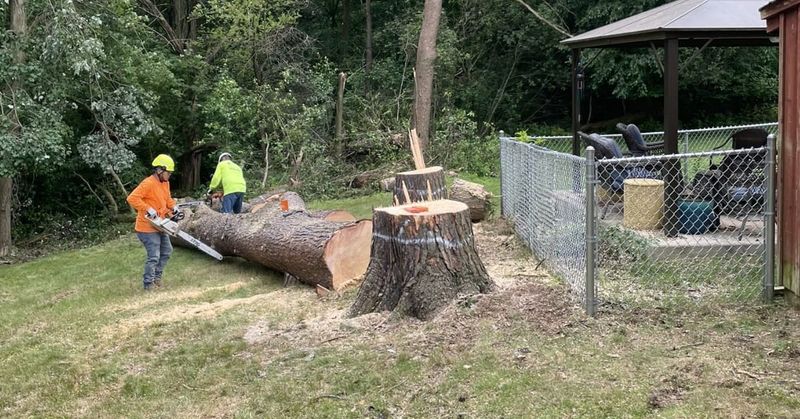
Statewide noxious weed law is one thing.
Your municipality is another thing entirely, and the two do not always move in the same direction.
Many Pennsylvania communities have adopted their own tree-preservation ordinances, shade-tree regulations, heritage-tree rules, and development-related removal requirements.
These rules can apply to protected trees, removal permits, planting in rights-of-way, grading near root zones, and construction activities, depending entirely on where you live.
A tree that appears on no noxious weed list whatsoever could still be legally protected under your borough or township code.
Removing a large, established tree without checking local rules first is a separate risk from anything the Department of Agriculture regulates.
Penn State Extension’s guide to municipal tree and woodland preservation ordinances explains how widely these local rules vary across Pennsylvania communities.
There is also a traffic-hazard provision worth knowing about, because it sometimes gets confused with invasive plant rules.
Pennsylvania’s vehicle code on traffic obstructions allows authorities to order removal of a tree or other obstruction that creates a sight-line hazard, with a 10-day compliance period after notice and a $10 daily summary-offense fine for noncompliance.
That is a traffic safety rule, not an invasive plant rule, and the two should not be mixed up.
Before removing any large tree from your property, contact your municipality directly.
Ask whether a permit is required and whether the tree has any protected status.
That five-minute call can save you from a separate fine that has nothing to do with the Department of Agriculture list.
A Practical Next Step For Your Yard
You do not need to panic, and you do not need a lawyer on speed dial.
What you need is a sensible sequence, and it is actually pretty short.
Start by pausing any action that could spread suspected plant material off your property.
Do not take cuttings, move soil, or haul branches to a new location until you know what you have.
Document the plant thoroughly with photographs, then check the current Department of Agriculture noxious weed and controlled plant list directly.
If the plant does not appear there, look at whether any local municipal rules apply before you remove it.
If you find a match or remain uncertain about identification, contact the Pennsylvania Department of Agriculture, a local DCNR Service Forester, or a qualified local professional who can give you guidance specific to your site.
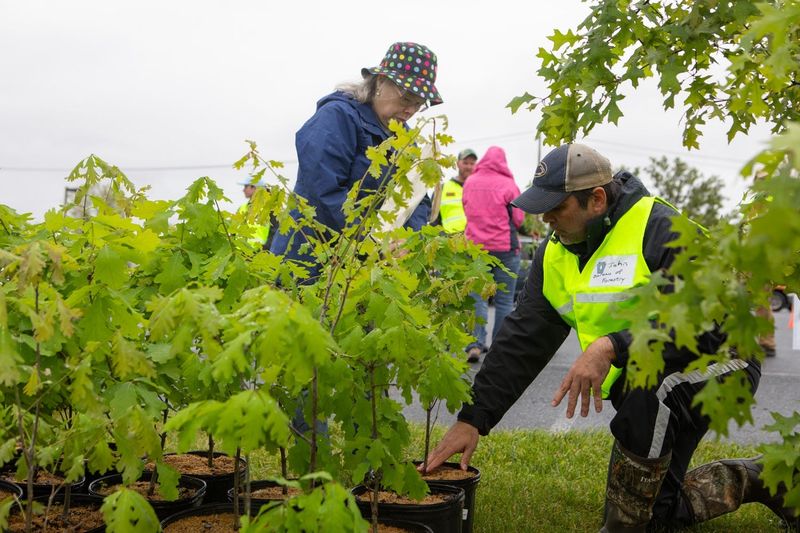
Pennsylvania’s Invasive Replace-ive program may be able to help eligible property owners remove listed invasive trees and shrubs and replace them with native plants.
The program’s listed woody invasives include Callery pear, tree-of-heaven, burning bush, Japanese barberry, and others.
Documented native replacements from Penn State Extension’s noxious weed guidance include serviceberry, flowering dogwood, alternate-leaf dogwood, eastern redbud, white fringetree, hawthorn, and sourwood.
None of this requires a weekend of panic or an emergency tree service.
Identification and source-based guidance protect your yard far better than a hasty removal ever could.
Knowing what is growing beside your back fence is genuinely the most useful thing you can do today.