
The Firefly Habits That Are Quietly Making Your Florida Backyard Invisible To Them
Follow us on Google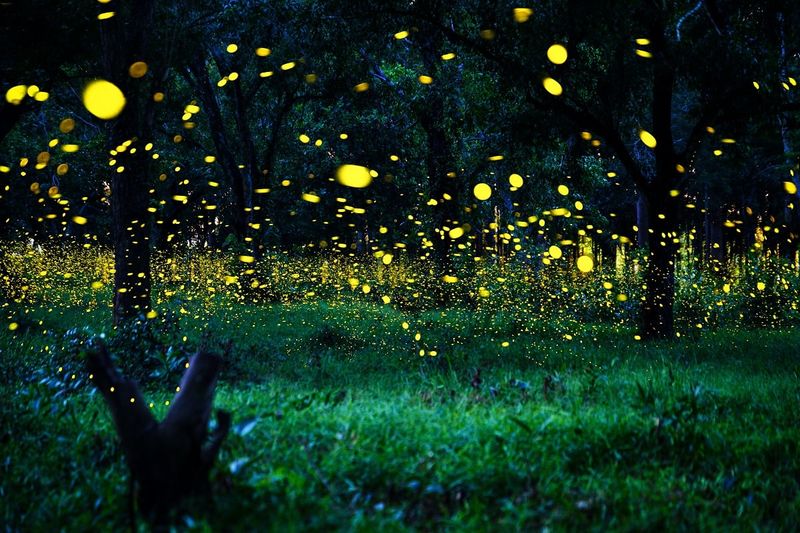
You step onto the back porch after dinner, the June air still warm and thick, and you wait for the show.
As a kid, those tiny green sparks lit up the yard like slow, floating stars.
Now the dark just stays dark, and you cannot figure out why.
The truth is that a few everyday backyard habits, the tidy ones you are proud of, may be quietly telling Florida fireflies to skip your yard entirely.
Here are ten of them, plus the simple fixes that invite the glow back.
1. Your Floodlights Build An Invisible Wall
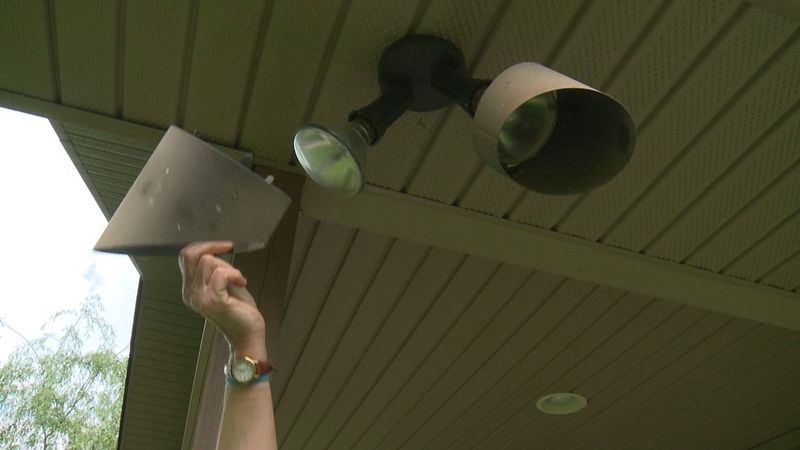
Flip on the patio floodlights for an evening cookout and you light up the yard beautifully.
To a firefly, though, that glow slams a door shut.
Fireflies, or lightning bugs as most Floridians call them, talk with light.
A male flashes a certain rhythm, hoping a female flashes back the matching code.
Bright artificial light at night, what scientists shorten to ALAN, washes out those signals like shouting over a marching band.
The blue-white glare from many modern LEDs is the worst offender, and it can even harm the beetles directly.
Florida is home to more than 56 firefly species, and each one speaks its own flashing language.
If she cannot see his signal through your security lamps, the courtship ends before it starts.
So here is the layer that helps.
During firefly season, roughly early spring through late summer, kill the outdoor lights you do not truly need.
Point the ones you keep straight down, and close indoor blinds so light does not spill onto the grass.
Darkness is not neglect.
It is the quiet room where fireflies finally get to talk.
2. Lawn Pesticides Poison The Nursery
You reach for the insecticide when chinch bugs chew brown patches into your St. Augustinegrass.
Fair enough, nobody wants a dead lawn.
But that spray sets a deadly dinner plate for fireflies.
Here is the part most people miss.
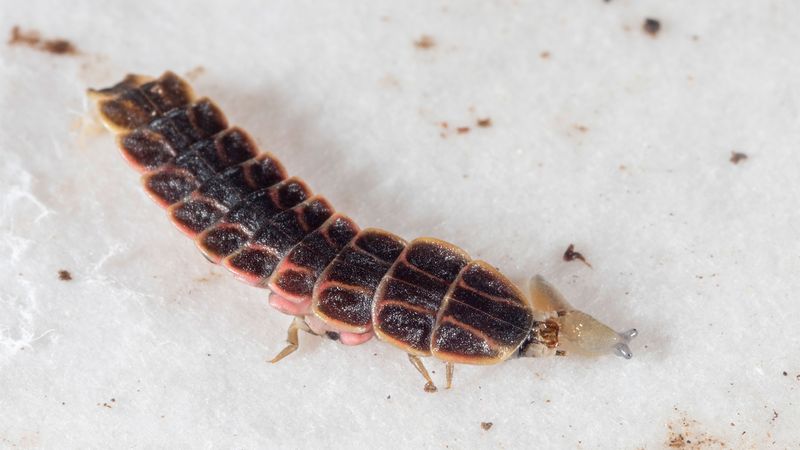
Fireflies spend one to two years as larvae in the soil, and only a few weeks as the flashing adults you notice.
Those larvae are fierce little hunters, eating slugs, snails, and soft-bodied grubs down in the damp dirt.
Broad-spectrum pesticides do not read labels.
They soak into the ground, linger for weeks, and kill the larvae along with the prey they need.
One study on pesticide-treated seed found a 70.4 percent drop in firefly numbers.
The fix is not zero care.
It is targeted care.
Spot-treat only the pest and the patch that has it, rather than blanketing the whole yard.
Lean on the firefly larvae themselves, which genuinely work as free pest control.
UF/IFAS Extension can identify the actual bug before you spray a thing.
Skip the blanket poison, and you keep the nursery alive.
3. A Perfectly Manicured Lawn Is A Desert
Nothing looks better on a Saturday than a freshly mowed, edge-trimmed, leaf-free lawn.
To a firefly, that same lawn reads like a parking lot.
Moisture and cover drive every stage of their lives.
Eggs go into damp soil, larvae hunt through leaf litter, and adults rest in tall grass during the hot day.
Cut everything short and rake up every leaf, and you have stripped away the home and the hunting ground in one afternoon.
Florida’s humid summers hand you free moisture, but a scalped lawn dries out fast under that intense sun.
Frequent mowing also disturbs adults resting near the ground.
You do not have to surrender the whole yard.
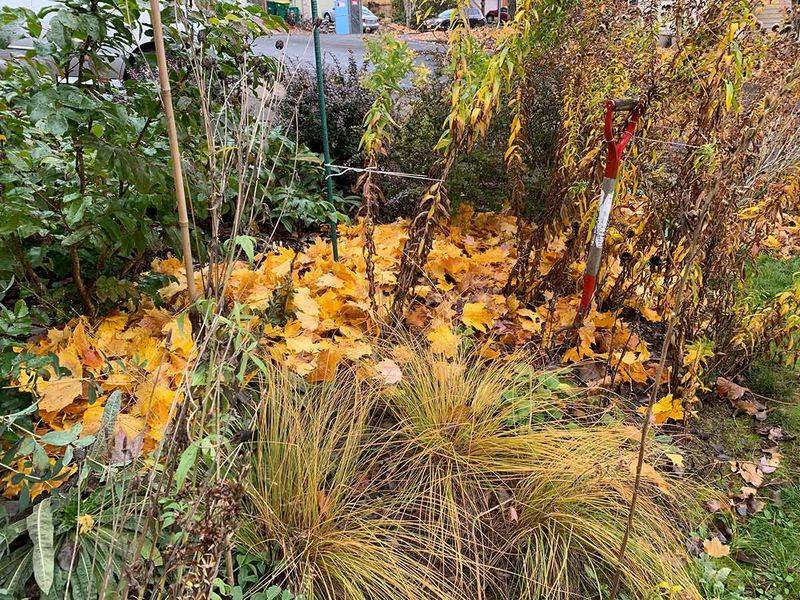
Let one shaded corner grow to at least 4 inches, and leave a 2 to 4 inch layer of fallen leaves under your trees or shrubs.
That slightly messy patch holds the damp shade the larvae crave.
Think of it as leaving the porch light on for a friend, except the trick is leaving the leaves down.
A little untidy, on purpose, and suddenly the yard has a pulse again.
4. Bagging Every Leaf Steals Their Shelter
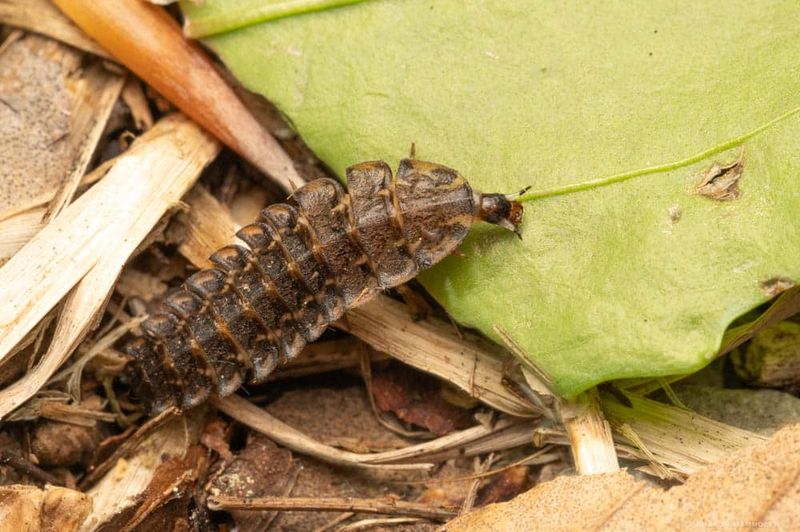
Bagging leaves feels like the responsible thing, curb full of neat sacks by Monday morning.
But that leaf litter you keep hauling away is prime firefly real estate.
Down in decaying leaves and rotting wood, larvae find both moisture and a steady supply of snails and slugs to eat.
Clear it all, and the babies have nowhere to grow up.
In North Florida, where an occasional hard freeze can drop temperatures below 32 degrees, that leaf blanket also shields overwintering larvae from the cold.
So rake with a lighter hand.
Under live oak (Quercus virginiana) or your shrubs, let a layer of leaves stay put, ideally 2 to 4 inches deep.
Rake the paths and patio, sure, but let the garden beds keep their coat.
You can even tuck a small brush pile or a rotting log into a back corner.
It gives larvae shelter and gives adults a spot to lay eggs.
Less work for you, more glow for August.
That is a trade worth making.
5. Bone-Dry Soil Sends Larvae Packing
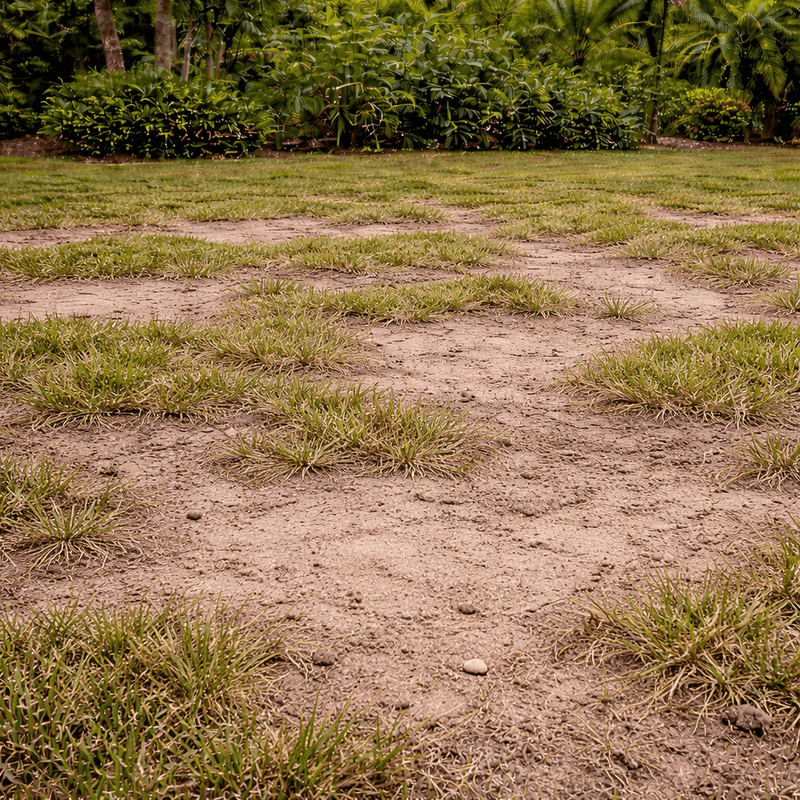
Everyone pictures Florida as one big swamp, so a dry yard seems impossible.
Yet well-drained sandy soil plus a winter dry spell can turn your ground into a firefly desert.
Larvae need consistently moist earth for the full one to two years they spend hunting underground.
Bone-dry sand offers them nothing, and it dries out their snail and slug prey too.
Watering habits matter more than watering amounts.
Water deep and less often, soaking the top 6 inches, rather than a daily sprinkle that only wets the surface.
Deep, spaced watering builds stronger roots and holds moisture longer between Florida’s sudden downpours.
A layer of natural mulch under trees locks that dampness in.
If you have a low, poorly drained pocket that stays soggy, do not fight it.
That is a gift, and it can become the moistest, most firefly-friendly patch you own.
Just keep the moisture moving.
Damp soil invites fireflies.
Stagnant, standing water invites mosquitoes, and that is a different fence-side conversation entirely.
6. Community Mosquito Fogging Wipes Out The Neighborhood
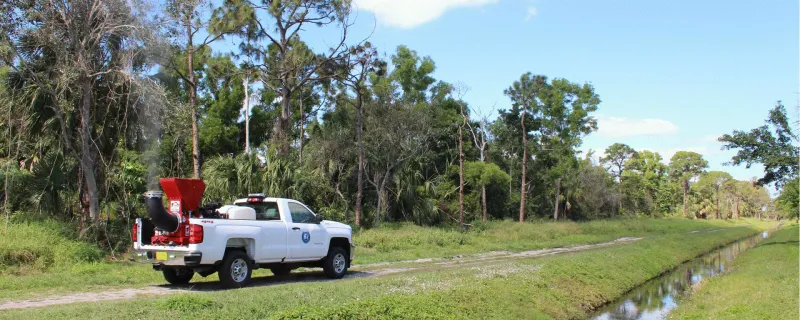
That mosquito fogging truck rolling down the street at dusk feels like a summer blessing.
It is also indiscriminate, and fireflies pay the tab.
Fogging kills flying insects on contact, and it does not sort the pests from the pollinators.
Adult fireflies, zebra longwings, and gulf fritillaries all catch the same mist.
Across Central and South Florida, where mosquitoes stay busy nearly year-round, repeated fogging chips away at everything with wings.
You have quieter, sharper tools.
Mosquitoes breed in standing water, so tip out anything holding it, birdbaths, plant saucers, tarps, every 72 hours.
For a pond or rain barrel you cannot empty, drop in a mosquito dunk.
It targets mosquito larvae and leaves fireflies and other wildlife alone.
Opt out of neighborhood fogging where your county allows it.
This will not erase every bite, and it is honestly one layer of a bigger plan.
But dumping standing water is the single move that hits mosquitoes hardest while sparing the beetles you actually want.
Your porch evenings win either way.
7. Rewild One Small Corner On Purpose
Letting the whole yard go wild is a fast way to earn an HOA love letter.
Good news, you do not need to.
One intentional corner does the heavy lifting.
Pick a shaded back section and stop mowing it.
Let the grass reach at least 4 inches so adults have daytime cover.
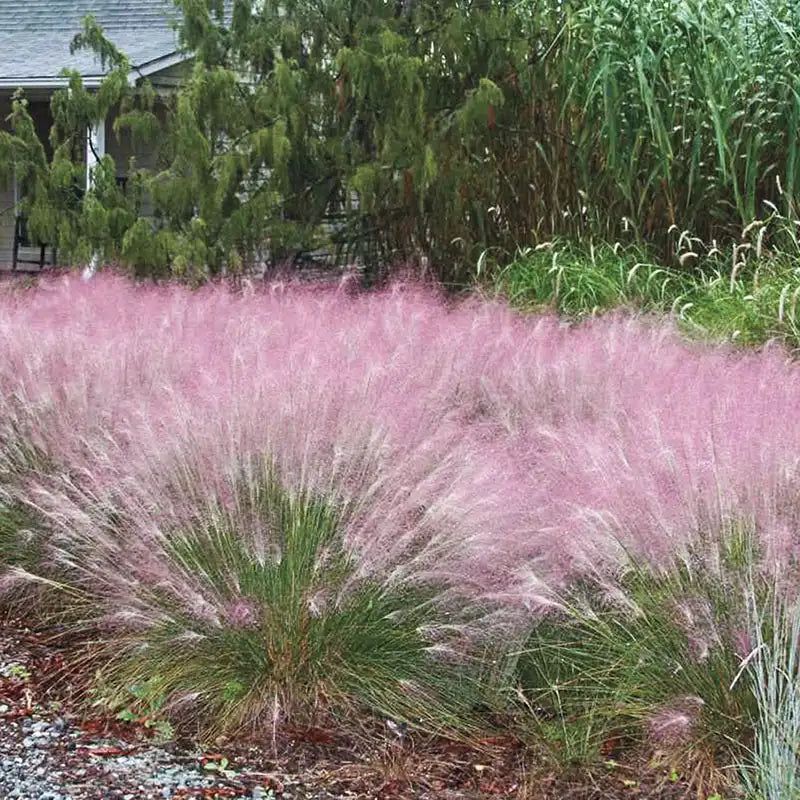
Even better, plant native muhly grass (Muhlenbergia capillaris), whose deeper roots hold soil moisture and whose pink fall plumes look intentional enough to keep the neighbors calm.
Layer 2 to 4 inches of leaf litter underneath, and add a small brush pile or a rotting log for egg-laying and shelter.
That is genuinely the whole recipe.
An edged border or a low fence around the patch reads as a design choice, not neglect, which keeps you on the right side of most Florida deed rules.
A single 6 by 6 foot corner can shift your yard from barren turf to a working firefly nursery.
Small footprint, big glow.
Your future self, sitting out there in July, will thank you.
8. Plant Florida Native Heroes For Cover
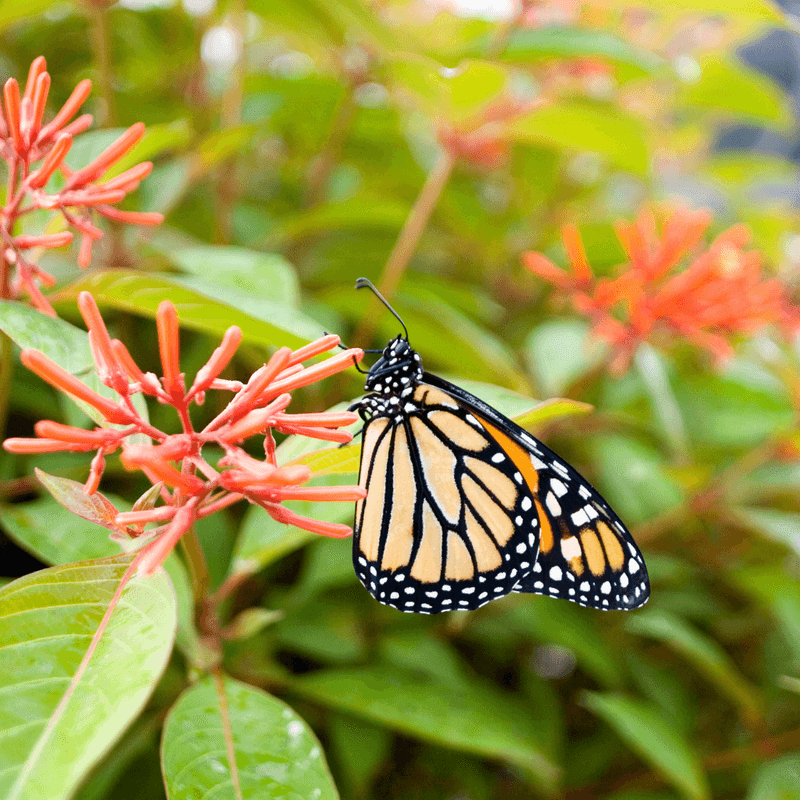
Fireflies are picky about their neighborhood, and Florida native plants are the ones that fit right in.
They handle our sand, our sun, and our storms, and they feed the whole food web.
Layered structure is what fireflies want, low grass to rest in, shrubs for shade, damp ground below.
Firebush (Hamelia patens) gives dense cover and pulls in pollinators, while American beautyberry (Callicarpa americana) and Simpson’s stopper (Myrcianthes fragrans) thrive in shade and hold moisture at the roots.
Native milkweeds (Asclepias spp.) do more than fuel monarch migration.
They anchor a garden full of the soft-bodied insects that firefly larvae hunt.
Add blanket flower (Gaillardia pulchella) for sunny spots and salt tolerance along the Gulf Coast or Atlantic Coast, where salt spray kills fussier plants.
From the sandy soils of Central Florida to the shallow limestone of the Keys, there is a native match for your yard.
UF/IFAS Extension keeps regional plant lists so you choose right the first time.
Plant natives, and you are not just adding cover.
You are stocking the pantry the larvae depend on for two full years.
9. Swap Harsh Bulbs For Warm Amber Light
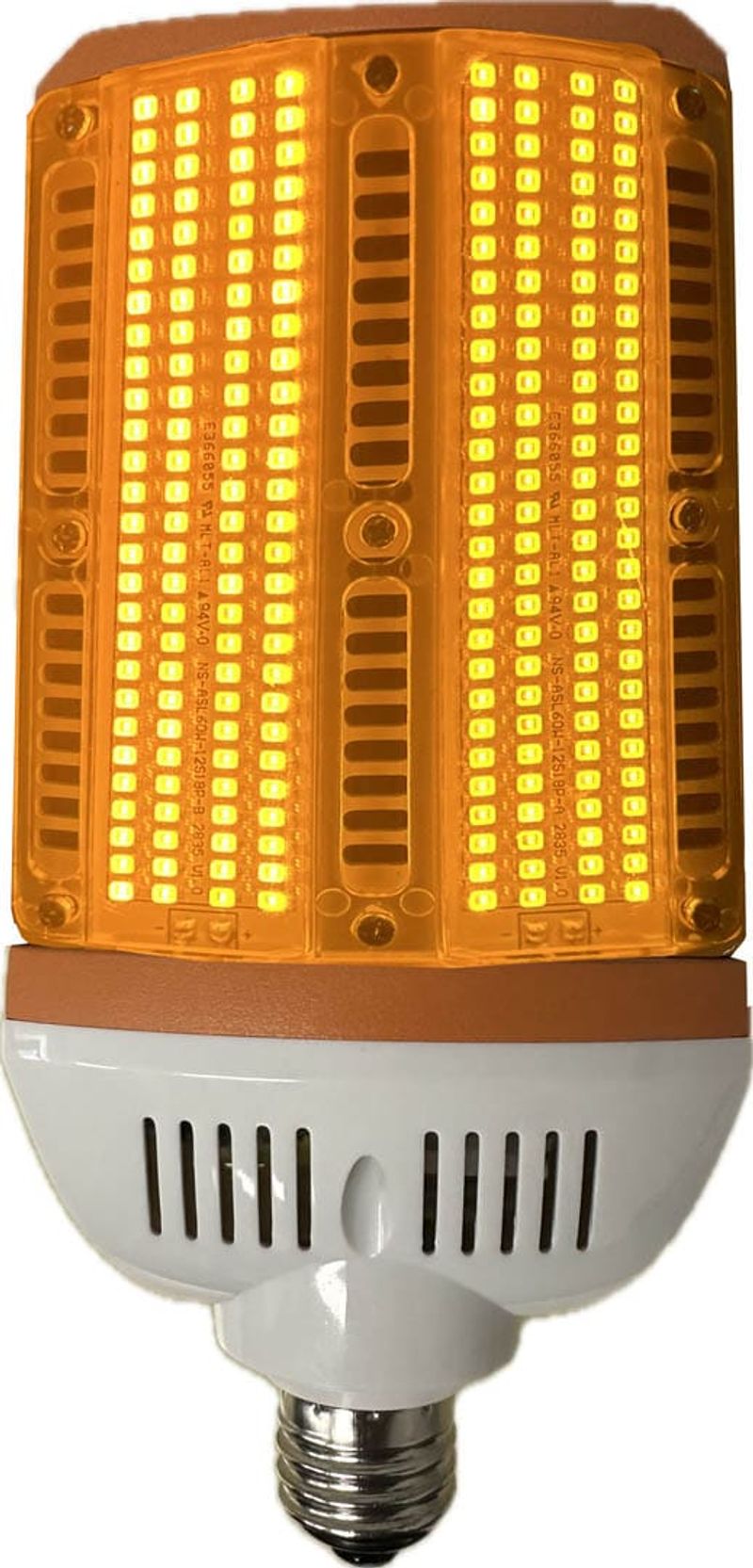
Safety lighting is real, and telling you to sit in total darkness would be silly.
The color of that light, though, is where you get to be clever.
Blue-rich white LEDs scramble firefly signals the most.
Warm amber or red-spectrum bulbs, roughly in the 600 to 700 nanometer range, barely register to them and to most night insects.
You keep the path lit, they keep their conversation.
Add a motion sensor so the fixture only fires when someone walks up, then goes dark again in a minute or two.
Aim every lamp downward with a shield or hood so the light lands on the steps, not the sky.
The organization DarkSky recommends warm, shielded, motion-activated lighting for exactly this reason.
Along both Florida coasts, this same downward, low-glare approach also cuts confusion for nesting sea turtles, so you help two creatures with one bulb.
Swap a few bulbs, angle them down, and your porch still feels safe while the yard beyond turns back into a stage for the flashing.
Genuinely small effort, real payoff.
10. Give Them Damp Ground Without The Mosquitoes
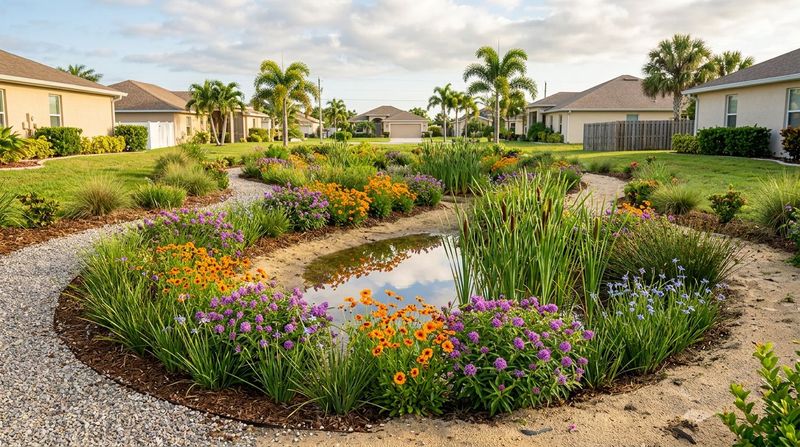
You can hand fireflies the moisture they crave and still refuse to run a mosquito daycare.
The line between the two is movement.
Larvae hunt best in consistently damp soil, not a puddle.
So build a shallow depression that catches rain and drains within a day or two, or tuck in a small rain garden with native wetland plants like pickerelweed (Pontederia cordata) and soft rush (Juncus effusus).
Those hold moisture in low, poorly drained pockets without leaving standing water for days.
A birdbath works too, as long as you refresh it every 72 hours so nothing has time to breed.
Keep the water moving or empty it on schedule, and mosquitoes lose their nursery while fireflies keep theirs.
Along the salt-sprayed coasts, choose salt-tolerant natives so the whole setup survives the wind off the water.
Mulch around it all to slow evaporation under that relentless sun.
Then comes the best part.
You do less, you spend less on the water bill, and one warm night the dark yard finally answers back with a flicker.
That first blink is the whole reason.
Sit still, and enjoy it.