
What Florida Law Actually Protects When Your HOA Challenges a Native or Florida-Friendly Landscape
Follow us on Google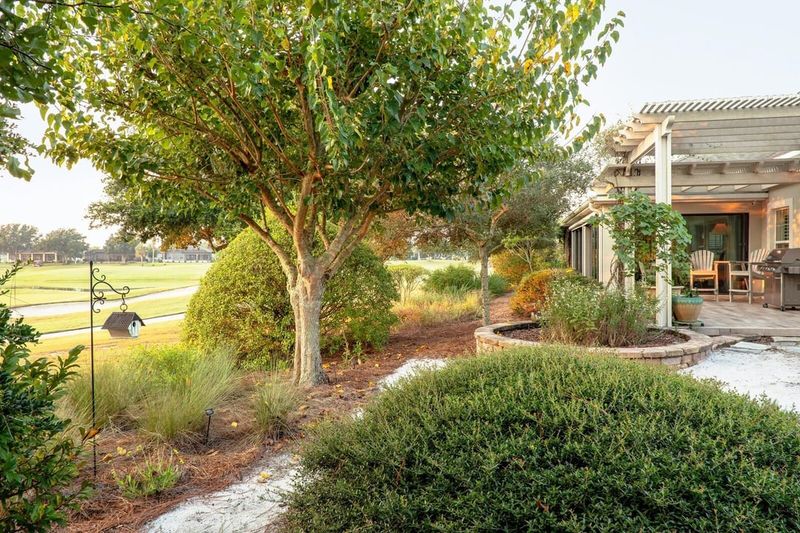
You get the violation notice in the mail and your stomach drops a little, because all you did was pull out some patchy St. Augustine and put in a native garden.
Florida homeowners have been fighting this exact battle with their HOAs for years, and the good news is that state law does give you real protection.
But that protection is more specific than most people realize, and knowing exactly what it covers can mean the difference between a resolved dispute and an expensive legal fight.
What Florida Law Actually Protects
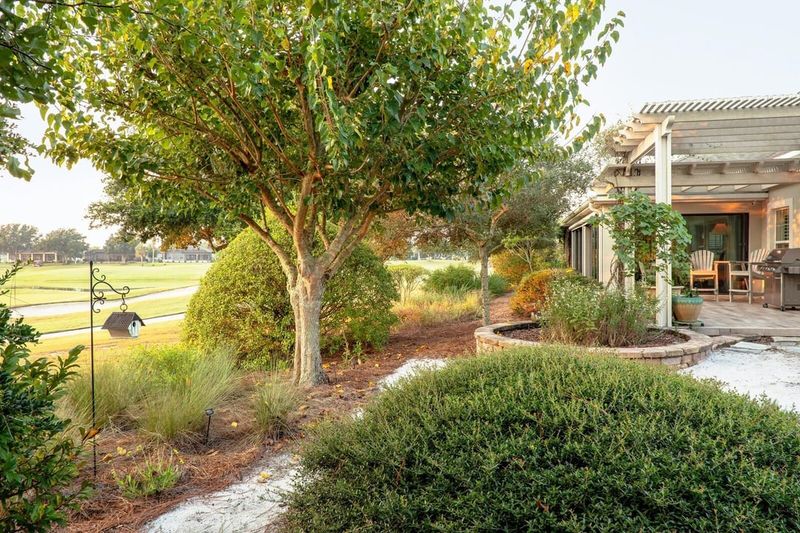
Two Florida statutes sit at the heart of every HOA dispute over native or natural landscaping.
Section 720.3075(4)(b) of the Florida Statutes says that HOA declarations, bylaws, covenants, and other governing documents may not prohibit Florida-friendly landscaping, and that the association cannot enforce any provision that would effectively prohibit it.
That is a meaningful protection, and it applies to local governments as well.
Here is where it gets tricky.
The statute does not protect every native plant in every situation.
What it protects is a complete landscape approach defined under section 373.185, which describes Florida-friendly landscaping as a system involving site-appropriate plant selection, water conservation, efficient irrigation, mulching, responsible pest management, stormwater reduction, wildlife habitat, and proper maintenance.
That is a bigger idea than one preferred species.
So when a homeowner replaces turf with native beds, the statutory defense is strongest when the whole design functions as a Florida-friendly landscape, not just when a single plant happens to be native.
A Florida Bar Journal analysis of HOA landscaping disputes notes that whether a homeowner can choose any native plant remains a genuinely unresolved legal question, with limited case law and possible architectural-review requirements still in play.
The protection is real, but it rewards a complete, thoughtful plan far more than a single-plant argument.
Native Is Not the Same as Florida-Friendly
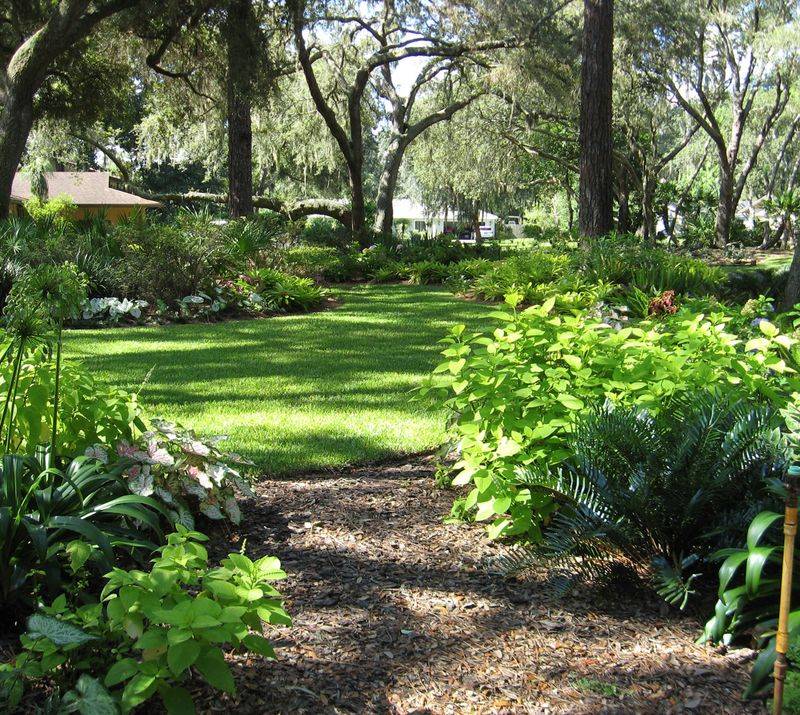
Many Central Florida gardeners assume that planting a native species automatically earns them legal protection, and that assumption can cost them a dispute.
The terms are related but not interchangeable, and the difference matters in an HOA setting.
UF/IFAS Florida-Friendly Landscaping guidance organizes the approach around nine principles: right plant, right place, efficient watering, appropriate fertilization, mulching, attracting wildlife, responsible pest management, recycling yard waste, and reducing stormwater runoff.
A landscape earns the Florida-friendly designation by following those principles as a system.
The UF/IFAS Florida-Friendly Plant Selection and Landscape Design Guide makes clear that a qualifying landscape may include both native and nonnative plants, as long as the design avoids invasive species and fits the site.
A native plant placed in the wrong spot can actually work against you.
UF/IFAS research on native plants in residential landscapes warns that home yards often contain fill dirt, compacted soil, altered drainage, and reflected heat that bear little resemblance to a plant’s natural habitat.
A saw palmetto (Serenoa repens) crammed into a shaded drainage swale, or a firebush (Hamelia patens) left to sprawl across a sidewalk, can still generate a legitimate complaint about maintenance or access.
A carefully designed mixed planting that follows all nine principles, stays clear of invasive species, and suits the actual site conditions puts the homeowner in a far stronger position than a yard full of native plants that look unmanaged or block sight lines.
The plan is the argument, not the plant tag.
Check the HOA Rules Before You Plant
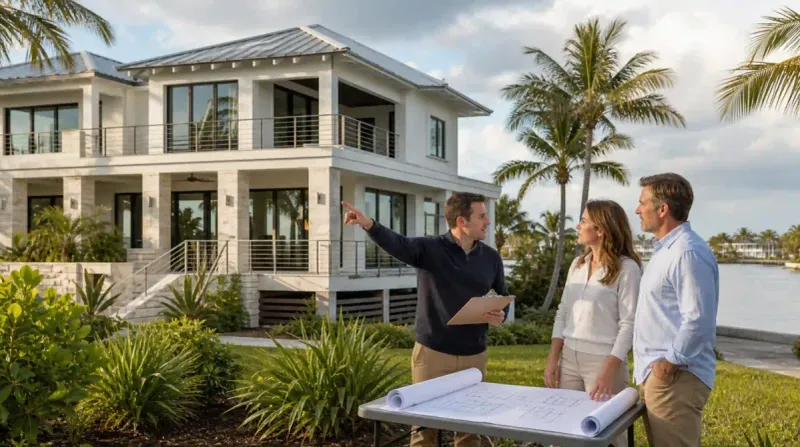
Before one plant goes in the ground, pull out the full stack of governing documents.
That means the declaration of covenants, bylaws, architectural-review procedures, landscape standards, any approved plant lists, setback requirements, and maintenance standards.
Read them carefully, because the rules vary from one community to the next, and what flies in one neighborhood may require a formal application in another.
The Florida Bar Journal’s analysis of Florida-Friendly Landscaping disputes specifically notes that architectural-review approval may still be required even when the underlying landscape could qualify for statutory protection.
That is not a technicality to brush off.
If the governing documents require you to submit a plan before installation and you skip that step, you hand the HOA a procedural argument that has nothing to do with native plants.
Submit the design before you dig.
Request the decision in writing.
Note any deadlines the governing documents set for the association to respond.
And if you receive a violation notice after installation, do not ignore it.
Section 720.3075 gives you real legal footing, but treating that statute as permission to stop communicating with the association is a mistake that can turn a manageable disagreement into an expensive one.
Respond in writing, reference the statute, and keep copies of everything.
Build a Plan Instead of Requesting One Plant
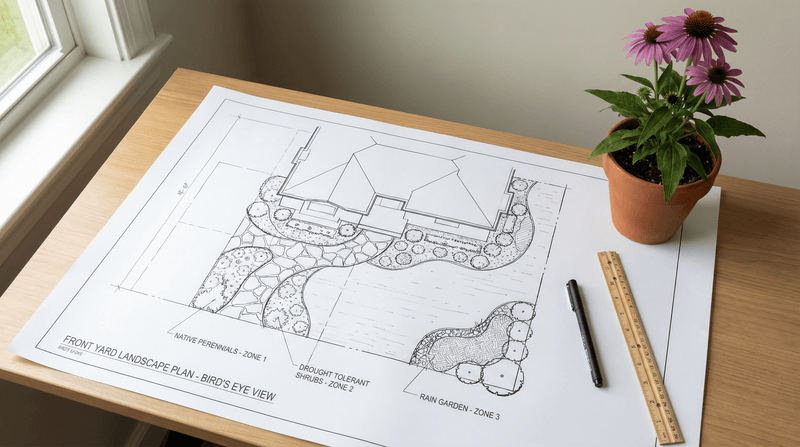
Asking an HOA for permission to plant one specific native species is a much weaker position than presenting a complete Florida-friendly landscape design.
A full plan gives the architectural review committee something concrete to evaluate, and it gives you documented evidence that you thought through the site rather than just picking a plant you like.
A useful submission should include the botanical name and common name of each plant, its mature height and width, the sun exposure it needs, soil and drainage requirements, proposed spacing, mulch type and depth, edging material, and a brief irrigation plan.
That level of detail directly demonstrates the “right plant, right place” principle that sits at the center of both UF/IFAS Florida-Friendly Landscaping guidance and the statutory definition.
Add a maintenance schedule that covers mowing or trimming frequency, how you will handle stormwater on the site, and your plan for monitoring and removing any invasive plants.
The UF/IFAS Plant Selection and Landscape Design Guide can help you match selections to site conditions and show that the choices were intentional, not random.
If the HOA has documented concerns about drainage, sight lines, or access, address those directly in the plan.
The Florida Bar analysis makes clear that valid site-specific concerns can still require a response, but that a general preference for turf over native beds does not automatically override the statutory protection for qualifying Florida-friendly landscaping.
A thorough plan closes that gap before the argument starts.
Match Each Plant to Its Florida Site
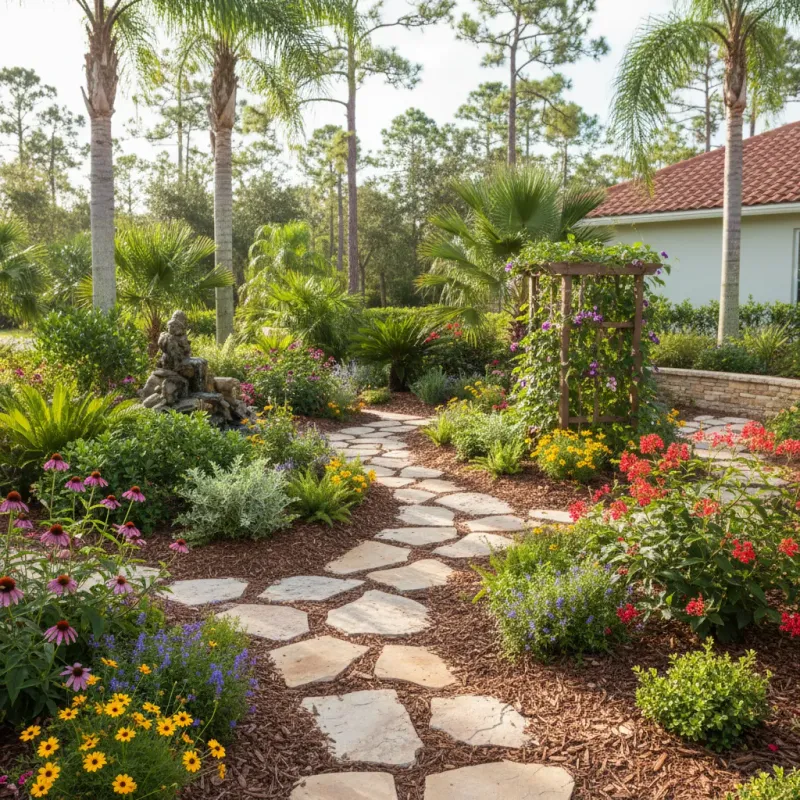
Florida is not one climate, and a plant that thrives in Homestead can freeze to the ground in Tallahassee.
Getting site fit right is not just good gardening, it is the foundation of the “right plant, right place” argument that makes a Florida-friendly landscape claim credible.
In north-central Florida, UF/IFAS guidance for that region notes that average winter minimums commonly fall between 20 and 30 degrees Fahrenheit.
A cold-sensitive species that looks perfect in a Miami nursery catalog can die back hard or fail entirely after a single North Florida freeze.
Coontie (Zamia integrifolia) and American beautyberry (Callicarpa americana) handle those temperatures well.
Tropical species that are borderline hardy in Central Florida need a protected microclimate or a realistic replanting budget.
Along the Gulf Coast and Atlantic Coast, salt spray and saline irrigation water can damage plants that would otherwise thrive inland.
UF/IFAS right-plant, right-place guidance recommends selecting salt-tolerant species for coastal sites, and Simpson’s stopper (Myrcianthes fragrans) is one native that handles those conditions well.
Low-lying swales stay wet for hours after a summer downpour, while sandy lots in the Panhandle can dry out within a day.
South Florida and the Keys require extra thought about cold sensitivity.
UF/IFAS guidance on native trees for South Florida distinguishes subtropical areas that receive occasional frost from tropical zones where frost is rare.
And UF/IFAS research on native plants in residential settings reminds homeowners that native status does not erase the effects of altered residential conditions like compacted fill, reflected heat from pavement, or modified drainage patterns.
Site fit is earned, not assumed.
Plan for Establishment and Ongoing Care
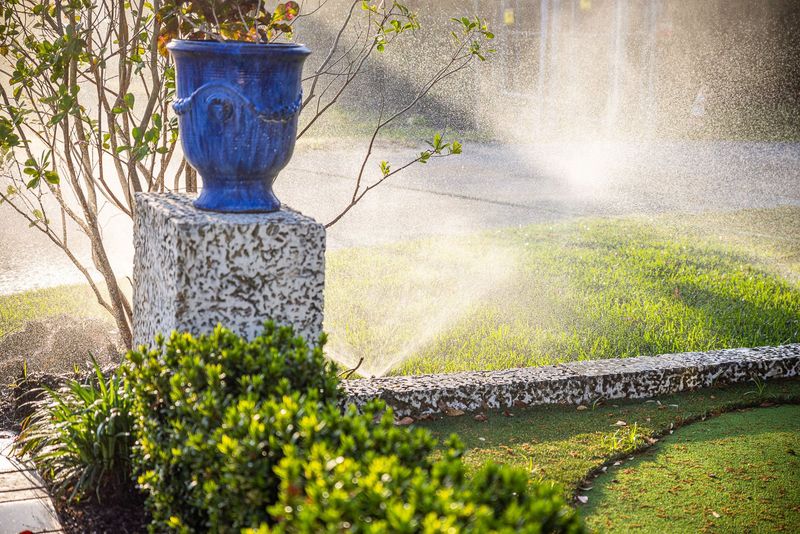
One of the most common surprises for new native-plant gardeners is how much water a young plant actually needs right after it goes in the ground.
Native status does not skip the establishment phase, and a plant that dies from neglect in the first few months undermines both the garden and the Florida-friendly argument.
The UF/IFAS Florida-Friendly Landscaping Pattern Book notes that new trees and shrubs may need daily irrigation right after planting, with watering frequency tapering off over several months as roots extend into surrounding soil.
Most plants reach establishment after about 4 months, though larger trees can need considerably longer.
A rain barrel system can support that schedule, and one UF/IFAS reference point is useful here: 1 inch of rain falling on 1,000 square feet of roof produces roughly 600 gallons of captured water, which is a helpful planning figure for rain capture, not a universal irrigation target for every plant.
Mulch matters too.
A 2- to 3-inch layer of mulch around new plantings holds soil moisture, moderates temperature, and reduces weed pressure, all of which support establishment and fit squarely within the UF/IFAS nine principles.
Keep mulch a few inches away from plant stems to avoid rot.
Once plants are established, ongoing care still matters.
UF/IFAS right-plant, right-place guidance notes that even well-matched native plants in residential yards can face pest pressure, fungal issues, or drainage stress.
Regular monitoring, prompt pruning of dead or diseased material, and a maintenance log all help demonstrate that the landscape is being actively managed, which strengthens your position if the HOA questions upkeep.
Understand the Limits of the HOA Defense
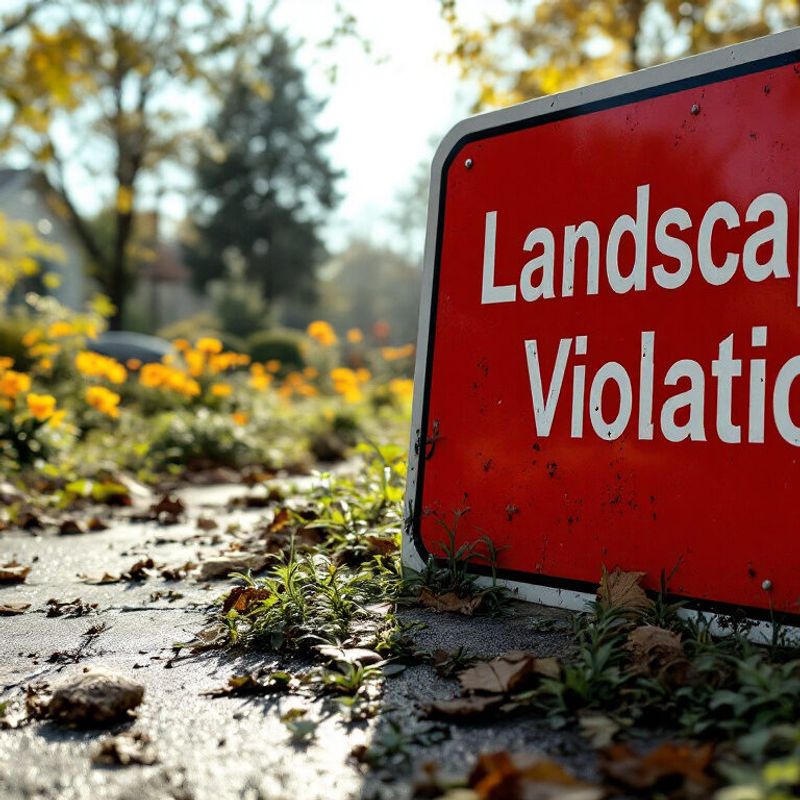
The statutory protection for Florida-friendly landscaping is genuine, but treating it as an automatic win in every dispute is a mistake that can leave homeowners caught off guard when the HOA pushes back on legitimate grounds.
An association can still address documented concerns that are grounded in its governing documents or applicable rules.
Sight-line requirements near driveways and intersections, setback rules, fire-safety access, stormwater structure maintenance, drainage, invasive-plant prohibitions, and upkeep standards are all areas where a well-documented HOA position may hold up even when the homeowner’s landscape otherwise qualifies as Florida-friendly.
The key word is documented: vague aesthetic preferences do not automatically authorize a prohibition of qualifying Florida-friendly landscaping, but specific, rule-based concerns about safety or drainage are a different matter.
The Florida Bar Journal analysis describes the case law on Florida-Friendly Landscaping disputes as relatively undeveloped, which means there is no long line of homeowner victories to point to.
If an HOA denies a plan or issues fines, the homeowner may need to work through the association’s internal dispute process or, if that fails, pursue litigation.
Florida’s general HOA fining framework allows fines of up to $100 per violation per day for up to 10 days, and depending on governing documents and circumstances, additional consequences can follow.
Attorney-fee exposure is a real consideration for both sides.
Sections 720.3075 and 373.185 give you a meaningful argument, not a guaranteed outcome.
When fines, a formal denial, or the threat of litigation arrive, consult a Florida attorney familiar with community-association law before deciding your next move.
Keep Records and Source Plants Lawfully
Good recordkeeping does not guarantee a favorable outcome in an HOA dispute, but it can be the difference between a credible response and a defenseless one.
Start a folder the day you begin planning and keep adding to it through installation and beyond.
Save the submitted landscape plan, all approval correspondence, receipts from reputable nurseries, plant labels with botanical names, dated photographs of the installed landscape, soil-test results, irrigation details, maintenance notes, and any UF/IFAS or Florida-Friendly Landscaping guidance you relied on.
That paper trail shows the landscape was planned, sourced properly, and actively maintained as a functioning system, not just planted and abandoned.
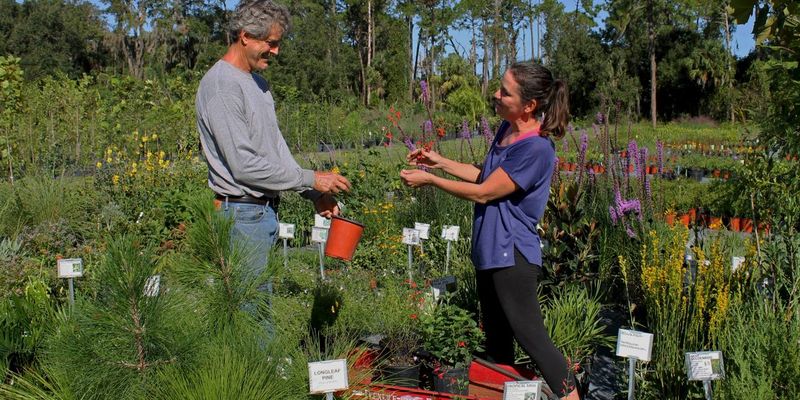
On sourcing: buy from reputable nurseries.
Florida regulates the collection of protected native plants, and digging from public land or someone else’s property without permission is not a gray area.
The Florida Department of Agriculture and Consumer Services requires permits for native plant harvesting in many situations, and Florida’s list of endangered native plants covers species that carry additional protections.
A nursery receipt is simple proof that your plants were obtained lawfully.
If the HOA objects despite your documentation, The Florida Bar analysis is clear that unresolved disputes may need to proceed through association procedures or litigation, and that an attorney familiar with community-association law is the right resource at that point.
The homeowner who walks into that process with a complete file of plans, receipts, photographs, and correspondence is in a fundamentally stronger position than one who planted first and documented nothing.
A well-kept folder is quiet, but it speaks loudly when it counts.