
The Texas Plants That Pull In Dragonflies And Quietly Cut Down Mosquito Hour
Follow us on Google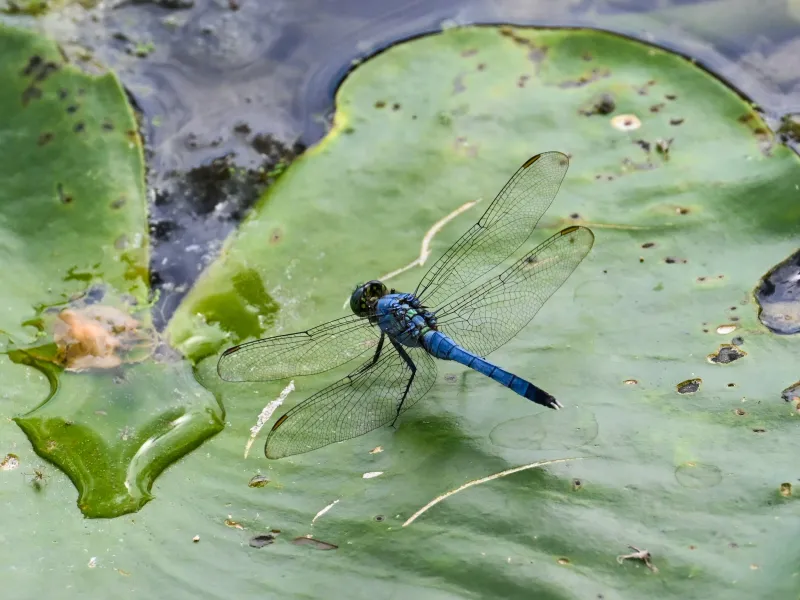
You step outside before breakfast and the patio already feels warm, the air thick with that humid promise of another Texas scorcher.
You grab your coffee, but a high-pitched whine cuts through the quiet, a familiar buzz right near your ear.
The mosquitoes beat you to the porch again.
What if some of our prettiest native plants could quietly recruit a winged patrol that eats those biters for you?
It turns out a handful of Texas natives pull in dragonflies, nature’s tiny fighter jets.
These aerial hunters are quiet heroes that genuinely cut down mosquito hour, no zappers or sprays required.
Here is how to build a yard they cannot resist.
1. Dragonflies Are Actual Mosquito-Eating Machines
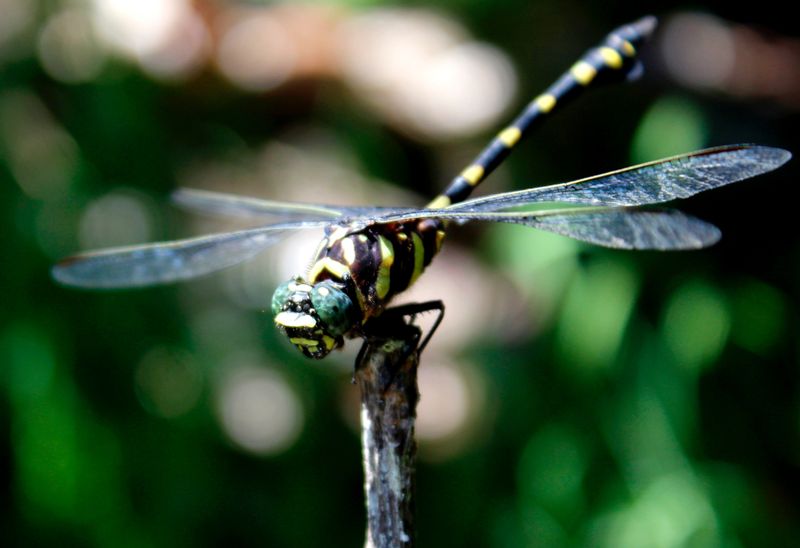
Those sleek, jewel-toned fliers zipping around the pond are far more than pretty.
Dragonflies are voracious predators, and mosquitoes sit high on their menu at every stage of life.
Many Central Texas gardeners are genuinely surprised at how much muscle these insects bring to the fight.
Here is where it gets tricky for the mosquitoes.
Dragonflies attack on two fronts.
Their underwater young, called nymphs, live below the surface for months, sometimes up to five years depending on the species.
Those nymphs are relentless, hunting mosquito larvae in your ponds and water features around the clock.
A single nymph can eat around 40 mosquito larvae per day in good conditions, gutting the next generation before it ever flies.
Then the adults emerge, shed their skins, and take to the air.
Armed with nearly 360-degree vision and startling speed, an adult dragonfly can snatch 30 to over 100 mosquitoes out of the air in a single day.
They will not clear every last biter, so treat them as one layer, not a magic solution.
But that steady, chemical-free patrol from dawn to dusk buys back your evenings.
And it costs you nothing once the yard invites them in.
2. Gregg’s Mistflower Draws Them In Fast
Want the patrol to show up?
Start with a plant that offers them a place to refuel and hunt.
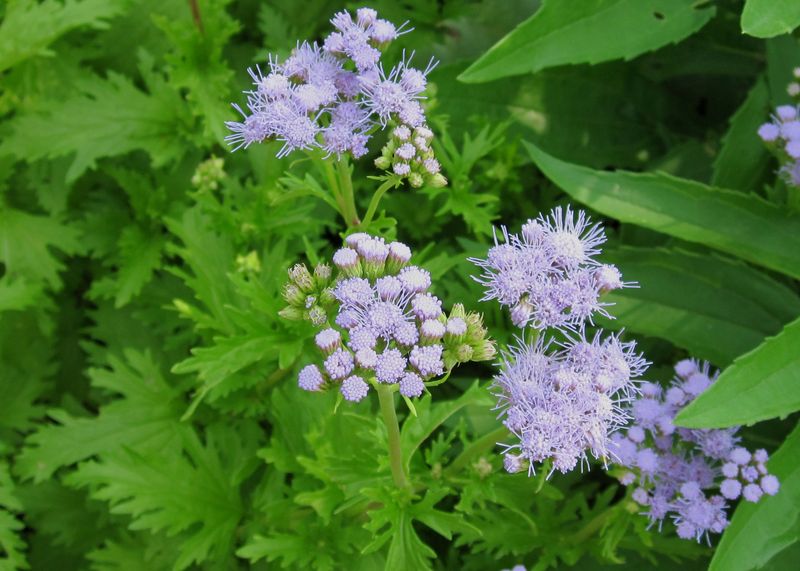
Gregg’s Mistflower (Conoclinium greggii) earned its Texas Superstar badge for exactly this reason.
The fluffy, lavender-blue blooms act like a diner sign for small pollinators, and dragonflies follow the crowd looking for a meal.
Many gardeners across North and Central Texas love how little it asks.
It thrives in full sun to mostly sunny spots and wants well-drained soil, though it shrugs off different soil pH and texture.
Just do not plant it where the ground stays soggy through winter, or the roots will rot.
Expect blooms from late spring clear through late fall, peaking in late summer and autumn when other colors fade out.
The plant grows about 2 feet tall and spreads by underground runners, what gardeners call rhizomes, so give it room.
Space new starts 18 to 24 inches apart.
It is root hardy down to 0 degrees Fahrenheit, which means it comes back reliably in USDA Zones 7 through 10.
Plant a drift near the porch and watch it hum by August.
That quiet motion overhead is your new security team clocking in.
3. Turk’s Cap Thrives In Tricky Shady Corners
Got a shady spot where nothing wants to bloom?
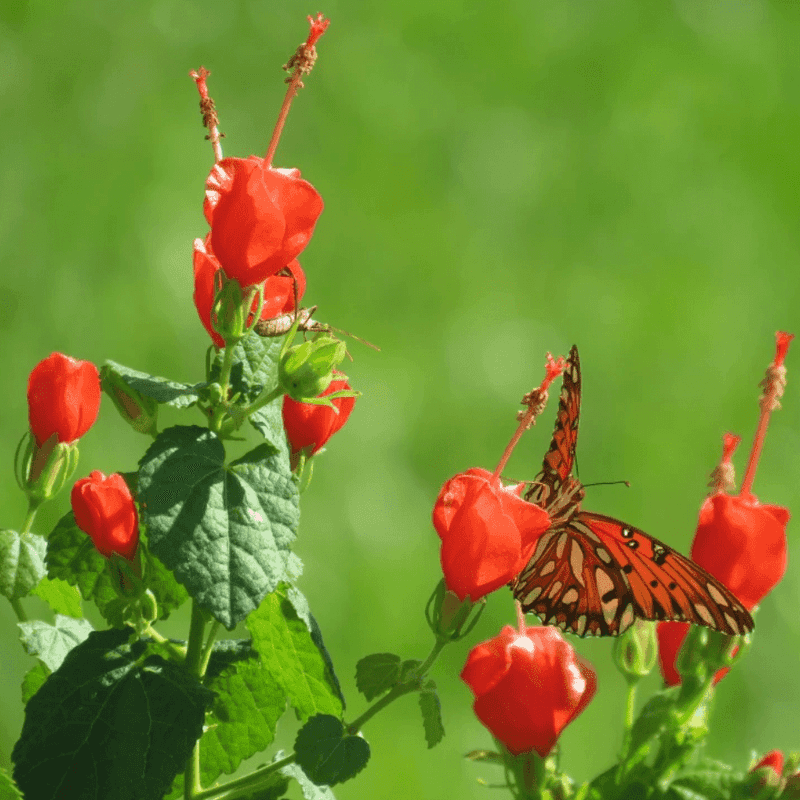
Turk’s Cap (Malvaviscus arboreus var. drummondii) treats that problem like an invitation.
This Texas native is beloved from the humid Gulf Coast to the drier Hill Country because it bends to almost any condition you throw at it.
The bright red flowers stay tightly furled, resembling a little Turkish turban that never fully opens.
Hummingbirds, butterflies, and a parade of small insects mob those blooms from late spring through fall, and the small insects are what draw patrolling dragonflies in for the hunt.
Turk’s Cap forms a multi-branching bush, growing anywhere from 2 to 9 feet tall and 3 to 8 feet wide depending on your soil and whether it freezes back over winter.
It handles sandy, loamy, clay, or limestone ground, though it does best in moist, well-drained woodland conditions.
Full sun works, but in brutal afternoon heat it can turn leggy or catch mildew, so a little afternoon shade keeps it looking sharp.
Once established, it is remarkably drought-tolerant, which matters when a long dry stretch settles in.
Tuck it against a north-facing fence and it fills a corner most plants abandon.
That neglected strip becomes hunting ground overnight.
4. Flame Acanthus Laughs Off Triple-Digit Heat
Some plants wilt the second the thermometer hits 100 degrees.
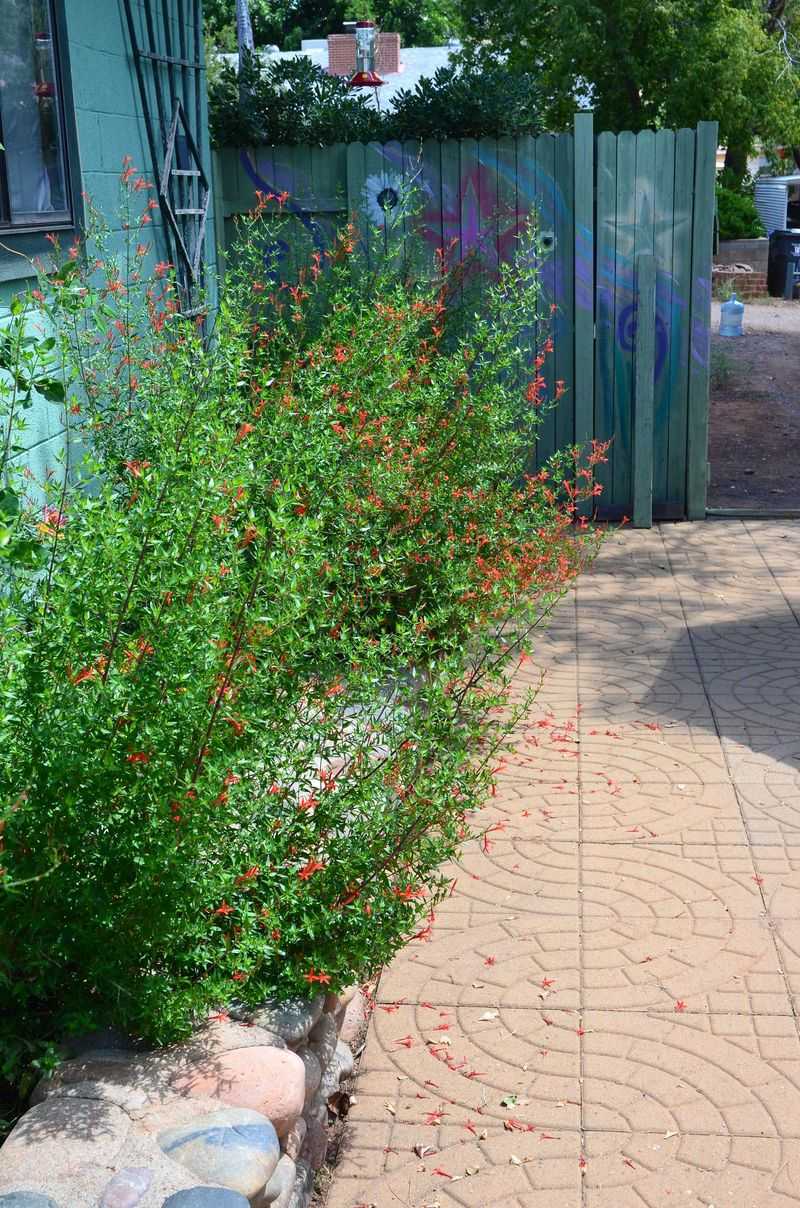
Flame Acanthus (Anisacanthus quadrifidus var. wrightii) just keeps blooming, which makes it a hero for hot, sunny corners in West Texas and South Texas landscapes.
Folks also call it Hummingbird Bush, and the fiery orange-red tubular flowers explain why.
They bloom from summer straight through fall, feeding hummingbirds while doubling as a hunting perch for dragonflies stalking smaller insects.
It is a deciduous shrub, so it drops leaves in winter and returns each spring.
The plant reaches 3 to 6 feet tall and 3 to 4 feet wide, forming an airy, open shape rather than a dense wall.
Give it full sun to light shade.
Once the roots settle in, it is genuinely drought-tolerant, but during that first year it wants regular watering to drive roots deep.
It grows in almost anything, from poor rocky ground to heavy blackland clay, and handles cold down to 10 degrees Fahrenheit, hardy across USDA Zones 7 through 10 in much of Texas.
Plant it near a patio or fence line where reflected heat cooks other choices.
It thrives on the abuse, and your evenings get a little quieter for it.
5. Water Is The Real Secret Weapon
Flowers pull in adult dragonflies looking for lunch.
But the true engine of a thriving population is water, and this is where most yards fall short.
Many East Texas and Gulf Coast homeowners already fear standing water as a mosquito nursery.
Here is the turn.
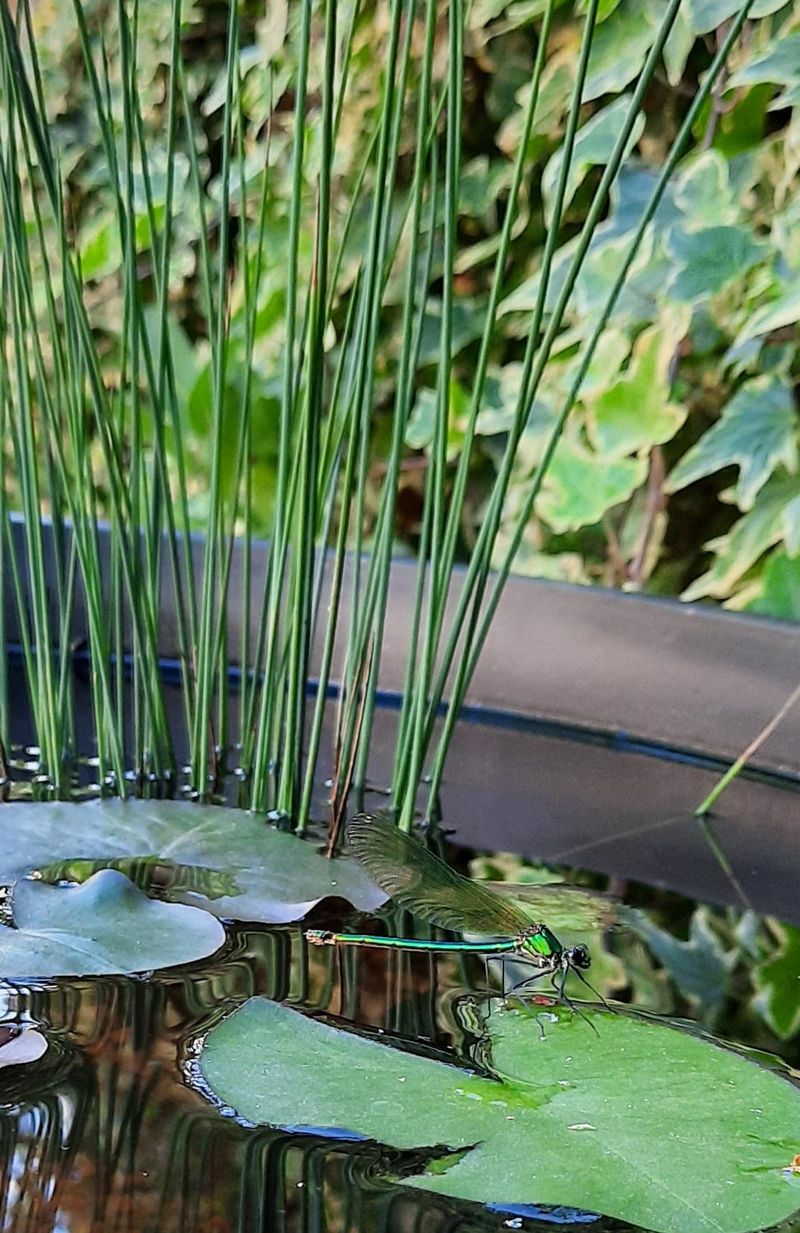
That same water is where dragonflies begin their lives.
To genuinely knock down mosquito numbers, you need the dragonflies to complete their full cycle in your backyard, not just visit.
Build or keep a small water feature, a pond or even a container water garden.
It does not need to be huge, but it should reach at least 10 to 18 inches deep in some spots.
The single biggest rule is no fish.
Fish devour dragonfly eggs and nymphs, which defeats the whole plan.
Add aquatic plants like Arrowhead (Sagittaria latifolia), Wild Celery (Vallisneria americana), or Cattails (Typha latifolia) so nymphs have cover and adults have places to lay eggs.
Wild celery needs at least 18 inches of water to grow right.
Leave a few rocks or sticks poking above the surface so nymphs can climb out and emerge as adults.
Worried about mosquitoes breeding before dragonflies move in?
Drop in a mosquito dunk with Bacillus thuringiensis israelensis, called Bti, which kills larvae without harming dragonflies or other pond life.
6. Black-Eyed Susans Build Hunting Perches
Think past shrubs and ponds for a minute.
Smaller flowering plants create mid-air hunting lanes and resting perches that adult dragonflies rely on between chases.
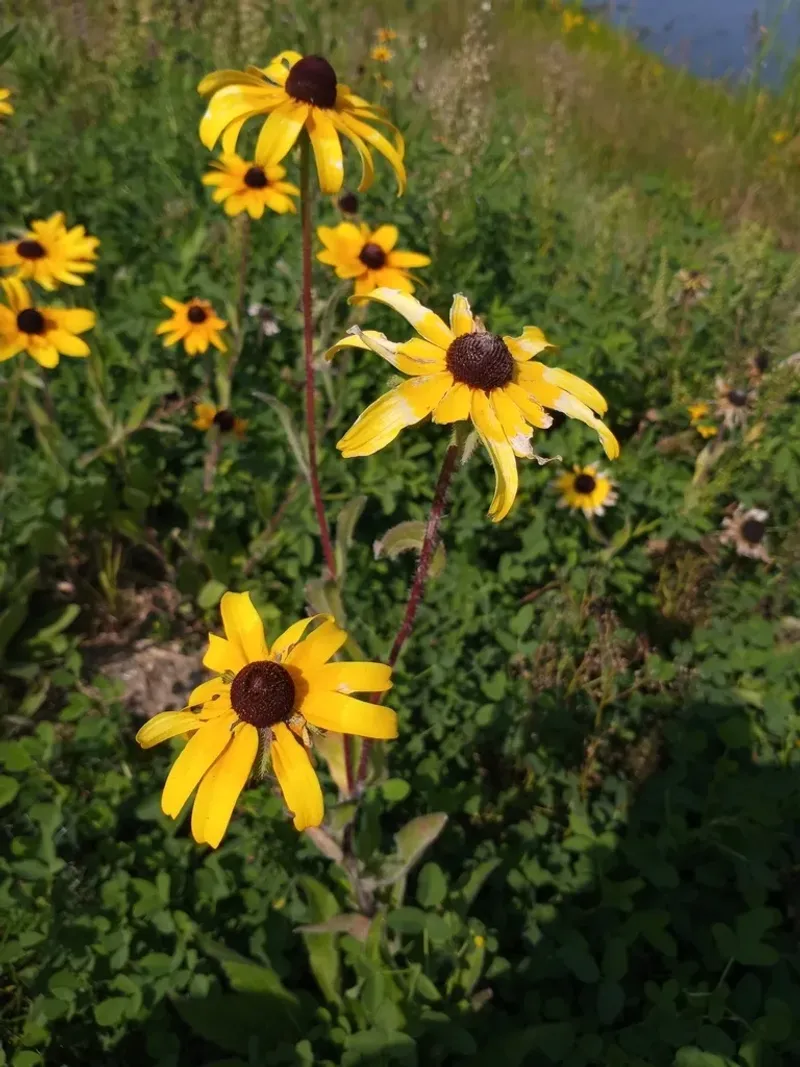
Black-Eyed Susan (Rudbeckia hirta) fills that role while looking cheerful doing it.
The bright yellow blooms are not just a sunny sight.
They pull in a crowd of tiny insects, and those insects become easy meals for dragonflies launching off the sturdy stems.
A dragonfly likes a solid takeoff pad, and a mass of these gives it dozens.
Black-Eyed Susans grow easily across most of Texas, happy in full sun and forgiving about soil, from the acidic sandy ground in East Texas to the heavier clays up north.
They tend to behave as biennials in warmer stretches, living roughly two years, but they reseed generously, so the show keeps rolling.
Water them regularly through dry spells, and otherwise they ask for almost nothing.
Plant a broad patch and you get a meadow effect that reads as pure Texas summer.
According to Texas A&M AgriLife Extension, native wildflowers like these support a wider insect web than tidy exotic beds ever will.
More insects below means more dragonflies working the air above.
7. Swamp Milkweed Feeds The Whole Food Web
Got a low spot that stays damp after a downpour?
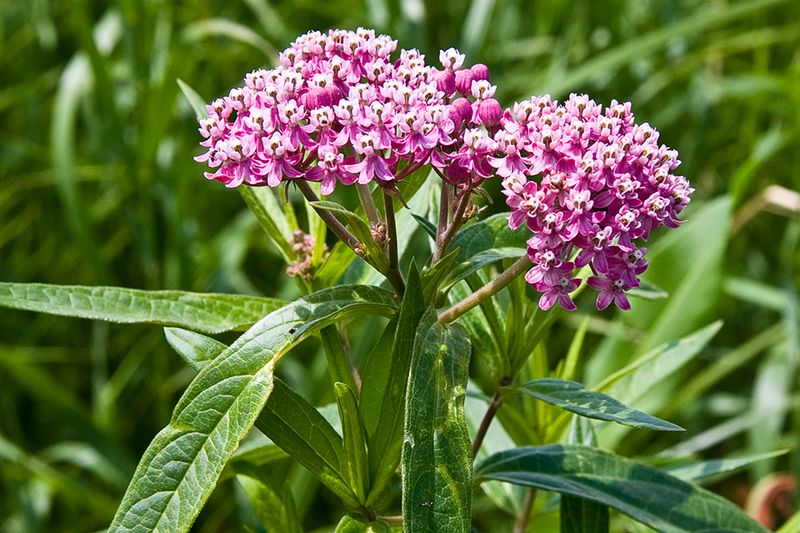
Instead of fighting it, plant Swamp Milkweed (Asclepias incarnata) and let it work for you.
Most people tie milkweed to monarch butterflies, and this one does feed the spring and fall monarch migrations that pass through Texas.
But its reach goes wider.
The clusters of soft white and pink flowers draw bees, wasps, and a steady stream of pollinators.
Those visitors feed the larger food web that keeps dragonflies well fed and hanging around your yard.
Swamp Milkweed is a perennial that returns year after year, and it truly earns its name.
It thrives in moist, sunny spots and takes to the clay-rich soils common across East and Coastal Texas.
Where other milkweeds sulk in wet feet, this one settles in and spreads.
By feeding a diverse insect community, you build a more balanced backyard, one where mosquitoes meet natural resistance from several directions at once.
It is a quiet kind of teamwork.
Plant a few near your pond edge and let the whole system reinforce itself, monarchs overhead and dragonflies on patrol.
8. Your Yard, Reclaimed And Genuinely Alive
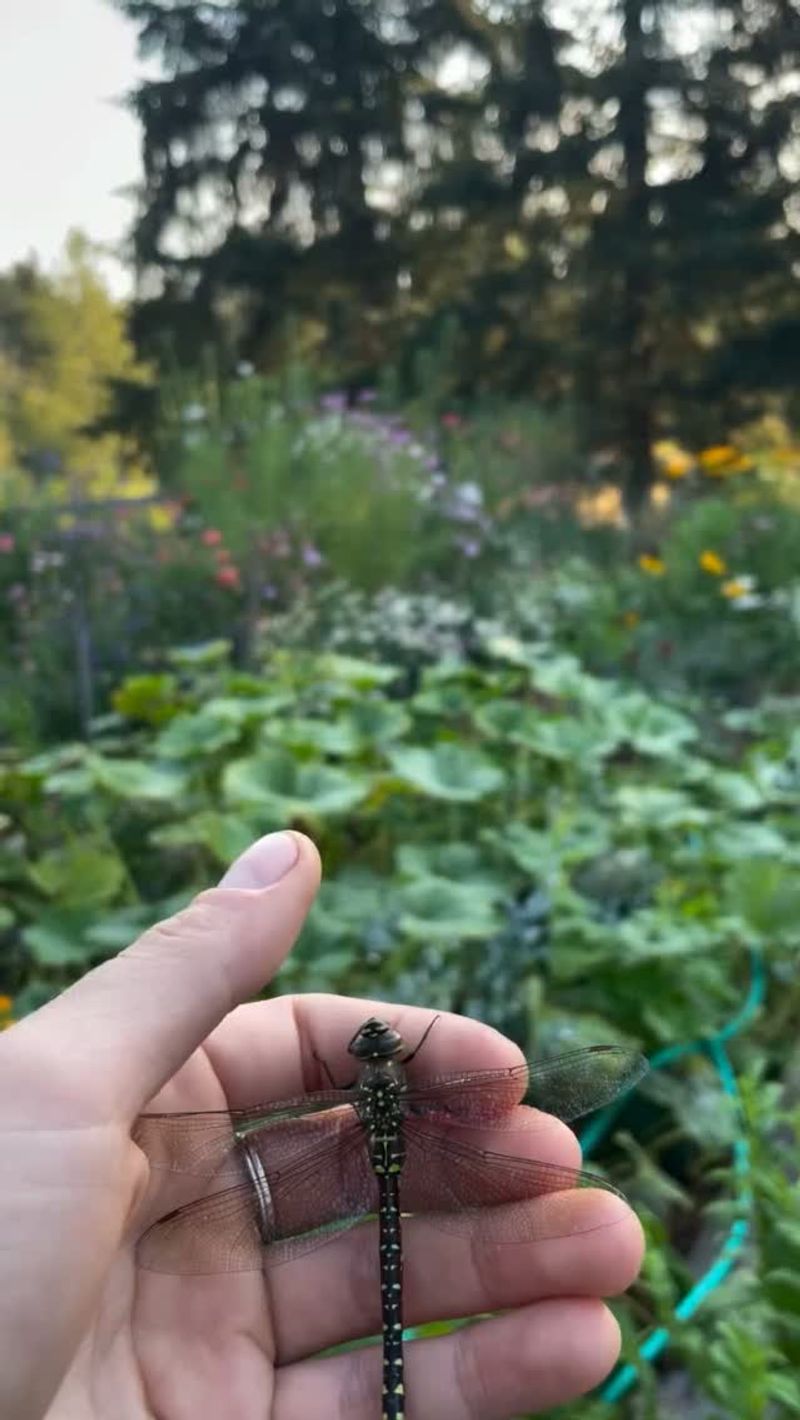
Bringing dragonflies in will not wipe out every mosquito, and any neighbor promising that is selling something.
What it does is stack the odds in your favor, cutting numbers with a natural, chemical-free approach that lets you actually enjoy your outdoor evenings again.
Think of it as hiring an elite winged crew that works for free, no zappers humming, no fog drifting over the cookout.
Texas has recorded around 160 species of dragonflies, so odds are good you will spot several kinds once the yard is ready.
Pair the drought-tolerant natives, Gregg’s Mistflower, Turk’s Cap, and Flame Acanthus, with a small fishless pond and a few aquatic plants for the nymphs.
That combination is a multi-layered defense, not a single trick.
You are not just gardening at that point.
You are restoring a little piece of the natural balance to your own patch of Texas.
The porch feels safer, the air feels a bit more alive, and the evenings fill with the silent darting of dragonflies doing honest work.
And that, right there, is something to feel quietly proud of.